Look! We're Learning!

Early Learning. Happy Teaching.

  • Shop
  • Printables
  • Homeschool
  • Crafts
  • Parenting
  • Blog
How to Teach Your Child with ADHD to Work Independently - Look! We're Learning!

How to Get Your ADHD Child to Work Independently

October 22, 2014 by Selena Robinson Leave a Comment

If you have kids who are living with ADHD, you’ve probably experienced this scenario:

You assign your child some schoolwork. You walk away. You come back 15 minutes later and your child is sitting in the exact same position he was in when you left. You look at the schoolwork. He has managed to write his name and that’s it.

You ask: “What have you been doing all this time?!?” The answer you get is: “Um….” or “I don’t know. I was just….”

As frustrating as this sounds, it is pretty normal. Since kids who have ADHD have a hard time maintaining their focus long enough to finish something, it can seem as if your child will never learn how to do his schoolwork without you standing right there.

The good news is that our kids with ADHD can learn how to work independently, but they’ll need some help from us to do it.
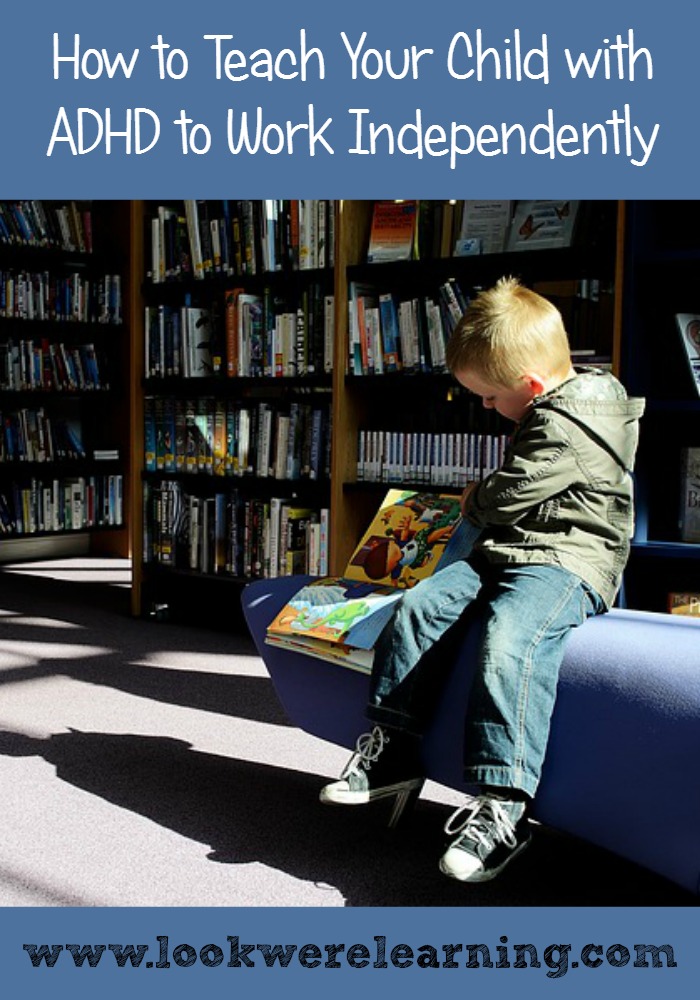
How to Teach Your Child with ADHD to Work Independently - Look! We're Learning!

Tips for Helping Kids with ADHD to Work Independently

Start with bite-sized assignments.

Start small, and I mean very small. If you use worksheets, assign your child ONE problem or question and ask him to complete it before you come back into the room. If that goes well, assign ONE more. If that one goes well, assign ONE more, then stop.

At this point, it doesn’t matter if the work is done correctly. It may not be. In fact, your child’s answers may not even be in the same galaxy with the right answer. But if he did the work on his own, that’s a victory for that day.

Stay close to your child while he works.

I got this idea from a fabulous blog post by Coach Carlene, and it really does work. Stay in the same general vicinity with your child. Don’t stand around waiting for her to finish, because that can just make her anxious. But remain near enough to observe discreetly.

When Tigger does her independent work, I try to stay nearby. If she’s at the dining room table, I’ll use that time to clean the kitchen. If she’s working on the sofa, I’ll go fold laundry on the other side of the living room. Just having me in her line of sight does wonders for her focus.

Give lots of praise.

When your child completes something on his own for the very first time, shower him with praise! Don’t focus on the accuracy of the work. Even if it’s accurate, that’s not the goal (yet).

The goal is for him to stick with his work without needing you to prod him along. If he does that today and you give praise for it, he’s more likely to try again tomorrow.

Have you had trouble helping your kids with ADHD work on their own? How do you encourage them to work independently? Share your tips in the comments!

This post is part of the 31 Days of ADHD Homeschooling series! Stop by tomorrow for Day 23: Homework Strategies for ADHD Kids!

31 Days of ADHD Homeschooling - Look! We're Learning!

Teaching Tips for ADHD Homeschooling - Look! We're Learning!

Teaching Tips for ADHD Homeschooling

October 21, 2014 by Selena Robinson 2 Comments

We’ve been talking about ADHD all month long – what it is, how it affects people who have it, and how the brain of a person who has ADHD operates. If you’re just finding our series or if your eyes have glazed over because of all the posts so far, don’t worry! Today we’re going to start talking about what we can do to help our kids with ADHD learn. 🙂

One of the main concerns for people who have ADHD is maintaining focus, not just attention, but focus. Focus is what helps us start a project, pay attention to it, and complete it. For many people with ADHD (like myself), starting projects and assignments is easy. It’s the finishing that gives us the most trouble.

If you’re homeschooling (or even if your kids attend public school), they’ve got to learn how to finish their assignments, whether they have ADHD or not. But if you’re teaching them at home, you’ll have a lot more room to adapt as a teacher. So – here are a few homeschool teaching tips for ADHD kids that you can try this week!

Teaching Tips for ADHD Homeschooling - Look! We're Learning!

Homeschool Teaching Tips for ADHD Kids

Use lots and lots of energy.

Now when I say “lots of energy”, I mean LOTS OF ENERGY. Think Robin Williams in Dead Poets’ Society. Stand on tables, jump up and down, burst into song in the middle of a sentence…you get the idea. And I’m only half joking.

The days that our school lessons went the best were the days that I came out and put on a show during class. When I make the lesson memorable, the kids pay attention and do a better job of focusing. Not only that, they actually remembered it the next day. (My personal struggle is being consistent with this, which as a mom with ADHD, I’m not.)

Remove any distractions.

Depending on the type of stimuli your children respond to, you might have to get rid of lots of things in your school space. My kids are easily distracted by visual stimuli, so I had to take down my beautiful map of the world which hung on the wall in front of our dining room table.

I loved that map, but every time I stood in front of it to teach, my kids’ eyes went directly to Murmansk, not me. Our homeschool room is pretty boring now, but the kids have done better work this year.

Separate siblings, if necessary.

As much as I liked the idea of a one-room schoolhouse type of class, I ended up having to separate some of my kids, especially during certain subjects. My two oldest kids are very competitive, and the younger one will try to rush through his work to catch up with his older sister.

So I started having him do his work separately. Without that peer pressure, his work improved immensely. Plus, Tigger had an easier job staying focused on her lessons.

Do you have any tips for teaching kids with ADHD? Feel free to share them in the comments!

This post is part of the 31 Days of ADHD Homeschooling series! Stop by tomorrow for Day 22: How to Get Your ADHD Child to Work Independently!

31 Days of ADHD Homeschooling - Look! We're Learning!

CurrClick

How to Use Worksheets for Kids with ADHD - Look! We're Learning!

How to Use Worksheets with Your ADHD Child

October 20, 2014 by Selena Robinson Leave a Comment

There are some homeschoolers who don’t use worksheets at all. There are some who use them all the time. Then there are homeschoolers like me. I use them with my kids, but only at certain times.

When I first started homeschooling Tigger, I was much stricter about using worksheets. “No, you can’t get up until you finish ALL of the problems!” I can’t remember how many times I uttered that sentence. Of course, at the time I had no idea that she had ADHD.

Now that I know more about what happens inside the mind of a child with ADHD, I’ve adjusted the way we use worksheets. We still use them, but with a different goal in mind.

Rather than using worksheets as the basis of our lessons, I use them to reinforce concepts and to help my kids get used to the structure of sit-down learning. There’s a possibility that they may go to school eventually, and I want them to be at least be familiar with this style of education. So, here’s a look at how we use worksheets with our ADHD kids!

How to Use Worksheets for Kids with ADHD - Look! We're Learning!

Image: bigandt / Dollar Photo Club

How to Use Worksheets with ADHD Kids

Assign one worksheet at a time.

When you’re first starting out, it’s probably best to assign no more than one or two worksheets at a time. Kids, even kids who don’t have ADHD, can get overwhelmed by the sight of several worksheets to do. We can keep them from mentally checking out by giving them one assignment at a time until they adjust to them.

Depending on your child’s style of ADHD, you might even have to break up that single worksheet into sections. And that’s perfectly fine! If Tigger has a math worksheet with several rows of problems, I usually tell her to do two rows and let me check them. After a break, she completes more until we get them all done.

Keep the atmosphere light.

Don’t make completing the worksheet the measure of your child’s understanding. I’ve done this before and it was a disaster. There have been several times when I thought Tigger should have been able to complete the worksheet in a timely manner if she truly understood the lesson. So, I would make her do assignment after assignment after assignment until she could complete them quickly.

When I finally just started asking her to tell me about what we covered, I found out that she could practically recite it from memory. She could express the concepts verbally but the requirement of sitting down and writing it on paper was not her thing.

Now, I use a teaching style that is more conversational and I notice that she pays attention better and she remembers the concepts better. (We’ll talk more about teaching tips for ADHD in tomorrow’s post.)

Make room for movement.

Don’t forget to let your kids move! If they sit down for 10 minutes to do a worksheet, they’ll probably need to get up and take a brain break soon afterwards.

Depending on your child’s age, they may even need to take a movement break in the middle of the worksheet. After a little movement, they may actually have a clearer mind and complete their work more accurately.

Do you use worksheets in your homeschool? Have you made adjustments so that your kids with ADHD can complete them? Do you absolutely hate worksheets? Tell us in the comments!

This post is part of the 31 Days of ADHD Homeschooling series! Stop by tomorrow for Day 21: Teaching Tips for ADHD Homeschooling!

31 Days of ADHD Homeschooling - Look! We're Learning!

Calming Tips for Parents with ADHD - Look! We're Learning!

Calming Tips for Parents with ADHD

October 19, 2014 by Selena Robinson 2 Comments

If you’re a parent, you’ve probably been there. Standing in front of your child, struggling to keep your voice calm while saying, “I’m going to count to five, and if you don’t stop screaming by then….” In fact, I think I just did this a few days ago.

Lots of parenting books offer suggestions for how we can help kids to calm down and listen, but there aren’t a lot of books about how parents can calm down. All parents get frustrated and irritated by their kids, but for parents with ADHD, these everyday irritations can lead to major blowups.

For the longest time, I couldn’t understand why I had days when I was perfectly equipped to manage my kids and then I had days when every little thing they did would set me off. But that’s the inconsistency of ADHD for you. I’ve also learned that there are certain “triggers” that cause me to overreact and, now that I know what they are, I’m having an easier time managing my emotions.

So, today I’m sharing a few of my personal calming tips for parents with ADHD!

Calming Tips for Parents with ADHD - Look! We're Learning!

Calming Tips for Parents Who Have ADHD

Identify your “buttons”.

As I mentioned above, the first thing I had to do was to pay attention to my “buttons”. You know, the ones that kids always find a way to push? 🙂 These buttons are different for every parent. Some parents are oblivious to loud noise and don’t mind it at all. Others need a quieter atmosphere.

Here’s my trigger: Noise from several sources ALL AT THE SAME TIME. And, of course, I decided to have four children who tend to recreate this exact environment. When I have one child on the floor shouting “Mom!”, while another is in the kitchen doing schoolwork and shouting “Mom!”, and two more are in the room calling “Mom!”, I tend to lose it.

So, my solution is to avoid that scenario whenever possible. I set one child up with an activity, then another, and another – until everyone has something they are assigned to do. I tell them to come and sit down in the living room quietly when they finish and then wait for me to explain the next thing. That keeps everyone from yelling “Mom!” at the same time.

Know your limits.

Stop overcommitting. Just stop it. And I know this is hard for a lot of us who are living with ADHD, because we really do want to do every single thing. But overcommitting puts such a strain on your brain, which may already be not performing at its best, that it can make you into an angry mom.

I’ve been attending college, working, and homeschooling my kids for the past couple of years. It was going fairly well until my husband went back to work full-time this past summer. He had been saving me by watching the kids when I studied. But after that, it was totally on me to keep the kids on task with their schooling, take care of the house, get my work done, and take my classes. Suddenly, I turned into some kind of Mother/Incredible Hulk hybrid. It was not pretty.

Recently, I’ve been reevaluating my choices, which I’ll talk about in a future post. And I’ll be cutting some of my obligations back, so that I can go back to happy mama mode again.

Cut out the multitasking.

Okay, this one is particularly hard for many parents with ADHD. If you have a brain that’s going in multiple directions, you’re probably used to feeling like Stretch Armstrong. (Remember those stretchy dolls you can pull in all directions?)

Unfortunately, that’s our natural inclination but it’s usually not the best thing for us. Many people with ADHD perform best when they can do lots of things in a single day, but one thing at a time. And I’ve found that to be true.

If the kids are in the living room watching TV and I’m trying to study, I’m going to be irritable when they interrupt me. (Which they will.) Now I know better. I sit out there with them and do something that doesn’t require intense concentration, like meal planning or writing a post like this. That way, I’m less irritated by interruptions, which keeps me calm.

Have you struggled with keeping your cool as a parent? Share your calming tips for parents with ADHD in the comments!

This post is part of the 31 Days of ADHD Homeschooling series! Stop by tomorrow for Day 20: How to Use Worksheets with Your ADHD Child!

31 Days of ADHD Homeschooling - Look! We're Learning!

Homeschool Organization Tips for the Mom with ADHD - Look! We're Learning!

Homeschool Organization Tips for Moms with ADHD

October 18, 2014 by Selena Robinson 5 Comments

Yesterday we talked about some of the struggles of homeschooling moms who have ADHD. Among them – or at least among mine – are disorganization, forgetfulness, and hyperfocus. Since you need a good routine to keep kids with ADHD on track, trying to teach them at home when you also have ADHD presents a whole world of problems.

For me (and many other people with ADHD), one problem is consistency. I can organize my things. I just can’t keep them organized afterward. I have absolutely no interest whatever in the daily maintenance of our homeschooling space. So, here are a few homeschool organization tips for moms with ADHD that I’ve used to keep our homeschool space somewhat under control.

Homeschool Organization Tips for the Mom with ADHD - Look! We're Learning!

Homeschooling Organizing for ADHD Parents

Designate one day per month to reorganizing.

Since I tend to hyperfocus on single tasks, I am awesome at once a month cleaning and reorganizing. I am NOT awesome at doing daily cleaning sessions. Sometimes I actually do not even see that the room is messy. Truly.

I’ve tried and tried and tried to make myself into a neat person, but it’s just not for me. I keep our open spaces clutter-free and clean, but my desk is a perpetual mess of books, papers, notebooks, and pens. I’ve since accepted that it’s a writer’s desk and, as such, it should be messy. It’s only right. 🙂

But once a month or so, I go into hyper-cleaning mode and I want to declutter from top to bottom. When I feel that coming on, I take advantage of it to the fullest. I set aside that entire day (generally) and clean like my life depended on it.

I go through all of our completed work for the past month and file it or chunk it. I also reorganize our school books, pull out our upcoming readers, and plan our arts and crafts for the next month. That gives me nearly a month before I have to do this all again, which is generally when I’ll experience another hyper-cleaning session.

Use the type of organizing system that is best suited for you.

I’m a visual person. I need to see constant visual reminders in order to get anything done. But for the longest time, I tried to make myself into the paper planner type. While I love filling in the planner, I don’t love looking at it every morning. In fact, I generally write down my schedule and then promptly misplace the planner. Or worse, put it on my desk and stack so many things on top that I forget to look at my list until a week later. Not helpful.

Instead, we use visual organizing systems such as workboxes, routine charts, and posted schedules. If I see our objects and plans each day, I’m far more likely to stick with them and maintain them, if for no other reason than that our things look better when they’re straightened.

Do a weekly review.

Okay, I can’t take credit for this one. My blogging buddy, Sarah from Early Bird Mom, suggested this and I loved it so much that I featured it in this week’s Family Fun Friday linkup. Sarah suggests that homeschooling moms pick one evening per week that they can sit down and complete a weekly review.

This is a designated time to look ahead to the upcoming week and remind yourself of your household, homeschooling, and financial obligations. That is an incredible idea, especially since I tend to write random reminders on bits of paper all over the house….and then forget to look at them again in time to do the required task. 🙂

How about you? If you’re a mom with ADHD, how do you keep your homeschool organized? Share your suggestions in the comments!

This post is part of the 31 Days of ADHD Homeschooling series! Stop by tomorrow for Day 19: Calming Tips for Parents with ADHD!

31 Days of ADHD Homeschooling - Look! We're Learning!

2014 Blogger Planner, Calendar, and Menu Planner from Mama Miss

How to Help Kids with ADHD Build Self-Esteem - Look! We're Learning!

Building Confidence in Children with ADHD

October 16, 2014 by Selena Robinson 2 Comments

ADHD is largely described as a negative condition – something that prevents kids and adults from being “normal”. It’s not surprising, then, that a lot of kids (and adults) who have ADHD suffer from low self-esteem.

Since many people don’t understand what’s happening inside the brain of someone who has ADHD, they might treat kids who have it as if they “can’t do” the same things “regular” people do. When kids pick up on that feeling, it can be devastating to their self-confidence.

As parents, we need to learn how to help our kids with ADHD to build self-esteem. If they develop a healthy view of themselves while young, they can learn how to use ADHD to their advantage to find a career they love, make good friends, and overcome obstacles. Here are a few suggestions about how we can build confidence in our kids with ADHD! We’re also featuring a giveaway of the wonderful book Raising Girls with ADHD!

How to Help Kids with ADHD Build Self-Esteem - Look! We're Learning!

Tips for Building Self Esteem in Kids with ADHD

Talk to them about ADHD.

One way we can avoid the “stigma” of ADHD is to talk about it openly with our kids. At first, I was worried that our kids would feel weird or strange, but they were actually relieved.

Tigger was glad to know that she had something real that explained why her brain couldn’t seem to concentrate at times or why she felt what she calls a “jumpy” feeling when she tries to sit still. I actually wished I had talked to her about it sooner.

Focus on the positive.

It’s easy to obsess over the negative symptoms of ADHD, but that can be extremely damaging to our kids’ self-esteem. In Raising Girls with ADHD, the writers encourage parents to focus on the positive qualities of their daughters. There’s a wonderful list of qualities for us to check off at the beginning and there is something there that EVERY child with ADHD has.

For Tigger, I picked quite a few, including: lively, imaginative, animated, helpful, spirited, creative, and eager. I loved how that encouraged me to think of the “bonuses” that come along with ADHD. 🙂 When we see ADHD in a positive light, it’s easier for us to convey that to our kids.

Help them set realistic goals.

We talked about setting learning goals for kids with ADHD a few days ago. Doing this is essential to building their self-esteem. Since developing a healthy amount of self-esteem is already challenging for young girls, adding ADHD to the mix can make it even more difficult. Raising Girls with ADHD has an entire section dedicated to helping our daughters build self-esteem, and one of the suggestions is to “Set small goals.”

Rather than focusing on one large task, help them break it into smaller, more manageable chunks that they can accomplish quickly. As they complete one task, then another, they’ll find it easier to continue instead of giving up at the first sign of trouble.

Building Confidence in Kids Who Have ADHD - Look! We're Learning!

Now for the great news!!!!

We’re giving away a copy of the book “Raising Girls with ADHD” from Prufrock Press! To enter, use the Giveaway Tools widget below! (Please be aware that the book will be shipped 6 to 8 weeks from the close of the giveaway.)

Entry-Form
This post is part of the 31 Days with ADHD Homeschooling series! Stop by tomorrow to read Day 17: Homeschooling When Mom Has ADHD!
31 Days of ADHD Homeschooling - Look! We're Learning!
Choosing the Best Homeschooling Curriculum for ADHD Kids - Look! We're Learning!

Choosing the Best ADHD Homeschool Curriculum for You

October 15, 2014 by Selena Robinson 11 Comments

Before we found out our kids had ADHD, I tried a heap of different homeschool curriculum programs with them. In the past, I’ve talked about the Bermuda Triangle that is our homeschool closet. You know, curriculum goes in, but it doesn’t come out. 🙂

Having spent lots of money over the years and, admittedly, wasted more than necessary, I thought I’d share a couple of things I’ve learned in my efforts to find the best ADHD homeschool curriculum for our family. Hopefully, you can use these tips to find the best curriculum for your kids!

Choosing the Best Homeschooling Curriculum for ADHD Kids - Look! We're Learning!

How to Find the Best ADHD Homeschool Curriculum for Your Family

Look for a program that is flexible.

One of the most important qualities parents of ADHD kids need is flexibility. If you’re homeschooling kids with ADHD, you’ll need a curriculum that is flexible as well.

As a result, I stay away from programs that are designed to be finished in a certain timeframe. If the list of topics is rigorous and requires that we maintain a consistent speed in order to finish it on time, I keep right on looking. I already know that the possibility of my kids completing the same amount of work each day is remote.

I prefer to use curriculum that allows us to go at our own speed. That way, I won’t feel the pressure of trying to get it “all covered” by a certain date and I won’t pass that anxiety on to the kids.

Find a curriculum that is already organized.

This part is super important. Disorganization is one of the biggest issues for kids (and parents) with ADHD. If the task of organizing the program in its entirety is left up to you, you may never get around to actually doing it.

You’ll probably need to adjust a few things to suit your kids, but if the program has a thorough outline, you’ll have a starting point for creating your lesson plans.

For example, we’re using Pearson Education EnVision Math with Tigger this year. The book already has the necessary concepts listed and they are structured in a way that naturally builds, so that I don’t have to worry about Tigger having to face concepts she’s unprepared for.

But, I divide the lessons into two or more days, which keeps Tigger from having to spend a long time on one subject. If I had the job of collecting all of the objectives, organizing them into lessons, and then deciding what to cover when, we still wouldn’t have started math this year….lol.

How did you choose the best ADHD homeschool curriculum for your family? Let us know in the comments!

How to Choose the Best Homeschool Curriculum for ADHD Kids

Want to learn more about homeschooling kids with ADHD? Try these posts!

These 31 tips for homeschooling kids with ADHD are a lifesaver for parents of kids who have ADHD or ADD!

15 Homeschool ADHD Schedule Ideas - Awesome for teaching active kids at home!

The Ultimate Guide to Homeschooling ADHD Students

Follow my ADHD Homeschooling Pinterest board for more resources you can use!

Want to get inspiration for homeschooling kids with ADHD in your inbox? Sign up for our email newsletter to get our best ideas and tips!

How to Get Your ADHD Child to Learn a Subject He Hates - Look! We're Learning!

How to Get Your ADHD Child to Learn a Subject He Hates

October 14, 2014 by Selena Robinson 1 Comment

If you went to public school as a child, you probably had a few subjects you liked, a few you disliked, and one or two that you absolutely hated. Mine was Social Studies. Oh, how I hated Social Studies. The book was boring, the facts I had to memorize were boring, and the class was right after lunch. It was a recipe for disaster.

If you’re homeschooling kids with ADHD, you’ve probably noticed that there is at least one subject that they absolutely hate. If it’s an elective like a foreign language, you might be able to skip it or replace it with something else. But if it’s an essential subject (like Social Studies), you’ll still have to find a way to cover it.

Learning a boring or uninteresting subject is a challenge for any child, but for kids with ADHD it can be even harder. Since the ADHD brain already struggles with organizing thoughts and completing assignments, kids who have it can find it almost impossible to pay attention in a class they hate.

Here are a few tips to help you get your child with ADHD to learn a subject, even if they hate it!

How to Get Your ADHD Child to Learn a Subject He Hates - Look! We're Learning!

How to Help ADHD Kids Learn Subjects They Hate

Make sure your expectations are reasonable.

First, look at your learning expectations for your child. We talked about the importance of helping our kids with ADHD set learning goals, but those goals have to be reasonable and well within their ability. For example, Tigger hated math for several years. I tried computer programs, I tried worksheets, and I tried quizzes. Nothing was working.

Then I realized that I was expecting her to complete far too many problems at a time AND I wasn’t actually teaching her the math lesson for the day. I was relying too much on the workbook and the computer program to do it for me. Now we’re using a standard-issue math textbook, I’m teaching her each concept, and I’m assigning her fewer problems per day. She’s actually thriving in math for the first time ever. 🙂

Give them space and time.

No one likes to do work with the feeling of someone constantly over their shoulder. Our kids with ADHD are no different. While they often need a little more supervision and guidance than other kids, they also need to feel relaxed in order to concentrate.

Some kids do well on deadlines, but others do not. In our family, Pooh needs a deadline in order to get him to finish his work, but Tigger and Roo freeze up and panic when they think the clock is running. For them, I use the page or problem deadline instead of the clock. I say “Let’s just finish this page” or “Let’s just finish this row of problems.” Then they relax and get to work, because they can see the end in sight.

Involve the kids in teaching.

As I got older, I found out that social studies is actually human geography. I took human geography in college last fall and I loved it. The subject matter didn’t change, but the format did. When I read the material and watched relevant videos about it on my own, I understood it and became interested. It was sitting in my classroom listening to the teacher read from the book that killed it for me.

We can do a lot to help our kids with ADHD develop an interest in a subject by just involving them in teaching. Let the kids stand up and read from the book for a few minutes. Ask them to make a quiz based on the material that YOU will have to take. Show them how to write an outline and assign them to teach the next chapter. When they feel part of the lesson, they’re far more likely to enjoy it.

Have you dealt with this situation in your homeschool? Do you have any tips for encouraging kids with ADHD to pay attention in a subject they dislike? Tell us about your experiences in the comments!

This post is part of the 31 Days of ADHD Homeschooling series! Stop by tomorrow for Day 15: Choosing the Best Homeschool Curriculum for ADHD Homeschooling!

31 Days of ADHD Homeschooling - Look! We're Learning!

How to Motivate Your Uninspired ADHD Child to Learn - Look! We're Learning!

Inspiring the Unmotivated ADHD Child to Learn

October 13, 2014 by Selena Robinson 3 Comments

Have you ever had a day when your child just didn’t want to do anything related to school? And I mean, nothing. No writing, no reading, no drawing, no math, no nothing.

Since we’re currently homeschooling three kids, there’s usually one that is just not in the mood for school that day. Initially, I thought that I should just give them a day or two off, but when those uninspired days stretch into weeks, then we have a problem.

All kids need to form connections to what they’re learning, but children with ADHD need to do so even more. Developing a strong interest in the subject at hand is generally the best way to help kids with ADHD maintain their focus. (This explains why some kids with ADHD can watch TV for hours on end, but won’t sit still to read.)

What can you do when your ADHD child is feeling uninspired? Here are a few suggestions to help you motivate your ADHD child to learn!

How to Motivate Your Uninspired ADHD Child to Learn - Look! We're Learning!

Image: danilkorolev / Dollar Photo Club

How to Inspire Motivation in ADHD Kids

“Strew” Their Path with Various Subjects

If you’re familiar with the philosophy of unschooling, you already know all about “strewing”. (If you’re unfamiliar with it, this is a great book about unschooling.) We’re not unschoolers, but I love the art of strewing our kids’ paths with all kinds of things. I might get a book that covers a new topic or have the kids watch a short documentary about a part of the world we’ve never covered. There’s usually something they see that makes them want to know more.

Strewing is especially helpful for preparing the ground when you’re ready to introduce a new concept. For instance, if I know we’re going to talk about East Asia in an upcoming geography lesson, I might learn how to say a few words in Japanese and mention them at the dinner table. Then, the kids generally want to know more about Japan, which makes the subject much more interesting when we cover it in depth later.

Focus on Their Strengths

If your child has already expressed specific interests, make those the focus of your lessons for a while. The unit study approach is great for this. My boys are in a huge construction phase right now. Just about anything with a dump truck or a cement mixer on it is right up their alley.

So, we’ve been reading books about construction equipment, looking at videos of the building process, and making shape structures. I’ll probably find a way to weave in the history of construction, basic Spanish words and ASL signs about building, and more so I can cover multiple subjects.

Help Them Set Goals

We talked about the importance of setting learning goals for kids with ADHD yesterday. Goals are an extremely helpful way to motivate kids to learn. They can be especially helpful for kids who have short attention spans. When we sit down to go over a subject that I know one of the kids doesn’t like, I let them know right away how much we’ll be covering.

For example, Roo doesn’t have much interest in math, so when we begin a lesson on Khan Academy I tell him, “We’ll do your mastery challenge and then we’ll do review one concept.”  That way, he knows how long he’ll have to sit down and pay attention. When I forget to do this, I hear “How much longer, Moooommmm?” for the entire lesson. 🙂

How do you handle it when your kids with ADHD don’t feel like learning? Tell us about your experience in the comments!

This post is part of the 31 Days of ADHD Homeschooling series! Stop by tomorrow for Day 14: How to Get Your ADHD Child to Learn a Subject He Hates!

31 Days of ADHD Homeschooling - Look! We're Learning!

Try these other tips for teaching children with ADHD!

Teaching a child with ADHD at home? You've got to read this list of the best ADHD homeschooling tips around!

15 Homeschool ADHD Schedule Ideas - Awesome for teaching active kids at home!

The Ultimate Guide to Homeschooling ADHD Students

And see more ideas on my ADHD Homeschooling Pinterest board!

The Ultimate Guide to Brain Breaks eBook

Setting Learning Goals for Kids with ADHD - Look! We're Learning!

Setting Learning Goals for Children with ADHD

October 12, 2014 by Selena Robinson 1 Comment

I am a huge proponent of goal-setting. Since I have adult ADHD, I usually need regular goals to help me stay focused on what I’m trying to accomplish. As a result, I try to set learning goals for my kids with ADHD as well.

Goal-setting, though, only works if we consider our kids’ unique situations. That’s just another vote in favor for homeschooling, because we can set different goals for each child that are specifically designed to help them improve in their schoolwork.

Here are a few tips I use to help set learning goals for children with ADHD! Read on to see if these tips work for your family!

Be sure to stop by and read our best tips for homeschooling with ADHD as well!

Setting Learning Goals for Kids with ADHD - Look! We're Learning!

How to Set Learning Goals for Children with ADHD

1. Make sure the goals are attainable.

The most important part of goal-setting for ADHD kids is choosing reasonable goals. Simply getting started can feel overwhelming to the ADHD brain, so if the process is too intimidating, your kids won’t even want to try.

Have the kids start with small, reachable goals that are catered to their levels. If you have a kindergartner that loves to read, set a goal of finishing one easy reader per day. But if you have a kindergartner who doesn’t love reading, set a goal of reading for five minutes per day. That way, there’s no pressure for kids to compete with their siblings.

Take-away: Have the kids start with small, reachable goals that are catered to their levels.

2. Have them choose their own deadlines.

Some kids with ADHD do well with pressure and work best on a deadline. Others don’t. If your kids like deadlines, have them decide when they think they can accomplish them and then write them on a calendar.

Resist the urge to choose a goal date for them, unless their goal is something ridiculous such as “Learn to multiply and divide by the end of first grade.” In that case, you might want to help them set more realistic expectations.

You might also want to consider a very small incentive to spur them along. Something simple and (preferably) inexpensive, such as additional play time, a new book, or extra alone time with Mom may be a strong motivator.

Take-away: Ask kids when they think they can accomplish their goals and shoot for that date.

3. Work along with them.

I’ve also found that my kids work the best when they feel that I’m involved in the process with them. So when they set goals, I check in with them everyday and ask about how they’re doing. I also ask about what challenges they’re facing and how they think they can overcome any obstacles to reach the goal.

In some cases, I actually sit in with the kids as they work. If Tigger is reading a new book for an assignment, I might have her read on the sofa next to me as I’m working. If Pooh is working on handwriting, I generally sit at the table with him. Just my presence can be enough to help them stay on task.

Roo is my reluctant reader, so we set a goal of reading five minutes per day together. He looks forward to our time and he’s developing an interest in reading!

Take-away: Work with your children as they reach for their goals.

How do you help try to set learning goals for children with ADHD in your family? Do you use any kind of incentives to motivate them? Tell us about it in the comments!

Setting Learning Goals for ADHD Kids

This post is part of the 31 Days of ADHD Homeschooling series! Be sure to stop by tomorrow for Day 13: Inspiring the Unmotivated ADHD Child to Learn!

31 Days of ADHD Homeschooling - Look! We're Learning!

Did you enjoy this post? Stop by to read even more tips on ADHD homeschooling!

Teaching a child with ADHD at home? You've got to read this list of the best ADHD homeschooling tips around!

15 Homeschool ADHD Schedule Ideas - Awesome for teaching active kids at home!

The Ultimate Guide to Homeschooling ADHD Students

Plus, follow my ADHD Tips Pinterest board for more support!

Using the Charlotte Mason Homeschool Method with ADHD Kids - Look! We're Learning!

Using the Charlotte Mason Homeschool Method for ADHD Kids

October 11, 2014 by Selena Robinson 8 Comments

In general, we practice an eclectic homeschooling style in our family. We tend to collect resources from all kinds of teaching styles and use them as we see fit. But – if I had to choose a single approach to follow, it would probably be the Charlotte Mason method. We use more elements of this homeschooling approach for our kids with ADHD than we do of any other style.

One of the reasons I love the Charlotte Mason homeschool method is because it follows some of the basic guidelines for homeschooling kids with ADHD in the first place, including short lessons in language arts, a relaxed approach to science and handwriting, and an emphasis on multi-sensory learning. But we still have to make a few adjustments for our kids.

Here’s a look at how I adapt the Charlotte Mason homeschool method for ADHD kids! And if you enjoy this post, don’t miss my list of ADHD homeschool schedule ideas that may work for you!

Homeschooling kids with attention deficit disorder? Here's how to use the Charlotte Mason homeschool method for ADHD kids!

How I Adapt the Charlotte Mason Method for ADHD

(This post contains affiliate links for convenience. For more, see our Disclosure Policy.)

Short Lessons

Charlotte Mason believed in keeping subject lessons short. Her belief was that kids should cover multiple subjects in a single day – sometimes 10 or more. Naturally, I don’t try to cover 10 subjects each school day with my kids.

I do stick with the short lessons, however. Mason called for 15-20 minutes in grade school and 30 to 45 minutes in high school. We’ve found that those subject lengths are ideal for our kids. But instead of covering as many academic subjects as she suggests, I replace several of them with brain breaks that we scatter throughout the day.

By the way, if you’re unfamiliar with the Charlotte Mason method, the book “A Charlotte Mason Education: A Homeschooling How To Manual” is an excellent introduction.

Copywork

Rather than teaching spelling, penmanship, and grammar separately, Charlotte Mason combined them into two main disciplines: copywork and living books. Daily copywork has been a lifesaver in our house. We literally begin every school day with it.

Charlotte Mason tended to use literature excerpts or scriptures from the Bible as the basis for her copywork. We copy one scripture or part of a scripture per day. I have all of the kids write the same verse. (Tigger writes it once in print and once in cursive.) I copy the verse on the chalkboard and leave it there until everyone is finished.

Since kids with ADHD tend to rush through their work, I deliberately shorten the assignment so that we can focus on writing neatly, rather than writing for length. Pooh generally has to write his twice, because he still insists on rushing through it, but we’ll get there!

The Ultimate Guide to Brain Breaks eBook

Living Books

Reading “living books” is a cornerstone of the Charlotte Mason method. Mason believed that children should read books that were of high literary quality and stay away from what she called “twaddle”. I don’t hold to that standard as strongly. I think that a little twaddle now and then can give kids a break from concentrating so hard, which is sometimes exactly what the ADHD brain needs.

But we do read literary classics with the kids. To keep their interest, I try to find editions of books such as The Wind and the Willows that have pictures inside. As above, I also keep the reading times short, no more than 15 or 20 minutes for a read-aloud session. They look forward to storytime every afternoon!

Nature Study

I have to admit: I am not a huge fan of the outdoors. I believe strongly in protecting the environment and caring for the earth, but I love my couch and my air conditioning. 🙂 So nature study has always been a struggle for me.

For kids with ADHD, though, spending time outside can be a natural calming agent. When we do nature study, I try to tie it in with an activity such as making journal entries of our observations or taking pictures of what we see. Our kids always enjoy it!

Using the Charlotte Mason Method for ADHD Kids

Have you tried the Charlotte Mason homeschool method with your kids? Do you think it’s a good fit for kids with ADHD? Share your thoughts in the comments!

This post is part of our 31 Days of ADHD Homeschooling series! Stop by tomorrow for Day 12: Setting Learning Goals for Children with ADHD!

31 Tips for Homeschooling Kids with ADHD - Look! We're Learning!

And check out more ADHD homeschooling inspiration below!

Teaching a child with ADHD at home? You've got to read this list of the best ADHD homeschooling tips around!

15 Homeschool ADHD Schedule Ideas - Awesome for teaching active kids at home!

Follow my ADHD Homeschooling Tips board on Pinterest for more suggestions!

The Worst Homeschooling Method for ADHD Kids - Look! We're Learning!

The Worst Homeschool Method for ADHD Kids

October 10, 2014 by Selena Robinson 27 Comments

I don’t write many opinionated posts, but I’m going to make an exception today. When I first started homeschooling Tigger, I tried just about every homeschooling method there is. During that time, I found some homeschooling methods that worked and some that didn’t. Today, I’m sharing my experience with the worst of them all.

Now bear in mind, this is just my opinion. 🙂 I’m not a homeschooling expert, but from my own experience, this is the WORST homeschooling method for kids (and parents) with ADHD by far. By far. What horrible, awful, no good, very bad homeschooling method am I talking about?

School at home.

If you don’t know what school at home is, be glad. If you do, you likely agree with me. And if you’re considering homeschooling, allow me to explain why (in my experience) school at the home is the worst homeschooling method for kids with ADHD.

The Worst Homeschooling Method for ADHD Kids - Look! We're Learning!

Why School at Home is Awful for Kids with ADHD

School at home requires a strict daily schedule.

The “school at home” homeschooling method is essentially when you use the curriculum and schedule of the public school system at home. When homeschoolers talk about school at home, they’re often describing a school-like setup, complete with desks, chairs, and chalkboard. Most often, school at home also follows the public school system schedule each day.

Now we have a chalkboard, so I’m not anti-school entirely. 🙂 But the school at home schedule is very difficult to adjust for your kids with ADHD. The school day of the local public school system is typically too long for them to sustain their focus, and it can be too much for you to keep up with, especially if you have more than one child.

I tried using a public school system schedule with Tigger once. We lasted for three days. She was burned out, I was burned out, and it took so much of my energy to keep her on task for the whole day that the other kids ended up just running around. Fail.

The Ultimate Guide to Brain Breaks eBook

School at home requires you to become a teacher, not a parent.

The biggest reason why school at home is so terrible for ADHD kids, though, is that it forces you to step into the role of “teacher”. I’m a homeschooling mom, which means I teach, but I am primarily Mom. And when you’re raising kids who have ADHD, it is critical that you remain Mom.

When I was trying to be The Teacher, I was focused on getting through the lesson plan, not helping my children learn. I found myself shouting at Tigger “Hurry up! We have to cover three more subjects today!” That’s pretty much the best way to ensure your child with ADHD does NOT complete her work.

Public school teachers have an extremely difficult job. They are required to cover a certain amount of material that includes a certain amount of educational objectives for a number of children during the year. They are also required to test these children and help them reach certain test scores by the end of year, regardless of their learning challenges. Naturally, their system of education is going to be different than mine.

My only responsibility is to help my kids learn how to learn. Complicating our learning goals with the additional responsibilities of a public school teacher did nothing but frustrate me and the kids. Now that we’re practicing a more relaxed way of homeschooling, they are truly learning, not just covering material and passing standardized tests.

Have you ever tried School at Home? Did you have a similar experience when you used it? Does it work for your family? Feel free to share your thoughts in the comments!

This post is part of our “31 Days of ADHD Homeschooling” series! Stop by tomorrow for Day 11: Using the Charlotte Mason Method for ADHD Homeschooling!

31 Days of ADHD Homeschooling - Look! We're Learning!

Don’t miss these other ADHD learning posts!

15 Homeschool ADHD Schedule Ideas - Awesome for teaching active kids at home!

The Ultimate Guide to Homeschooling ADHD Students

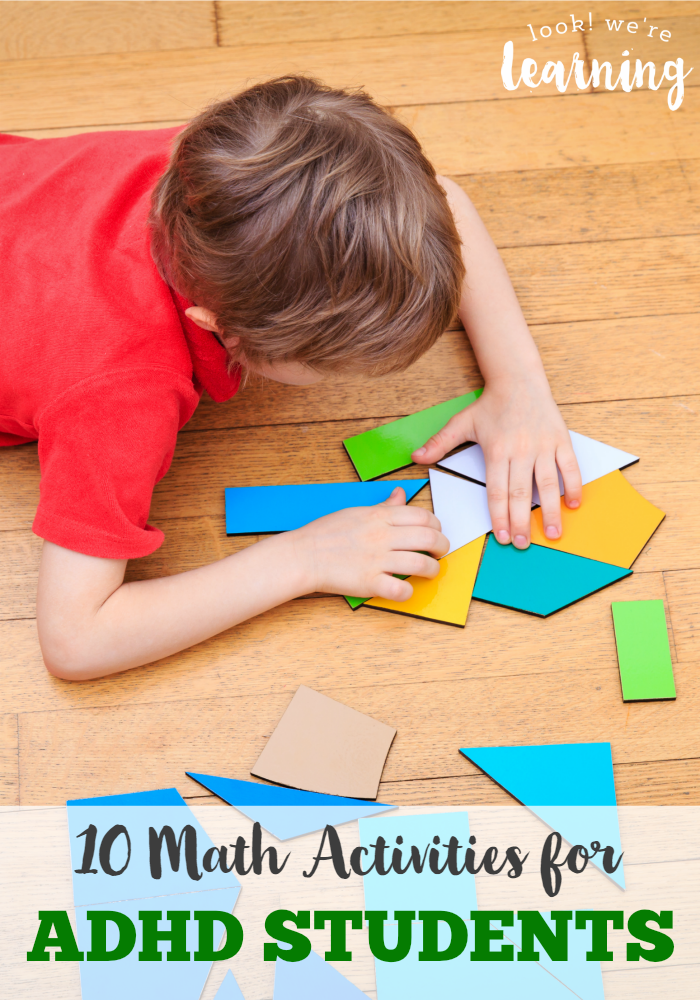
Math Activities for ADHD Students

And don’t forget to follow my ADHD Tips board on Pinterest for more suggestions!

This post is part of the “Homeschool Choices” linkup from iHomeschool Network! Stop by to read my fellow bloggers tips for choosing your homeschooling approach!

Homeschool Choices Linkup


Developing a Homeschool Schedule for ADHD Kids - Look! We're Learning!

Developing a Homeschool Schedule for ADHD Kids

October 9, 2014 by Selena Robinson 1 Comment

If you’ve been reading our blog for a while, you may recall seeing our ADHD homeschool schedule for this school year. Well, we’re about two months in, and I’ve already changed it.

We still do most of the activities on the schedule, but the time and general format of the day has evolved quite a bit. When you’re homeschooling children with ADHD, you have to start with a regular daily routine. Once that’s established, you can begin developing your homeschool schedule. Our problem was that I started the schedule before the routine was in place. Bad idea.

So, today I’m sharing a few suggestions for how to develop a good homeschool schedule for ADHD kids. If nothing else, you can learn from me about what NOT to do. 🙂

Developing a Homeschool Schedule for ADHD Kids - Look! We're Learning!

How to Develop a Homeschool Schedule for ADHD Kids

Start with the most important subjects first.

In our original schedule for this year, we started with copywork, math, and reading. That seems to work and I didn’t change it. In our family, handwriting, math, and reading are our most important subjects, so we schedule them first.

If we get the morning off to a good start, it’s usually the best time of day for our most intensive lessons. Tigger, in particular, struggles with concentrating on her math work. She does best when it’s one of our first subjects of the day.

I’ve also noticed that she tends to do her math assignment and then promptly forget how to do it later. A few times a week, I give her a worksheet in the afternoon that contains the same concepts we learned that morning. Then she remembers it better and I don’t have to start from scratch during the next lesson.

Make room for their personal interests.

Do your kids have a favorite subject? If so, make plenty of room for that in your schedule. People with ADHD may struggle to pay attention in most areas, but if the subject is something they love, they can stay on it for hours at a time. This is called “hyperfocus“.

Roo can play with Legos for hours. Literally, hours. Tigger can read books for hours. Both of them lose interest in math within about 20 minutes. 🙂 So, if they’re enjoying an activity or a lesson, I don’t insist on stopping it at a certain time. As long as they’re interested, I let it continue (within reason, of course).

Generally, I schedule room for their interests after lunch. That way, I don’t have to rush them through something so that we can complete another subject.

Be willing to make adjustments.

As I mentioned earlier, I’ve had to tweak our schedule already, and that highlights an important part of homeschooling kids with ADHD: flexibility. Since the ADHD brain operates sporadically, there’ll be days when your kids seem “on” and days when they seem “off”. Sometimes they’ll even switch between “on” and “off” in the same day, or even within the same hour.

While you’ll want to maintain the same general routine, you may have to move a few things around or even skip a couple of subjects. That’s why it’s important to schedule your most important subjects first. Once those are taken care of, you won’t feel so much pressure to complete every other thing if your kids are having an “off” day.

Have you made a homeschool schedule for ADHD kids? Do you have any tips to share? Tell us about your experiences in the comments!

This post is part of our “31 Days of ADHD Homeschooling” series! Stop by tomorrow for Day 10: The WORST Homeschooling Method for Kids with ADHD!

31 Days of ADHD Homeschooling - Look! We're Learning!

Tips for Managing ADHD Morning Problems - Look! We're Learning!

Tips for Managing ADHD Morning Problems

October 8, 2014 by Selena Robinson Leave a Comment

Monday was NOT a good day in our family.

The kids had been up late the night before at a friend’s house and they got way too much stimulation.

They had soda.

They played on tablets.

They ate fried food.

Needless to say, Monday morning was a disaster. Everyone was groggy and Roo was downright aggressive. He had a complete tantrum after breakfast, which is highly unusual for him.

Yesterday, I decided to try a couple of tips I’d read about how to manage ADHD morning problems, and they really worked! In fact, we actually got some of our homeschool lessons done.

So, I’m passing them on today in the hopes that they’ll help any of you who have a hard time with your kids in the morning.

Tips for Managing ADHD Morning Problems - Look! We're Learning!

Image: Kzenon / Dollar Photo Club

Disclaimer: While this post contains information about diet and nutrition, this content is for informational purposes only and does not constitute medical advice.

How to Minimize ADHD Morning Problems

Let the kids set the tone in the morning.

It’s important that kids with ADHD get a good night’s sleep if they’re going to function the next day. So, if your kids have a late night or if they’re unusually groggy, don’t insist that they get up and run at full strength. Trust me, it will end in disaster.

Try to include a bit of flexibility in your daily routine for mornings like this. Instead of using hard and fast times, try to implement a “block” schedule or an order of subjects or activities. This will keep the kids from being slaves to the clock. (We’ll talk more about this scheduling method in tomorrow’s post.)

Subscribe to our newsletter for even more awesome parenting and homeschooling ideas!

Serve a protein-packed breakfast.

Unfortunately, most commercial breakfast foods are loaded with sugar. This is unhealthy for all of us, but it is particularly dangerous for kids with ADHD. Since the ADHD brain tends to struggle with executive function, it’s already difficult for those of us who have it to focus and complete an assignment.

When we eat a lot of sugar, especially first thing in the morning, our distractibility, irritability, and hyperactivity become worse. The best way to start the day is with plenty of protein at breakfast. Foods such as lean meats, legumes, and nuts are excellent sources of protein and can make it easier for the brain to focus.

Try physical activity before beginning school.

Physical activity and ADHD go hand in hand. Getting physical exercise early in the day is a great way for overactive minds to gain some clarity. If you typically have P.E. in the afternoon, try to move it to the morning, especially if you’ll be teaching a subject that requires sustained focus such as math.

Or you can do what I did yesterday: Replace P.E. with household chores. Before breakfast, the kids did laundry and cleaned up the kitchen. Two for the price of one! 🙂

3 Ways to Help Kids Manage ADHD Morning Problems

Do you struggle with your kids’ morning routine? How do you manage ADHD morning problems? Let us know in the comments!

This post is part of our “31 Days of ADHD Homeschooling” series! Be sure to stop by tomorrow for Day 9: Developing a Homeschool Schedule for ADHD Kids!

31 Days of ADHD Homeschooling - Look! We're Learning!

Did you enjoy this post? Don’t miss these!

Teaching a child with ADHD at home? You've got to read this list of the best ADHD homeschooling tips around!

15 Homeschool ADHD Schedule Ideas - Awesome for teaching active kids at home!

Math Activities for ADHD Students

Plus, get more tips for managing ADHD in the family on my ADHD Tips Pinterest board!


Struggling to get your child with ADHD on a consistent schedule Try these tips for creating an ADHD daily routine for kids!

Creating an ADHD Daily Routine for Kids

October 6, 2014 by Selena Robinson 10 Comments

Making a reliable ADHD daily routine for kids is an important part of homeschooling a child with ADHD. Get some tips for building your daily routine!Creating an ADHD Daily Routine for Kids - Look! We're Learning!

If you’ve read any books about ADHD, you’ve probably seen the advice “Use a consistent schedule” again and again.

I know I have.

Based on what doctors know about this condition, having a regular routine is essential to keeping ADHD in check.

This is particularly true if you’re homeschooling, because you’ll have to come up with a schedule on your own and then stick to it.

We’ve tried several homeschooling schedules over the years, but most of them have been a terrible fit for our family.

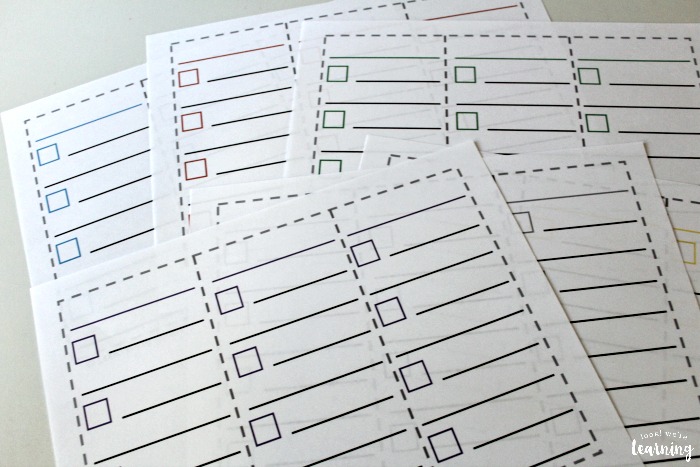
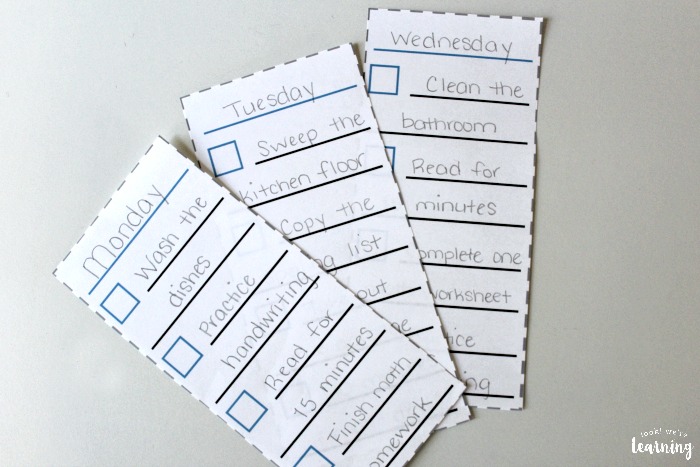
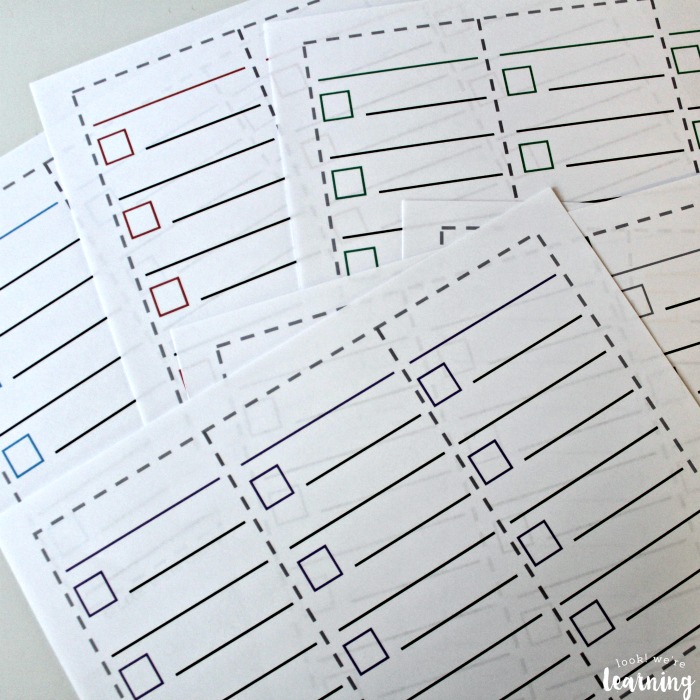
Printable Daily Checklist Strips for Kids

It wasn’t until I started considering our kids’ ADHD that our homeschooling days began to take shape.

Find our tips for creating an ADHD daily routine for kids below!

Plus, see how to get a set of free printable daily routine checklist strips you can use with your kids!

And don’t miss our list of ADHD homeschool schedule ideas to try!

Struggling to get your child with ADHD on a consistent schedule Try these tips for creating an ADHD daily routine for kids!

Tips for Making an ADHD Daily Routine for Kids


1. Get the kids involved in planning the routine.

Kids are far more likely to follow a schedule that they have a part in planning.

Ask them what school subjects they like the best and which ones they like the least. Alternate them on the schedule, and begin with one of the least-liked subjects first.

For example, Tigger doesn’t like math. We do that first everyday.

She knows that once it’s done correctly, she can get on to the subjects she enjoys. That generally motivates her to complete her assignments.

2. Make the routine easy to follow.

Another way to help kids stick with a daily routine is to make it easy to follow.

Make a schedule that uses pictures and short words and then post it somewhere visible in the house – in the hallway, on the refrigerator, or even in the kids’ rooms.

Grab our Daily Routine Cards to set up a daily schedule the kids can follow!

Go over the schedule with each child and make sure that he or she understands it.

Then institute it slowly – adding one subject or activity at a time until the kids remember which lesson comes next. Easing into the routine can help the kids avoid getting frustrated.

3. Use a timer for daily tasks.

One of the common symptoms of ADHD is the tendency to get overly involved in a single activity. While the kids might enjoy this at the time, it can cause you to lose track of your daily lessons and throw off your entire schedule.

Try to keep your lessons to 20 to 25 minutes and use a digital timer to let you know when to switch to a new subject.

If there’s a subject the kids really love, make room for that in the routine so that they don’t have to break off from a favorite activity before they’re ready.

In our family, Roo has a very hard time shifting his focus onto another subject once he gets started.

His favorite pretend play activity is building, so I make room for that by having him complete his schoolwork early in the day. Then he has as much time as he likes to play without having to make a sudden transition to a new activity.

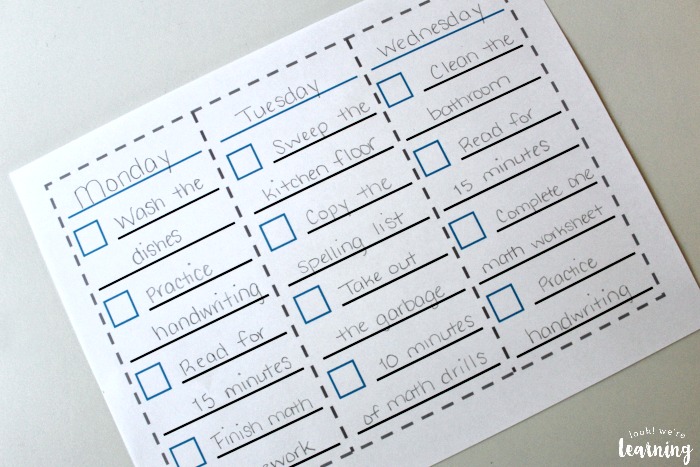
These printable daily checklist strips are an awesome tool for helping active kids focus on their tasks for the day!

Printable Daily Routine Checklist for Kids

One of the things I love the most about blogging is getting to know other parents who are raising children with ADHD.

In our ADHD Homeschooling Support group on Facebook, a reader had the brilliant idea of a printable daily checklist that she could use with her ADHD son.

Printable Daily Checklist for Kids with ADHD

I use a whiteboard for our day’s routine and we check off items as we go.

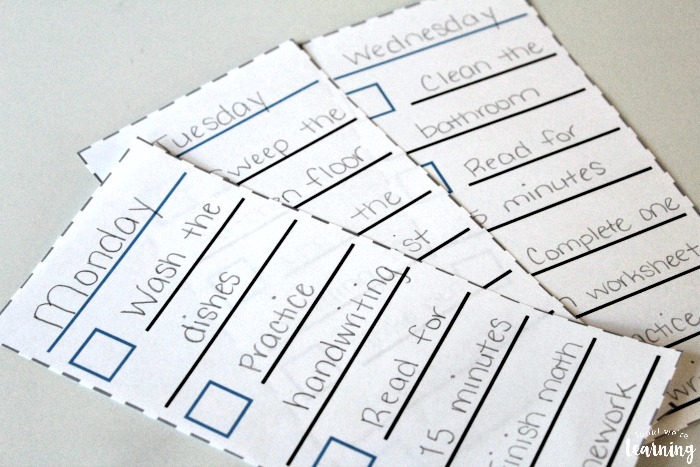
But the reader suggested a smaller checklist that could be cut apart into strips. Then you could hand them out as they go through the day.

Printable Routine Checklist for Kids

That is GENIUS.

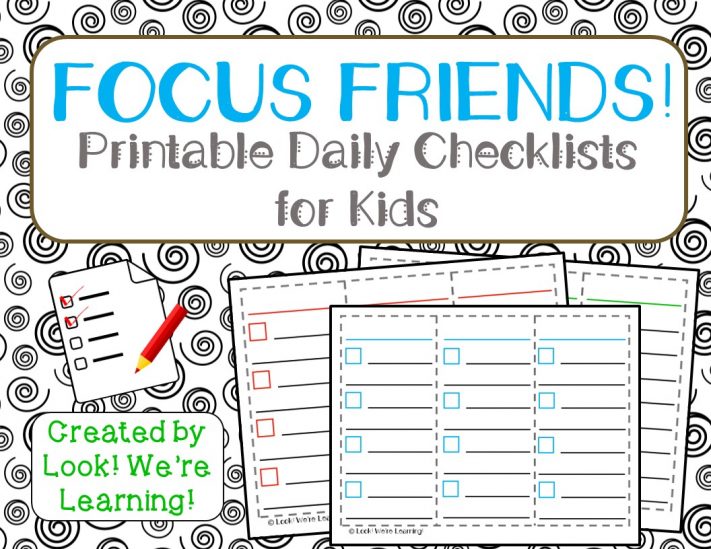
Since kids with ADHD can get overwhelmed by long to-do lists, using smaller strips is a great way to keep them motivated. So I’m excited to share a set of FREE daily routine checklist strips for kids!

Daily Checklist for Kids with ADHD

These have lines that are large enough for you to write down the tasks or for the kids to write them on their own!

(Neat way to sneak in some handwriting practice.)

Printable Daily Routine Strips for Kids with ADHD

As you see, you can write the day at the top and then list up to four tasks underneath.

Need more strips for each day? No worries, just print as many as you need.

Making Daily Routine Checklists for Kids

Want color choices? There are six in this pack!

You can print your checklist strips in blue, yellow, red, purple, green, or grey!

Daily Routine Checklist for Kids with ADHD

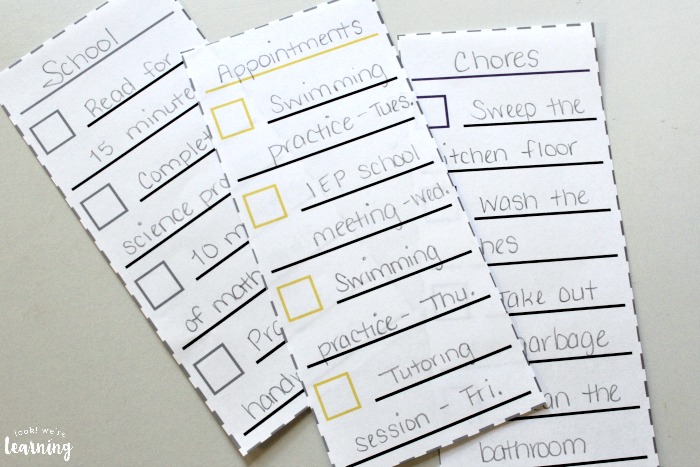
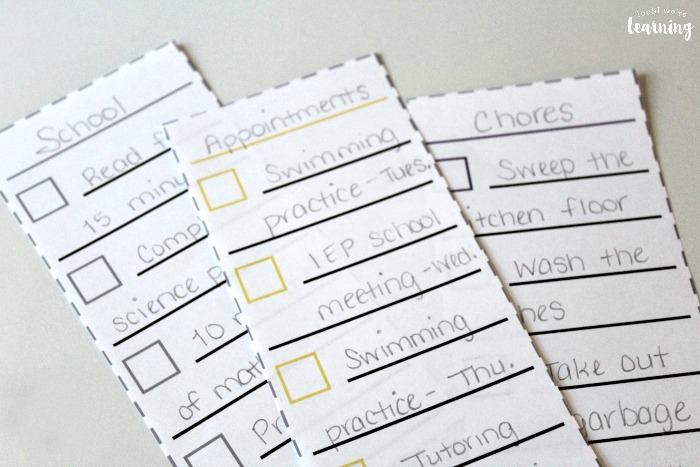
Need to use these checklist strips for items outside of schoolwork and chores?

They’re great for listing appointments and upcoming events too!

Using a Printable Daily Routine Checklist for Kids with ADHD

Since some kids with ADHD may be living with anxiety too, knowing what appointments are upcoming can do a lot to allay their fears.

To get your copy of these Printable Kids’ Daily Checklists, click the image or the link below to download them to your computer – free!

Daily Checklist for ADHD Kids

>>> Daily Routine Checklist Strips <<<

Creating an ADHD Daily Routine for Kids

Do you use a daily routine for your kids with ADHD? How do you help them to stick to it? Share your suggestions in the comments!

Don’t miss these other great posts!

The Ultimate Guide to Homeschooling ADHD Students

Math Activities for ADHD Students

Does your child with ADHD toss and turn every night? Here are some ADHD sleep tips for kids that really work!


Ultimate Guide to Brain Breaks


Recognizing Different Types of ADHD - Look! We're Learning!

Sifting Through the Different Types of ADHD

October 5, 2014 by Selena Robinson 7 Comments

Did you know there are different types of ADHD? It’s true! Unfortunately, the names of these might differ, depending on who you ask, which can be confusing. For example, is it ADHD or ADD? Are they same?

I’ve been reading the book “Healing ADD” by Dr. Daniel Amen off and on for the past couple of months and it. is. excellent. I literally cannot say this enough. It is an excellent book about ADHD/ADD. In the book, Dr. Amen describes seven types of ADD. He also uses ADD to encompass ADHD, and in this post I will use both terms interchangeably.

As I read “Healing ADD”, I found almost every member of my family, which was both enlightening and horrifying. We had no idea it was this widespread in our home. But it also explained a lot.

If you’re beginning the process of homeschooling your children with ADHD, you’ll want to take the time to sort through the different types of ADHD before you decide on a homeschooling method. Otherwise, you’ll have to go back to the drawing board multiple times. (Ask me how I know.)

Recognizing Different Types of ADHD - Look! We're Learning!

The Different Types of ADHD/ADD

In “Healing ADD”, Dr. Amen describes seven types of ADD/ADHD. I’ve added a very brief description of each one.

  1. Classic – the stereotypical person with ADD or ADHD
  2. Inattentive – the daydreamer
  3. Overfocused – the one-track mind
  4. Temporal Lobe – the hothead
  5. Limbic – the loner
  6. Ring of Fire – the intense one
  7. Anxious – the worrier

Here’s the problem: If you have a family with multiple ADHD members (like ours), you may have to deal with several types of ADD at once. For example, my husband tends toward anxious ADD and I tend toward overfocused ADD. Needless to say, we’ve had quite a few incidences of miscommunication over the years.

We’ve seen variations in our kids’ types of ADHD as well. Tigger has classic ADD, complete with hyperactivity, but Roo displays Ring of Fire ADD. He has extremely intense emotions and he is very easily frustrated. Until I read the book, I was under the impression that Pooh did not have ADHD at all. But then I learned about limbic ADD and that is him to a T.

Adapting to Your Child’s Type of ADHD

Here’s why it’s so important to understand your child’s type of ADHD: If you intend to homeschool, you will have a miserable experience if you choose a method that does not fit with the way your child’s brain works. This is especially true if multiple members of the family have ADHD, because the likelihood that all will have the same type of ADHD is very low.

In our family, Pooh has limbic ADHD, so he is moody, irritable, and generally negative. He needs a very different homeschooling approach than Roo and Tigger. They need far more activity than he does, and, in fact, he generally prefers a solitary activity over P.E. (We’ll talk more about developing a homeschooling approach for the ADHD child later in the series.)

Have you noticed any symptoms of these different types of ADHD in your family? How have you adjusted to them? Let us know in the comments!

This post is part of the series “31 Days of ADHD Homeschooling“! Be sure to stop by tomorrow for Day 6: Creating an ADHD Friendly Routine for Kids!
31 Days of ADHD Homeschooling - Look! We're Learning!

Koala Crate >>

Understanding Your Child's ADHD Brain - Look! We're Learning!

Understanding How the ADHD Brain Works

October 4, 2014 by Selena Robinson 9 Comments

Like a lot of people, I thought that my children with ADHD were just “not trying hard enough” or didn’t “want to” do their schoolwork. While that may have been true on occasion, it didn’t explain the frustration, tears, and occasional tantrums I saw during our homeschool lessons.

It also didn’t explain why Tigger’s schoolwork seemed to get worse when I had her sit down and study quietly. That one really puzzled me for a while. I just knew that if I could get her into a quiet place, she’d concentrate better and her work would improve.

Wrong. Totally wrong. But that was because I didn’t have any knowledge about how the ADHD brain works. Now, I’m in no way a doctor, but I have read some great information about what happens in the brain of someone with ADHD and I’ve learned how I can use that to help my kids learn better.

Understanding Your Child's ADHD Brain - Look! We're Learning!

ADHD and Concentration

Here’s what’s so insidious about ADHD: The brain of a person who has ADHD tends to “switch off” during intense concentration. Naturally, the entire brain doesn’t shut down, but the communication between brain sections can go haywire, affecting executive function.

Executive function refers to our ability to begin tasks, focus on them, finish them, and manage our emotions throughout. Naturally, if our kids can’t organize their thoughts to get started or sustain focus long enough to finish an assignment, there are going to be tears during school time. And these symptoms get worse if the task is harder.

So, when I would tell Tigger to “sit down” and “focus”, her ability to concentrate actually decreased. I was sabotaging her and I didn’t even know it. And all because I simply didn’t understand how the ADHD brain works. Of course, when I started looking at her symptoms, I saw the very same things in myself. Go figure.

Optimizing the ADHD Brain for School

Instead of trying to work in a peaceful, sedentary environment, kids with ADHD literally NEED to move. During physical movement (or sometimes just afterward), their brains perform executive function duties in a much more efficient way. The movement doesn’t have to be vigorous or involve the whole body, either. Sometimes just small movements will do the trick.

That’s why you might see your child with ADHD tapping his or her foot, chewing on a pencil, or shifting in his or her seat so often. Their brains need the movement to concentrate. Hand fidgets and squeeze balls are excellent for this.

Along with physical movement and short lesson periods, kids also need to eat the right kind of foods for their brain. We’ll talk more about this in an upcoming post, but generally it’s best to stay away from processed foods and refined sugars. High protein and fiber is best for helping our brains to focus. And really, that goes for all of us, right? 😉

By the way, I’m collecting some ADHD Friendly Recipes that I’ll be trying with our family soon. Feel free to follow my ADHD Friendly Recipes board on Pinterest for ideas!
Follow Selena – Look! We’re Learning!’s board ADHD Friendly Meals on Pinterest.
This post is part of our “31 Days of ADHD Homeschooling” series! Stop by tomorrow for Day 5: Sifting Through the Different Types of ADHD!

31 Days of ADHD Homeschooling - Look! We're Learning!

Pley - Rent LEGO Sets!

Why ADHD Homeschooling Parents Should Let Go of the Homeschooling Ideal - Look! We're Learning!

Why ADHD Parents Should Let Go of the Homeschooling Ideal

October 3, 2014 by Selena Robinson 6 Comments

When you first thought of “homeschooling“, what did you envision? I talked about my homeschooling dream a few months back when I shared my Homeschool Mom Confession at The Mommy Mess. In short, it was to have all of my kids sitting quietly at the dining room table – kind of like the one-room schoolhouse in Anne of Green Gables.

Naturally, this is an unrealistic fantasy, so I wasn’t surprised that it didn’t come true. But while I dropped the more ridiculous aspects of my ideal homeschooling experience, I was still hoping for a certain homeschooling reality. I’d settle for completing an entire week’s lesson plan or finishing a picture book without my kids getting up or standing on their heads.

Finding out that our kids have ADHD, though, threw a real monkey wrench in my plans for our homeschool. I tried lowering my expectations and reducing our schedule, but I still had a hard time dealing with our situation. I found out the hard way that, if our homeschooling experience was going to be a success, I’d have to let go of the homeschooling “ideal”.

Why ADHD Homeschooling Parents Should Let Go of the Homeschooling Ideal - Look! We're Learning!

Dealing with the Sadness

My first feeling after the diagnosis was sadness. I was sad that my kids were never going to be “normal”, because I felt that they should be able to sit down for an entire school lesson and they should be able to think before they speak. I worried that other parents would look at me as an example of what homeschooling should NOT look like.

Then, there was the guilt that I felt after I realized that many of my primary parenting techniques were unfair to my kids. I had been unfair by expecting them to sit down and maintain focus during a lesson. I had been unfair by assuming that they were being disobedient when they forgot their assignments or got distracted on the way back to the table after a bathroom break. Those realizations were extremely hard to deal with.

Looking on the Bright Side

It wasn’t until I started reading about ADHD that I learned that there are positive aspects of having it. Our kids are extremely imaginative, which is a quality that can serve them extremely well both in school and in life. Plus, kids with ADHD tend to become super passionate about the topics that interest them, so the ability to focus is there if the subject is right.

The great thing about homeschooling is that we have TONS of leeway when it comes to deciding how to approach specific topics. When I use a unit study about a topic the kids like, they get excited and interested and they stay that way throughout the whole lesson. My boys are even asking to read books during their free time now, just because I started letting them choose books about topics they like. Bugs, cars, and trains are at the top of the list these days. 🙂

As an homeschooling parent to an ADHD child, it’s very easy to burn out and lose motivation to continue. The fastest way to burn out is to expect your kids to be like the ideal homeschooled kids. They may not graduate at 15. They may not read until they’re in elementary school. And they may not even potty train until they’re in PreK.

But that’s just fine. As long as you help them love to learn and adjust to their needs, they’ll still be homeschooling success stories!

This post is part of the month-long series “31 Days of ADHD Homeschooling“! Be sure to stop by tomorrow for Day 4: Understanding Your Child’s ADHD Brain!

31 Days of ADHD Homeschooling - Look! We're Learning!

Must Read Books for ADHD Homeschooling Parents - Look! We're Learning!

Must Read Books for ADHD Homeschooling Parents

October 2, 2014 by Selena Robinson 2 Comments

When I first learned that our daughter had ADHD, I was full of questions: What is ADHD? What are the treatment options for ADHD? Should I change my parenting style? Can we manage ADHD without medication?

I Googled and poked around some online sites and found a few great ones (I’ll be sharing those later in the series), but what I really wanted was a comprehensive book about ADHD that would explain the condition, let me know what to expect, and offer suggestions for how we could help Tigger manage her symptoms.

Of course, now that we’ve learned that most of us in the family have ADHD, I’ve had to do even more reading about it. Today I’m recommending my must-read books for ADHD homeschooling parents, but even if you’re not a homeschooling family, you’ll find some excellent advice and tips for managing ADHD in these resources.

Must Read Books for ADHD Homeschooling Parents - Look! We're Learning!

My Must-Read Books for ADHD Homeschooling Parents

  • Healing ADD Revised Edition: The Breakthrough Program that Allows You to See and Heal the 7 Types of ADD

This book by Dr. Daniel Amen has literally been a life changer for our family. In the book, Dr. Amen describes seven types of ADD, including hyper and inattentive versions. We found each of us in this book and we learned about the types of behaviors that are unique to each type.

For example, Tigger tends to show classic ADD symptoms, complete with hyperactivity, while Pooh displays the characteristics of limbic ADD – a type I had never heard of before. It was after reading this book that I decided to adjust our homeschool schedule to allow for a more gradual wake up routine in the morning.

We’ll be talking more about the different types of ADHD later this week. 

  • Raising Girls with ADHD: Secrets for Parenting Healthy, Happy Daughters

Raising Girls with ADHD is a book specifically about helping young girls with the condition to understand their symptoms, manage their behavior, and build self-esteem. Tigger’s dealt with low self-esteem quite a lot over the years, especially when it comes to some of her harder school subjects, so this book was right up our alley!

Look for our full review and a giveaway later this month! 🙂

  • The Out-of-Sync Child Has Fun, Revised Edition: Activities for Kids with Sensory Processing Disorder

Since some of our children have sensory processing disorder, we try to incorporate sensory activities whenever possible. This book, a follow up to The Out-of-Sync Child, is packed with active, sensory-stimulating activities that are simple to do around the house. These activities have provided some great material for our homeschool P.E. classes!

  • Women With Attention Deficit Disorder: Embrace Your Differences and Transform Your Life

I came across this book as I was just beginning to realize that I have ADHD. The author, Sari Solden, is also a woman living with ADD and she is incredibly compassionate and relatable as she describes the challenges and advantages of living with this condition.

As a homeschooling mom, I do the majority of the parenting and the teaching in our home and I really needed some help to understand my tendencies toward disorganization and procrastination. This book has really helped me to work with those tendencies, instead of trying to be “normal”.

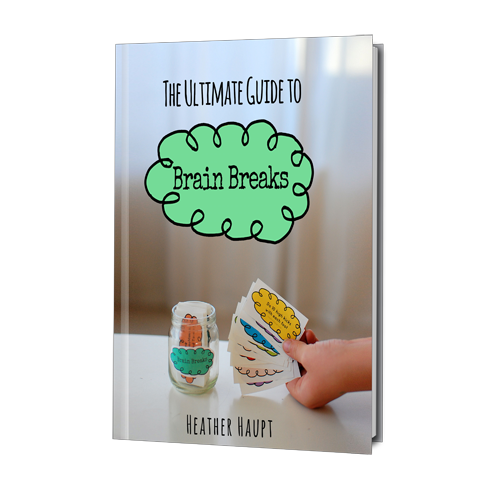
  • The Ultimate Guide to Brain Breaks

This ebook, written by homeschooling mom Heather Haupt, is a great way to add movement breaks into your homeschool day! We got a chance to review it a while back and our kids absolutely loved it! We schedule in brain breaks every day and the kids pay attention so much better after we take them.

Do you have any favorite books for ADHD homeschooling parents? Share your recommendations in the comments!

This post is part of our “31 Days of ADHD Homeschooling” series! Be sure to stop by tomorrow for Day 3: Why ADHD Parents Should Let Go of the Homeschooling Ideal!
31 Days of ADHD Homeschooling - Look! We're Learning!

This post is also part of The Massive Guide to Homeschool Reading Lists by iHomeschool Network! Click over to read tons of awesome booklists shared by my fellow homeschooling bloggers!

ReadingLists

Tips for Managing SPD Tactile Seeking Symptoms - Look! We're Learning!

All Touched Out: Managing SPD Tactile Seeking Symptoms

October 1, 2014 by Selena Robinson 16 Comments

Two of our children are living with sensory processing disorder. Since SPD is such a broad disorder, it can involve all kinds of symptoms that affect every sensory system of the body. One of the biggest issues for both of our kids is SPD tactile seeking. (By the way, tactile is just a fancy word for touch.)

Tigger and Roo are huge tactile seekers. They always have their hands on things around the house. I mean, ALWAYS. When Tigger was younger, we would say “Stop touching!” so many times each day that I’d lose count.

It wasn’t until I started reading about SPD that I realized they were seeking tactile input. I just thought we hadn’t done a good job of teaching them to be polite. And then we noticed variations in their behavior. Tigger tends to touch things very lightly, but Roo uses an enormous amount of pressure. Those variations made it hard for me to know how to treat each child.

Over time, though, we’ve learned to offer sensory experiences for our kids and we’ve seen their behaviors improve quite a lot. Today I’m sharing a few tips we’ve used to help our kids manage their SPD tactile seeking symptoms!

Tips for Managing SPD Tactile Seeking Symptoms - Look! We're Learning!

Image c/o: EduardSV / Dollar Photo Club

Tips for Managing SPD Tactile Seeking Behavior

This post contains affiliate links. For details, see our Disclosure Policy.

  • Don’t overreact. 

This tip is probably the most important. When you have a tactile seeking child, expect that he or she is going to try to touch every. single. thing. every. single. day. Depending on your child, he might touch things very, very softly or with tons of pressure.

When Tigger brushes up against me, it’s like being brushed with a feather. In the past, my immediate reaction was to push away, which made her feel that I didn’t want her to touch me. Now that I understand that she’s just looking for sensory input, I’m more sensitive and I let her crawl up against me as often as she likes.

  • Give them a safe item to touch.

If your child tends to touch things too hard (like Roo does), give them a safe item that can provide that kind of sensory input. Squeeze balls have been a big hit in our house, because Roo can grab them and squeeze them as hard as he likes without worrying about breaking them. And I’d much rather he squeeze those than his little sister. 🙂

The Ultimate Guide to Brain Breaks eBook

  • Engage in lots of sensory play.

Sensory play is a must for kids who exhibit SPD tactile seeking behaviors. When you engage in sensory play, the goal is to engage as many of the senses at once as possible. For example, if you make a sensory bin, you try to include colorful objects (for visual input), different textures (for tactile input), items that make noise (for auditory input), and, if possible, objects that can be tasted (for oral input).

This year, we’ve been sharing in a monthly linkup called “12 Months of Sensory Dough”, where we make a different kind of sensory dough and try it with the kids. So far, we’ve made edible play dough, fizzy dough, moon sand, pumpkin spice latte dough, and even DIY slime! When I take the time to create sensory experiences for our kids, they get the input they need without grabbing random objects.

Those are some of the tips I’ve used to help our kids manage their sensory seeking behaviors, but I’d love to hear your suggestions! Feel free to leave your experiences and tips in the comments!

SPD Solutions from Project Sensory

To help kids manage their SPD tactile seeking symptoms, a new website is launching today called Project Sensory! One of Project Sensory’s SPD products is the Sensory Fix Toolkit, a complete SPD kit in a backpack with 15 tools for managing auditory distractions, restlessness, and even oral input.

Every purchase of the toolkit includes access to Project Sensory’s exclusive printables club, where you can download printables full of sensory tips! Even better, a percentage of every Sensory Fix Toolkit goes toward supplying classrooms with sensory tools. 🙂

Sensory Fix™ for Everyday Sensory Needs

This post is part of the “Decoding Everyday Kid Behaviors” blog hop hosted by Lemon Lime Adventures! In honor of Sensory Processing Awareness Month, bloggers will be sharing their favorite tips for sensory processing disorder all month long! Be sure to click over and visit the hop landing page to read all of this month’s great SPD-related posts!

Tips for Managing SPD Tactile Seeking Symptoms - Look! We're Learning!

Sensory Fix™ for Everyday Sensory Needs

Our ADHD Homeschooling Room - Look! We're Learning!

Our ADHD Homeschool Room Layout

August 13, 2014 by Selena Robinson 4 Comments

Have you entered our 1000 Facebook Fan Giveaway?

We’re still in the back to school groove around here, so we thought we’d share some of the changes we made to our homeschooling space. We still hold classes around our dining room table, but we did make a few changes to our walls to create a better ADHD homeschool room.

I love the idea of a “school-y” type room, complete with educational posters, wall charts, a flower clock, and manuscript handwriting charts around the top of the walls. (Remember those in elementary school?) However, that is NOT what’s best for my kids.

Keep Reading…

  • « Previous Page
  • 1
  • 2
  • 3
  • Next Page »
Hi! I'm Selena, a veteran teacher and homeschool mom to four. I'm so glad you're here!
About Me Contact Terms of Use Privacy Policy Places I Share
Facebook Pinterest Instagram
Homeschool Printables Unit Studies Shop the Store
Copyright ©2026, Look! We're Learning!. All Rights Reserved. Design by Pixel Me Designs