Look! We're Learning!

Early Learning. Happy Teaching.

  • Shop
  • Printables
  • Homeschool
  • Crafts
  • Parenting
  • Blog

Preschool Homeschool Reading List

September 30, 2016 by Selena Robinson Leave a Comment

Reading is a huge part of our homeschool. Huge. The kids spent time reading literally every single day. Based on my experiences in life, I think that the most important part of a good education is learning to love reading. Think about it: If you love to read, you can truly learn anything you want, whenever you want!

Naturally, we try to start our kids out with daily reading at a very young age. So, since Piglet is starting preschool this year, we’ve put together her preschool homeschool reading list. Look out for activities to go along with these stories in the coming months!
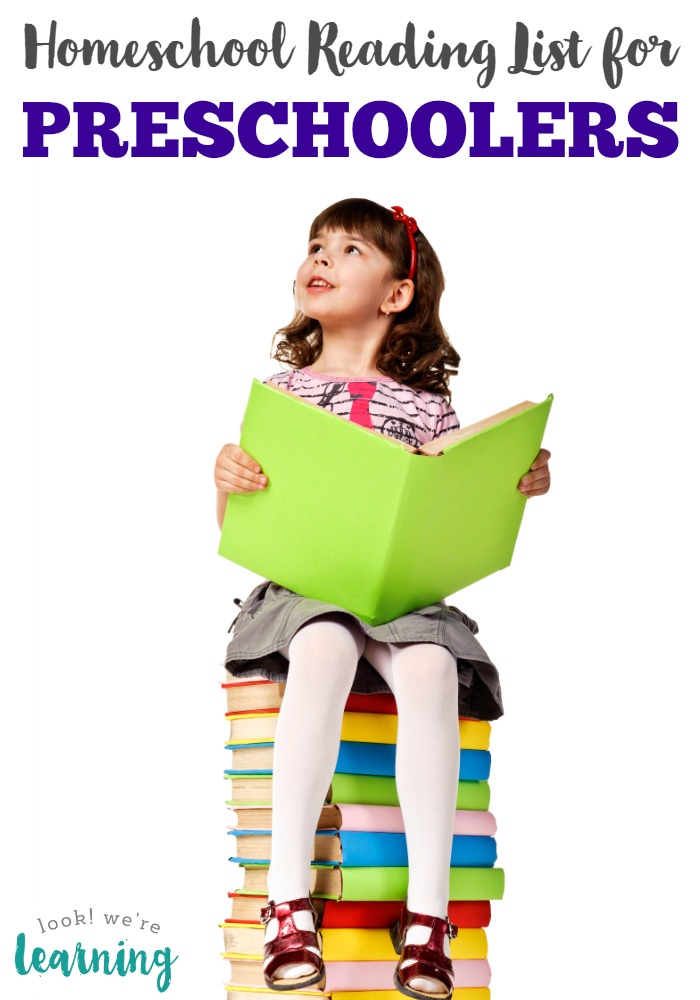
Help your preschooler love reading with this preschool homeschool reading list!

Image c/o: Andy-pix / depositphotos

Preschool Homeschool Reading List

1. The Pout-Pout Fish by Deborah Diesen

2. Giraffes Can’t Dance by Giles Andreae

3. Bear Snores On by Karma Wilson

4. The Pigeon Needs a Bath by Mo Willems

5. National Geographic Little Kids First Big Book of Animals

6. Stone Soup by Marcia Brown

7. The Mitten by Jan Brett

8. The Cloud Book by Tomie dePaola

9. Green Eggs and Ham by Dr. Seuss

10. Clifford the Big Red Dog by Norman Bridwell

11. Caps for Sale by Esphyr Slobodkina

12. The Day the Crayons Quit by Drew Daywalt

13. Press Here by Herve Tullet

14. Corduroy by Don Freeman

15. The Story of Ferdinand by Munro Leaf

16. Harold and the Purple Crayon by Crockett Johnson

17. Make Way for Ducklings by Robert McCloskey

18. Mr. Popper’s Penguins by Richard and Florence Atwater

19. Brown Bear, Brown Bear, What Do You See? by Bill Martin, Jr. and Eric Carle

20. Curious George by H.A. Rey

21. Madeline by Ludwig Bemelmans

22. Danny and the Dinosaur by Syd Hoff

23. Richard Scarry’s Cars and Trucks and Things That Go by Richard Scarry

24. Mike Mulligan and His Steam Shovel by Virginia Lee Burton
Preschool Homeschool Reading List

Don’t miss these other book lists for kids!
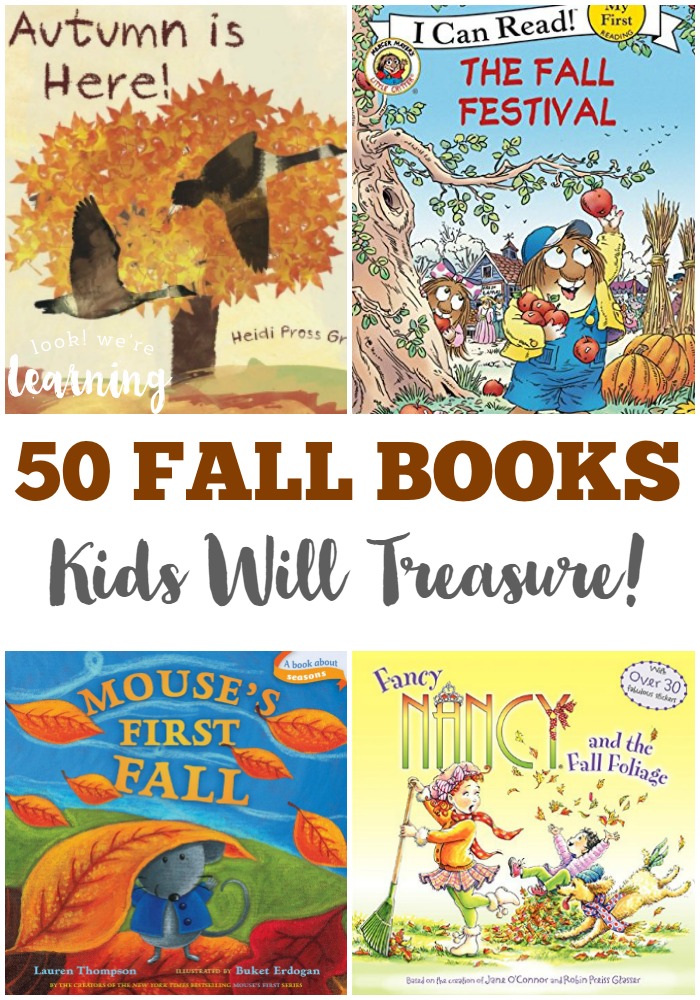
50 Fall Books for Kids

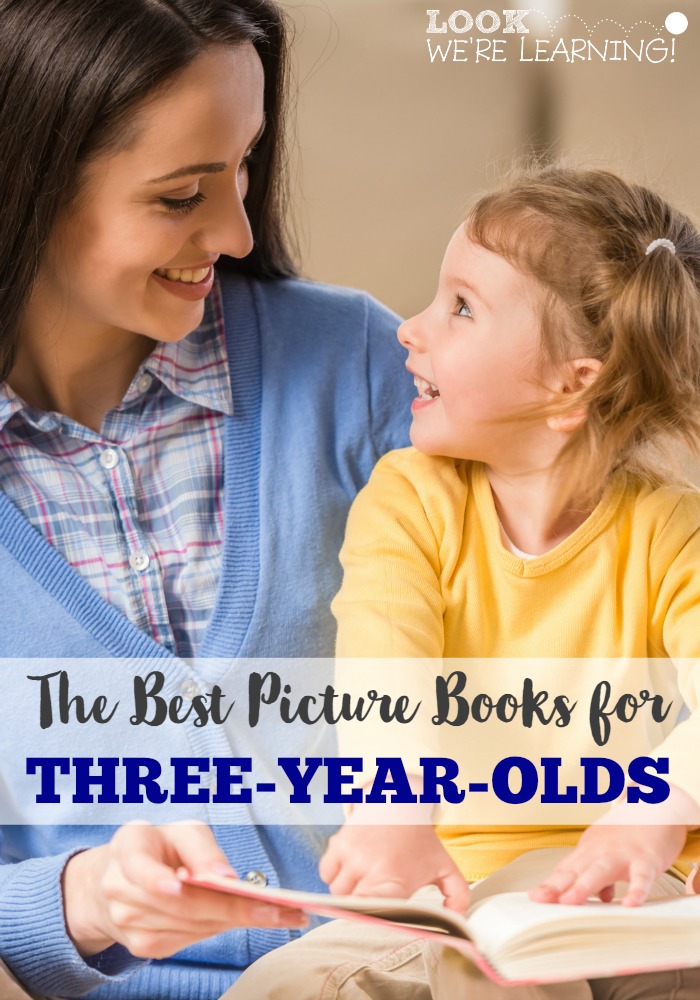
The Best Picture Books for Three-Year-Olds

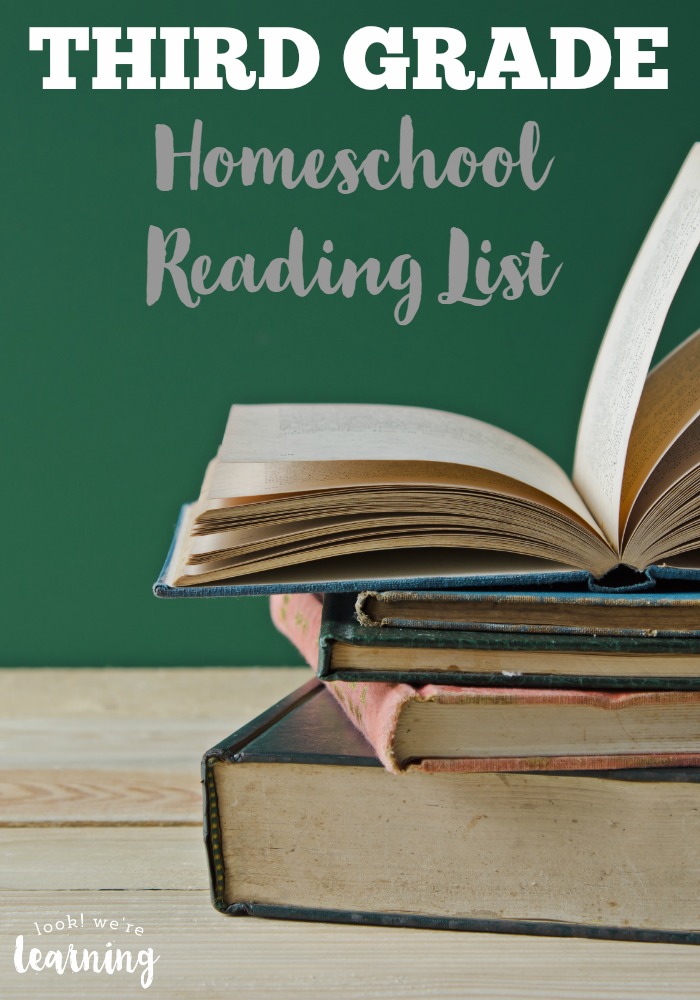
Help your third grader love reading with this third grade homeschool reading list!

Get more ideas for raising readers on my Reading for Kids Pinterest board!
Filed Under: Book Lists, PreK Homeschooling Tagged With: homeschool reading list, prek reading list, preschool homeschool reading list, preschool reading list, reading, reading for kids, reading list for prek, reading list for preschool

Free Fall Printables for Preschoolers

September 26, 2016 by Selena Robinson 2 Comments

Preschoolers love learning about fall and autumn! The leaves are changing colors, the air is getting colder, and you can catch glimpses of all kinds of animals!

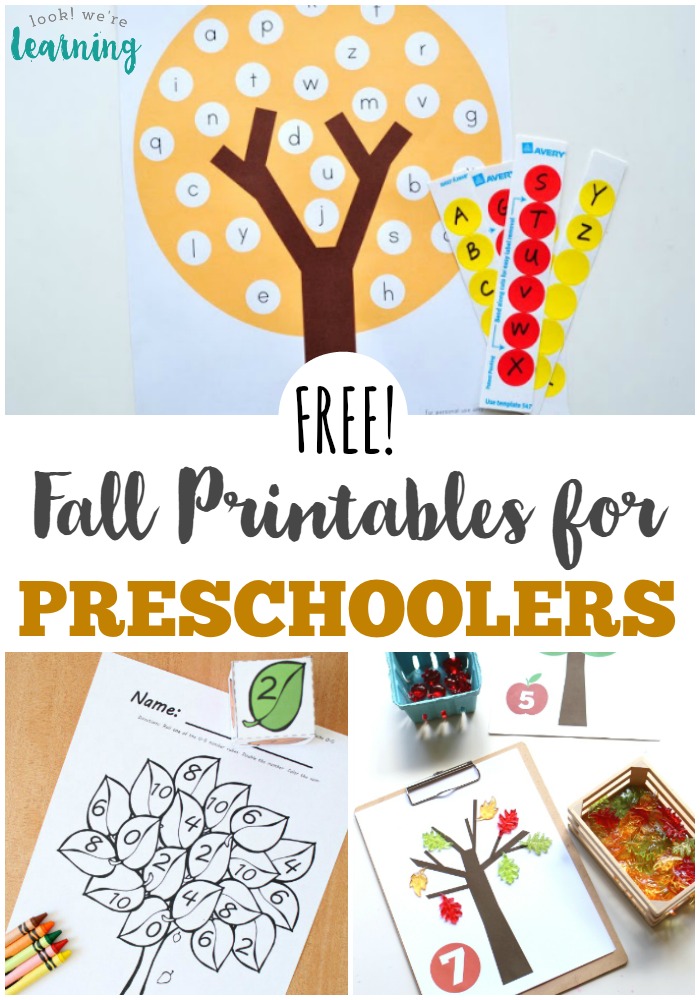
I love sharing fall printables whenever I can, so I thought I’d share a list of fun and free fall printables for preschoolers that you and your PreK learner can work on together! There are printable activities, coloring pages, crafts, and more – all of which are perfect for welcoming autumn!

If you love these fall printables, don’t miss my Apple Tree Counting Mat for Preschoolers or our Fall Sight Word Flashcards!

Use these free fall printables for preschoolers to help your little ones learn about autumn!

25 Free Fall Printables for Preschoolers

1. Leaf Identification Flashcards – Look! We’re Learning!

2. Printable Fall Gross Movement Game – Gift of Curiosity

3. Fall Preschool Song Printable – No Time for Flashcards

4. Nighttime Scavenger Hunt Printable – Edventures with Kids

5. Fall Tree ABC Match Printable – I Heart Crafty Things

6. Fall Preschool Pack – 3 Dinosaurs

7. Fall PreK Learning Pack – Totschooling

8. Fall Printable Activity Pack – A Little Pinch of Perfect

9. Fall PreK Pack – This Reading Mama

10. Fall Clothes Dress Up Printable – Teaching Mama

11. Printable Autumn Leaf Puppets – Picklebums

12. Fall Roll and Color Math Printable – Fantastic Fun and Learning

Fall Playdough Mats

Pages: 1 2

Filed Under: Homeschooling Printables, PreK Homeschooling Tagged With: fall, fall prek printables, fall printables, fall printables for preschooolers, free fall printables, free fall printables for preschoolers, free printables, prek printables, preschool printables, printables, printables for preschoolers

15 Homeschool ADHD Schedule Ideas

September 26, 2016 by Selena Robinson 3 Comments

Homeschool planning season is typically an exciting time of year for parents. We get to get out our planners, write up lesson plans, and schedule our days to make sure we cover all of the objectives for the year.

But if you’re homeschooling children with ADHD, it’s not that simple. I still feel the excitement of the new school year, but it’s tempered a bit by the knowledge that, no matter how I plan our day, my kids are simply not going to get everything done. (Which is one reason why I’m not using a homeschool planner this year.)

Over the years, I’ve tried so many different homeschooling schedules I’ve lost track of them all. None of them worked. Not one. So I’ve learned a few ways to tweak our school day so that my kids can keep up, stay interested, and enjoy what they learn. Here are 15 different homeschool ADHD schedule ideas that have worked for us and may work for you too!

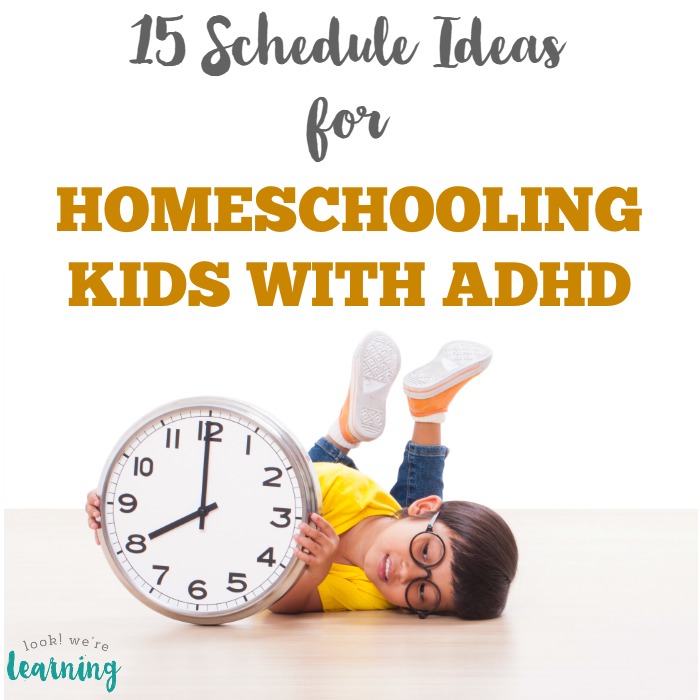
15 Homeschool ADHD Schedule Ideas - Awesome for teaching active kids at home!

Image c/o: photousvp77 / depositphotos

15 Homeschool ADHD Schedule Ideas

1. Alternate sit down subjects with moving subjects.

2. Incorporate brain breaks every 20 minutes.

3. Use video liberally – teach for 10 minutes, then show a short video about the concept.

4. Add games into each subject: flashcards, drawing, balance games, call-and-response games, etc.

5. Do the subject your child hates first.

6. Or do the subject your child hates last.

7. Separate your kids for complex subjects and rotate them.

8. Have school in different areas of the house during the day.

9. Use the car for roadschooling.

10.Have a school lesson outdoors.

11. Ask your child which subject they’d like to do first.

12. Alternate weeks for certain subjects.

13. Drop an elective your child hates.

14. Use the library for a different subject each week.

15. Observe your child’s maximum attention span and time lessons to match it.

The Ultimate Guide to Brain Breaks eBook

What’s Working for Us This Year:

I’ve used all of these at one time or another. This year, we’ve been using a combination of Numbers 1, 3, 6, 7, 9, and 12.

  • Alternate sit down subjects with moving subjects. – I usually begin the day with reading. We sit down with books and listen to someone reading to us. Then we get up and do a project or a craft – anything that lets them move.
  • Use video liberally. – I rebelled against using video in my schooling for a long time. I think I’m just old-fashioned. But it makes such a big difference in helping the kids retain what they learn. I try to introduce the topic and give them questions to look for the answers to in the video, then we discuss it.
  • Do the subject your child hates last. – My oldest daughter hates math. I tried doing it first with her, but that didn’t work. She’d delay so much that we’d never get to the other subjects. Now we do it last and that seems to work better.
  • Separate your kids for complex subjects and rotate them. – When it’s time for my oldest to do math, she needs complete concentration. So I send my younger ones off to play in their rooms. In the morning, when they’re doing math, she’s in her room working on writing.
  • Use the car for roadschooling. – I have just recently discovered the wonder of audiobooks and they are a lifesaver. If I have to leave the house for a while, I have the kids bring their books and they listen as we ride. Then we discuss what they’ve read.
  • Alternate weeks for certain subjects. – I no longer try to cover every single subject every single week. I typically do history one week, geography the next, and the science the week after that. While I make sure the three R’s are done regularly, I take a break on the others. It’s less overwhelming for the kids and for me.

How have you adjusted your homeschooling schedule for your kids with ADHD? Do you have any tried and true homeschool ADHD schedule ideas to share? Let me know in the comments!

Homeschool ADHD Schedule Ideas

Get more ideas for homeschooling kids with ADHD!

The Ultimate Guide to Homeschooling ADHD Students

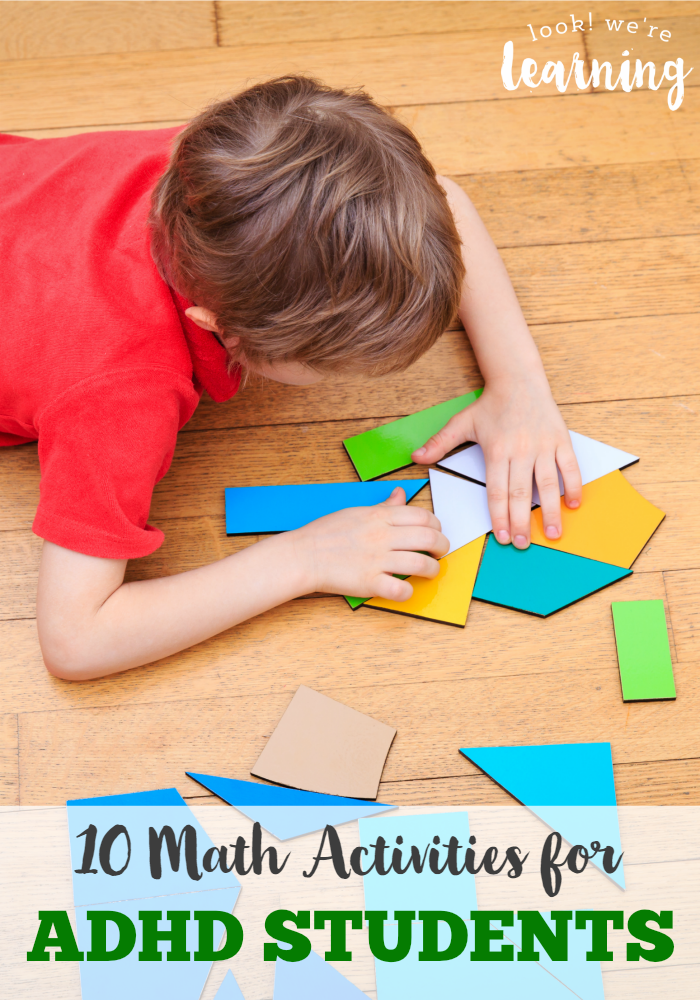
Math Activities for ADHD Students

And learn even more in our ebook: Homeschooling with ADHD!

DHD eBook @ Look! We're Learning!

Follow my ADHD Tips board on Pinterest for more tips and suggestions!

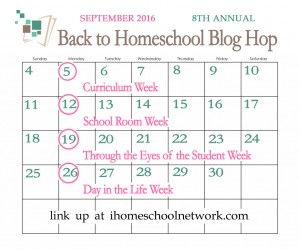
This post is part of the 8th Annual Back to Homeschool Blog Hop from iHomeschool Network! Click on over to read more homeschool posts from my fellow bloggers!

2016 Back to Homeschool Blog Hop


Filed Under: ADHD Homeschooling, Special Needs Homeschooling Tagged With: add, adhd, adhd homeschooling, attention deficit disorder, attention deficit hyperactivity disorder, homeschooling, homeschooling add, homeschooling adhd kids, homeschooling with add, homeschooling with adhd, special needs homeschooling

Our Third Grade Homeschool Reading List

September 23, 2016 by Selena Robinson Leave a Comment

When I was in elementary school many years ago (I have no intention of saying how many years ago), I remember third grade as being a kind of pivot point in my early education. In our first grade reading and second grade reading classes, we read lots of books, but they were mostly easy readers and a few small chapter books.

In third grade, though, our reading levels jumped quite a bit and I started to read books that really stayed with me. I can even remember some of the read-aloud sessions we had in the classroom. (You know the ones where you have to sit cross-legged on the floor around the teacher? Those.)

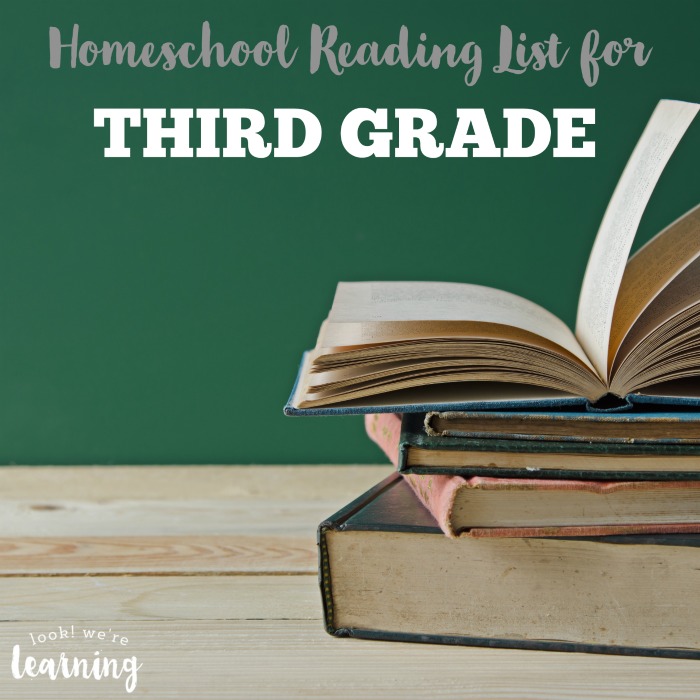
So I wanted to introduce my third grader to some of those same classic children’s books, while introducing him to some newer works that are just as good. Here’s a look at the third grade homeschool reading list we’re using for this school year!

Help your third grader love reading with this third grade homeschool reading list!

Image c/o: kwanchaidp / Deposit Photos

Our Third Grade Homeschool Reading List

Our plan is to read one of these each month and do some activities. As we work through the list, we’ll be sharing our ideas with you all!

1. Wonder by R.J. Palacio

2. Charlie and the Chocolate Factory by Roald Dahl – Here are some Charlie and the Chocolate Factory ideas and activities you might enjoy!

3. Ramona Quimby, Age 8

4. Because of Winn-Dixie by Kate DiCamillo

5. The Chocolate Touch by Patrick Skene Catling

6. Diary of a Wimpy Kid by Jeff Kinney

7. El Deafo by Cece Bell

8. Sideways Stories from Wayside School by Louis Sachar

9. Pippi Longstocking by Astrid Lindgren

10. Nate the Great by Marjorie Weinman Sharmat

11. Frindle by Andrew Clements

12. How to Eat Fried Worms by Thomas Rockwell

Third Grade Reading List for Homeschoolers

Do you have any favorites that you read with your kids in third grade? Share your suggestions in the comments!

Check out these other homeschool reading lists!

First Grade Reading List Homeschool Picks

Our Homeschool Second Grade Reading List

31 African American Story Books for Kids - Look! We're Learning!

Plus, get more ideas for raising readers on my Reading for Kids Pinterest board!

Filed Under: Book Lists, Reading Tagged With: book lists, books for kids, books for third graders, homeschool reading list, reading, reading for kids, reading lists, reading lists for kids, third grade, third grade books for kids, third grade reading list

Interactive Homeschool Science with Scanorama Books!

September 20, 2016 by Selena Robinson Leave a Comment

I cannot tell you how much my boys love learning about animals. They get so excited when they get a chance to see animals up close or even just to read about them. A lot of it has to do with their fascination with the Wild Kratts, which is just fine with me!

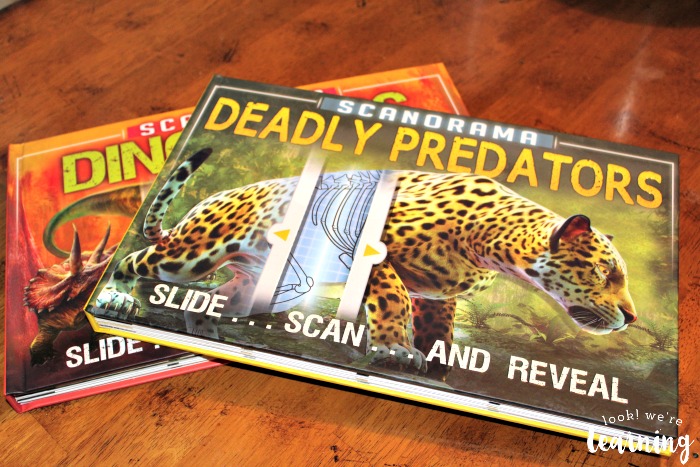
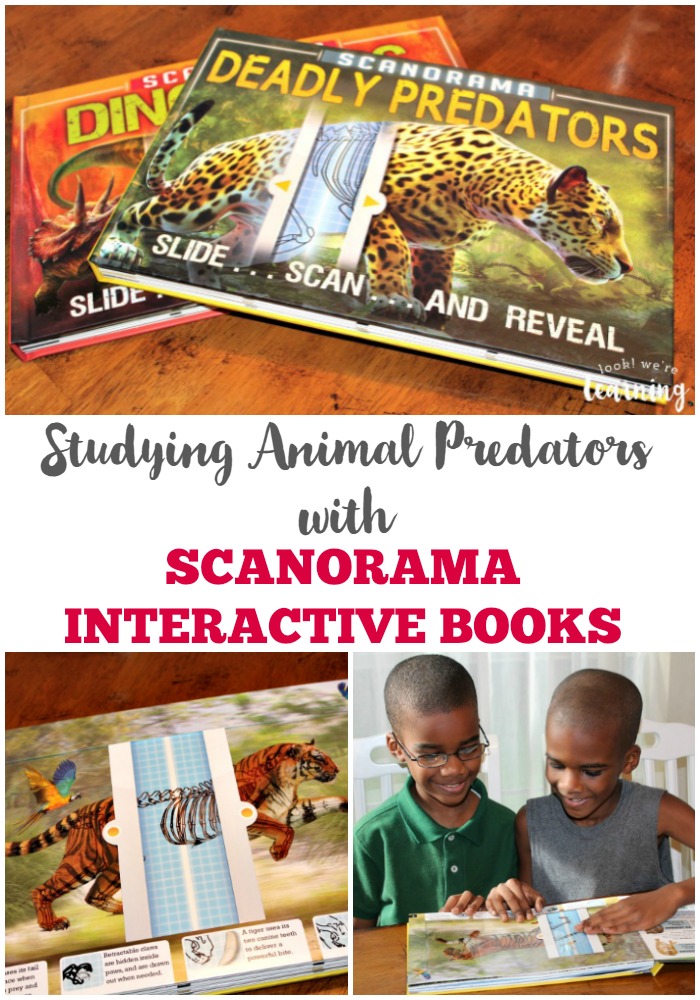
In particular, my sons love studying animal predators. As typical boys, they love learning about big, strong animals that eat other animals. So I was psyched to get to try the Scanorama series from Silver Dolphin Books! One of the books is called Deadly Predators, which I just knew would be a huge hit with my kids. And they ended up loving it even more than I thought!

See why the Scanorama series is so popular with kids (even kids who don’t love to read) and enter to win one of your own below!

Disclosure: I received this product in exchange for this post and I was compensated for my time. All opinions are my own and I was not required to post a positive review.

Reading about Animal Predators with Scanorama Interactive Books

How Do Scanorama Interactive Homeschool Science Books Work?

If you’re kind of puzzled about the name “Scanorama”, I get it. At first, I wondered what it was all about too. Here’s the simple explanation:

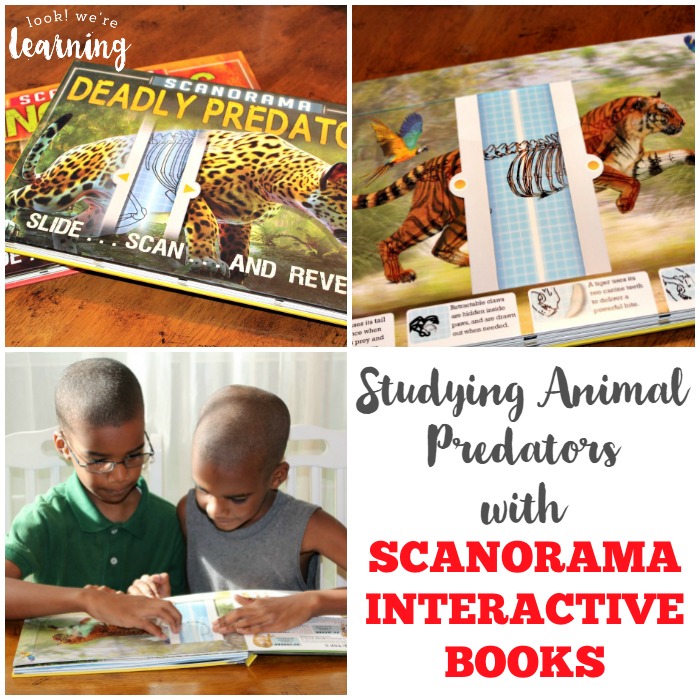
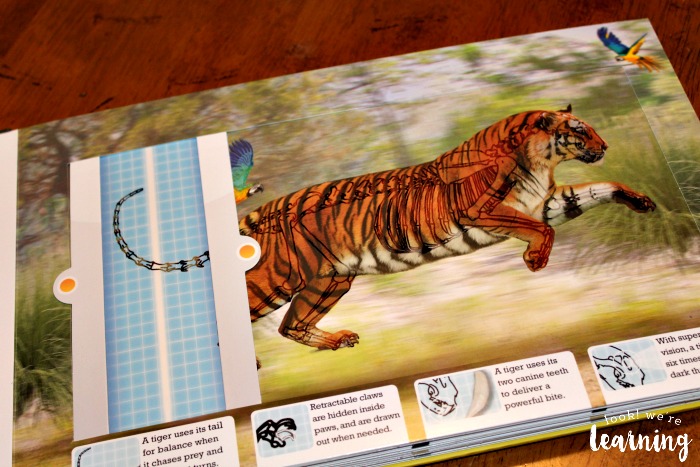
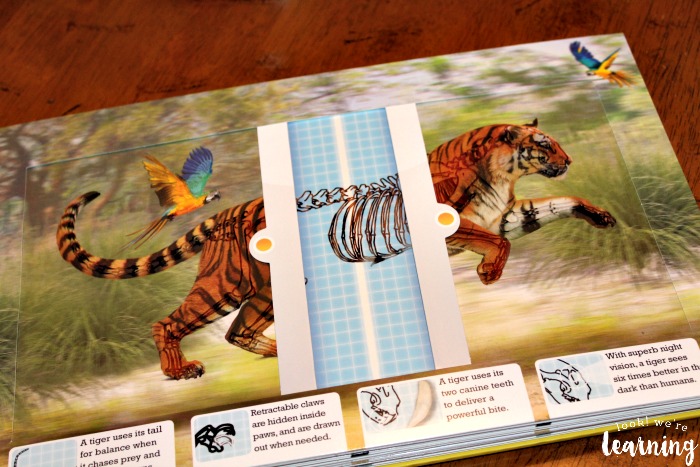
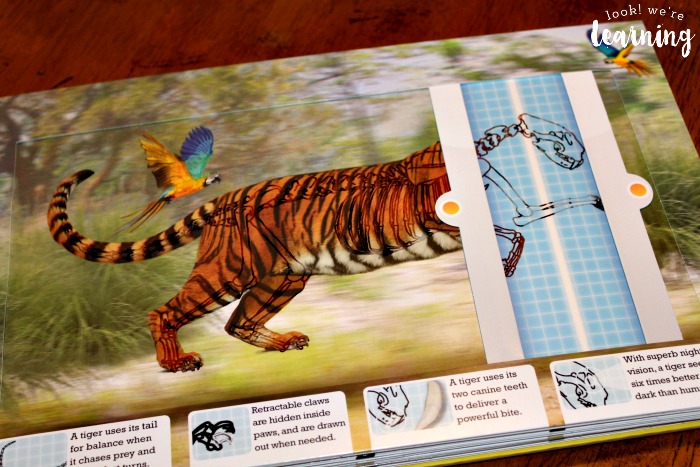
Titles in the Scanorama series let kids scan over images of animals and get an X-ray view of their skeletons. Did I mention I have typical boys? They were truly wowed by that feature, as you’ll see later on.

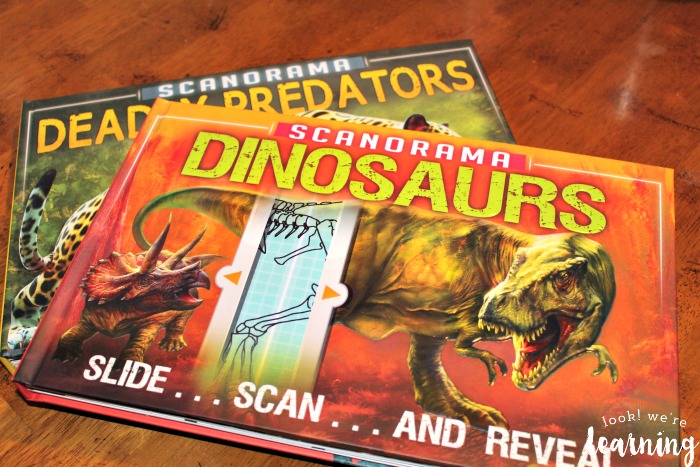
Oh – and see that book about dinosaurs peeking out from behind the Deadly Predators book? Read on for something awesome involving that one. 😉

Scanorama Deadly Predators Book

There are three different titles in the Scanorama series available from Silver Dolphin Books:

  • Scanorama: Deadly Predators
  • Scanorama: Dinosaurs
  • Scanorama: Amazing Animals

We got a look at the first two. Take a look at the Scanorama series in action below. (This page is from the Deadly Predators book.)

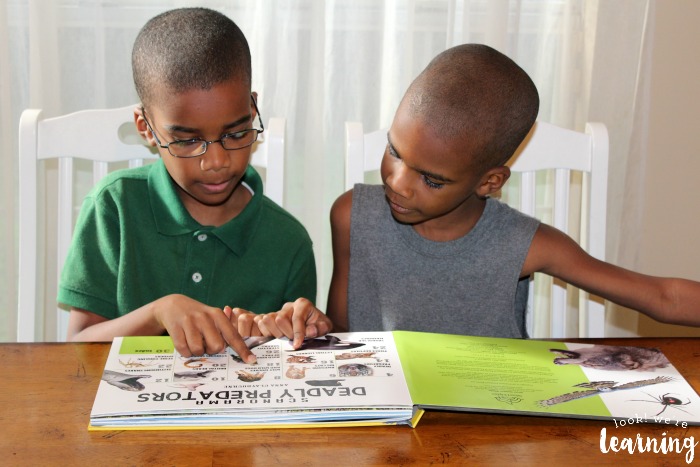
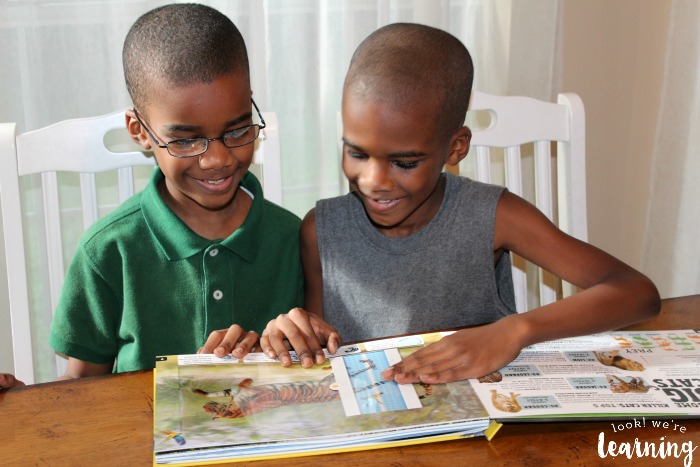
Studying Tiger Bones

Scanning Tiger Vertebrae

Viewing Tiger Bones

See how kids can “scan” over the image and investigate how the animal’s skeleton contributes to its prowess? That’s just super, duper neat.

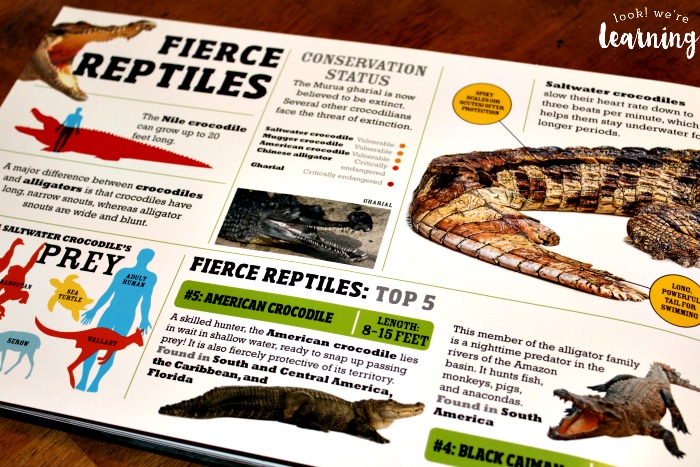
Reading about Fierce Reptiles

Plus, there is a LOT of information in each book about the kinds of animals covered. The Deadly Predators book contains sections about several types of predators, including scorpions, reptiles, big cats, sea mammals, and more.

Oh, and fair warning: There is a section about spiders, which contains vivid, full-color pictures of spiders. (Just so you don’t do like I did and drop the book in sheer terror when you come to that part.)

Learning about Big Cats with Scanorama Homeschool Science Books

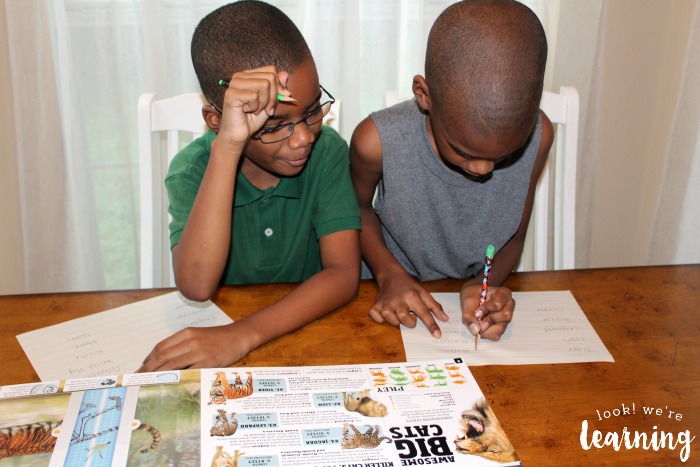
When I handed the Scanorama series book Deadly Predators over to my boys, they had a short conference about which section of the book they wanted to cover first.

Exploring Deadly Animal Predators

And, as I expected, they reached a unanimous decision: Big Cats. So big cats it is!

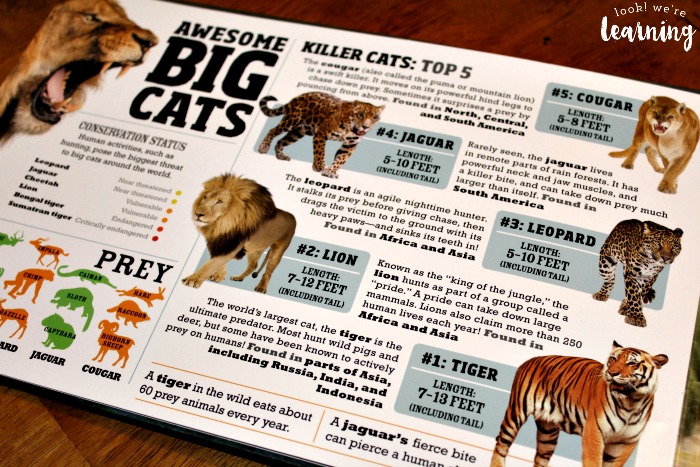
Reading about Big Cats

In the section, they got to examine five different big cats. And, since they’re already huge fans of wildlife, they knew some of the information. But, they were impressed at how long each animal was. I don’t think they had realized just how long a tiger can be before!

Exploring Scanorama Predators Books

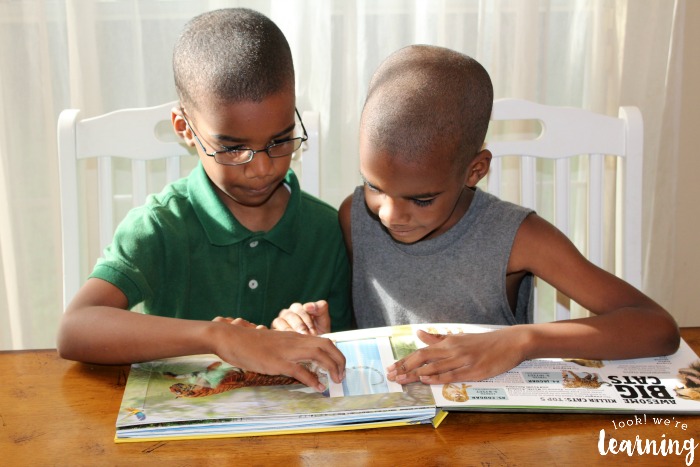
When they discovered the “scan” picture of the tiger, they truly came to life!

Studying Animals with Scanorama Interactive Books

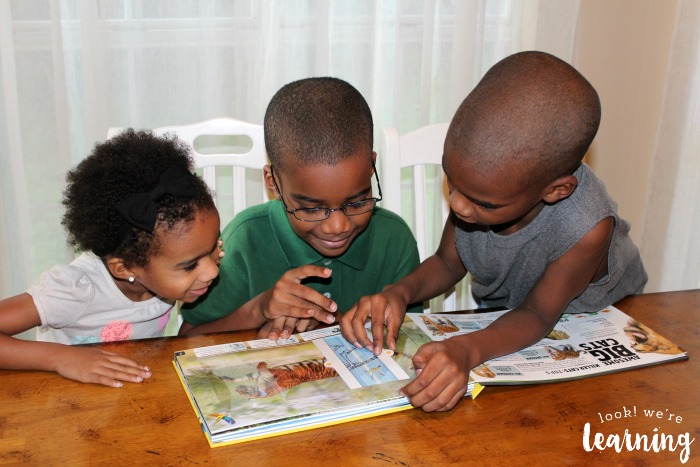
I had to keep telling them, “No. Wait. Let your brother have a turn.” and “You just did it. Let him try!” and “Okay, okay, everyone will get a chance.” I literally had two boys fighting over a book. That is an actual first in our household.

Reading Scanorama Books Together

Even our preschooler wanted to get in on the fun!

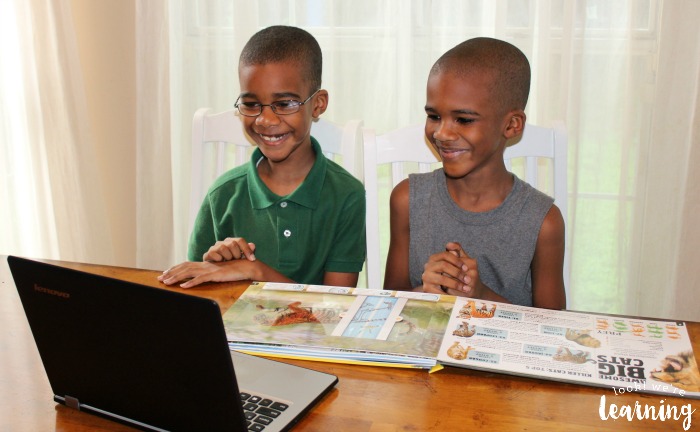
Watching a Video about Big Cats for Kids

Then we watched a short video about big cats. The boys really enjoyed it, as you can see.

Actually, they were laughing at the way the lady in the video says “jaguar”, but they were still learning something, I swear!

Learning about Big Cat Carnivores

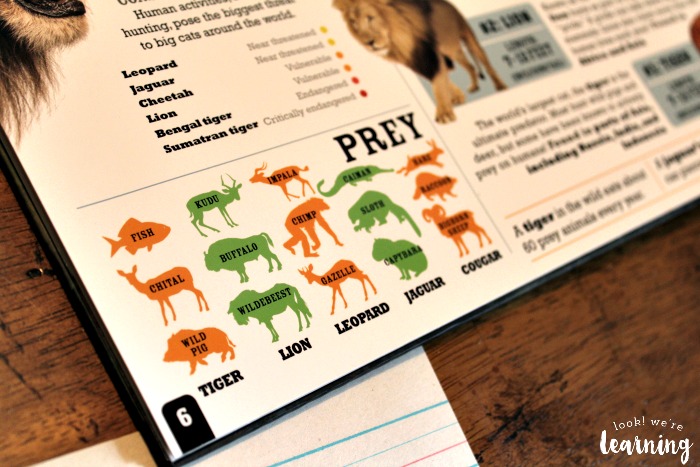
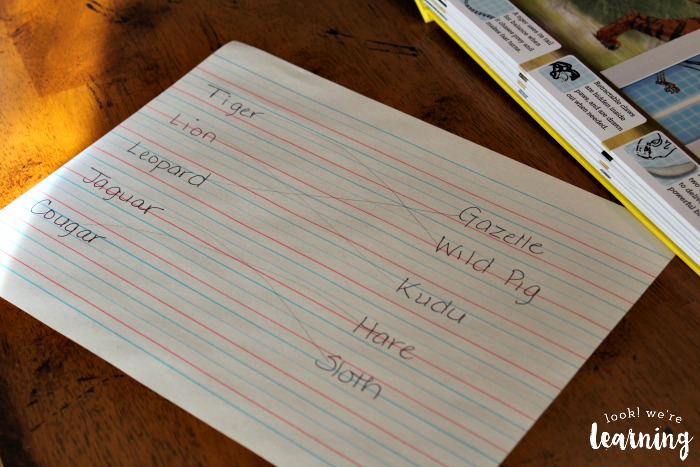
Finally, we took a look at the different kinds of prey each big cat eats.

Matching Predators with Prey

And the boys did a quick matching activity using the diagram in the Deadly Predators book.

Predator and Prey Matching Activity

Finito! And we had all that fun just from one section of one book in the Scanorama series! Be sure to stop by and browse all three book titles and pick up one your kids will get excited about too!

Studying Animal Predators with Scanorama Interactive Books

Want one of these books for your family? Enter to win the Scanorama book of your choice from Silver Dolphin! TEN WINNERS will receive one of the three Scanorama books: Deadly Predators, Dinosaurs, or Amazing Animals! To enter, just use the Giveaway Tools widget below! (Books will be shipped to US or Canadian addresses only.)

Entry-Form

To learn more about the awesome books available from Silver Dolphin, follow the company on social media:

  • Facebook
  • Twitter
  • Pinterest
  • YouTube
  • Instagram

Now – for ANOTHER giveaway! 😉

Scanorama Dinosaurs Book

Remember that Scanorama book about dinosaurs I mentioned earlier?

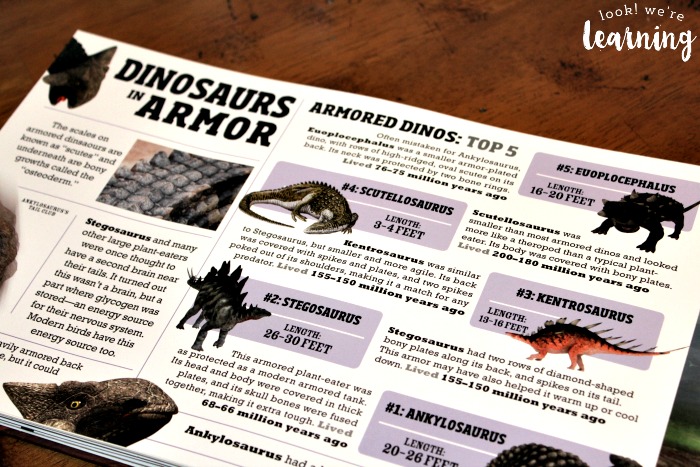
Reading about Armored Dinosaurs

It’s just as awesome as the one about predators!

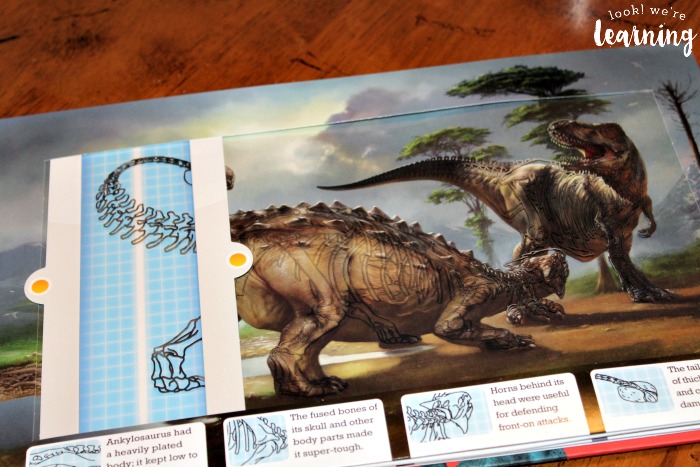
Viewing Dinosaur Skeletons

Right down to the scan-and-see-inside-the-creatures feature!

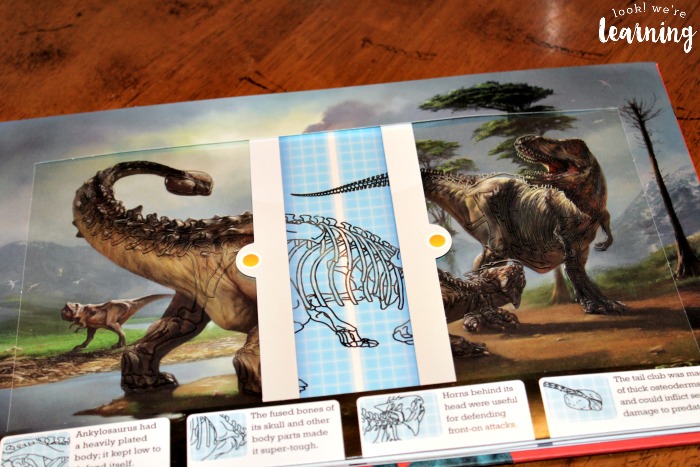
Scanning Dinosaur Skeletons

If you have kids that are dino-crazy, they’re sure to love this book!

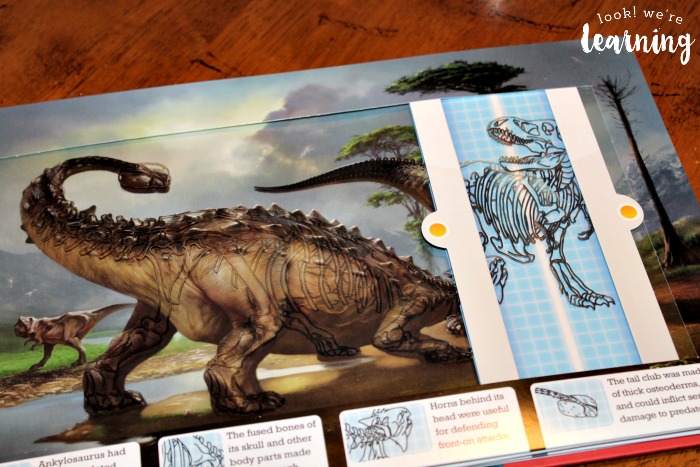
Examining Dinosaur Skeletons

So I’m giving it away to one of my readers! To enter the giveaway, stop by the Look! We’re Learning! Facebook page at 8:12 p.m. EST tonight! It’s the easiest contest in the world to enter, I promise. 🙂 Full rules will be posted and the giveaway will be open for a week, so you have plenty of time to enter and win!


Filed Under: Curriculum Reviews, Science Tagged With: books about animals, books for kids, interactive books, interactive science books, scanorama, scanorama books, science, science books for kids

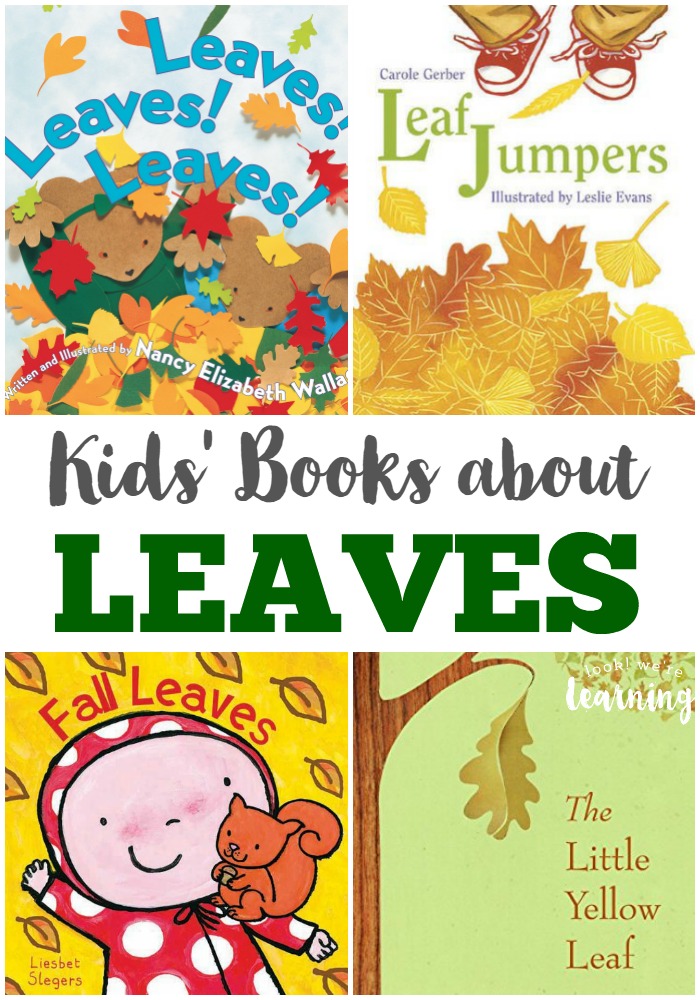
Kids’ Books about Leaves

September 12, 2016 by Selena Robinson Leave a Comment

We’ve been sharing lots of fall fun for kids lately, including apple tree playdough mats, plenty of fall leaf activities and crafts you can make as a family, and kids’ books about camping. But we’ve been missing leaf books! Doh!

I love watching the leaves change during autumn. It’s like the whole world just explodes with color. I remember a Calvin and Hobbes comic strip that referred to fall leaves as nature’s fireworks, and I couldn’t agree more.

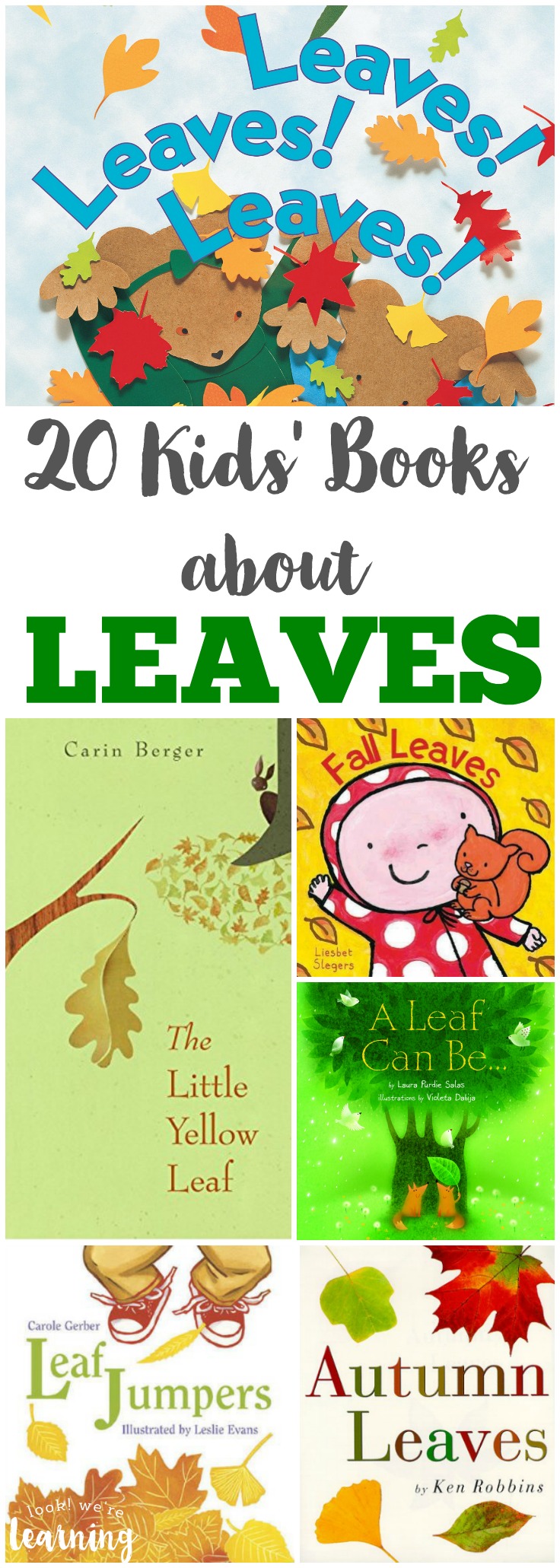
So – since reading is a major part of our homeschool, here are some beautiful kids’ books about leaves you can share with your children this fall!

These kids' books about leaves are packed with gorgeous illustrations - perfect for reading this fall!

Kids’ Books about Leaves

This post contains affiliate links. For details, see our Disclosure Policy.

1. The Little Yellow Leaf by Carin Berger

2. The Leaves on the Trees by Thom Wiley

3. Look What I Did With a Leaf! (Naturecraft) by Morteza E. Sohi

4. Leaf Jumpers by Carole Gerber

5. Look Once, Look Again: Plant Leaves (Look Once, Look Again Science) by David M. Schwartz

6. A Leaf Can Be… (Millbrook Picture Books) by Laura Purdie Salas

7. On My Leaf by Sara Gillingham

8. Leaves! Leaves! Leaves! by Nancy Elizabeth Wallace

9. Autumn Leaves by Ken Robbins

10. Fall Leaves (Clavis Toddler: Daily Life) by Liesbet Slegers

11. Leaves by David Ezra Stein

12. When the Leaf Blew In by Steve Metzger

13. Leaves in Fall (Bullfrog Books: What Happens in Fall?) by Mari Schuh

14. Leaves Fall Down: Learning About Autumn Leaves by Lisa Bullard

15. My Leaf Book by Monica Wellington

16. Fletcher and the Falling Leaves by Julia Rawlinson

17. Zero is the Leaves on the Tree by Betsy Franco

18. Robin Hill School: Fall Leaf Project (Ready-to-Read) by Margaret McNamara

19. The Magic School Bus: The Wild Leaf Ride (Scholastic Reader, Level 2) by Judith Stamper

20. There Was an Old Lady Who Swallowed Some Leaves by Lucille Colandro

Books about Leaves for Kids

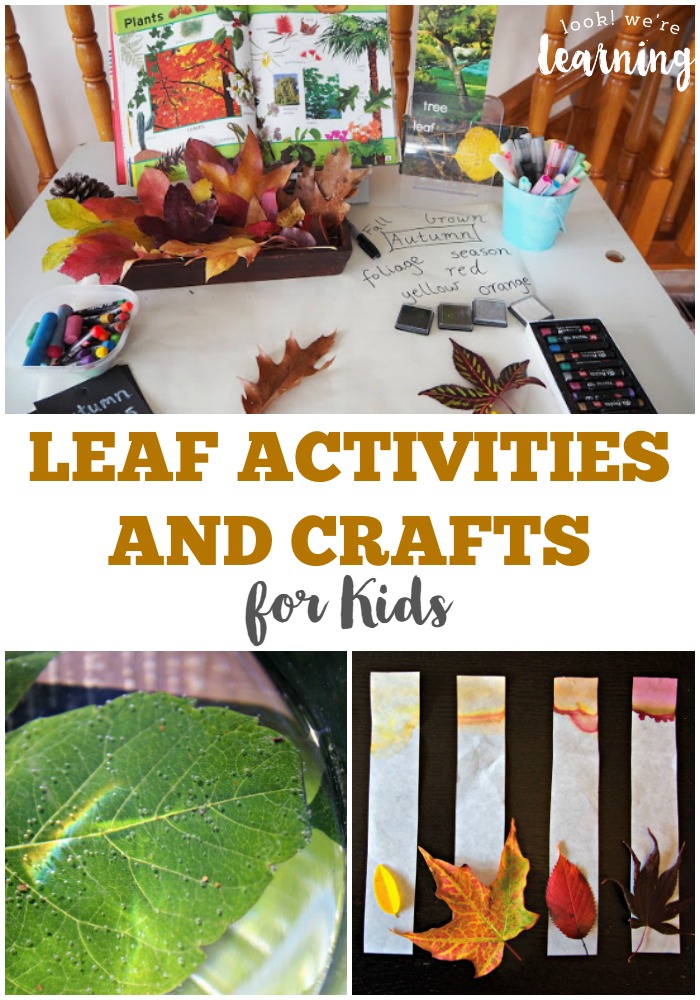
Use these activities to find more ways to include leaves in your learning!

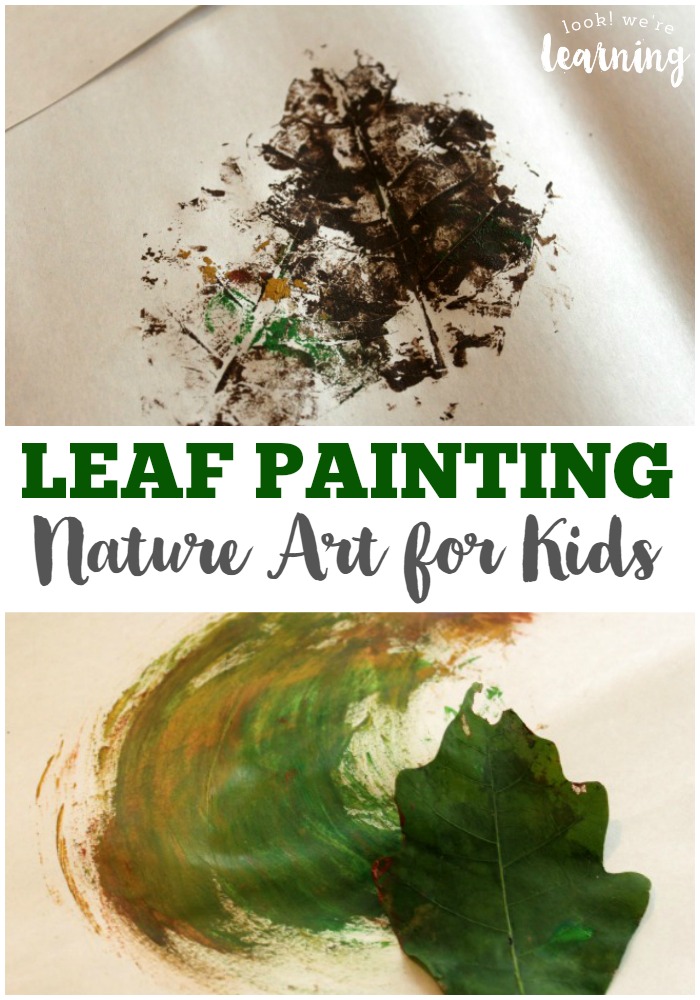
Nature Art Leaf Painting with Kids

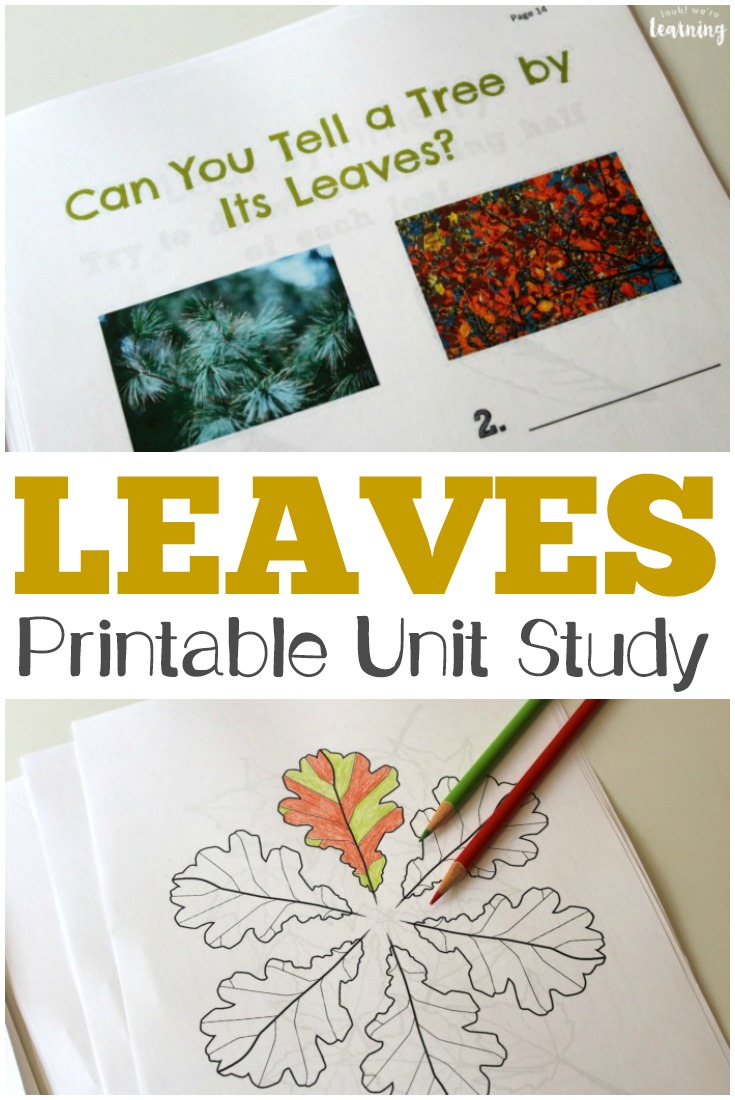
This All About Leaves Printable Unit Study is a perfect way to study the science of fall foliage with kids!

Fun Fall Leaf Activities for Kids @ Look! We're Learning!

Get more fall fun ideas from my Fall Activities for Kids board on Pinterest!

Plus, you can receive exclusive learning printables and teaching tips in our email newsletter! Sign up using the widget below.

Share these books about leaves with the kids during storytime this autumn!

Filed Under: Book Lists, Reading Tagged With: book lists, books about leaves, books for kids, fall, fall books, fall leaves, kids books about leaves, leaf books for kids, leaves, reading

Preschool Playdough Mats: Apple Tree Counting Mat

September 9, 2016 by Selena Robinson 7 Comments

try-a-fun-way-to-teach-counting-to-your-preschooler-this-apple-tree-printable-counting-mat

Piglet, our youngest, is starting PreK this year. She is so excited about it.

Of course, she also thinks that she will begin kindergarten immediately after the first day of preschool.

Since she’s working on PreK concepts, I’ll be sharing a lot more preschool resources this year, including preschool playdough mats!

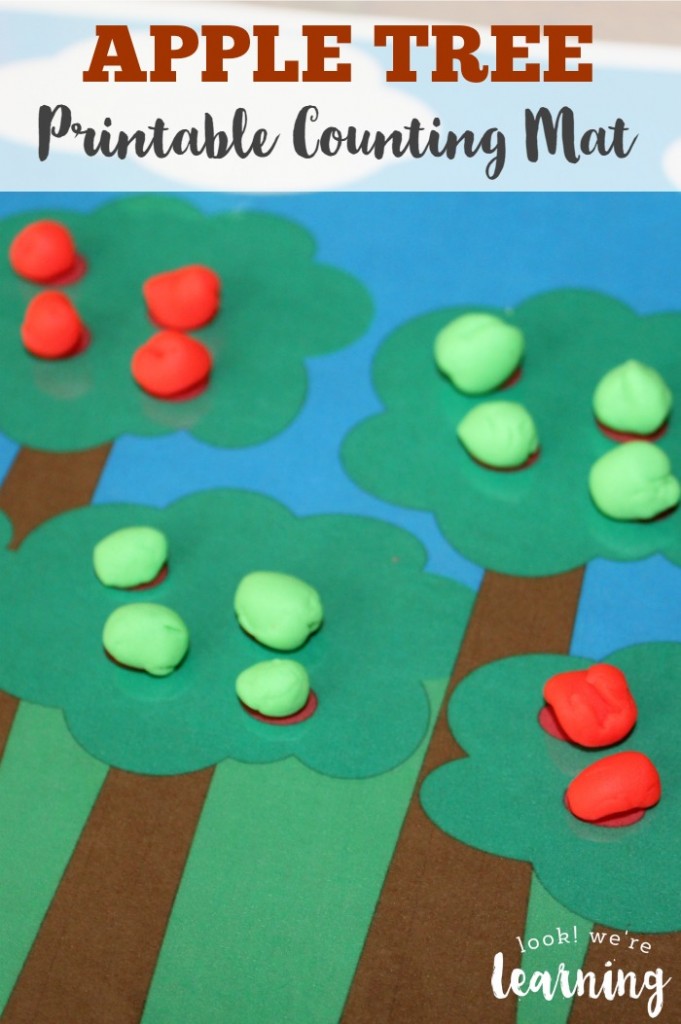
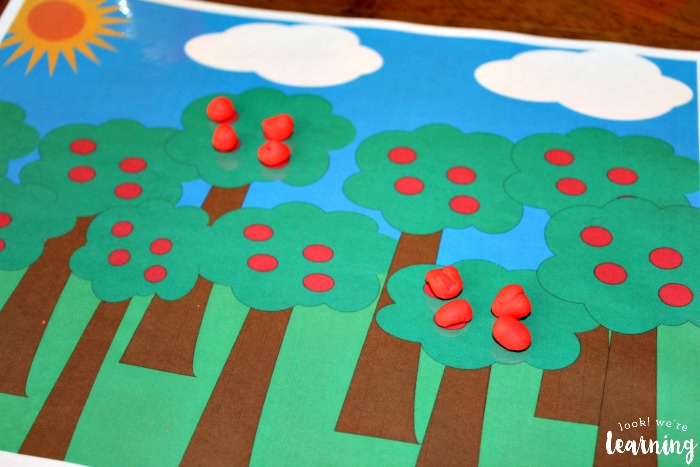
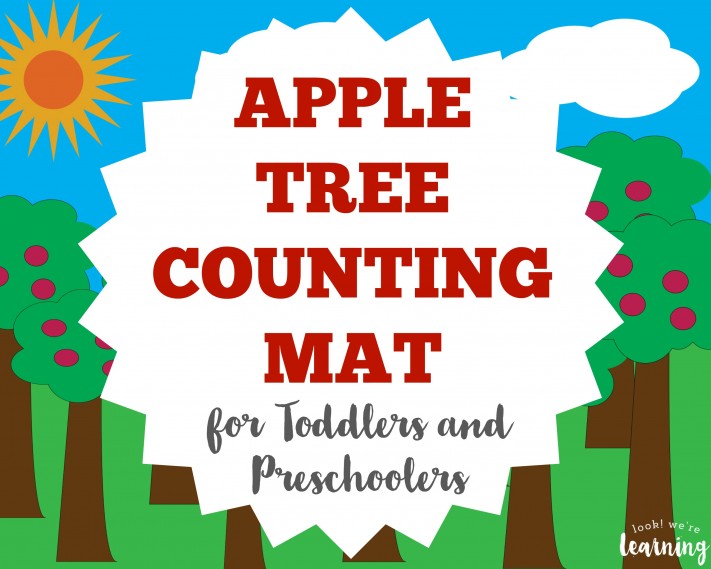
Here in the U.S., we’re all gearing up for fall, so here’s a fun Playdough Apple Tree Counting Mat you can use with your toddler or preschooler too!

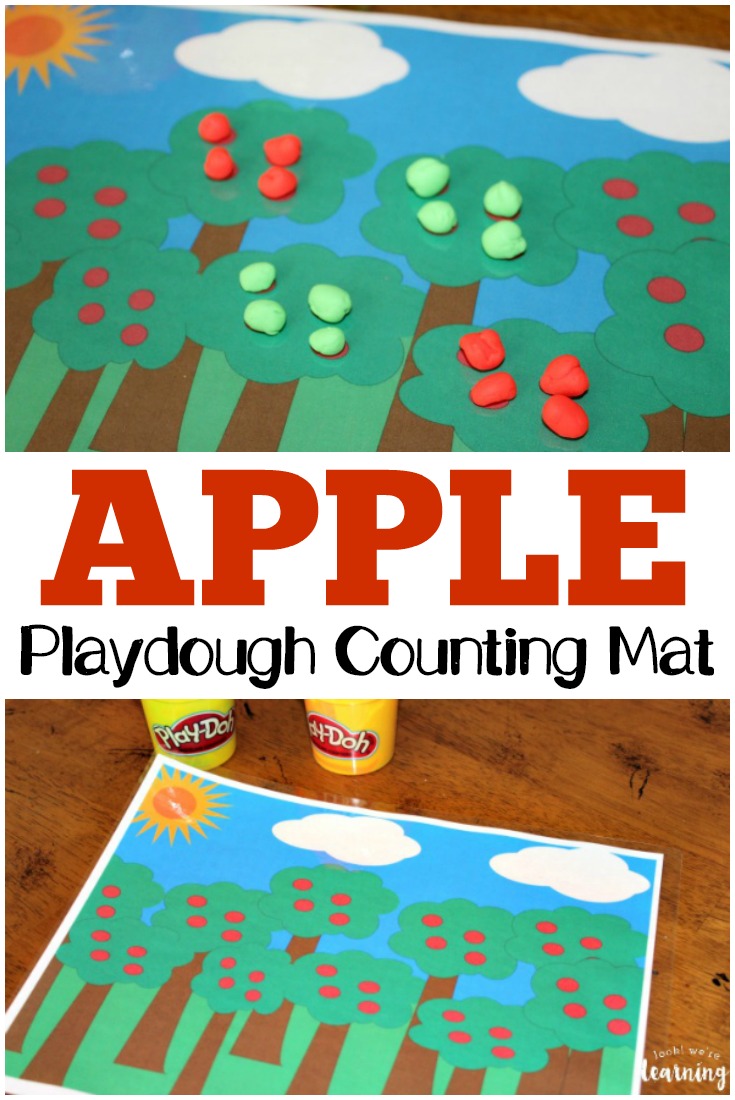
PreK Apple Tree Playdough Counting Mat

Read on to see how to grab this for your students.

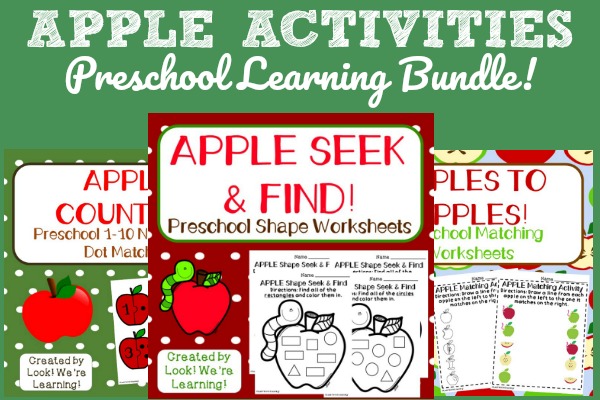
And for more apple fun, don’t miss our Apple Alike! Same or Different Worksheets or our Apple Preschool Counting Puzzles!

Practice counting and fine motor skills with this fun playdough apple tree counting mat!

Preschool Playdough Mats: Apple Tree Counting Mat

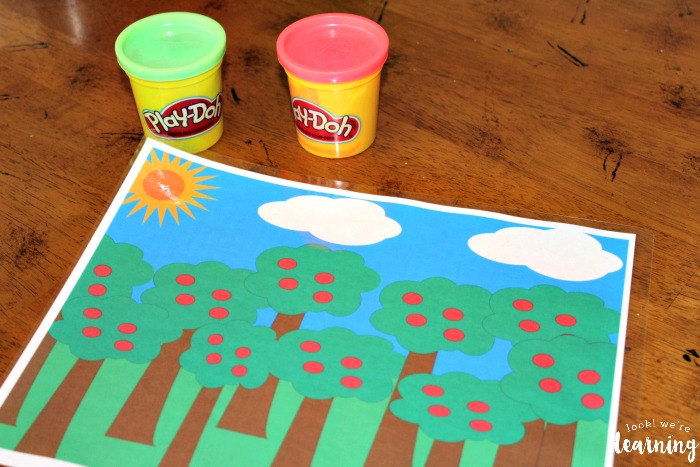
Here are the supplies we used for our mats: (Affiliate links provided here for convenience. For details, see our Disclosure Policy.)

  • Printer (with ink)
  • Printer paper
  • Scotch Thermal Laminator
  • Play-Doh – 24 Pack of Colors

That’s it! You definitely want to laminate these first so that they can be reused.

Supplies For the Apple Tree Playdough Counting Mat

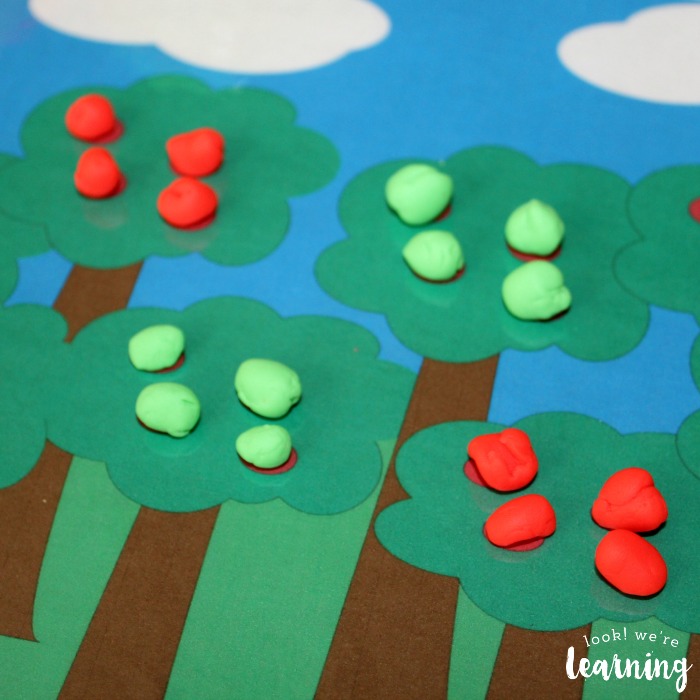
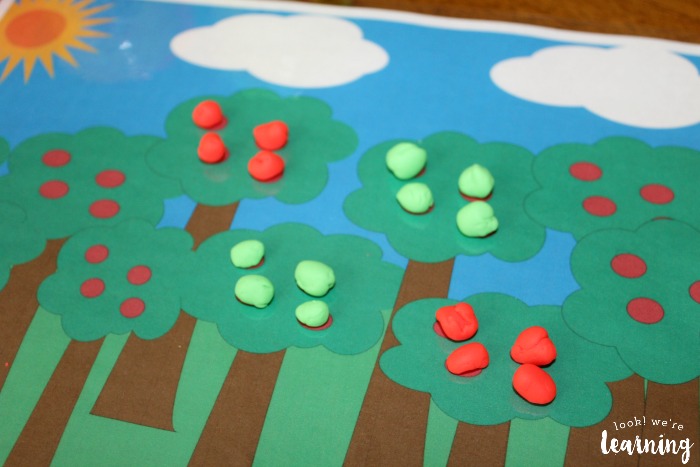
Since the apples are grouped on the trees in sets of four, this was a simple way to work on skip counting.

Using the Apple Tree Counting Mat

Just add four apples to each tree and count them.

Counting by Four with Apple Tree PreK Playdough Mats

Use a different color to work on counting and sorting. (How many green apples are there? How many red apples are there?)

Fall Playdough Mats

Then a little reinforcement. If there are four green apples on this tree and four green apples on this tree, how many green apples are there altogether? Oh, so four plus four is how much?

Next thing you know, your preschooler will be saying that 4 x 2 = 8. 🙂

Scroll down to get your copy of our Playdough Apple Tree Counting Mat!

Check out these other fall learning ideas for preschoolers!

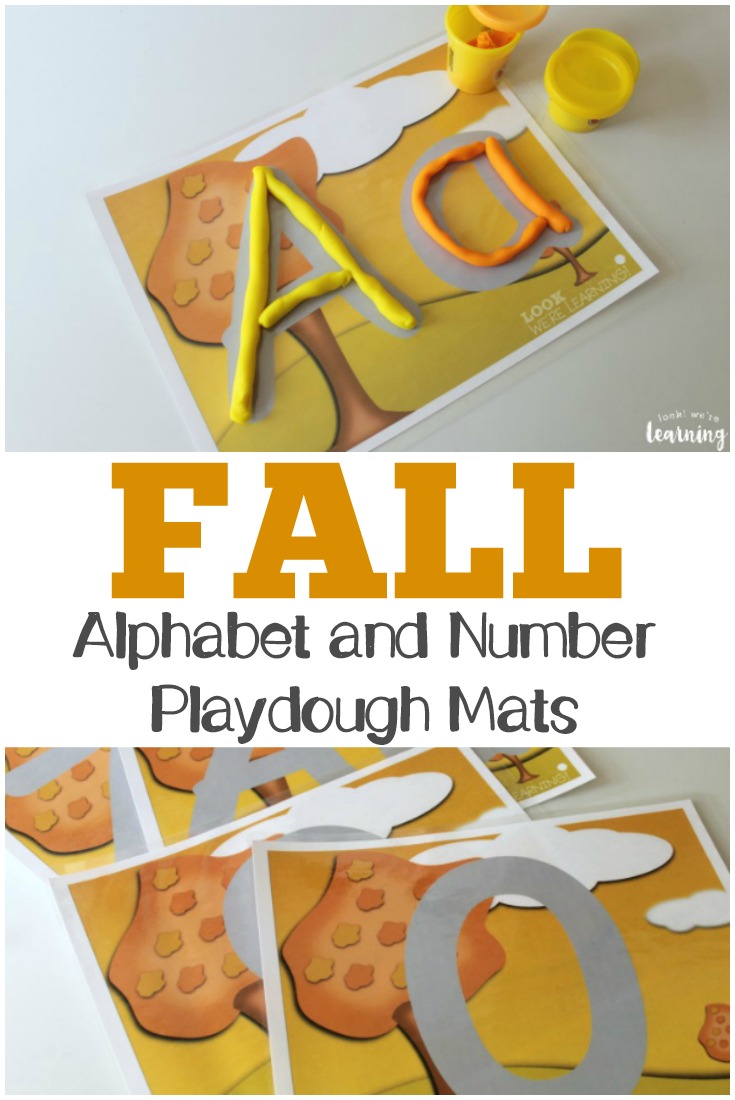
Use these printable fall playdough mats to teach your little ones to form letters and numbers!

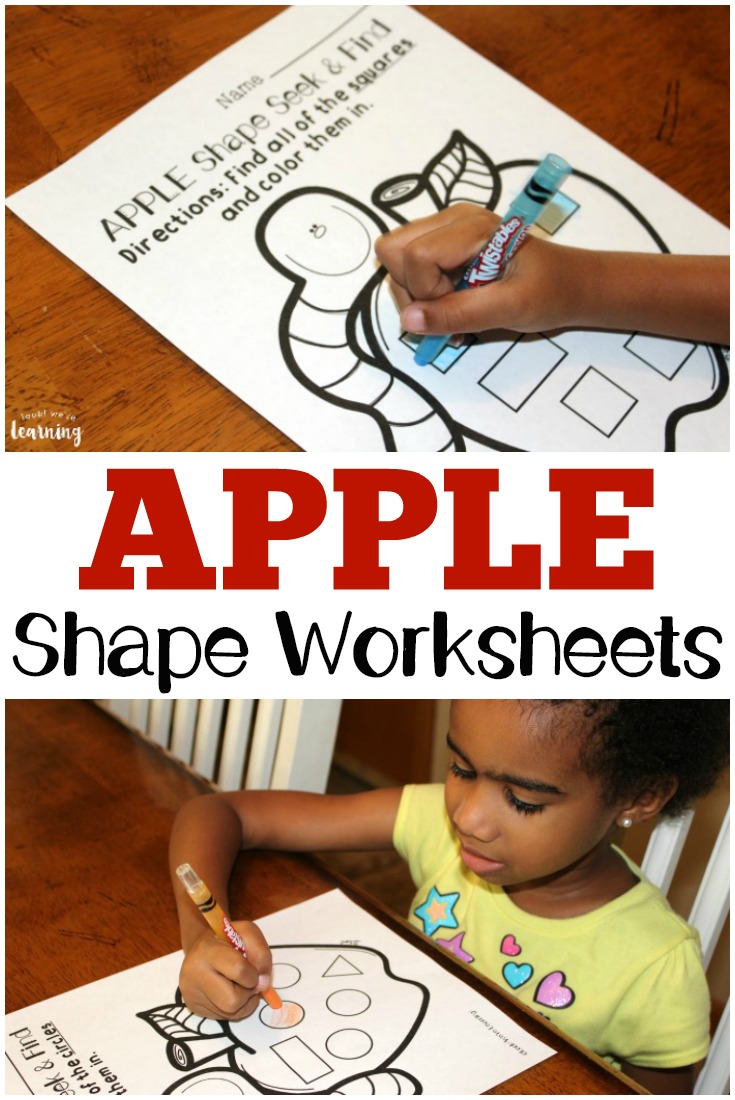
Early learners will love practicing shape recognition with these apple shapes worksheets for preschool!

And don’t miss our list of awesome fall books for kids to share this year!

50 Fall Books for Kids

Get more ideas for fall fun with kids from my Fall Activities for Kids board on Pinterest!

apple-tree-counting-mat

Grab your copy of our Printable Apple Tree Counting Mat for free when you sign up for our email newsletter! You’ll receive access to this printable, plus loads of other learning resources, in our exclusive Subscriber Library!

Free Unit Studies

This post is part of the Free Unit Studies roundup! Stop by to see more fun posts about Apples and Pumpkins from my fellow bloggers!

Corn Kernel Fall Tree Craft from Play Dough & Popsicles

Kids in the Kitchen: Pumpkin Chocolate Chip Muffins from Crafty Mama in ME

Learning About Pumpkins {Free Printables Round Up} from Faith and Good Works

Books about Pumpkins for Kids from CraftCreateCalm

Pumpkin Recipes for Kids from FrogMom

Harvest Theme Word Search from Tales of Education at Home

Board Books About Apples and Pumpkins for Toddlers from The Jenny Evolution

Pumpkin Science Activities from iGameMom

Apple Read and Play from My Storytime Corner

Pumpkin Preschool Printables from Living life and learning

Pumpkin Patch Alphabet Match from Schooling a Monkey

Apple Sight Word Game from Books and Giggles

Challenge Math – Apple Theme from Planet Smarty Pants

Filed Under: Homeschooling Printables, PreK Homeschooling Tagged With: homeschool printables, homeschooling, playdough, playdough counting mats, prek, prek homeschooling, prek printables, preschool, preschool printables, printable playdough mats, printables

Teaching Money Management with a Lapbook

September 8, 2016 by Selena Robinson Leave a Comment

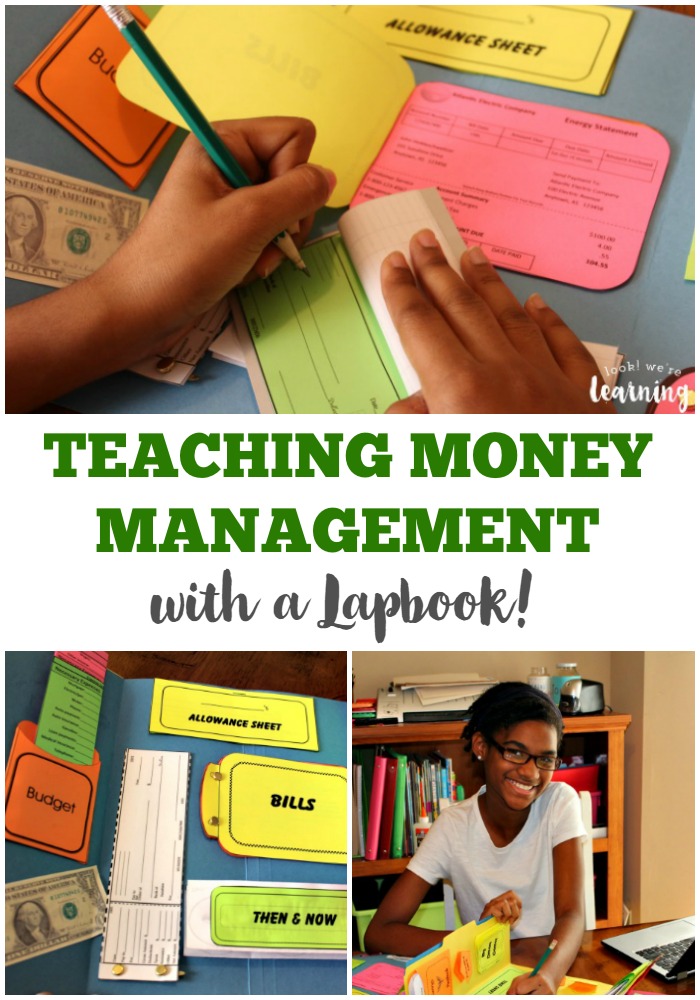
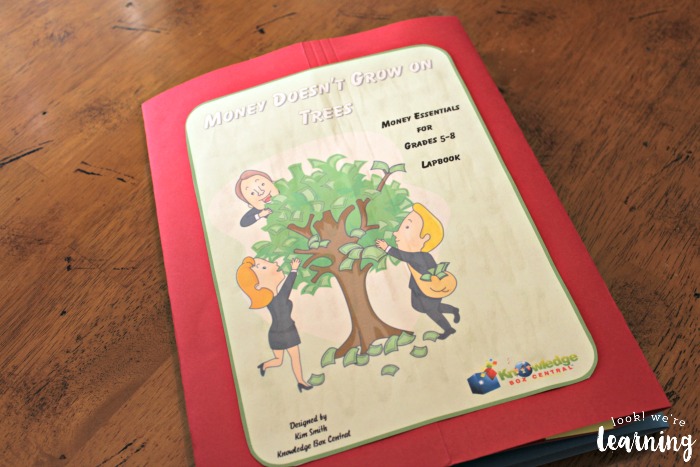
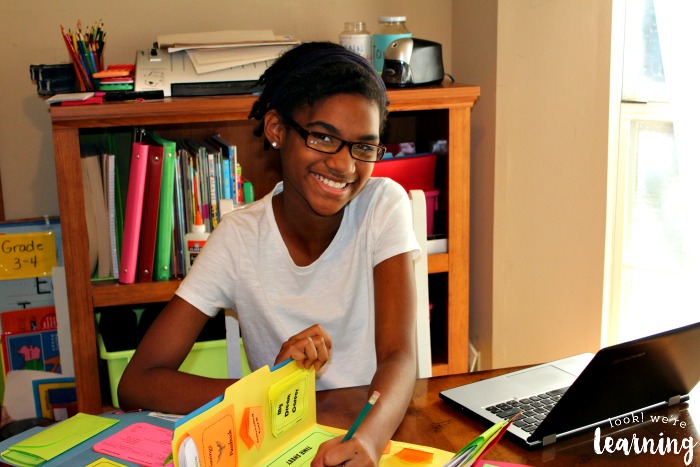
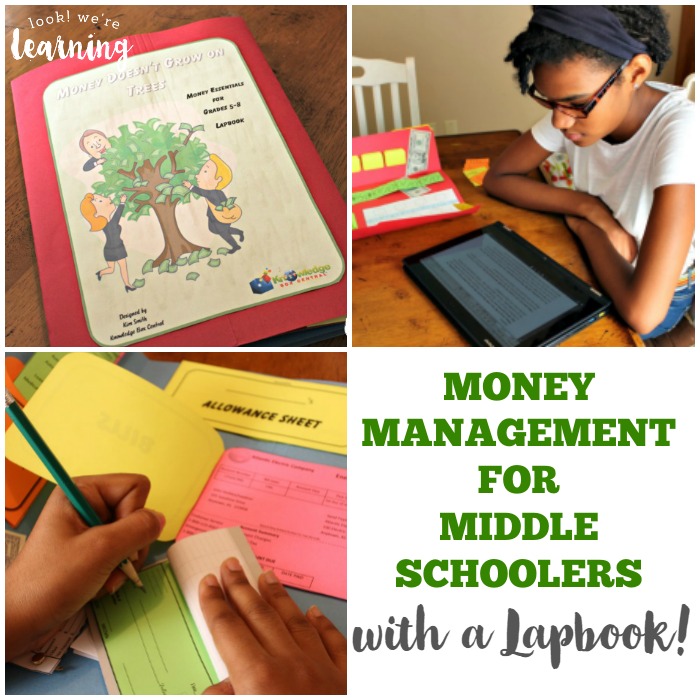
We’ve been loving our lapbooks recently and I thought I’d share one that is seriously terrific for teaching money management to middle schoolers. It’s called “Money Doesn’t Grow on Trees” and it. is. fantastic.

Kids usually love to learn about money, at least how to count it and pretend to spend it. But they’re often a little less than enthused about learning how finances work and why financial responsibility is important. After all, in their minds, the whole point of growing up is being able to spend money the way you want, right? 🙂

So, I was thrilled to try out this lapbook, because it’s focused on helping middle schoolers understand what it takes to earn and save money, not just blow it on things you want. Read on to see how we’re using this lapbook to teach money management skills to our tween!

Disclosure: I received this product in exchange for this post. All opinions are my own and I was not required to post a positive review.

Money Management Skills Lapbook for Middle School

Teaching Money Management with a Lapbook

This is a tremendous unit from Knowledge Box Central. The file has 130 pages in it. So be prepared to spend some serious time putting the lapbook together.

Here’s the list of supplies you’ll need:

  • Colored file folders
  • Hot glue gun with glue sticks (for gluing the folders together)
  • Colored paper
  • Stapler with staples
  • Metal brad fasteners
  • Tacky glue (for gluing the minibooks into the folders)

money-doesnt-grow-on-trees-lapbook-cover

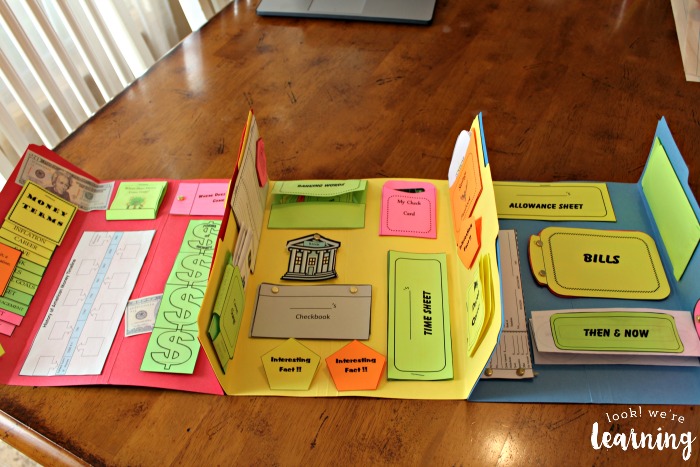
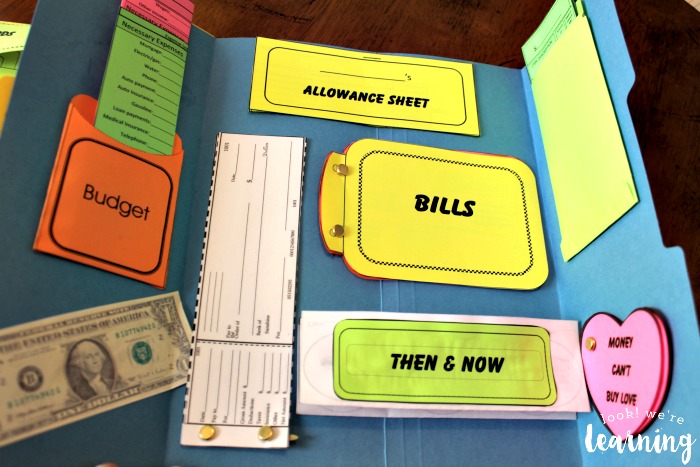
Most of the lapbooks we’ve made so far use two folders, but this one uses three. And, boy, is it packed.

money-doesnt-grow-on-trees-lapbook-interior

See what I mean? 🙂

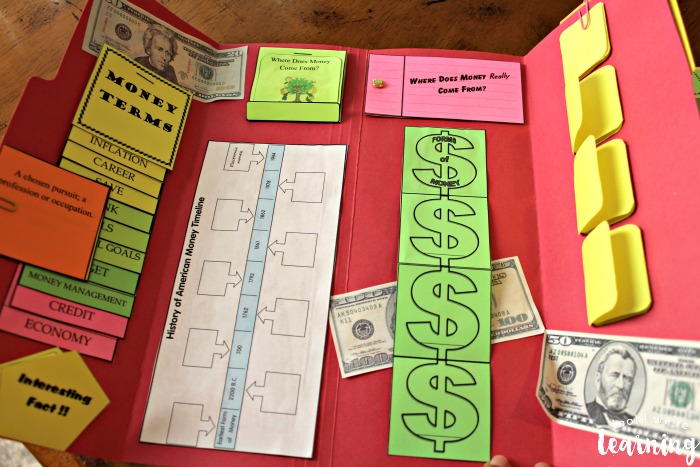
money-doesnt-grow-on-trees-lapbook-folder-1

Here’s a look at the first folder.

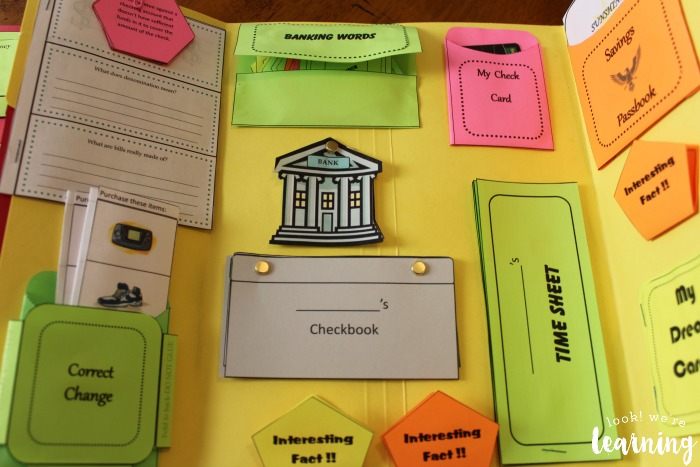
money-doesnt-grow-on-trees-lapbook-folder-2

And the second…

money-doesnt-grow-on-trees-lapbook-folder-3

And the third.

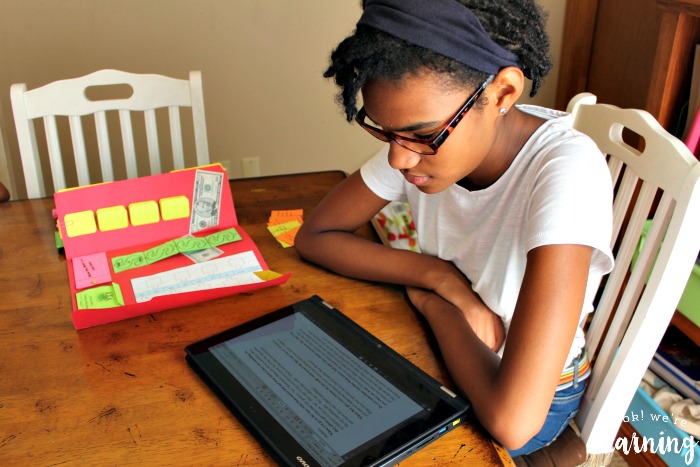
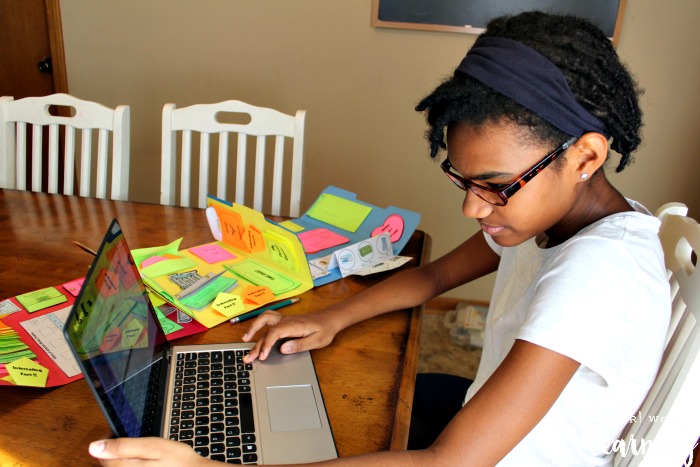
By the time kids get into the middle grades, it’s time for their learning to take a more independent route. And this lapbook does just that. There are sections in the study guide that are written directly to the student, which I loved.

learning-about-financial-terms

On those sections, I just handed the laptop over to my daughter and had her read aloud. She really liked the content, also. Some of the things that were included in the guide were feelings about finances that she could relate to personally, such as “Why don’t my parents always buy the things I want?” I couldn’t stop nodding at the reasons why….lol.

reading-about-money-terms

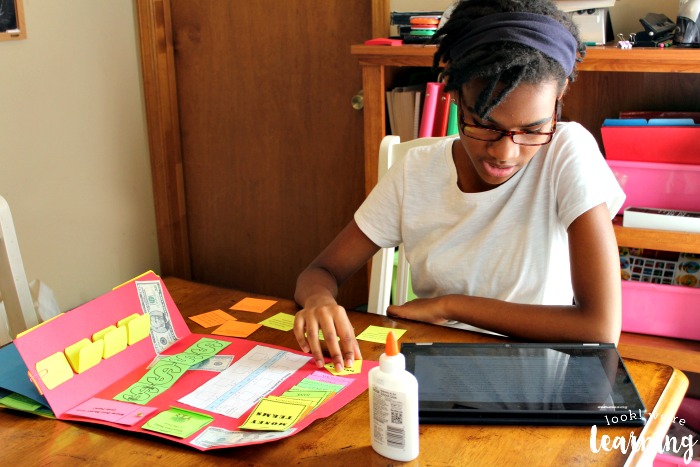
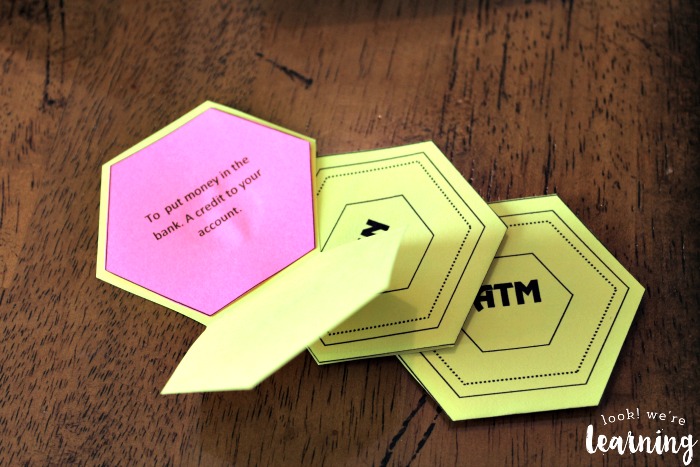
Since this lapbook was so extensive, I had her help me assemble some of the smaller books. The Money Terms minibook in the first folder includes definitions for each term, so she matched them up and glued them in. All of the matching definitions are in the study guide as well.

She did a pretty good job of choosing the correct ones on her own, but there were a few she was unfamiliar with. On those, she checked the guide and then went forward.

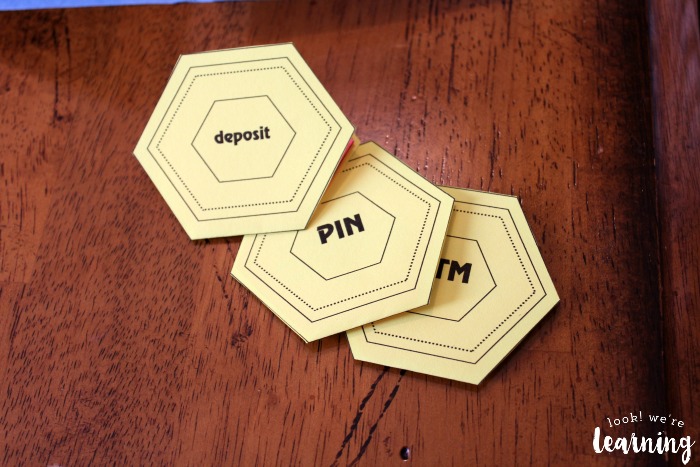
banking-term-minibooks

We did the same thing with the banking words section in Folder 2. There are several minibooks with matching definitions there also. So it was up to her to find the right definition and glue it in the minibook.

banking-terms-minibook-definitions

Like so. Again, the answers are in the Guide.

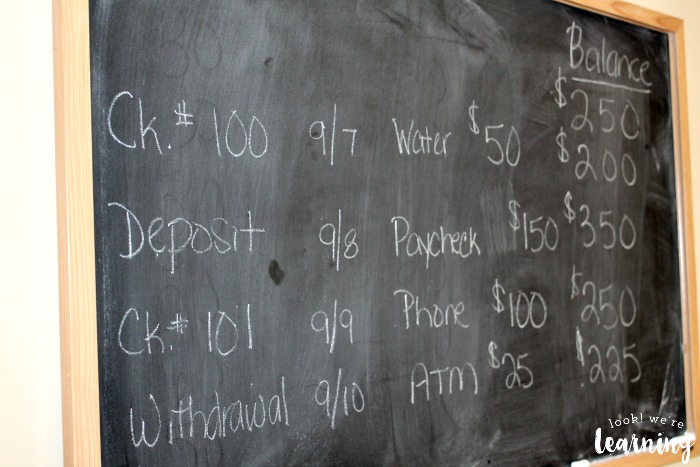
learning-to-balance-a-checkbook

Naturally, kids want to do the stuff that looks grown-up, such as writing checks. The checkbook activity in the lapbook is really comprehensive. It has a check register, practice checks, and deposit slips.

Which meant we had to do an exercise on how to balance a checkbook.

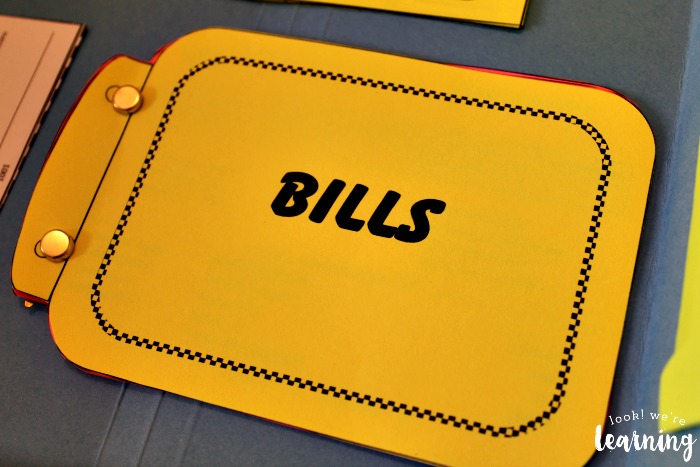
learning-about-bills-and-money-management

Then it was time to pay bills. *cue horror music*

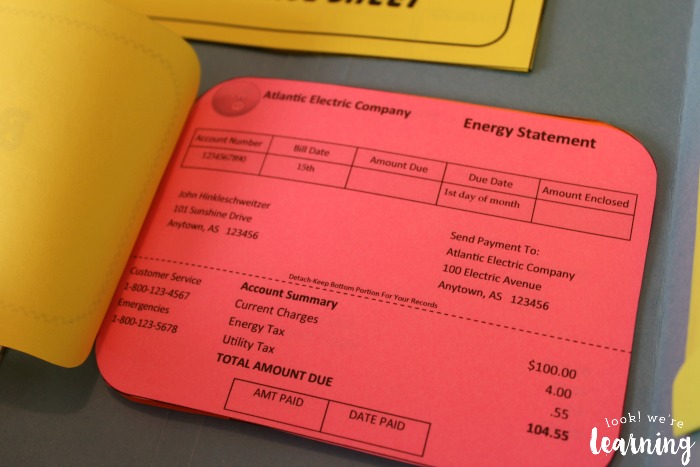
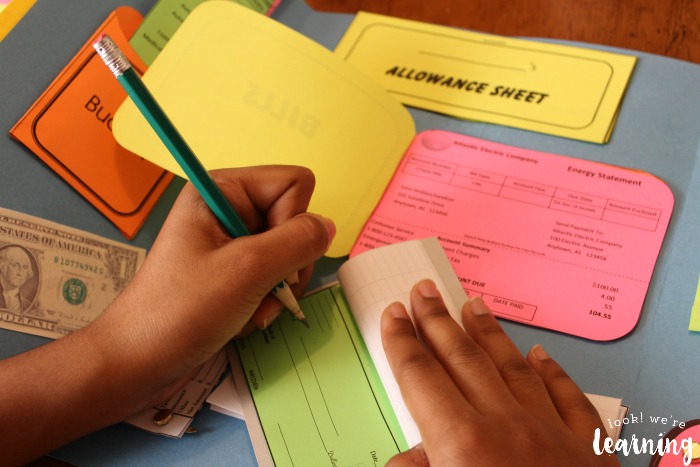
learning-to-read-an-energy-bill

Look at that! Isn’t that neat? It’s a sample electric bill and we discussed how to read the statement: why account numbers are important, where to find the due date, and how to write out the check to the correct company name.

learning-how-to-write-checks

Then she wrote her very first check!

I realize, of course, that we don’t really use checks that much anymore, so we will eventually talk about online bill payment. But this was a great introduction to the world of bill paying, AKA, being an adult. And there’s a practice debit card in the lapbook too. 😉

researching-inflation-in-middle-school

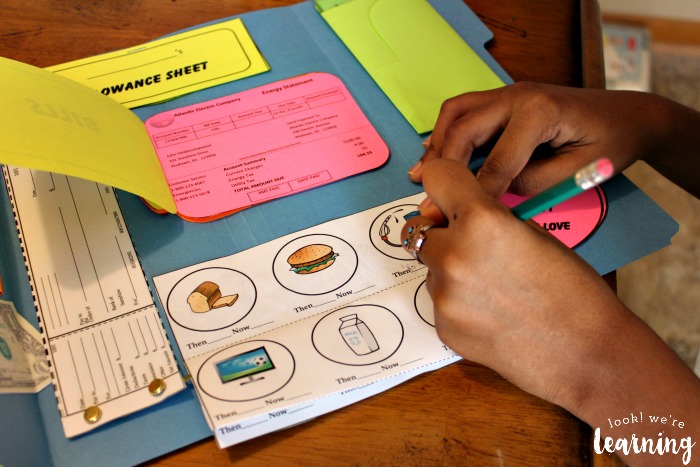
Another activity in the lapbook teaches kids the basics of inflation by comparing current prices of basic goods to the prices of those same goods 50 years ago. We researched the price of gas, milk, and housing in 1966 to compare.

researching-prices-from-today-and-the-past

Then we started filling the figures in to note the difference.

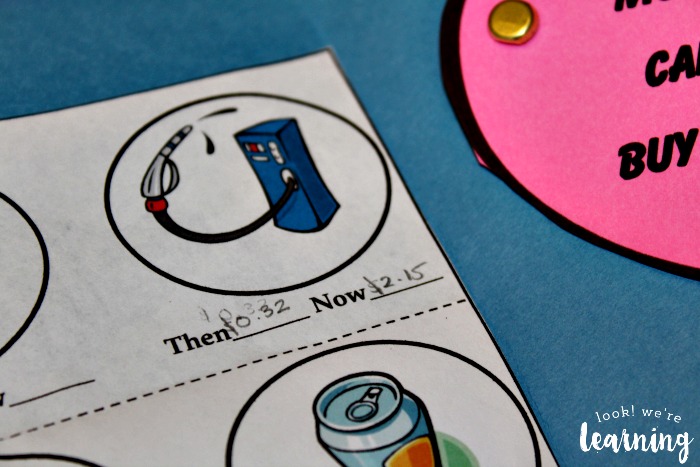
comparing-gas-prices-of-today-to-gas-prices-in-the-past

32 cents for a gallon of gas???!!!! Sign me up for that!

learning-about-money-management-in-6th-grade

This was really, very fun to do as a unit and my tween, who typically hates math, loved it. I didn’t have the heart to tell her that we were basically doing a math lesson. 🙂

money-management-skills-for-middle-school

Learn more about the awesome lapbooks available from Knowledge Box Central! And get a closer look at the Money Doesn’t Grow on Trees lapbook on the company website!

Money Management Resources for Middle School:

Use these other resources to round out your money management unit!

  • How to Turn $100 Into $1,000,000: Earn! Save! Invest!
  • Building Real Life Math Skills: 16 Lessons with Reproducible Activity Sheets
  • Real Looking U.S. Play Money Set
  • Arthur Season 15 Episode 4: “Cents-Less”

Knowledge Box Central

See more of Knowledge Box Central’s lapbooks below!

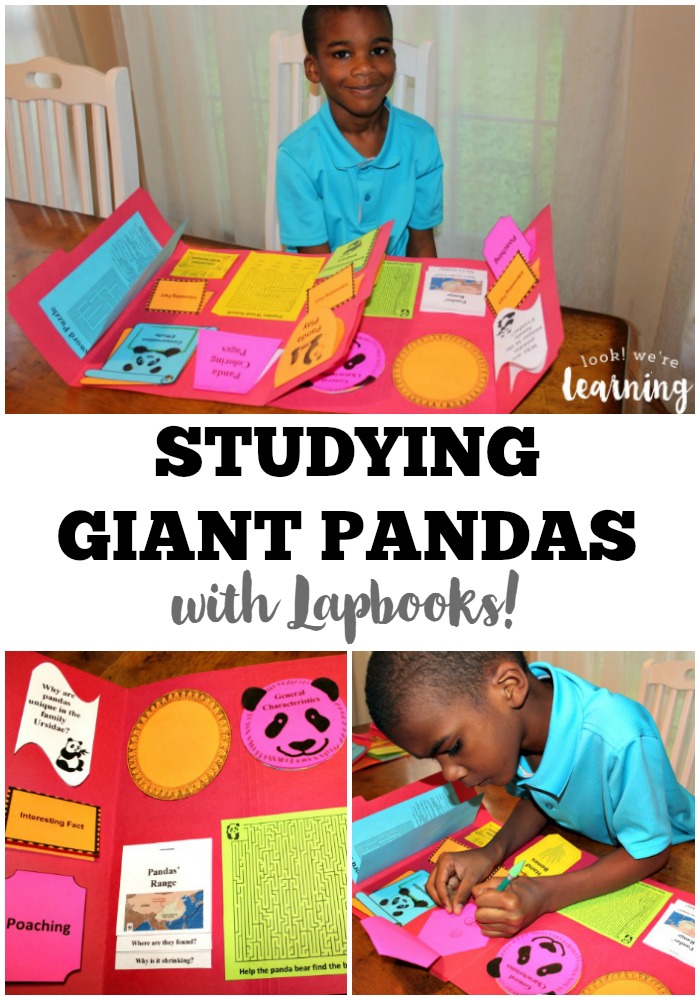
Giant Panda Lapbook for Homeschoolers

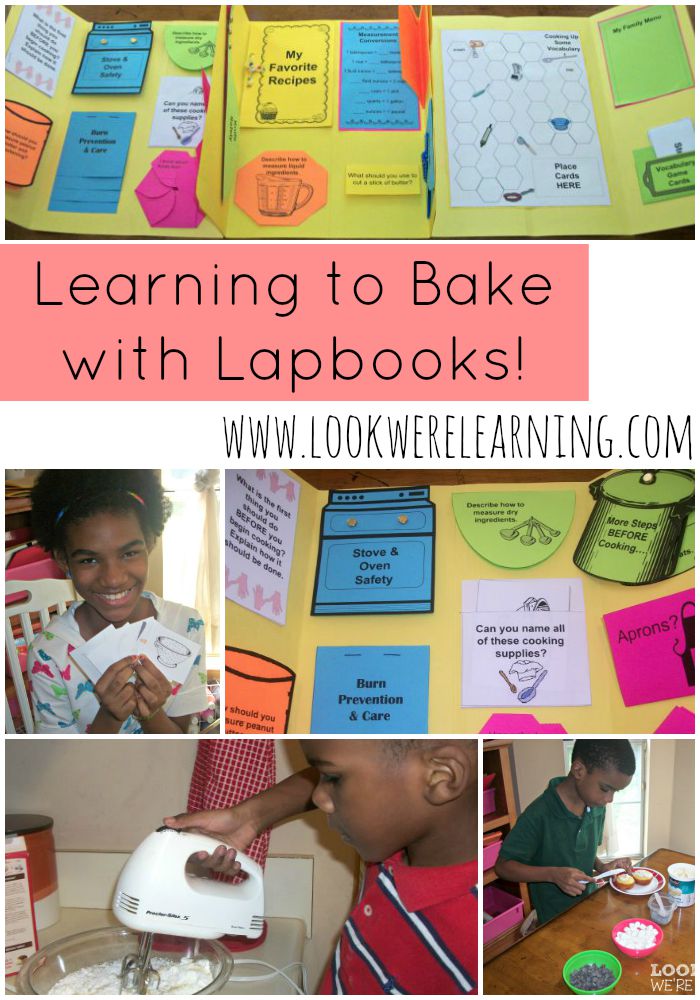
Learning to Bake with a Cooking Lapbook

Creatures of the African Savannah Lapbook Review

Get more ideas for your homeschool unit studies, including lapbooks, from my Unit Studies board on Pinterest!


Filed Under: Lapbooking, Middle School Tagged With: finance, homeschool lapbook, homeschool lapbooking, homeschooling, lapbooking, middle school, money management, money management for middle school

Make Times Tables Fun with HoliMaths Multiplication Game for Kids!

September 6, 2016 by Selena Robinson 1 Comment

I’ve worked on multiplication with my oldest child for years. And I mean, actual YEARS. It took a while to get her to try learning her times tables, and then it took even longer to get her to work at remembering them. After several grades, the only hurdle left was getting her to enjoy working with multiplication. (Am I the only person who actually did multiplication problems for fun? Probably.)

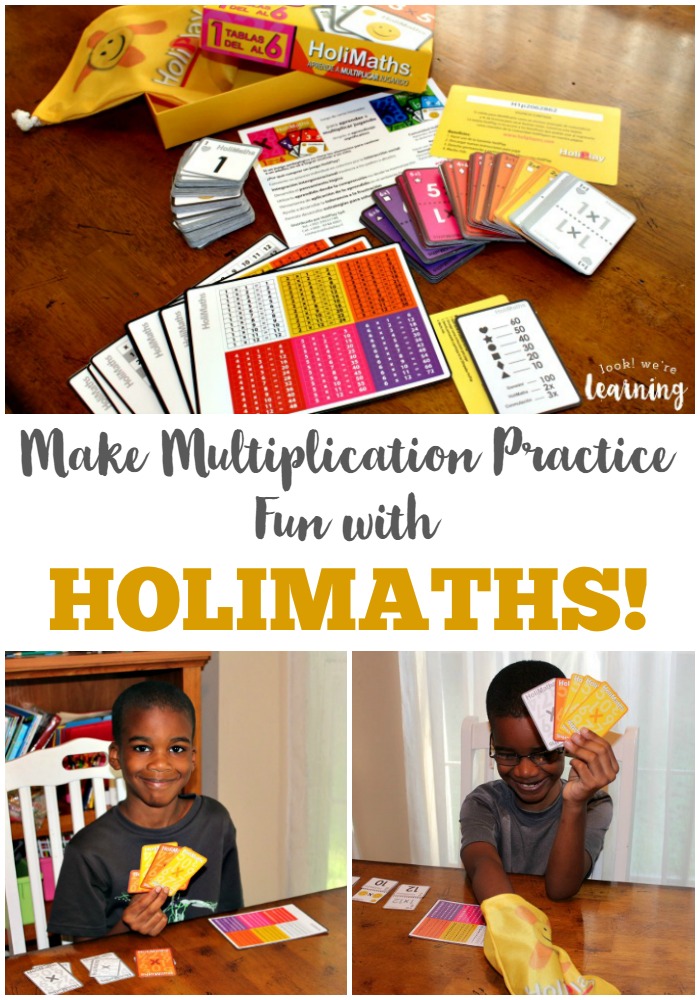
Thanks to HoliMaths, a brand new multiplication game for kids, practicing times tables can be actual, honest-to-goodness fun! Plus, several of my kids could play it together!

Read on to see how practicing multiplication is a snap with HoliMaths!

Disclosure: I received this product in exchange for this post and I was compensated for my time. All opinions are my own and I was not required to post a positive review.

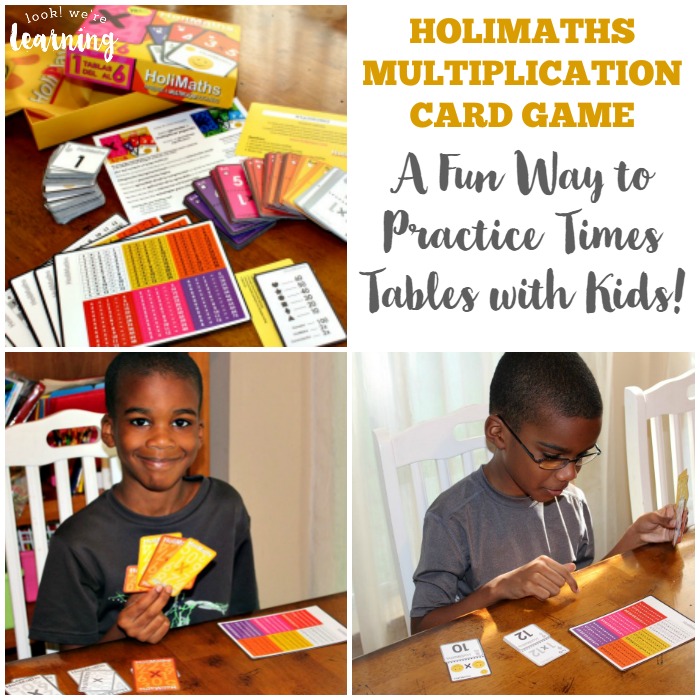
We're loving the HoliMaths Multiplication Card Game - It's a great way for kids to make multiplication practice fun!

What is HoliMaths Multiplication Game for Kids?

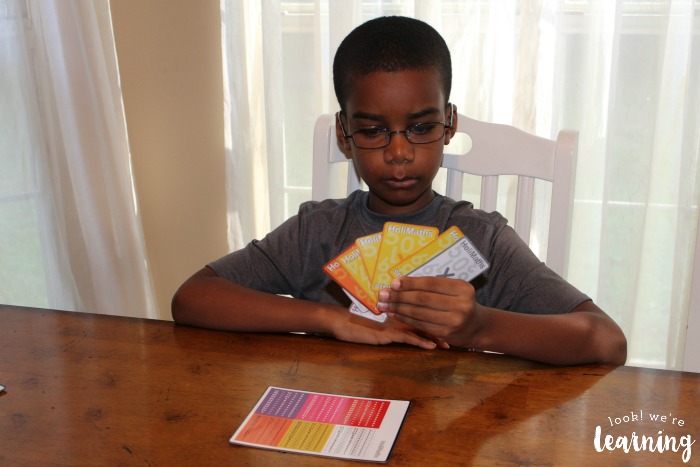
HoliMaths is a fun and flexible multiplication card game that kids can play with or without adult supervision. There are ten, yes, ten different ways to play with these cards, so you’re almost guaranteed that your kids will never get bored.

HoliMaths Multiplication Card Game

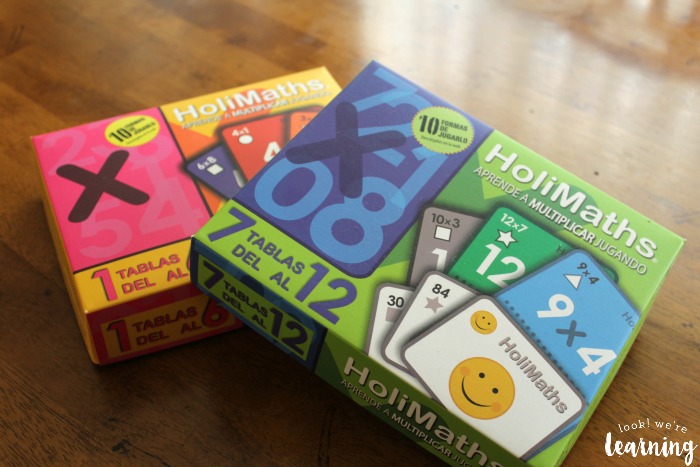
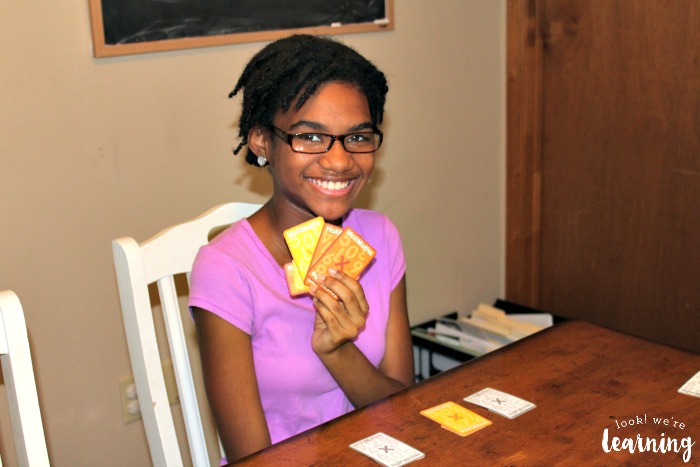
HoliMaths comes in two levels: One game featuring times tables from 1 to 6 and a second featuring times tables from 7 to 12. Each game can be played by up to six players, so if you have both games, you could have up to 12 people playing the game at any time.

And, yes, the boxes are in Spanish. More on that in a bit.

What's In the HoliMaths Game Box

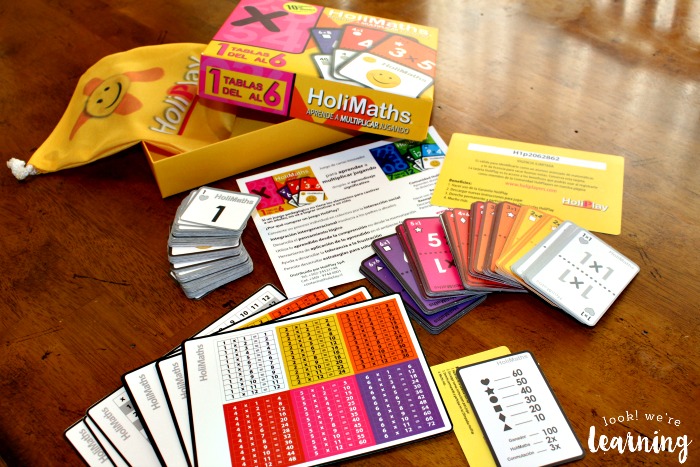
Here’s what’s inside the HoliMaths game box. It’s a lot, right?

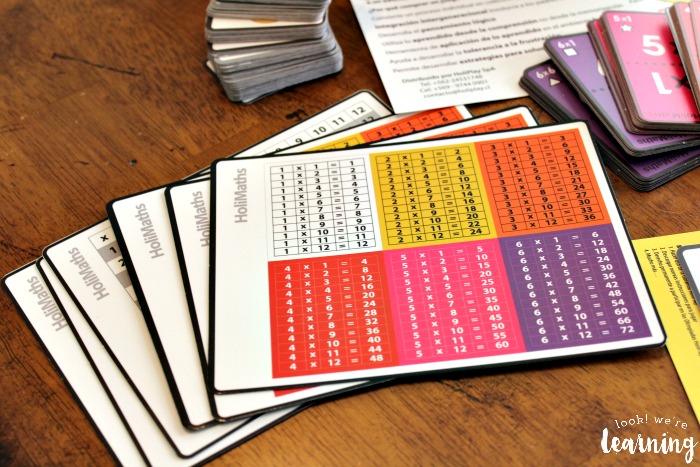
HoliMaths Multiplication Tables

The game includes multiplication table charts – one for each player.

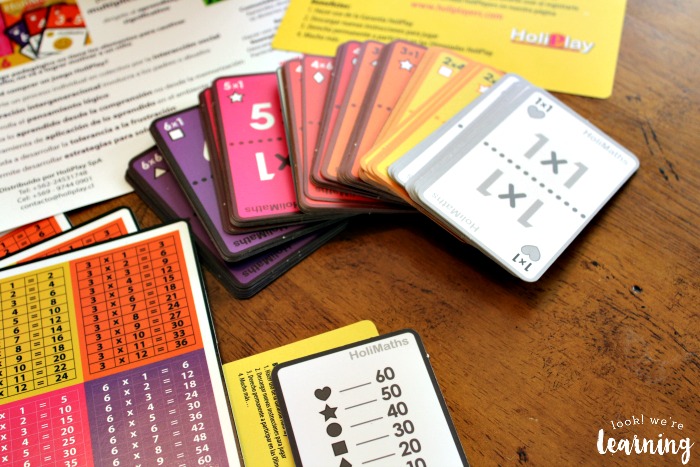
HoliMaths Problem Cards

There are also multiplication problem cards. In this set, there are times tables from 1 to 6, so each set is color coded. The ones tables cards are all grey, the twos tables cards are all yellow, and so on.

The card at the bottom of the image with the symbols is the scoring system. Since each card is coded with a symbol, you can look at the point (puntaje) card to see how to count each correct pair. The player with the most points at the end wins!

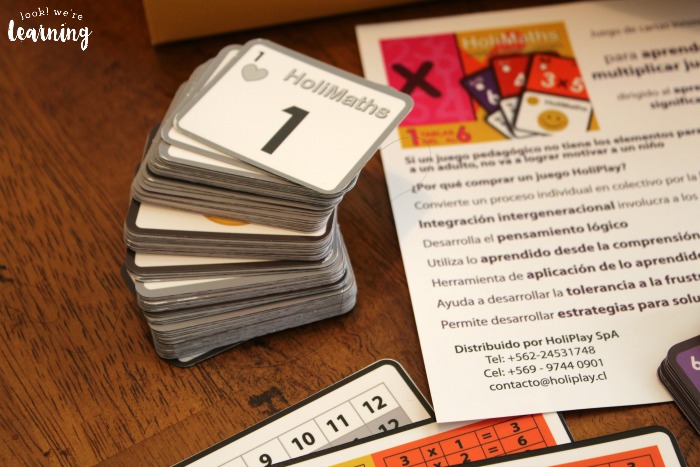
HoliMaths Solution Cards

Finally, there are many small solution cards. These are pretty important, as you’ll see next.

How to Play HoliMaths Multiplication Game for Kids

So how do you play HoliMaths? As I mentioned earlier, there are ten different game play options. Since our game included kids of several grade levels, I started with the Classic Play method (Method #1). For a look at how to play each version of HoliMaths, see the How to Play section on the HoliMaths website.

As I also mentioned earlier, most of the documentation in the game box is in Spanish. That’s because the game was originally designed for a Spanish-speaking audience. But you don’t have to be bilingual to play HoliMaths! There’s an English-language version of the website, complete with video instructions in English!

HoliMaths Game Play

This version is basically Go Fish, but with times tables. 🙂

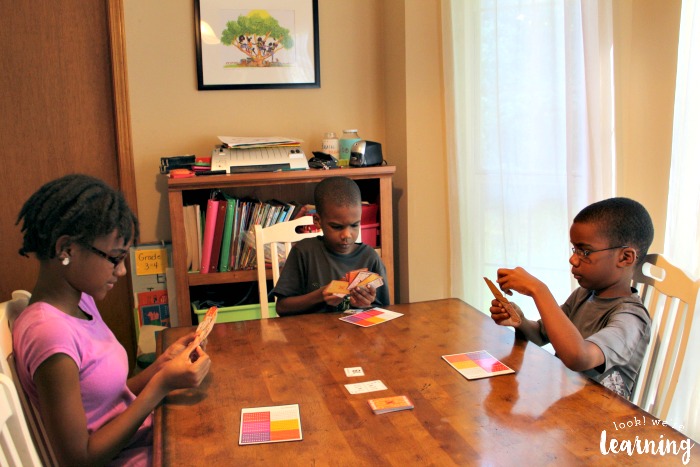
We chose three times tables to work with, since we had three players. Because my boys are in 2nd and 3rd grade, respectively, we used the ones, twos, and threes tables to play with.

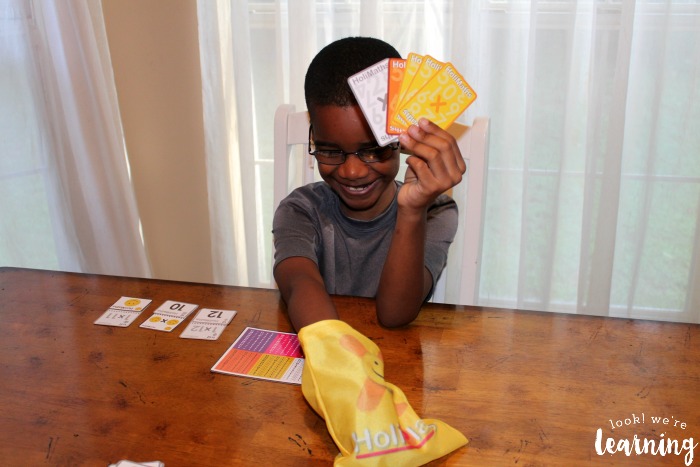
Using HoliMaths Multiplication Cards

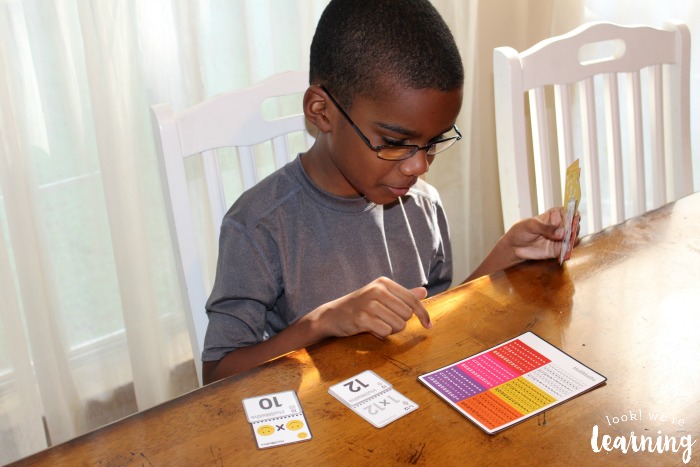
My sons haven’t memorized their multiplication tables yet, so we handed out a times tables chart for each player as we dealt out the cards. That way, they could find the solutions to the problems on their cards easily – without getting frustrated.

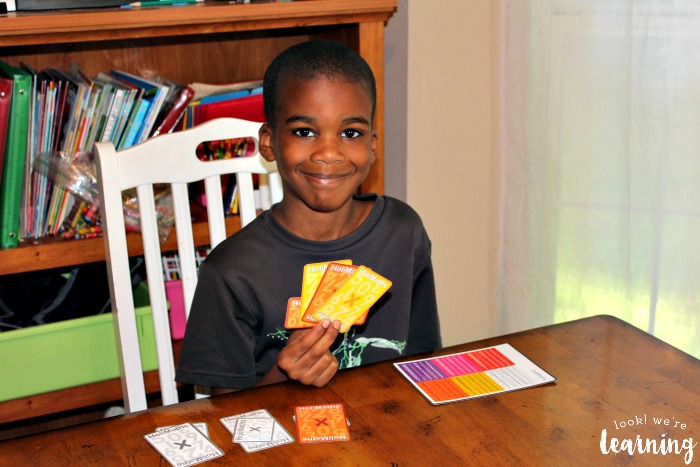
Using HoliMaths Multiplication Card Game with Kids

The idea is to make a match of a problem card with the correct solution card. My third grader, for example, had the problem card 1 x 12. When he looked at the correct color-coded table on the chart, he saw that 1 x 12 = 12. So he had to match that problem with a solution card featuring the number 12.

Playing HoliMaths Multiplication Card Game

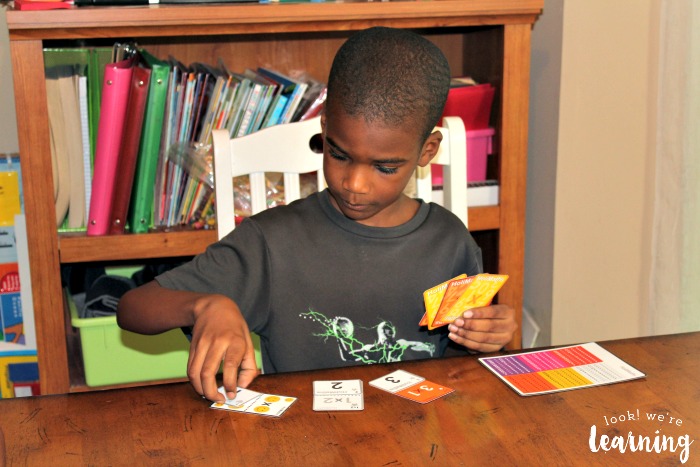
As you might have noticed, some of the cards have smiley faces on them. These are “wild” cards – they can be used to represent any problem or solution you need to make a match. First, you clear all of the matches out of your hand as soon as the cards are dealt. Then, you tackle the remaining cards in the game.

Making Matches with HoliMaths Multiplication Card Game

As the kids removed the matching problems and solutions from their hands, they became much more comfortable with using the game cards. One of the suggestions in the “How to Play” section that I love was to have the kids call out the problem and solution once they matched them up. That way, you can see if they’re answering each problem correctly.

My kids, who always love a bit of drama, decided to announce their math matches with great fanfare. Like this:

Child 1: *Loud clearing of throat*

Child 2: “What is it?”

Child 1: “I declare that 1 times 12 is equal to 12!”

It’s silly, but it works! They were reciting multiplication facts left and right!

HoliMaths Multiplication Card Game Playing

If you can’t find a match for your problem cards or solution cards, you draw another problem card from a pile on the table and you draw a solution card from the game bag. As the game continues, each player empties their hand and then counts up their score.

Playing with HoliMaths Multiplication Card Game

At the end of our game, our youngest player actually had the highest score! He was pretty excited about his success.

We really loved playing this fun multiplication game for kids! I can’t wait to “plan” a morning of multiplication practice with my boys by just having them play HoliMaths for an hour or so. They’ll be thrilled!

Be sure to visit HoliMaths to learn more about this game, all the ways you can play it with your kids, and how to get it for yourself!
HoliMaths Multiplication Card Game - A Fun Way to Practice Times Tables with Kids

Now for the fun – the HoliMaths giveaway! Use the Giveaway Tools widget below to enter! By the way, if you buy the product (in Kickstarter) and win the giveaway, HoliMaths will send you a refund. 😉
Entry-Form

And don’t forget to follow HoliMaths on social media for product news!

  • Instagram
  • Twitter
  • Facebook
  • Tumblr
  • Pinterest
  • Google+
  • YouTube

Get more ideas on how to make math fun from my Math Mania board on Pinterest!

The Ultimate Guide to Brain Breaks

Filed Under: Curriculum Reviews, Homeschool Math Tagged With: holimaths, holimaths card game, holimaths games, holimaths multiplication, holimaths multiplication game, math, math games, math games for kids, multiplication, multiplication game for kids, multiplication games, multiplication games for kids

A Minimalist Homeschool Program for 6th Grade, 3rd Grade, 2nd Grade, and PreK

September 5, 2016 by Selena Robinson 4 Comments

We usually hold off on beginning our new homeschool year until the first week of September each year. Which means we’re starting up this week! Woohoo!

Since we’re entering our 8th year of homeschooling, I don’t have the same intense excitement I once did. Now it’s more of a relaxed anticipation to what we’ll learn this year.

I’ve also changed my entire homeschooling approach this time around. After many years of hoarding curriculum and books, I’m making the change to minimalist homeschooling. I’ve been exploring it for the past few months and now I’m finally ready to take the plunge.

So – what does minimalist homeschooling look like when you’re trying to teach four children? Take a look at our minimalist homeschool program for 6th grade, 3rd grade, 2nd grade, and PreK!

We're using a minimalist homeschool program for 6th grade, 3rd grade, 2nd grade, and PreK this year. Get the details!

Image c/o: Mr. Webicon / depositphotos

A Minimalist Homeschool Program for 6th Grade

Our sixth grader has definitely become a more independent student. So her workload is substantially heavier than the younger kids, as it should be for a middle schooler.

Still, since she has ADHD, it’s important that I don’t overwhelm her with lots of different curriculum choices. All that changing up takes a mental toll on her and adds to her stress level. This year, we’re keeping it pretty simple.

Minimalist Homeschool Program for 6th Grade

Here are my 6th grader’s homeschooling resources for this year:

  • ELA: National Geographic Hampton-Brown Edge Interactive Level B – A teacher friend of ours gave us this book and the accompanying practice workbook when she retired and, boy, am I glad. This is an excellent resource for teaching reading, writing, and language.
  • MATH: For math, we’ll be using CTC Math, which my daughter is loving. Plus, we’ll be supplementing with pre-algebra classes via Mr. D Math.
  • HISTORY: This year, we’re focusing on the 1920s using the book The 1920s in America from Kendall Hunt Publishing. We’ll also be reviewing ancient civilizations
  • SCIENCE: We had so much fun with Real Science-4-Kids Level 6 that it’s going to be our science curriculum!
  • GEOGRAPHY: I’m putting together her geography curriculum based on the National Geographic World Atlas for Young Explorers and the book Hungry Planet: What the World Eats. We’ll be covering both world cultures and the inequalities of human society.

Notebooking Pages Free Membership

A Minimalist Homeschool Program for 3rd Grade

My third grader has a huge interest in animals, so we’ll be visiting the zoo a TON this year. Since he’s an avid reader (as are all my kids), he’ll have a substantial reading list to complete. (I’ll be sharing all the kids’ reading lists in the coming weeks.)

Minimalist Homeschool Program for 3rd Grade

For 3rd grade, we’ll pretty much be using these three resources:

  • What Your Third Grader Needs to Know – The CoreKnowledge series is excellent for giving you a framework for the elementary grades.
  • CTC Math – We have the Family subscription, so all of my three oldest kids are using this program.
  • Ancient and World History Unit Study Bundle – It’s time to introduce my boys to ancient civilizations, which is one of my favorite history topics! This is a super huge unit study bundle that is worth every penny.

With these, we’ll get the math basis we need and we’ll get the introduction to our other topics as well. When we find a topic of interest, it’s off to the library we go!

Since this is a standardized testing year for him and for my 6th grader, I picked up Spectrum Test Prep: Grade 6 and Spectrum Test Prep: Grade 3. But other than that, I’m not stressing too much about teaching to the test.

The Ultimate Guide to Brain Breaks eBook

A Minimalist Homeschool Program for 2nd Grade

My ultimate goal is to combine my 2nd grader and my 3rd grader into one mega grade each year. Think of how much lesson planning energy I’d save! Plus, they could study together and help each other out! One day…

For now, I’m doing a sort of 2/3 year with the two. So their topics of study are pretty much the same this year. I’ll just be adapting specific lessons as needed to make sure they each understand everything they’re learning.

Minimalist Homeschool Program for 2nd Grade

Our 2nd grader will be using these resources:

  • What Your Second Grader Needs to Know – Yes, again. It’s a really good way to make sure you cover all the bases.
  • CTC Math – This is my most active child and he has really taken to CTC Math. I couldn’t be happier!
  • Ancient and World History Unit Study Bundle – My boys are pretty much on the same level with reading comprehension, so they’ll be taking history together this year. Plus, it saves me time!

A Minimalist Homeschool Program for PreK

It feels a little strange to think about what a minimalist homeschool program is like for a preschooler. After all, we’re talking about a preschooler. But I’ve been a first-year homeschooler and I remember stressing about planning my preschool curriculum for my first daughter. Oh, how times have changed.

Minimalist Homeschool Program for Preschool

My preschooler’s homeschool program will consist of two main resources:

  • Teach Me Mommy – A wonderful preschool-at-home program written many years ago that is affordable and thorough. Just really, really good.
  • Starfall – This is a free website and app, but you can pay $35 a year and get the full version. It’s worth it. My preschooler loves it! And because it’s has PreK through 1st grade content, she can skip around and learn whatever she likes. She’s already learning about parallelograms!

Minimalist Homeschooling for 6th Grade, 3rd Grade, 2nd Grade, and PreK

What are you using for homeschool curriculum this year? Have you ever tried a minimalist homeschool program? Let me know about your experiences in the comments!

Interested in learning more about minimalist homeschooling? Check out these posts!

Simple Homeschool Lesson Planning

Minimalist Homeschooling Digital Decluttering

How to Homeschool as a Minimalist

Get more ideas for your homeschooling year on my Homeschool Planning board on Pinterest!

This post is part of the 2016 Back to Homeschool Blog Hop hosted by iHomeschool Network! Click on over to read other awesome homeschool curriculum choices from my fellow bloggers!

2016 Back to Homeschool Blog Hop


Filed Under: 2016-17 Curriculum, Homeschool Curriculum, Homeschooling Tagged With: curriculum, homeschool, homeschool curriculum, homeschooling, homeschooling curriculum, minimalism, minimalist homeschool, minimalist homeschooling

  • « Previous Page
  • 1
  • …
  • 51
  • 52
  • 53
  • 54
  • 55
  • …
  • 98
  • Next Page »
Hi! I'm Selena, a veteran teacher and homeschool mom to four. I'm so glad you're here!
About Me Contact Terms of Use Privacy Policy Places I Share
Facebook Pinterest Instagram
Homeschool Printables Unit Studies Shop the Store
Copyright ©2026, Look! We're Learning!. All Rights Reserved. Design by Pixel Me Designs