Look! We're Learning!

Early Learning. Happy Teaching.

  • Shop
  • Printables
  • Homeschool
  • Crafts
  • Parenting
  • Blog
The Worst Homeschooling Method for ADHD Kids - Look! We're Learning!

The Worst Homeschool Method for ADHD Kids

October 10, 2014 by Selena Robinson 27 Comments

I don’t write many opinionated posts, but I’m going to make an exception today. When I first started homeschooling Tigger, I tried just about every homeschooling method there is. During that time, I found some homeschooling methods that worked and some that didn’t. Today, I’m sharing my experience with the worst of them all.

Now bear in mind, this is just my opinion. šŸ™‚ I’m not a homeschooling expert, but from my own experience, this is the WORST homeschooling method for kids (and parents) with ADHD by far. By far. What horrible, awful, no good, very bad homeschooling method am I talking about?

School at home.

If you don’t know what school at home is, be glad. If you do, you likely agree with me. And if you’re considering homeschooling, allow me to explain why (in my experience) school at the home is the worst homeschooling method for kids with ADHD.
The Worst Homeschooling Method for ADHD Kids - Look! We're Learning!

Why School at Home is Awful for Kids with ADHD

School at home requires a strict daily schedule.

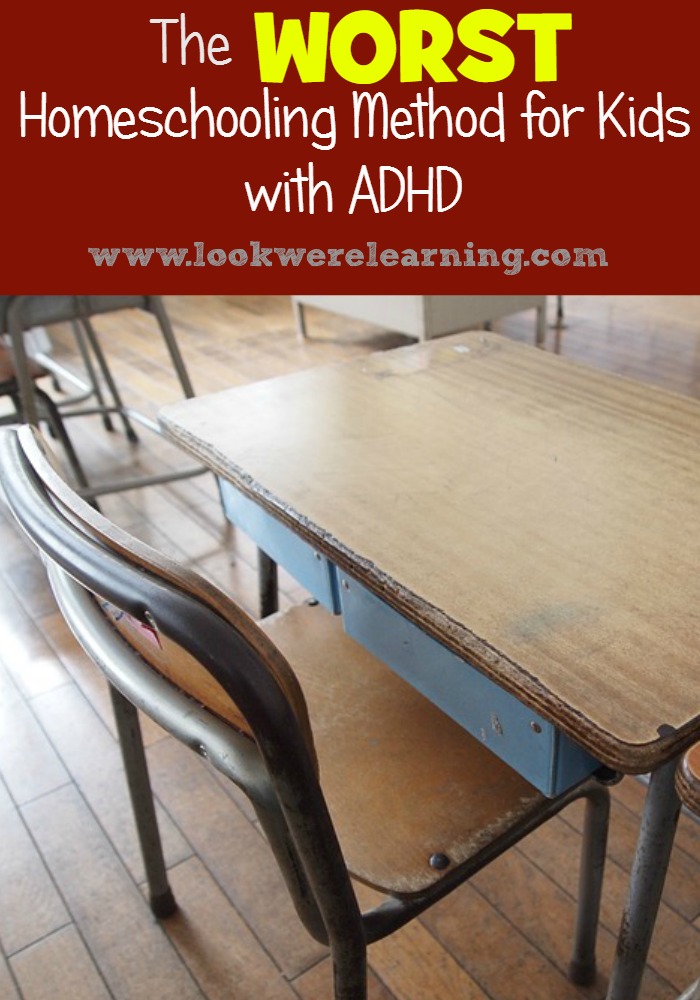
The “school at home” homeschooling method is essentially when you use the curriculum and schedule of the public school system at home. When homeschoolers talk about school at home, they’re often describing a school-like setup, complete with desks, chairs, and chalkboard. Most often, school at home also follows the public school system schedule each day.

Now we have a chalkboard, so I’m not anti-school entirely. šŸ™‚ But the school at home schedule is very difficult to adjust for your kids with ADHD.Ā The school day of theĀ local public school system is typically too long for them to sustain their focus, and it can be too much for you to keep up with, especially if you have more than one child.

I tried using a public school system schedule with Tigger once. We lasted for three days. She was burned out, I was burned out, and it took so much of my energy to keep her on task for the whole day that the other kids ended up just running around. Fail.

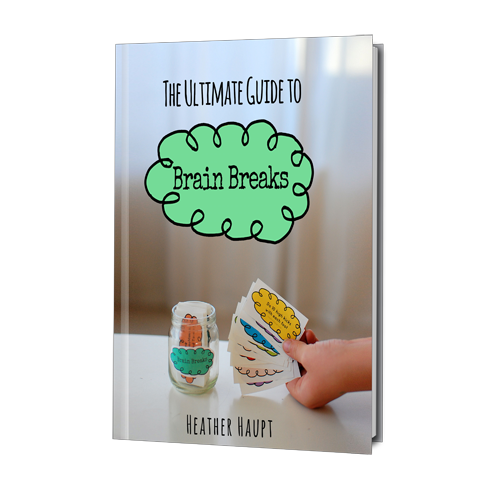
The Ultimate Guide to Brain Breaks eBook

School at homeĀ requires you to become a teacher, not a parent.

The biggest reason why school at home is so terrible for ADHD kids, though, is that it forces you to step into the role of “teacher”. I’m a homeschooling mom, which means I teach, but I am primarily Mom. And when you’re raising kids who have ADHD, it is critical that you remain Mom.

When I was trying to be The Teacher, I was focused on getting through the lesson plan, not helping my children learn. I found myself shouting at Tigger “Hurry up! We have to cover three more subjects today!” That’s pretty much the best way to ensure your child with ADHD does NOT complete her work.

Public school teachers have an extremely difficult job. They are required to cover a certain amount of material that includes a certain amount of educational objectives for a number of children during the year. They are also required to test these children and help them reach certain test scores by the end of year, regardless of their learning challenges. Naturally, their system of education is going to be different than mine.

My only responsibility is to help my kids learn how to learn. Complicating ourĀ learning goals with the additional responsibilities of a public school teacher did nothing but frustrate me and the kids. Now that we’re practicing a more relaxed way of homeschooling, they are truly learning, not just covering material and passing standardized tests.

Have you ever tried School at Home? Did you have a similar experience when you used it? Does it work for your family? Feel free to share your thoughts in the comments!

This post is part of ourĀ “31 Days of ADHD Homeschooling” series! Stop by tomorrow for Day 11: Using the Charlotte Mason Method for ADHD Homeschooling!
31 Days of ADHD Homeschooling - Look! We're Learning!

Don’t miss these other ADHD learning posts!

15 Homeschool ADHD Schedule Ideas - Awesome for teaching active kids at home!

The Ultimate Guide to Homeschooling ADHD Students

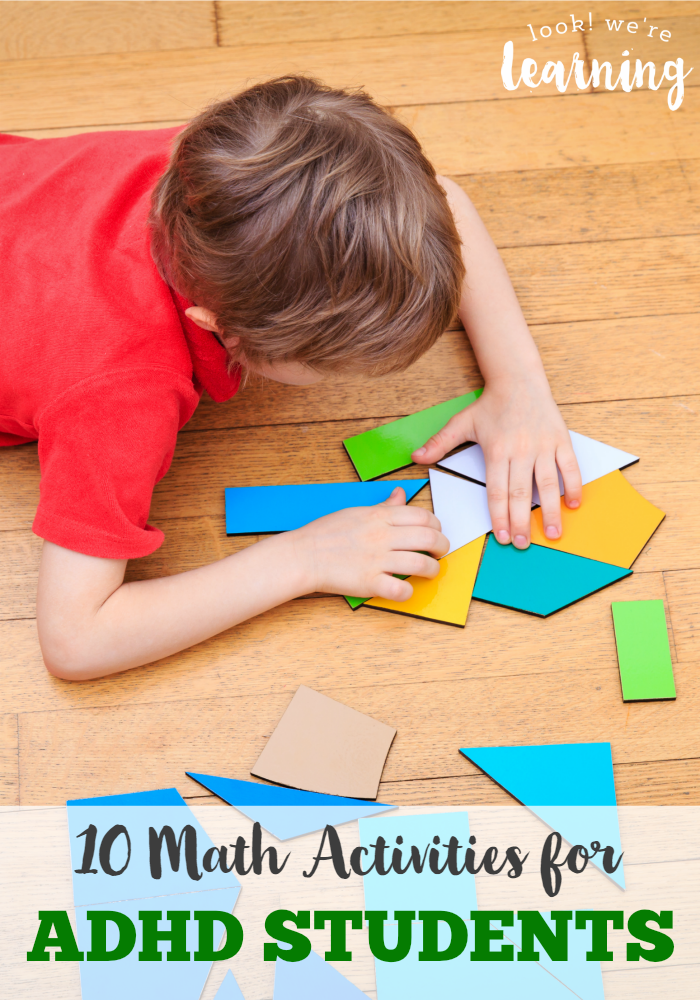
Math Activities for ADHD Students

And don’t forget to follow my ADHD Tips board on Pinterest for more suggestions!

This post is part of the “Homeschool Choices” linkup from iHomeschool Network! Stop by to read my fellow bloggers tips for choosing your homeschooling approach!
Homeschool Choices Linkup


Language Arts for Homeschool - Look! We're Learning!

Language Arts for Homeschool with Family Fun Friday!

October 9, 2014 by Selena Robinson 6 Comments

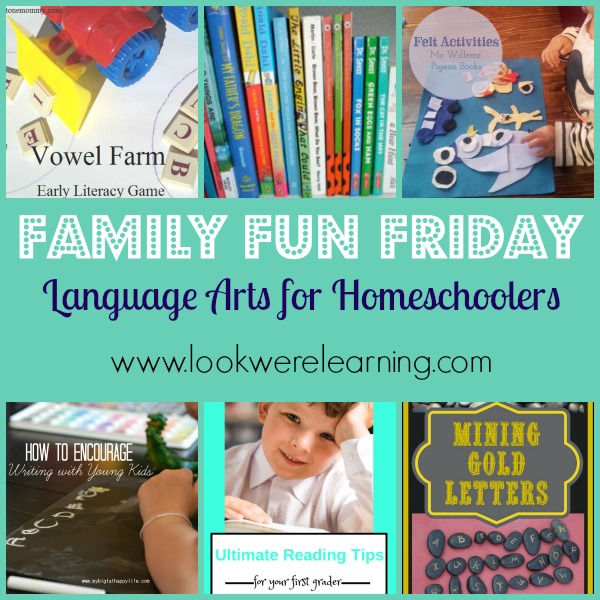
We’ve been enjoying co-hosting Family Fun Friday! This week we’re featuring our favorite posts from last week’s linky and they’re all about language arts for homeschoolers!

We’ve mentionedĀ a few homeschool language arts curriculum options before, but this week’s posts include fun activities, stories, and writing ideas to get kids excited about learning!

Be sure to read our co-hosts’ favorite picks from the past week and link up your own posts below!

Language Arts for Homeschool - Look! We're Learning!

Keep Reading…

Developing a Homeschool Schedule for ADHD Kids - Look! We're Learning!

Developing a Homeschool Schedule for ADHD Kids

October 9, 2014 by Selena Robinson 1 Comment

If you’ve been reading our blog for a while, you may recall seeing our ADHD homeschool schedule for this school year. Well, we’re about two months in, and I’ve already changed it.

We still do most of the activities on the schedule, but the time and general format of the day has evolved quite a bit. When you’re homeschooling children with ADHD, you have to start with a regular daily routine. Once that’s established, you can begin developing your homeschool schedule. Our problem was that I started the schedule before the routine was in place. Bad idea.

So, today I’m sharing a few suggestions for how to develop a good homeschool schedule for ADHD kids. If nothing else, you can learn from me about what NOT to do. šŸ™‚

Developing a Homeschool Schedule for ADHD Kids - Look! We're Learning!

How to Develop a Homeschool Schedule for ADHD Kids

Start with the most important subjects first.

In our original schedule for this year, we started withĀ copywork, math, and reading. That seems to work and I didn’t change it. In our family, handwriting, math, and reading are our most important subjects, so we schedule them first.

If we get the morning off to a good start, it’s usually the best time of day for our most intensive lessons.Ā Tigger, in particular, struggles with concentrating on her math work. She does best when it’s one of our first subjects of the day.

I’ve also noticed that she tends to do her math assignment and then promptly forget how to do it later. A few times a week, I give her a worksheet in the afternoon that contains the same concepts we learned that morning. Then she remembers it better and I don’t have to start from scratch during the next lesson.

Make room for their personal interests.

Do your kids have a favorite subject? If so, make plenty of room for that in your schedule. People with ADHD may struggle to pay attention in most areas, but if the subject is something they love, they can stay on it for hours at a time. This is called “hyperfocus“.

Roo can play with Legos for hours. Literally, hours. Tigger can read books for hours. Both of them lose interest in math within about 20 minutes. šŸ™‚ So, if they’re enjoying an activity or a lesson, I don’t insist on stopping it at a certain time. As long as they’re interested, I let it continue (within reason, of course).

Generally, I schedule room for their interests after lunch. That way, I don’t have to rush them through something so that we can complete another subject.

Be willing to make adjustments.

As I mentioned earlier, I’ve had to tweak our schedule already, and that highlights an important part of homeschooling kids with ADHD: flexibility. Since the ADHD brain operates sporadically, there’ll be days when your kids seem “on” and days when they seem “off”. Sometimes they’ll even switch between “on” and “off” in the same day, or even within the sameĀ hour.

While you’ll want to maintain the same general routine, you may have to move a few things around or even skip a couple of subjects. That’s why it’s important to schedule your most important subjects first. Once those are taken care of, you won’t feel so much pressure to complete every other thing if your kids are having an “off” day.

Have you made a homeschool schedule for ADHD kids? Do you have any tips to share? Tell us about your experiences in the comments!

This post is part of our “31 Days of ADHD Homeschooling” series! Stop by tomorrow for Day 10: The WORST Homeschooling Method for Kids with ADHD!

31 Days of ADHD Homeschooling - Look! We're Learning!

Tips for Managing ADHD Morning Problems - Look! We're Learning!

Tips for Managing ADHD Morning Problems

October 8, 2014 by Selena Robinson Leave a Comment

MondayĀ was NOT a good day in our family.

The kids had been up late the night before at a friend’s house and they got way too much stimulation.

They had soda.

They played on tablets.

They ate fried food.

Needless to say, Monday morning was a disaster. Everyone wasĀ groggy and Roo was downright aggressive. He had a complete tantrum after breakfast, which is highly unusual for him.

Yesterday, I decided to try a couple ofĀ tips I’d read about how to manage ADHD morning problems, and they really worked! In fact, we actually got some of our homeschool lessons done.

So, I’m passing them on today in the hopes that they’ll help any of you who have a hard time with your kids in the morning.

Tips for Managing ADHD Morning Problems - Look! We're Learning!

Image:Ā Kzenon / Dollar Photo Club

Disclaimer: While this post contains information about diet and nutrition, this content is for informational purposes only and does not constitute medical advice.

How to Minimize ADHD Morning Problems

Let the kids set the tone in the morning.

It’s important that kids with ADHD get a good night’s sleep if they’re going to function the next day. So, if your kids have a late night or if they’re unusually groggy, don’t insist that they get up and run at full strength. Trust me, it will end in disaster.

Try to include a bit of flexibility in your daily routine for mornings like this. Instead of using hard and fast times, try to implement a “block” schedule or an order of subjects or activities. This will keep the kids from being slaves to the clock. (We’ll talk more about this scheduling method in tomorrow’s post.)

Subscribe to our newsletter for even more awesome parenting and homeschooling ideas!

Serve a protein-packed breakfast.

Unfortunately, most commercial breakfast foods are loaded with sugar. This is unhealthy for all of us, but it is particularly dangerous for kids with ADHD. Since the ADHD brain tends to struggle with executive function, it’s already difficult for those of us who have it to focus and complete an assignment.

When we eat a lot of sugar, especially first thing in the morning, our distractibility, irritability, and hyperactivity become worse. The best way to start the day is with plenty of protein at breakfast. Foods such as lean meats, legumes, and nuts are excellent sources of protein and can make it easier for the brain to focus.

Try physical activity before beginning school.

Physical activity and ADHD go hand in hand. Getting physical exerciseĀ early in the day is a great way for overactive minds to gain some clarity. If you typically have P.E. in the afternoon, try to move it to the morning, especially if you’ll be teaching a subject that requires sustained focus such as math.

Or you can do what I did yesterday: Replace P.E. with household chores. Before breakfast, the kids did laundry and cleaned up the kitchen. Two for the price of one! šŸ™‚

3 Ways to Help Kids Manage ADHD Morning Problems

Do you struggle with your kids’ morning routine? How do you manage ADHD morning problems? Let us know in the comments!

This post is part of our “31 Days of ADHD Homeschooling” series! Be sure to stop by tomorrow for Day 9: Developing a Homeschool Schedule for ADHD Kids!

31 Days of ADHD Homeschooling - Look! We're Learning!

Did you enjoy this post? Don’t miss these!

Teaching a child with ADHD at home? You've got to read this list of the best ADHD homeschooling tips around!

15 Homeschool ADHD Schedule Ideas - Awesome for teaching active kids at home!

Math Activities for ADHD Students

Plus, get more tips for managing ADHD in the family on my ADHD Tips Pinterest board!


Free Printable Flashcards: Polygons - Look! We're Learning!

Free Printable Flashcards: Polygons

October 7, 2014 by Selena Robinson 6 Comments

Pooh and I were working on his math lessons using Khan Academy the other day and he ran into a little trouble when it was time to learn polygons.

He’s six, after all.

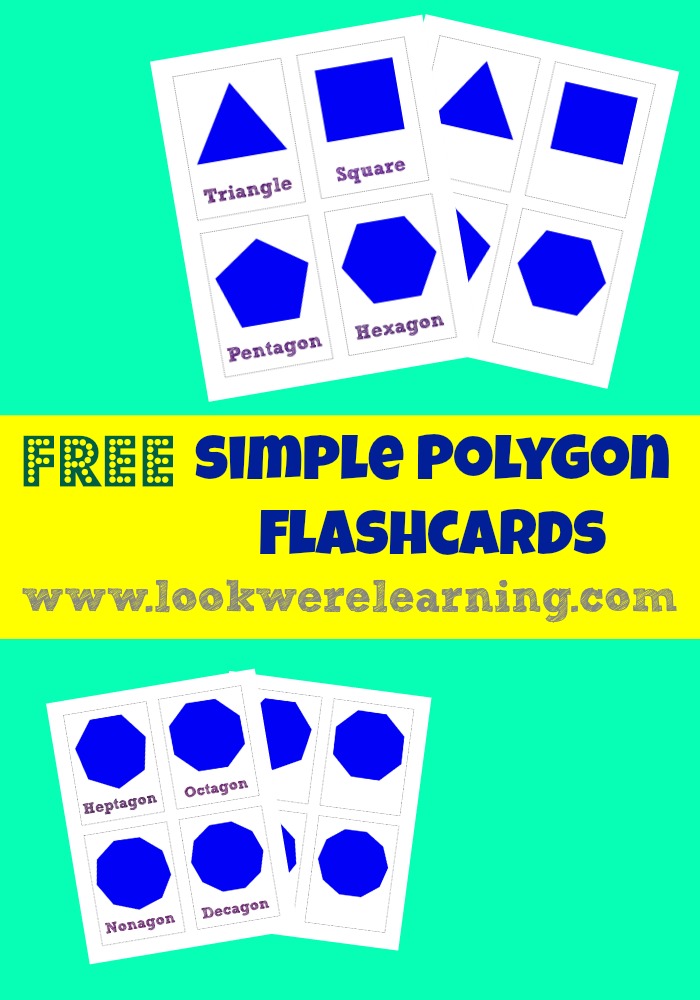
For our free printable flashcards series this week, I thought I’d whip up a set of Free Printable Flashcards: Polygons!

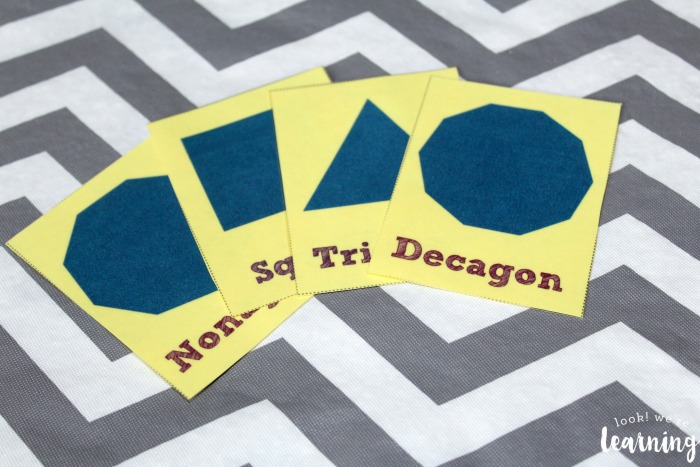
This set includes theĀ eight simple polygons, which makes it easier for little ones to get an introduction to geometry.

Using Printable Polygon Flashcards

These freeĀ printable polygon flashcards are awesome for introducing preschoolers and kindergartners to basic shapes.

But since they include more complex shapes as well, they’re a good review for elementary students too!

If you enjoy using these with your students, check out some of our other math printables, including Amusement Park Addition Flashcards and our Aquarium Arithmetic Printable Pack!

Review basic geometric shapes with these printable polygon flashcards!

What’s In the Free Printable Flashcards: Polygons Set?

To use these flashcards, you’ll need the following: (This post contains affiliate links. For details, see our Disclosure Policy.)

  • Printer (with ink)
  • Printer paper
  • Scissors
  • Laminator (good for cards you plan to reuse)
Polygon Flashcards for Kids

The word “polygon” actually means multi-sided shape.

So any shape with “many” sides counts as one. In this set, though, we’re focusing on shapes with three to ten sides.

Free Printable Polygon Flashcards

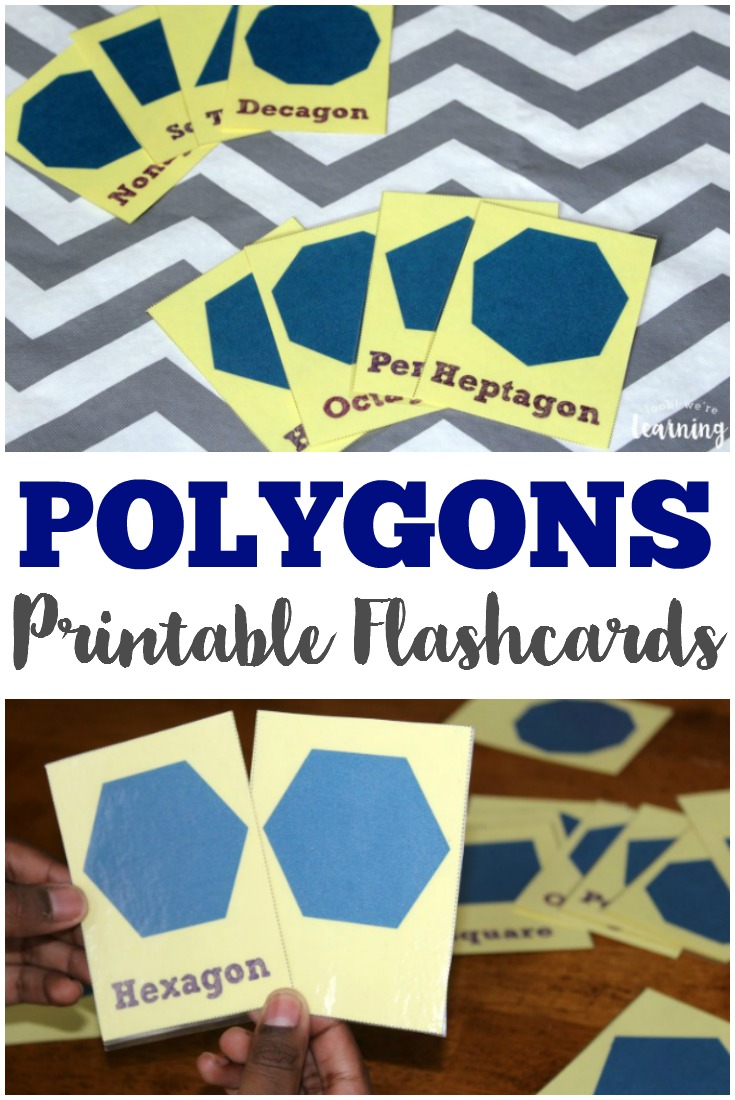
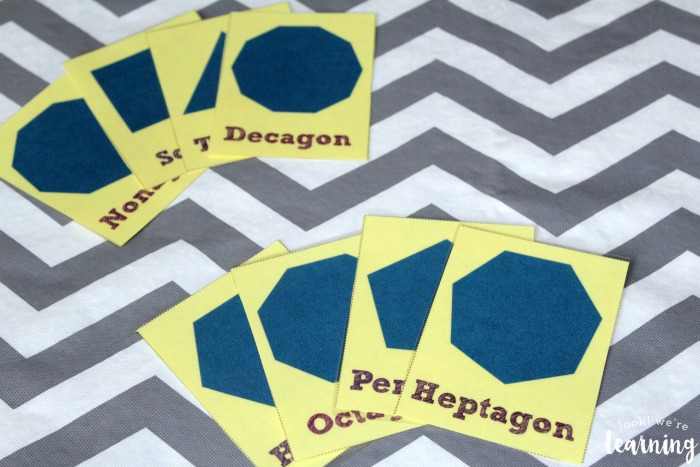
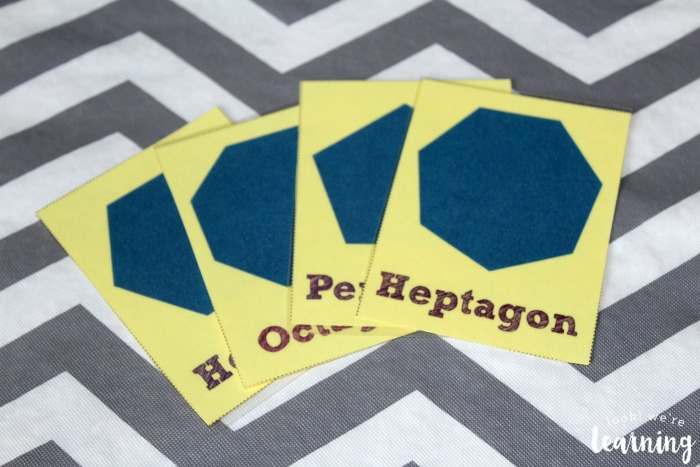
In the set, you’ll find flashcards for all eight simple polygons:

  • Triangle (3-sided shape)
  • Rectangle (4-sided shape)
  • Pentagon (5-sided shape)
  • Hexagon (6-sided shape)
  • Heptagon (7-sided shape)
  • Octagon (8-sided shape)
  • Nonagon (9-sided shape)
  • And Decagon (10-sided shape)
Free Printable Polygon Flashcards for Kids

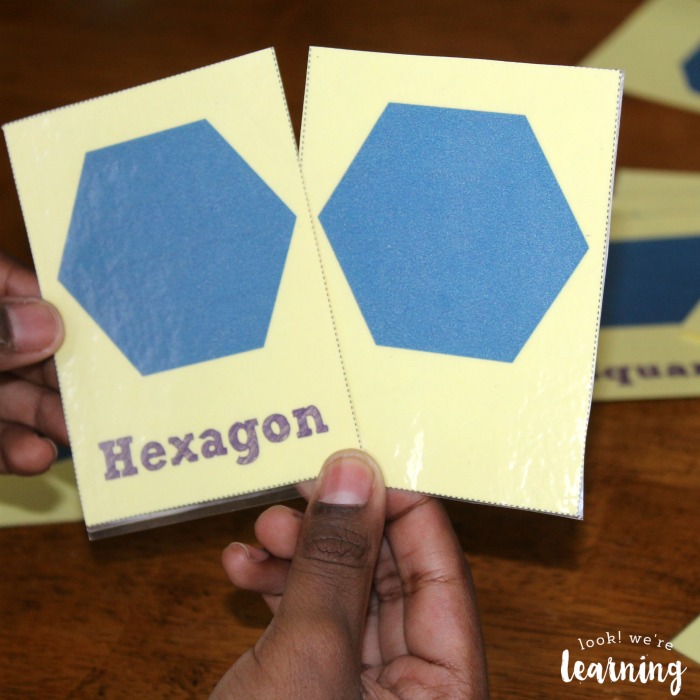
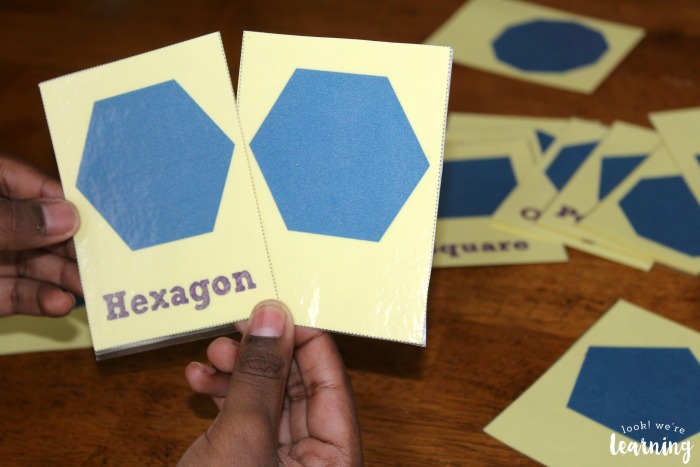
There’s a set of all eight with words and without for quizzes or playing a game of concentration. Take a few minutes to quiz the kids with the unlabeled cards!

Or have them count the sides of each shape and guess which it is!

Printable Polygons Flashcards

Scroll down to get your copy of our free printable polygon flashcards!

Resources for Teaching Kids about Polygons:

For more great polygon resources, try these books and activities!

  1. Polygons Galore! by The College of William and Mary
  2. If You Were a Polygon by Marcie Aboff
  3. Learning Resources Power Polygons
  4. Shape Up! by David A. Adler

Polygon Activities for Kids:

Make learning about geometry into a hands-on lesson with these fun polygon activities!

  1. Popsicle Polygons – Every Star is Different
  2. Making Shapes – Kid Activities Blog
  3. Tangram Images – The Mad House

Stop by and take a look at some of our other math learning ideas!

Sidewalk Chalk Outdoor Math Game
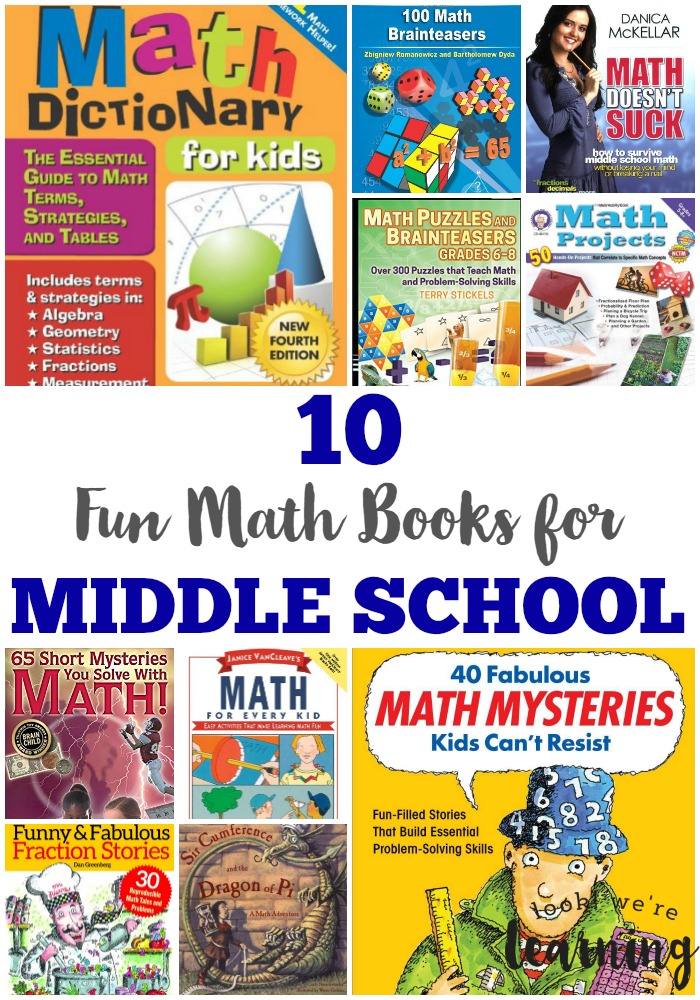
Fun Math Books for Middle School
Math Activities for ADHD Students
These free printable polygon flashcards are awesome for teaching basic geometry to kids!

To get your set of printable polygon flashcards, click the image or the link below to have them sent directly to your inbox!

You’ll also get our weekly newsletter this Sunday!

Click here to get your printable resource

>>> Simple Polygon Flashcards <<<

Struggling to get your child with ADHD on a consistent schedule Try these tips for creating an ADHD daily routine for kids!

Creating an ADHD Daily Routine for Kids

October 6, 2014 by Selena Robinson 10 Comments

Making a reliable ADHD daily routine for kids is an important part of homeschooling a child with ADHD. Get some tips for building your daily routine!Creating an ADHD Daily Routine for Kids - Look! We're Learning!

If you’ve read any books about ADHD, you’ve probably seen the advice “Use a consistent schedule” again and again.

I know I have.

Based on what doctors know about this condition, having a regular routine is essential to keeping ADHD in check.

This is particularly true if you’re homeschooling, because you’ll have to come up with a schedule on your own and then stick to it.

We’ve tried several homeschooling schedules over the years, but most of them have been a terrible fit for our family.

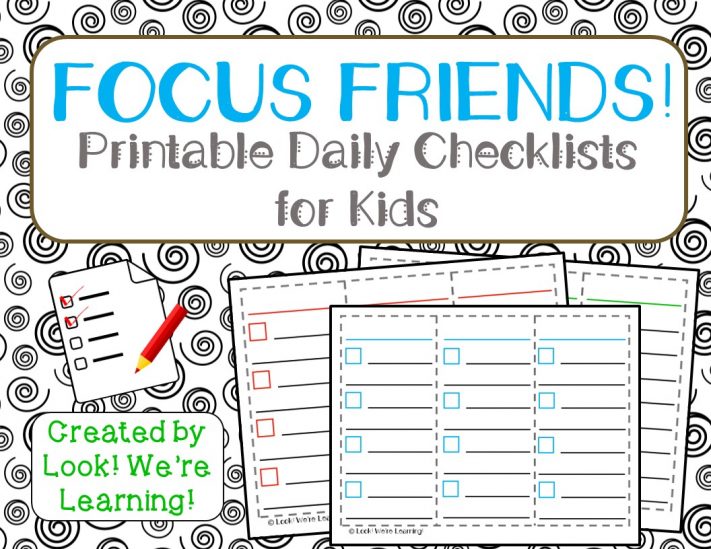
Printable Daily Checklist Strips for Kids

It wasn’t until I started considering our kids’ ADHD that our homeschooling days began to take shape.

Find our tips for creating an ADHD daily routine for kids below!

Plus, see how to get a set of free printable daily routine checklist strips you can use with your kids!

And don’t miss our list of ADHD homeschool schedule ideas to try!

Struggling to get your child with ADHD on a consistent schedule Try these tips for creating an ADHD daily routine for kids!

Tips for Making an ADHD Daily Routine for Kids


1. Get the kids involved in planning the routine.

Kids are far more likely to follow a schedule that they have a part in planning.

Ask them what school subjects they like the best and which ones they like the least. Alternate them on the schedule, and begin with one of the least-liked subjects first.

For example, Tigger doesn’t like math. We do that first everyday.

She knows that once it’s done correctly, she can get on to the subjects she enjoys. That generally motivates her to complete her assignments.

2. Make the routine easy to follow.

Another way to help kids stick with a daily routine is to make it easy to follow.

Make a schedule that uses pictures and short words and then post it somewhere visible in the house – in the hallway, on the refrigerator, or even in the kids’ rooms.

Grab our Daily Routine Cards to set up a daily schedule the kids can follow!

Go over the schedule with each child and make sure that he or she understands it.

Then institute it slowly – adding one subject or activity at a time until the kids remember which lesson comes next. Easing into the routine can help the kids avoid getting frustrated.

3. Use a timer for daily tasks.

One of the common symptoms of ADHD is the tendency to get overly involved in a single activity. While the kids might enjoy this at the time, it can cause you to lose track of your daily lessons and throw off your entire schedule.

Try to keep your lessons to 20 to 25 minutes and use a digital timer to let you know when to switch to a new subject.

If there’s a subject the kids really love, make room for that in the routine so that they don’t have to break off from a favorite activity before they’re ready.

In our family, Roo has a very hard time shifting his focus onto another subject once he gets started.

His favorite pretend play activity is building, so I make room for that by having him complete his schoolwork early in the day. Then he has as much time as he likes to play without having to make a sudden transition to a new activity.

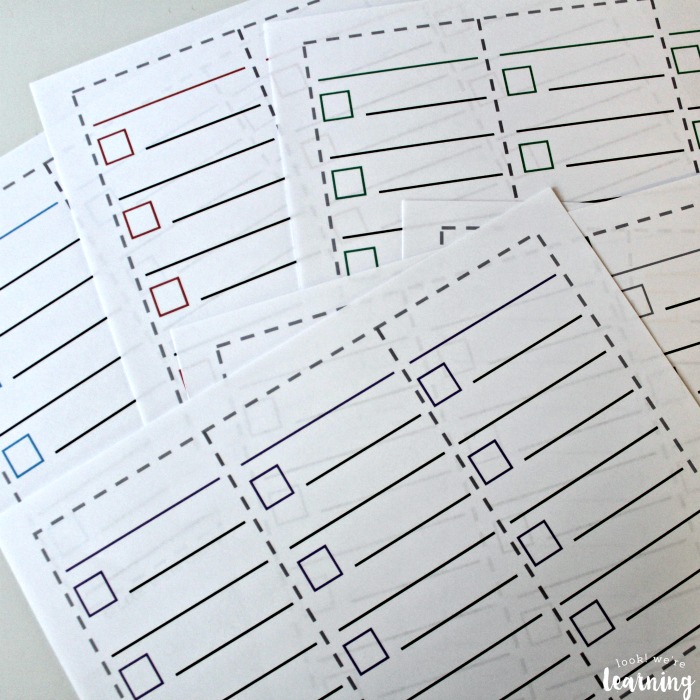
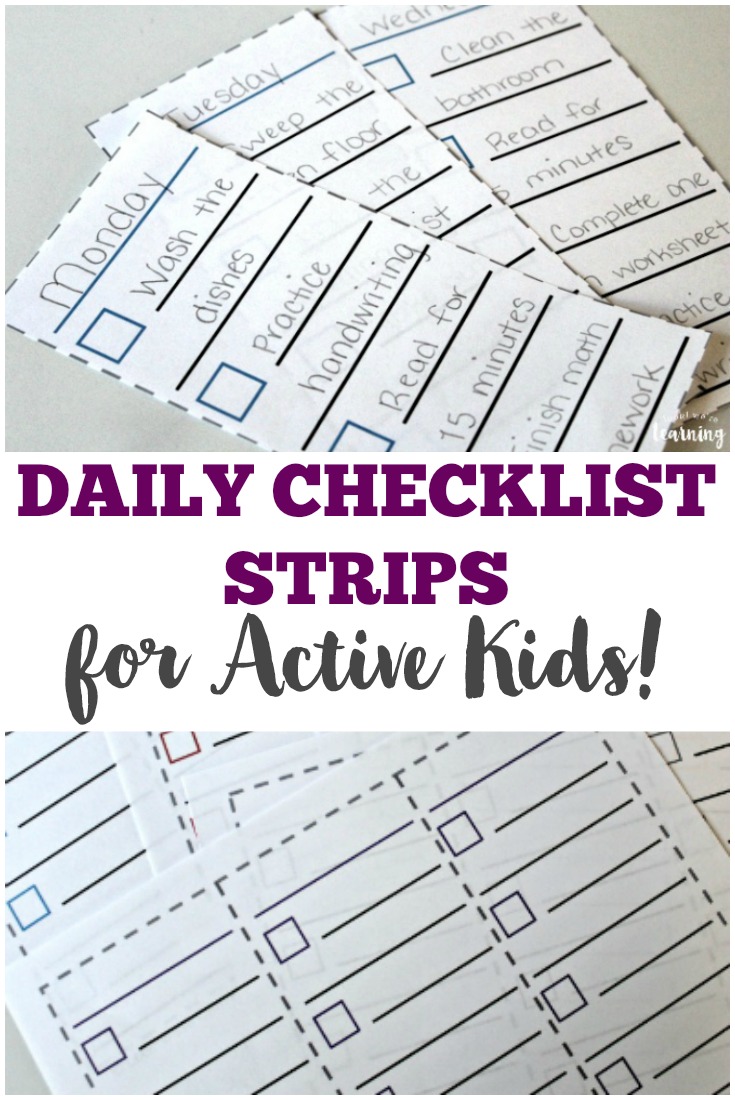
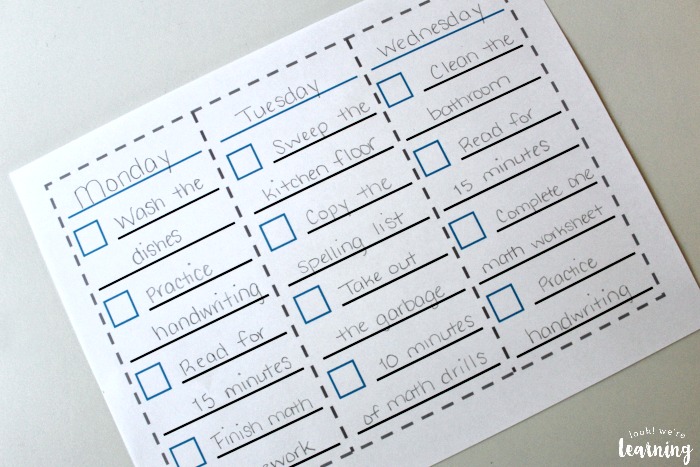
These printable daily checklist strips are an awesome tool for helping active kids focus on their tasks for the day!

Printable Daily Routine Checklist for Kids

One of the things I love the most about blogging is getting to know other parents who are raising children with ADHD.

In our ADHD Homeschooling Support group on Facebook, a reader had the brilliant idea of a printable daily checklist that she could use with her ADHD son.

Printable Daily Checklist for Kids with ADHD

I use a whiteboard for our day’s routine and we check off items as we go.

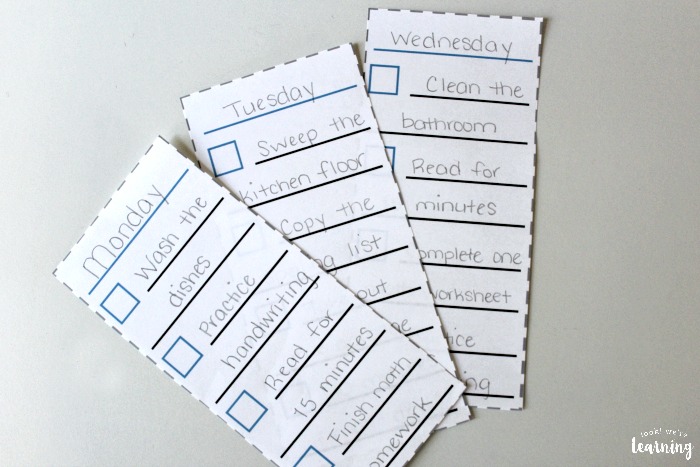
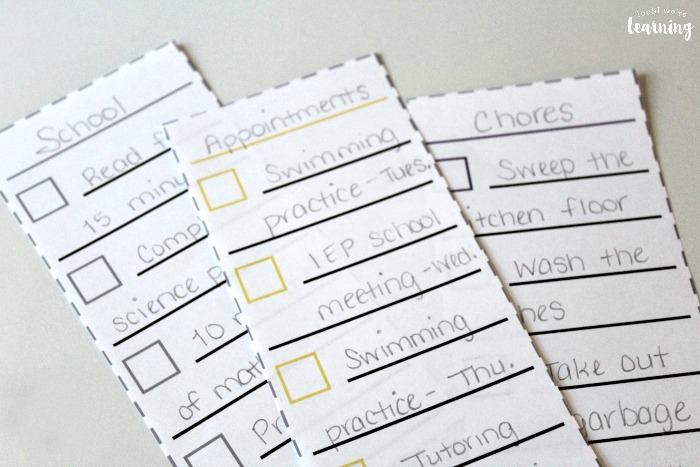
But the reader suggested a smaller checklist that could be cut apart into strips. Then you could hand them out as they go through the day.

Printable Routine Checklist for Kids

That is GENIUS.

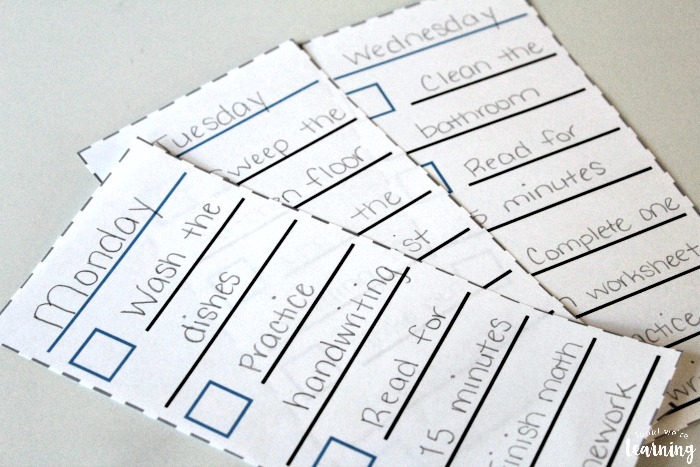
Since kids with ADHD can get overwhelmed by long to-do lists, using smaller strips is a great way to keep them motivated. So I’m excited to share a set of FREE daily routine checklist strips for kids!

Daily Checklist for Kids with ADHD

These have lines that are large enough for you to write down the tasks or for the kids to write them on their own!

(Neat way to sneak in some handwriting practice.)

Printable Daily Routine Strips for Kids with ADHD

As you see, you can write the day at the top and then list up to four tasks underneath.

Need more strips for each day? No worries, just print as many as you need.

Making Daily Routine Checklists for Kids

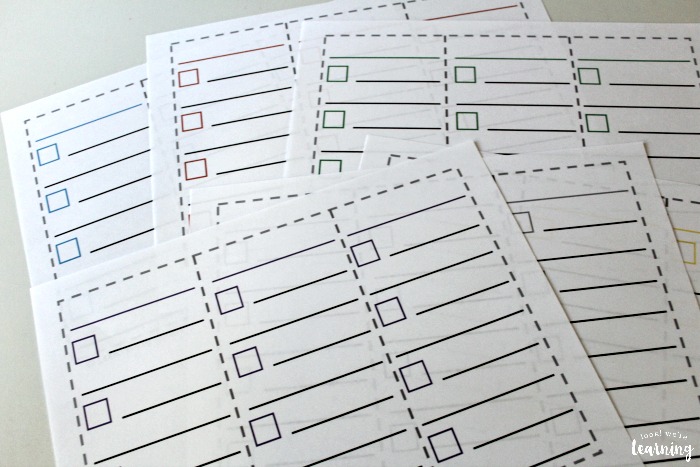
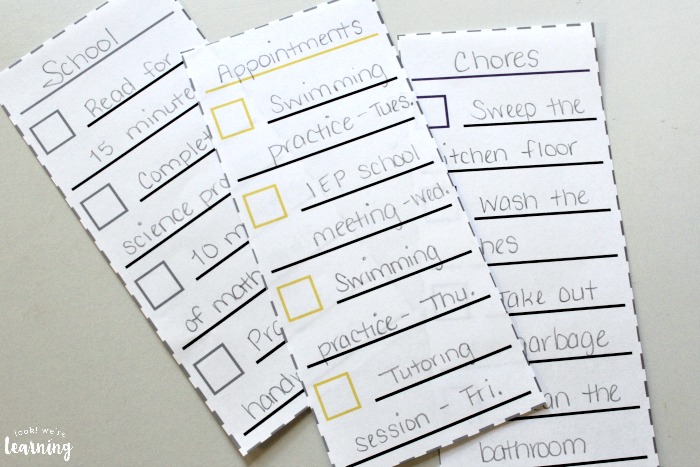
Want color choices? There are six in this pack!

You can print your checklist strips in blue, yellow, red, purple, green, or grey!

Daily Routine Checklist for Kids with ADHD

Need to use these checklist strips for items outside of schoolwork and chores?

They’re great for listing appointments and upcoming events too!

Using a Printable Daily Routine Checklist for Kids with ADHD

Since some kids with ADHD may be living with anxiety too, knowing what appointments are upcoming can do a lot to allay their fears.

To get your copy of these Printable Kids’ Daily Checklists, click the image or the link below to download them to your computer – free!

Daily Checklist for ADHD Kids

>>> Daily Routine Checklist Strips <<<

Creating an ADHD Daily Routine for Kids

Do you use a daily routine for your kids with ADHD? How do you help them to stick to it? Share your suggestions in the comments!

Don’t miss these other great posts!

The Ultimate Guide to Homeschooling ADHD Students

Math Activities for ADHD Students

Does your child with ADHD toss and turn every night? Here are some ADHD sleep tips for kids that really work!


Ultimate Guide to Brain Breaks


Recognizing Different Types of ADHD - Look! We're Learning!

Sifting Through the Different Types of ADHD

October 5, 2014 by Selena Robinson 7 Comments

Did you know there are different types of ADHD? It’s true! Unfortunately, the names of these might differ, depending on who you ask, which can be confusing. For example, is it ADHD or ADD? Are they same?

I’ve been reading the book “Healing ADD” by Dr. Daniel Amen off and on for the past couple of months and it. is. excellent. I literally cannot say this enough. It is an excellent book about ADHD/ADD. In the book, Dr. Amen describes seven types of ADD. He also uses ADD to encompass ADHD, and in this post I will use both terms interchangeably.

As I read “Healing ADD”,Ā I found almost every member of my family, which was both enlightening and horrifying. We had no idea it was this widespread in our home. But it also explained a lot.

If you’re beginning the process of homeschooling your children with ADHD, you’ll want to take the time to sort through the different types of ADHD before you decide on a homeschooling method. Otherwise, you’ll have to go back to the drawing board multiple times. (Ask me how I know.)

Recognizing Different Types of ADHD - Look! We're Learning!

The Different Types of ADHD/ADD

In “Healing ADD”, Dr. Amen describes seven types of ADD/ADHD. I’ve added a very brief description of each one.

  1. Classic –Ā the stereotypicalĀ person with ADD or ADHD
  2. Inattentive – the daydreamer
  3. Overfocused – the one-track mind
  4. Temporal Lobe – the hothead
  5. Limbic – the loner
  6. Ring of Fire – the intense one
  7. Anxious – the worrier

Here’s the problem: If you have a family with multiple ADHD members (like ours), you may have to deal with several types of ADD at once. For example, my husband tends toward anxious ADD and I tend toward overfocused ADD. Needless to say, we’ve had quite a few incidences of miscommunication over the years.

We’ve seen variationsĀ in our kids’ types of ADHD as well. Tigger has classic ADD, complete with hyperactivity, but Roo displays Ring of Fire ADD. He has extremely intense emotions and he is very easily frustrated. Until I read the book, I was under the impression that Pooh did notĀ have ADHD at all. But then I learned about limbic ADD and that is him to a T.

Adapting to Your Child’s Type of ADHD

Here’s why it’s so important to understandĀ your child’s type of ADHD: If you intend to homeschool, you will have a miserable experience if you choose a method that does not fit with the way your child’sĀ brain works. This is especially trueĀ if multiple members of the family have ADHD, because the likelihood that all will have the same type of ADHD is very low.

In our family, Pooh has limbic ADHD, so he is moody, irritable, and generallyĀ negative. He needs a very different homeschooling approach than Roo and Tigger. They need far more activity than he does, and, in fact, he generally prefers a solitary activity over P.E. (We’ll talk more about developing a homeschooling approach for the ADHD child later in the series.)

Have you noticed any symptoms of these different types of ADHD in your family? How have you adjusted to them? Let us know in the comments!

This post is part of the series “31 Days of ADHD Homeschooling“! Be sure to stop by tomorrow for Day 6: Creating an ADHD Friendly Routine for Kids!

31 Days of ADHD Homeschooling - Look! We're Learning!

Koala Crate >>

Understanding Your Child's ADHD Brain - Look! We're Learning!

Understanding How the ADHD Brain Works

October 4, 2014 by Selena Robinson 9 Comments

Like a lot of people, I thought that my children with ADHD were just “not trying hard enough” or didn’t “want to” do their schoolwork. While that may have been true on occasion, it didn’t explain the frustration, tears, and occasional tantrums I saw during our homeschool lessons.

It also didn’t explain why Tigger’s schoolwork seemed to getĀ worse when I had her sit down and study quietly. That one really puzzled me for a while. I just knew that if I could get her into a quiet place, she’d concentrate better and her work would improve.

Wrong. Totally wrong. But that was because I didn’t have any knowledge about how the ADHD brain works. Now,Ā I’m in no way a doctor, but I have read some great information about what happens in the brain of someone with ADHD and I’ve learned howĀ I can use that to help my kids learn better.

Understanding Your Child's ADHD Brain - Look! We're Learning!

ADHD and Concentration

Here’s what’s so insidious about ADHD: The brain of a person who has ADHD tends to “switch off” during intense concentration. Naturally, the entire brain doesn’t shut down, but the communication between brain sectionsĀ can go haywire, affectingĀ executive function.

Executive function refers to our ability to begin tasks, focus on them, finish them, and manage our emotions throughout. Naturally, if our kids can’t organize their thoughts to get started or sustain focus long enough to finish an assignment, there are going to be tears during school time. And these symptoms get worse if the task is harder.

So, when I would tell Tigger to “sit down” and “focus”, her ability to concentrate actually decreased. I was sabotaging her and I didn’t even know it. And all because I simply didn’t understand how the ADHD brain works. Of course,Ā when I started looking at her symptoms, I saw the very same things in myself. Go figure.

Optimizing the ADHD Brain for School

Instead of trying to work in a peaceful, sedentary environment, kids with ADHD literally NEED to move. During physical movement (or sometimes just afterward), their brains perform executive function dutiesĀ in a much more efficient way. The movement doesn’t have to be vigorous orĀ involveĀ the whole body, either. Sometimes just small movements will do the trick.

That’s why you might see your child with ADHD tapping his or her foot, chewing on a pencil, or shifting in his or her seat so often. Their brains need the movement to concentrate. Hand fidgets andĀ squeeze balls are excellent for this.

Along with physical movement and short lesson periods, kids also need to eat the right kind of foods for their brain. We’ll talk more about this in an upcoming post, but generally it’s best to stay away from processed foods and refined sugars. High protein and fiber is best for helping our brains to focus. And really, that goes for all of us, right? šŸ˜‰

By the way, I’m collecting some ADHD Friendly Recipes that I’ll be trying with our family soon. Feel free to follow my ADHD Friendly Recipes board on Pinterest for ideas!

Follow Selena – Look! We’re Learning!’s board ADHD Friendly Meals on Pinterest.
This post is part of our “31 Days of ADHD Homeschooling” series! Stop by tomorrow for Day 5: Sifting Through the Different Types of ADHD!

31 Days of ADHD Homeschooling - Look! We're Learning!

Pley - Rent LEGO Sets!

Why ADHD Homeschooling Parents Should Let Go of the Homeschooling Ideal - Look! We're Learning!

Why ADHD Parents Should Let Go of the Homeschooling Ideal

October 3, 2014 by Selena Robinson 6 Comments

When you first thought of “homeschooling“, what did you envision? I talked about my homeschooling dream a few months back when I shared my Homeschool Mom Confession at The Mommy Mess. In short, it was to have all of my kids sitting quietly at the dining room table – kind of like the one-room schoolhouseĀ in Anne of Green Gables.

Naturally, this is an unrealistic fantasy, so I wasn’t surprised that it didn’t come true. But while I dropped the more ridiculous aspects of my ideal homeschooling experience, I was still hoping for a certain homeschooling reality. I’d settle for completing an entire week’s lesson plan or finishing a picture book without my kids getting up or standing on their heads.

Finding out that our kids have ADHD, though, threw a real monkey wrench in my plans for our homeschool.Ā I tried lowering my expectations and reducing our schedule, but I still had a hard time dealing with our situation. I found out the hard way that, if our homeschooling experience was going to be a success, I’d have to let go of the homeschooling “ideal”.

Why ADHD Homeschooling Parents Should Let Go of the Homeschooling Ideal - Look! We're Learning!

Dealing with the Sadness

My first feeling after the diagnosis was sadness. I was sad that my kids were never going to be “normal”, because I felt that theyĀ should be able to sit down for an entire school lesson and they should be able to think before they speak. I worried that other parents would look at me as an example of what homeschooling should NOT look like.

Then, there was the guilt that I felt after I realized that many of my primary parenting techniques were unfair to my kids. I had been unfair by expecting them to sit down and maintain focus during a lesson. I had been unfair by assuming that they were being disobedient when they forgot their assignments or got distracted on the way back to the table after a bathroom break. Those realizations were extremely hard to deal with.

Looking on the Bright Side

It wasn’t until I started reading about ADHD that I learned that there are positive aspects of having it. Our kids are extremely imaginative, which is a quality that can serve them extremely well both in school and in life. Plus, kids with ADHD tend to become super passionate about the topics that interest them, so the ability to focus is there if the subject is right.

The great thing about homeschooling is that we have TONS of leeway when it comes to deciding how to approach specific topics. When I use a unit study about a topic the kids like, they get excited and interested and they stay that way throughout the whole lesson. My boys are even asking to read books during their free time now, just because I started letting them choose books about topics they like. Bugs, cars, and trains are at the top of the list these days. šŸ™‚

As an homeschooling parent to an ADHD child, it’s very easy to burn out and lose motivation to continue. The fastest way to burn out is to expect your kids to be like the ideal homeschooled kids. They may not graduate at 15. They may not read until they’re in elementary school. And they may not even potty train until they’re in PreK.

But that’s just fine. As long as you help them love to learn and adjust to their needs, they’ll still be homeschooling success stories!

This post is part of the month-long series “31 Days of ADHD Homeschooling“! Be sure to stop by tomorrow for Day 4: Understanding Your Child’s ADHD Brain!

31 Days of ADHD Homeschooling - Look! We're Learning!

Must Read Books for ADHD Homeschooling Parents - Look! We're Learning!

Must Read Books for ADHD Homeschooling Parents

October 2, 2014 by Selena Robinson 2 Comments

When I first learned that our daughter had ADHD, I was full of questions: What is ADHD? What are the treatment options for ADHD? Should I change my parenting style? Can we manage ADHD without medication?

I Googled and poked around someĀ online sites and found a few great ones (I’ll be sharing those later in the series), but what I really wanted was a comprehensive book about ADHD that would explain the condition, let me know what to expect, and offer suggestions for how we could help Tigger manage her symptoms.

Of course, now that we’ve learned that most of us in the family have ADHD, I’ve had to do even more reading about it. Today I’m recommending my must-read books for ADHD homeschooling parents, but even if you’re not a homeschooling family, you’ll find some excellent advice and tips for managing ADHD in these resources.

Must Read Books for ADHD Homeschooling Parents - Look! We're Learning!

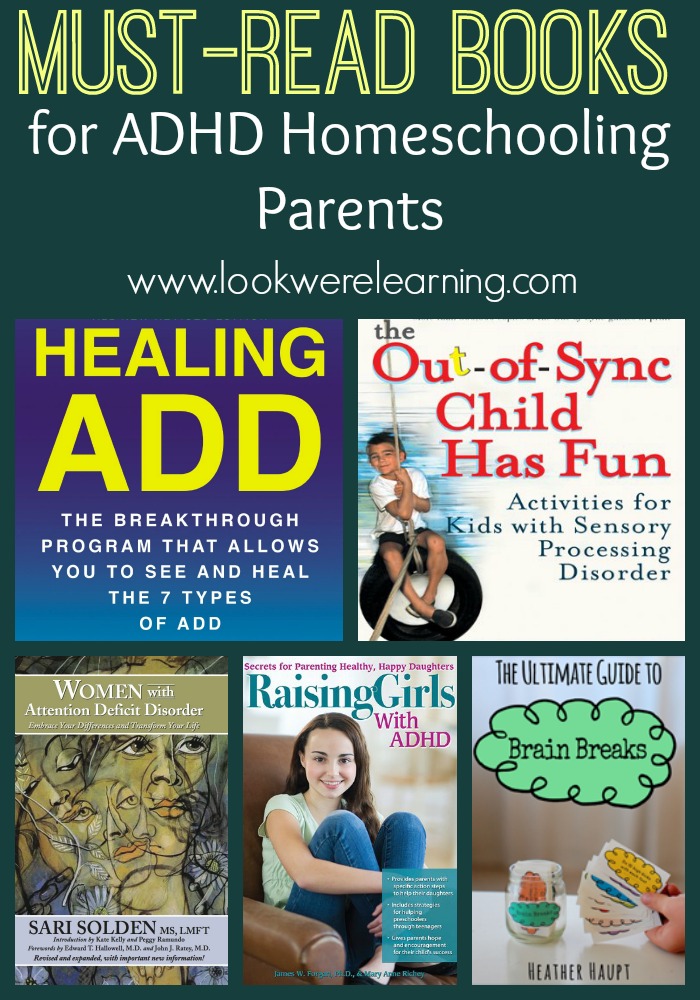
My Must-Read Books for ADHD Homeschooling Parents

  • Healing ADD Revised Edition: The Breakthrough Program that Allows You to See and Heal the 7 Types of ADD

This book by Dr. Daniel Amen has literally been a life changer for our family. In the book, Dr. Amen describes seven types of ADD, including hyper and inattentive versions. We found each of us in this book and we learned about the types of behaviors that are unique to each type.

For example, Tigger tends to show classic ADD symptoms, complete with hyperactivity, while Pooh displays the characteristics of limbic ADD – a type I had never heard of before. It was after reading this book that I decided to adjust our homeschool schedule to allow for a more gradual wake up routine in the morning.

We’ll be talking more about the different types of ADHD later this week.Ā 

  • Raising Girls with ADHD: Secrets for Parenting Healthy, Happy Daughters

Raising Girls with ADHD is a book specifically about helping young girls with the condition to understand their symptoms, manage their behavior, and build self-esteem. Tigger’s dealt with low self-esteem quite a lot over the years, especially when it comes to some of her harder school subjects, so this book was right up our alley!

Look for our full review and a giveaway later this month!Ā šŸ™‚

  • The Out-of-Sync Child Has Fun, Revised Edition: Activities for Kids with Sensory Processing Disorder

Since some of our children have sensory processing disorder, we try to incorporate sensory activities whenever possible. This book, a follow up to The Out-of-Sync Child, is packed with active, sensory-stimulating activities that are simple to do around the house. These activities have provided some great material for our homeschool P.E. classes!

  • Women With Attention Deficit Disorder: Embrace Your Differences and Transform Your Life

I came across this book as I was just beginning to realize that I have ADHD. The author, Sari Solden, is also a woman living with ADD and she is incredibly compassionate and relatable as she describes the challenges and advantages of living with this condition.

As a homeschooling mom, I do the majority of the parenting and the teaching in our home and I really needed some help to understand my tendencies toward disorganization and procrastination. This book has really helped me to workĀ with those tendencies, instead of trying to be “normal”.

  • The Ultimate Guide to Brain Breaks

This ebook, written by homeschooling mom Heather Haupt, is a great way to add movement breaks into your homeschool day! We got a chance to review it a while back and our kids absolutely loved it! We schedule in brain breaks every day and the kids pay attention so much better after we take them.

Do you have any favorite books for ADHD homeschooling parents? Share your recommendations in the comments!

This post is part of our “31 Days of ADHD Homeschooling” series! Be sure to stop by tomorrow for Day 3: Why ADHD Parents Should Let Go of the Homeschooling Ideal!
31 Days of ADHD Homeschooling - Look! We're Learning!

This post is also part of The Massive Guide to Homeschool Reading Lists by iHomeschool Network! Click over to read tons of awesome booklists shared by my fellow homeschooling bloggers!

ReadingLists

Should You Homeschool Your Child with ADHD? - Look! We're Learning!

Should You Homeschool Your Child with ADHD?

October 1, 2014 by Selena Robinson 13 Comments

Hi everyone! Today we’re kicking off a month-long series here at Look! We’re Learning! – 31 Days of ADHD Homeschooling! For Day 1, our topic is: Should You Homeschool Your Child with ADHD?

We always intended to homeschool our kids and we’ve done so since birth. But when Tigger was diagnosed with ADHD, I had to do some serious thinking about whether homeschooling was best for her…and me. After doing a lot of reading and talking with other moms, I decided that homeschooling was the ideal way to teach her, but every family with ADHD may not come to the same conclusion. (Since then, we’ve found out that nearly everyone in our family has ADHD.)

From my experience, there are a lot of pros to homeschooling a child with ADHD, but there are also a lot of cons. If you’re going to make ADHD homeschooling a success, you have to be prepared for those cons. Otherwise, they’ll show up out of nowhere and discourage you from continuing. Here are a few of my personal pros and cons of homeschooling with ADHD.

Should You Homeschool Your Child with ADHD? - Look! We're Learning!

31 Days of ADHD Homeschooling - Look! We're Learning!

Pros of Homeschooling an ADHD Child

  • Homeschooling a child with ADHD is never boring.Ā You will never, ever, ever want for excitement when you decide to teach your ADHD child at home. In fact, we often “forget” to watch TV during the day, because there’s so much going on in our living room!
  • Observing your child everyday gives you a special insight into his or her condition. If you decide to homeschool, you’ll get to observe your child for yourself, rather than having to hear about it from his or her teacher. Watching them do schoolwork has given me an insight into their conditions that has truly helped me understand them.
  • You may find out some hidden things about yourself. It wasn’t until I started reading about ADHD and observing my kids that I realized that I also have ADHD. That’s been a long process of acceptance, which we’ll be covering later in this series.

Cons of Homeschooling an ADHD Child

  • It can be extremely exhausting. At the end of the day, I am downright exhausted. Physically I’m okay, but the mental effort of keeping them on task and trying to manage their energy around the house is a lot to handle.
  • You’ll have to learn to manage your own feelings quickly. I went through a stage when I was blowing up at my kids just about every single day. Children (and adults) with ADHD can become experts at pushing your buttons, and if you’re not careful, you’ll give them an adrenaline boost just by blowing your top.
  • Keeping your child interested in learning can be a challenge. Kids with ADHD have extremely short attention spans, so they may not make it through an entire lesson from a textbook. I didn’t realize how much I’d need to adjust my teaching style to include active learning for my kids.

Preparing for the Cons

For me, the cons aren’t enough to dissuade me from continuing our homeschooling journey. But I would liked to have known about them in the beginning. I’ve had days where I’ve been so tired of trying to make our lesson plan interesting that I just dropped school altogether. I’ve also had days when my kids have thrown a tantrum or two and I’ve allowed it to make me lose my temper.

Just in case you’re unsure about managing these cons, we’ll be covering all of these topics during our series. If you want to homeschool an ADHD child, you can do it! But you’ll want to be prepared in advance. Trust me. šŸ™‚

I’d love to know about your journey in ADHD homeschooling! Have you experienced these same pros and cons? How do you manage your bad days? Let us know in the comments! And be sure to come back tomorrow forĀ Day 2: Must Read Books for ADHD Homeschooling Parents!

Koala Crate >>

Fire Safety Smart Printable Pack - Look! We're Learning!

Fire Safety Smart: Fire Safety Printables for Kids

September 29, 2014 by Selena Robinson 6 Comments

According to the National Fire Prevention Association, some of the most important aspects of fire safety planning are testing the home smoke detector and developing a home fire escape plan. A fire escape plan should include the rooms in your home and the route that the entire family will take to escape in case of fire.

Since fires often break out without warning, it’s critical that families decide on an escape route in advance and practice evacuating the home. In honor of National Fire Safety Week, I’m thrilled to announce the release of our newest printable pack: Fire Safety Smart! With this pack of cut and paste fire safety printables, you can get the kids in on the fire safety planning for your home!

Fire Safety Smart Printable Pack - Look! We're Learning!

How to Use This Pack of Fire Safety Printables

Fire Safety Smart! is designed to help kids learn the layout of their homes and to help develop the best escape route from the house. With the pack, you and your kids can do a walkthrough of the home to identify all of the rooms. Then, you can decide which direction the entire family will go to meet at a safe place outside the home.

Since the pack includes cut and paste cards for common household rooms, you can use it to teach fire safety, practice scissor skills, and basic reading!

Fire Safety Smart! is now available in our store for instant download for just $1.99! Click the image below to visit our store and download your Fire Safety Smart! pack.

Fire Safety Smart Printable Pack - Look! We're Learning!

Fire Safety Printables:Ā Look! We’re Learning! Store

For even more fire safety lesson ideas, visit Ready.gov’s page on fire safety or read the following books with your kids!

Books about Fire Safety for Kids:

    1. The Berenstain Bears: Safe and Sound!Ā – Jan & Mike Berenstain
    2. Big Frank’s Fire TruckĀ – Leslie McGuire
    3. Stop Drop and Roll (A Book about Fire Safety)Ā – Margery Cuyler
    4. Arthur’s Fire DrillĀ – Marc Brown

This post is part of the “Fire Safety for Kids” linkup! Visit our fellow bloggers for more great fire safety ideas for kids!

All Done Monkey – Make a Fire Safety Escape Plan

Creative World of Varya – Fire Safety Theme Park

Fire Safety Printables for Kids - Look! We're Learning!

My Favorite Things for Homeschooling with ADHD - Look! We're Learning!

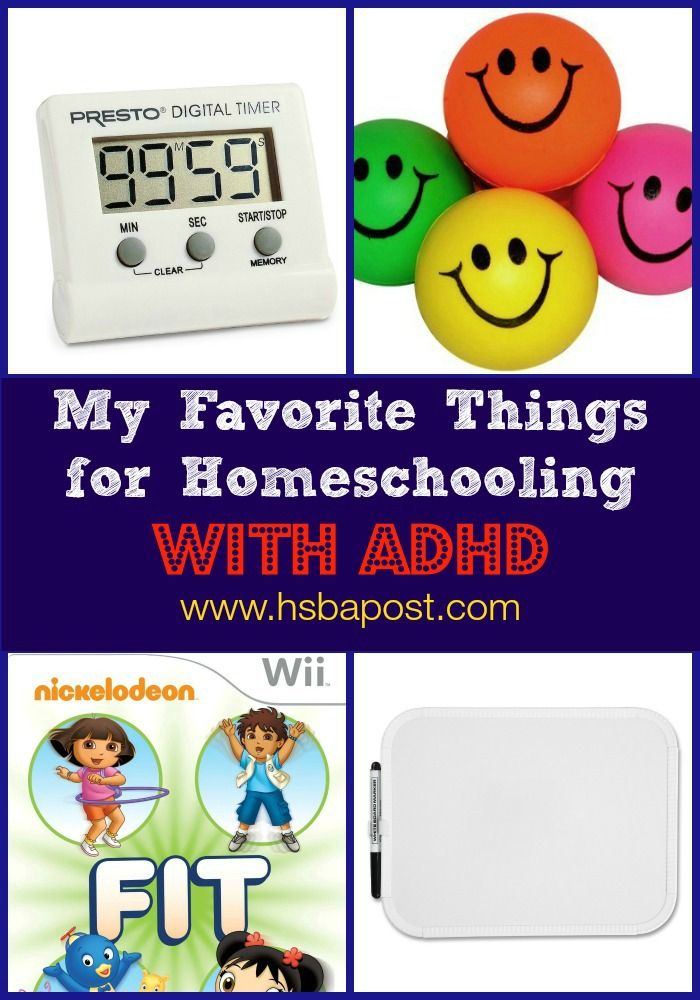
My Favorite Things for Homeschooling with ADHD

September 26, 2014 by Selena Robinson 1 Comment

Since we’re homeschooling several kids with ADHD, we generally have to make a few adjustments for our kids to make it through a school day. I don’t generally reduce the amount of work we try to cover, but I do change theĀ way we cover our lessons.

One of our biggest changes has been to use a few specific tools for homeschooling with ADHD so that the kids can maintain their focus for as long as possible. I’ve recently begun contributing at The Homeschool Post, and today I’m guest posting aboutĀ some of my favorite things for homeschooling with ADHD!

Keep Reading…

Fun Ways to Learn at Home - Look! We're Learning!

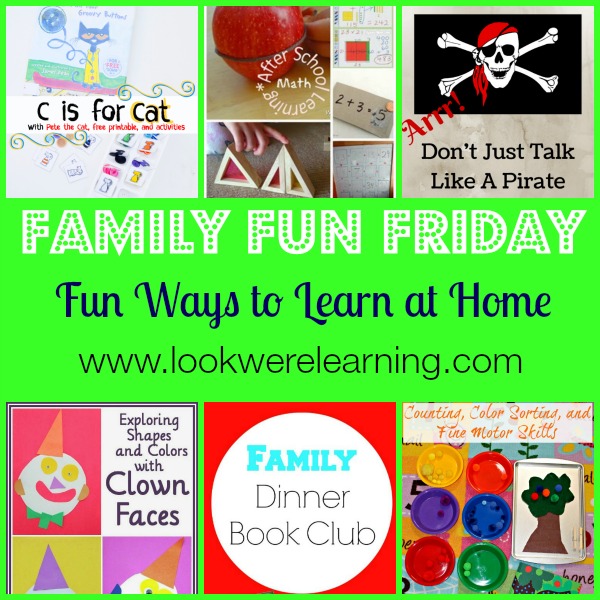
Fun Ways to Learn at Home with Family Fun Friday!

September 25, 2014 by Selena Robinson 4 Comments

It’s time for another edition of Family Fun Friday! I’ve been having a blast checking out everyone’s posts, so be sure to keep linking up. I’m always on the hunt for new posts to feature. šŸ˜‰ This week, I really appreciated some of the fun ways to learn at home!

Keep Reading…

STEM for Homeschoolers: Decomposition Lesson Ideas for Kids

September 23, 2014 by Selena Robinson 3 Comments

As I mentioned earlier this year, we’ve made a bit of a homeschooling U-turn in our family and started focusing more on STEM subjects and foreign language.

So – we’ll be sharing more science lessons and experiments on the blog, along with resources we find online that we love for learning STEM concepts. Today we’re sharing a recent activity using decomposition lesson ideasĀ for kids!

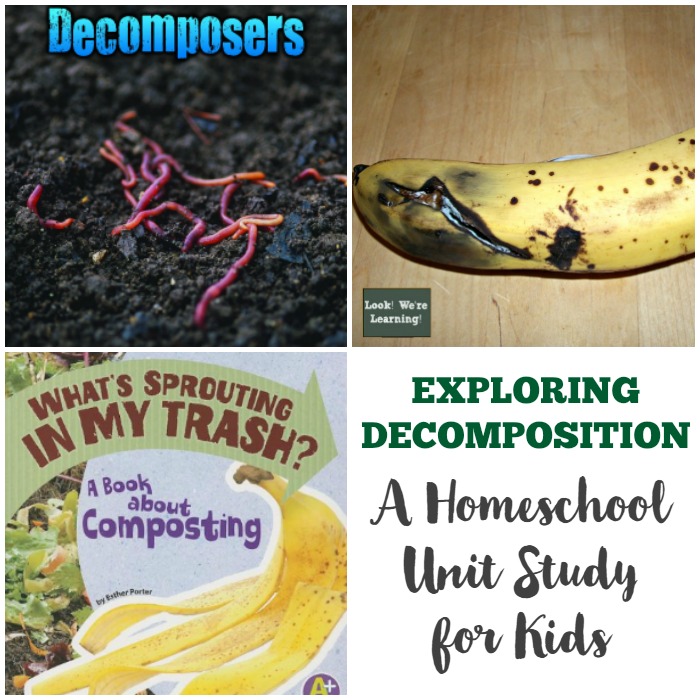
This decomposition unit study gets into the dirty truth about living things!

Decomposition Lesson Ideas for Kids

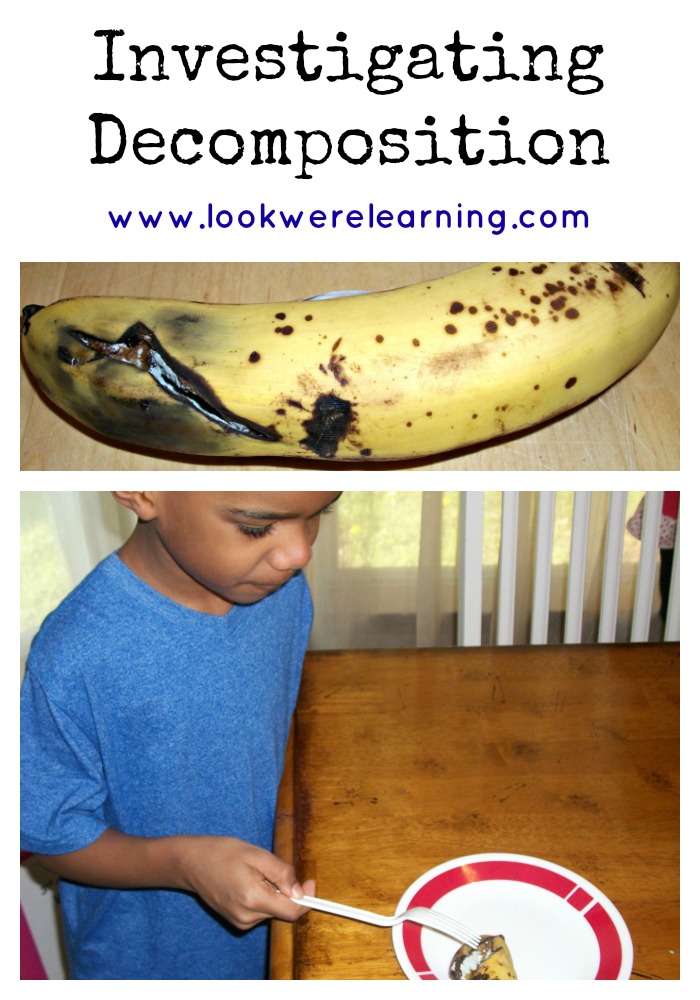
This was NOT one of our planned lessons. A banana in our fruit bowl began to rot and the kids were fascinated by it. So I decided to let it rot so we could examine decomposition up close.

Decomposition Lesson Ideas - Look! We're Learning!

The amazing thing about kids is that they are fascinated by gross stuff. They wanted to see the rotting banana up close. So we got out a plastic fork and poked around.

Decomposition Lesson Ideas - Look! We're Learning!

That gave us a really close look at the bacteria growing inside the fruit.

Decomposition Lesson Ideas - Look! We're Learning!

Yuck.

Decomposition Lesson Ideas - Look! We're Learning!

That face says it all. But then we learned about the process of decomposition and how amazing it is! First, we watched a clip from Sid the Science Kid showing a lab experiment about decomposition.

All living things decay after dying, which is called decomposition. From plants to people.

Michigan Tech University has a great explanation of what happens during the process of decomposition. Basically, bacteria, fungi, and worms perform the work of decomposition by breaking down living organisms after death. This is a GOOD thing, because the broken down organisms become part of the soil and provide a natural fertilizer so that new things can grow. It’s the ultimate recycling!

To get an even closer look at decomposition, check out this video of a watermelon slowly decomposing over 35 days.

Gross! But also kind of cool, right? For more decomposition lesson ideas, check out these great resources!

Activities about Decomposition:

  1. Free Decomposing Worksheets for Grades 5-6: Great Schools
  2. Decomposing Experiment – Education.com
  3. Biology for Kids: An Overview of Fungi – Ducksters
  4. Easy Decomposition Experiment – Science Sparks

Books about Decomposition for Kids

Books about Decomposition for Kids:

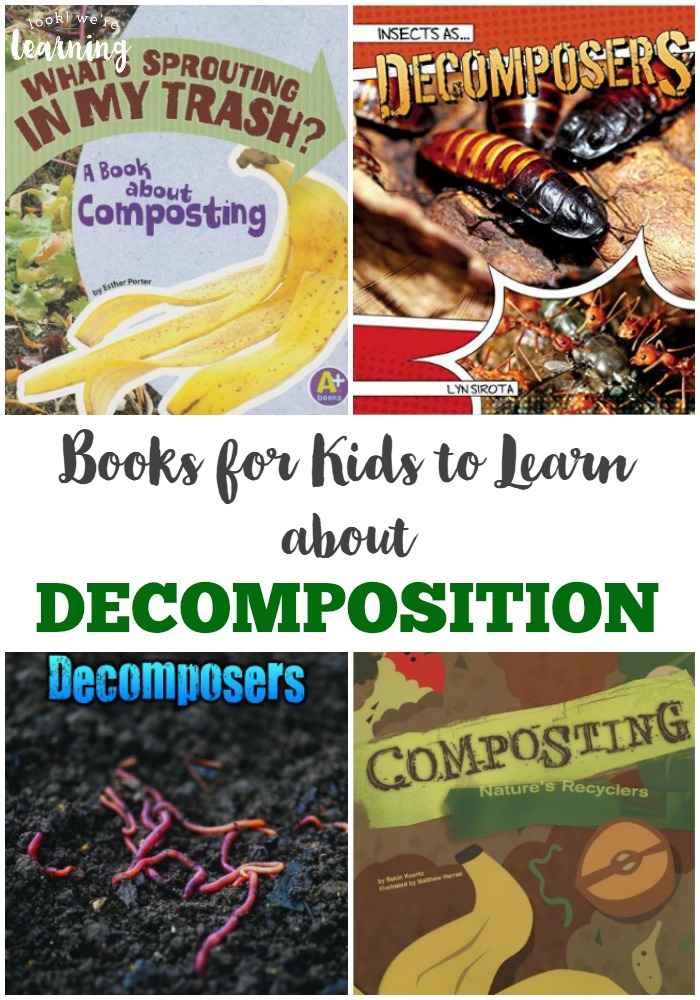
  1. Insects as Decomposers by Lyn Sirota
  2. Composting: Nature’s Recyclers by Robin Koontz
  3. Compost Stew: An A to Z Recipe for the Earth by Mary McKenna Siddals
  4. What’s Sprouting in My Trash? A Book about Composting by Esther Porter
  5. The Magic School Bus Meets the Rot Squad: A Book about Decomposition by Joanna Cole
  6. Decomposers (Science Kaleidoscope) by Greg Roza

Decomposition Unit Study Lesson Ideas for Kids

If you enjoyed these decomposition lesson ideas, stop by and see some of our other unit studies!

Cloudy with a Chance of Meatballs Unit Study

Turtles Unit Study

Firefighter Unit Study - Look! We're Learning!

Plus, follow my It’s ScienceĀ Pinterest board for more hands-on science fun!

Decomposition Lesson Ideas - Look! We're Learning!

Free Printable Flashcards: Spanish Days of the Week - Look! We're Learning!

Free Printable Flashcards: Spanish Days of the Week Flashcards

September 22, 2014 by Selena Robinson 7 Comments

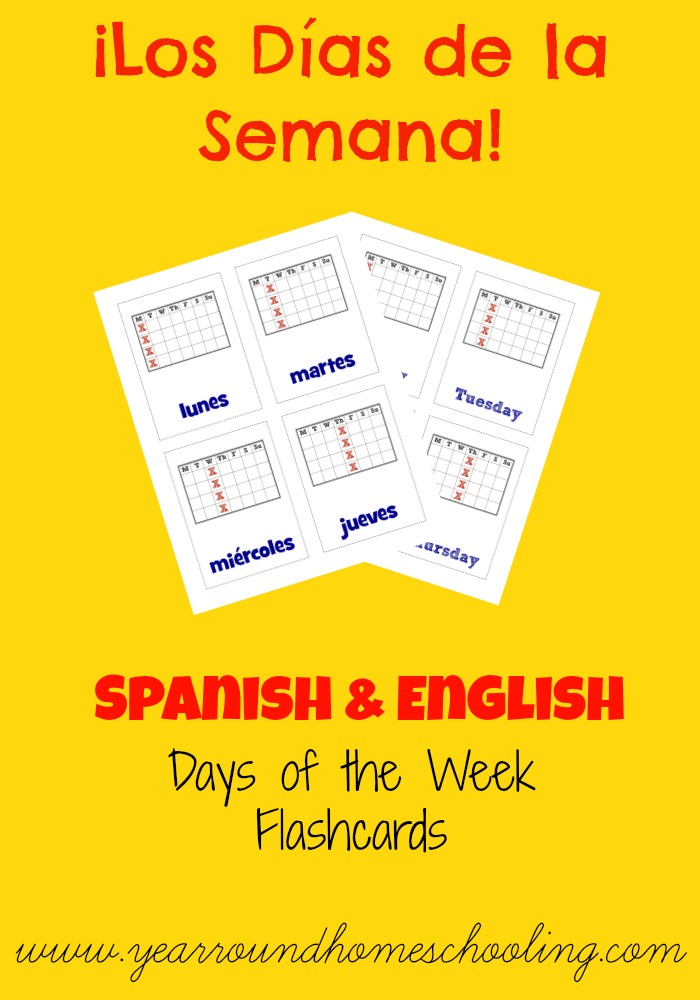
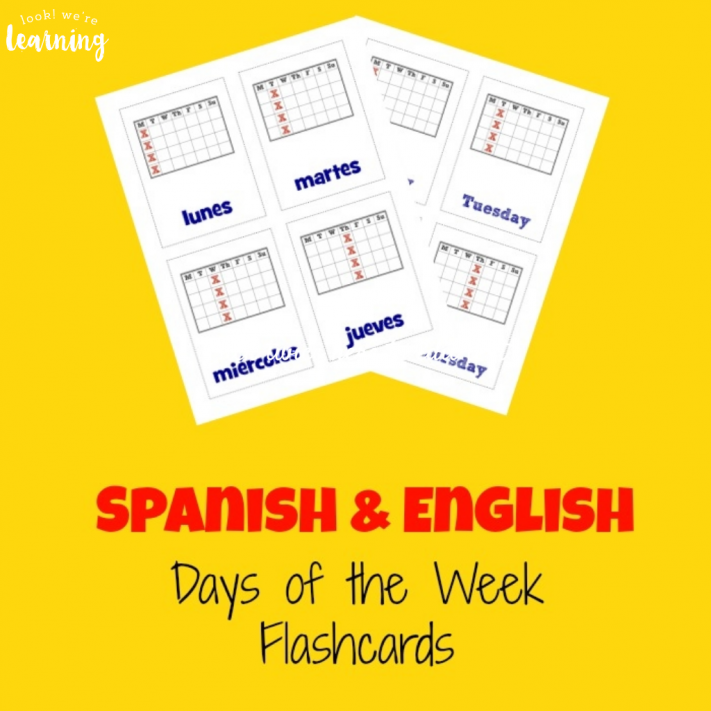
We’re continuing with our Spanish learning with this pack of free printable flashcards for learning the Spanish days of the week! We’ve already covered days of the week in English, so it’s adelante a espaƱol (on to Spanish)!

I love teaching Spanish to my kids. It helps them to converse with others, learn more about another culture, and even broadens their understanding of English! (There are several English terms that are heavily influenced by words from Latin languages, including Spanish, French, and Italian.)
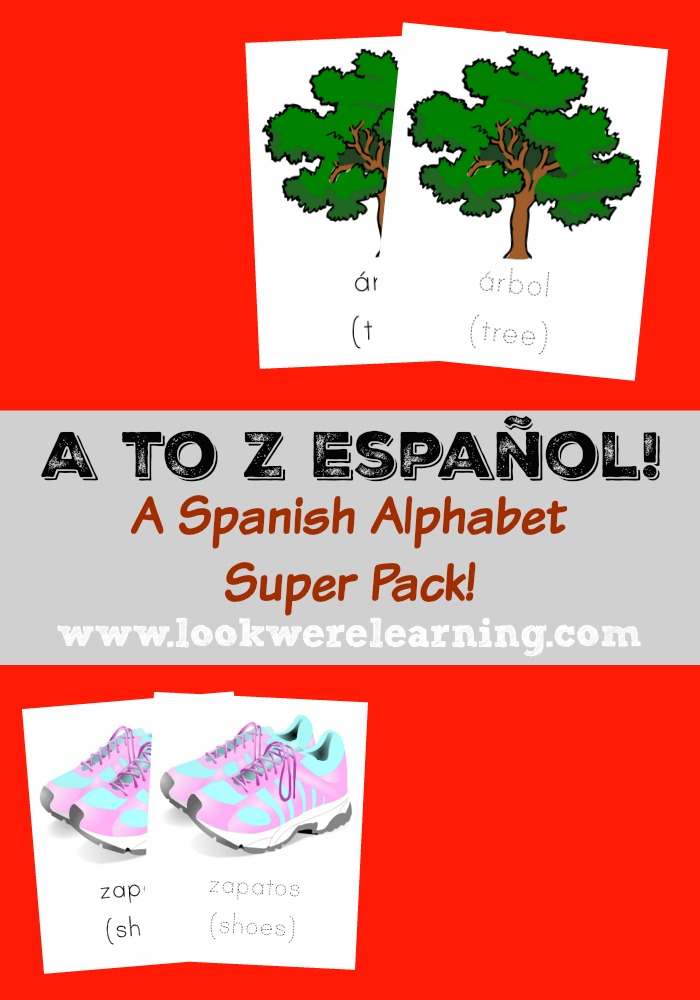
If you enjoy these Spanish days of the week flashcards, don’t miss our other Spanish learning resources, including our Spanish community helpers printable pack and our Spanish alphabet mega-pack!

Free Printable Flashcards: Spanish Days of the Week - Look! We're Learning!

Spanish Days of the Week Flashcards

To use these flashcards, you’ll need the following:

  • Printer (with ink)
  • Printer paper
  • Scissors
  • Laminator (if you want to reuse the cards later)

In the pack, you’ll find flashcards for each day in both English and Spanish:

Monday – lunes

Tuesday – martes

Wednesday –Ā miĆ©rcoles

Thursday – jueves

Friday – viernes

Saturday – sĆ”bado

Sunday – domingo

Don’t know how to say those words in Spanish? No worries! The flashcard set has a pronunciation guide too. šŸ˜‰

Stop by Year Round Homeschooling to grab “Ā”Los DĆ­as de la Semana!ĀØFree Printable Flashcards: Spanish Days of the Week!

And don’t forget to grab our other free Spanish flashcards for learning opposite words and for learning Spanish food words!

Read “Learning the Days of the Week in Spanish” at Year Round Homeschooling

Spanish Days of the Week Flashcards - Look! We're Learning!

Want more awesome resources for teaching Spanish to your kids? Try these posts!

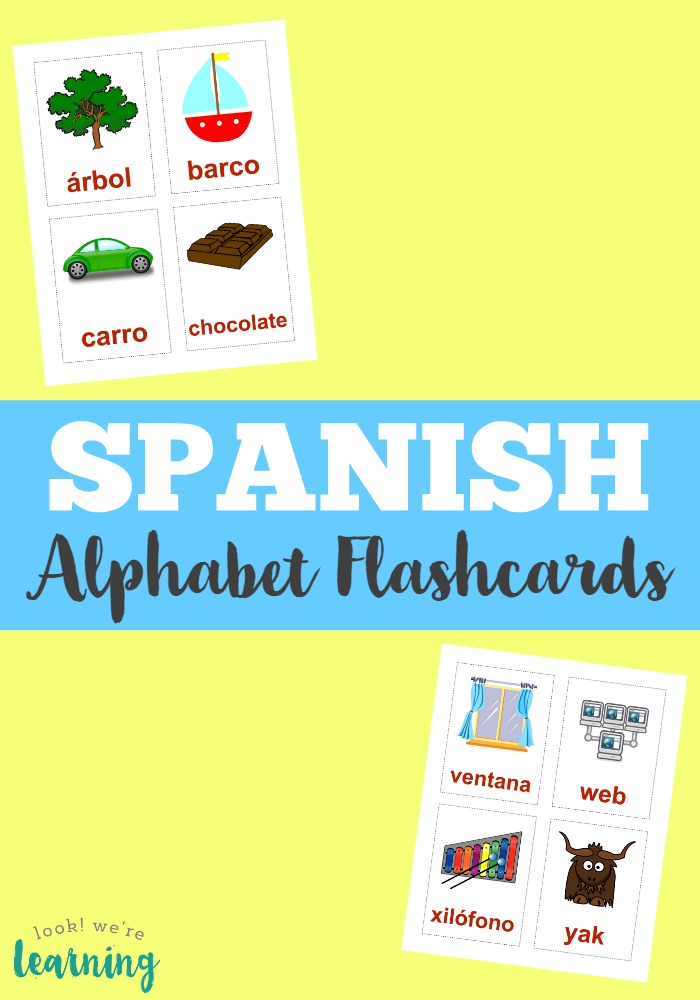
Teach your kids to identify the Spanish alphabet with these Spanish alphabet flashcards!

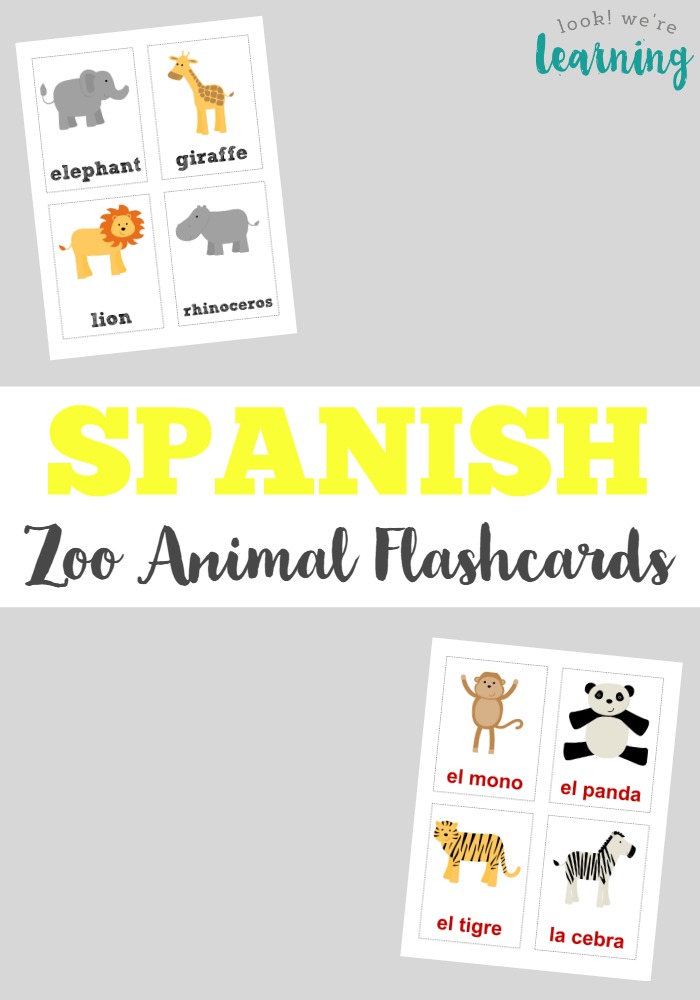
These printable Spanish zoo animal flashcards are so much fun for kids who are learning Spanish!

A to Z Espanol Spanish Alphabet Super Pack

Plus, get more tips for teaching foreign languages to your kids on my Foreign Language for Homeschoolers Pinterest board!

ASL Weather Signs - Look! We're Learning!

ASL Lesson 8: ASL Weather Signs

September 17, 2014 by Selena Robinson 14 Comments

In keeping with the change of seasons, we’re sharing an American Sign Language lesson today that covers ASL weather signs! The video lesson also includes a primer on how to sign the seasons in ASL.

Learning to sign about the weather can really help you hold a conversation with a deaf or hard-of-hearing individual. After all, who doesn’t talk about the weather? And deaf people are no exception. Talking about the weather in your area is a wonderful icebreaker when you’re first getting to know someone who signs.

For more ASL practice, grab our set of free Weather ASL Fingerspelling Pages!

ASL Weather Signs - Look! We're Learning!

How to UseĀ ASL Weather Signs

In this video, you’ll learn the signs for:

  • Spring
  • Summer
  • Fall
  • Winter
  • Weather
  • Rain
  • Flood
  • Ice
  • Snow
  • Storm
  • Lightning
  • Wind
  • Hurricane
  • Tornado

As you watch the video, you might see that facial expression and intensity play a huge role in the signs. For example, the sign “wind” changes in meaning, depending on how hard you sign it. It can mean a gentle breeze or it can mean a strong gust.

The same is true of “rain”. If you sign it softly, it means a shower. But if you sign it strongly, it can mean a storm or a downpour. Signing with intensity is the ASL equivalent of raising your voice. šŸ™‚

Scroll down to watch the full lesson below! And don’t forget to subscribe to our YouTube channel to see all of our videos as they become available!

How to Use ASL Weather Signs - Look! We're Learning!

Don’t miss these other ASL learning resources!

Learn how to use signs for school in American sign language so you can communicate with the deaf and hard-of-hearing!

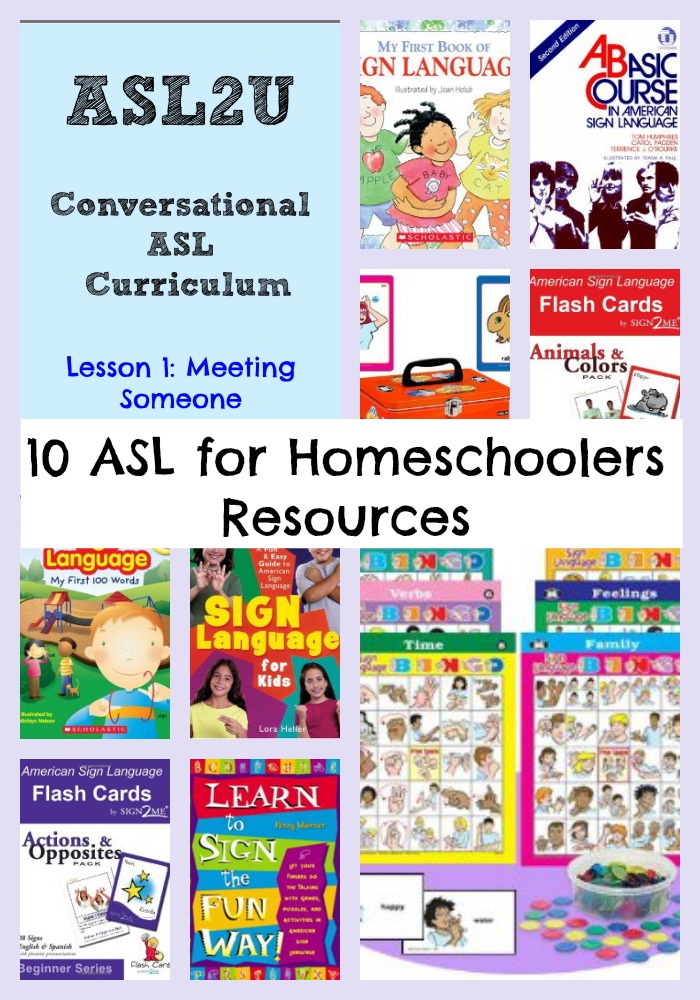
10 American Sign Language for Homeschoolers Resources

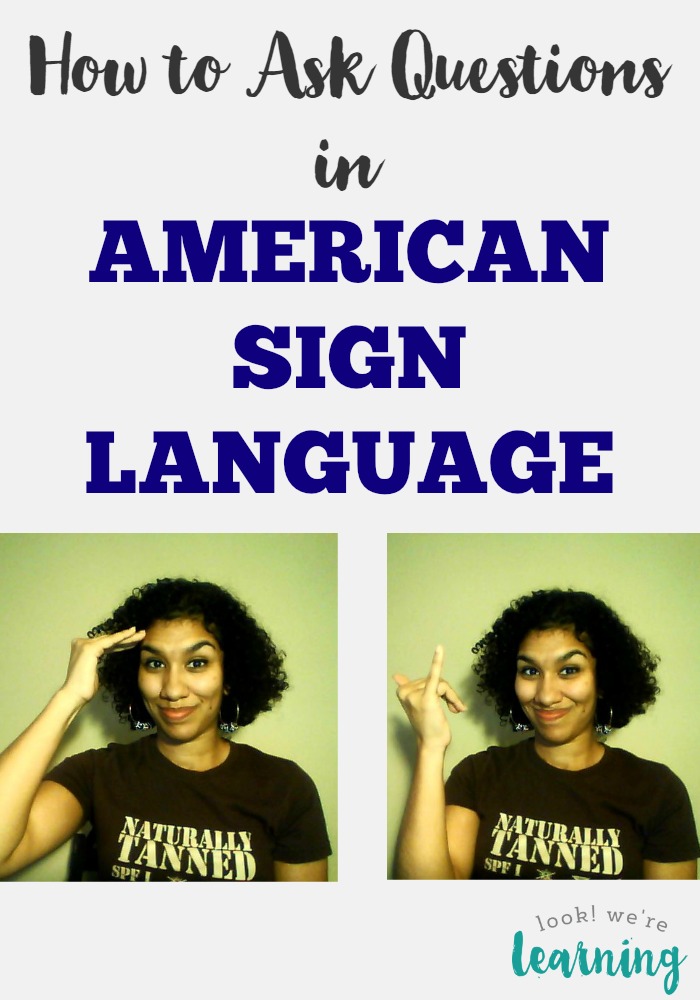
How to Ask Questions in American Sign Language

Watch the ASL Weather Signs lesson here!

And see more tips for learning ASL on my Sign Language Lessons Pinterest board!

Pumpkin Spice Latte No Cook Playdough - Look! We're Learning!

Pumpkin Spice Latte No Cook Playdough

September 12, 2014 by Selena Robinson 2 Comments

Hey everyone! It’s time for our 12 Months of Sensory Dough linkup! Every month, I’m honored to co-host this linky with 11 other bloggers, including Dayna atĀ Lemon Lime Adventures, Val & Alex atĀ Glittering Muffins, Devany atĀ Still Playing School, Sarah atĀ Little Bins for Little Hands, Kimberly atĀ Natural Beach Living, Melissa Ann atĀ The Eyes of a Boy, Nicolette atĀ Powerful Mothering, Amy atĀ Wildflower Ramblings, Rachel atĀ I Heart Crafty Things, Michelle atĀ Delightful Learning, and Jennifer at The Life of Jennifer Dawn!

Fall is in the air! We’ve been enjoying our sensory dough this year and I thought “Why not make a fall sensory dough?” What says fall? Pumpkin Spice Lattes!

Keep Reading…

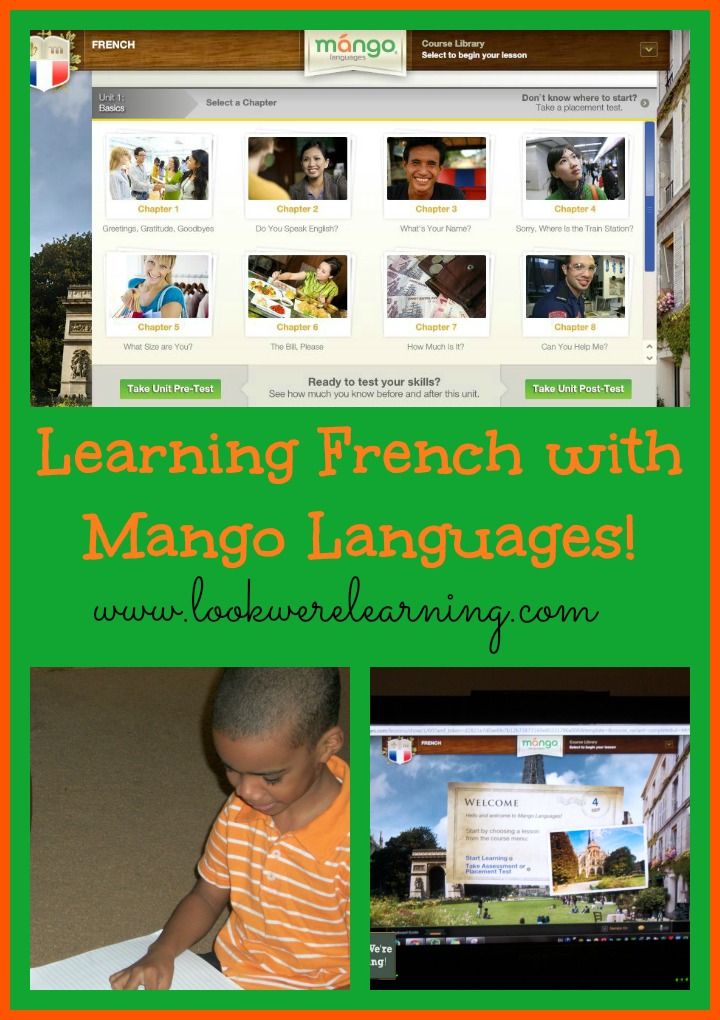
French Language Learning with Mango Languages - Look! We're Learning!

French Language Learning with Mango Languages!

September 12, 2014 by Selena Robinson 7 Comments

Bonjour! We’ve just begun learning French with the kids with Mango Languages! I recently got the chance to try the program, and the kids are already asking when we can takeĀ more lessons. That’s always a good sign, right?

Mango Languages offers more than 60 languages and dialects for students, including Spanish, French, and even Ancient Greek! We settled on French, but the kids were excited to see that we could learn just about any language!

Keep Reading…

Educational Crafts for Kids with Family Fun Friday!

September 11, 2014 by Selena Robinson 7 Comments

It’s time for another edition of Family Fun Friday! On behalf of my co-hosts, I want to say thanks for visiting and linking up last week! We had a blast featuring our favorite homeschool curriculum options from the linky, and this week we’re sharing some great educational crafts for kids!

Keep reading to learn about our wonderful co-hosts, see my favorite features from last week, and share your own posts!

Keep Reading…

Learn some weird science facts for kids with Ripley's Reality Shock!

Weird Science Facts for Kids with Ripley’s Reality Shock!

September 5, 2014 by Selena Robinson 2 Comments

Do your kids like to learn about weird science facts? Ours do! Especially since they tend to lose interest in a structured science lesson. šŸ™‚

We got the chance to visit Ripley’s Believe It or Not! in Orlando, Florida when Tigger was very young, but we haven’t been able to get back since. We did, however, get the opportunity to learn some of Ripley’s signature weird science facts right in our own home!

Keep Reading…

  • « Previous Page
  • 1
  • …
  • 29
  • 30
  • 31
  • 32
  • 33
  • …
  • 38
  • Next Page »
Hi! I'm Selena, a veteran teacher and homeschool mom to four. I'm so glad you're here!
About Me Contact Terms of Use Privacy Policy Places I Share
Facebook Pinterest Instagram
Homeschool Printables Unit Studies Shop the Store
Copyright ©2026, Look! We're Learning!. All Rights Reserved. Design by Pixel Me Designs