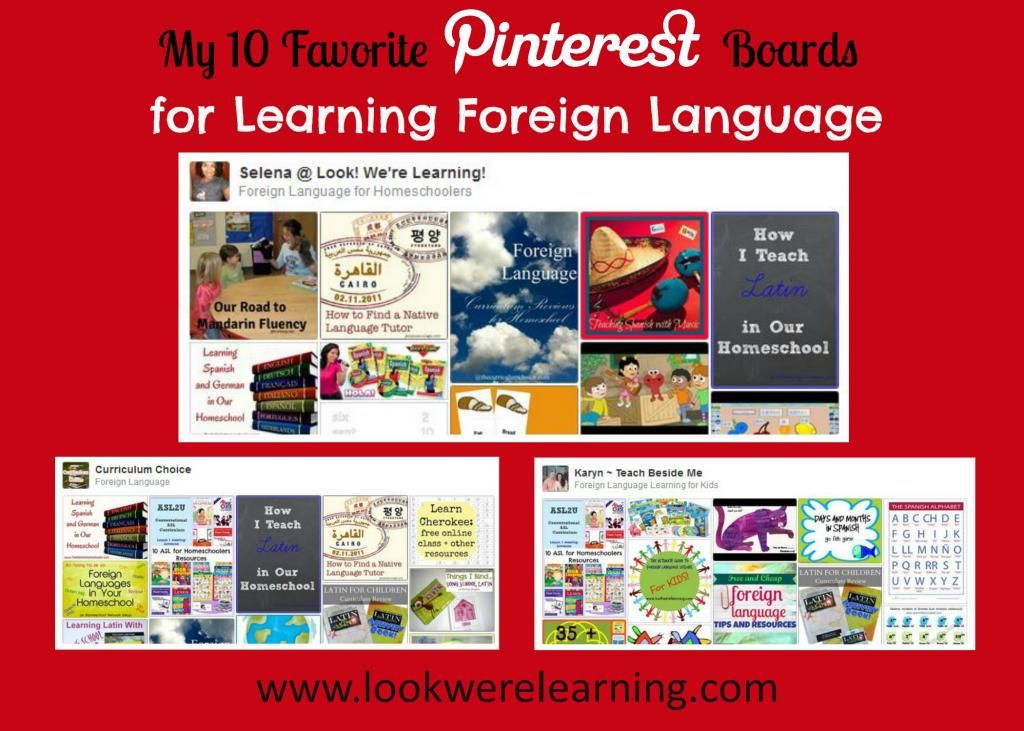
Hi everyone! We’re linking up with another great iHomeschool Network hop to share the best Pinterest boards for learning foreign languages! Browse through the boards below to find some great pinners to follow for foreign language resources!
Early Learning. Happy Teaching.
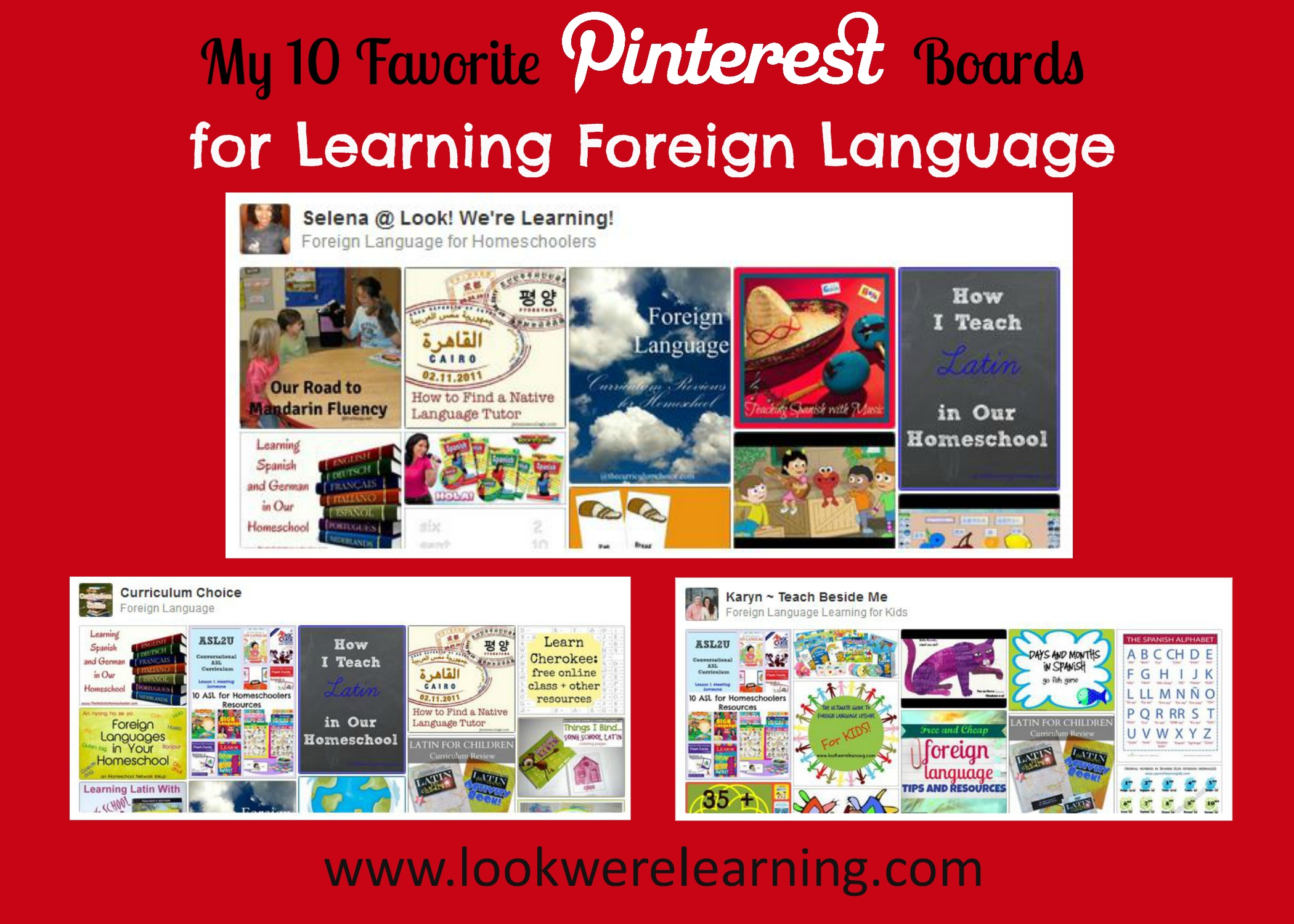
Hi everyone! We’re linking up with another great iHomeschool Network hop to share the best Pinterest boards for learning foreign languages! Browse through the boards below to find some great pinners to follow for foreign language resources!
We’re quickly approaching back to school time – for public schoolers and homeschoolers.
If you’re a homeschooling family, you are probably in the middle of homeschool planning.
You know, the time of year when you’re up to your neck in curriculum plans, binders, and various storybooks you’ve collected through the years.
Lots of homeschoolers are now using digital lesson planners and they love them.
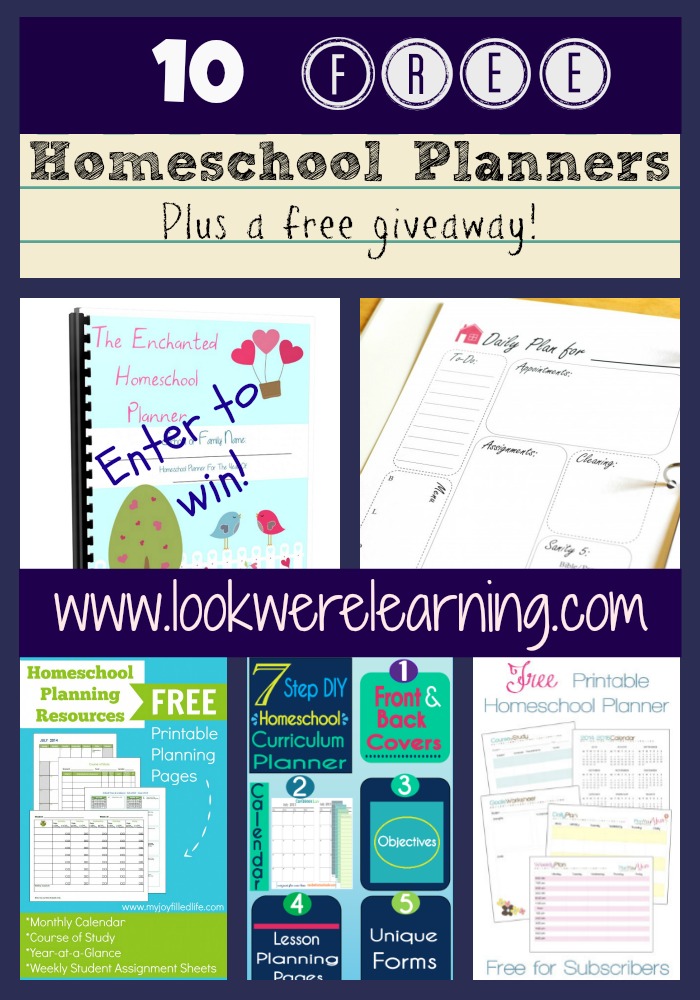
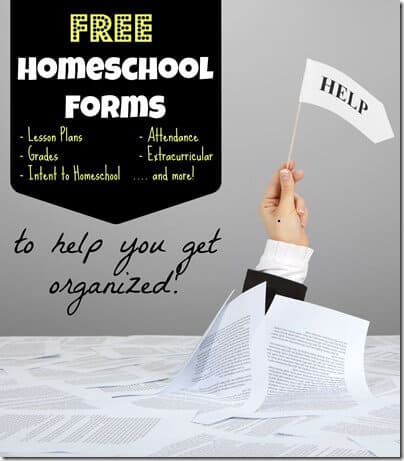
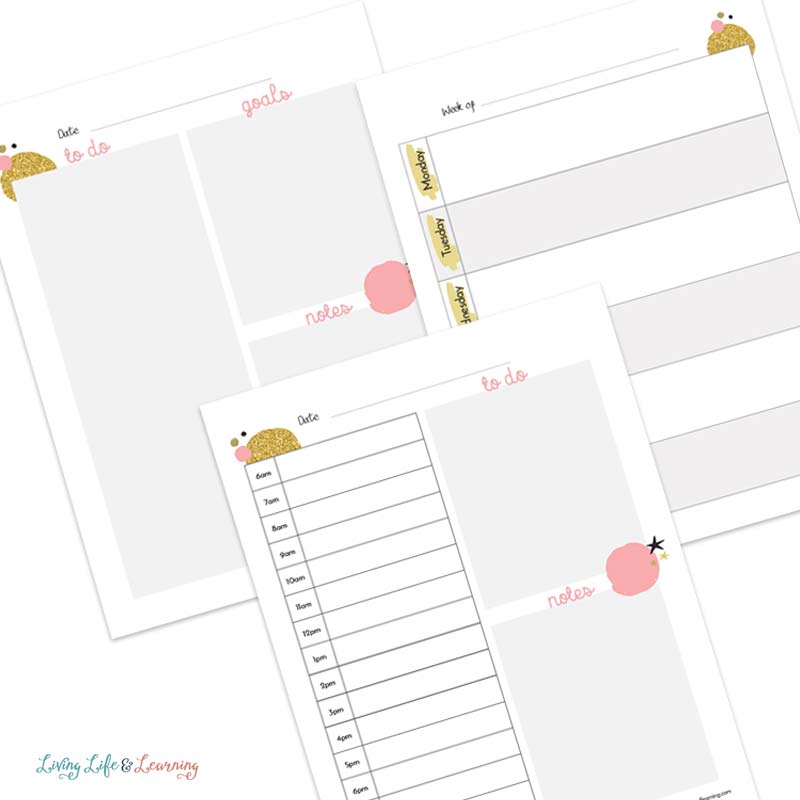
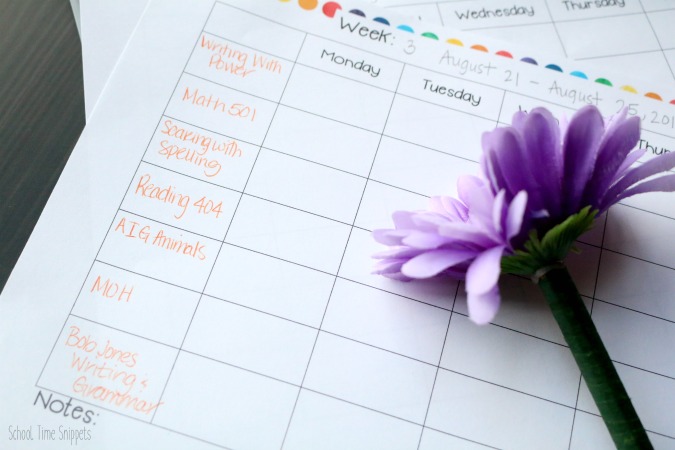
But, if you prefer pen and paper, I’ve got a list of 10 free homeschool planners that can help you get a jump on the new school year.
And who doesn’t need a little help in that area?
Read on to see the full list. You might find a few that can work for your family!
Are you drowning in homeschooling books? Need a little help narrowing down your choices for this homeschool year?
Take a look at what you can do if you have too much curriculum at home!
Back to school time is one of my favorite times of year.
I love all of the energy around planning the new school year. In fact, I’ve loved it since I was a kid getting ready for school myself.
And I still get excited about new books, new plans, and new curriculum.
But, whether you’re a curriculum and planning junkie like me or if you’re more of a laid-back homeschooler, these free homeschool planners can help.
Take a look at the list below to find one or two you might like!
Would you rather go the DIY route? This tutorial from Homeschooling Down Under is awesome for making your own homeschool planner!
This list of printable free homeschool planners is excellent for getting your school year in order!
Use these to plan lessons, organize curriculum, and more!
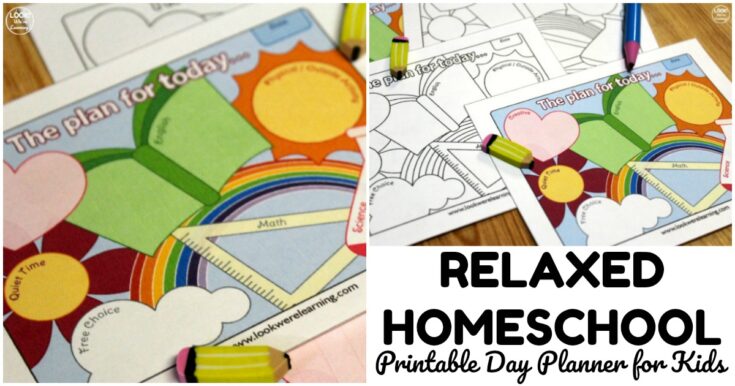
Want to help your kids begin planning their own school days? This printable planner they can color is a fun way to get started!
Donna Young is a homeschool planner's paradise. There are loads of printable forms here to get your entire year structured.
These printables are so helpful for getting a look at what you want to accomplish this school year!
Are you overwhelmed at the idea of planning your school year? These forms can help you get an idea of how to record grades, attendance, and more!
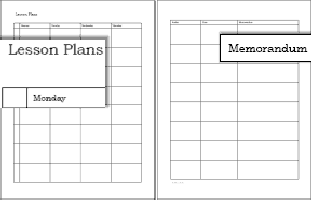
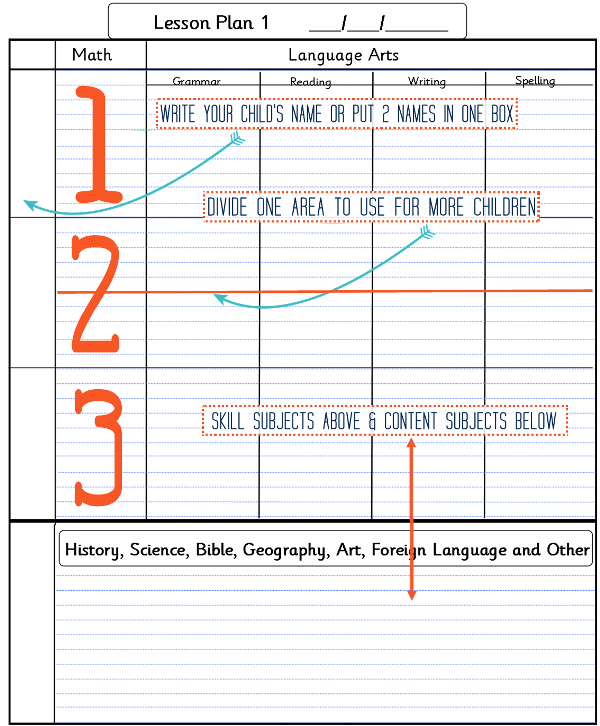
Use the lesson plans in this planner to outline your daily lessons for the entire school year!
Teaching little learners? Here is a list of learning themes you can use each week with a printable planner!
If you're teaching older kids, you'll love these printable homeschool transcripts you can use!
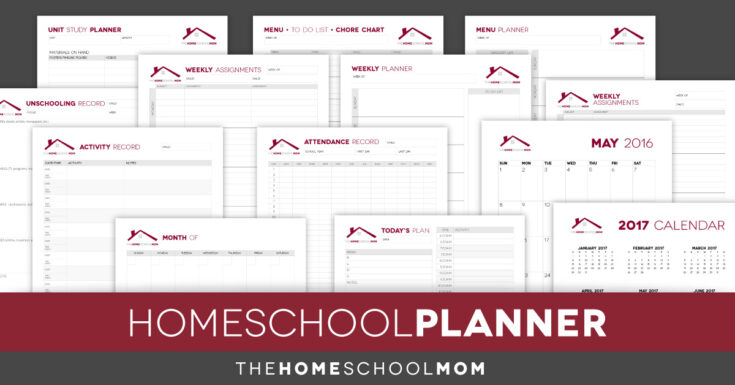
This colorful printable homeschool planner is perfect for your homeschool binder!
If you prefer a minimalist approach to lesson planning, this grid planning checklist is perfect.
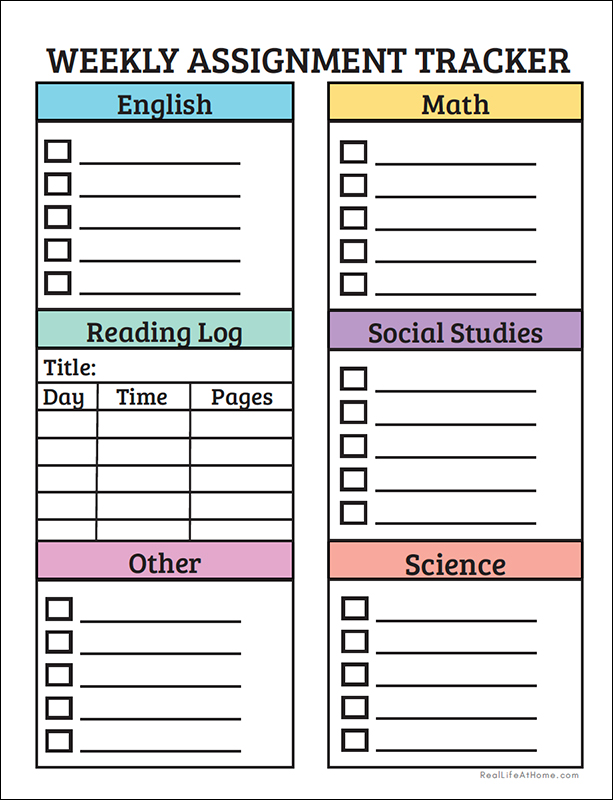
Help your older kids keep up with their weekly assignments with this printable tracker!
Want to help kids start planning their own homeschool days?
This printable coloring homeschool day planner for kids is a great start!
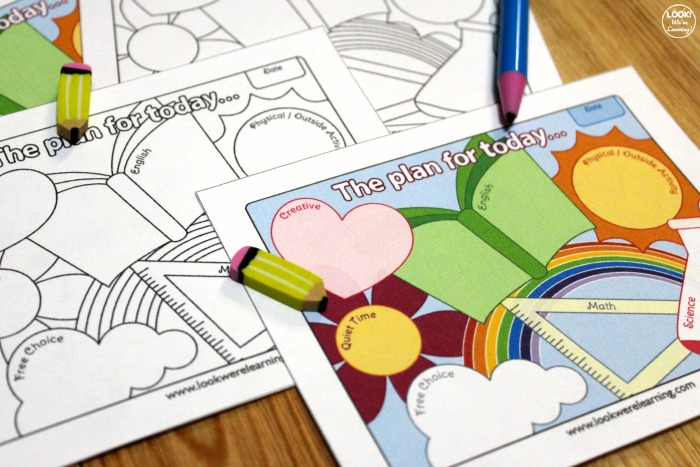
It comes with a color and line art version for kids to fill in on their own. They can even color the line art version too!
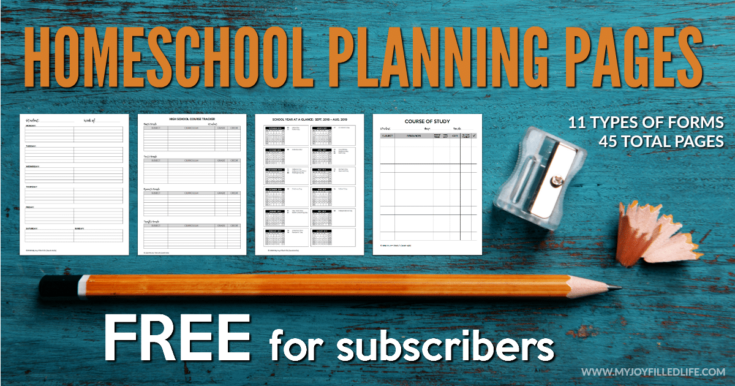
To get your set of these homeschool planning pages free, click the image or the link below to have them sent directly to your inbox!

It’s homeschool planning season! And that means it’s time to review our homeschooling costs.
If I had my way, we’d have an unlimited budget so I could buy ALL the curriculum, ALL the books, and ALL the resources there are. (Wouldn’t that be wonderful?) But we have to be responsible, so I set a yearly homeschool budget of $250.
For some homeschoolers, that may still be a bit high, but I look at the cost of attending public school and we’re still saving a ton. Between school lunches, uniforms, school supplies (which now include bottles and bottles of hand sanitizer), field trips, fundraisers, class parties, and sporting equipment, I know we’re coming out ahead.
So – here’s a look at how I keep my homeschooling costs for all four kids to $250 per year. And for even more ways to save on homeschooling, don’t miss our ebook “How to Afford Homeschooling“!

When I set up our homeschooling budget, I start by including as many free homeschooling programs as I can find. Easy Peasy All-in-One Homeschool, a completely free program, has always been a favorite in our home. I use that as the basis for a lot of our subjects and then I supplement as I see fit.
I also use other free educational websites such as Essential Skills Advantage and PBS Learning Media.
Of course, the local library has been a huge help in increasing our reading list and minimizing the number of bookshelves we need each year.
Every year, there are a couple of items that I’m willing to pay a little more for. ABC Mouse is one of these.
Our youngest child is an insatiable learner. She wants to learn everything about everything and she wants to have it done YESTERDAY. Now that my boys are older and need more of my time to understand math skills, I like having a program she can use on her own.
And that’s why ABC Mouse has been so great. It’s designed for kids from PreK through Grade 2 and it’s not just for enrichment. It actually is a complete curriculum that kids can navigate through with periodic parental involvement.
We’ve been using it for the past couple of years and, now that she’s entering first grade, we’ll be using it again.

I set aside about $25 for normal school supplies each year. We’ve already purchased our basics for this year, including pencils , markers
 , crayons, notebooks
 , and filler paper. Back to school sales, of course, are the best for finding those items.
This year, we don’t have access to a vehicle during the day, so I won’t be purchasing any attraction memberships. However, we usually choose one attraction per year and become members. I can usually find a great deal by browsing Groupon and jumping on a family membership deal.
Since we have that extra amount available in the budget, I’m using Time 4 Learning to strengthen the boys’ ELA and math skills for a couple of months and make sure they’re ready for fifth grade this fall.
Because we have more than one child, we try to buy non-consumable books that we can use again and again. In fact, that’s one of the reasons why I love anchor charts so much. I make them once and then I have them for future years.
We use Family Time Fitness for our Homeschool PE Curriculum and that’s also a program you can buy once and then use again and again as the kids grow.
Most of Tigger’s storybooks and readers were handed down to Pooh and Roo over the summer, so they’ll be using those this year. I found the vast majority of Tigger’s books for the upcoming year in the $1 bins at Target.
I also pick up a few comprehensive grade-level workbooks , and I use those for workboxes and standardized test preparation.

I’m a total school nerd and the smell of new textbooks is enough to make me prefer to purchase a book brand new. Over the years, though, I’ve gotten over that and I’ve fallen in love with used books.
Amazon is a wonderful resource for used books and we’ve found some excellent homeschooling resources over the years by browsing the used books section . Large kids’ consignment sales, which I’ll be talking about in a future post, are excellent for finding books and textbooks as well.
Basic back to school supplies: $25
Early learning program: $59.99
Annual attraction membership: $95
(This amount is going toward curriculum this year.)
Storybooks and textbooks (mostly used): $50
Comprehensive workbooks: $20
Total: $249.99
I’d love to hear how you set a budget for your homeschooling expenses and stick to it! Tell us about your homeschooling costs and choices in the comments!
Want even more ideas for homeschooling this year? Check out these posts!
Plus, get more tips to plan your homeschool year on my Homeschool Planning Pinterest board!

This post is part of the “How Much Does Homeschooling Actually Cost?” linkup from iHomeschool Network! Stop by to see how our fellow bloggers budget for their homeschooling expenses each year!


Hey everyone! It’s time for our 12 Months of Sensory Dough linkup! Every month, I’m honored to co-host this linky with 11 other bloggers, including Dayna at Lemon Lime Adventures, Val & Alex at Glittering Muffins, Devany at Still Playing School, Sarah at Little Bins for Little Hands, Kimberly at Natural Beach Living, Melissa Ann at The Eyes of a Boy, Nicolette at Powerful Mothering, Amy at Wildflower Ramblings, Rachel at I Heart Crafty Things, Michelle at Delightful Learning, and Jennifer at The Life of Jennifer Dawn!
It’s that time of year! Time for everyone to break out their homeschool planning ideas! School year planning is probably one of the most exciting times for me personally. I get to look at my kids’ progress over the years, feel sad about how much they’ve grown (sniff), and get excited about what we’ll learn in the upcoming months.
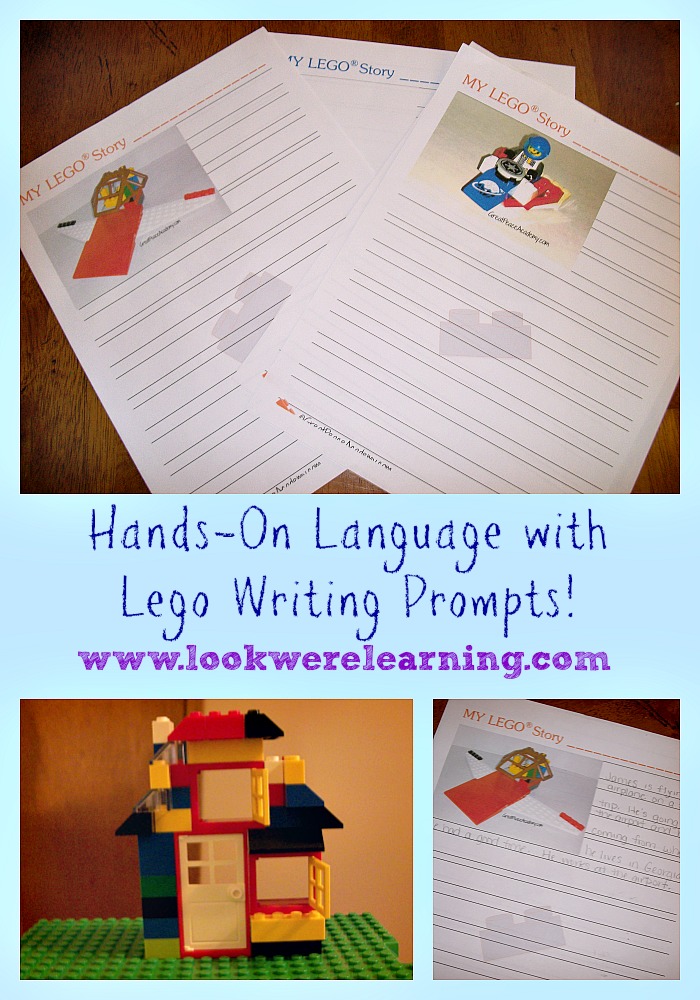
Our kids, like just about all kids, love LEGO blocks. Love them. But I never had the idea to combine LEGO building with writing. Renee Brown from Great Peace Academy did, though, and she’s put together some adorable LEGO writing prompts printable packs for just $1 each! We got the chance to try them out with the kids and they had so much fun building and writing their own stories!
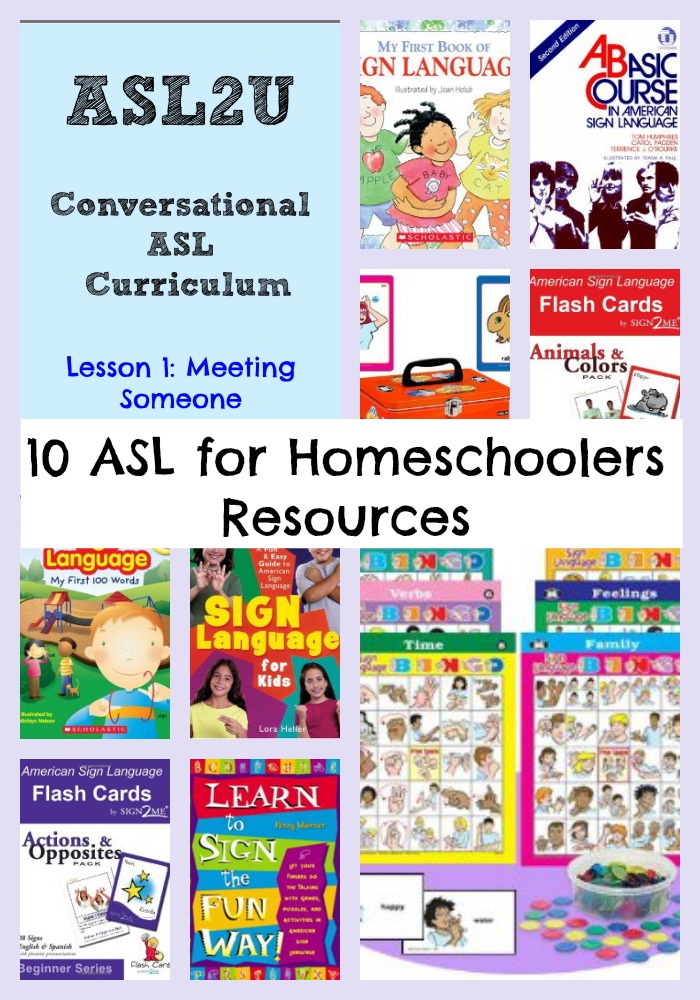
A big part of our curriculum involves American Sign Language for homeschoolers. We’re in an ASL congregation, but we still try to make use of structured ASL lessons and resources whenever we can.
If you’re searching for ways to teach American Sign Language for homeschoolers, check out some of these great ASL resources!
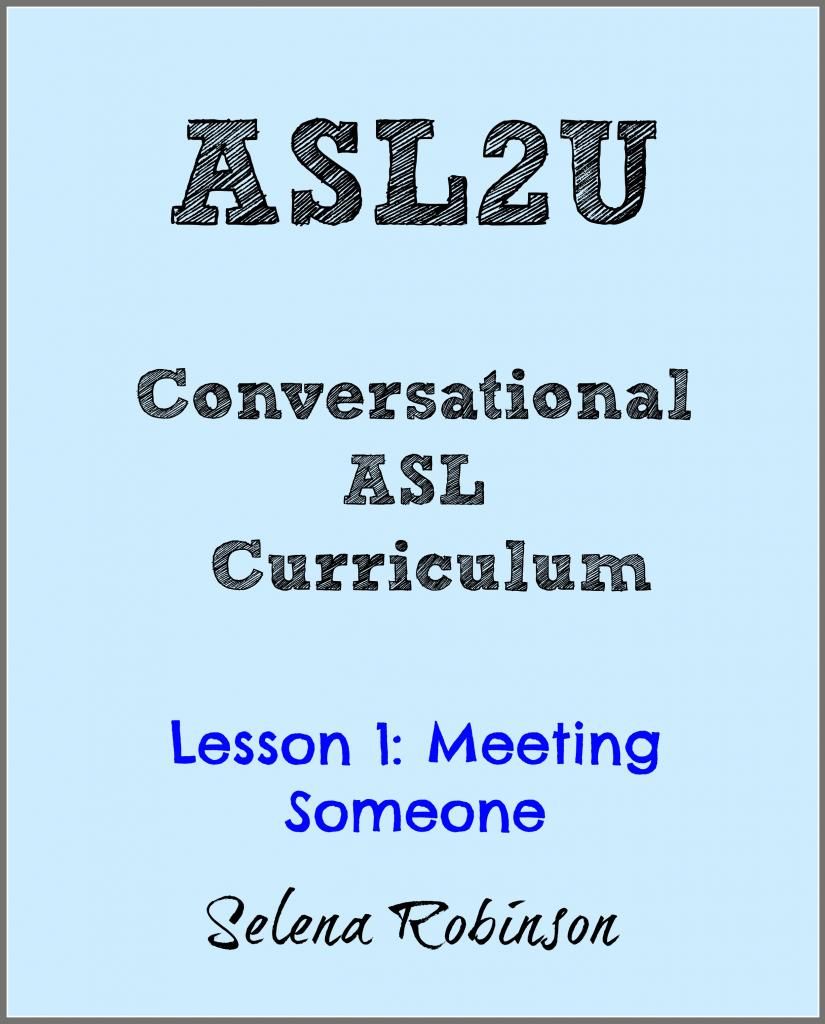
ASL2U is our virtual ASL tutoring service. We’ve completed our very first downloadable lesson and you can grab it now for just $1.99! The lesson includes more than 20 color signs and a complete practice conversation to help you learn to introduce yourself and meet someone in sign language!
To get your copy of ASL2U Lesson 1, visit our Store!
Here are even MORE great American Sign Language for Homeschoolers resources!


A Basic Course in American Sign Language


Sign Language: My First 100 Words


My First Book Of Sign Language


Sign Language for Kids: A Fun & Easy Guide to American Sign Language


The American Sign Language Puzzle Book


American Sign Language Bingo Game – Super Duper Educational Learning Toy for Kids


400 American Sign Language Cards Fun Deck
Learn more about teaching sign language to kids!
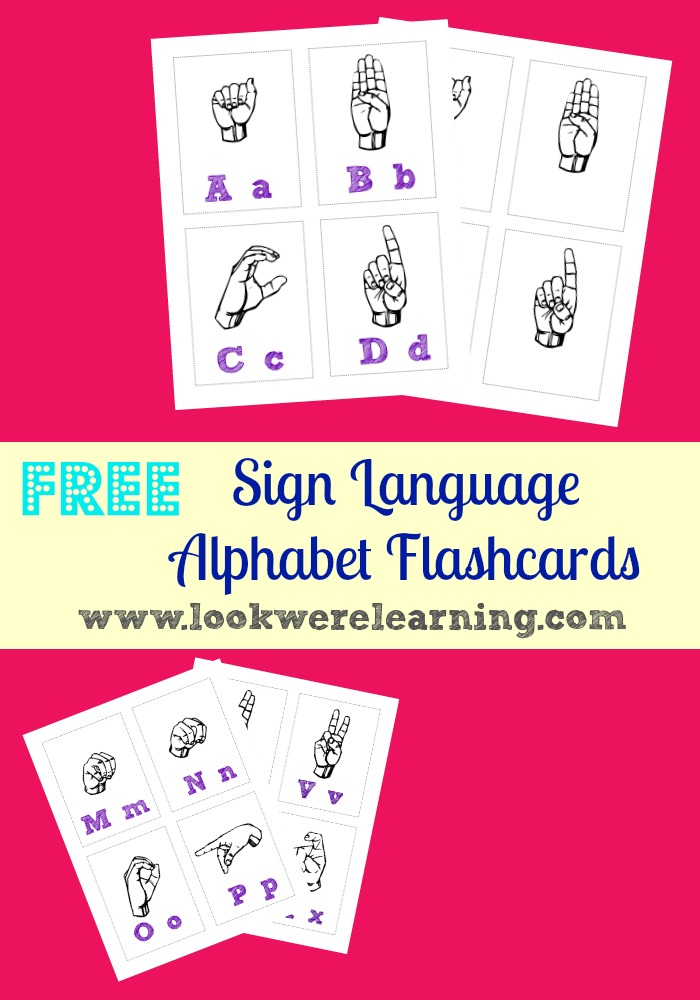
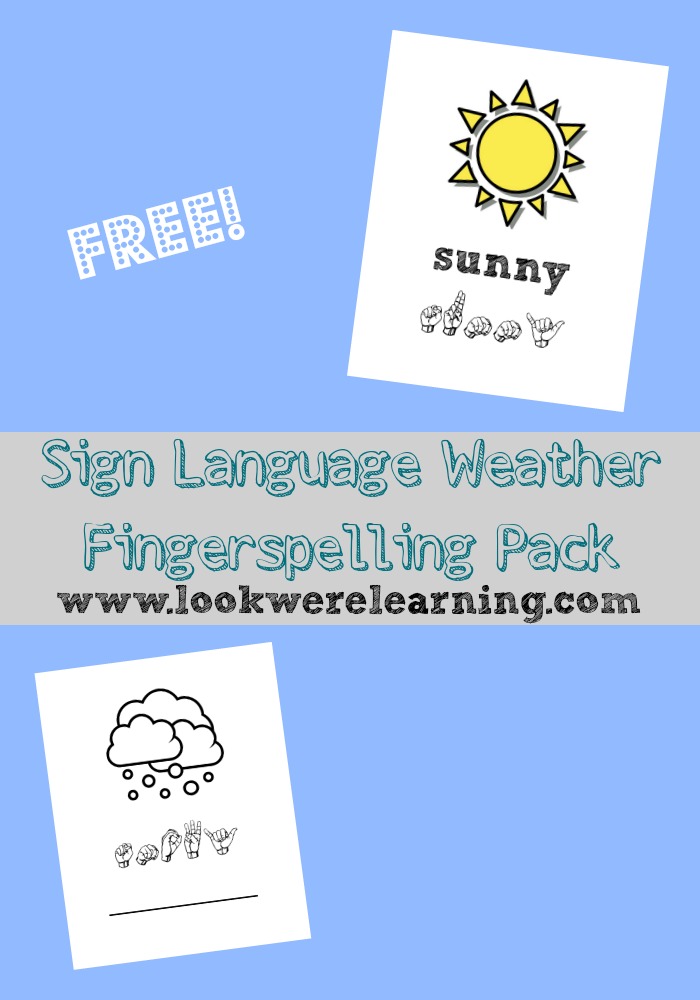
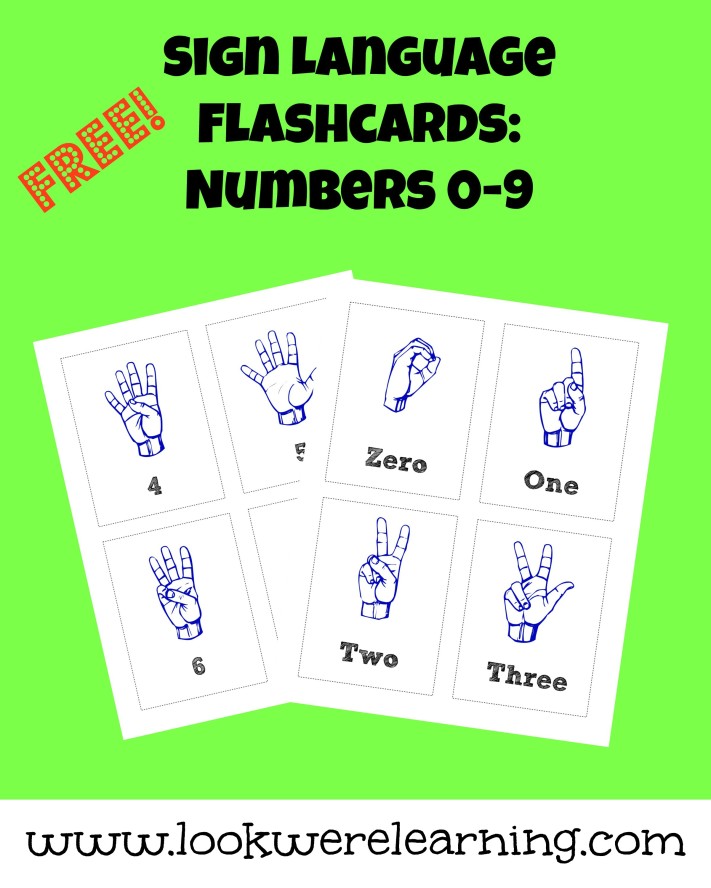
And don’t forget to follow my American Sign Language lessons board on Pinterest!
This post is part of the “Foreign Languages for Your Homeschool” linkup from iHomeschoolNetwork! Click on over to read how our fellow bloggers teach foreign languages to their families!
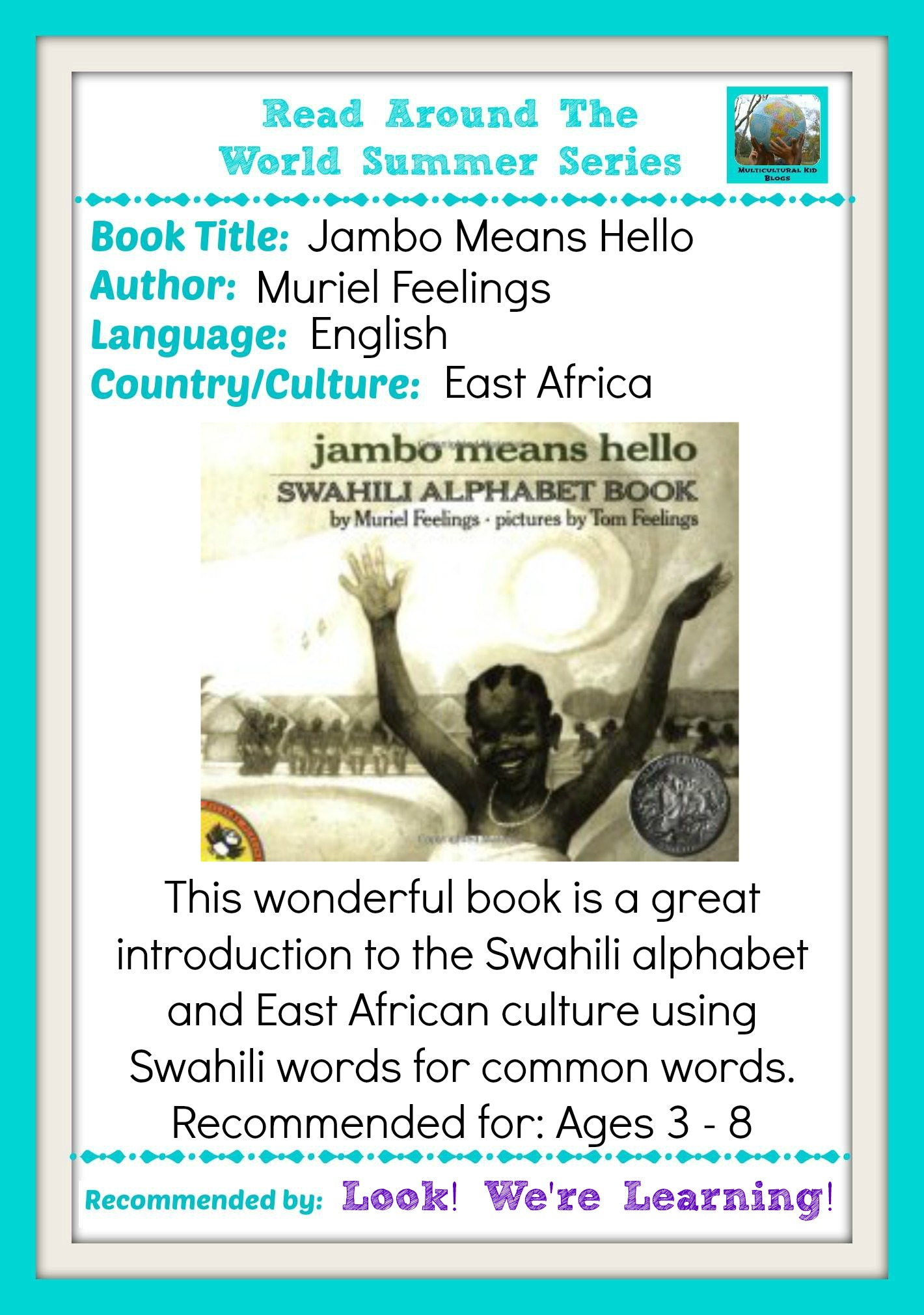
Happy Monday! We’re participating in the Multicultural Kid Blogs “Read Around the World” summer series for a chance to share a multicultural book that Jay and the kids first learned about on Reading Rainbow – Jambo Means Hello!
We love reading Eric Carle books! One of my kids’ absolute favorites is The Grouchy Ladybug. That’s been a huge hit in our family. (Secretly, I think they like the grouchiness.) But one of the other books we love is Polar Bear, Polar Bear, What Do You Hear?
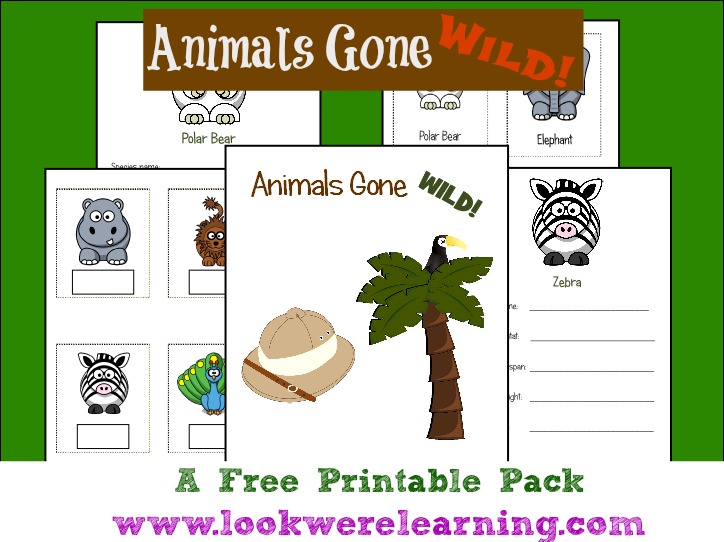
These wild animal notebooking pages are a simple way to introduce kids to these animals as you read the book! Read on to see how to get your copy absolutely free!
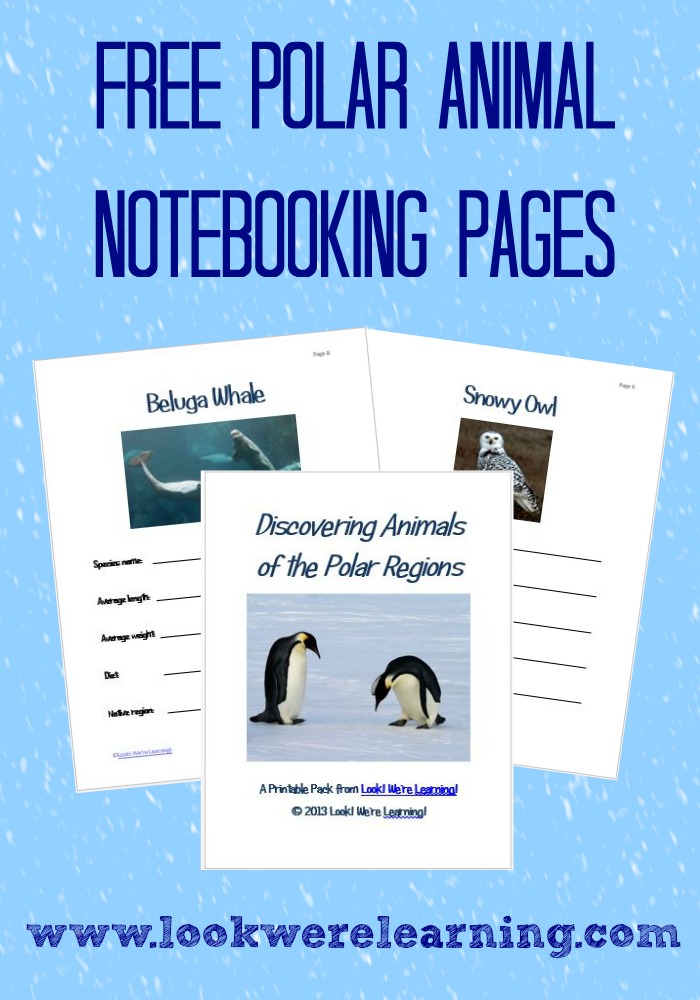
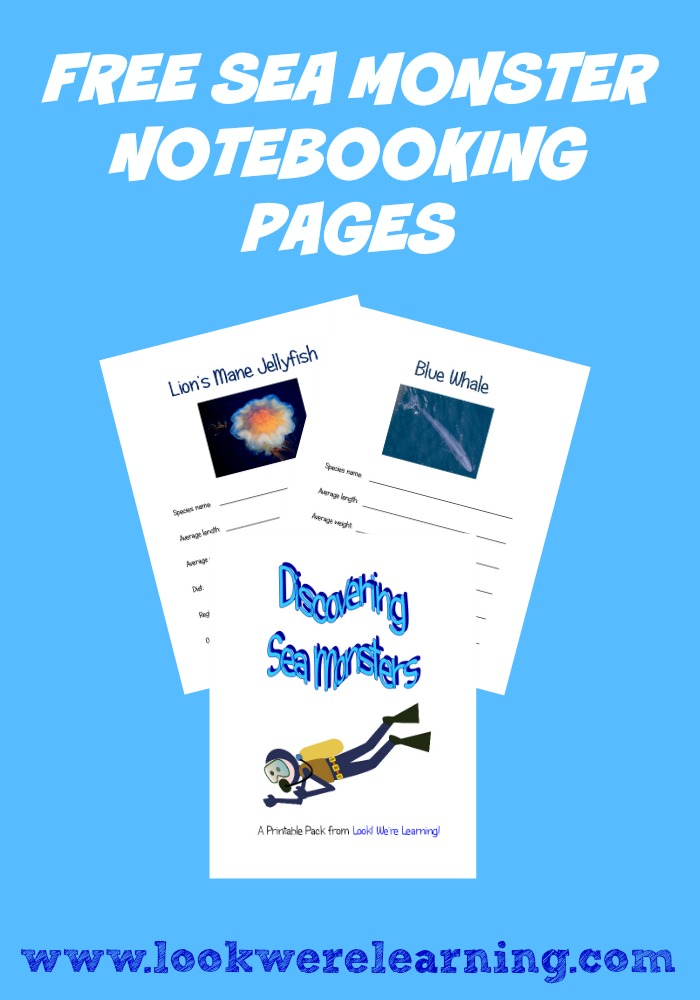
Don’t miss our other animal notebooking pages, including our free Polar Animals Notebooking Pages and our Sea Monsters Notebooking Pages!
We’re linking up with iHomeschool Network again today to offer a great set of printable animal notebooking pages! Today several of iHN’s bloggers are sharing activities for Eric Carle books, so we decided to focus on the book Polar Bear, Polar Bear, What Do You Hear? .
.
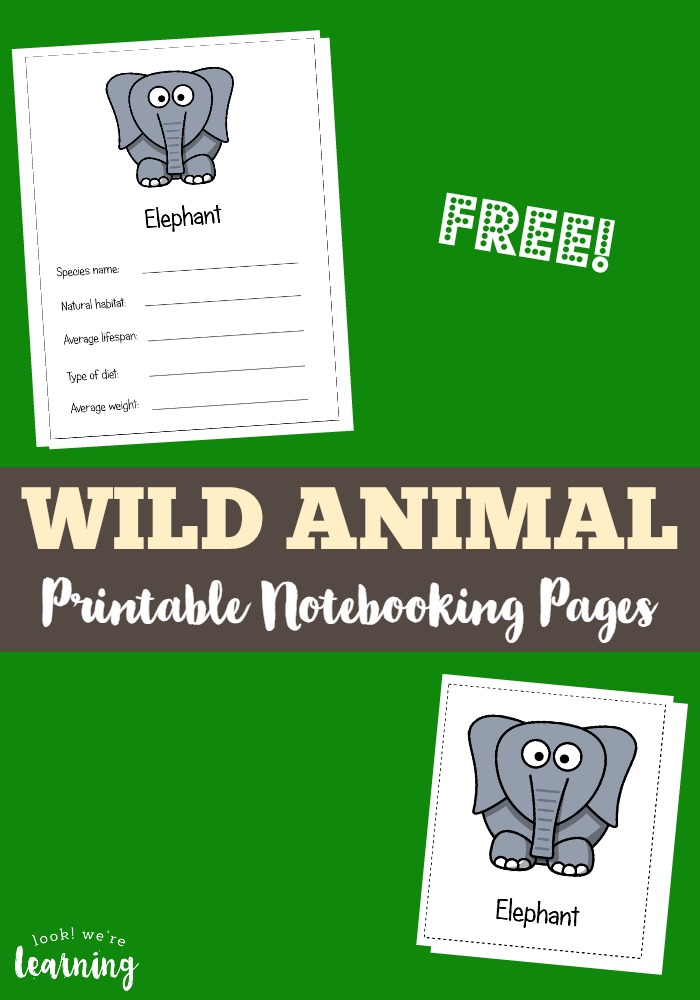
Throughout the book, several kids get to act out the parts of wild animals such as polar bears, walruses, peacocks, and zebras, including making the correct animal sounds. To help our young kids work on identifying wild animals and learning about them, we put together a free set of wild animal notebooking pages called “Animals Gone Wild!”
To use this pack, you’ll need the following:
In this pack, you’ll find notebooking pages for eight animals, including:
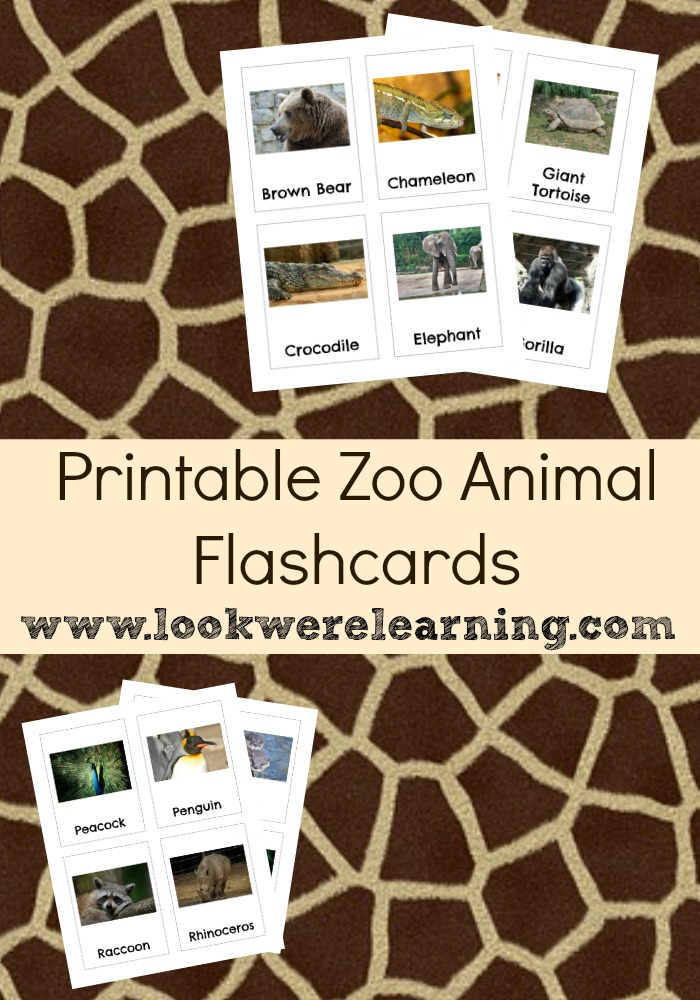
Each notebooking page includes spaces for the average lifespan and weight of each animal, as well as their native habitats, diets, and species names. You’ll also find links where you can locate the information for each fact. Younger kids can get in on the action with animal flashcards, including a set of blank cards for them to practice naming each animal.
To download your free copy of “Animals Gone Wild”, click the image or the link below!
If you love these printables, don’t miss these other posts!
And get even more awesome printables from my Homeschool Printables board on Pinterest!
This post is part of the “Homeschooling with Eric Carle” linkup from iHomeschool Network! Click on over to find out what activities our fellow bloggers are sharing today!

Hey hey hey everyone! I hope you all have been enjoying our American Sign Language lessons so far, because we’re now offering a one-on-one online ASL class for our readers! Our program is called ASL2U and it launches next month! Yay!
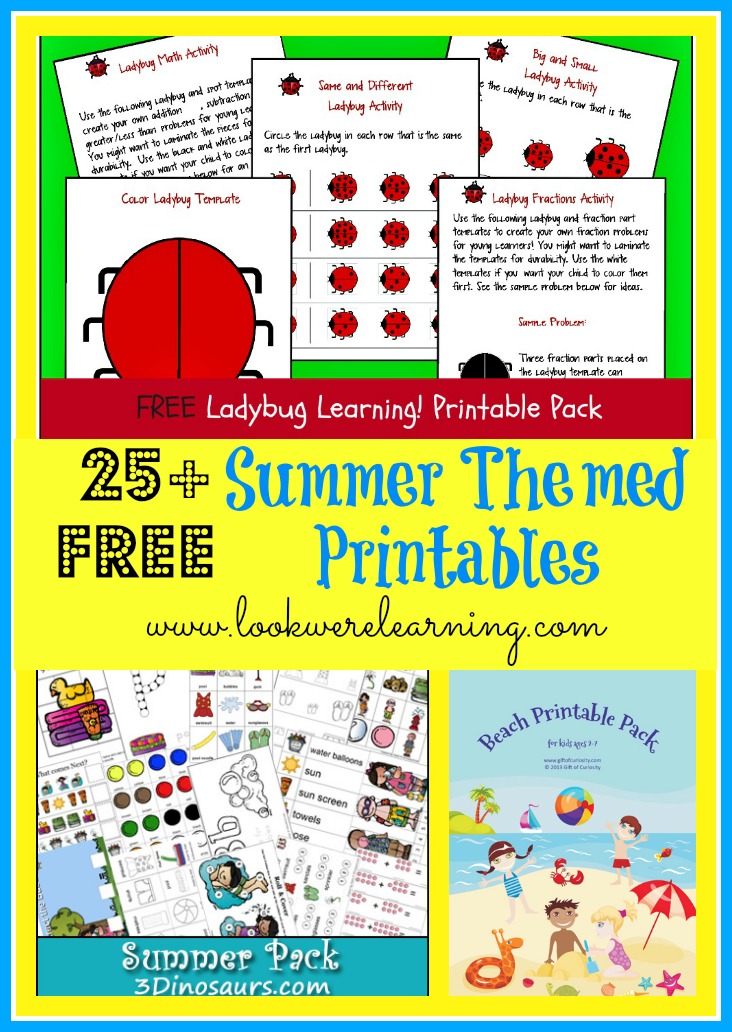
 Today is a super special day, because we’re joining up with fellow bloggers from the Kid Blogger Network to offer a cash giveaway! We’re all featuring great roundups on our blogs today and ours is a roundup of 25+ free summer themed printables! Plus, three of our readers will have a chance to win $500 in their Paypal accounts!
I’m originally from the coast and I miss the beach so much. In fact, I think it actually intensifies as I get older.
So when summer time approaches, my mind lightly turns to thoughts of warm sand, salt air, and waves.
Unfortunately, we live several hours inland now, so a trip to the beach is not always feasible.
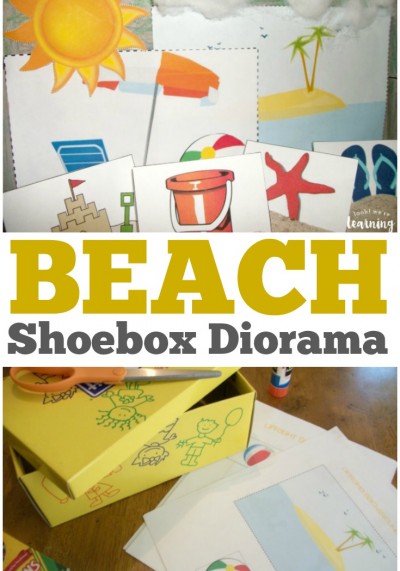
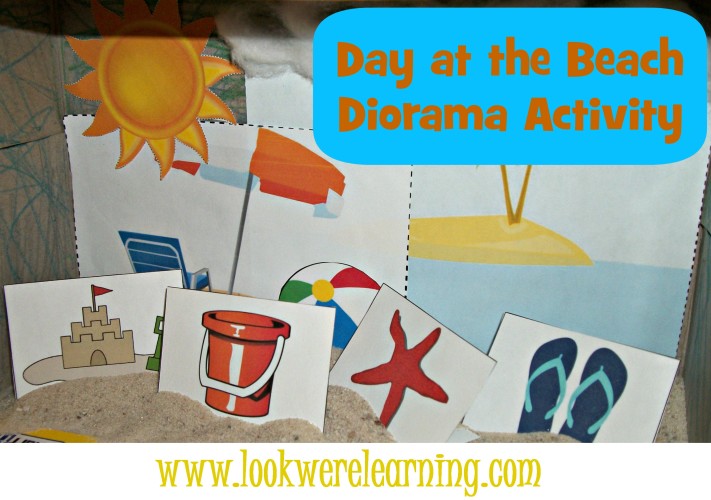
But we can always head to the shore with a beach shoebox diorama activity!
This was such a fun summer activity and it only took a few minutes. Plus, it was a great tie-in for a beautiful beachy read-aloud!
If you enjoy this project with the kids, be sure to try our simple Coffee Filter Beach Ball Craft!
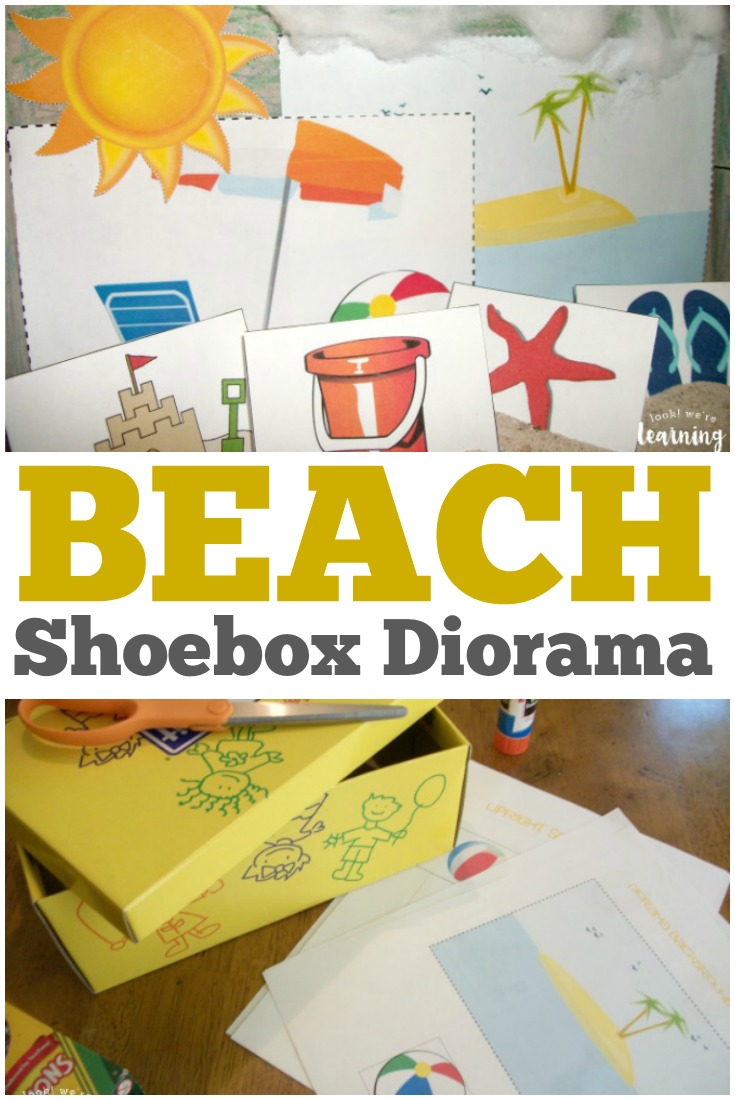
To make this beach shoebox diorama, you’ll need the following: (This post contains affiliate links. For details, see our Disclosure Policy.)
We decided to read the book Hello Ocean by Pam Munoz Ryan to introduce our beach theme.
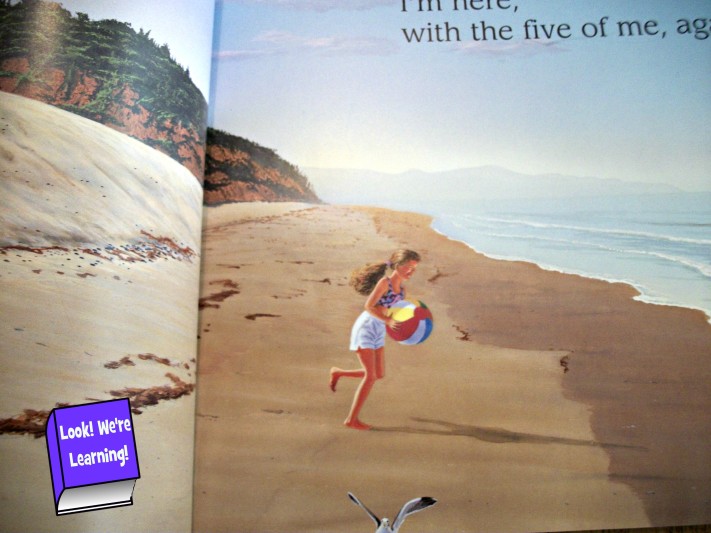
I love this book. It’s very simple for young readers and the pictures are absolutely beautiful.
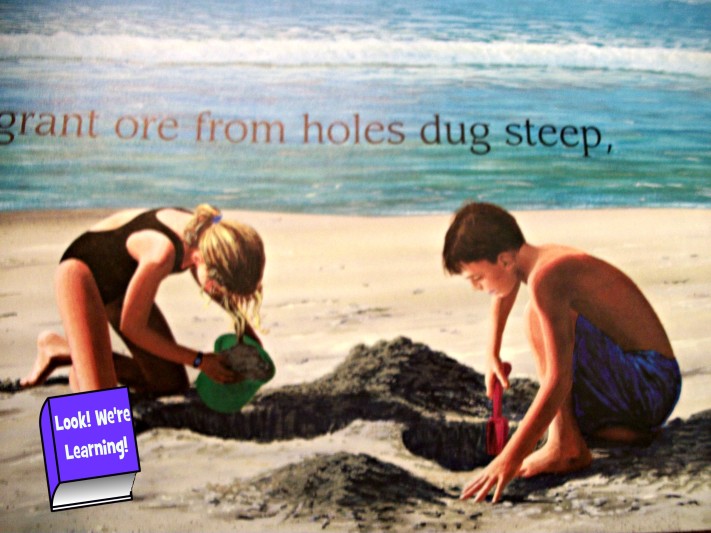
The poetry does an excellent job of capturing the feel of a day at the beach, right down to the taste of the salt water.
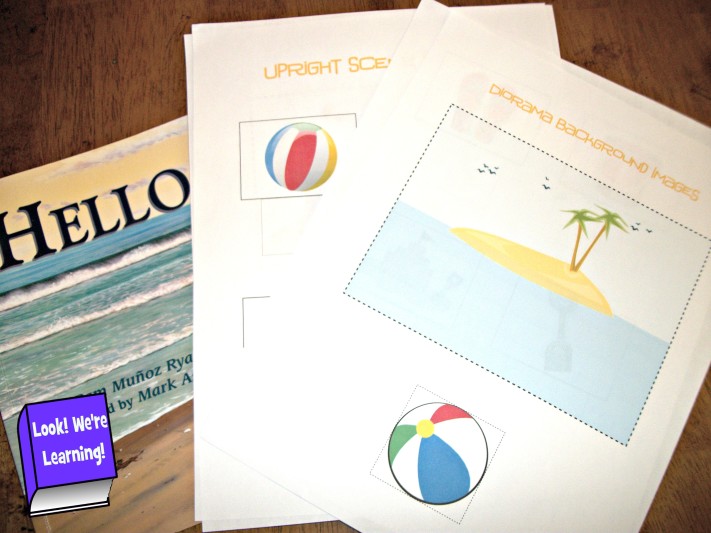
After we read the book, we decided to put together a shoebox diorama featuring a beach scene.
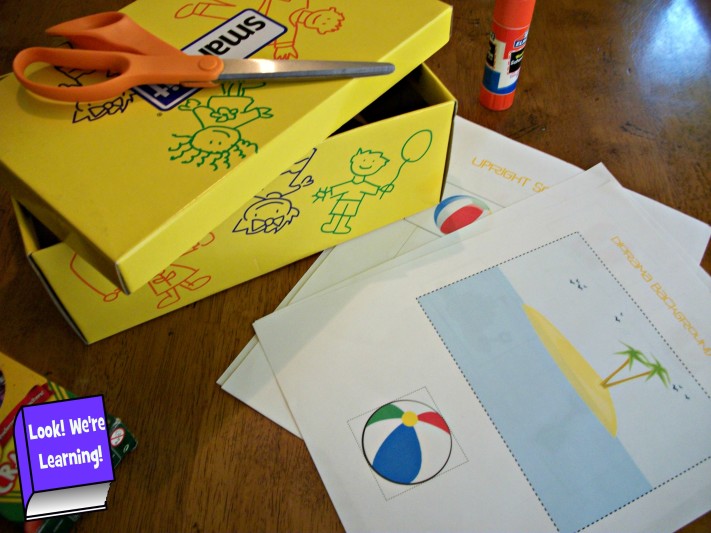
This was another of our super simple activities.
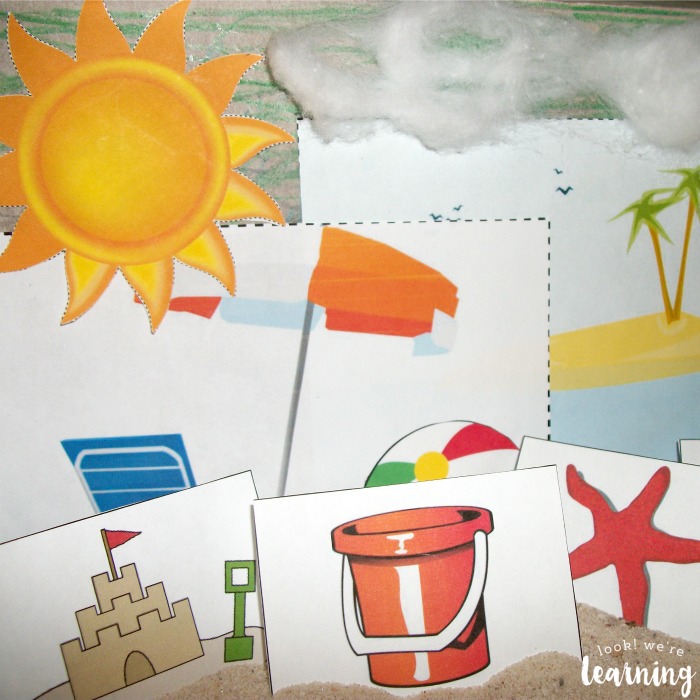
We only needed a shoebox, some crayons, scissors, glue, and our printable Day at the Beach Diorama Pack!
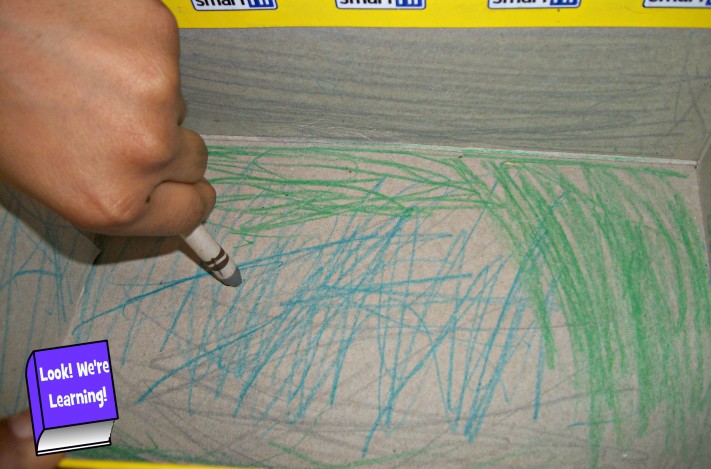
The kids colored the bottom and sides of the shoebox using the colors mentioned in the story: grey, blue, and green.
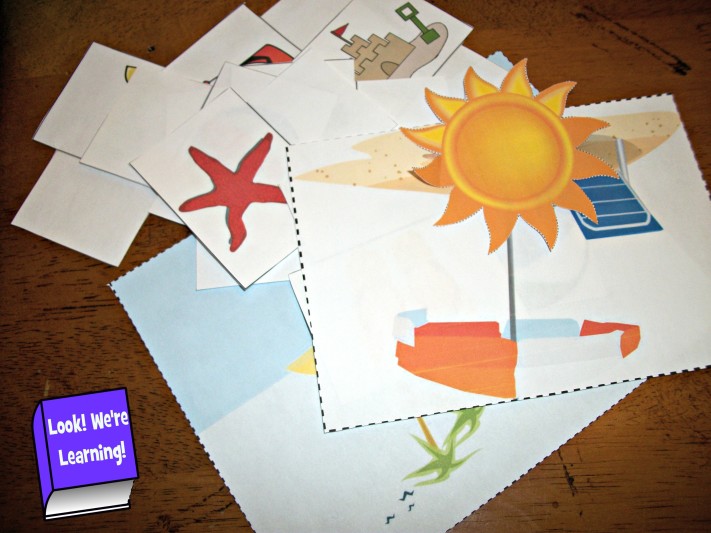
We cut out the background scenes…
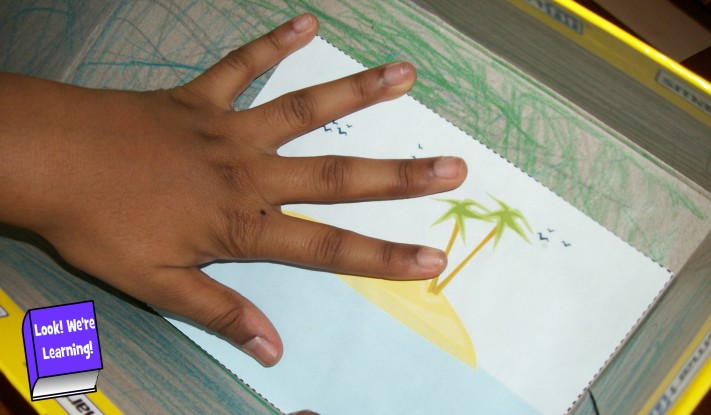
and pasted them to the bottom of the shoebox.
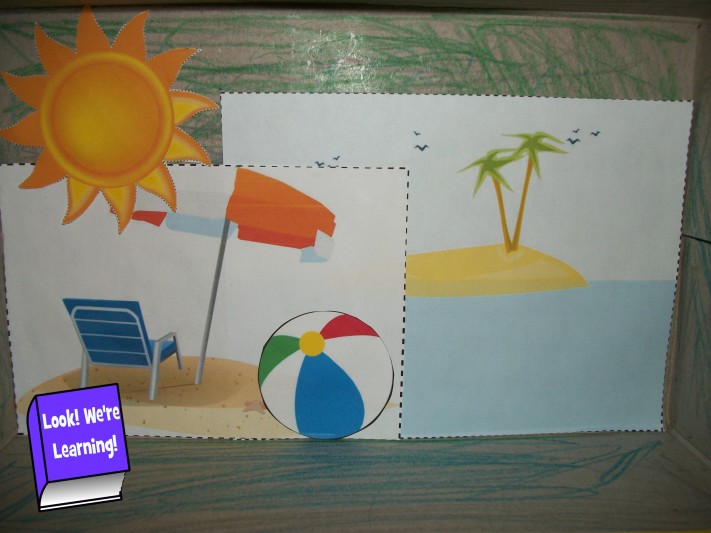
Our background is all done, so it’s time to add a few props!
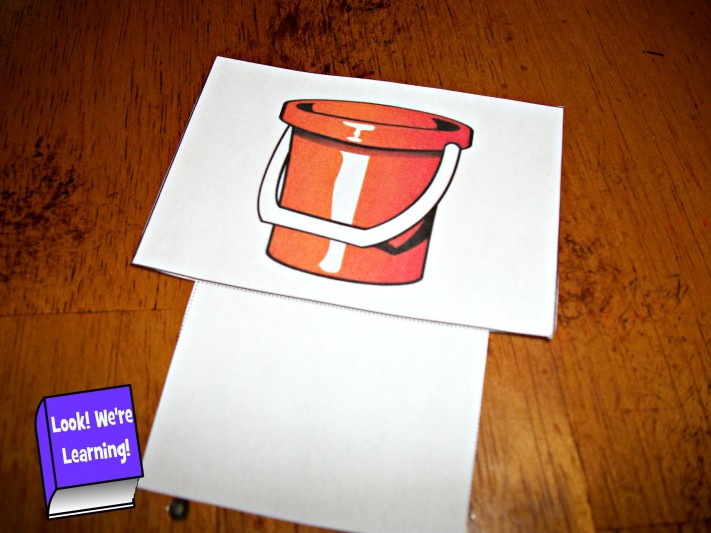
We cut out each upright scene image, including the bottom square, as one piece.
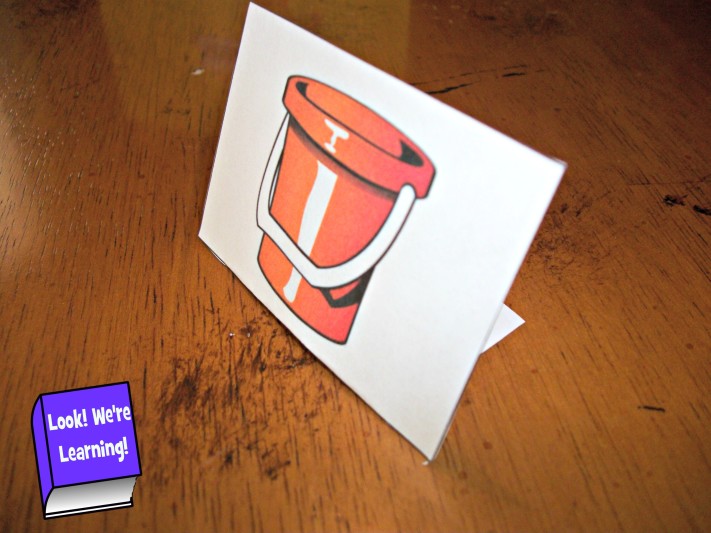
Then we folded the bottom square under to make the image stand up.
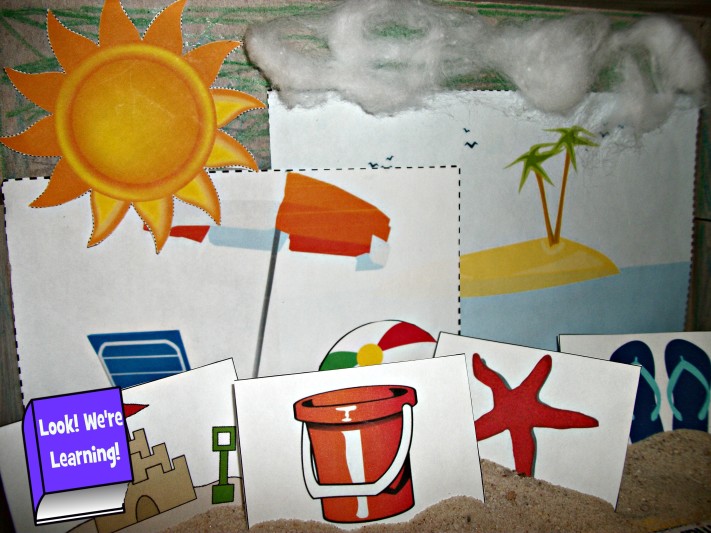
After we used a stretched cotton ball as a cloud, we poured a little play sand in the bottom and added our upright images to get a feel for the beach in our dining room! 🙂
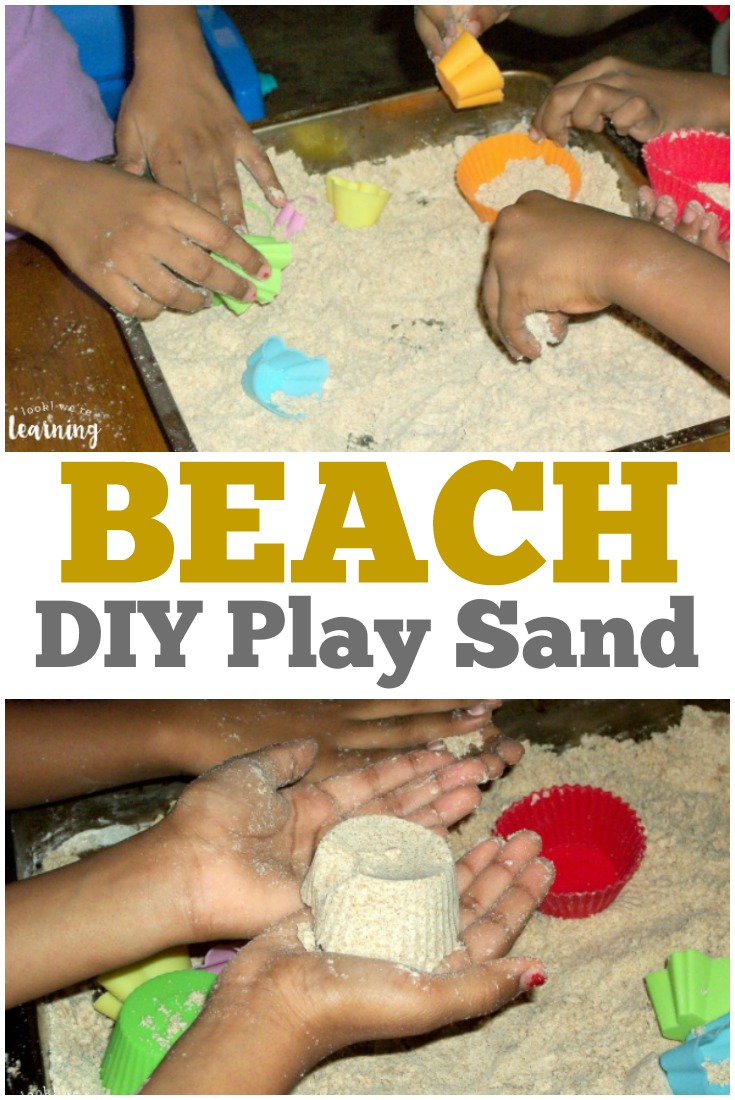
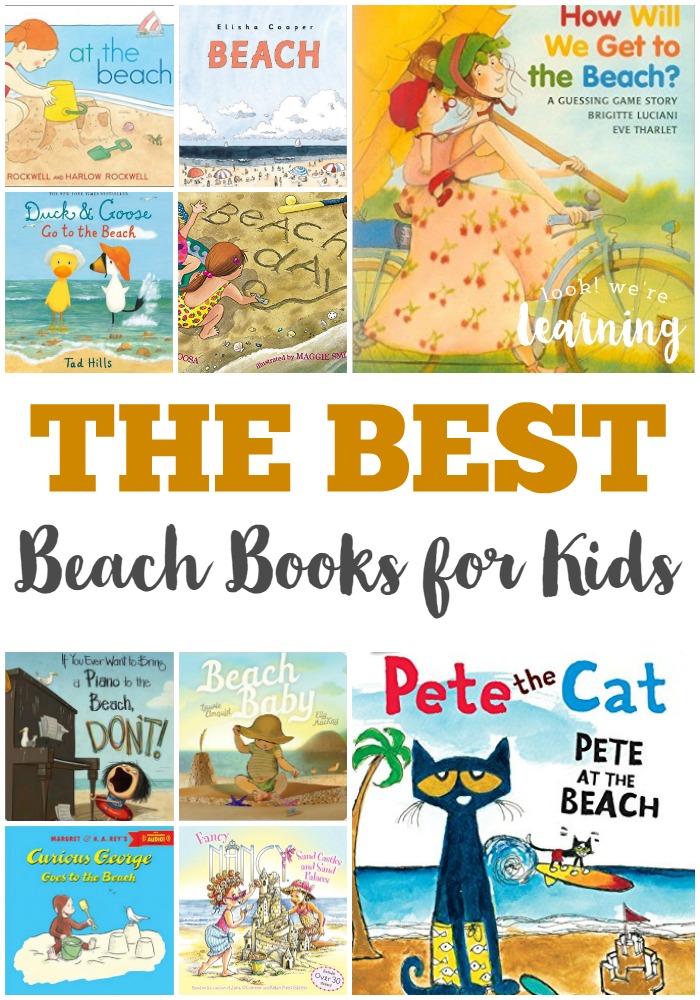
Don’t miss these other posts!
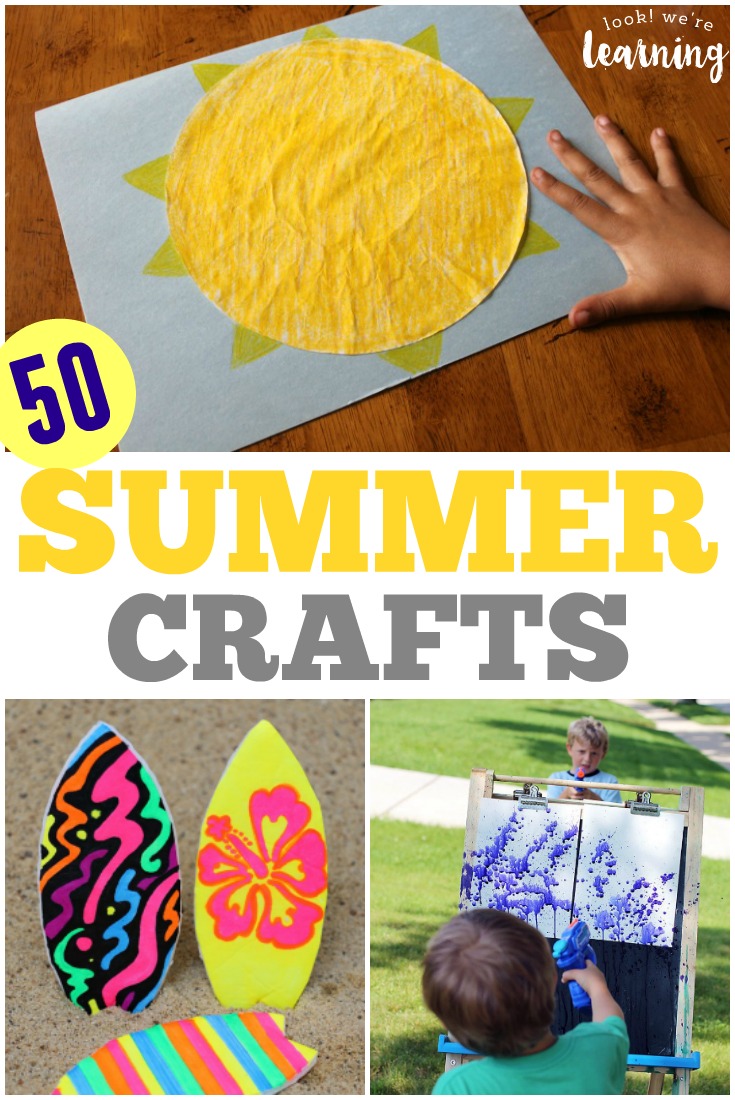
To see even more fun summer crafts, follow my Summer Activities for Kids board on Pinterest!
If you’d like to complete this activity with your littles, grab our free Day at the Beach Diorama Pack by clicking the image or the link below to download it!

This post is part of the “A Book and a Big Idea: Summer” linkup at iHomeschool Network! Click on over to read the great book activities of our fellow bloggers!

Hey everyone! It’s time for our 12 Months of Sensory Dough linkup! Every month, I’m honored to co-host this linky with 11 other bloggers, including Dayna at Lemon Lime Adventures, Val & Alex at Glittering Muffins, Devany at Still Playing School, Sarah at Little Bins for Little Hands, Kimberly at Natural Beach Living, Melissa Ann at The Eyes of a Boy, Nicolette at Powerful Mothering, Amy at Wildflower Ramblings, Rachel at I Heart Crafty Things, Michelle at Delightful Learning, and Jennifer at The Life of Jennifer Dawn!
Today we’re talking about homeschool time management, which helps us deal with one of the biggest obstacles to happy homeschooling in our home: NOT ENOUGH TIME!
We have four children, including some with ADHD, plus I’m a full-time minister and I work – so time is extra precious around here. But, I’ve learned a few great tips for managing our homeschooling time and I’m thrilled to share them with you all!
I’ve previously sung the praises of a consistent homeschooling schedule and I’m still a huge fan of scheduling. When time is at a premium, using a daily homeschool schedule can literally save your lesson plan. So if your days are extra busy, block out a regular time for your schooling and hold class at the same time each day.
Tricia over at Hodgepodge has a great homeschool routine that works for her family. It involves a great early morning routine that calls for all of the kids to be up, dressed, and ready for school by 8:45. Genius!
What if you’re drowning in housework? Get your kids involved! Assigning daily, age-appropriate chores to your children accomplishes two things: 1) It reduces your workload and 2) It teaches them valuable life skills. With a little planning, you can even incorporate it into your school day. 🙂
Tristan from Our Busy Homeschool is a homeschooling mom of 8. Eight! One of the things that keeps her homeschool on track is having her kids do chores everyday. She even manages to get her toddlers and preschoolers involved!
One of the many wonderful things about homeschooling is that we don’t have to follow a regimented lesson plan. We can rearrange our lessons whenever we like. For example, Tigger finished her language lessons early last year, so had a chance to double up on math for a few weeks.
Beth at 123 Homeschool 4 Me manages to work in schooling, housework, and errands in a single day! How? She keeps the “school” time to three hours a day and uses other activities to teach, including library visits, storybooks, and educational iPad games. Beth also makes use of the workbox system, which is great for assigning work to each individual child without disturbing the others.
There are a lot of great books for homeschooling parents who need to work on their time management. I’ve enjoyed the tips in these two in particular:


The Imperfect Homeschooler’s Guide to Homeschooling: Barbara Frank


Scheduling – The Secret to Homeschool Sanity: Plan Your Way Back to Mental Health – Lee Binz
Use these tips for better homeschool planning!

For even more homeschool scheduling and planning tips, follow our Homeschool Planning board on Pinterest!
This post is part of the “I Can’t Homeschool Because… linkup at iHomeschool Network! Click on over to read how some of our fellow bloggers overcome obstacles to homeschooling!

In the past, we’ve always tried to go on a summer vacation with our kids.
This year, though, we’re making the best of our home city with a few fun Atlanta staycation ideas for families!
More and more families are saving money by taking “staycations” rather than vacations.
If you’re unfamiliar with a “staycation”, it’s just when you use your vacation time to explore your own city instead of a different one.
You save money because you don’t need to drive to a new area, stay in a hotel, or eat out every night. Great idea, right?

But here’s the thing about staycations: They can become expensive really quickly if you try to visit the most popular attractions in your area.
This particularly true if you have several children (as we do). So this year, we decided to take not just a staycation, but an affordable one.
Read on to get our list of five places to go on a staycation in Atlanta. Plus, get a free printable Staycation Bingo challenge to complete with your family!
Looking for more ways to plan family trips? Take a look at our list of 10 helpful tips for traveling with kids!

1. Zoo Atlanta
Zoo Atlanta is about half an hour from our house and we love visiting it with the kids.
Our public library system has an arrangement that allows a family of four to visit the zoo once a year for free.
Since we have four kids, we only had to pay for two tickets. Not bad at all!
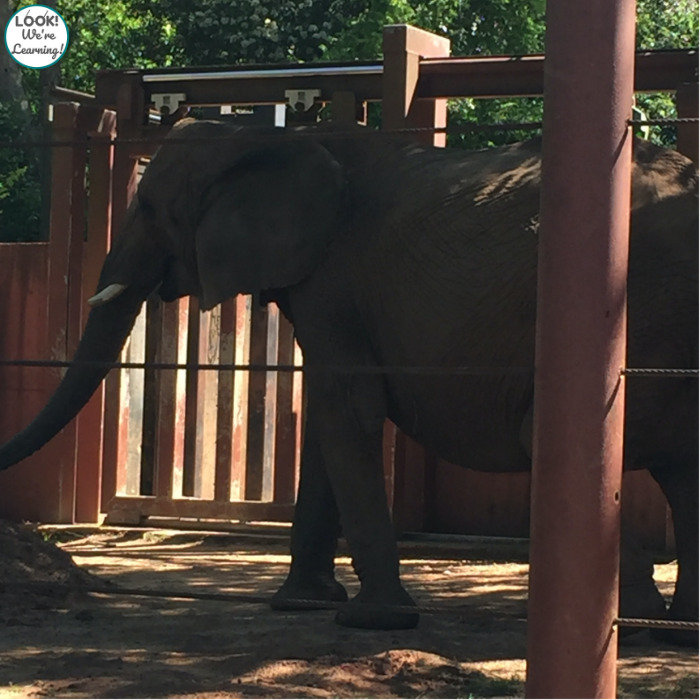
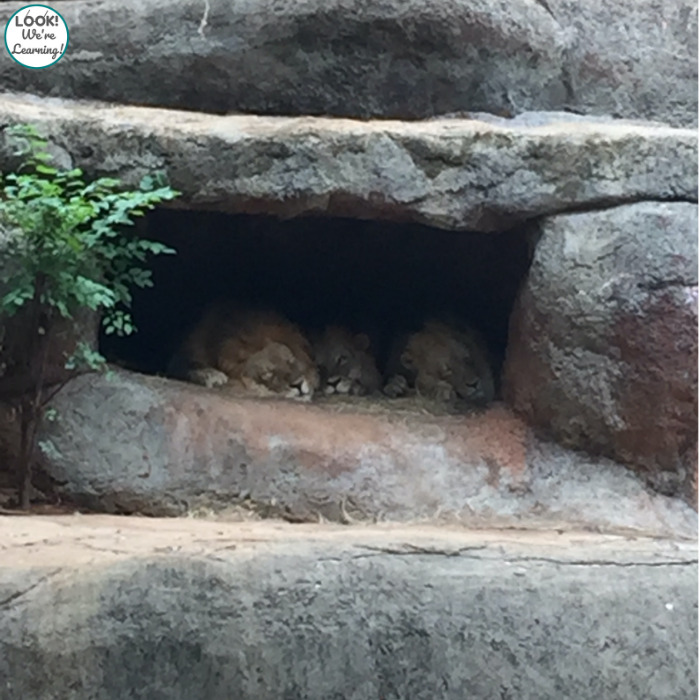
One of the reasons we love the zoo so much is that it’s a non-stimulating attraction.
When we see the animals, we’re excited but we’re not overly stimulated. It’s a much more relaxing time for our family than visiting an amusement park.
2. Atlanta Area State Parks
As the weather warmed up, we decided to use another of our Atlanta staycation ideas and visit some nearby state parks that we’d never visited before.

Tallulah Gorge was incredible. We drove for a couple of hours and it was totally worth it.
The kids had snow cones, we went on a hike, and we learned about the North Georgia mountains.

Another one of our favorites is High Falls State Park. It’s only about 30 minutes outside of the city of Atlanta.
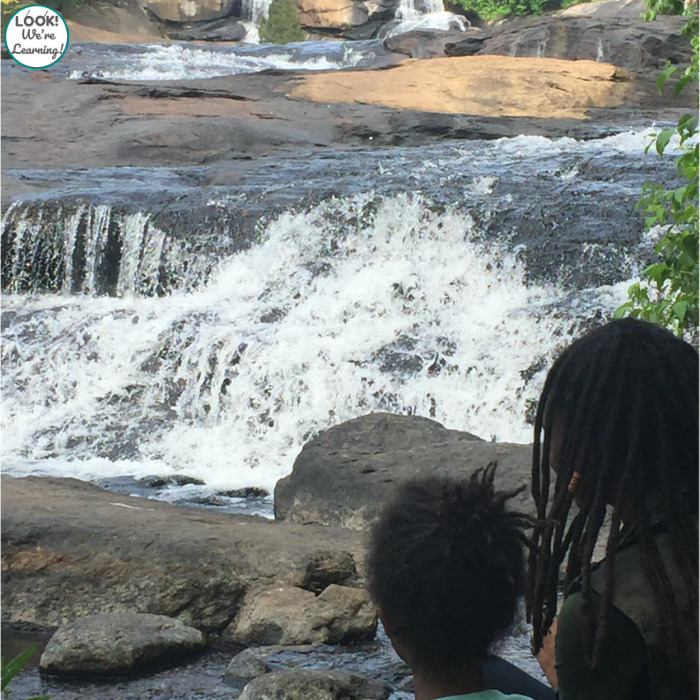
But you can hike right next to the waterfalls! We couldn’t stop staring at how pretty they were.
Plus, we got to ride the paddleboat along the water.
3. Callaway Gardens
Technically speaking, Callaway Gardens is not in Atlanta. It’s about 90 minutes west.
But if you like the outdoors and flowers, in particular, this is one of the local Atlanta staycation ideas you simply have to try.
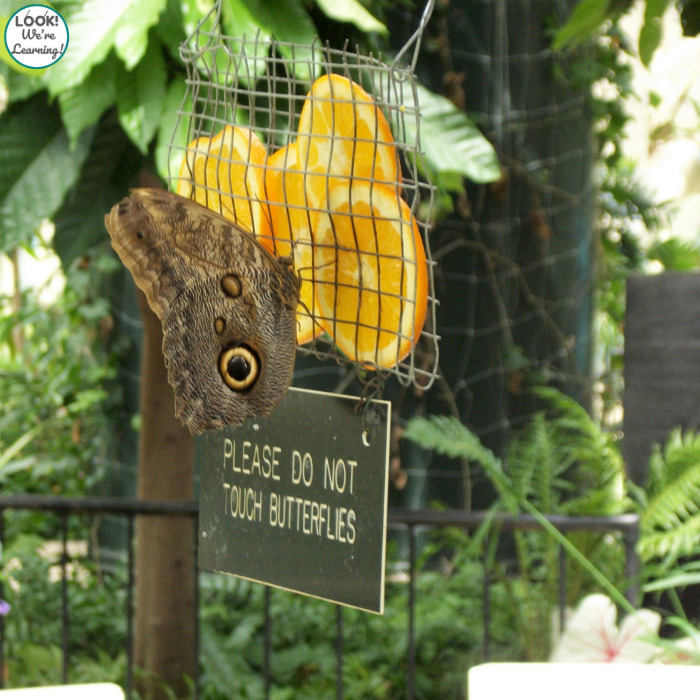
A word: If you go to Callaway Gardens, spring is absolutely the best time of year to plan a trip.
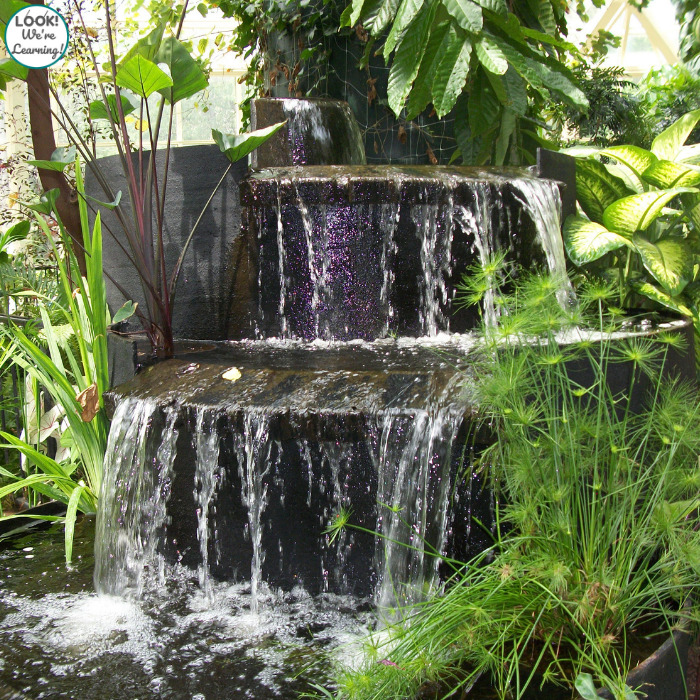
Everything is in bloom and the entire park looks like a paradise.
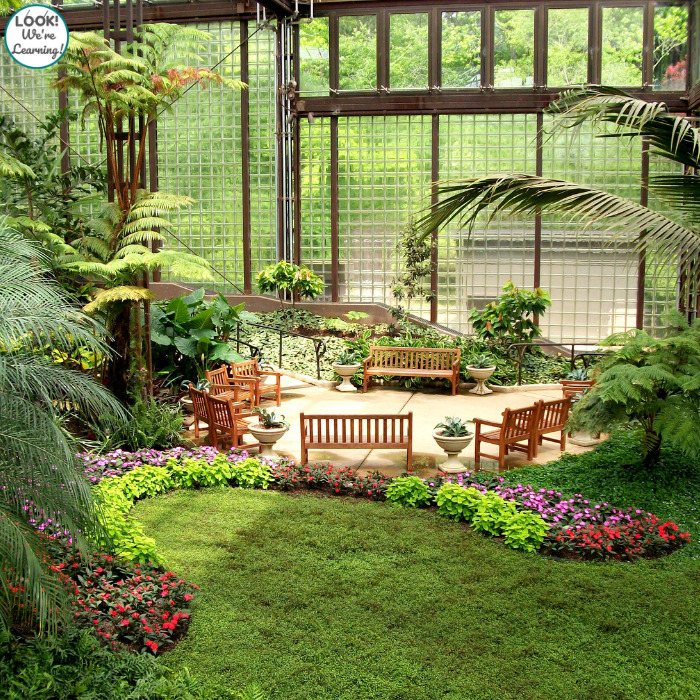
See what I mean? It’s absolutely gorgeous.

4. Go bowling.
I have to admit: I didn’t bowl often as a child. I think I might have gone two or three times.
But we took the kids bowling one summer and they had an absolute blast.
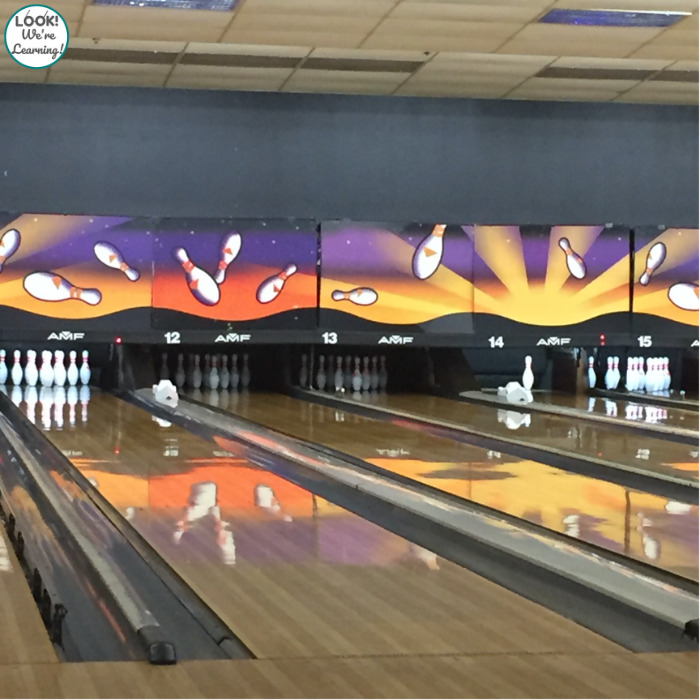
With the Kids Bowl Free program, kids can bowl up to two games free per day over the summer at participating alleys.
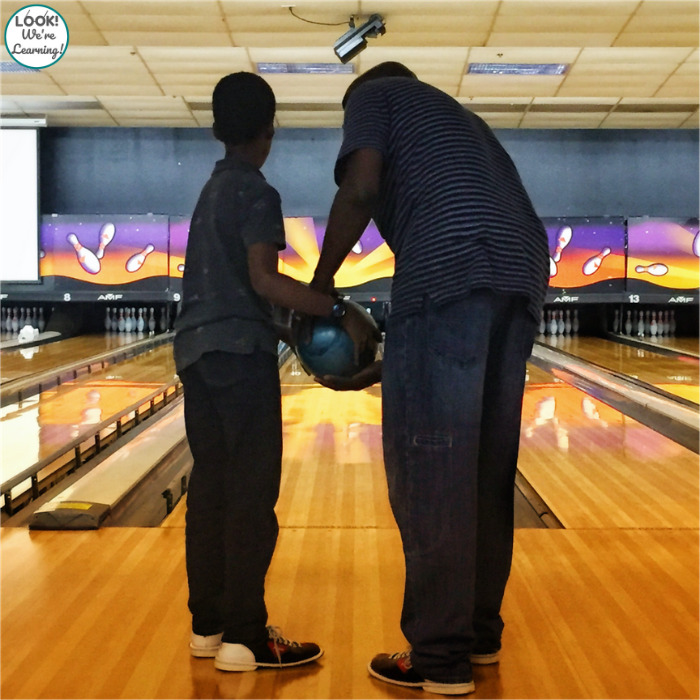
And it’s a cool way to beat the summer heat in an air-conditioned space.
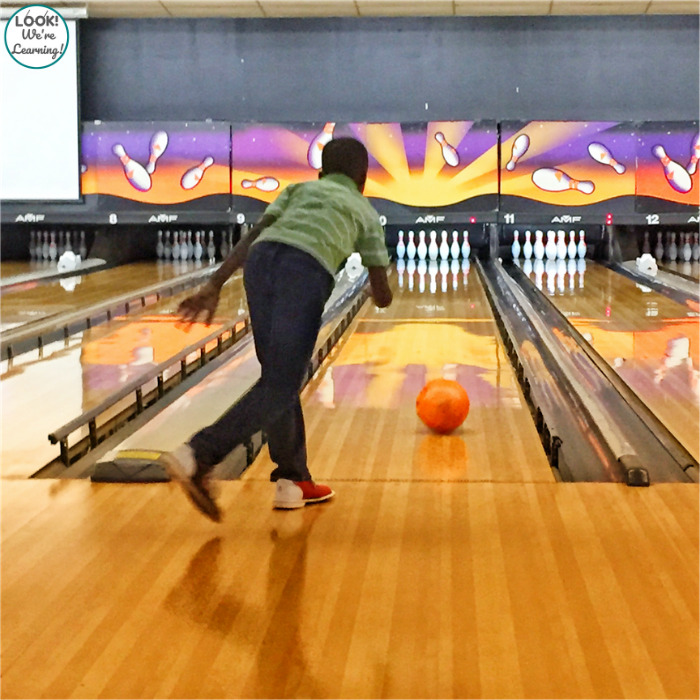
During the day, bowling alleys tend to be pretty quiet. So you may not even have to worry about wait times.
Finish off the afternoon with a slushy and that’s basically a perfect summer day.
5. Southeastern Railway Museum
A few summers ago, we got to visit the Southeastern Railway Museum – just outside of Atlanta.
I didn’t think that the kids would find it interesting. But they did!
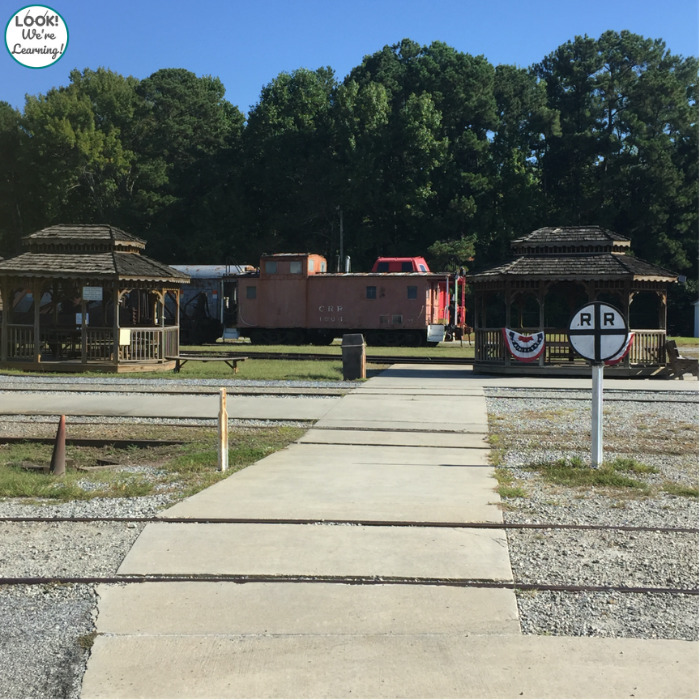
We toured vintage locomotives (which are much bigger than they seem on screen).

We checked out vintage tour buses. Then we got to see a video about how train engines came to America back in the 19th century.

And we finished with a ride aboard a vintage steamer!
It was affordable and surprisingly interesting for all of us.
So if you’re in the North Georgia area, those are five fun Atlanta staycation ideas you can try as a family this summer.
But, no matter where you live, you can still plan a simple and fun summer staycation with this printable Staycation Bingo challenge!
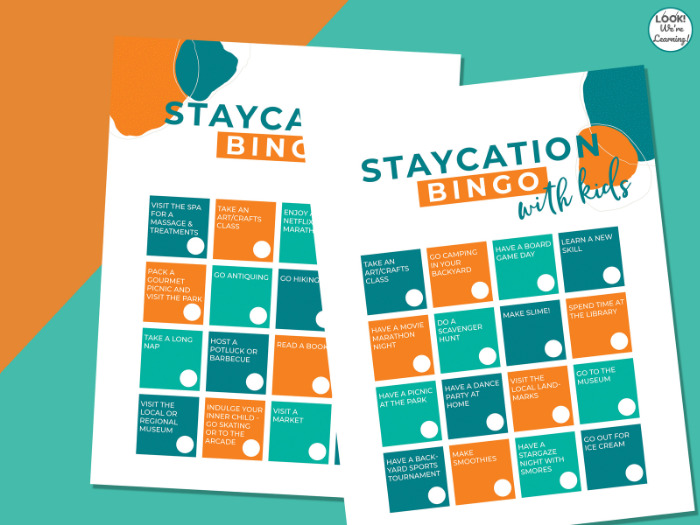
There are 32 ideas here – 16 for adults or couples and 16 for families with kids!
Some of the ideas include indoor fun such as making slime, trying a scavenger hunt, and reading books.
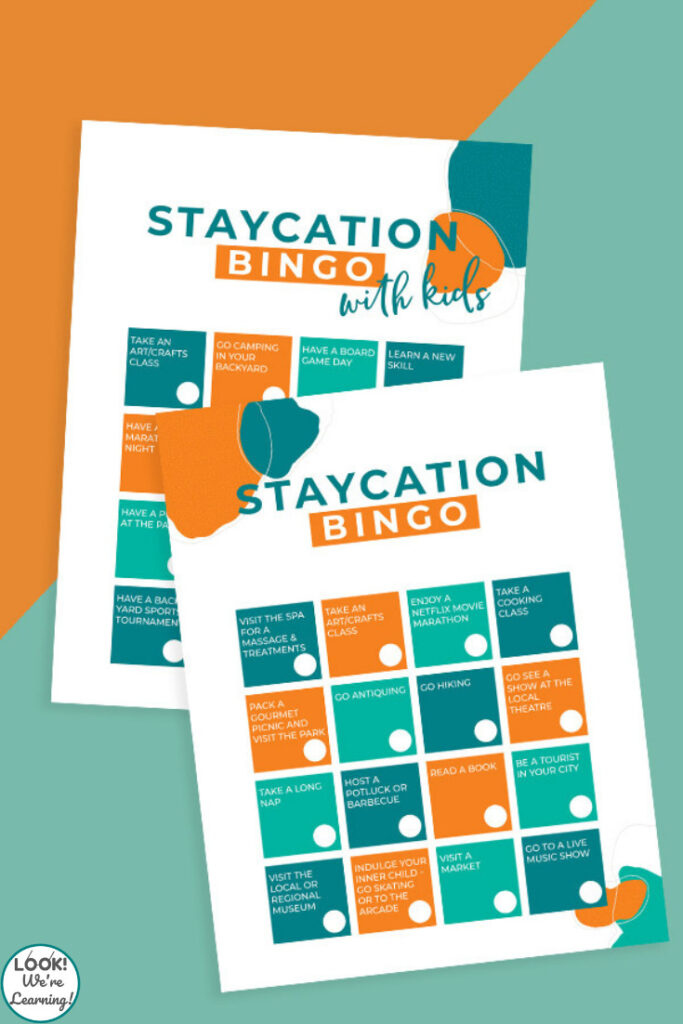
But there are plenty of outdoor ideas too! Like going camping, taking an art class, or having a picnic in the park.
Hang the kids’ challenge on your fridge and let the kids check off each idea as you try it!
To get your copy of this Family Staycation Bingo Challenge free, click the image or the link below to have it sent directly to your inbox!
You’ll also get our weekly newsletter – this Sunday!

What are you all doing for your family vacation this year? Are you considering a staycation? Have you done one before?
If you live in Atlanta, do you have any more fun Atlanta staycation ideas to suggest? Share your plans and experiences in the comments!
This post is part of the “Summer Staycation” hop from iHomeschool Network! Click on over to see how our fellow bloggers are spending their summers at home!
Hi everyone! We’re back with another installment in our ASL video lesson series!
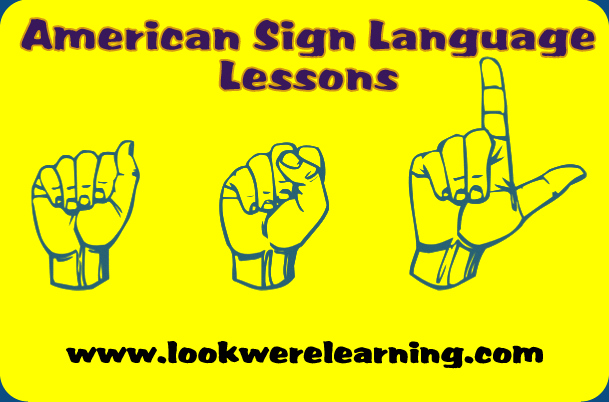
This week, we’re learning more ASL signs for food to add to the food signs we covered last time. In this lesson, you’ll find the signs for:

Hi all! We’re co-hosting the Poetry Celebration and Contest over at Preschool Powol Packets today! All month long, the co-hosts have been sharing great tips for introducing poetry to kids and we’re wrapping up the series today with a look at the work of Shel Silverstein. We decided to examine poetry with the Shel Silverstein book A Light in the Attic .
.
As we read the book, we noticed that some of the poems followed a certain rhythm pattern and some did not. For example, in the poem “How Many, How Much?” every other line rhymed. In the poem “Fancy Dive”, though, every line rhymed. We spent a little time writing two-line poems as a family using the section on poetry in Brain Quest Workbook: Grade 3 .
.
We ended up with these:
“There once was a flea
Who wanted to ski” (Pooh)
“There once was a crow
Who played with Play-Doh” (Roo)
We also discovered that poems can change patterns. The Shel Silverstein poem “Tired” changes patterns from every other line rhyming to every line rhyming. Tigger used one of the poetry planning pages from the School Zone Second Grade Big Workbook to design a poem of her own that changed patterns. Here’s her poem called “My Family”.
“Friends don’t know about my family
And they don’t know about me.
My family is so cool!
It is probably better than being in a pool.
Love and hugs and kisses galore!
You know, they’re so kind. They even help me when I fall on the floor!” (Tigger)
We also learned about how poetry can make use of onomatopoeia. On page 58 of A Light in the Attic, we read the poem “Eight Balloons” and noticed the use of the sound effect “POP!” as a sound effect and a rhyming word. We talked about how onomatopoeia allows us to use sounds as words, and then we made our own poem using onomatopoeia.
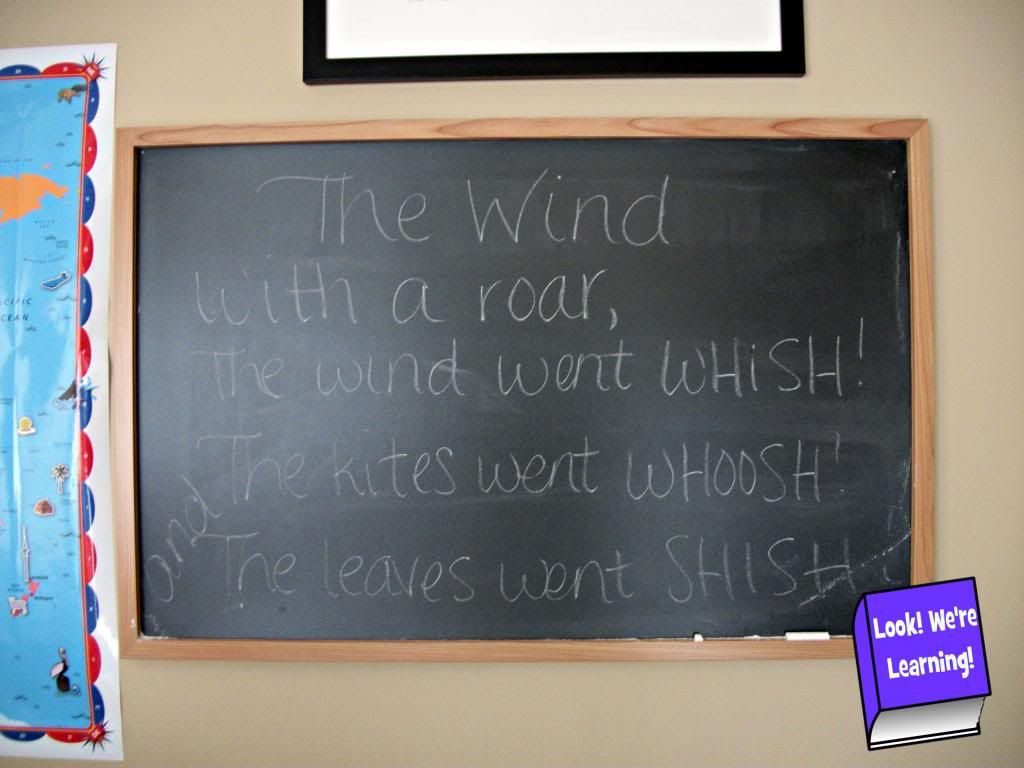
We jotted down the sound effects first and then put them into a poem called “The Wind”.
“With a roar,
The wind went WHISH!
The kites went WHOOSH!
And the leaves went SHISH!”
The kids spent most of the rest of the day inventing their own rhymes, so I’m counting this as a successful creative writing lesson. 🙂
During the Poetry Celebration and Contest, you and your kids can submit original works for a chance to win some great prizes! If you’d like to enter to win some of the great prizes in the Poetry Celebration and Contest, you can enter via the Rafflecopter widget below!
The following companies are sponsoring the Poetry Celebration and Contest!



Be sure to stop by and visit all of the co-hosts of the Poetry Celebration and Contest!
Preschool Powol Packets ~ Homeschool Encouragement ~ Brave Writer’s Life in Brief ~ Word Traveling ~ The Measured Mom ~ Wildflower Ramblings ~ Line Upon Line Learning ~ Teach Beside Me ~ Living to Learn ~ Vicky Arnold Blog ~ School Time Snippets ~ Creekside Learning ~ Are We There Yet ~ Look at What You Are Seeing ~ Look! We’re Learning! ~ Our Homeschool Studio
Do you have a bunch of old candle jars just sitting around the house? Turns out – you can actually get some use out of them after your candles melt!
We had several candle jars that we’d already used, but the jars were so well made that I hated to throw them out. Pinterest to the rescue again! I found a great tutorial on how to reuse old candle jars from A Homemakers Journey and got to work.
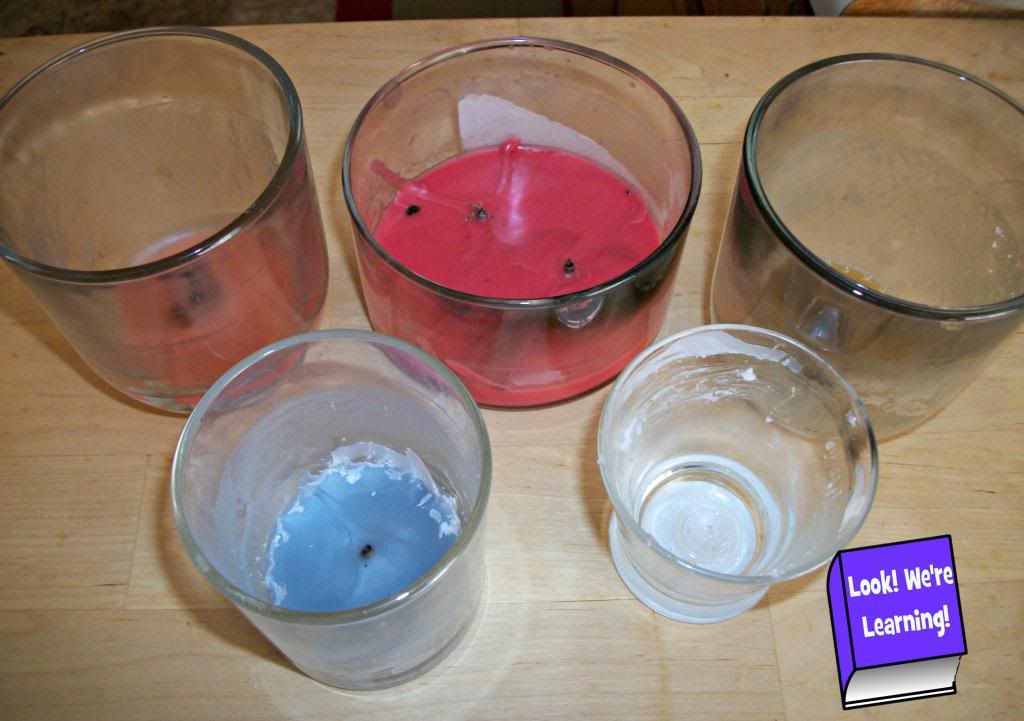
I was pretty skeptical that the method described would work. I mean, look at these things. They look like they’ll never be any good again.
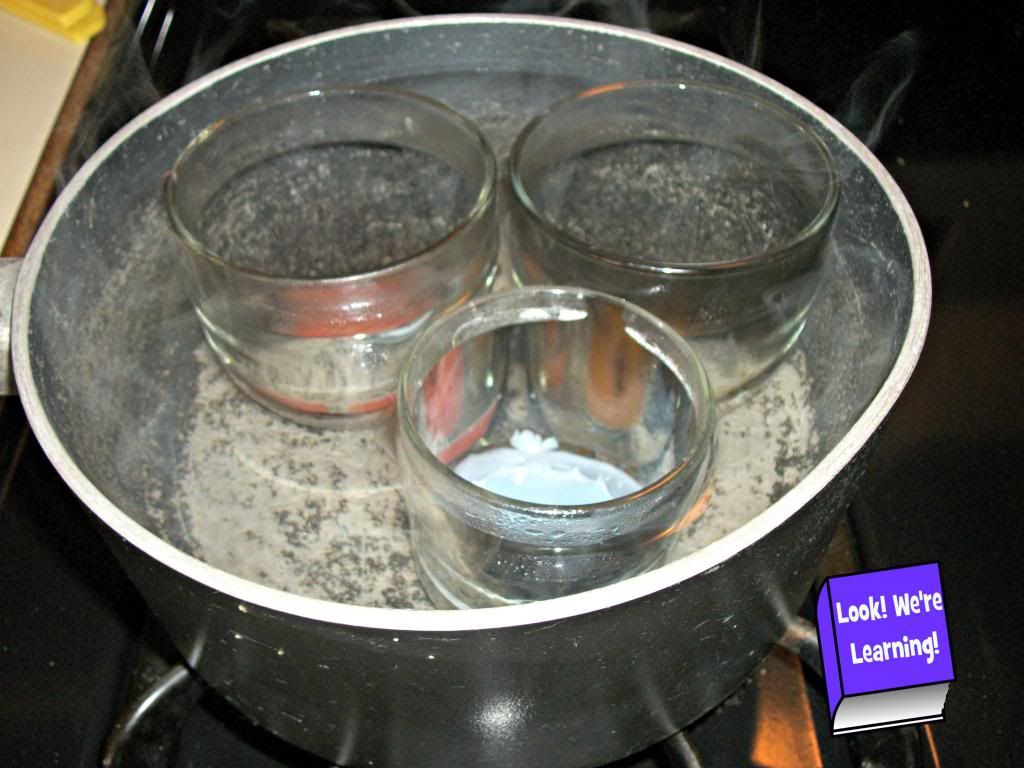
But I followed the instructions carefully, which included heating them to melt the wax.
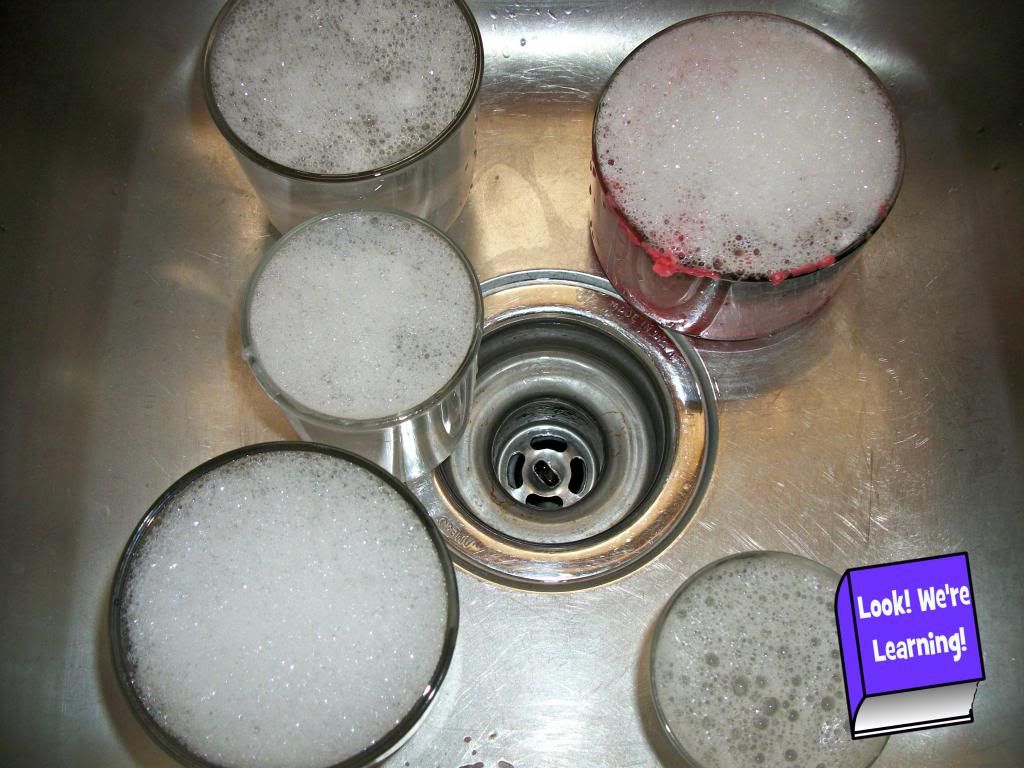
After I got the wax out, I washed them thoroughly.
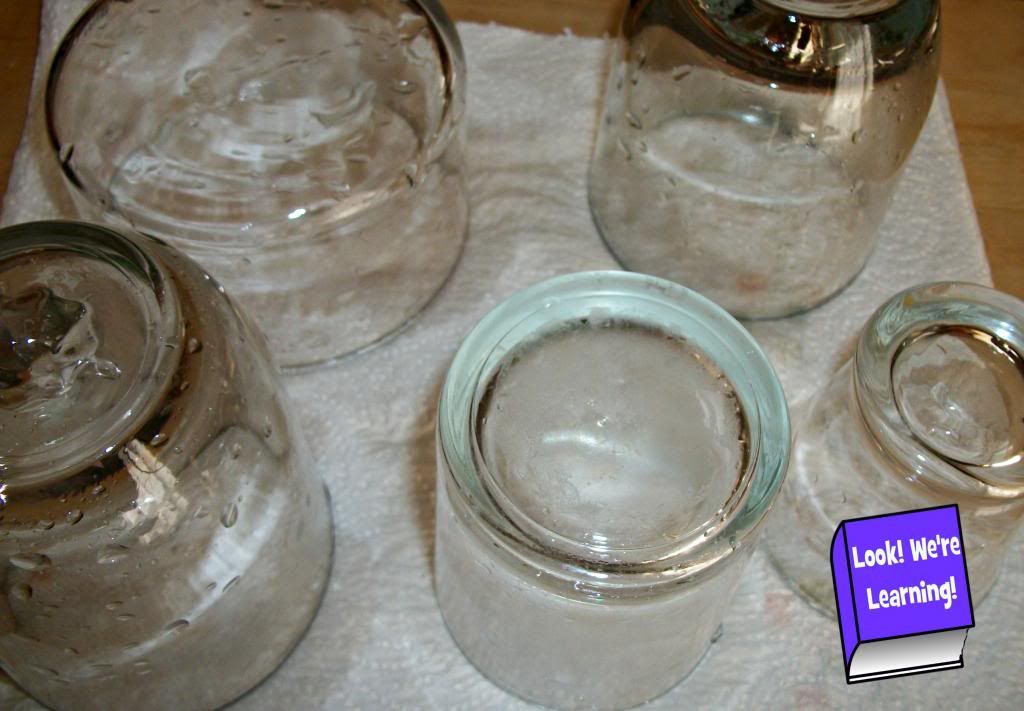
Gasp! They look like actual glasses!
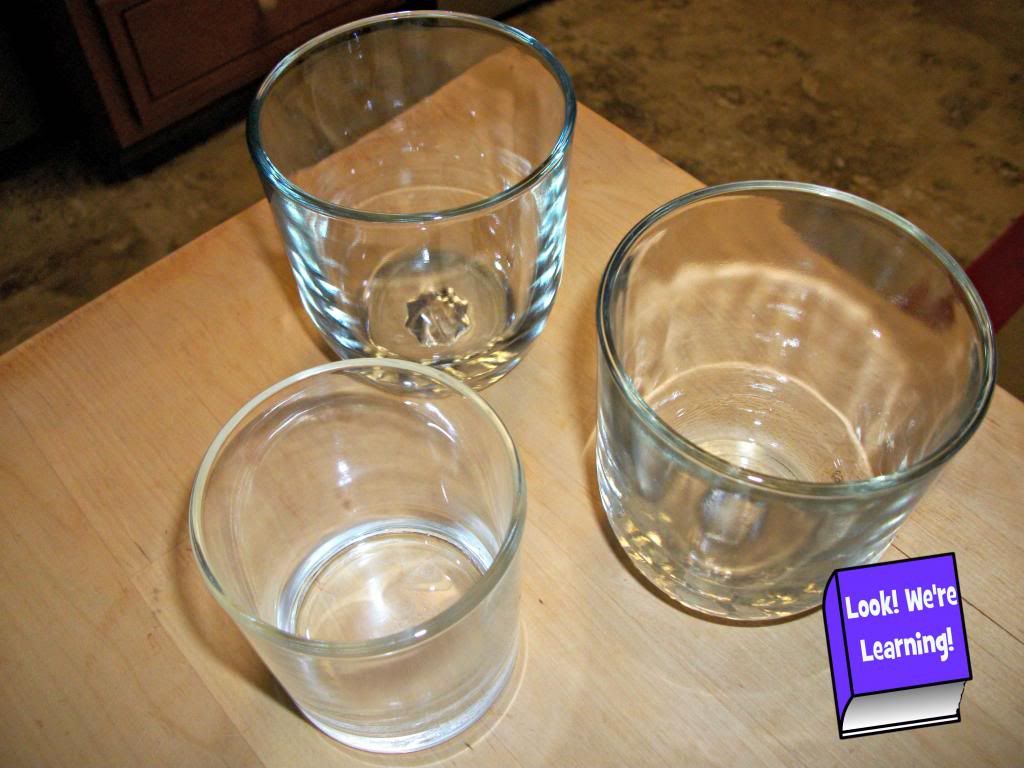
And that’s what I got! I ended up with three glasses. In fact, those two larger glasses are basically tumblers.

The largest candle jar became a manicure in a jar gift for Tigger. 🙂
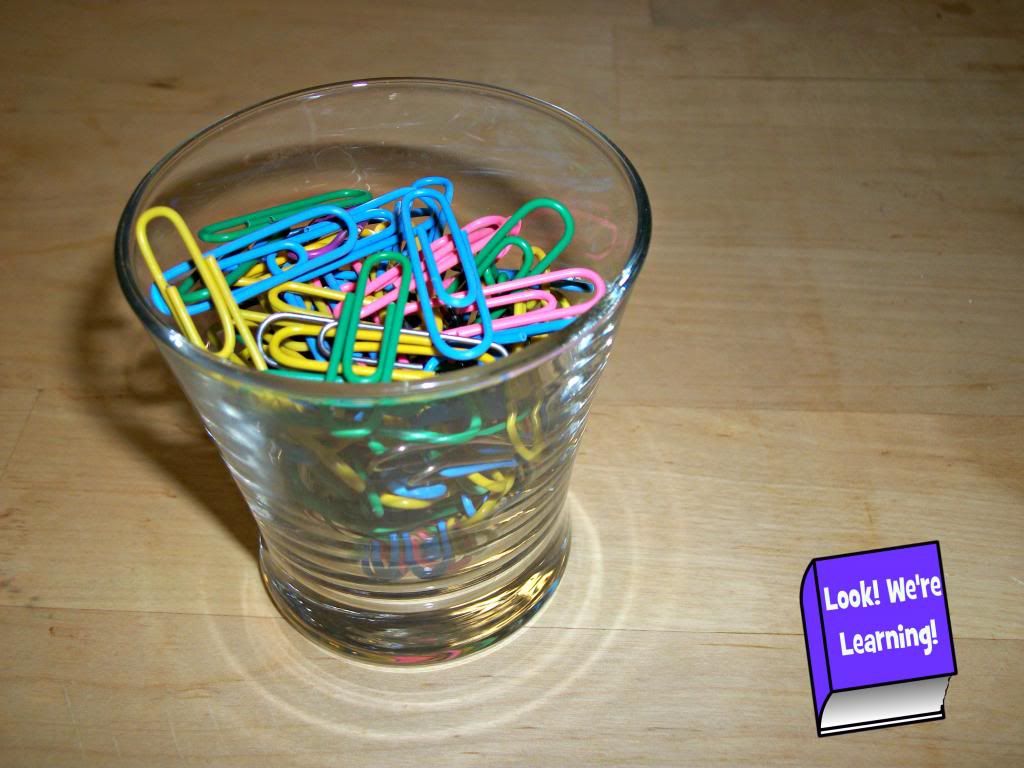
And the teeny jar got repurposed into a paper clip holder. By the way, this whole process took me about 30 minutes. Not bad at all!
So if you like buying candles, now you’ve got another reason to go get some more! 🙂
This post is part of the Spring Pinterest Flips and Flops linkup from iHomeschoolNetwork! Click on over to see some of the Pinterest fails and successes our fellow bloggers are sharing!
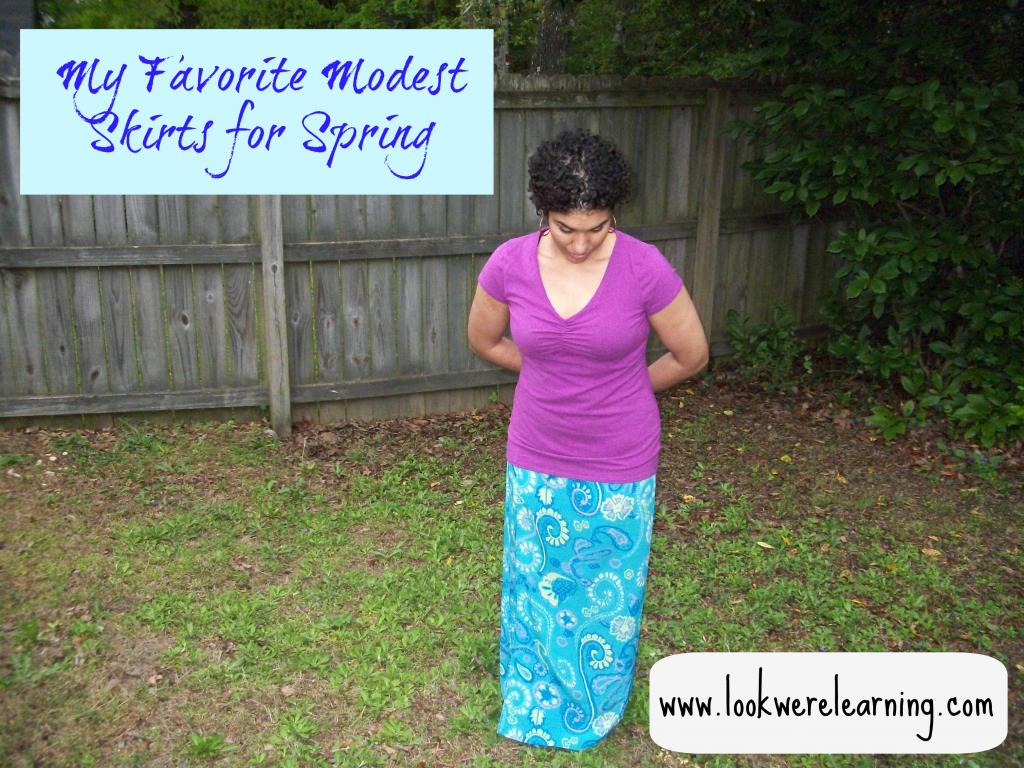
Hi everyone! This year, we’re sharing in a new quarterly linkup called “Seasonal Skirts: A Guide to Feminine Dress Throughout the Year!” I’m excited to share in this linkup with 10 other bloggers, including Dusty at To the Moon and Back, Erin at For Him and My Family, Laura at Raising Soldiers 4 Christ, Kyndra at Sticks, Stones, and Chicken Bones, Mrs. Warde at Sceleratus Classical Academy, Cynthia at Cynce’s Place, Melissa at Life Off the Paved Road, Dawnita at Fogleman Forerunner, Hilary at Our Homeschool Studio, and Annette at In All You Do!
This month, we’re focusing on our favorite modest skirts for spring. Now, I don’t wear skirts exclusively. In fact, I own quite a few pairs of Old Navy jeans. 🙂 However, we spend so much time in our Bible education work that I end up wearing skirts on most days.
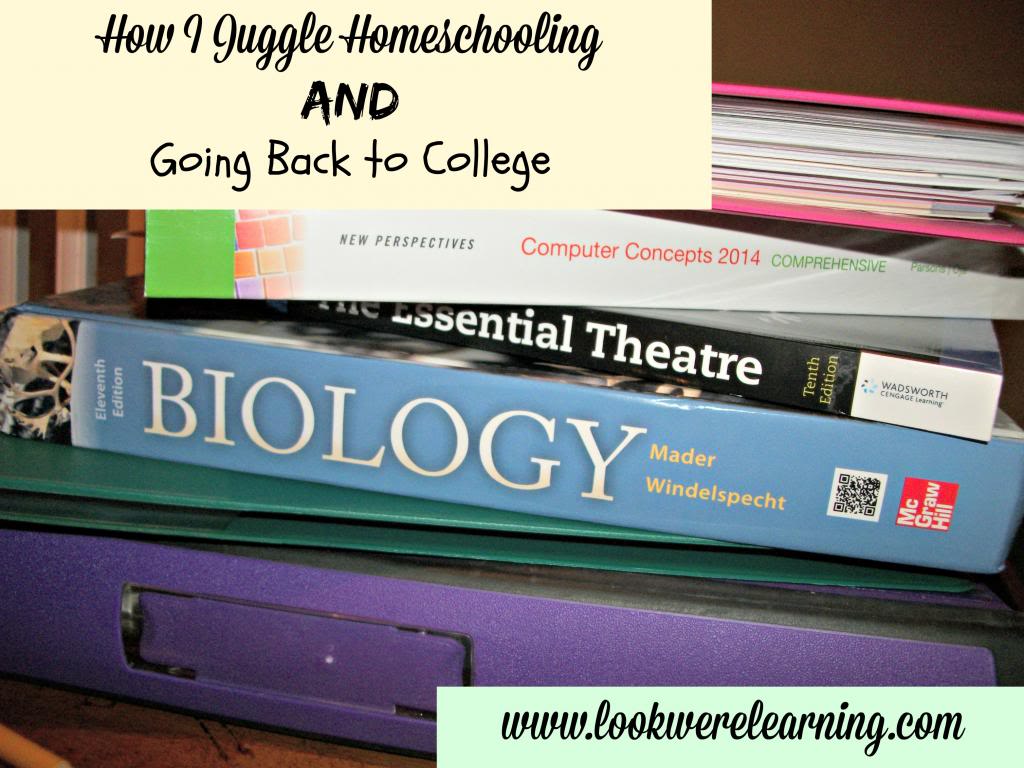
Good morning! College finals are fast approaching, so I took last week off from blogging to catch up on some of my last assignments for this semester. Now that I’m nearly a full year into my “back to school” experience, I thought I’d share some of the pointers I’ve picked up about how to homeschool while going back to college. Spoiler: It’s hard. 🙂
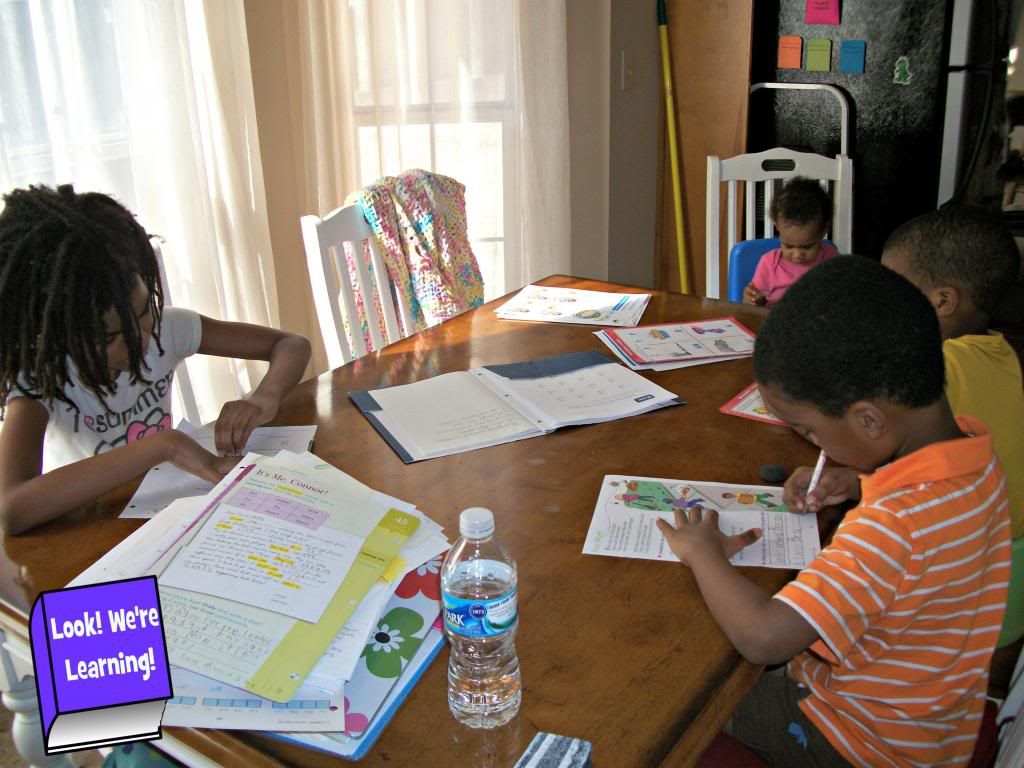
1. Insist on a regular schedule.
You’ll need at least two schedules: one for your kids’ lessons and another for your own. It’s really difficult, but it’s essential that you keep the kids on their regular homeschooling schedule. Otherwise, you’ll finish the semester and then realize that you have to do double lessons for a month to catch up on math (like I have to do with Tigger in May).
As for organizing my classes – I have an enormous binder that I use for my classes with sections for each subject and a stack of weekly planning pages in the front. At the beginning of the semester, I look through every class schedule and then write the due dates for my assignments in my planner pages. I usually do this during the first week of class before the really heavy assignments start.
I’m usually very organized at the beginning of the semester, but after spring break, it’s all downhill and I’m barely functioning by finals. That’s when the organizing I did early in the semester ends up saving me. Seeing what assignments are due several weeks in advance helps me avoid having to work on them all at once.
2. Enlist the help of your spouse.
I’ve written before about why we need supportive homeschooling spouses, and going back to college has just underscored how much I need the help of my husband. There have been many, many school days that he’s taught for me so I could go study. He has no problem cooking dinner or getting the kids ready for bed when I need to cram for a test or attend a school function.
In order for our spouses to help us out, though, we have to communicate with them. Jay and I have had several long conversations, especially this past semester, about how we can make adjustments to our schooling schedule while I’m in class. After finals, we’ll be sitting down again to see how I can revise my course load in the fall so that we can get back to learning more as a family.

3. Be flexible.
This is probably the most important tip I’ve learned about trying to go to college while homeschooling my kids. I’ve had to be open to trying new approaches almost every week. One of the choices I made was to take classes online, since that was the most flexible way for me to get my school work done.
Btw, if you are considering going back to college, I highly recommend distance learning. It’s convenient, easy to use, and adaptable for moms who are already busy during the day.
Another big part of being flexible is prioritizing. I have several interests that have had to take a backseat, especially during this past semester, including knitting, sewing, traveling, and (occasionally) blogging. But that’s life. We always have to shuffle our priorities to make sure that we’re taking care of the “more important things.” (Phil. 1:10)
I’ve even had to let go of my attempt to maintain a 4.0 GPA. In the past, I’ve done extra credit and additional assignments to make sure that my grades were perfect. As I’ve gotten older, though, I’ve learned that it’s more important to be reasonable than right. I hope that’s something I can teach my kids as well.
So, those are a few of the things I’ve learned while juggling homeschooling and going back to college! Are any of you back in school? Are you thinking about it? We’d love to hear your tips or suggestions in the comments!
This post is part of the “How Homeschool Moms Juggle” linkup at iHomeschoolNetwork! Click on over and read how our fellow bloggers juggle homeschooling and their other responsibilities such as housework, caring for a new baby, and working outside the home!


Hey everyone! It’s time for our 12 Months of Sensory Dough linkup! Every month, I’m honored to co-host this linky with 11 other bloggers, including Dayna at Lemon Lime Adventures, Val & Alex at Glittering Muffins, Devany at Still Playing School, Sarah at Little Bins for Little Hands, Kimberly at Natural Beach Living, Melissa Ann at The Eyes of a Boy, Nicolette at Powerful Mothering, Amy at Wildflower Ramblings, Rachel at I Heart Crafty Things, Michelle at Delightful Learning, and Jennifer at The Life of Jennifer Dawn!
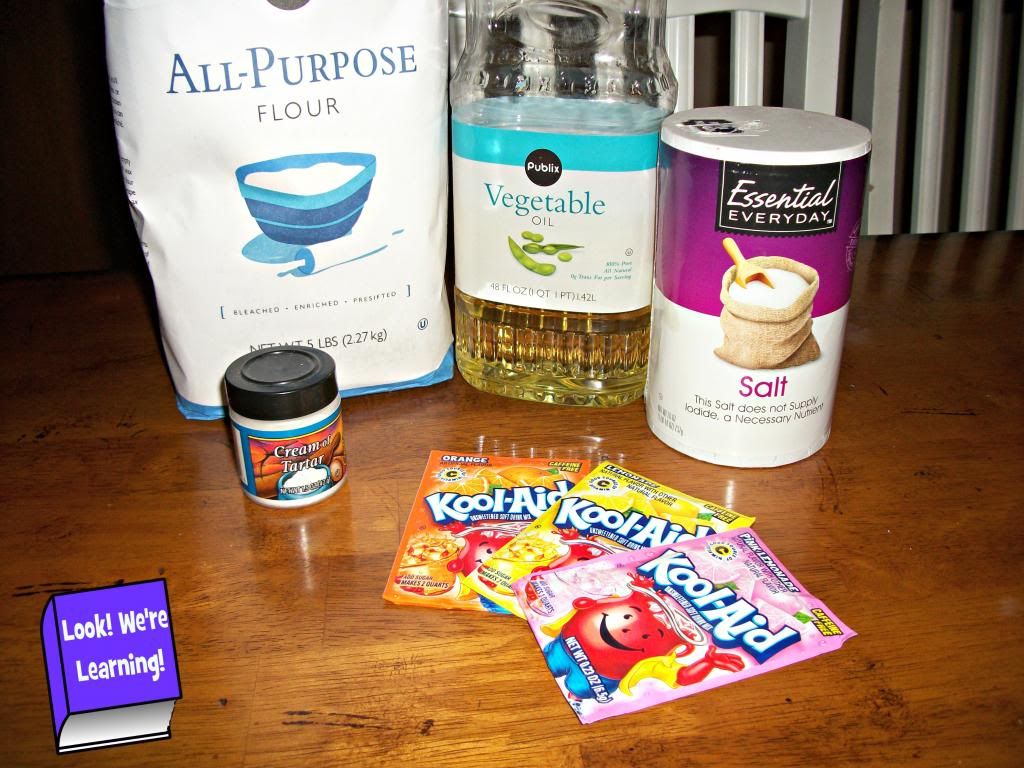
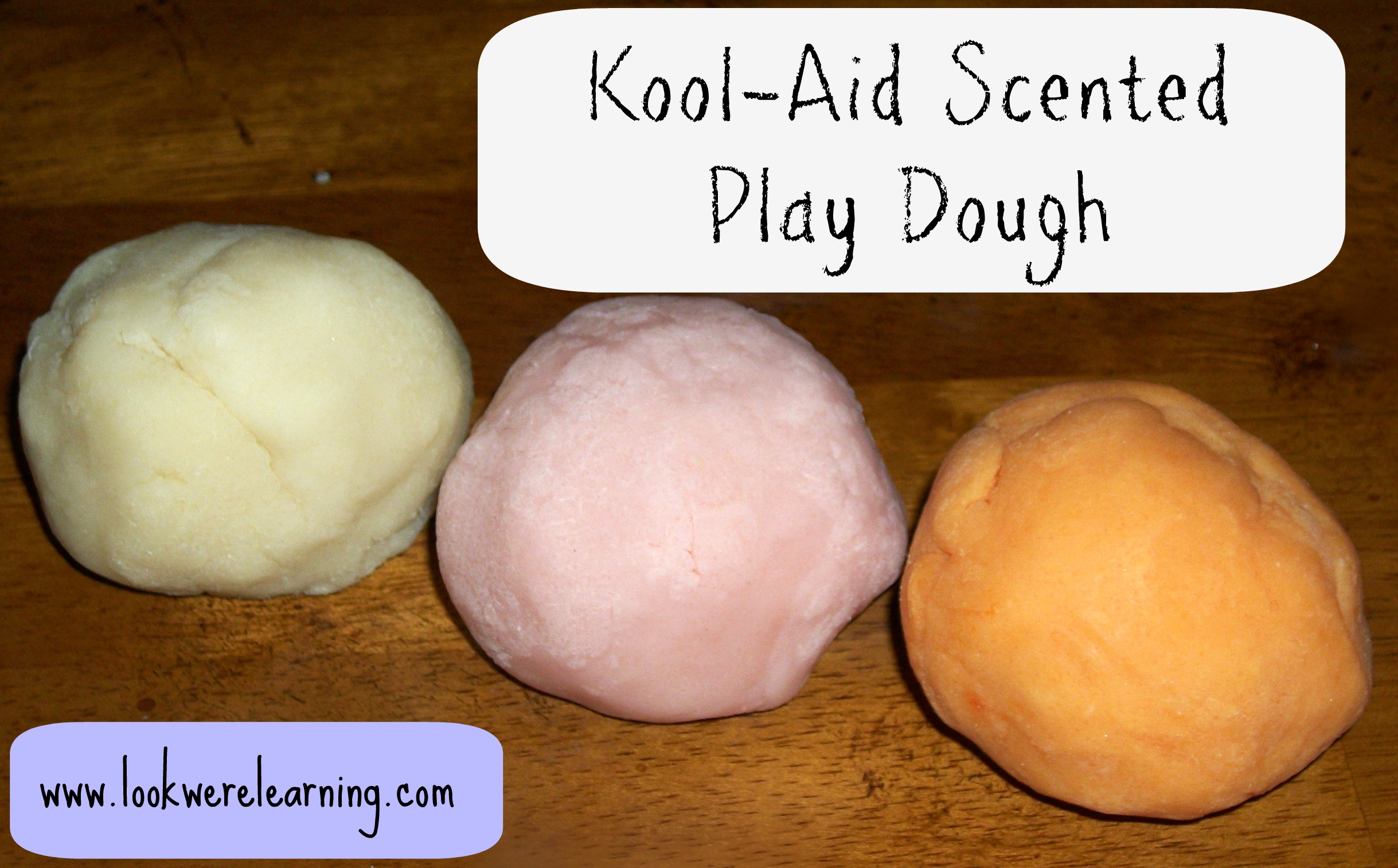
For our scented dough, we decided to make Kool-Aid scented play dough using a recipe from Kraft. I was interested to see how this would turn out using just the Kool-Aid powder for the scent and color. We went with pink lemonade, lemonade, and orange for our flavors.
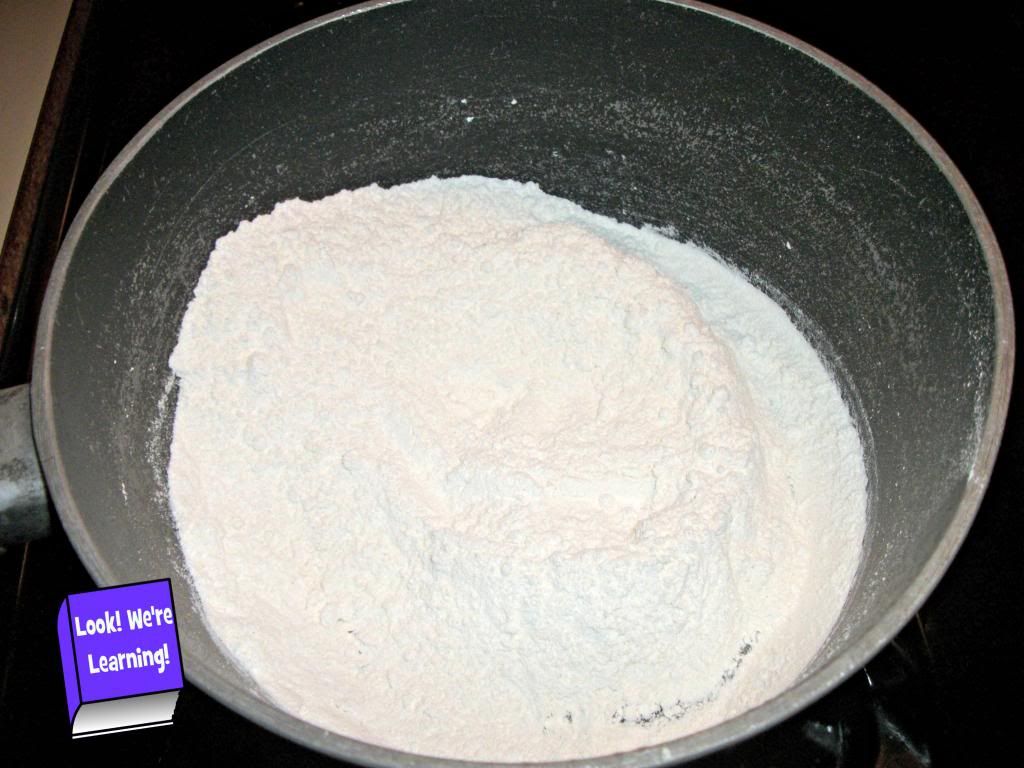
I started with the pink lemonade flavor. When I mixed up the dry ingredients, I started to wonder whether the color would show or not.
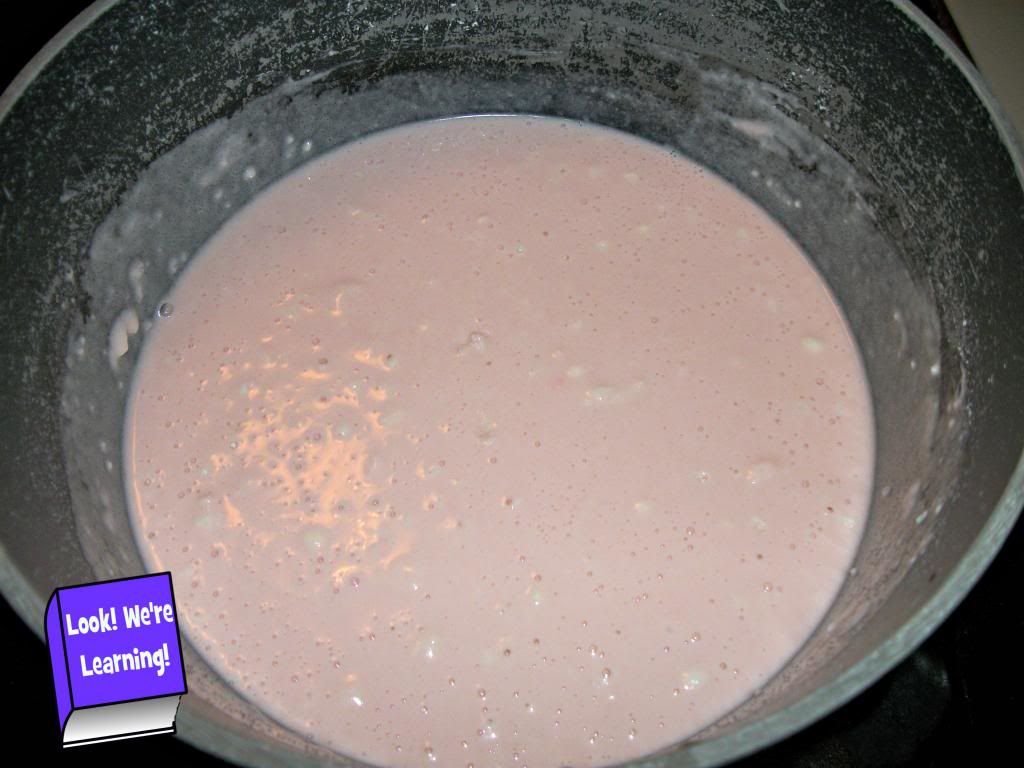
But once I added the water and oil, the color showed and I felt a little less worried…lol.
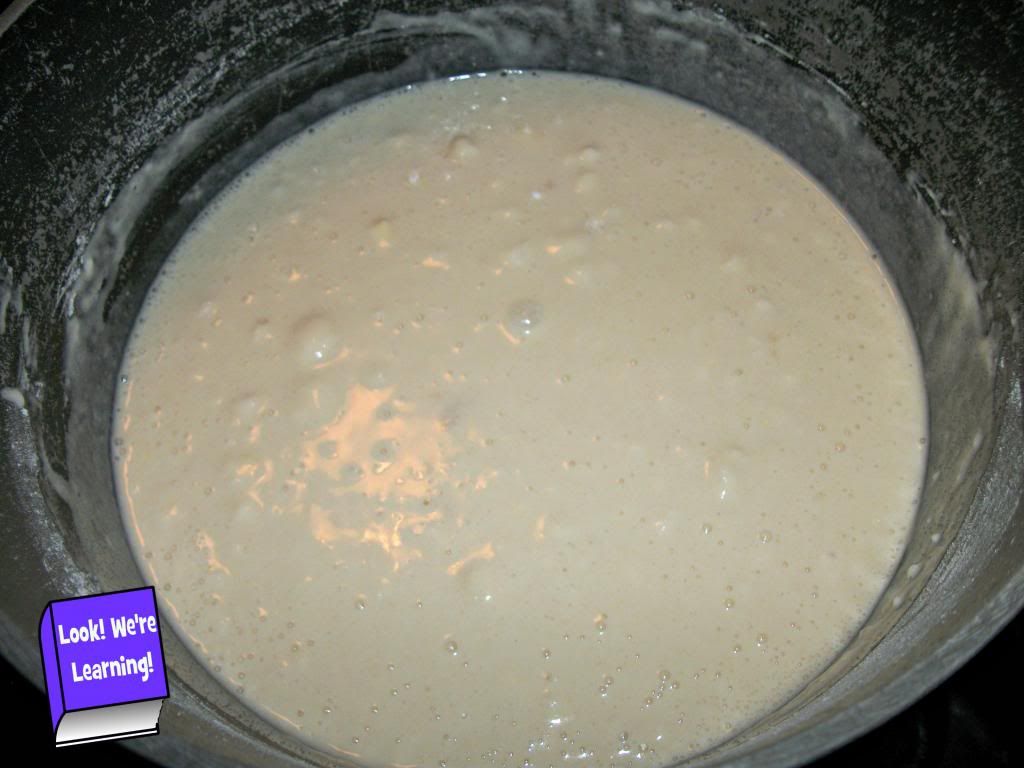
Here’s the lemonade-flavored batch.
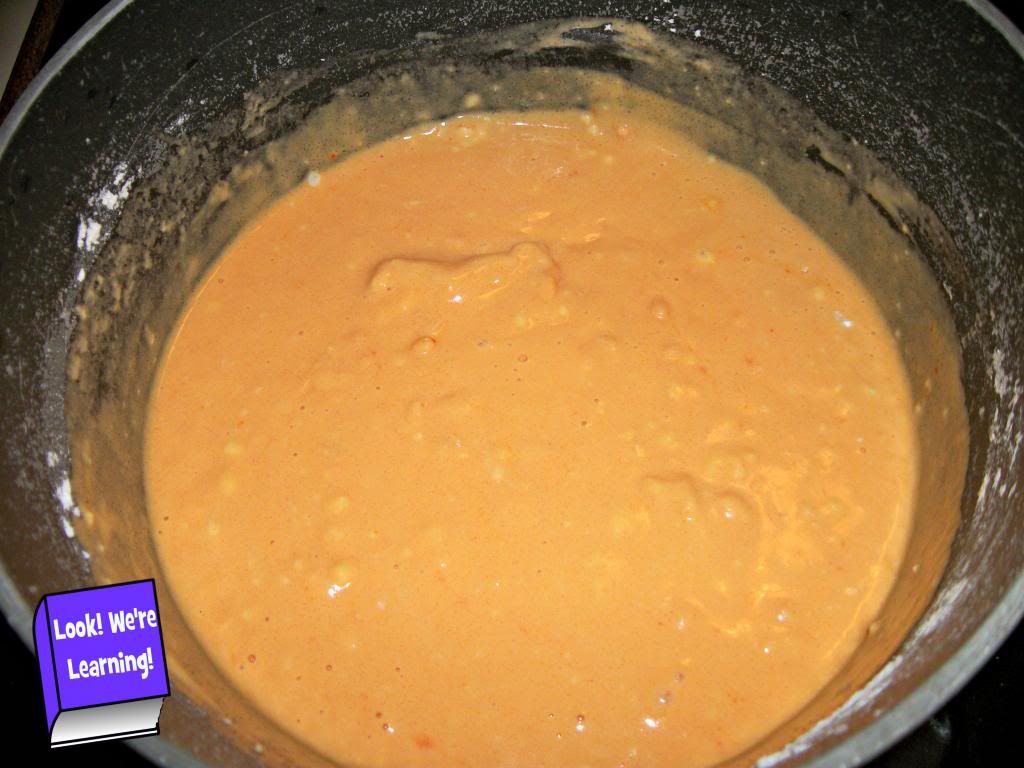
And the orange-flavored batch. You just combine the ingredients and stir over medium heat for a few minutes until you get a ball of play dough.

Let them all cool for a little bit and you’re ready to go! A word of caution: This dough dries out very quickly, so you’ll want to cover it up if you don’t intend to use it right away.
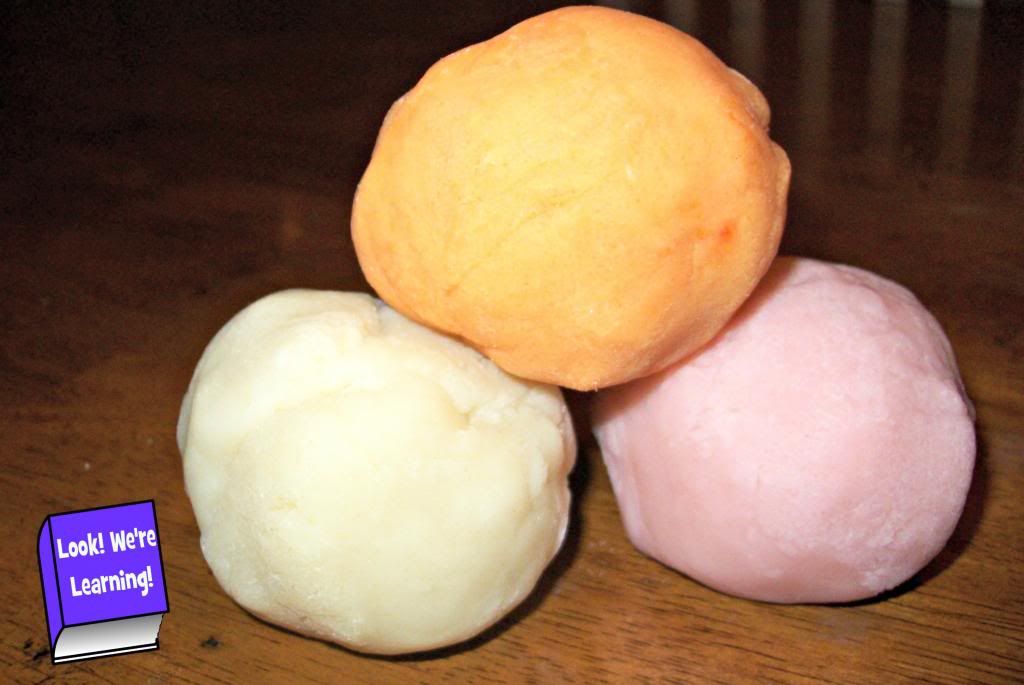
Now for the verdict: Of these three flavors, the orange was definitely the best. It produced the best color and it smelled wonderful! The pink lemonade had a slight scent, and the lemonade didn’t smell like much of anything…lol. Using a stronger flavor like fruit punch would probably be even better. 🙂
We’d love to see your sensory dough experiments! Feel to link up your sensory dough fun below!
Please read the following guidelines before linking up.
Share family-friendly posts related to the month’s theme. Feel free to link old or new posts that highlight your favorite recipes for sensory dough. Failures and unsuccessful attempts are welcome.
We ask that no posts are linked with copy/paste recipes from other sources. If you use a recipe from another source, please link back to the original recipe.
By linking up, you give permission to share your post and one photograph in future posts and through social media channels.
Visit 2-3 other posts that others have shared. Discover new ideas and meet new friends!
The linky will remain open for two weeks. On the 12th of each month, all co-hosts will post a new dough with their spin, highlighting at least one post from the month before and pin each post to the 12 Months of Sensory Dough Board.
If you would like to, please grab the 12 Months of Sensory Dough button for your blog. And be sure to stop by and visit our co-hosts to get their take on the featured dough for the month!
Follow Lemon Lime Adventures’s board Best of the Best Sensory Dough on Pinterest.