Look! We're Learning!

Early Learning. Happy Teaching.

  • Shop
  • Printables
  • Homeschool
  • Crafts
  • Parenting
  • Blog

Day 5: The Ghana and Mali Empires

October 18, 2013 by Selena Robinson 1 Comment

This post contains affiliate links. See our Disclosure Policy here.
Exploring the Ghana and Mali Empires: Look! We're Learning!

10 Days of African History for Kids: Look! We're Learning!

Good morning! We’re wrapping up our first week of African history with a look at the Ancient Ghana and Mali empires.

Where were Ancient Ghana and Mali?

Despite their names, we learned that the Ghana Kingdom was not located in the same place where present-day Ghana is located. Rather, it was one of the first West African kingdoms.Keep Reading…
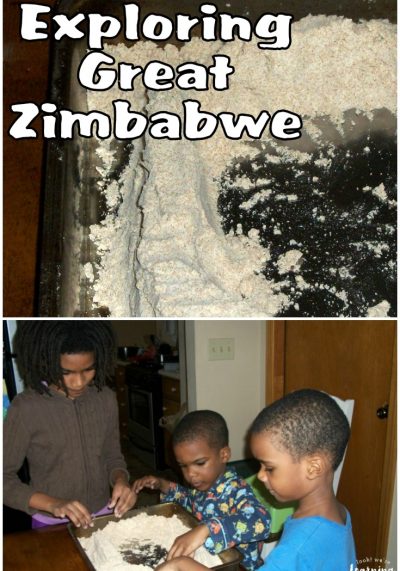
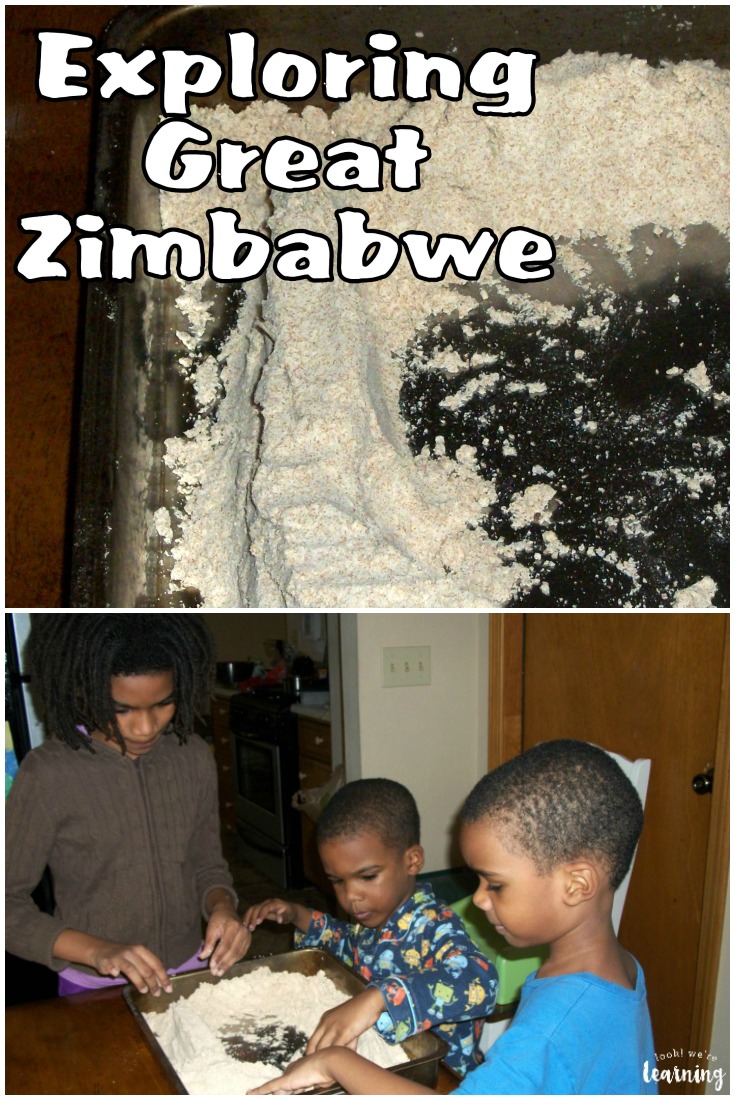
Study the incredible history of the Great Zimbabwe Empire in this unit study!

Great Zimbabwe Unit Study

October 17, 2013 by Selena Robinson 7 Comments


As we started researching the history of African kingdoms, we found out so much about empires that we didn’t even know existed! Africa was home to many advanced civilizations that existed long before the modern Western world. In fact, some of the architectural accomplishments of these empires were so advanced that people didn’t even believe they were real!

That’s what we discovered as we started learning about the Great Zimbabwe empire. Find out more about this kingdom in our Great Zimbabwe unit study!

Study even more African kingdoms with our Ancient Nubia Unit Study or our Zulu Empire Unit!
Study the incredible history of the Great Zimbabwe Empire in this unit study!

10 Days of African History for Kids: Look! We're Learning!

Great Zimbabwe Unit Study

Where Was Great Zimbabwe?

Great Zimbabwe was the capital of the Zimbabwe Kingdom in the southern part of Africa. In fact, the capital’s ruins are now a UNESCO World Heritage Site in the country of Zimbabwe. Speaking of Zimbabwe, do you know what that name means?

We didn’t. But we learned that there are two possible meanings for the name: Dzimba-dza-mabwe, which is Karanga for “large houses of stone”, or dzimba-hwe, which is Zezuru for “venerated houses”. The city itself was in existence for about 400 years, from the years 1100 to about 1500 C.E.

How Big was Great Zimbabwe?

One of the most interesting things we learned about Great Zimbabwe is that it was an African metropolis. At its height, the city encompassed 100 to 200 miles and was home to 10,000 to 20,000 people. Since the city’s revenue was based on trading gold, ivory, and cattle, most inhabitants were fairly wealthy.

You can get an idea of its scope by looking at the size of the Great Enclosure, which was the wall that surrounded most of the city:

Image c/o: Jens Klinzing

To see just how large these buildings were, look at the scale of the man in the picture walking inside the city:

Image c/o: David Holt London

Great Zimbabwe Architecture

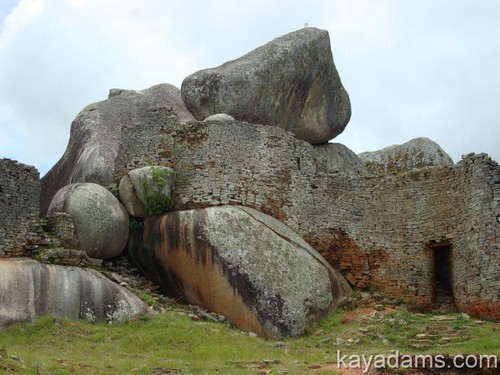
Since Great Zimbabwe was the capital, it had the most magnificent architecture. What was especially fascinating to us was that the builders created the city without using mortar or mud. Instead, they heated the stones to break them into bricks and then placed them atop each other in a way that ensured they would stay up.

The fact that some of these structures are still standing today when they are literally made of stacks of rocks is incredible. In fact, some early historians were so impressed with the design of these buildings that they claimed Africans could not have built the structures and attempted to manufacture a fake history to back up their story. Despicable.

Image c/o: rosshuggett

Image c/o: Kay Adams

Naturally, we had to try our hand at the architecture of Great Zimbabwe. We broke out our play beach sand and attempted to recreate the Great Enclosure.

Building a Great Zimbabwe Wall

It’s harder than it looks. But it helps when you have lots of willing hands.

Making the Great Zimbabwe Wall

Not even close. I can’t imagine trying this by stacking enormous stone blocks on top of each other.

Books and Resources about Great Zimbabwe

These affiliate books and resources provide even more information about this incredible empire!

Wikipedia: Great Zimbabwe – Wikipedia’s page about Great Zimbabwe is very extensive, covering the entire dominant period of the Zimbabwe kingdom.

The BBC: The Story of Africa – Nice summary of the Great Zimbabwe capital and the efforts of some historians to deny that the city was of African origin.

UNESCO: Great Zimbabwe National Monument – Beautiful slideshow of pictures of the stone city.

Michigan State University: Exploring Africa – A complete lesson plan about the history of Africa during the Zimbabwe Kingdom

South African History Online: Great Zimbabwe – Basic facts about the Zimbabwe kingdom: trade system, size, and the history of the name.

PBS Nova: Mysteries of Great Zimbabwe – In-depth look at the discoveries made at Great Zimbabwe and the lengths one historian went to in an attempt to give credit for its architecture to non-Africans.

Black African empires by Joan Joseph (A First book)

African Beginnings

Zimbabwe (Enchantment of the World, Second)

Learn even more about Great Zimbabwe and other African empires in our African Kingdoms Printable Unit Study! Click the image or the link below to grab it from our Store!

African Kingdoms - African History Printable Unit Study

>>> African Kingdoms Printable Unit Study <<<

This post is part of the Autumn 2013 Hopscotch from iHomeschool Network! Click below to see all of the Hopscotch posts from our fellow bloggers:

iHN Autumn Hopscotch 2013

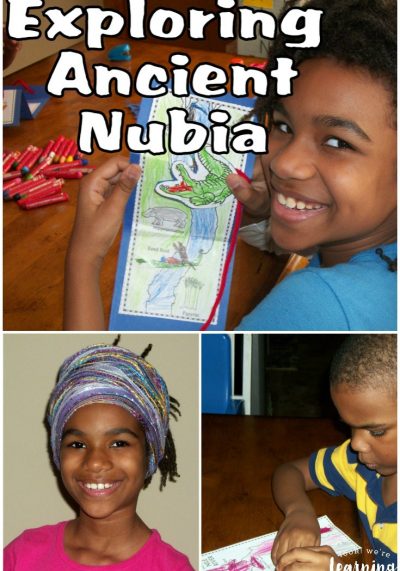
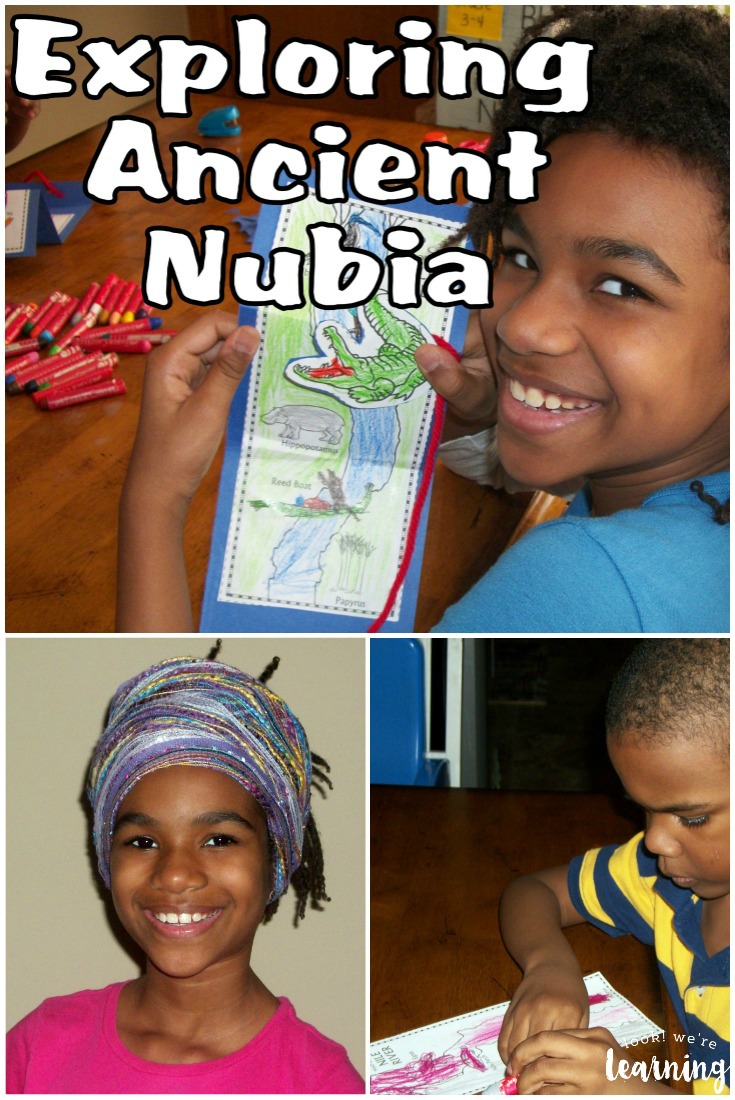
Learn about the ancient African kingdom of Nubia with this fun unit!

Ancient Nubia Unit Study for Kids

October 16, 2013 by Selena Robinson Leave a Comment

In many places, children learn very little about ancient African civilizations in elementary school. But there’s so much to discover about African empires! One of the first (and wealthiest) was Ancient Nubia. Help children discover this civilization with this Ancient Nubia unit study for kids!

Ancient Nubia is just one of the African empires we’ve studied over the years. Be sure to see our Zulu Empire Unit and our Ancient Egypt Unit also!

Learn about the ancient African kingdom of Nubia with this fun unit!

10 Days of African History for Kids: Look! We're Learning!

Ancient Nubia Unit Study for Kids

Where was Ancient Nubia?

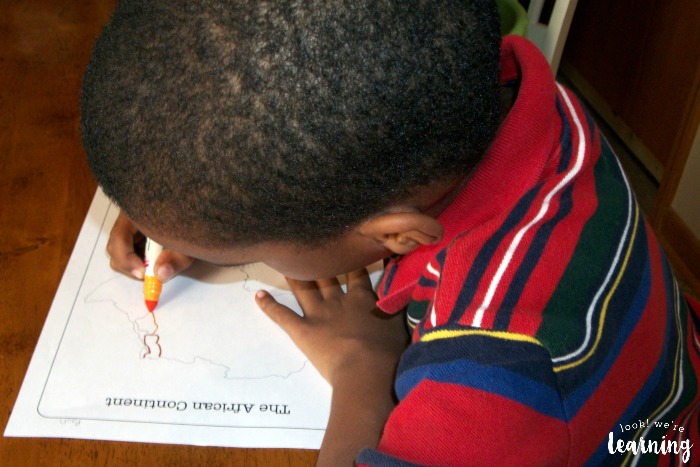
Like most early civilizations in Africa, the kingdoms of Nubia were situated around water. In fact, the kingdom of Kush was located just down the Nile River from Egypt. We marked the location of the empire on our Africa map.

Drawing Nubia on a Map of Africa

According to historians, the names Kush and Nubia can be used interchangeably, but most people still refer to the area as Nubia. While the name “Nubia” has come to be associated with dark skin or dark color, it actually means “Land of Gold”.

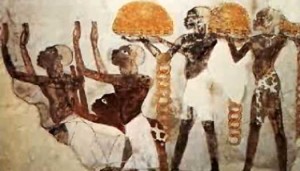
True to this name, Nubia’s revenue was largely based on its large reserves of gold. Eventually, Kush became so wealthy that it conquered Egypt for a time. Some ancient art shows images of traders from Kush bringing gold to Egypt for sale:

Ancient Nubia: Look! We're Learning!

Image c/o: HistoryFiles.co.uk

We also learned that the Bible speaks about the ancient kingdom of Kush. Psalm 68:31 associates Kush with Egypt when it says, “Bronzeware things will come out of Egypt, Cush (Kush) itself will quickly stretch out its hand with gifts to God.” Along with gold, Kush was also rich in precious stones, which were also used heavily in trade. The Bible also supports this at Job 28:19 speaking of “the topaz of Cush (Kush)”.

Nubian Architecture

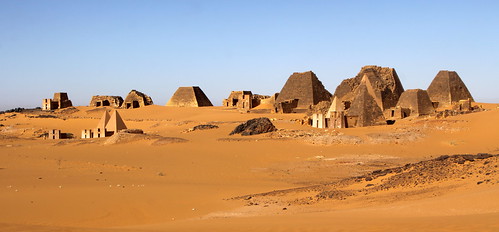
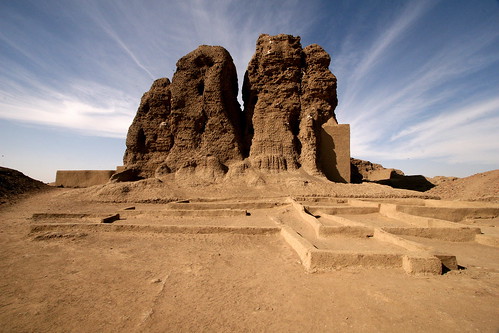
Like Egypt, Nubia’s architecture consisted largely of religious buildings. The people of Kush viewed the ruler as divine and they constructed pyramids to honor them. Some of these pyramids and ruins are still standing today:

Pyramids at Meroe

Image c/o: Retlaw Snellac

Ruins of the Western Defuffa Religious Building at Kerma

Image c/o: Retlaw Snellac

The Kush Empire and The Nile River

Kush’s location on the Nile River allowed the people to flourish, thanks to plentiful irrigation for farming. Some of the typical crops included sweet potatoes, beans, and onions. The people in the area were also surrounded by several kinds of animals, which lived in the area around the Nile.

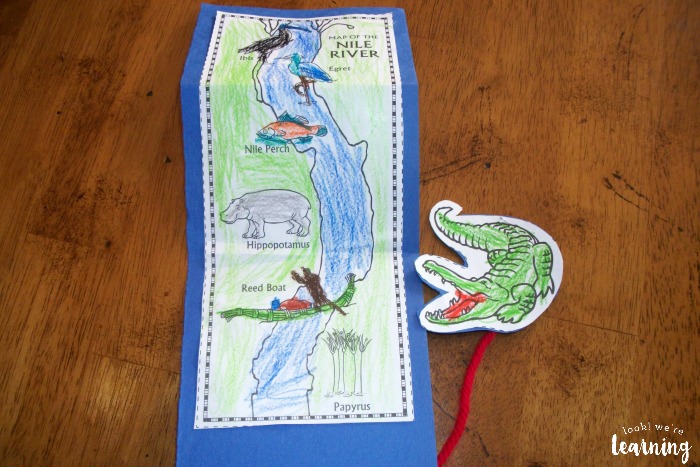
To look at animal life along the Nile, we made a paper craft about Nile animals from the book History Pockets: Ancient Civilizations, Grades 1-3.

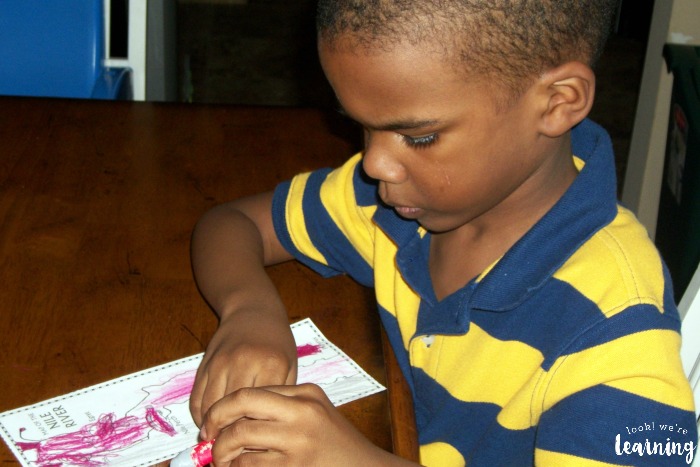
Coloring a Map of the Nile River

Roo decided to color his entire Nile River map magenta, which made it look quite…interesting.

Nile River Map Activity

After we colored our Nile River maps, we added a crocodile attached with a string of yarn so it could “swim” up and down the river.

Wearing an African Inspired Hairwrap

And, of course, we had to try out some African-inspired headwraps!

Books and Resources about Ancient Nubia

PBS: Wonders of the African World – Lots of facts and history about ancient Nubia with photographs of the region’s ruins.

Ancient Africa for Kids – A kid-friendly summary of how the kingdom of Kush was established and how it thrived.

HistoryFiles: Kingdoms of East Africa – Timeline of Nubia’s development and growth with photos

Black African Empires (A First book) – This is an excellent book by Joan Joseph about many of the early African kingdoms. It’s hard to find on Amazon, but there are several copies available from AbeBooks.

History Pockets: Ancient Civilizations, Grades 1-3

African Beginnings

YouTube: Wonders of the African World – Episodes 1 & 2 “Black Kingdoms of the Nile”

For more about Ancient Nubia and other African empires, pick up a copy of African Kingdoms! A Printable Elementary Unit Study about Ancient Africa! Click the image or the link below to grab it from our Store!

African Kingdoms - African History Printable Unit Study

>>> African Kingdoms Printable Unit Study <<<

This post is part of the Autumn 2013 Hopscotch from iHomeschool Network! Click below to see all of the Hopscotch posts from our fellow bloggers:

iHN October 2013 Hopscotch

Get started learning African history for kids with this unit about ancient Egypt history for kids!

Ancient Egypt History for Kids

October 15, 2013 by Selena Robinson 3 Comments

Studying African history has always been important in our family. Over the years, many schoolbooks have omitted or glossed over ancient African kingdoms and we wanted to make sure that our children learn the truth about these civilizations, no matter what.

To start, we focused on the Ancient Egyptian civilization, which is world-famous as a kingdom that prized mathematics, law, agriculture, and writing – among other things. But many school lessons have presented a view of Ancient Egypt that is at odds with what historians have discovered, including what the Egyptians looked like, what they accomplished, and who ruled the kingdom over the years.

So we put together our own lesson about Ancient Egypt history for kids! Read on to learn more about this fascinating and accomplished civilization that you can share with your children!

If you love this unit, be sure to check out our list of must-read black history books for kids!

Get started learning African history for kids with this unit about ancient Egypt history for kids!

Ancient Egyptian Architecture

Egypt is probably the best known ancient African kingdom. The main reason for this is that there are so many archaeological sites that testify to what life was like in Ancient Egypt.

We looked at some images of Egyptian ruins to get an idea of the extraordinary accomplishments made in architecture, design, and mathematics by Egyptians. We looked particularly at the Great Pyramid of Khufu and the Abu Simbel temples.

The Great Pyramid, for example, took over 20 years to complete. Its design is so mathematically precise that historians still cannot understand how the Egyptians built it. They even doubt that the same structure could be reproduced today.

The Great Pyramid of Khufu and the Sphinx

Image c/o: Fred Hsu

The Temples at Abu Simbel

Image c/o: Dennis Jarvis

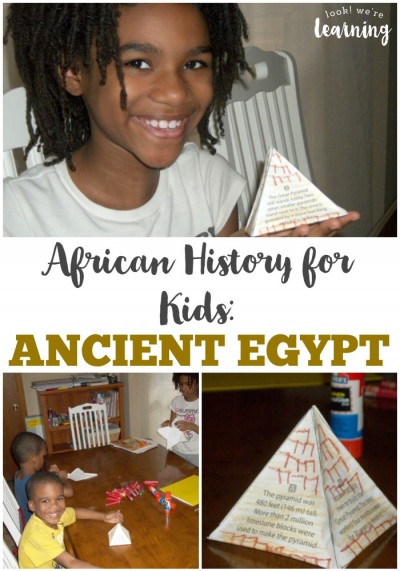
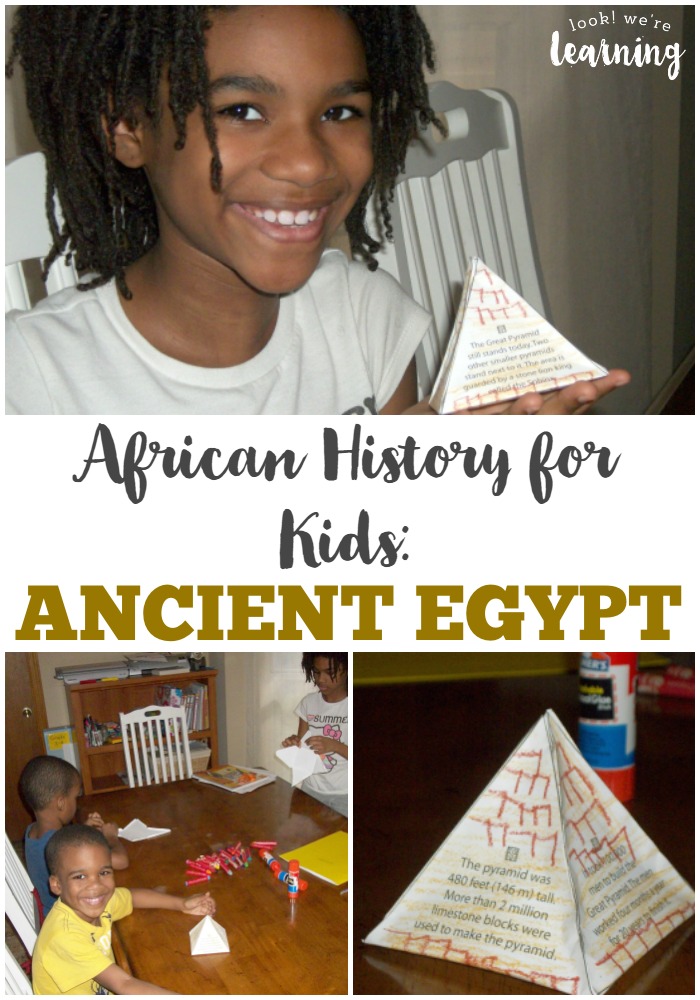
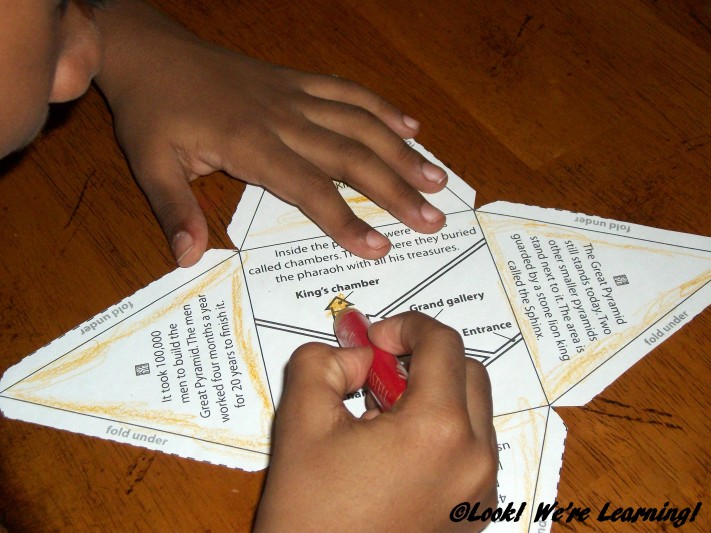
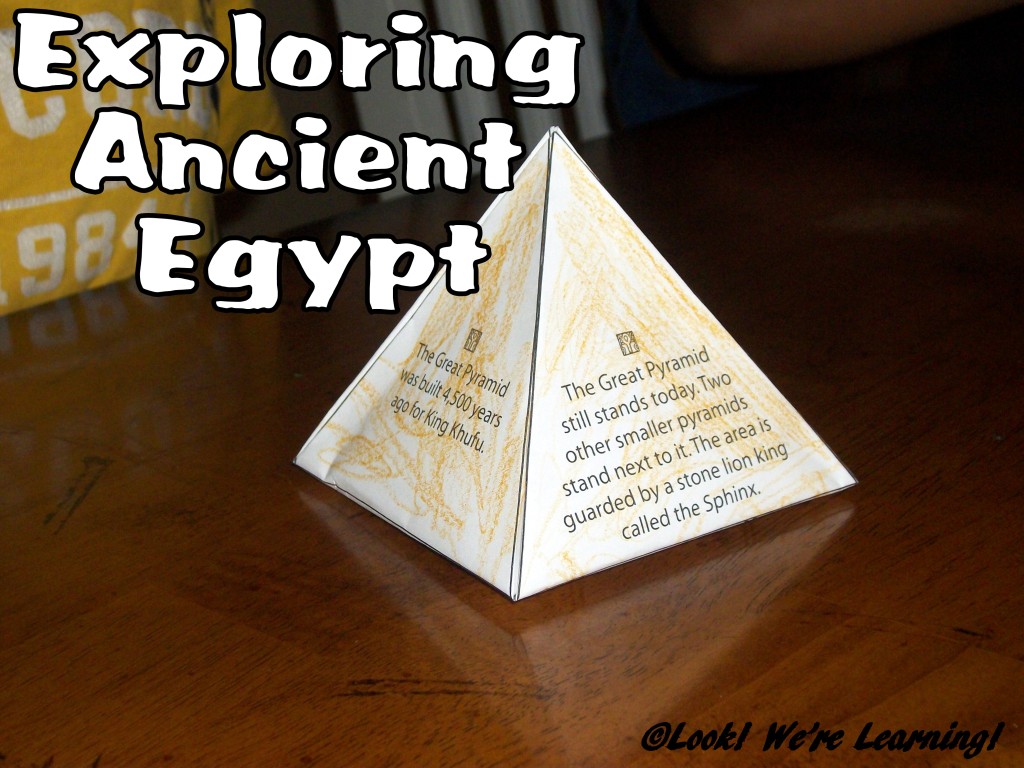
The kids made some miniature models of the Great Pyramid of Khufu out of paper. We got this activity from the book History Pockets: Ancient Civilizations.

Exploring Ancient Egypt: Look! We're Learning!

To make the pyramids, we simply cut out the paper shapes and then colored them.

Exploring Ancient Egypt: Look! We're Learning!

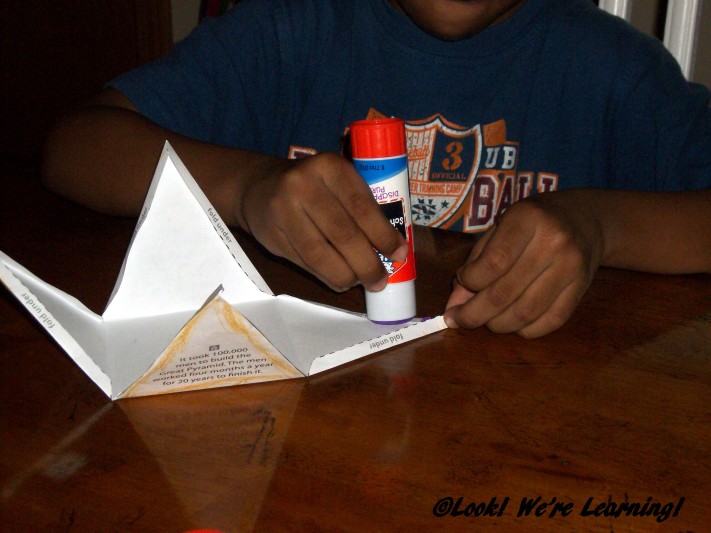
Then we folded them on the lines and added glue to make them stand up.

Exploring Ancient Egypt: Look! We're Learning!

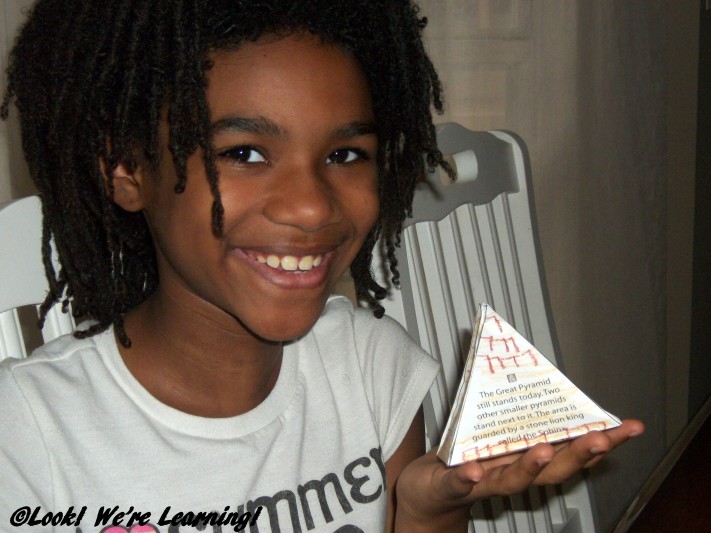
All finished!

Exploring Ancient Egypt: Look! We're Learning!

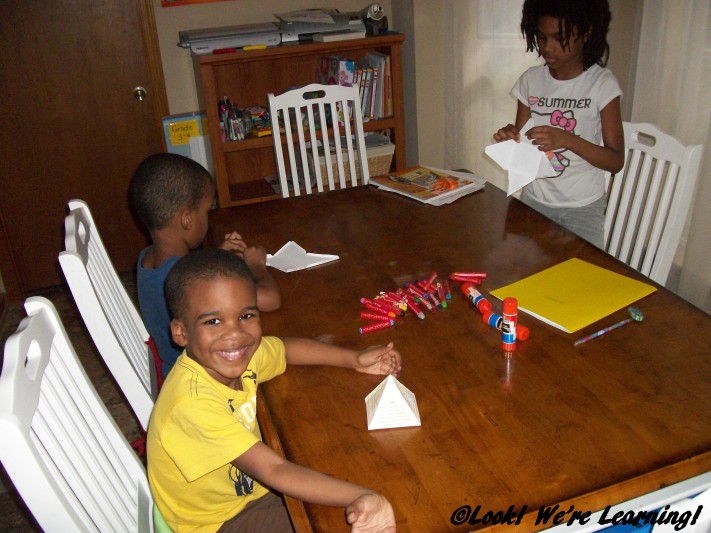
As you can tell, this craft was a pretty big hit.

Hatshepsut, the Female Pharaoh

We also learned about the first female Pharaoh, Hatshepsut. Tigger, in particular, was interested to find out about her. We picked up the book African Princess: The Amazing Lives of Africa’s Royal Women and read about her life and reign.

She was truly an incredible woman and ruler. In many art pieces and statues, she is portrayed as a man with a beard. At the time, a female Pharaoh was unheard of and scholars think that the succeeding Pharaohs decided to show her as a man to hide her existence. But a few statues of her exist that show her as a woman.

This one is on display at the Museum of Fine Arts in Boston:

Image c/o: Keith Schengili-Roberts

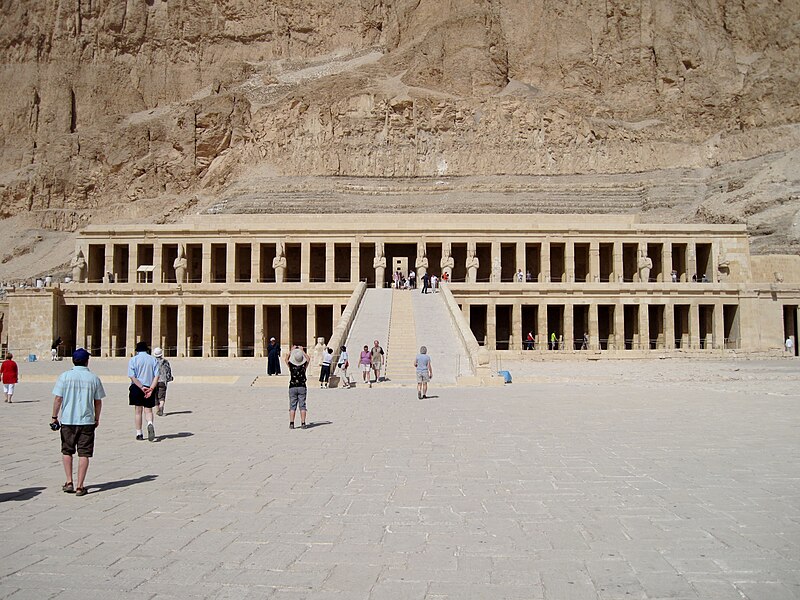
Hatshepsut was so revered as a Pharaoh that she was buried at her own temple at Deir el-Bahari:

Image c/o: Olaf Tausch

What Did Ancient Egyptians Look Like?

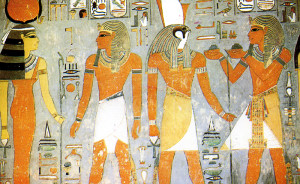
One of the things that has long irritated me about the images of ancient Egyptians in popular culture is that they are often portrayed as being very fair-skinned. I’ve personally seen a lot of children’s history resources use cartoons that show Egyptians as Caucasian people dressed in Middle Eastern attire.

To counter this view, we looked at some examples of ancient Egyptian art that clearly shows ancient Egyptians as brown-skinned people:

Ancient Egypt: Look! We're Learning!

Image c/o: Angelfire.com/ky/southernrock
 
 Image c/o: StewartSynopsis.com

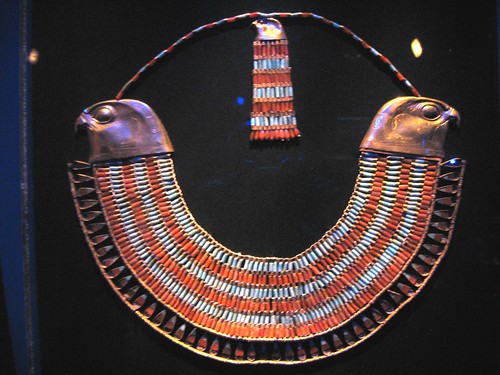
We also learned that Egyptians were very fond of jewelry and that both men and women wore it regularly. Women typically wore lots of eye makeup, as well as elaborate collars such as this:

Image c/o: woodsboy2011

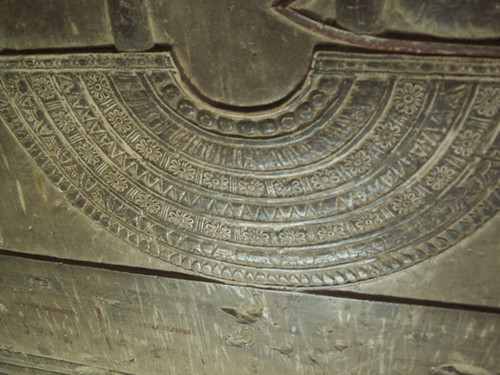
 In fact, here’s a relief at the Hathor Temple showing the same kind of collar:

Image c/o: isawnyu

Where Was Ancient Egypt?

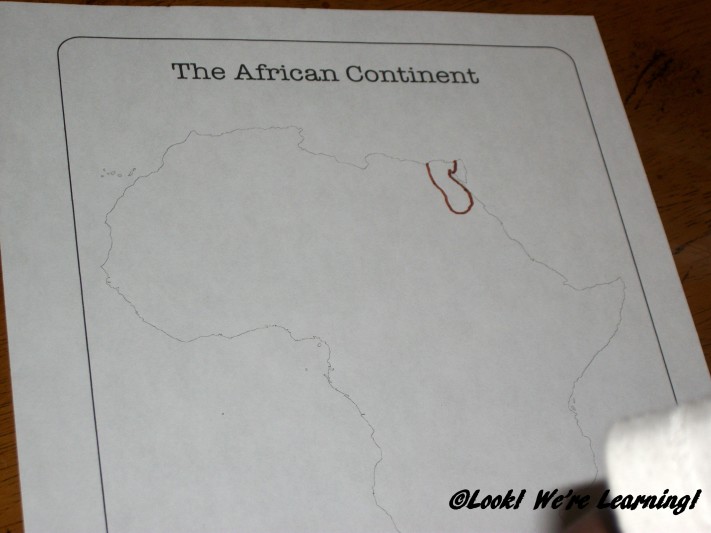
To give the kids a better idea of how the ancient kingdoms of Africa were situated, we decided to make a simple map of them. We purchased the Discover Africa notebooking set from Balancing Everything and used the blank Africa maps as the basis for our template. (It is a truly wonderful geography unit for all 54 countries on the African continent.)

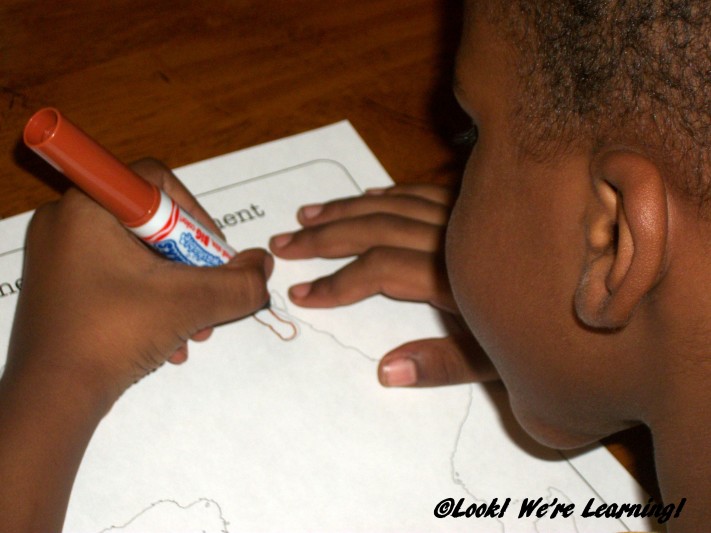
We began by marking the area covered by Ancient Egypt and we’ll be filling in the map with the other kingdoms we feature.

Exploring Ancient Egypt: Look! We're Learning!

Exploring Ancient Egypt: Look! We're Learning!

If you’d like to check out the Discover Africa notebooking set, you can see it for yourself by visiting Balancing Everything or by clicking below:

Discover Africa Notebooking Set

Ancient Egypt History for Kids - Look! We're Learning!

Books and Resources about Ancient Egypt

Here are the books and resources we used for this lesson.

PBS: Wonders of the African World – This website is based on a PBS series from the 1990s written and narrated by Dr. Henry Louis Gates, Jr. Sections cover Egypt, Nubia, and Swahili.

Egypt (Enchantment of the World Series)
Daily Life in Ancient and Modern Cairo (Cities Through Time)
African Princess: The Amazing Lives of Africa’s Royal Women
African Beginnings
History Pockets: Ancient Civilizations (Grades 1-3)
The Usborne Book of Living Long Ago: Everyday Life Through the Ages
Exploring Ancient Egypt: Look! We're Learning!
Don’t miss these other history posts!

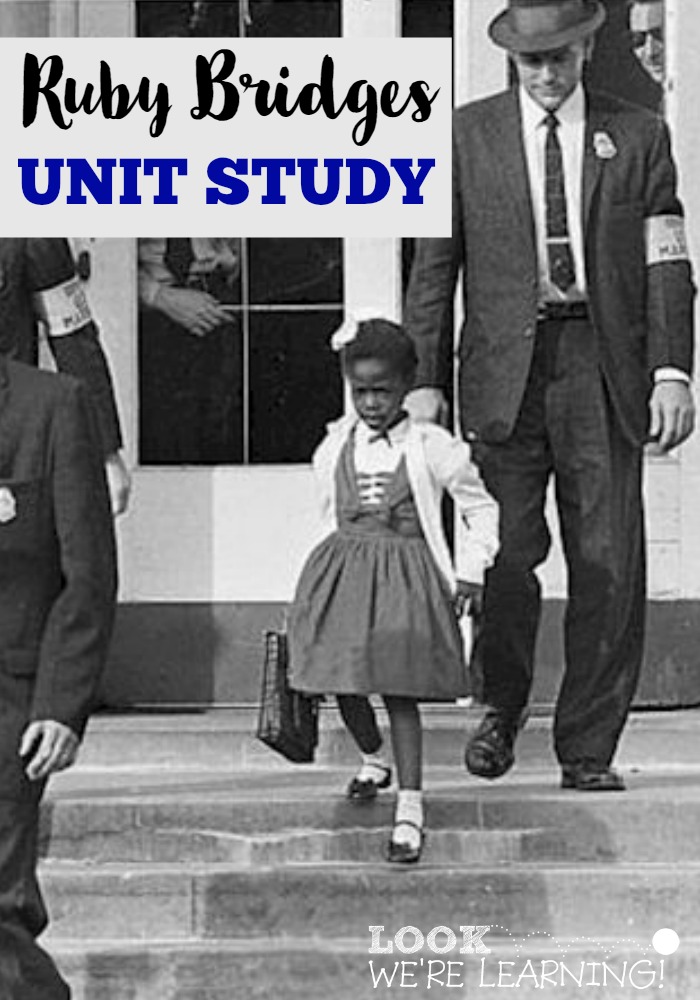
Ruby Bridges Unit Study

Learning about black history is such an important part of a child's education. Make it fun with these must-read black history books for kids!

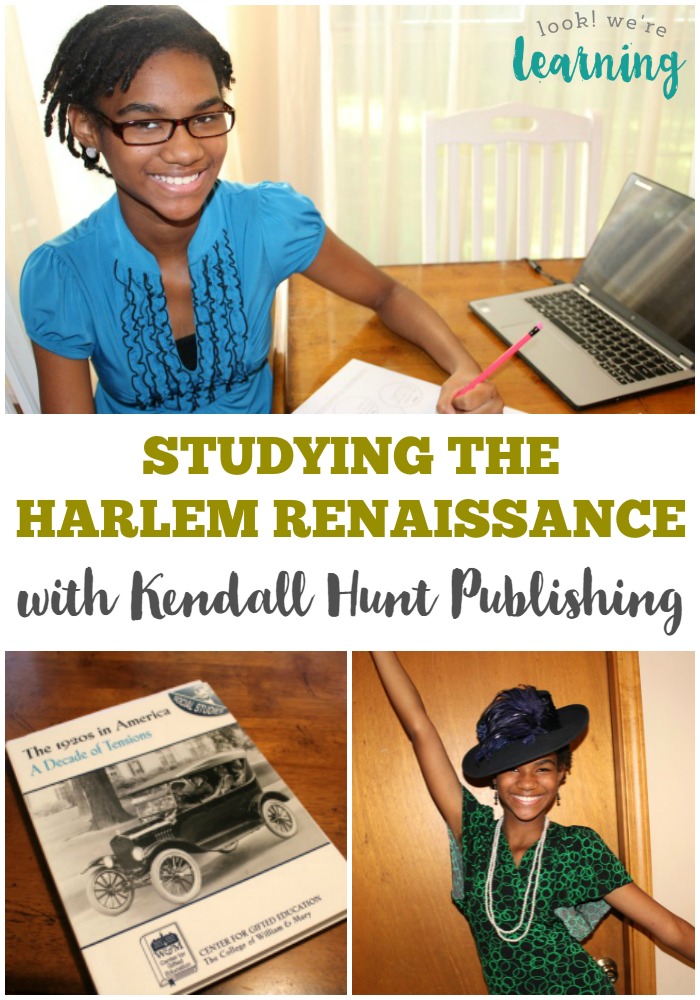
Studying the Harlem Renaissance with Kendall Hunt Publishing

Be sure to check out the rest of our 10 Days of African History series!

10 Days of African History for Kids: Look! We're Learning!

This post is part of the Autumn 2013 Hopscotch from iHomeschool Network! Click below to visit the Hopscotch posts from all of our fellow bloggers!

iHN Autumn Hopscotch 2013

For more awesome history ideas, follow my Living History for Kids board on Pinterest!

Free Online Chess Lessons for Kids

October 10, 2013 by Selena Robinson 4 Comments

Did you know that October 9 is National Chess Day? I had no idea until this past Monday. But better late than never, right?

We’ve been talking about teaching the kids how to play chess for some time, but we’ve just never gotten around to it. A big part of the problem is that we don’t know how to play chess either! (That’s pretty important if you’re going to teach it to someone else.)

The Internet is just great, though. Rather than having to hunt down someone we know who can play chess, we can learn just by using several great websites that feature online chess lessons. Here is a roundup of some of the free online chess lessons for kids we’ve found on the Internet!

Free Online Chess Lessons for Kids - Look! We're Learning!

Free Online Chess Lessons for Kids

  • ChessKid – This site is perfect for young chess learners. The graphics are kid-friendly and the site has a basic chess lesson page that is full of helpful illustrations and directions. Kids and parents can work together by reading articles, completing chess puzzles, and watching chess video tutorials.
  • Activity Village – Don’t have a chessboard? We don’t either! But this site has a free printable chess board with printable “pieces” to help kids get used to navigating the board right away! We’ll be printing these out to get started until we get around to buying a set of our own.
  • The Chess Website – This site is more geared to older kids and adults, but it’s full of resources for chess newbies and those who are already familiar with the game. A few sections require membership, but most, including online chess practice, chess strategy lessons, and chess opening tutorials are available to the public.
  • Chess Magnet School – If you’d like a visual walkthrough of basic chess rules as you play, this site is perfect. When you enter this site, which is available through the U.S. Chess Federation, you can run a Java-powered tutorial that explains the rules and allows you to make moves yourself.
  • U.S. Chess Federation – Once you understand the game, you’ll have to play by the rules if you want to become a serious chess player. The U.S. Chess Federation website offers a great explanation of basic chess rules and decorum, which are required at most matches.

Chess Books and Games for Kids:

Want even more ideas for teaching chess to kids? Try these kid-friendly chess games and books!

1. No Stress Chess Game – Winning Moves

2. Chess for Children: How to Play the World’s Most Popular Board Game – Murray Chandler

3. Chess Teacher Game – Cardinal Industries

4. The Kids’ Book of Chess and Chess Set – Harvey Kidder

5. Chess for Kids – Michael Basman

We’ll be trying these resources out with the kids in the coming weeks! If you decide to try these or any other chess lesson websites, let us know how it goes in the comments!

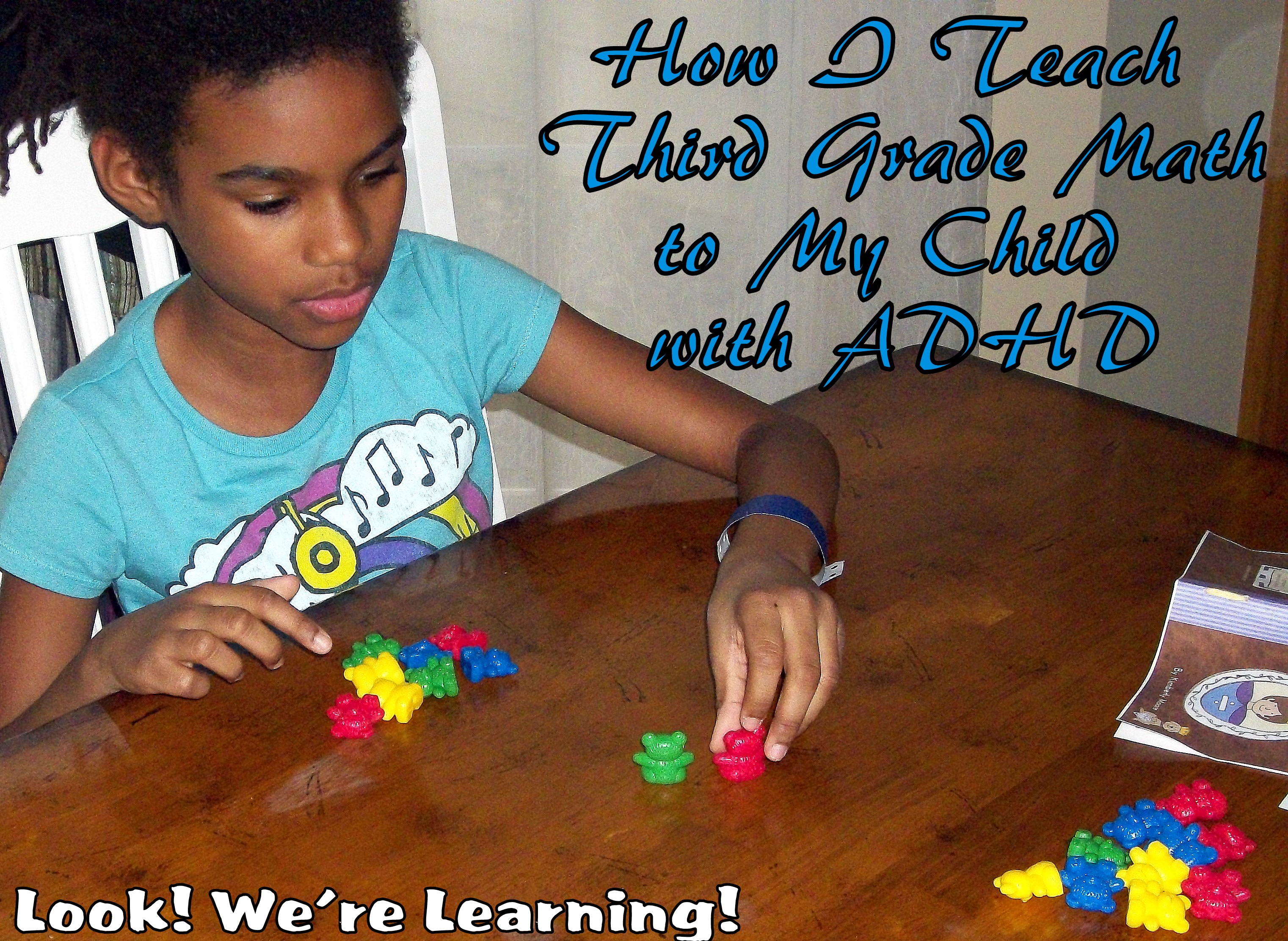
How I Teach Third Grade Math to My Child with ADHD

October 9, 2013 by Selena Robinson 5 Comments

This post contains affiliate links. See our Disclosure Policy here.

How I Teach Third Grade Math to My Child with ADHD: Look! We're Learning!

Hi everyone! This morning we’re sharing our method for teaching math to our third grader with ADHD.

It’s no secret that getting active kids to settle down for school is a challenge. The wonderful thing about homeschooling is that we have the flexibility to adapt our lessons to our kids, rather than having to change our kids to fit the lessons.Keep Reading…

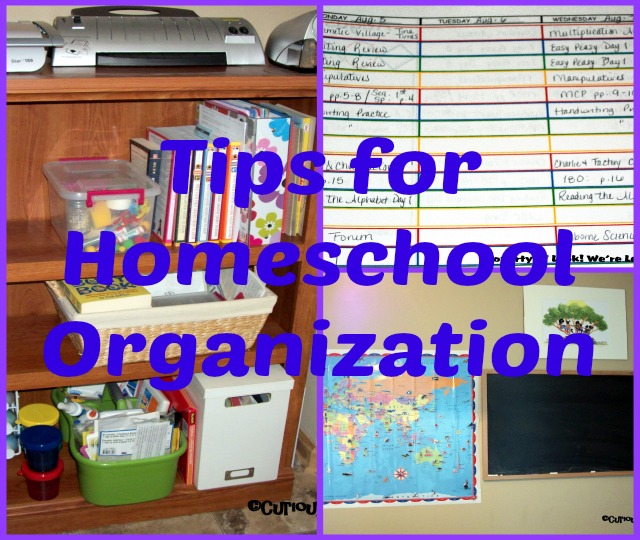
Tips for Organizing Your Homeschool

October 8, 2013 by Selena Robinson Leave a Comment

Tips for Homeschool Organization: Look! We're Learning!

Good morning everyone! This week, the ladies of iHN will be holding a live G+ iHN Weekly Homeschool Hangout on the topic Organizing Your Homeschool. As I’m sure you all know, homeschool organization is always a hot topic.Keep Reading…

The Living History Series: Dizzy Gillespie

October 7, 2013 by Selena Robinson 2 Comments

This post contains affiliate links. See our Disclosure Policy here.
Image c/o: Wikimedia Commons

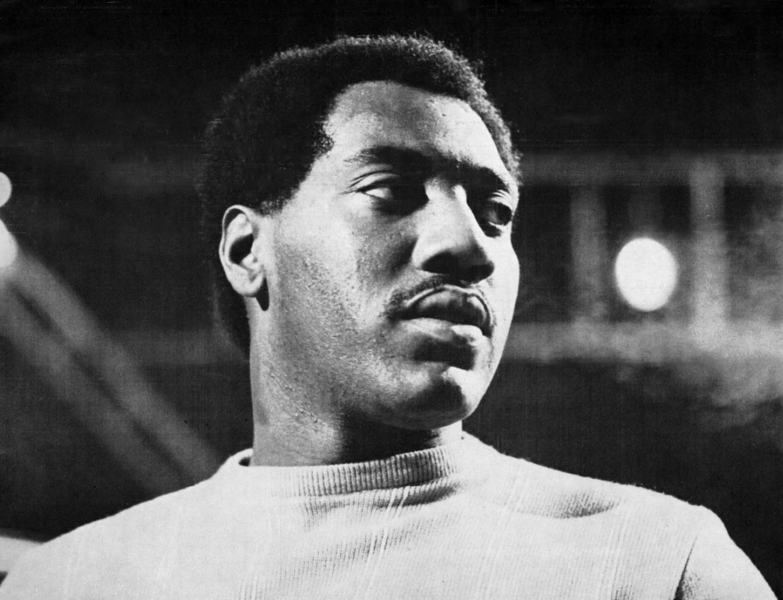
It’s time for another Living History figure! We enjoyed our study of Otis Redding so much last month that we’re going with another American music icon for October: Dizzy Gillespie.

The only things I personally know about Dizzy Gillespie are that he was a great trumpet player, that he recorded “A Night in Tunisia” with Charlie Parker, and that he blew his cheeks out to enormous proportions when he played.Keep Reading…

Bee Crafty Kids #25 – Pipe Cleaner Neurons

October 4, 2013 by Selena Robinson 2 Comments

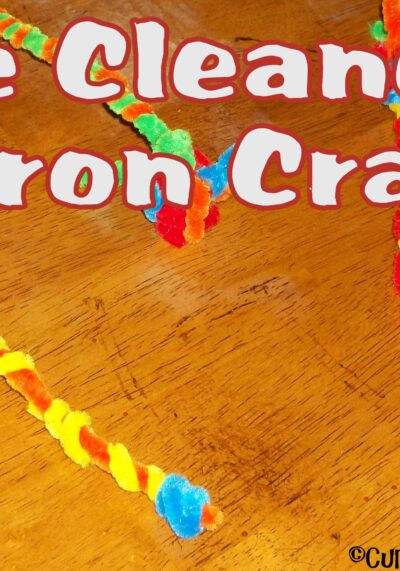
Pipe Cleaner Neuron Craft: Look! We're Learning!

Bee Crafty Kids Button

Happy Friday everyone! It’s time for another Bee Crafty Kids Link Up! Every Friday, I get to co-host this roundup with Dusty from To The Moon and Back, Jolene from Monsters Ed Academy, and Melanie from Our Crafts N Things! You can find out more about all four of us here.

During a recent science lesson on the brain, Jay took the time to make pipe cleaner neurons with the kids.Keep Reading…

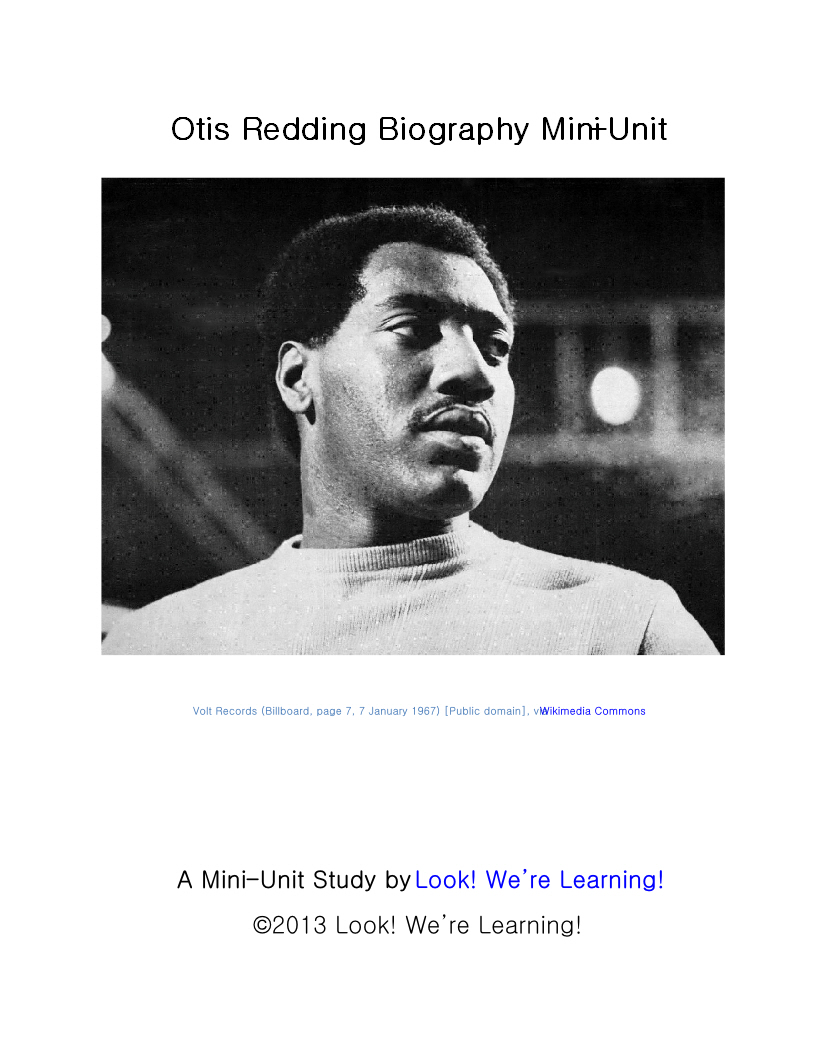
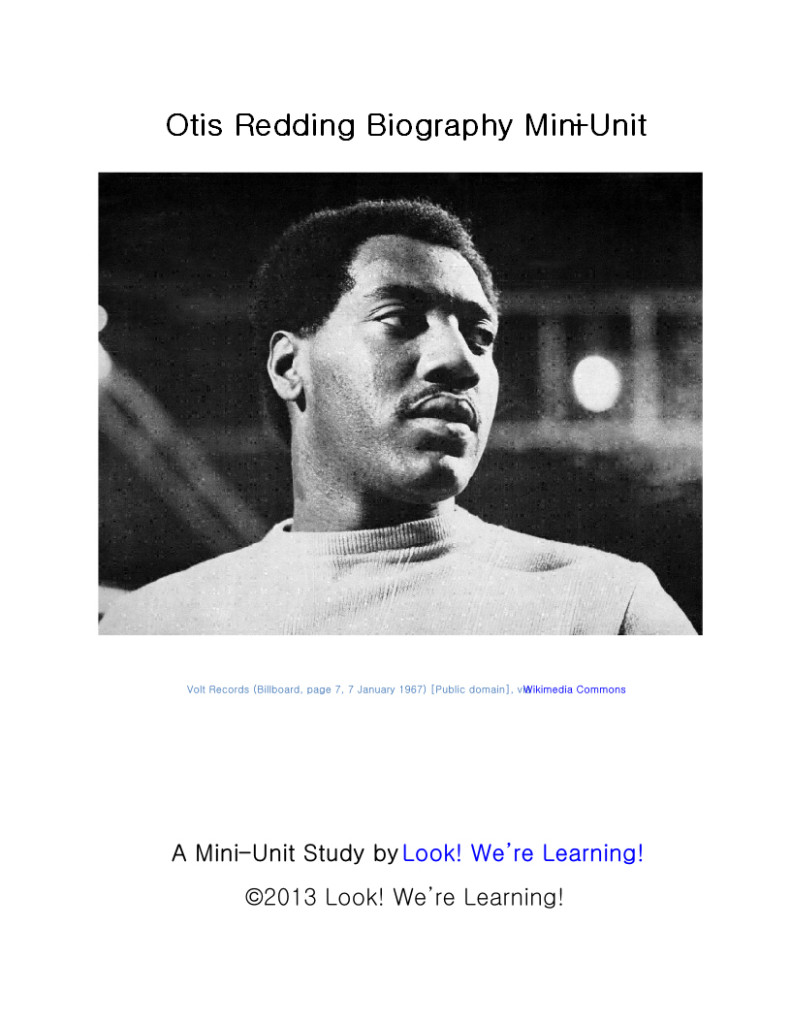
The Living History Series: Otis Redding Biography Mini-Unit

October 1, 2013 by Selena Robinson Leave a Comment


Otis Redding Biography Mini-Unit: Look! We're Learning!

Good morning everyone! As you can see, we’re back to posting every weekday! Yay!

Last month, we chose Otis Redding as our historical figure for the Living History Series. We were surprised to find that there were very few books available about his life, especially for children. So we put together a biography mini-unit of our own.

Tigger enjoyed learning about Otis’s life and career. She was surprised to learn that he and his family picked cotton to earn money and that he grew up in Georgia in a town about an hour away from us. We also learned that Otis drew his inspiration from several other Georgia musicians, such as Little Richard. In fact, one of the first songs Otis would sing as a teenager was “Tooti Frutti”.

The Living History Series: Otis Redding Biography Mini-Unit - Look! We're Learning!

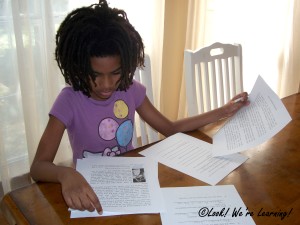
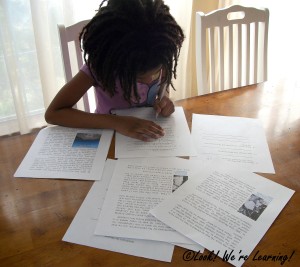
After we read the biography, Tigger got to work answering the review questions. She especially liked completing the crossword puzzle and the copywork with lyrics from “Sittin’ On the Dock of the Bay”.

The Living History Series: Otis Redding Biography Mini-Unit - Look! We're Learning!

Naturally, we had to listen to “Sittin’ On the Dock of the Bay”.

If you’d like to learn more about Otis Redding’s life, career, and accomplishments, feel free to download the free Otis Redding Biography Mini-Unit by clicking the image or link below! It’s appropriate for grades 2-4.

Otis Redding Biography Mini-Unit: Look! We're Learning!

 Otis Redding Biography Mini-Unit

Must Have Supplies for Homeschooling Several Kids

September 26, 2013 by Selena Robinson 7 Comments

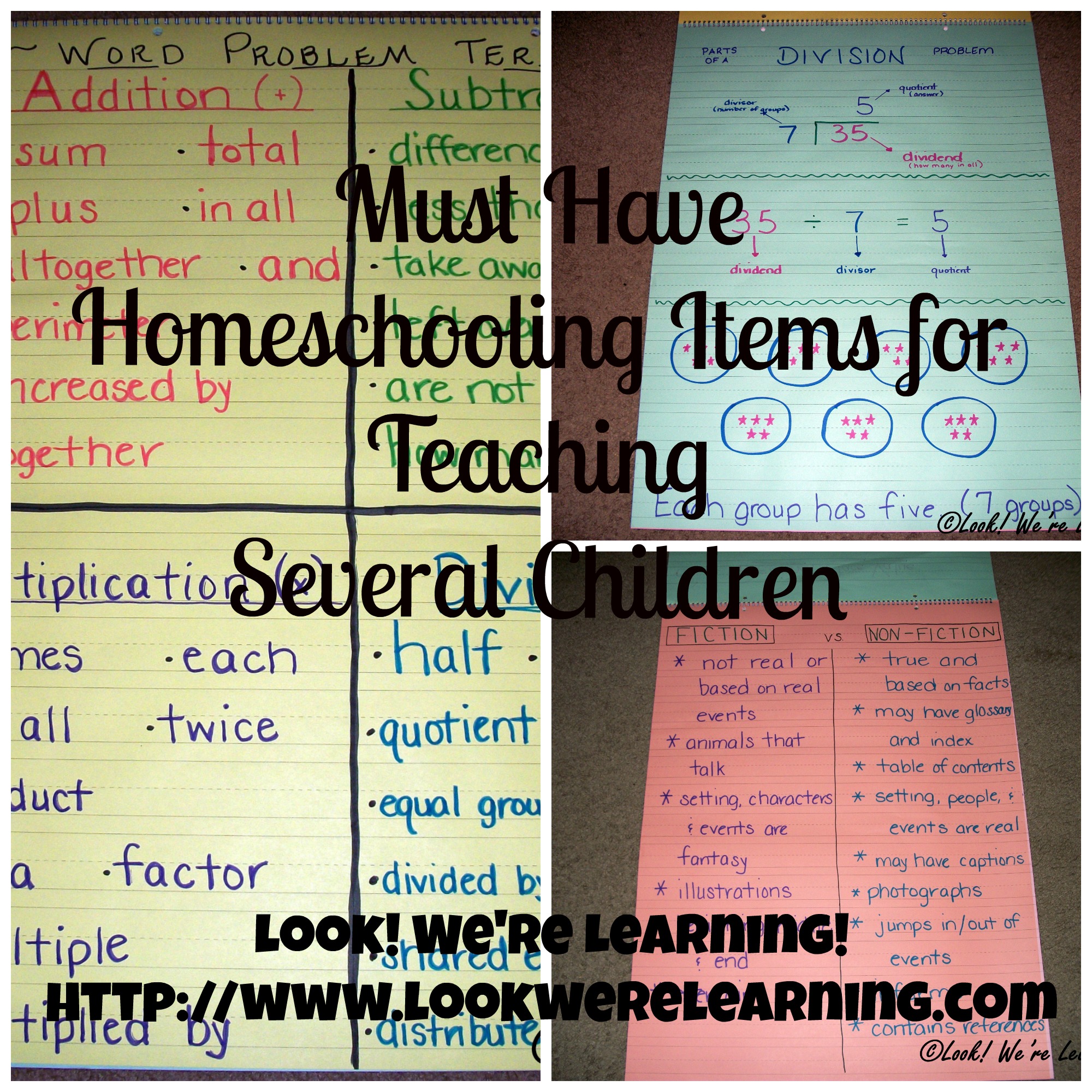
Hi everyone! Thanks for stopping by to see us again! Today we’re sharing some of our must-have homeschooling items for teaching several children.

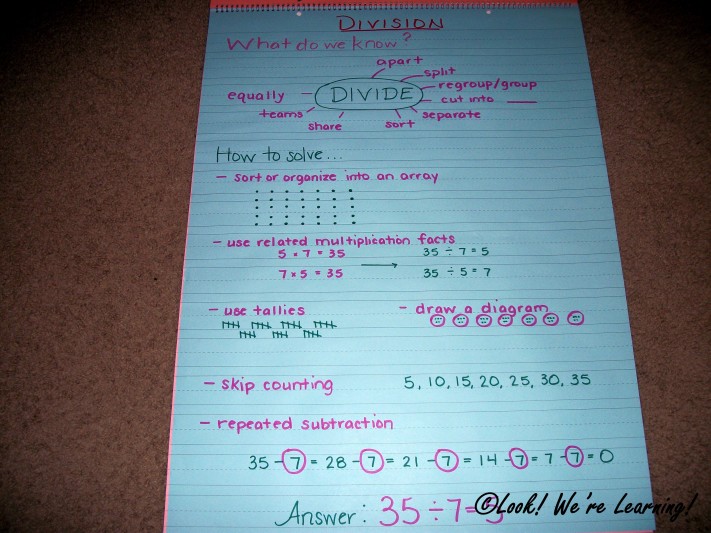
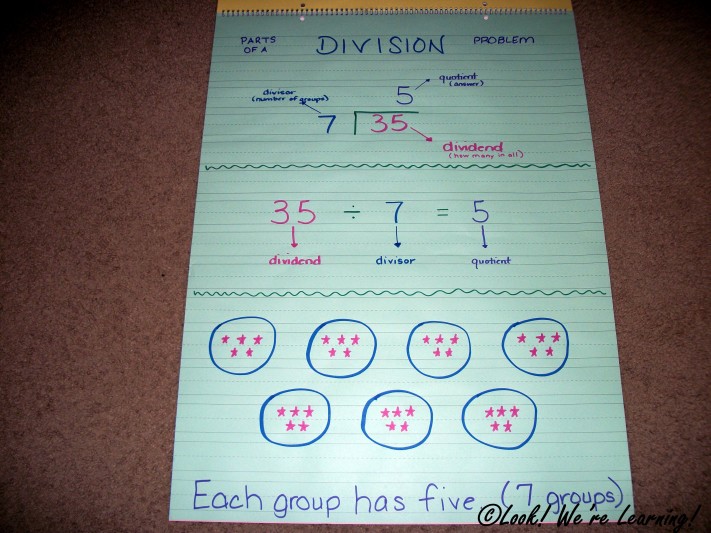
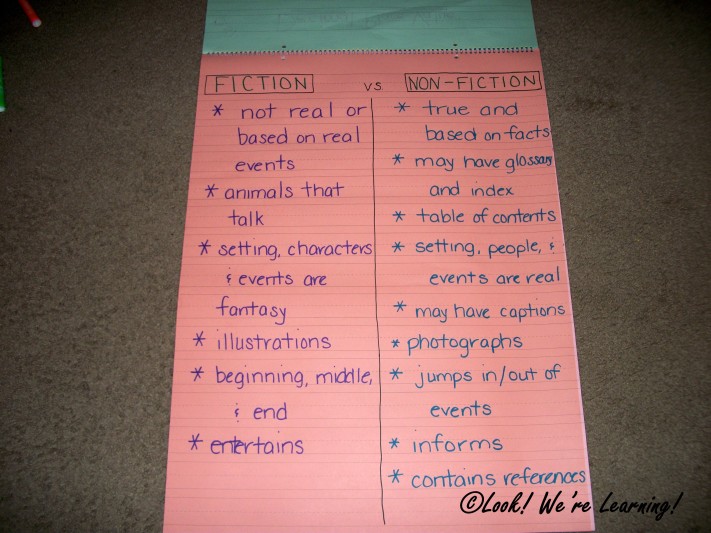
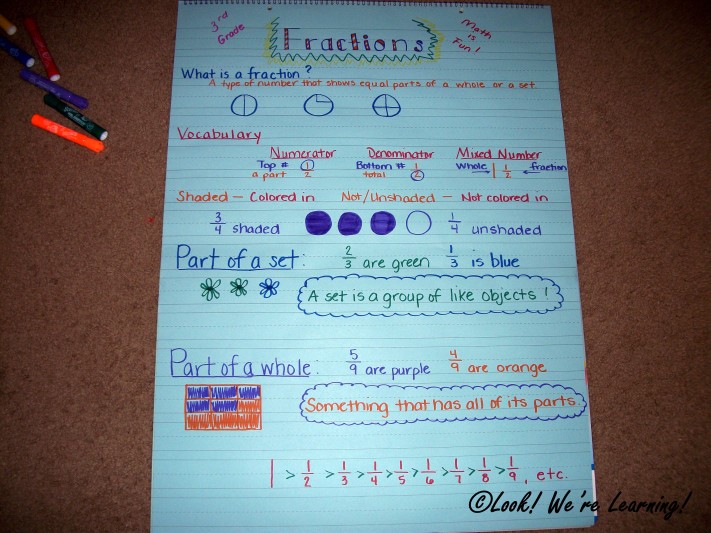
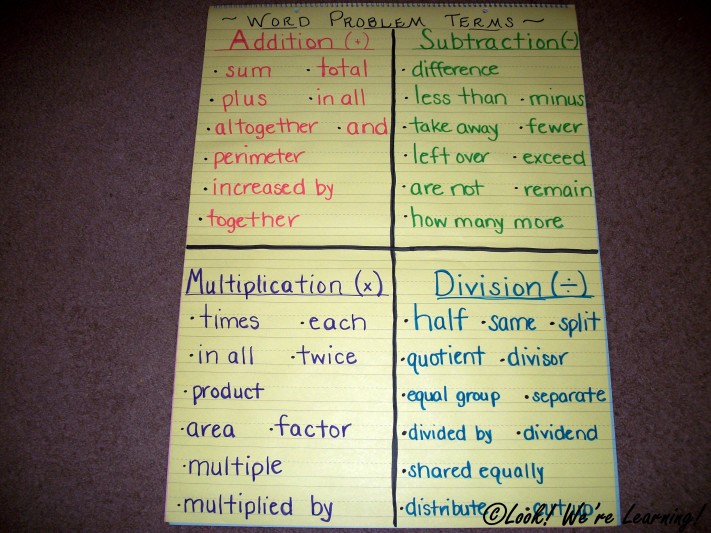
As you well know, we have four kids – three of whom are homeschooling now. To make lesson planning and teaching easier, we make charts for key concepts in a specific grade level and then we use those as the basis for our lessons.

Since Tigger is dealing with ADHD, we’ve found that using anchor charts helps her to pay attention, grasp key concepts, and remember them.

Must Have Homeschooling Items for Teaching Several Children: Look! We're Learning!

Homeschool Must Haves: Anchor Charts

One of the best advantages of using anchor charts is that they are very economical for teaching several children. We can make a series of anchor charts for Tigger’s grade level and then save them for our younger kids as they get older. That way, we can just reuse the same charts again and save lots of time on lesson planning!

(We’ve shared our experiences in using anchor charts for multiplication and rounding previously.)

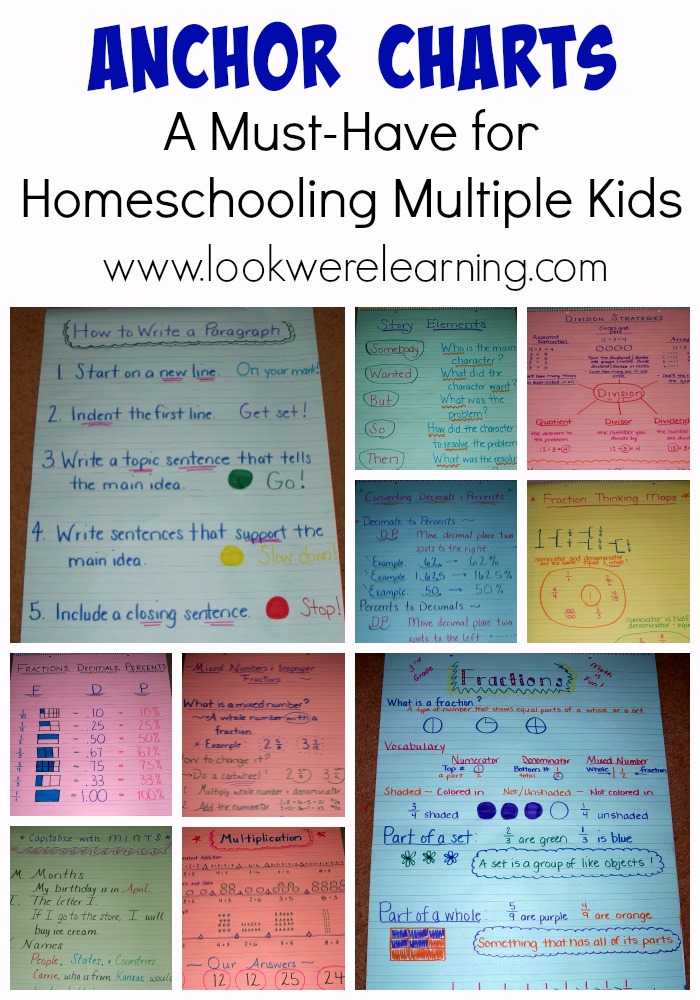
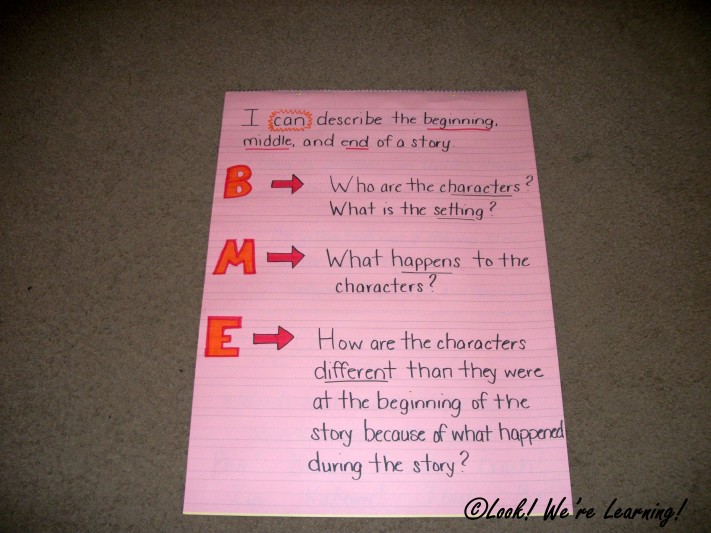
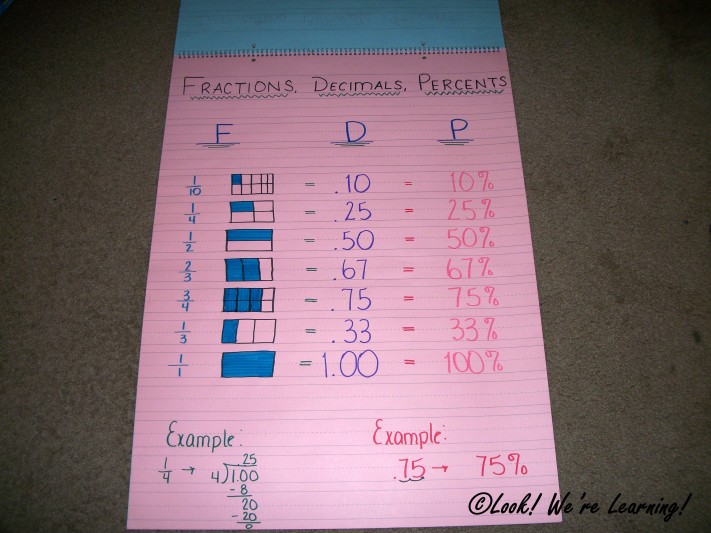
Here are a few of the anchor charts we’ve used or plan to use with our kids:

Must Have Homeschooling Items for Teaching Several Children: Look! We're Learning!

Must Have Homeschooling Items for Teaching Several Children: Look! We're Learning!

Must Have Homeschooling Items for Teaching Several Children: Look! We're Learning!

Must Have Homeschooling Items for Teaching Several Children: Look! We're Learning!

Must Have Homeschooling Items for Teaching Several Children: Look! We're Learning!

Must Have Homeschooling Items for Teaching Several Children: Look! We're Learning!

Must Have Homeschooling Items for Teaching Several Children: Look! We're Learning!

Before you heap praise on me for these, I have to tell you that I got all of these ideas from anchor charts I saw on Pinterest. If you’d like to see some of the charts we’ve especially liked, follow our Anchor Chart Ideas board!

To learn more about why we like anchor charts and how we use them in our homeschool, check out our YouTube video below!

You can grab the same chart tablet and markers we use from Amazon.com:

Pacon 74733 Colored Chart Tablets, Ruled, Spiralbound, 24″ x 32″, Assorted Colors

Sanford Mr. Sketch Assorted Scent Markers 12 Pack

This post is part of the Must Have Homeschooling Items linkup from iHomeschoolNetwork! Click on over to read about the must have homeschooling items of our fellow bloggers!

Homeschooling Must Haves: iHN

Studying Volcanoes!

September 17, 2013 by Selena Robinson 3 Comments

This post contains affiliate links, which help to support this site. Thank you!

Good morning everyone! Hope your week is going well! We’re having a blast over here! (Because we just studied volcanoes – get it?)

Last month we decided to set aside a day to learn about Mount Vesuvius, which erupted in August of 79 C.E. We figured that was a great time to talk about volcanoes in general, which Roo has been wanted to learn about for the longest.

First, we did some research about volcanoes themselves – what they are, how they work. There is a great basic post about volcanoes (complete with facts at animations) at Weather Wiz Kids. We read through that together and talked about the types of volcanoes and the basic idea behind plate tectonics. The kids thought it was cool that enormous pieces of land are constantly moving around the earth.

We picked up the Knowledge Box Central Volcano Lapbook from Currclick and reviewed basic volcano vocabulary and the types of volcanic eruptions, including Strombolian and Plinian. Which brings us back to Mount Vesuvius, because we learned that Vesuvius was a Plinian eruption (the most explosive) and that it got its name from the eyewitness account recorded by Pliny the Younger. Very neat.

To show the children just how large the Vesuvius eruption was, we looked at some images taken of the area.

Image c/o: Italy Cruise Shore Tours

What’s really fascinating about this image is that the top of the volcano is missing because it was COMPLETELY BLOWN OFF during the eruption. Wow. Geology.com has a great in-depth article about the Vesuvius eruption, with maps, pictures, and a history of both the 79 C.E. eruption that destroyed Pompeii and the smaller one in 1944.

After that, we wanted to get a better look at these types of eruptions, so we used the HLN Volcanoes Unit Study (also from Currclick) to look at images of eruptions. In this Unit Study, we learned about a couple of other types of eruptions, including fissure eruptions and hydrovolcanic eruptions. The kids thought that the hydrovolcanic eruptions were especially cool, since they the explosion creates steam from the release of lava mixing with water vapor in the air near the water.

(By the way, if you want to see some truly stunning, unforgettable images of volcanic eruptions, you have to check out this photoessay at the Daily Mail. Yes, it’s the Daily Mail, so be careful of the sidebars. But the images are worth a look.)

To get a real-time look at volcanoes, we watched a short video from National Geographic called “Volcano 101”.

Prior to watching this, I had no idea that volcanoes had any beneficial effects outside of forming land. Huh.

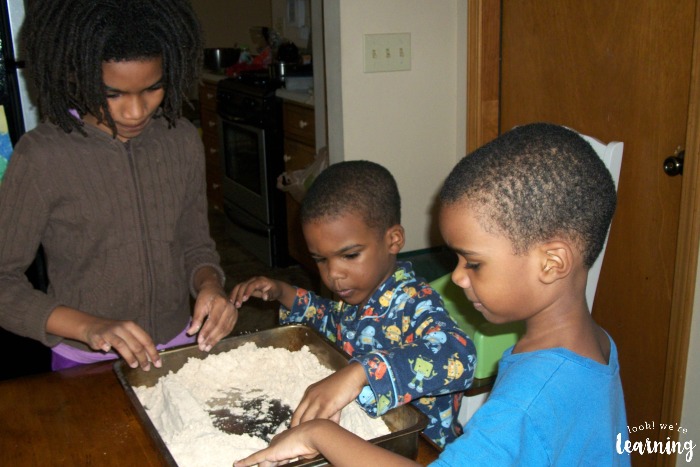
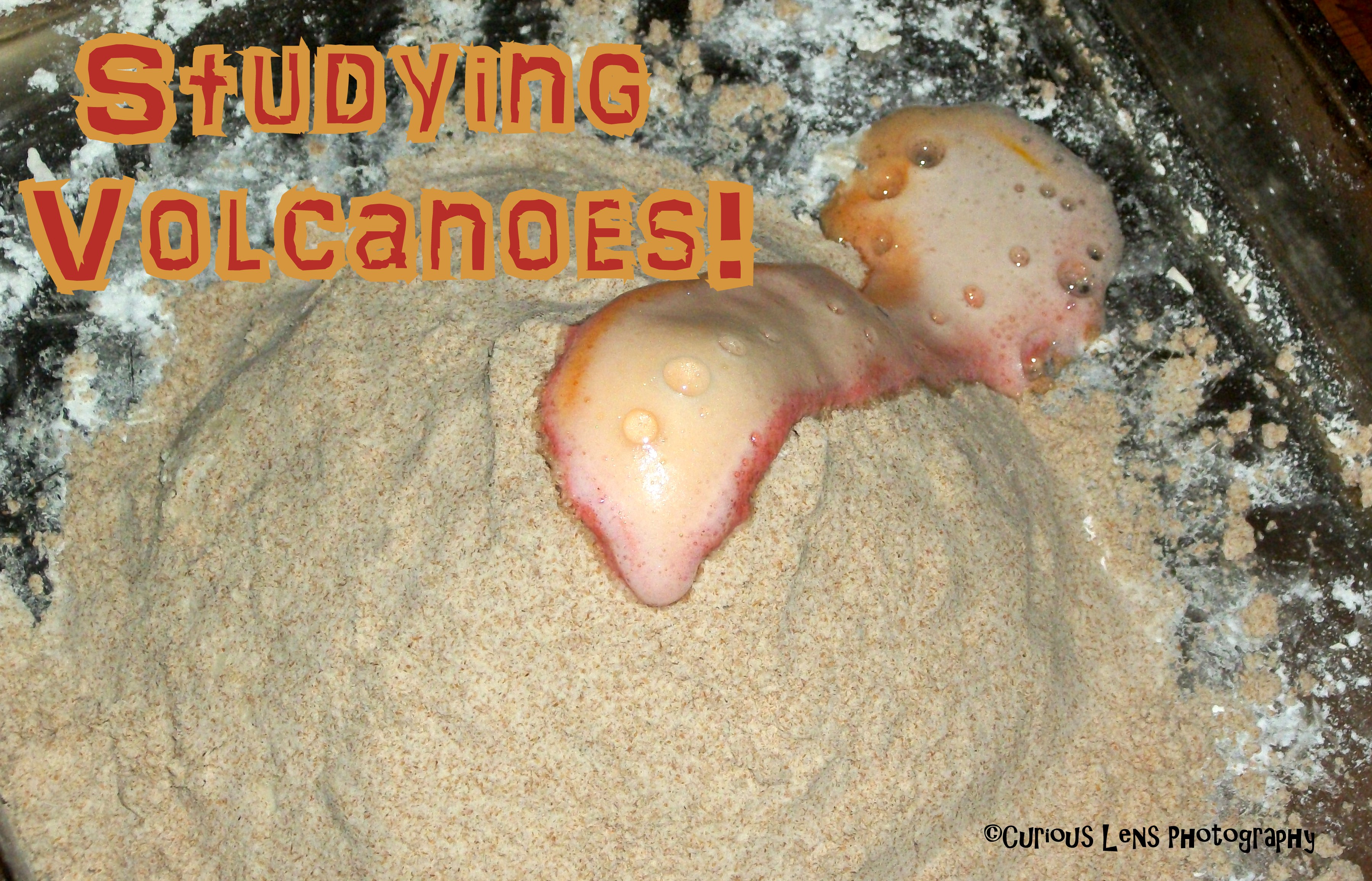
Of course, we couldn’t let this unit go by without making our own volcano. (I never got to make one of these in science class, so there was a little of living vicariously through the kids here. I can admit that.) We used the volcano recipe from Science Bob and a play dough recipe originally developed by Mister Rogers to form our volcano.

Studying Volcanoes: Look! We're Learning!

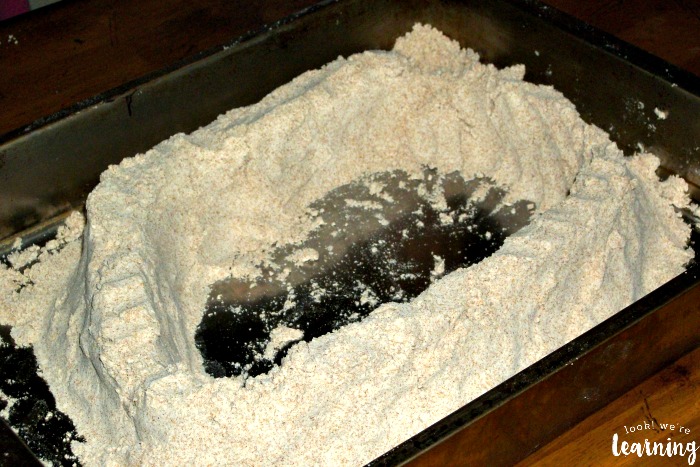
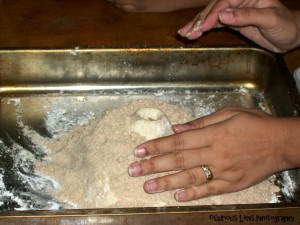
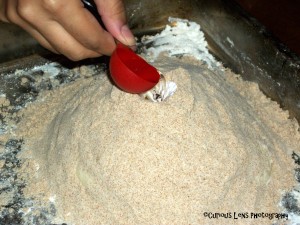
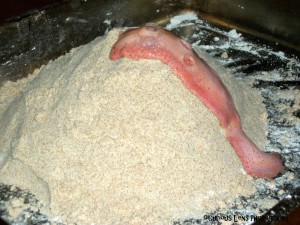
We mixed the flour and water together for the play dough and then made a hole in the center. We placed an empty prescription medicine bottle in the middle to hold our ingredients. To give it a slightly more authentic look, we added some of our play beach sand around the outside of the play dough.

Studying Volcanoes: Look! We're Learning!

Time for the ingredients! It’s just baking soda, liquid dish detergent, food coloring, and vinegar. Save the vinegar for last, because as soon as you pour it in….

Studying Volcanoes: Look! We're Learning!

You get an explosion!  

We had so much fun learning about volcanoes together! Have you gotten to discuss volcanoes yet with your kids? How did you go about covering this topic? Let us know in the comments!

Solving the Socialization Dilemma

September 12, 2013 by Selena Robinson 9 Comments

Solving the Socialization Dilemma: Look! We're Learning!

If you’ve ever mentioned the word homeschooling in public, you’ve probably heard at least one person express concern about “socialization”. True, these well-meaning individuals may not use the actual word, but they probably say things like this:

“Don’t they need to be around some other children their own age?”

“They need to get away from Mommy and Daddy and see what it’s really like out there.”

“If you don’t let them to get used to other kids, they’re not going to know how to talk to people.”

“You’re sheltering them from the real world by keeping them at home with you.”

It can be tempting to respond to these concerns with a snarky answer. Maybe something like “You spent time around other children and you clearly don’t know how to talk to people yet.” (Okay, that might be just MY personal fantasy response.) But there’s a hint of truth behind those statements.

All children need socialization, including homeschoolers. Interestingly, the definition of the word “socialize” is “to make social; especially, to fit or train for a social environment”. The difference for homeschooling families is in how we choose to provide training that for them.

Yes, Homeschoolers Need Socialization

Solving the Socialization Dilemma: Look! We're Learning!

I’ve heard some homeschooling parents argue that children don’t need socialization with other children at all. They might say that kids get plenty of socialization by talking to their neighbors and acquaintances through the course of the day. Speaking as a homeschooling graduate, I have to respectfully disagree with that sentiment.

I was taught at home from the age of 11 until graduation and I spent quite a bit of time talking with adults on a regular basis. In fact, I eventually became more comfortable with adults than I was with my peers. That’s fine in itself. The problem came, though, when I attended the first day of college. I took one step into the Student Lounge and nearly had a panic attack. I hadn’t been around a large group of people my own age in years and it was a terrifying experience. So I do believe that homeschooled children need socialization with all kinds of people: adults, older kids, younger kids, and their peers. Talking to the cashier at the grocery store just isn’t going to cut it.

Creating Socialization Opportunities Outside the Home

Solving the Socialization Dilemma: Look! We're Learning!

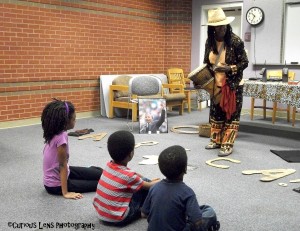
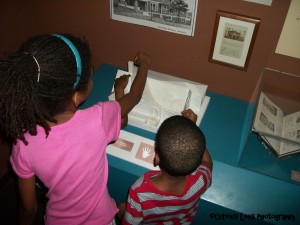
How do we find ways to get our children out and around during the course of homeschooling? Simple. Make it part of the school day. Check out the activity calendar for any local attractions in your area and make it a point to visit on days that are set aside for children or homeschoolers. We’ve gotten to attend museum days and public storytelling events around our area and our kids have enjoyed being out and around others. We also belong to an active homeschooling group that arranges park days, support meet-ups, and field trips.

During these activities, the kids have learned some valuable things they can’t at home – how to stand in line, how to sit quietly in a group (even when others are talking), how to speak up to ask for assistance when needed, and how to listen despite distractions. These are important skills that they’ll need throughout life.

Encouraging Socialization Inside the Family

Solving the Socialization Dilemma: Look! We're Learning!

Of course, all this time training our children to interact with other people won’t be worth a thing if they can’t interact well with each other. Good socialization habits begin in the home and, as parents, it’s our job to help our kids learn how to treat one another with respect, settle disputes, and show concern. Our two oldest children, Tigger and Pooh, have gotten into several spats over the years. He looks up to her, but doesn’t really want her to know it. She wants his approval, but tries to keep that a secret. It’s a never-ending saga.

Jay caught on to the pattern between the two of them early on and he’s worked with them constantly, trying to help them speak to each other honestly and with kindness. As a result, the daily squabbles have dwindled down to a couple times a week. We’re confident that, with time and training based on Bible principles, their relationship will become stronger. (We fully expect a similar dynamic between Roo and Piglet in the future, though.)

Solving the socialization dilemma doesn’t mean separating our kids from society and it doesn’t mean dropping them off into a group of their peers without preparation. We can do it by making opportunities to train them for social activities. And all that takes is being an involved homeschooling parent.

This post is part of the “Homeschooling and the S-Word (Socialization)” linkup at iHomeschool Network! Click over to read great posts about homeschooling and socialization from our fellow bloggers!

Homeschooling and Socialization: iHN

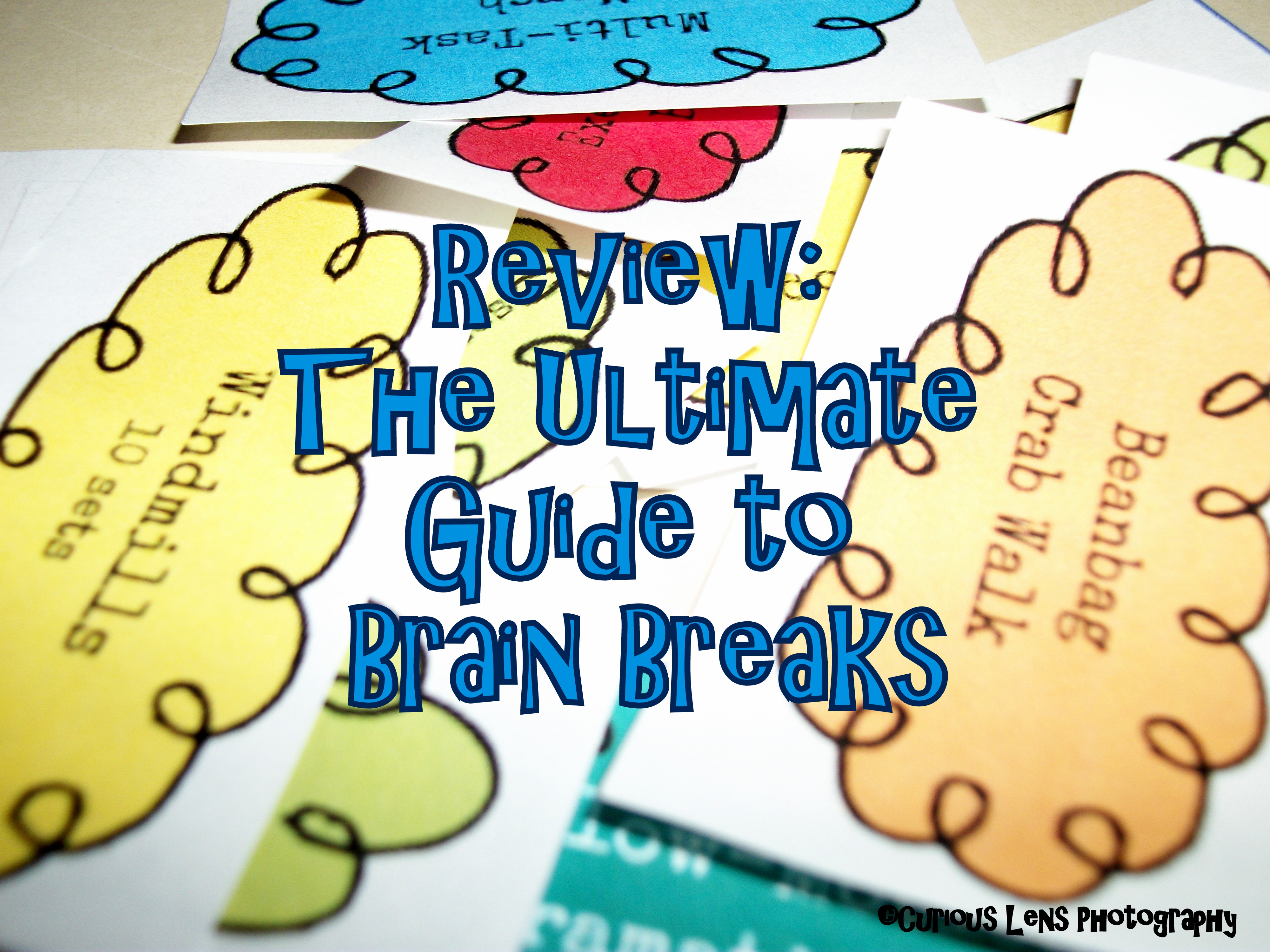
Review: The Ultimate Guide to Brain Breaks

September 5, 2013 by Selena Robinson 8 Comments

I received a free copy of this book in exchange for this review. All opinions are my own. See our disclosure policy here.

Good morning everyone! We got the chance to review a wonderful ebook that we’re sharing with you guys today.

When you’re homeschooling kids who are active learners, you find out pretty quickly that they need to take several activity breaks throughout the day. So when the book “The Ultimate Guide to Brain Breaks” by Heather Haupt was released, we were super excited to read about how we can make those breaks better for our kids.
The Ultimate Guide to Brain Breaks Review: Look! We're Learning

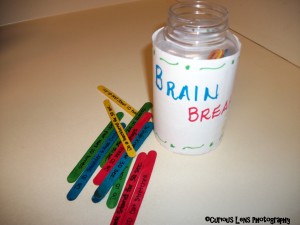
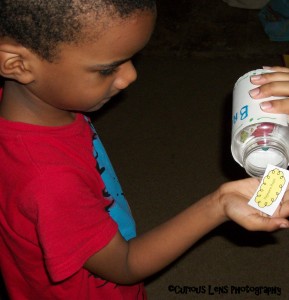
We were already using a brain breaks system before this. I based it on a picture I saw on Pinterest. I just grabbed colored popsicle sticks and wrote different movements on them “Run in place for 30 seconds”, “Do 10 toe touches”, etc. And the kids could stick their hand in and grab whichever one they wanted. So I knew that brain breaks are a great way to help children regain their focus.

But here’s why I liked Heather’s book and system better. First, she begins the book with a scientific explanation of why all of us need brain breaks, not just kids. It turns out that periodic physical activity actually stimulates parts of our brains for learning. So moving around isn’t just good for kids – it’s necessary to help them learn effectively. That was very enlightening to me.

Within the book, Heather includes several printable brain breaks of her own and these are not the typical kid exercises either. They’re silly enough to make the activities fun, but they also include helpful training in balance work, coordination, and focus.

The Ultimate Guide to Brain Breaks Review: Look! We're Learning

Pooh selected “Popcorn Pops” as his brain break activity. We weren’t sure how to do those, but “The Ultimate Guide to Brain Breaks” has full-color illustrations of several of the exercises and written descriptions of all of them, which helped us figure out what to do.

The Ultimate Guide to Brain Breaks Review: Look! We're Learning

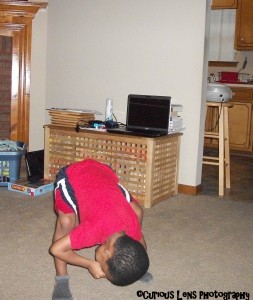
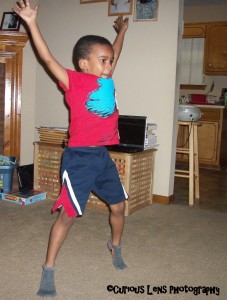
Basically, you crouch down to the floor…

The Ultimate Guide to Brain Breaks Review: Look! We're Learning

And then explode out into a star shape. (Like a popcorn kernel popping.)

The Ultimate Guide to Brain Breaks Review: Look! We're Learning

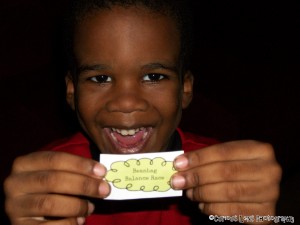
Roo picked the “Beanbag Balance Race” activity. Can you tell he was excited?

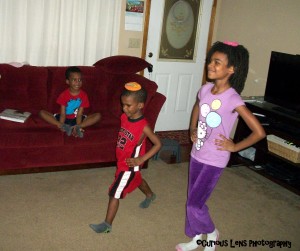
The Ultimate Guide to Brain Breaks Review: Look! We're LearningHe and Tigger loved racing one another with beanbags on their heads! At first, Roo got frustrated because he kept looking down, which naturally made him lose his beanbag. Eventually, he got the hang of it.
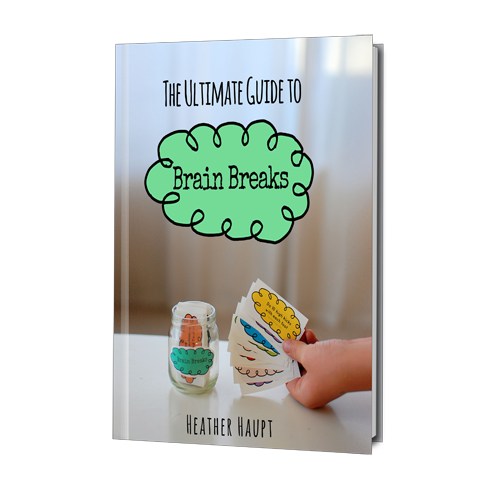
We loved working with “The Ultimate Guide to Brain Breaks”! If your kids are active learners, I highly recommend this book to help you break up the monotony of the school day and to help them refocus their minds on learning!

Pick up your own copy of “The Ultimate Guide to Brain Breaks” below:

The Living History Series: Otis Redding

September 3, 2013 by Selena Robinson 4 Comments

This post contains affiliate links, which help to support this site. Thank you!

Good morning everyone! Thanks for stopping back by to see us this week! Before we go any further, I have an announcement to make about Look! We’re Learning!

We’re going to be cutting back to sharing posts two or three times a week for a while. I’ve just started college classes and…what a difference a decade makes! I remember being so much smarter before I had kids! So I’m taking a mini-break from blogging five days a week until I get my footing with my classes. But don’t worry, we’ll be back to full strength with a 10-day series on African History in October, so stay tuned for that!

In the meantime, we’re continuing with our Living History series and this month we’re focusing on a largely unsung soul musician – Otis Redding. Both Jay and I realized that we know almost nothing about his life and career, so that’s our next historical figure. We’ll be spending some time learning about his musical style, his songs, and his personal life during September.

Surprisingly, there are no children’s books about Otis Redding’s life, so we’ll be adapting the following books for use with the kids:

The Otis Redding Story by Jane Schiesel


Otis!: The Otis Redding Story by Scott Freeman

So far, I’ve found a few comprehensive websites about his life, accomplishments, and untimely death. If you’d like to follow along with us, feel free to check out these resources.

Helpful Links:

The official website of Otis Redding’s life and work: http://otisredding.com/

Biography from Rolling Stone: http://www.rollingstone.com/music/artists/otis-redding

The Museum of American Soul Music biography: http://www.staxmuseum.com/about/artists/view/otis-redding

Biography from the Rock and Roll Hall of Fame: http://rockhall.com/inductees/otis-redding/bio/

Full biography on Wikipedia: http://en.wikipedia.org/wiki/Otis_Redding

Be sure to stop back by during the last week of September to see how we learned about Otis Redding with our family!

Make some simple jewelry with the kids with this fun straw bead necklace craft!

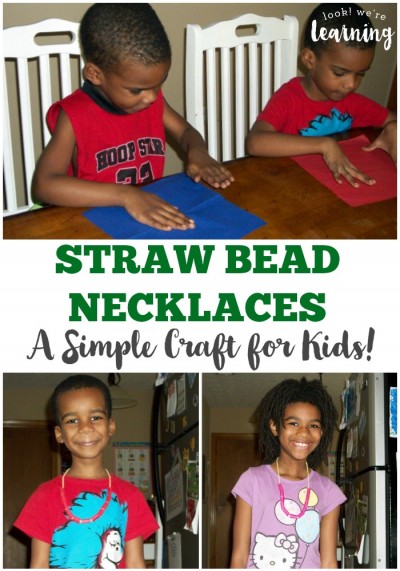
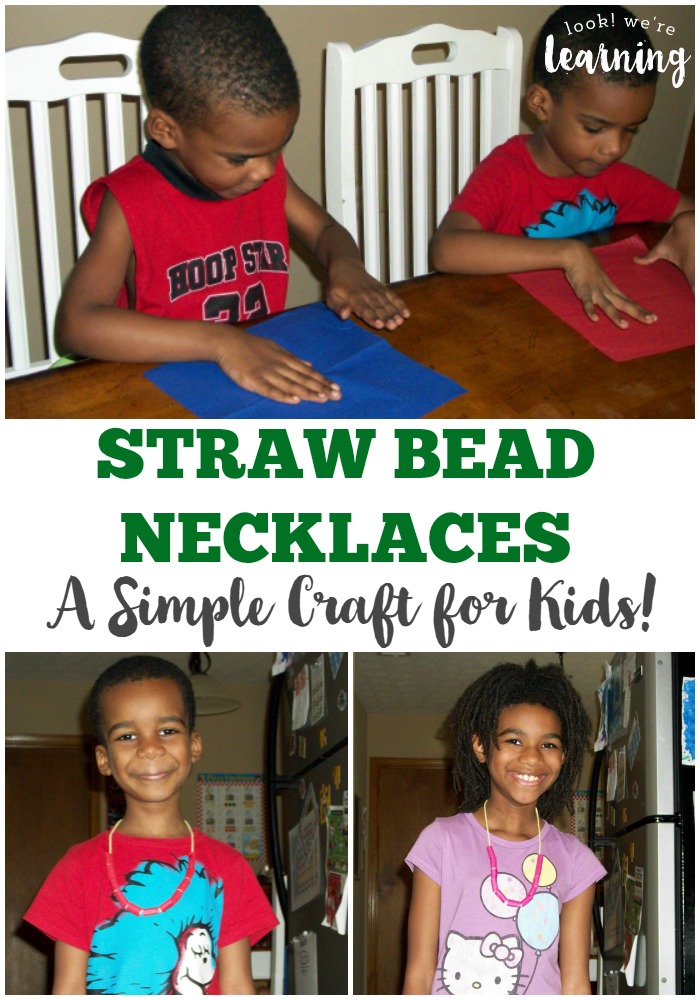
Simple Straw Bead Necklace Craft for Kids

August 30, 2013 by Selena Robinson 3 Comments

If your kids are anything like mine, they’re always asking for the necklaces in the 25-cent machine at the grocery store. You know those fake gold necklaces that turn your neck green? Yeah, those.

I got tired of saying “no” over and over again, so I thought we’d come up with a simple jewelry craft that the kids could make and then wear on their own. That’s when we found this simple straw bead necklace craft and it was a perfect alternative! Plus, it didn’t turn their neck green, which was a plus. 🙂

Read on to see how to make these with your kids! And don’t miss my list of super easy preschool crafts you can make in just 10 minutes!

Make some simple jewelry with the kids with this fun straw bead necklace craft!

Simple Straw Bead Necklace Craft for Kids

This week, we jumped into the great book The Arts & Crafts Busy Book: 365 Art and Craft Activities to Keep Toddlers and Preschoolers Busy and found a super easy craft for kids of all ages: straw beads! And yes, it’s exactly what it sounds like.

Here’s what you need to make this craft:

  • Plastic drinking straws
  • Colored tissue paper
  • Glue
  • Yarn
  • Scissors

Straw Beads: Look! We're Learning!

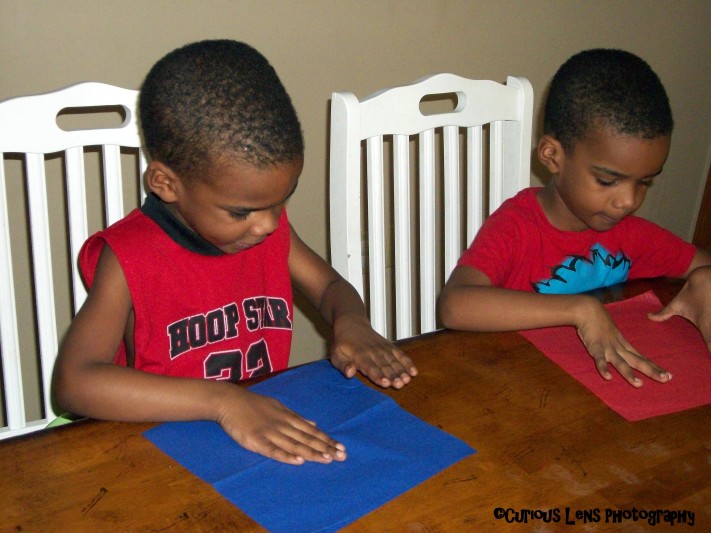
We passed out tissue paper to the kids. They chose their own colors. Surprisingly, Roo picked blue as his new “favorite” color. He’s been hung up on red for years.

Straw Beads: Look! We're Learning!

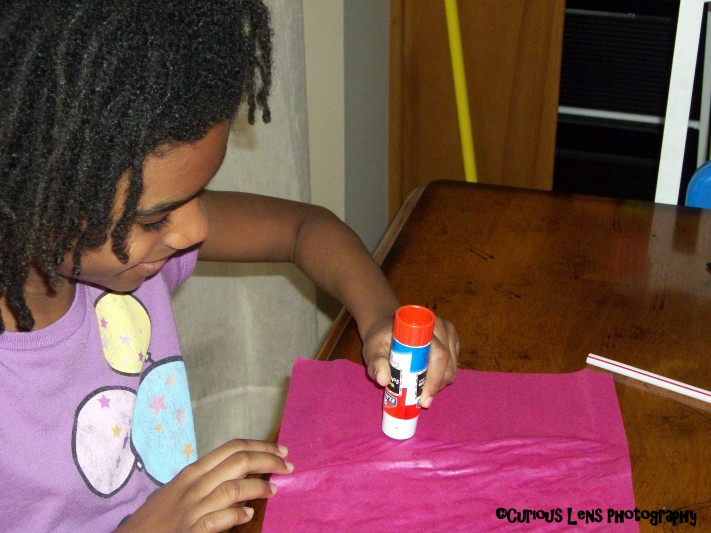
Then we spread glue over the paper. At first, we used glue sticks and they worked somewhat, but we ended up reinforcing them with liquid glue. So, to save yourself some time, use regular glue in the first place.

Straw Beads: Look! We're Learning!

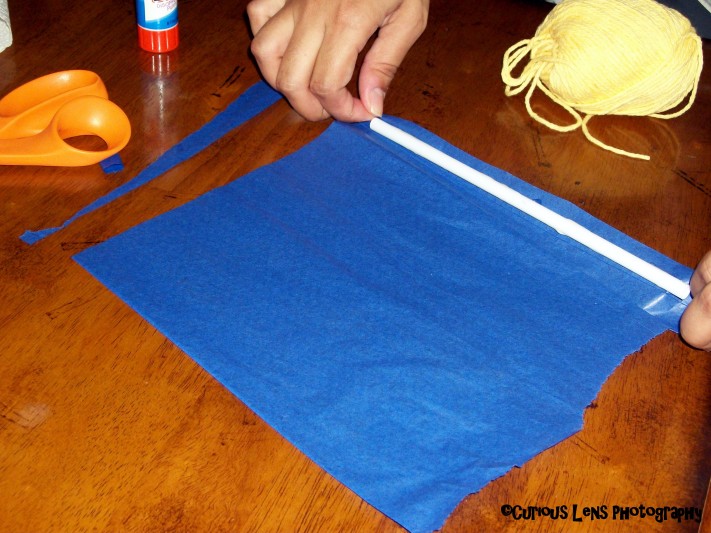
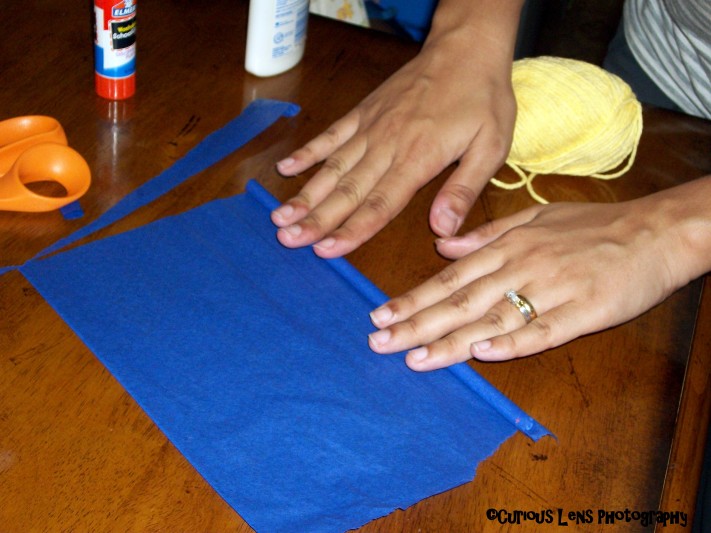
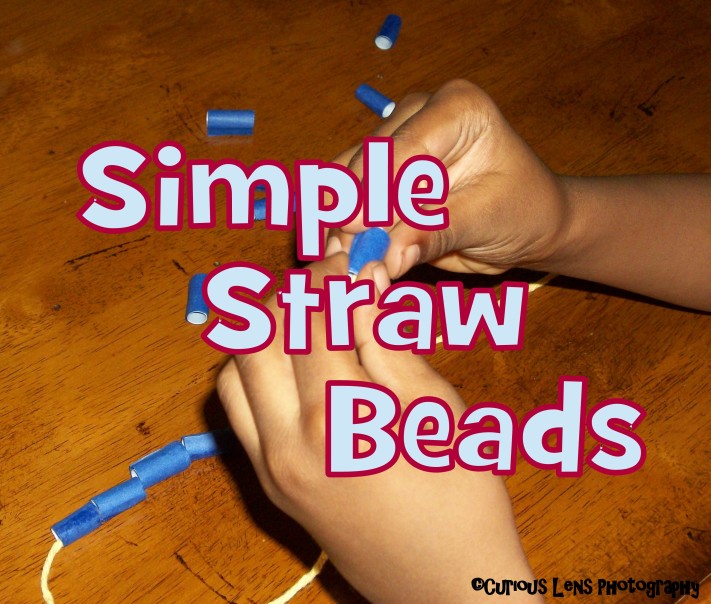
After that, you just place the straw at one end of the paper…

Straw Beads: Look! We're Learning!

and roll it up tightly. We ended up adding a bit more glue to the very end of the paper just to make sure that the ends stayed closed.

Straw Beads: Look! We're Learning!

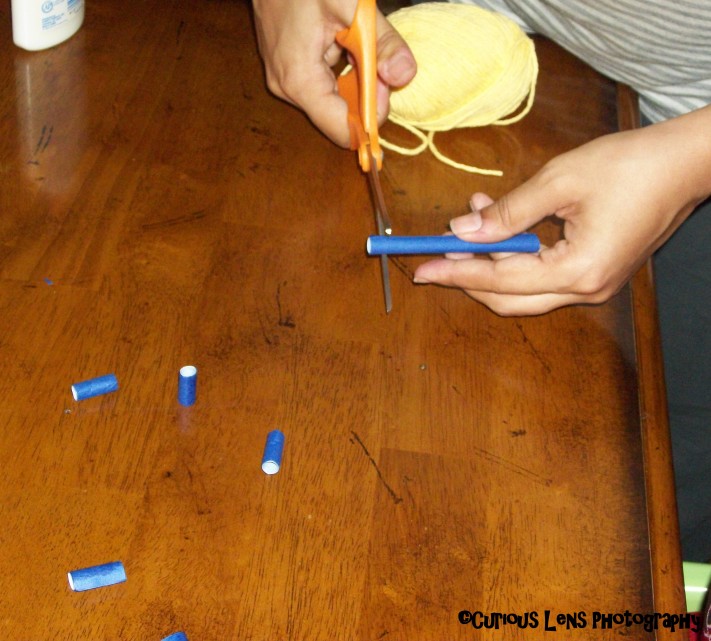
Cut the straw into small pieces with a pair of scissors to make stringable beads. Have the kids string the beads onto a length of yarn, tie it around their neck, and you’re done!

Straw Beads: Look! We're Learning!

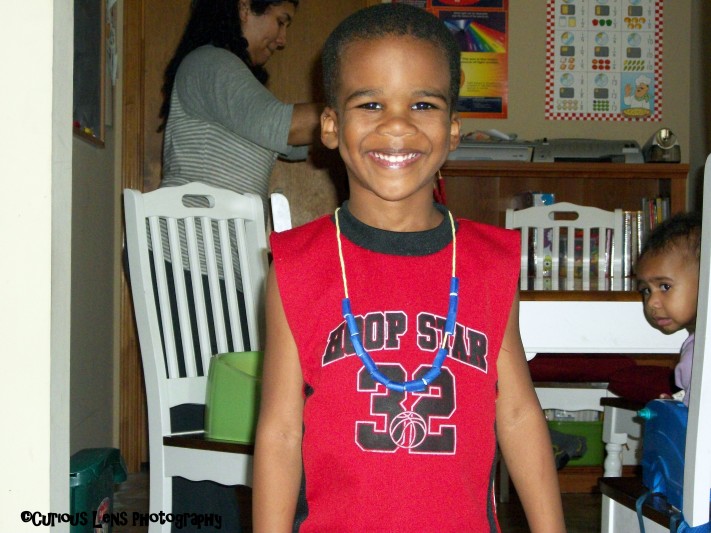
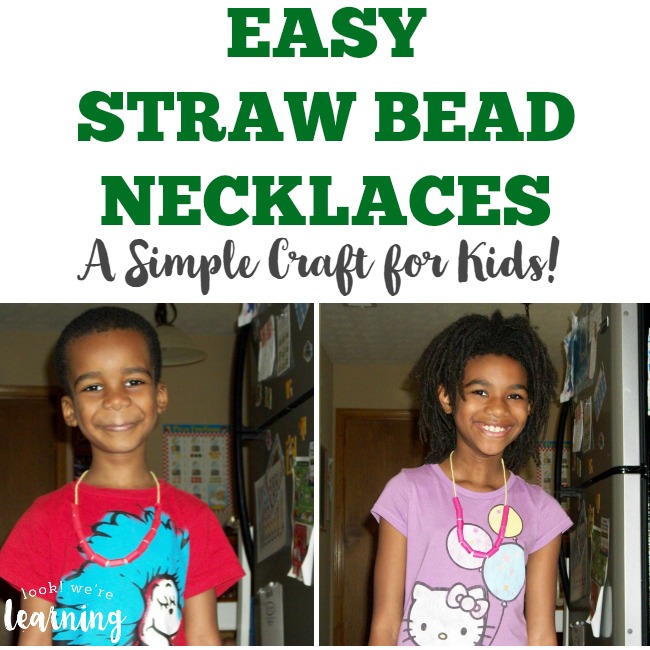
Roo adored his necklace. He wore it the rest of the evening.

Straw Beads: Look! We're Learning!

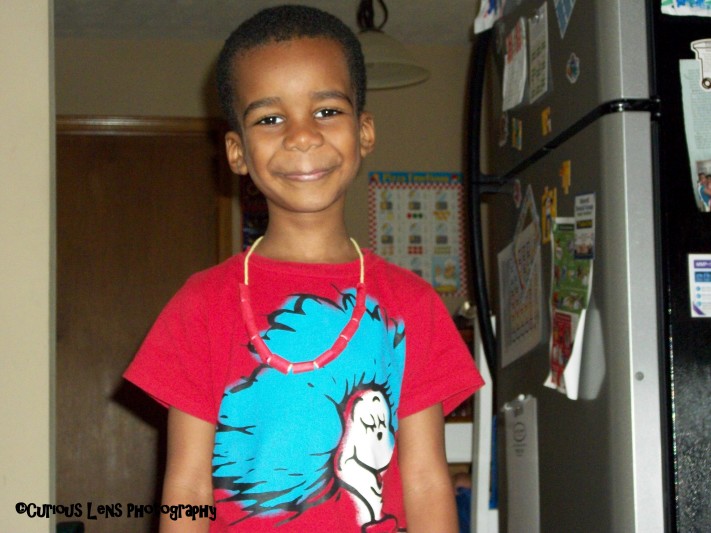
Pooh fiddled with his most of the day afterward, but he’s asked to wear it everyday since.

Straw Beads: Look! We're Learning!

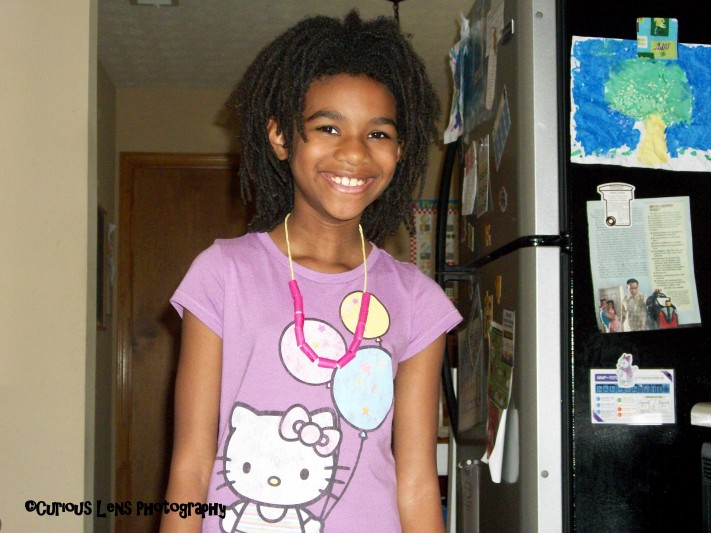
Tigger just loved her necklace! Right now, anything even remotely girly is a big hit with her.

Simple Straw Beads: Look! We're Learning!

Have you tried this straw bead necklace craft? How did it go? Share your experiences in the comments!

Easy Straw Bead Necklace Craft for Kids

Don’t miss these other craft ideas!

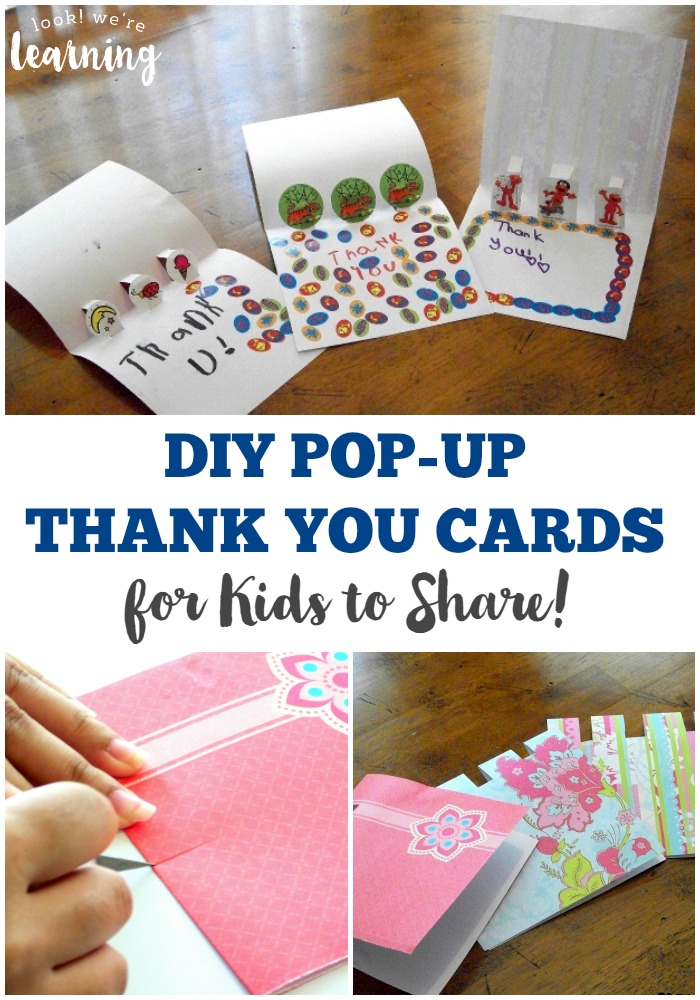
These DIY Pop Up Thank You Cards are a perfect craft for kids to make and share with loved ones!

This edible play dough dairy free recipe is perfect for kids who love sensory play but avoid eating dairy! It's super sweet and soft for play!

This easy DIY pinwheel craft is a fun way to study wind with the kids!

Plus, see more crafting fun on my Simple Crafts for Kids Pinterest board!


Living History for Kids: Nelson Mandela Unit Study

August 29, 2013 by Selena Robinson 3 Comments

Hi everyone! It’s the end of the month, so it’s time to share our living history unit for this month! Our Living History figure for August was Nelson Mandela.

We began by reading the book Nelson Mandela: Long Walk to Freedom with the kids to give them a background about Mandela’s life and experiences. We talked a lot about what apartheid was and why it was so unfair to black people in South Africa. We all agreed that it was a good thing that apartheid no longer exists. The kids were also surprised to learn that a similar policy was in place in the United States until a few decades ago.
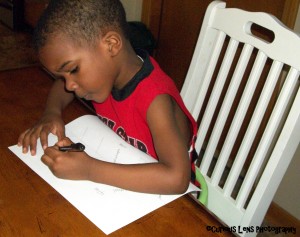
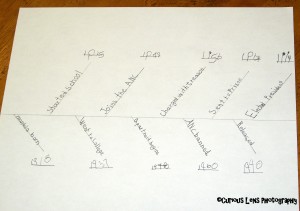
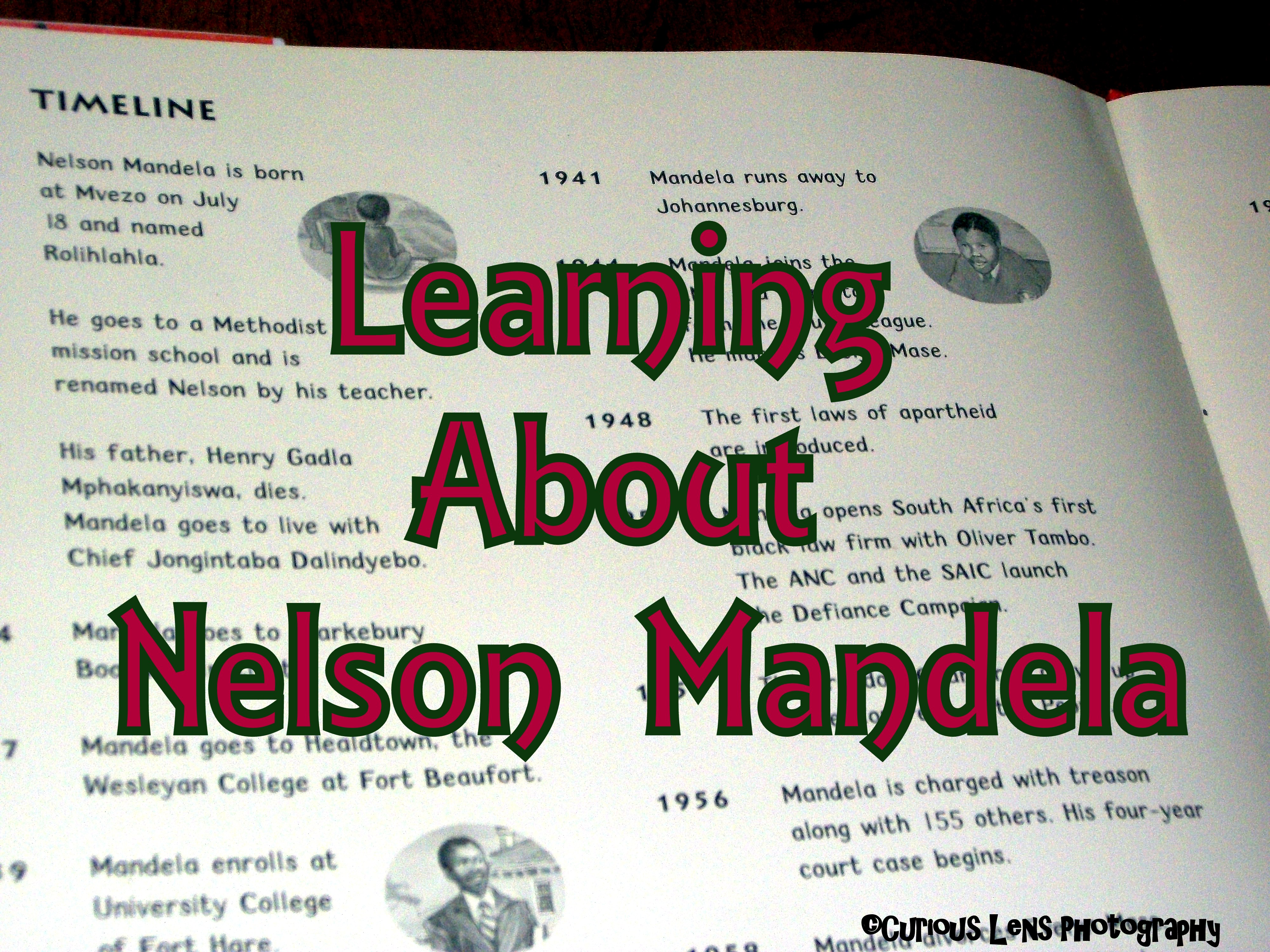
Following the lead of the Teacher’s Guide for “Long Walk to Freedom”, we decided to make a timeline of the crucial events in Mandela’s life. To get all the kids involved, we had the boys write the years and Tigger write the notable event that occurred that year.

Learning About Nelson Mandela: Look! We're Learning!

Our timeline highlights were:

1918 – Mandela born

1925 – Started school

1937 – Went to college

1944 – Joins the ANC (African National Congress)

1948 – Apartheid begins

1956 – Charged with treason

1960 – ANC banned

1964 – Sent to prison

1990 – Released

1994 – Elected President

Learning About Nelson Mandela: Look! We're Learning!

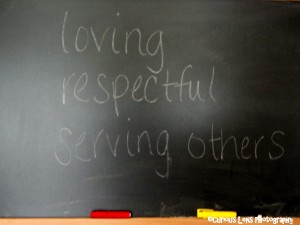
After our timeline was complete, we began discussing the Nobel Peace Prize, which was awarded to Mandela for his work in behalf of equal rights in South Africa. We asked the kids what qualities they thought a person needed to have in order to win the Nobel Peace Prize. Here’s what they came up with:

Learning About Nelson Mandela: Look! We're Learning!

Pooh said the person must be loving, Roo said that the person had to show respect, and Tigger said that the Nobel Peace Prize recipient should serve others. Then we asked them who they thought deserved to win the Nobel Peace Prize. Pooh said that he thought Jesus should receive it. We couldn’t agree more!

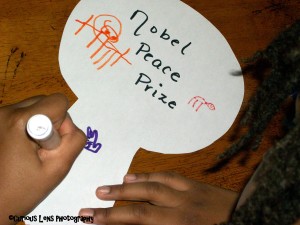
Tigger did some research on who won the Nobel Peace Prize in 2010 and then we made our own Nobel Peace Prize. The kids added their own decorative touches. Pooh drew a fox, Roo drew a person with “a lot of legs”, and Tigger added the ASL sign for “I love you”. I guess those things are somehow related to peace?

Learning About Nelson Mandela: Look! We're Learning!

We enjoyed learning about Nelson Mandela with the kids this month!

Our 2013-14 Homeschool Schedule

August 26, 2013 by Selena Robinson 9 Comments

Earlier this month, I shared some pictures of my favorite homeschool planner. In that post, I mentioned that I have to write my schedule in pencil, because I change it so frequently. Well, it’s two weeks later and I’ve already overhauled it once. 🙂 I go through this every year, because it’s one thing to put a schedule down on paper and another to actually try it.

So…without further ado, here’s our homeschool schedule for 2013-14 (for now):

Our Homeschool Schedule - Look! We're Learning!

Monday

8:00 am – P.E.

8:30 am – Breakfast

9:00 am – Math

9:30 am – Reading

10:00 am – Language

10:30 am – History

11:30 am – Geography

12:00 pm – Break for lunch and play

2:00 pm – Homework and unfinished projects

Our Homeschool Schedule - Look! We're Learning!

Tuesday

8:00 am – P.E.

8:30 am – Breakfast

9:00 am – Math

9:30 am – Reading

10:00 am – Spelling/Handwriting

10:30 am – Science

11:30 am – Art

12:00 pm – Break for lunch and play

2:00 pm – Homework and unfinished projects

Our Homeschool Schedule - Look! We're Learning!

*By the way, my husband drew this on the board. I can’t draw like this to save my life.*

Thursday

8:00 am – P.E.

8:30 am – Breakfast

9:00 am – Math

9:30 am – Reading

10:00 am – Language

10:30 am – History

11:30 am – Spanish

12:00 pm – Break for lunch and play

2:00 pm – Homework and unfinished projects

Our Homeschool Schedule: Look! We're Learning!

Friday

8:00 am – P.E.

8:30 am – Breakfast

9:00 am – Math

9:30 am – Reading

10:00 am – Spelling/Handwriting

10:30 am – Science

11:30 am – American Sign Language

12:00 pm – Break for lunch and play

2:00 pm – Homework and unfinished projects

As you can see, we have the same basic routine on Monday/Thursday and Tuesday/Friday. The only change is the 11:30 am topic. We only have “school” four days a week, because we use a loose year-round schedule. By the time noon comes around, our kids are pretty wired and it’s best to get as much as we can done before lunchtime.

After the 11:30 am class, the boys are finished for the day. Tigger gets a break to give her some time to move around and relax. If we have any work from the morning that’s still in progress or if she has homework to complete, we’ll begin working on those at 2:00.

How do you schedule your homeschooling days? Do you have to make adjustments to your schedule during the year? Do you even bother with a schedule at all? Let us know in the comments!

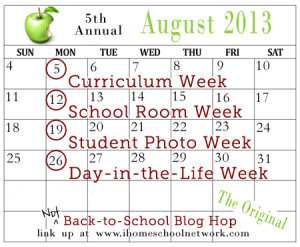
This post is part of the iHomeschool Network “Not Back to School” Blog Hop! Visit our fellow bloggers and link up your own posts by clicking the image below!

NBTS Blog Hop Calendar: Look! We're Learning!

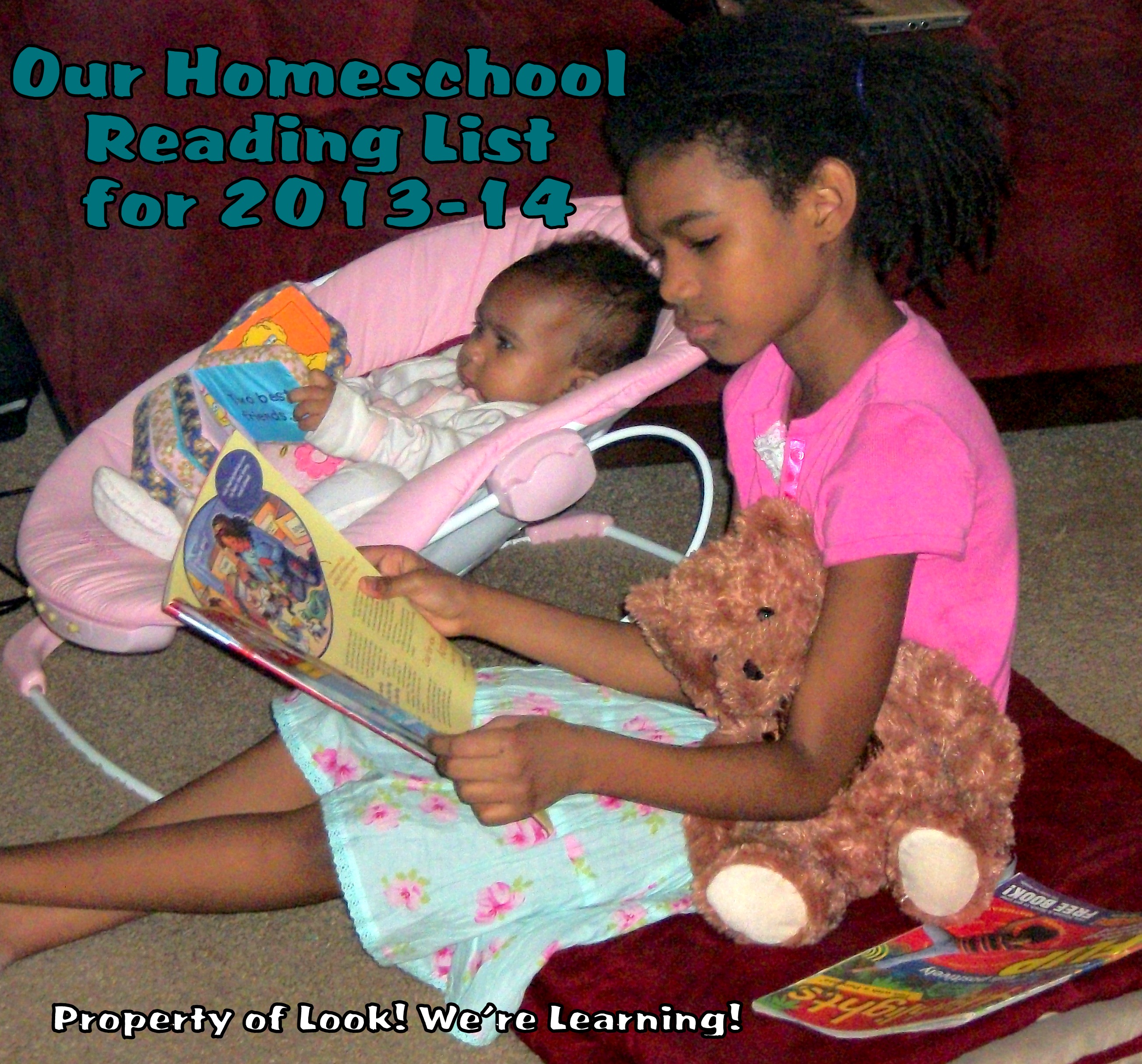
Our Homeschool Reading List for 2013-14

August 22, 2013 by Selena Robinson 7 Comments

Good morning everyone! We took a much-needed Internet break yesterday but we’re back today with our homeschool reading list for this year!

We’ve always encouraged early reading in our family, so regular family reading sessions are pretty normal around here. With this school year, though, we wanted to branch out into more varied kinds of writing and into books that deal with more serious topics so that we could stimulate discussion among the kids.

Our 2013-14 Homeschool Reading List: Look! We're Learning!

This is not a complete list of all the books we’ll be reading this year. These are the books that we’ll be focusing on for unit studies by adding activities, field trips, and discussions. Stay tuned to see how we base our lessons on these and other great books!

For Tigger:

1. Charlie and the Chocolate Factory by Roald Dahl
2. Charlotte’s Web by E.B. White
3. Donavan’s Word Jar by MonaLisa DeGross (Trophy Chapter Book)

4. Ernestine & Amanda by Sandra Belton
5. The Wind in the Willows by Kenneth Grahame (Sterling Illustrated Classics)
6. Another Way to Dance by Martha Southgate
7. The Mouse and the Motorcycle by Beverly Cleary
8. The Boxcar Children Books 1-4 by Gertrude Chandler Warner
9. Chevrolet Saturdays by Candy Dawson Boyd (A Puffin Novel)
10. What Color Is My World?: The Lost History of African-American Inventors by Kareem Abdul-Jabbar

For Pooh and Roo:

1. Rap a Tap Tap: Here’s Bojangles – Think of That! by Leo and Denise Dillon (Coretta Scott King Illustrator Honor Books)
2. Duke Ellington: The Piano Prince and His Orchestra by Andrea and Brian Pinkney
3. Knuffle Bunny: A Cautionary Tale by Mo Willems
4. Africa Brothers And Sisters by Virginia Kroll and Vanessa French
5. Coming Home: From the Life of Langston Hughes by Floyd Cooper
6. The Grouchy Ladybug by Eric Carle
7. Masai and I by Virginia Kroll
8. Max Found Two Sticks by Brian Pinkney (Reading Rainbow Book)
9. Kelly in the Mirror by Martha Vertreace
10. Nelson Mandela: Long Walk to Freedom Abridged by Chris Van Wyk
11. Chicka Chicka Boom Boom by Bill Martin, Jr. (Classic Board Books)
12. The Snowy Day by Ezra Jack Keats
13. Lola at the Library by Anna Mcquinn
14. For the Love of the Game: Michael Jordan and Me by Eloise Greenfield (Trophy Picture Books)
15. Barefoot: Escape on the Underground Railroad by Pamela Duncan Edwards
16. The Very Hungry Caterpillar by Eric Carle
17. The Best Bug to Be by Dolores Johnson
18. Horton Hears A Who! by Dr. Seuss
19. Alvin Ailey by Andrea Pinkney
20. Pass It On: African American Poetry for Children by Wade Hudson

Do you work from a reading list with your kids? Are there any books in particular you’re looking forward to this year? Feel free to share them with us in the comments!

Review: Reading the Alphabet Early Reading Program

August 20, 2013 by Selena Robinson 13 Comments

I received a copy of this program in exchange for this review. All opinions are my own. See my disclosure policy here.

Reading the Alphabet Review: Look! We're Learning!

Good morning everyone! Today we’re sharing a review of a fabulous early reading curriculum called “Reading the Alphabet” created by Becky at This Reading Mama. Becky’s website is dedicated to early reading curriculum for preschoolers and this program does not disappoint!

I decided to try the program with Roo, because he’s learned basic phonics but he still struggles with reading words on his own. One of his biggest problems is that he’s extremely active, so a typical reading workbook or approach doesn’t keep his interest long enough.

And that’s where Reading the Alphabet is different from many of these programs. There are so many hands-on activities that reinforce phonics skills that little ones don’t even have time to get bored!

The first week of the program focuses on letter T and the sight word “A”. The program includes links to printable activities and instructions, which makes it simple for parents to know what we need for each unit. There are also unique printable activities that have been created exclusively for this program and, when I say the curriculum is full of activities, I mean it is LOADED with activities for kids!

Reading the Alphabet Review: Look! We're Learning!

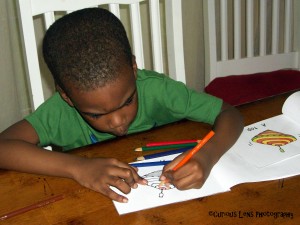
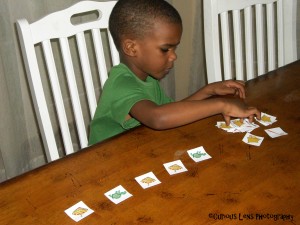
Roo began by making a couple of Letter T books. I put the first one together for him and then he made his own by arranging the pictures to match mine.

Reading the Alphabet Review: Look! We're Learning!

There’s his Letter T book. He even went through and colored the pictures to match the one I printed.

Reading the Alphabet Review: Look! We're Learning!

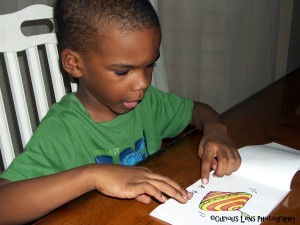
He was so proud of his book that he asked to look at it for the rest of the evening. He actually cried when it was time to put it away.

Reading the Alphabet Review: Look! We're Learning!

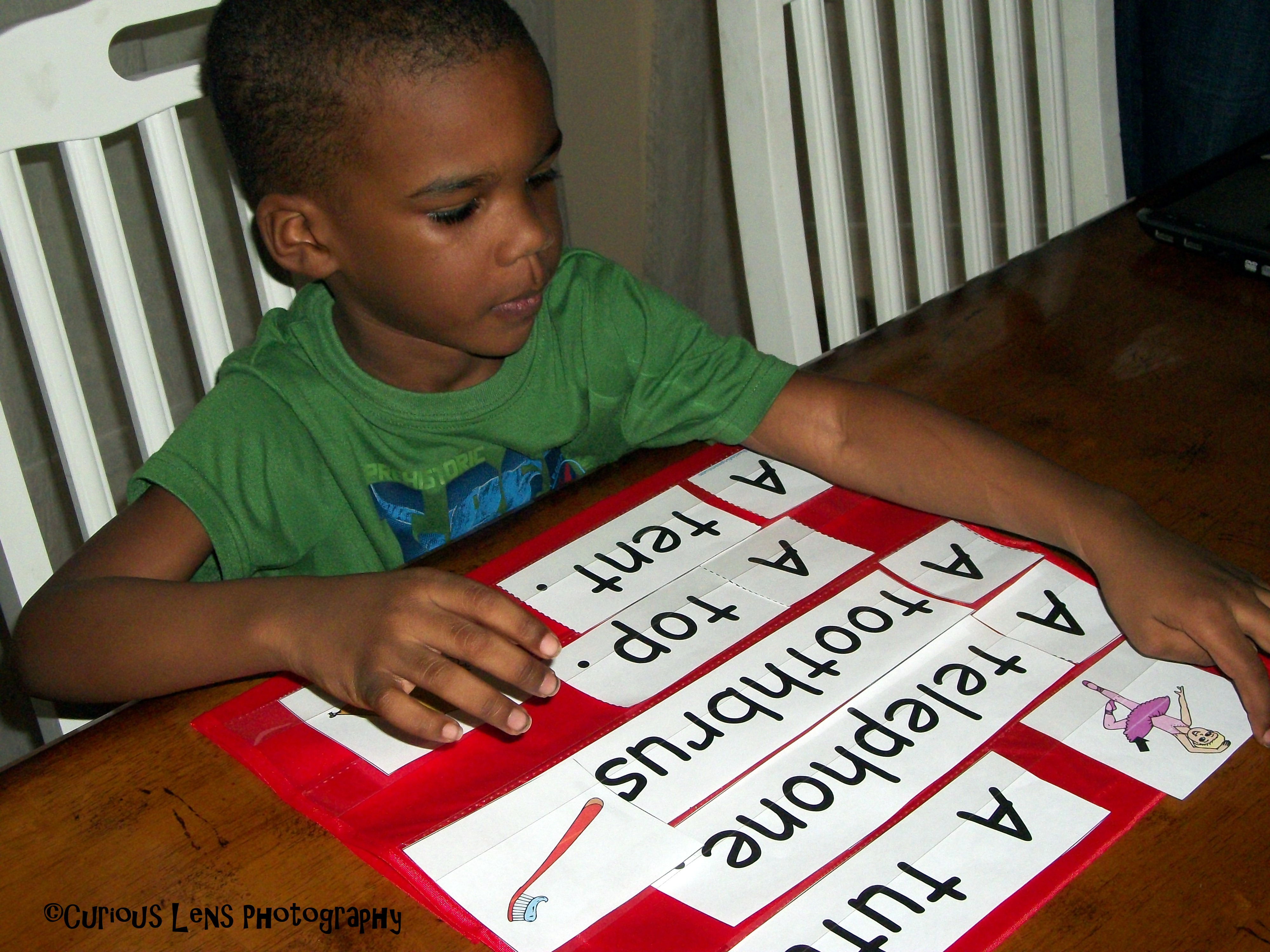
Both books feature sight words and CVC words that relate to the Letter T or the sight word “a”. On this page, Roo actually sounded out and read the word “top” by himself. (Happy dance!)

Reading the Alphabet Review: Look! We're Learning!

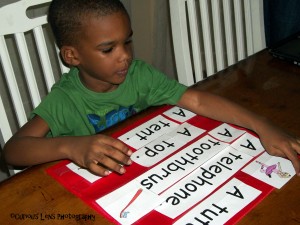
Another of the printable activities in Reading the Alphabet is a set of printable pocket chart labels with matching pictures. These labels and pictures are the same as those used in the Letter T book, so it was great for reinforcing the words Roo had just learned. He had fun matching up the labels and pictures!

Reading the Alphabet Review: Look! We're Learning!

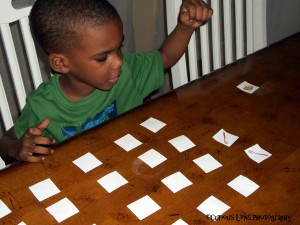
After we completed the pocket chart, we printed a set of pattern cards that highlights those same picture words. First, we played a game of concentration with them, so he could match them up and say the words aloud again.

Reading the Alphabet Review: Look! We're Learning!

Then we used them to make simple math patterns: turtle, top, top, turtle, top…., etc. Once he had completed all the patterns I assigned him, he decided it was time to have me guess the patterns he created. They were…interesting, to say the least.

Reading the Alphabet Review: Look! We're Learning!

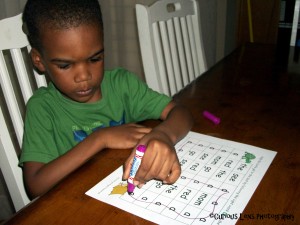
Roo followed a maze using the sight word “a”.

Reading the Alphabet Review: Look! We're Learning!

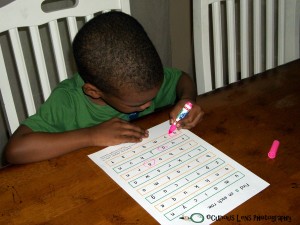
And he loved finding the word “a” in among other letters!

He was so disappointed when I told him it was time to stop. He kept asking when we would do more of the program. That’s when you know a curriculum is worth your time! We’ll be working through the entire curriculum with him during the year and posting about our progress along the way!

Reading the Alphabet Review: Look! We're Learning!

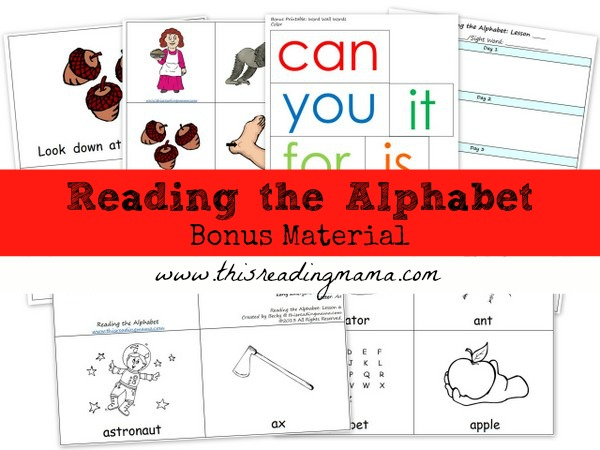
At This Reading Mama, you can view the program week by week for free or you can buy the complete Reading the Alphabet curriculum for just $10 and receive bonus material! Or you can enter the giveaway below for your chance to win the program free! Just complete the giveaway widget to enter:

Entry-Form

Our 2013-14 Student Photos

August 19, 2013 by Selena Robinson 5 Comments

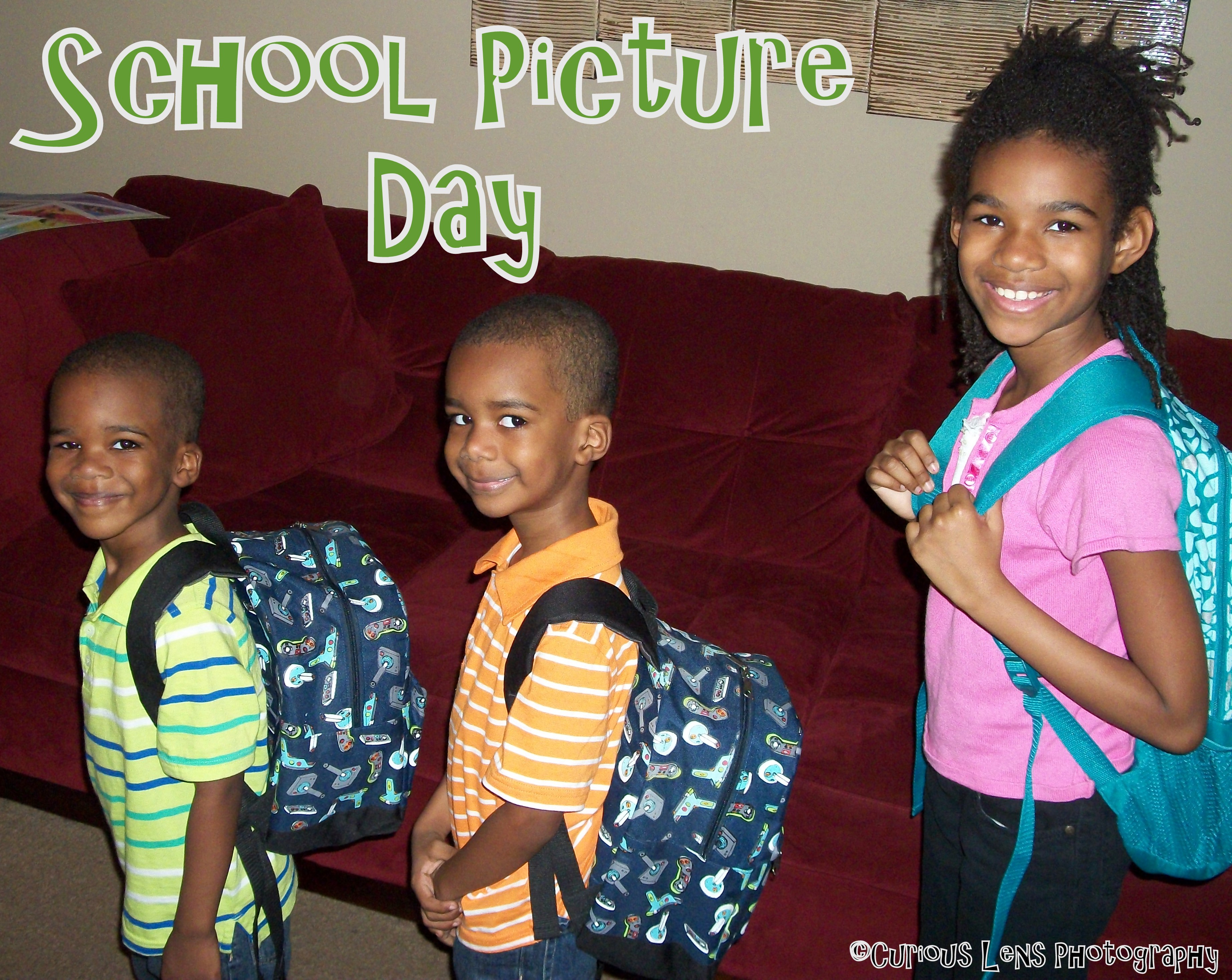
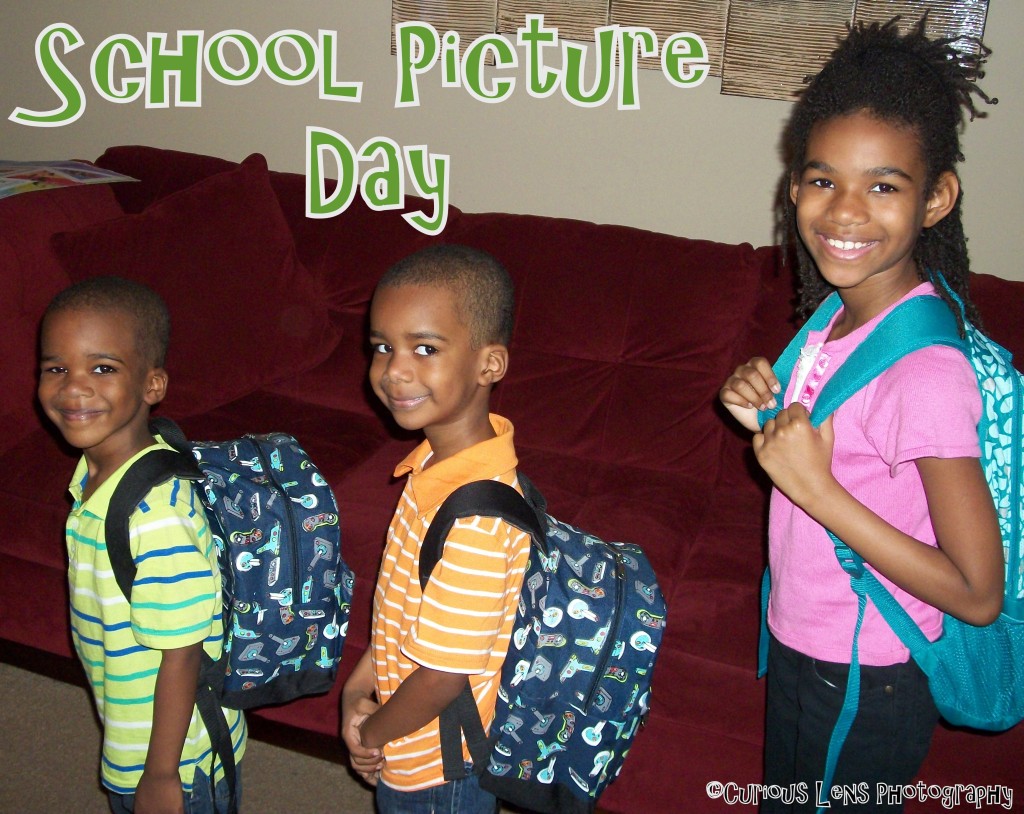
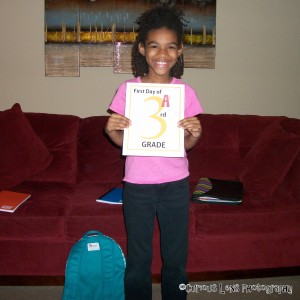
First Day of School Picture Day: Look! We're Learning!Back to school means first day of school pictures! I still find it hard to believe that these kids are big enough for 3rd grade, kindergarten, and pre-K, but they are!
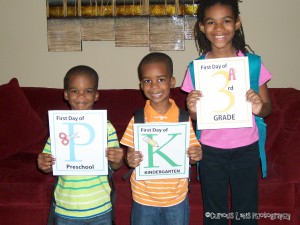
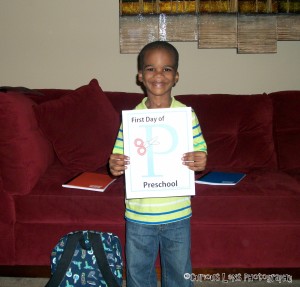
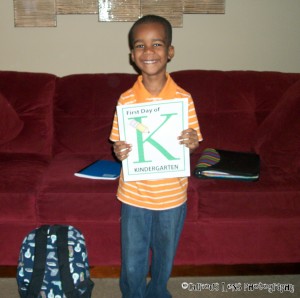
First Day of School Picture Day: Look! We're Learning!We printed these adorable First Day of School Printable Cards from Three Dinosaurs.

First Day of School Picture Day: Look! We're Learning!

Roo’s first year of school! He’s so excited about learning to read!

First Day of School Picture Day: Look! We're Learning!

Pooh’s first year of actual schoolwork. He’s more excited about looking like he’s “doing school” than anything else.

First Day of School Picture Day: Look! We're Learning!

Tigger’s an old pro by now. She’s excited about learning American history and science this year.

First Day of School Picture Day: Look! We're Learning!

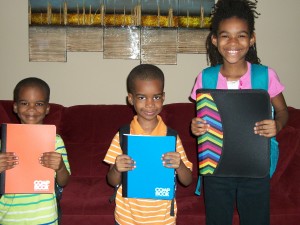
Every year, we try to get the kids something new. We were superbly broke this year, so they just got new notebooks. The great thing about kids, though, is that they love just about anything as long as it’s new. The boys were thrilled to have real notebooks, instead of tot writing paper. Tigger got her very first binder with a few Lisa Frank folders.

First Day of School Picture Day: Look! We're Learning!

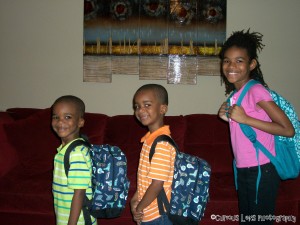
And one final shot with their backpacks. As you can see, Pooh is really into this “I’m cool” phase. I’d like to say it’ll pass soon, but I think we may have another 10 years or so of that stage.

This post is part of the iHomeschool Network “Not Back to School” Blog Hop! Visit our fellow bloggers and link up your own posts by clicking the image below!

NBTS Blog Hop Calendar: Look! We're Learning!

  • « Previous Page
  • 1
  • …
  • 34
  • 35
  • 36
  • 37
  • 38
  • Next Page »
Hi! I'm Selena, a veteran teacher and homeschool mom to four. I'm so glad you're here!
About Me Contact Terms of Use Privacy Policy Places I Share
Facebook Pinterest Instagram
Homeschool Printables Unit Studies Shop the Store
Copyright ©2026, Look! We're Learning!. All Rights Reserved. Design by Pixel Me Designs