Look! We're Learning!

Early Learning. Happy Teaching.

  • Shop
  • Printables
  • Homeschool
  • Crafts
  • Parenting
  • Blog
Try this The Aristocats unit study to make a classic kids' movie into a super fun lesson!

The Aristocats Unit Study

January 10, 2014 by Selena Robinson 6 Comments

Let’s face it: Kids will always love to watch TV. There’s nothing we can do about it. But we can turn TV into a way to learn and that’s why we put together a fun The Aristocats unit study! This is a neat way to weave learning into movie watching, especially if kids are obsessed with classic Disney movies (like mine are).

Since The Aristocats takes place in France, you can talk about geography. But you can also learn about pedigree cats, art, and much more! Read on to see what kinds of activities we did to go along with this children’s movie!

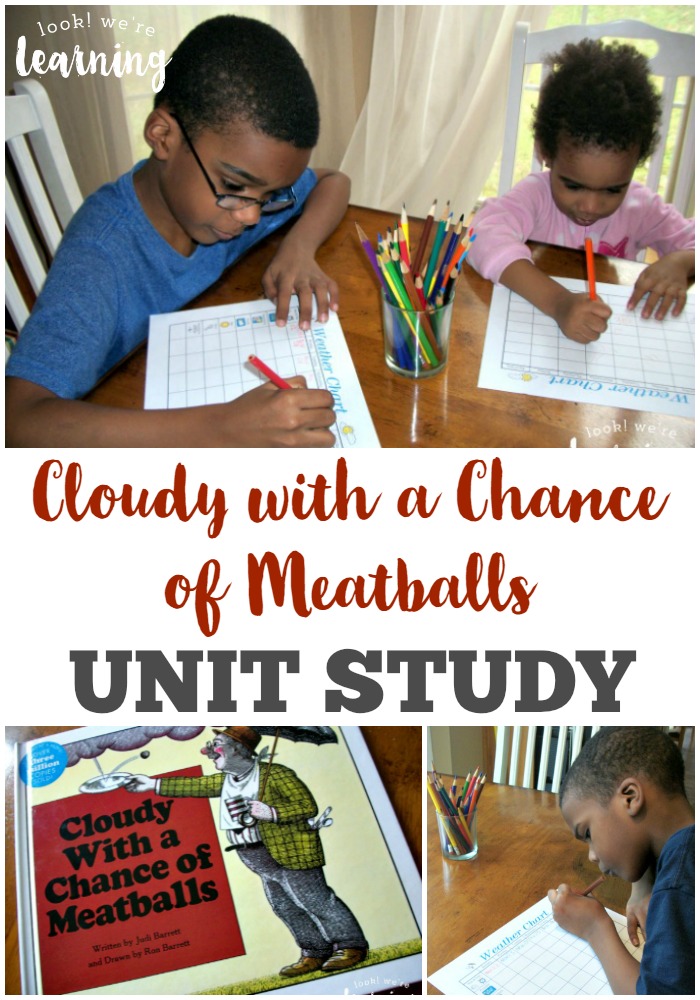
If you enjoy this lesson, try some of our other unit studies, including our Cloudy With a Chance of Meatballs unit study!
Try this The Aristocats unit study to make a classic kids' movie into a super fun lesson!

The Aristocats Unit Study

This post contains affiliate links. For details, see our Disclosure Policy.

Naturally, we got started by watching The Aristocats. It was our first time seeing it, so we let the kids get comfy on the sofa.
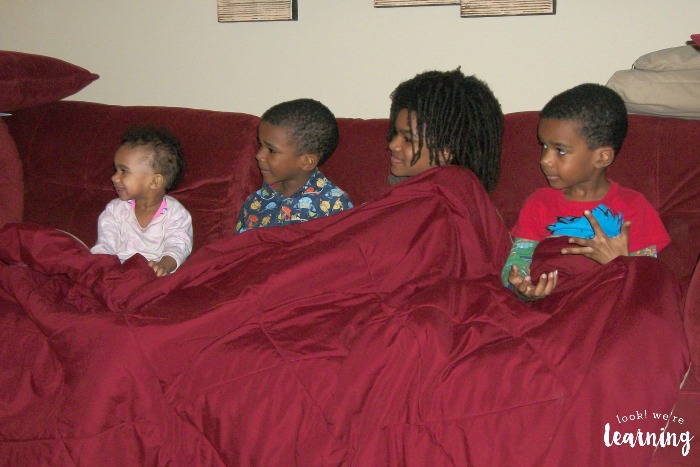
Watching The Aristocats Movie

That’s the life, isn’t it?

We watched it on Netflix, but if you don’t have Netflix, you can rent it from Amazon for just $2.99.

The kids loved it, but we wanted to make watching the movie into a learning experience. So we decided to spend some time learning about pedigree cats and the city of Paris!

We created a set of notebooking pages featuring several pedigree cat breeds, including the Siamese Cat, the Persian Cat, and the Japanese Bobtail Cat. If you want to use it with your kids, feel free to download our Pedigree Cats notebooking pages by clicking the image or link below!
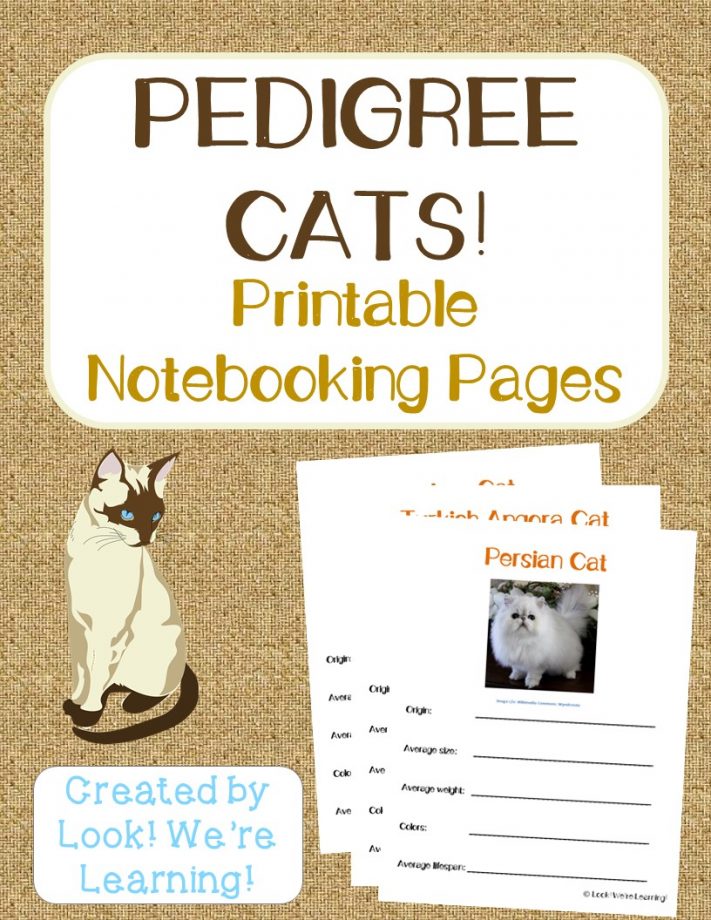
Pedigree Cat Notebooking Pages

>>>>> Pedigree Cats Notebooking Pages <<<<<

To do our research, we made liberal use of the Internet. About a month ago, we bought an HDMI cable for our television and now we do most of our online research in the living room using the TV. It’s much better than trying to crowd everyone around the computer screen.
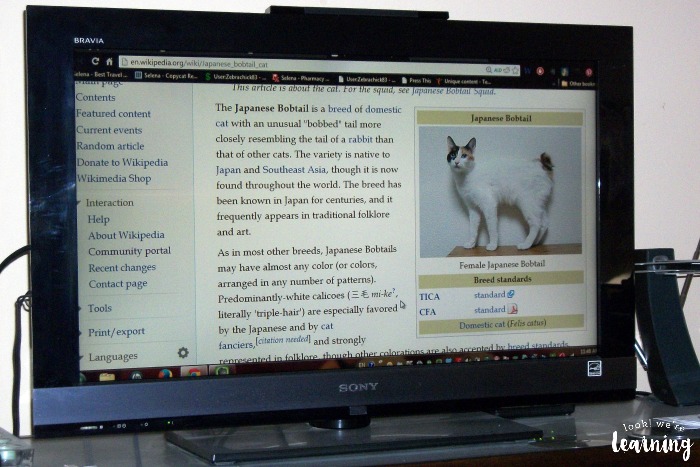
Learning About Pedigree Cats

As we looked up the basic information about our cat breeds, Tigger wrote down the vital statistics on the notebooking pages. By the way, all of the facts in the notebooking pages can be found on Wikipedia.
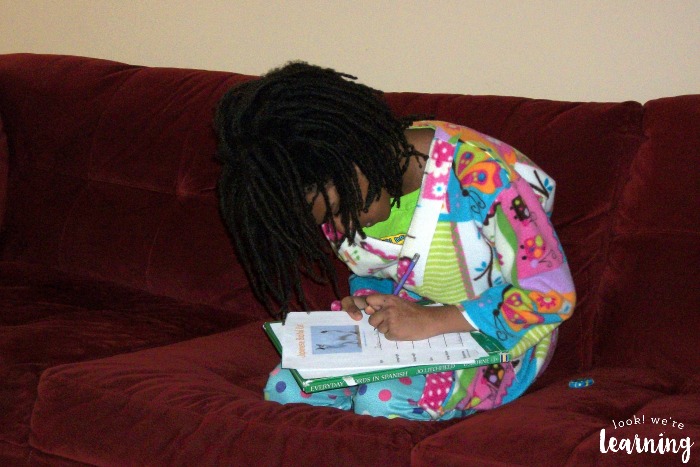
Using Pedigree Cat Notebooking Pages

It must be pretty nice to have school in your robe.
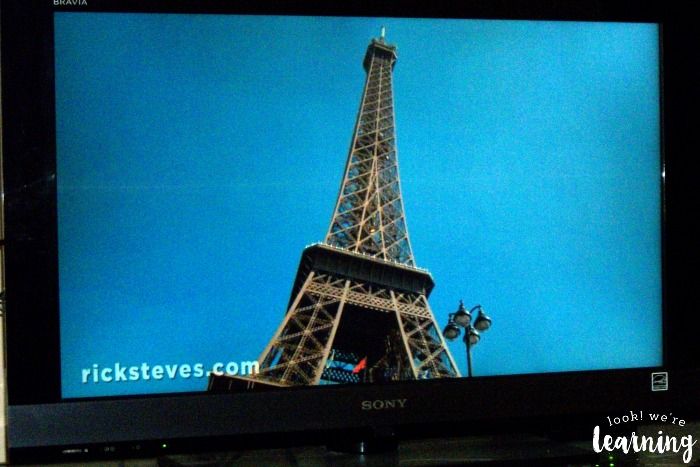
Learning About Paris

After we finished our research into the world of pedigree cats, we decided to take a virtual tour of Paris. A lot of the iconic sights of Paris appear in The Aristocats, including the Eiffel Tower, the River Seine, and the Cathedral of Notre Dame.

We watched a playlist of Paris travel videos from Rick Steves to learn more about these and other sights of Paris.

After that, it was time to make our own pretend “Plaster of Paris”! We used a great recipe for foam dough. And the kids loved playing with it!
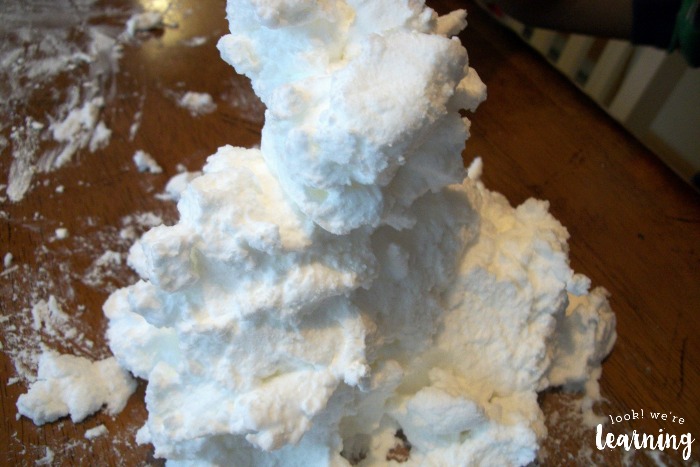
Making Shaving Cream Dough

We all loved learning with the movie “The Aristocats”! We had a great time learning about cats, the city of Paris, and how to make foam dough!
The Aristocats Unit Study

Ready to try some other homeschool unit studies?
Use this fun beach unit study for kids to learn about this amazing sandy ecosystem!

Cloudy with a Chance of Meatballs Unit Study

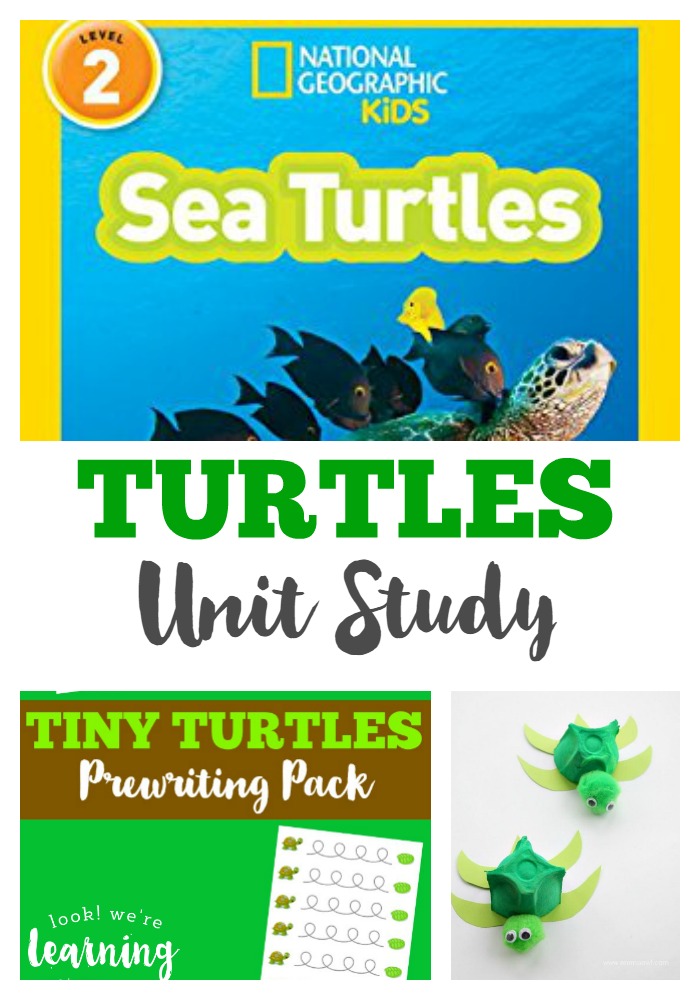
Turtles Unit Study

Plus, see more fun thematic units on my Unit Studies Pinterest board!

This post is part of the Movie and a Big Idea linkup from iHomeschool Network! Click over to read more fun movie-themed homeschool lessons you can use!
Movie and a Big Idea linkup

Notebooking Pages LIFETIME Membership

ASL Lesson 7: ASL Opposite Words - Look! We're Learning!

ASL Lesson 3: Days of the Week and Telling Time

January 8, 2014 by Selena Robinson Leave a Comment

ASL Lesson 3: Telling Time and Days of the Week

Hey all! We’re back with another lesson in American Sign Language today! We’ve already covered letters and numbers and basic greetings. This time we’re covering how to tell time in ASL and how to sign the days of the week, along with basic calendar terms.

Keep Reading…

Free Snowflake Math Factor Printables - Look! We're Learning!

Free Snowflake Math Factors Printable Activity

December 19, 2013 by Selena Robinson 3 Comments

Hey everyone! We’re back from a short break this week with a free set of homeschool printables that are perfect for winter learning!
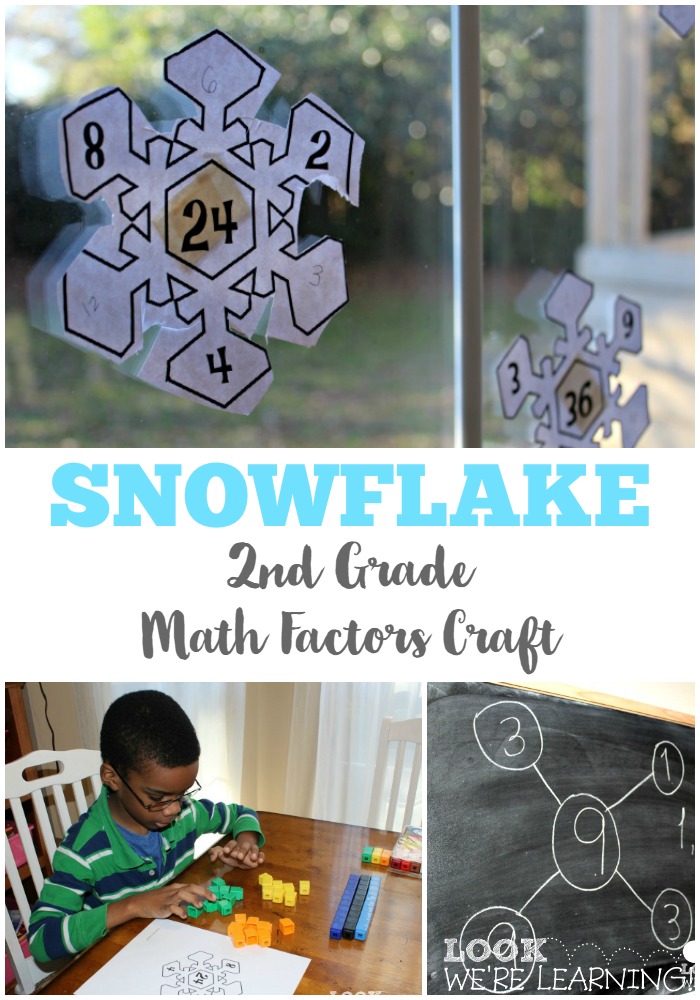
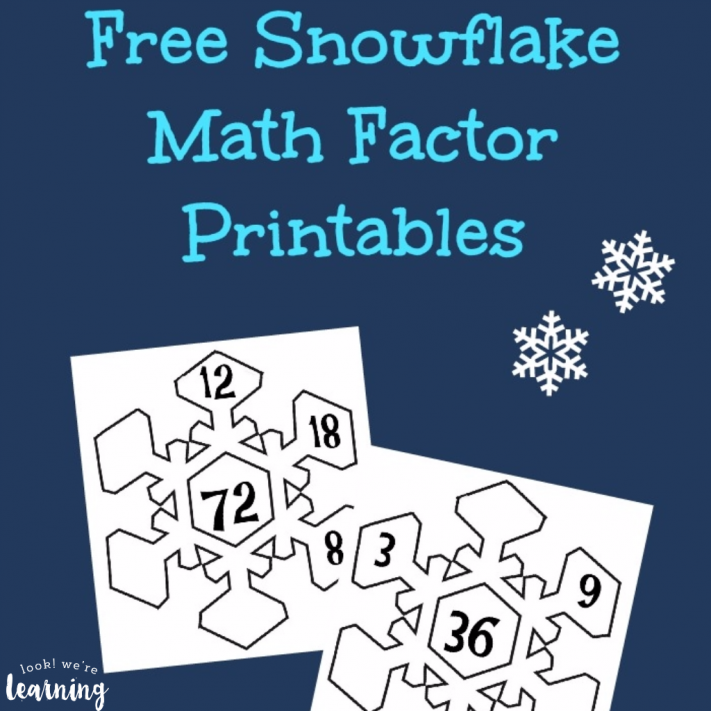
Tigger’s had her struggles with math over the years, so we’ve had to add a little fun to our math work to help her stay focused. This month, we decided to tackle multiplication factors with set of free snowflake math factor printables! Read on to see how to get your copy!

If you like these, don’t miss our ideas on how to use them for a fun snowflake math factor craft!

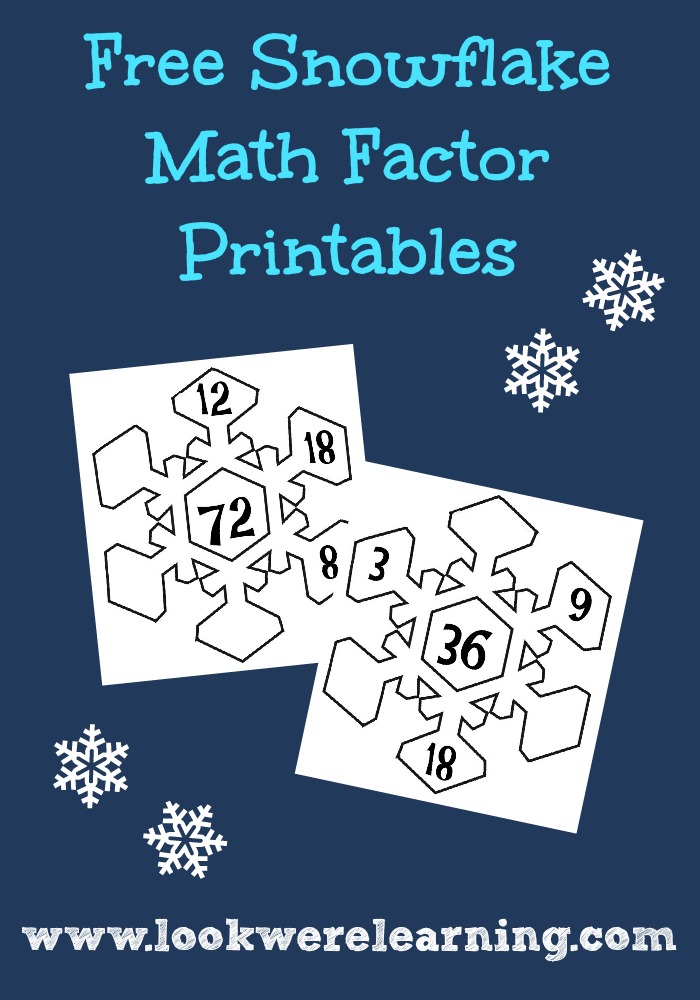
These free snowflake math factor printables are perfect for helping kids work on multiplication skills!

Free Snowflake Math Factor Printables

To use these printables, you’ll need the following: (Affiliate links are included in this post. For details, see our Disclosure Policy.)

  • Printer (with ink)
  • Printer paper
  • Pencil

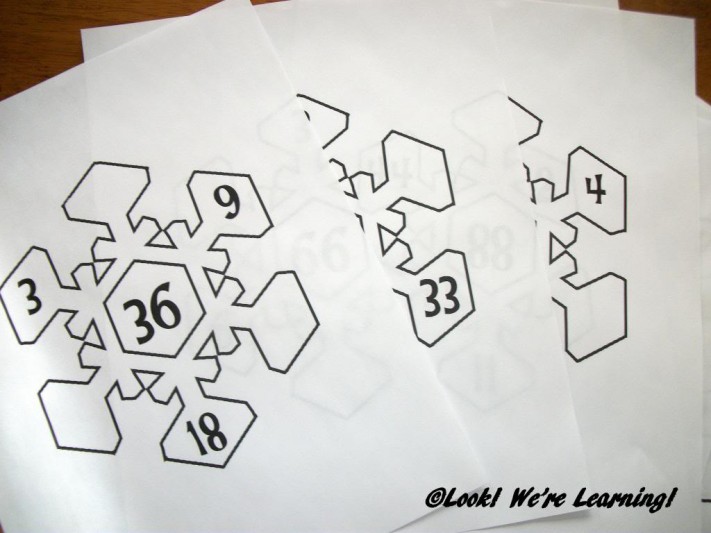
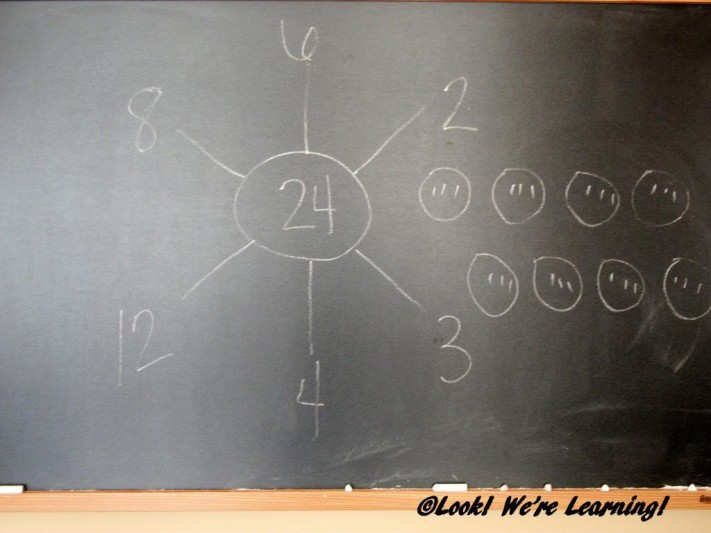
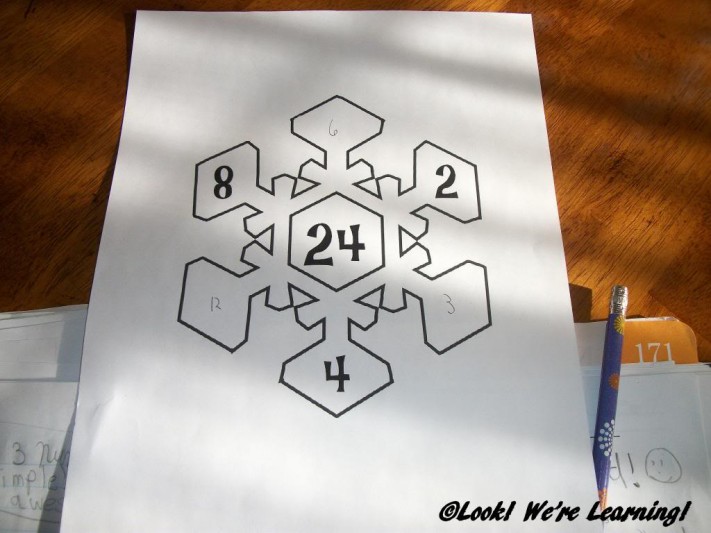
We designed the activity so that the snowflake arms all show numbers that are factors of the larger number in the center. They work on a diagonal, so there are three numbers already given and the kids have to find the other number that makes a factor pair.

Printing Snowflake Math Factor Printables - Look! We're Learning!

Example: On the sheet above, the center number is 36, so all of the numbers on the snowflake are factors of 36. Kids will need to find the missing number in each factor pair: 18 x ? = 36; 9 x ? = 36; 3 x ? = 36, and so on.

Working with Snowflake Math Factor Printables - Look! We're Learning!

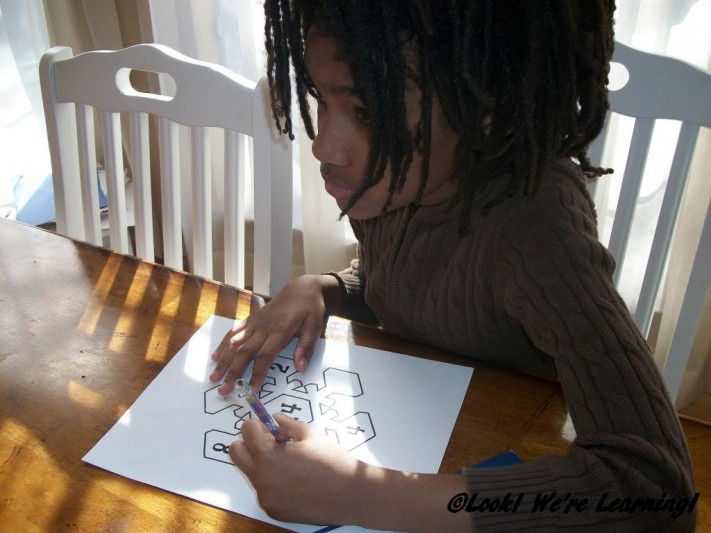
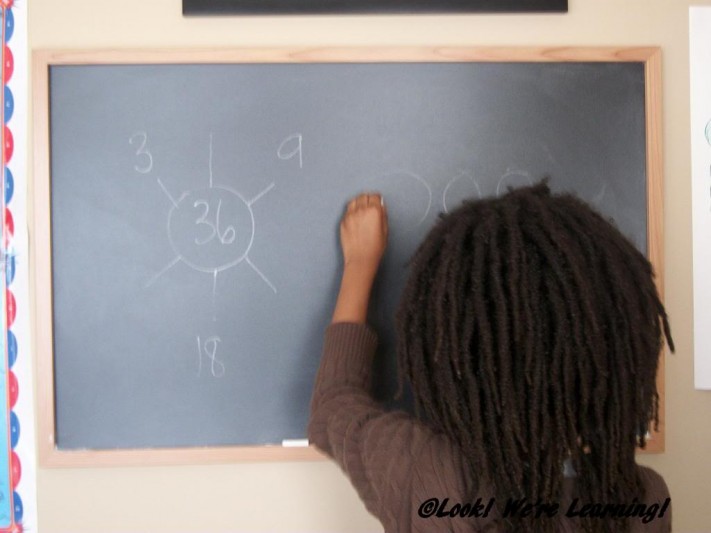
To give Tigger a helping hand, we walked her through the first one. We’ve covered multiplication with her in the past and found that the circles and dots method seems to work best for her.

Working with Math Factor Printables on the Chalkboard - Look! We're Learning!

We decided to let her try the next one on her own.

Using the Blackboard with Snowflake Math Factor Printables - Look! We're Learning!

She did great! She counted up the numbers and filled in the spots pretty easily.

Completing the Snowflake Math Factor Printables - Look! We're Learning!

We added some larger numbers in the pack as well to help kids test their multiplication facts, but a full answer key is provided at the back.

Scroll down to get your copy of our Snowflake Math Factor Printables!

Don’t miss our other winter learning ideas!

50 Free Winter Printables for Kids - Look! We're Learning!

Make winter a fun crafting season with these adorable penguin crafts for kids!

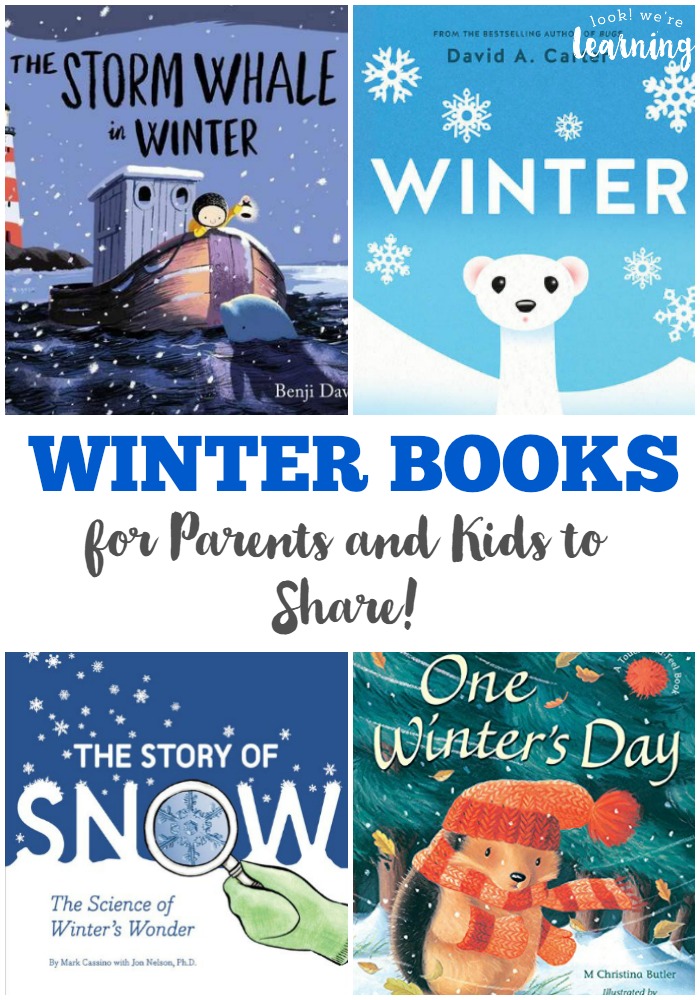
These winter books for kids are great for sharing as a family!

Get more tips for teaching math on my Math Mania Pinterest board!

Free Snowflake Math Factor Printables - Look! We're Learning!

To get your free Snowflake Math Factor Printables, sign up for our email newsletter! You’ll receive these and other educational resources in our exclusive Subscriber Library!

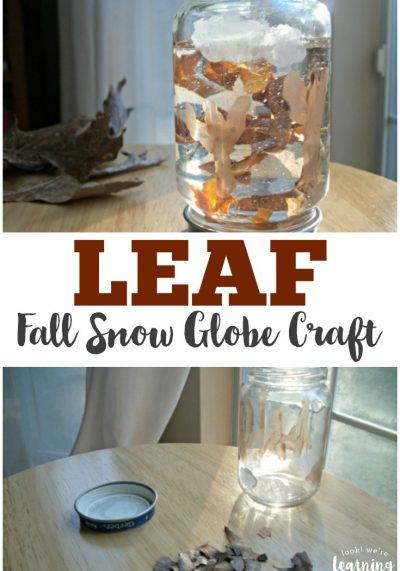
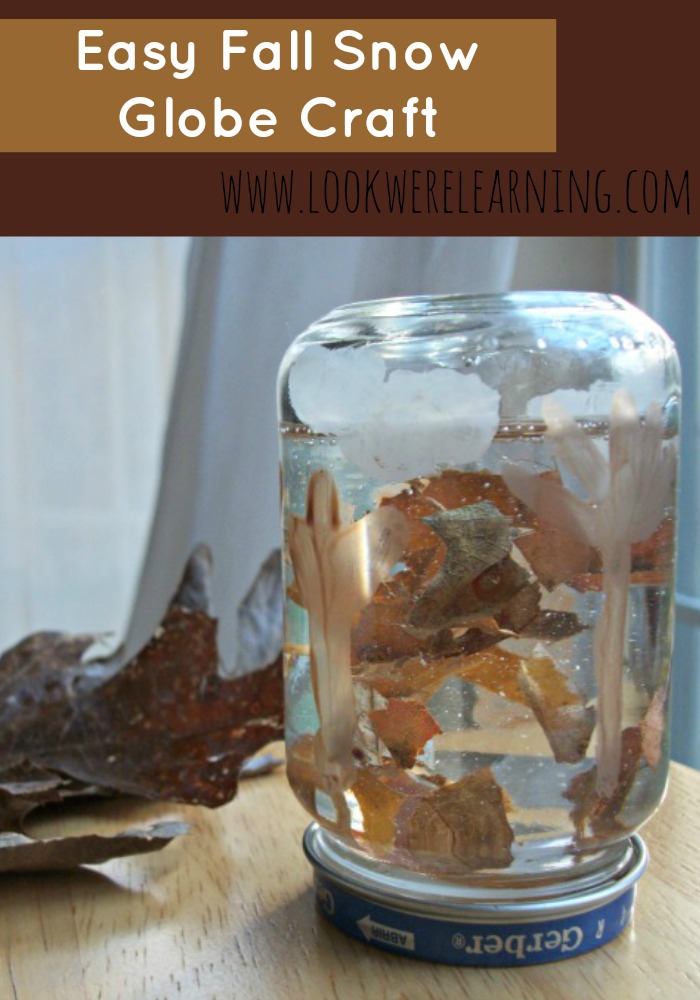
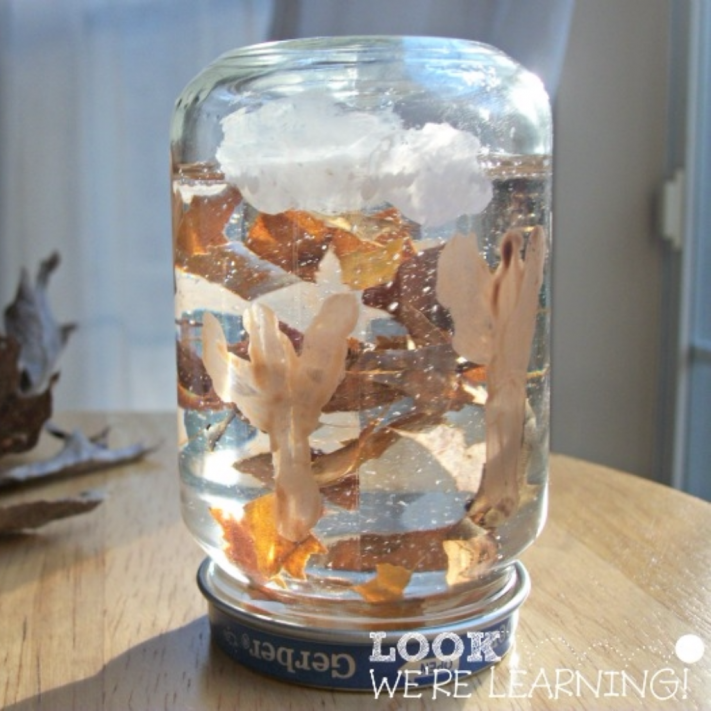
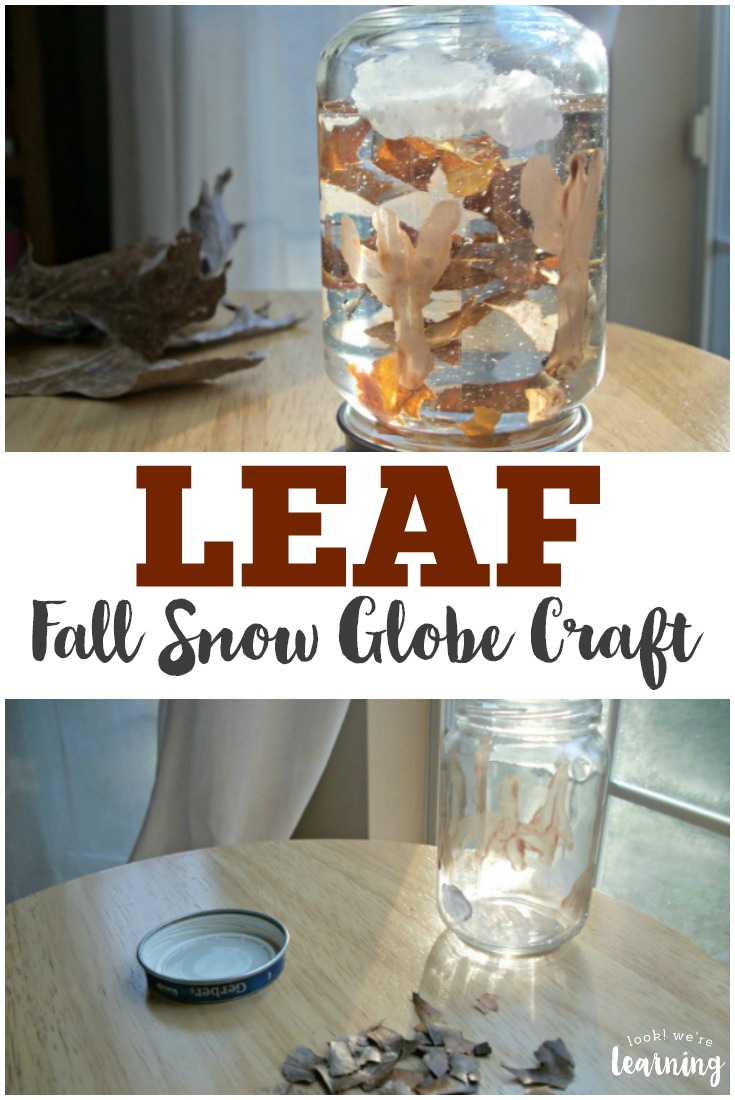
Make this easy and lovely fall snow globe craft to celebrate autumn with the kids!

Easy Fall Snow Globe Craft for Kids

December 13, 2013 by Selena Robinson 9 Comments

Easy Fall Snow Globe Craft for Kids @ Look! We're Learning!

I love fall. I just love it. It’s such a rich season – full of colors and textures and scents. It’s a perfect time of year to go into full-on crafting mode.

Since we had a lot of leaves left from our Fall Leaf Garland, I thought we could make a fall “snow” globe with them. And since I love easy kids’ crafts, it seemed like a quick and fun project to make. See how you can make this easy fall snow globe craft for kids!

Simple Fall Snow Globe Craft

If your kids love making this craft, check out some of our other fall learning ideas, including our Leaf Painting Activity, our Coffee Filter Owl Craft, or our Fall Leaves Unit Study!

Make this easy and lovely fall snow globe craft to celebrate autumn with the kids!

Easy Fall Snow Globe Craft for Kids

This is a super dee duper craft to make with your kids. Just so you know – I’m all about the super easy here. 🙂

DIY Fall Snow Globe Craft - Look! We're Learning!

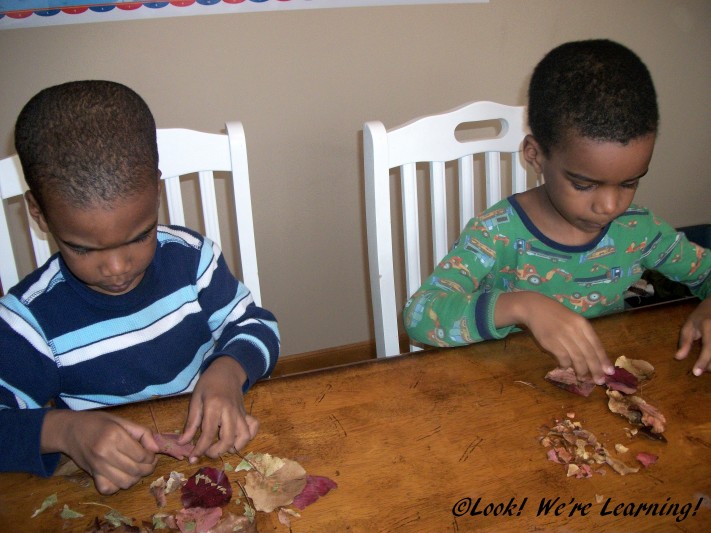
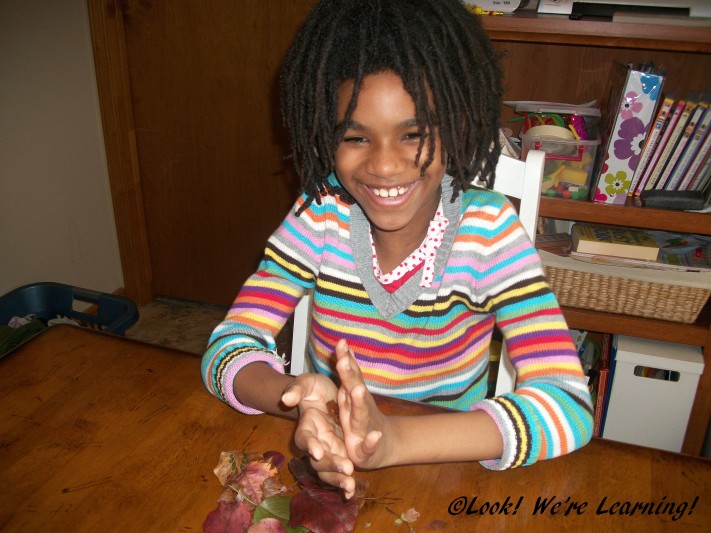
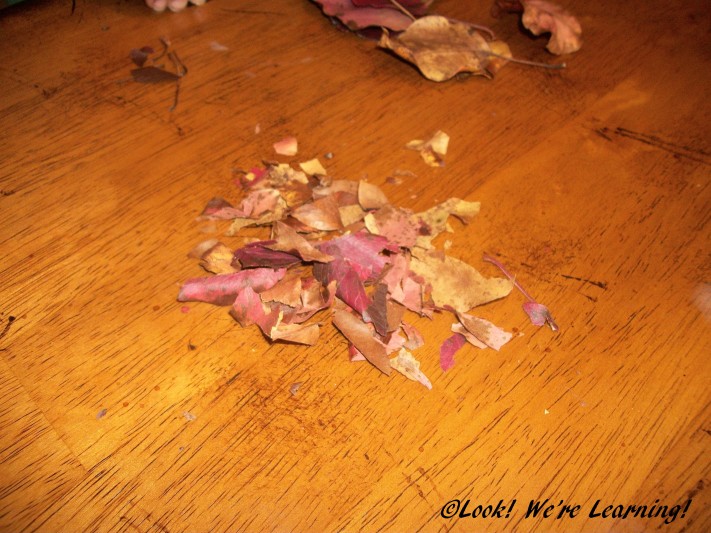
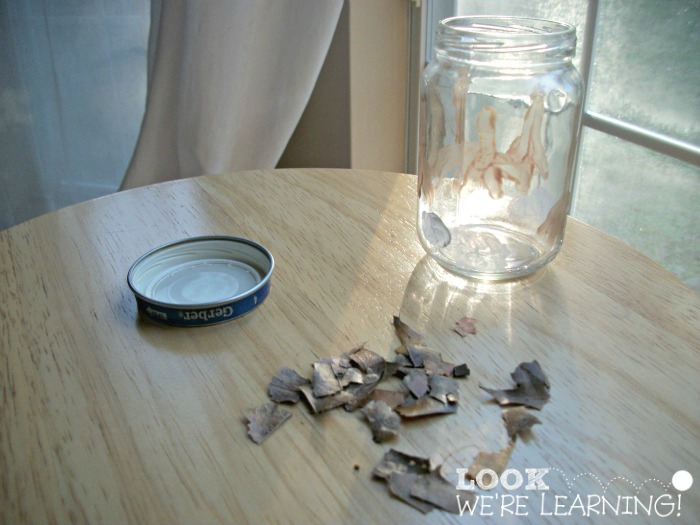
To get started, we just scrunched up a lot of our leaves.

Simple Fall Snow Globe Craft - Look! We're Learning!

If I ever want my kids to have fun instantly, all I have to do is give them the chance to destroy something. Look at that face! That is pure glee.

DIY Fall Leaf Snow Globe Craft - Look! We're Learning!

All ready!

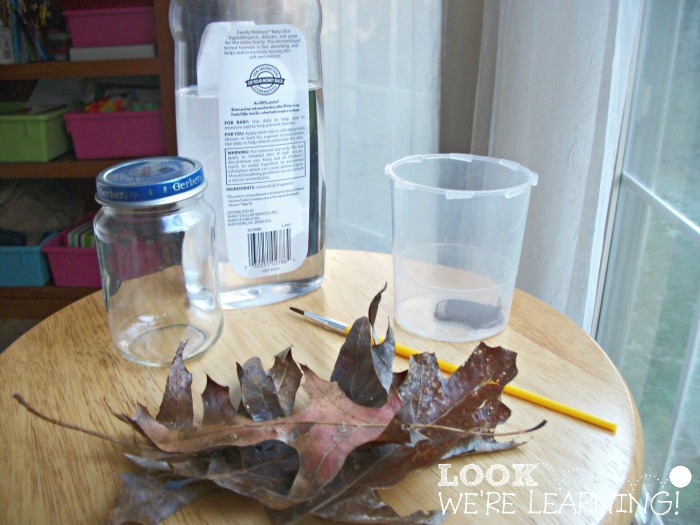
Fall Snow Globe Materials
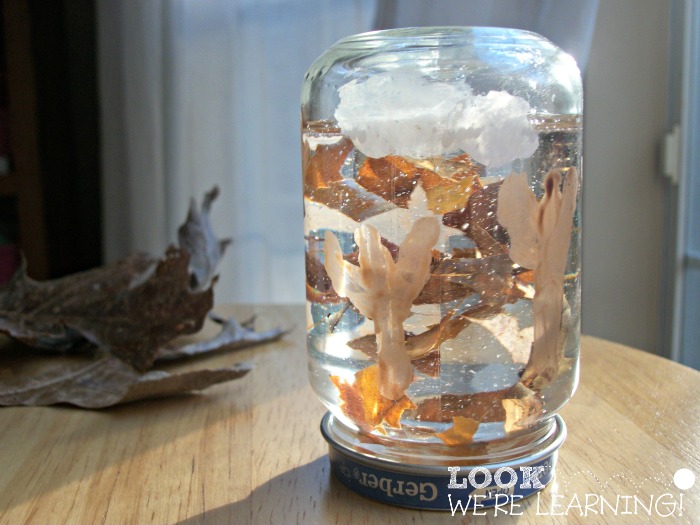
A quick look at our supplies: crushed leaves, brown paint, a baby food jar, and baby oil.

Did I mention that this is really, really easy?

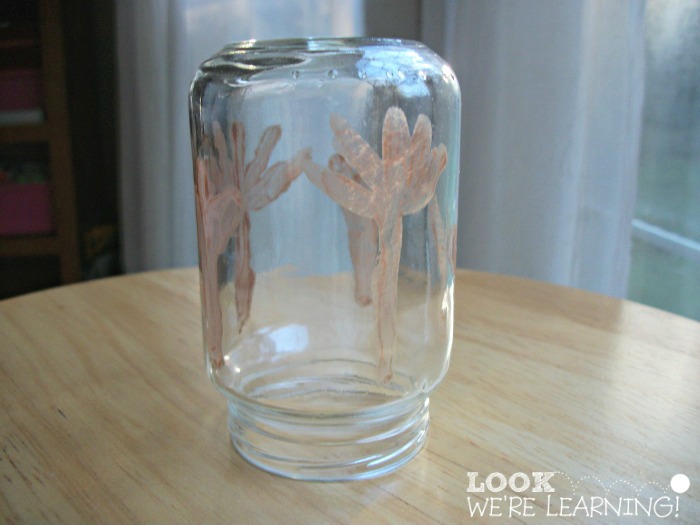
Fall Snow Globe Painting

Paint a few barren trees on the outside of the jar.

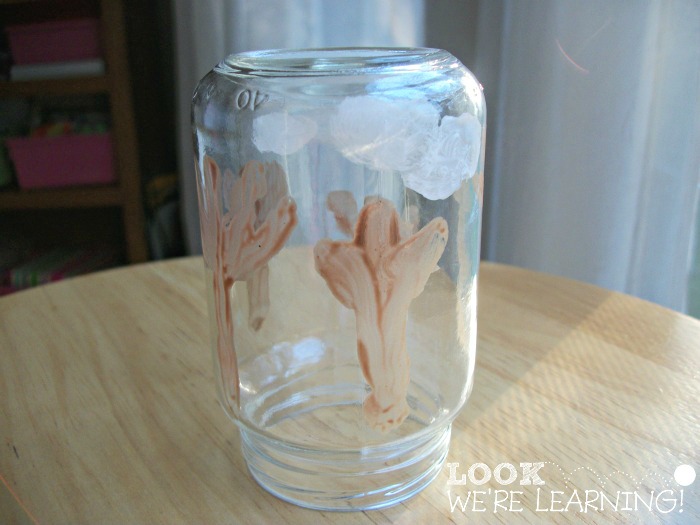
Fall Snow Globe Project

If you want, go back and add a few white clouds.

Fall Snow Globe Craft

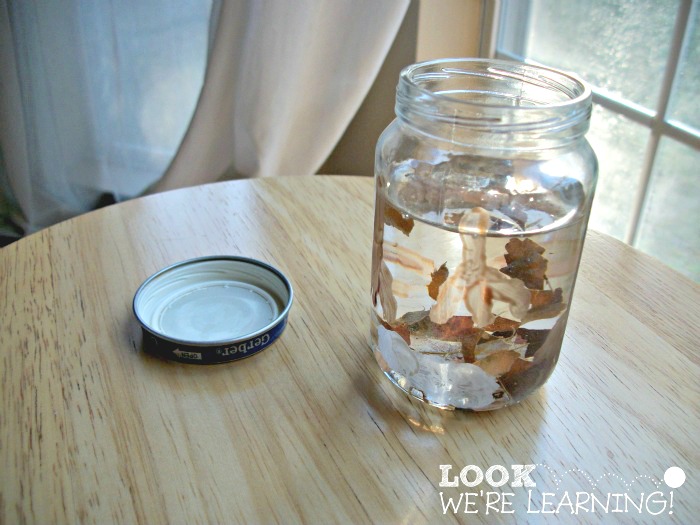
Turn the jar right side up and add the crushed leaf pieces.

Easy Fall Snow Globe Craft

Pour in the baby oil.

Fall Leaf Snow Globe

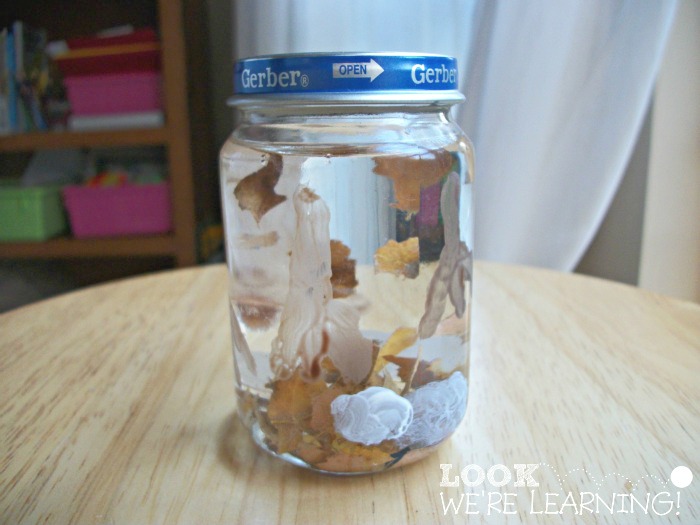
Screw the lid on top. If you want to add extra hold, you might hot glue the lid on.

Kids Fall Snow Globe Craft

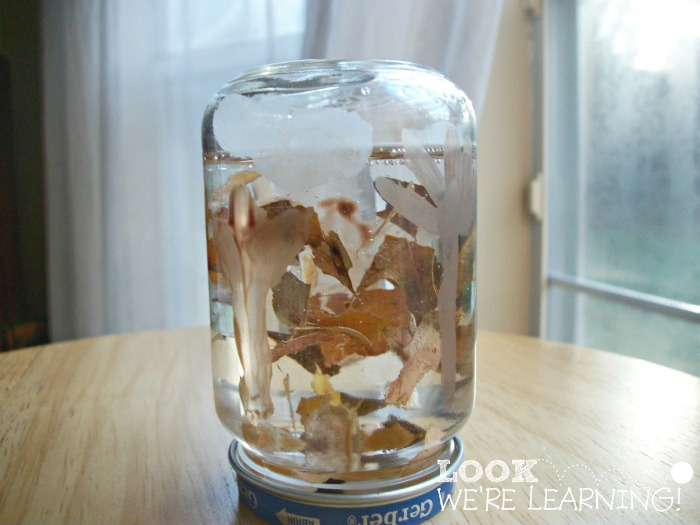
Turn the jar upside down and give it a shake!

Baby Food Jar Fall Snow Globe

Ooooohhhh….purty.

This entire activity takes about 20 minutes from start to finish, so it’s a great craft to put together in a hurry.

If you want to add a bit more decoration, you could hot glue a scarecrow figurine to the lid so that the scarecrow would be “caught” in the leaves when you shake the jar. You could also add a bit of glitter for extra sparkle!

Oh – one quick note: If you paint the jar first, give it time to dry before you go on to the other steps. I had to use the very tips of my fingers to finish the rest of the project…lol.

Want to make fall learning fun for your kids? Try these ideas!

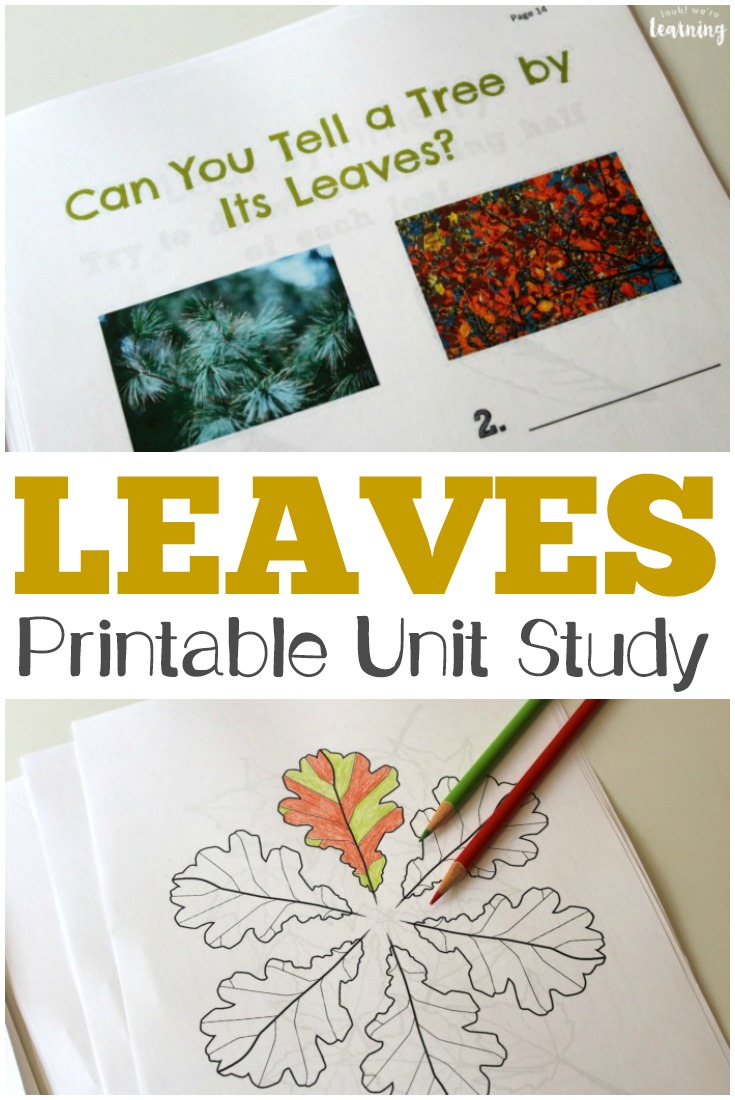
This All About Leaves Printable Unit Study is a perfect way to study the science of fall foliage with kids!

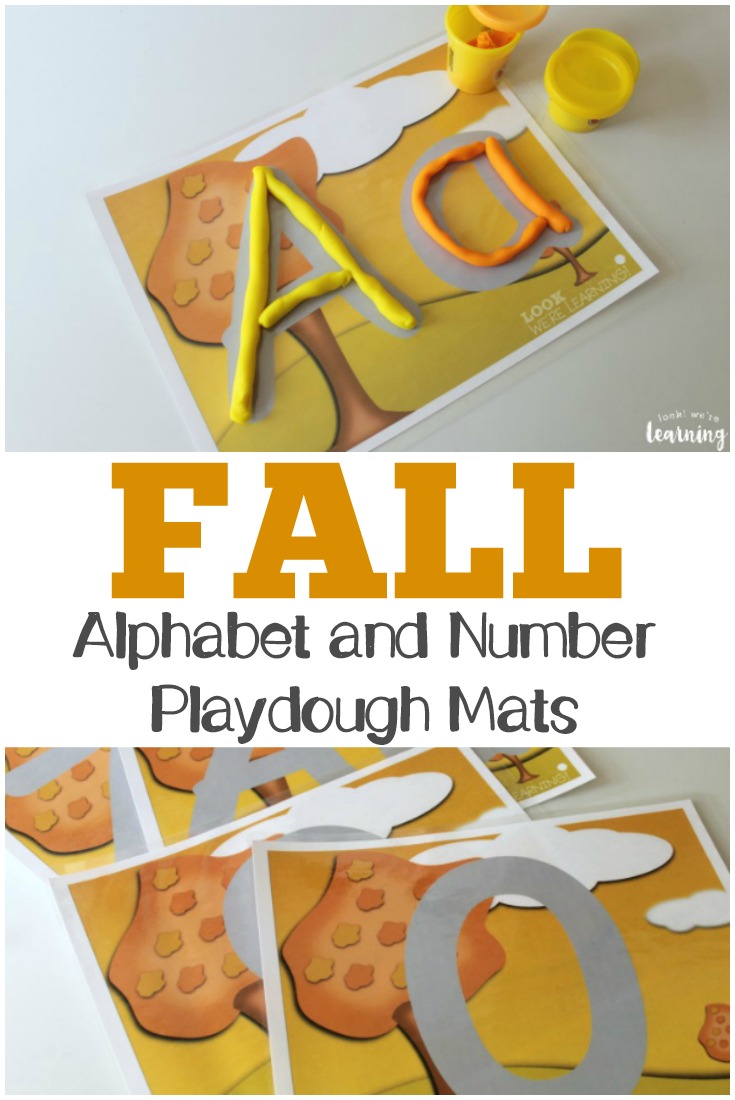
Use these printable fall playdough mats to teach your little ones to form letters and numbers!

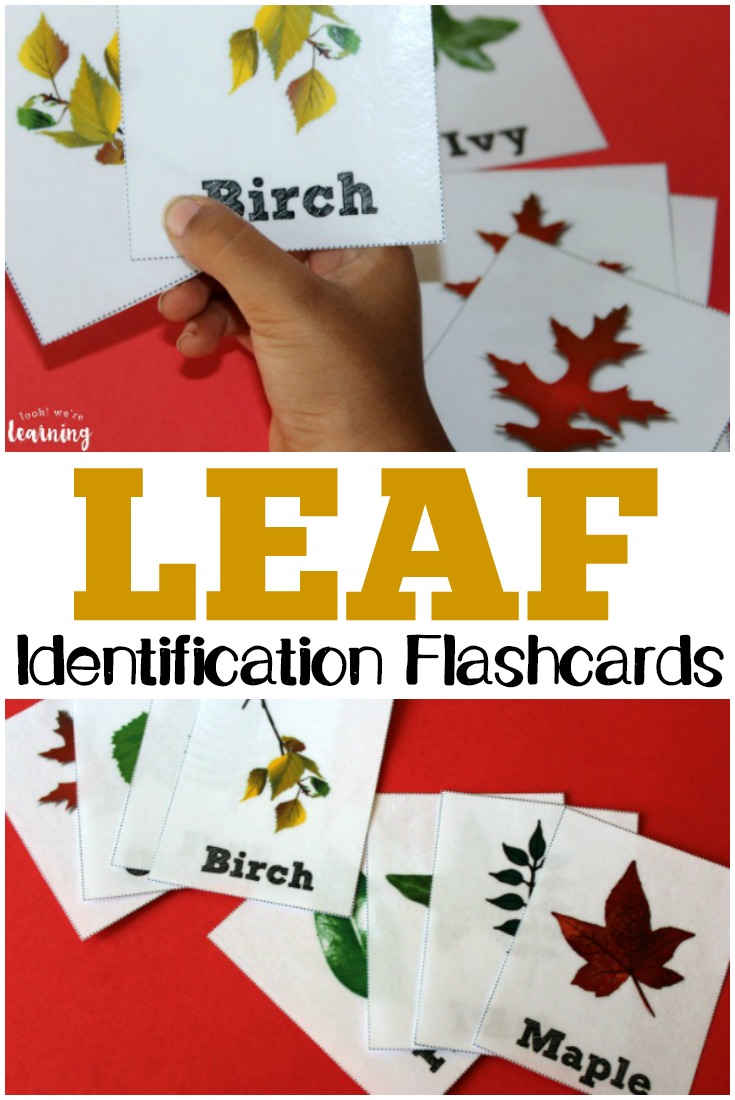
These printable leaf identification flashcards are a fun way to get kids interested in nature!

If you’d like to check out even more fall crafts and activities, be sure to follow my Fall Activities for Kids board on Pinterest!

And if you want to get awesome educational ideas and resources in your inbox, use the widget below to sign up for our email newsletter!

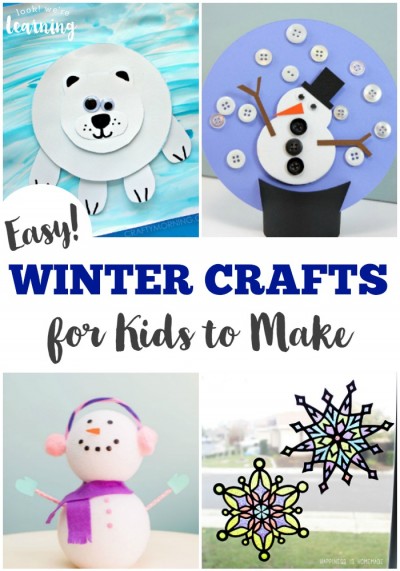
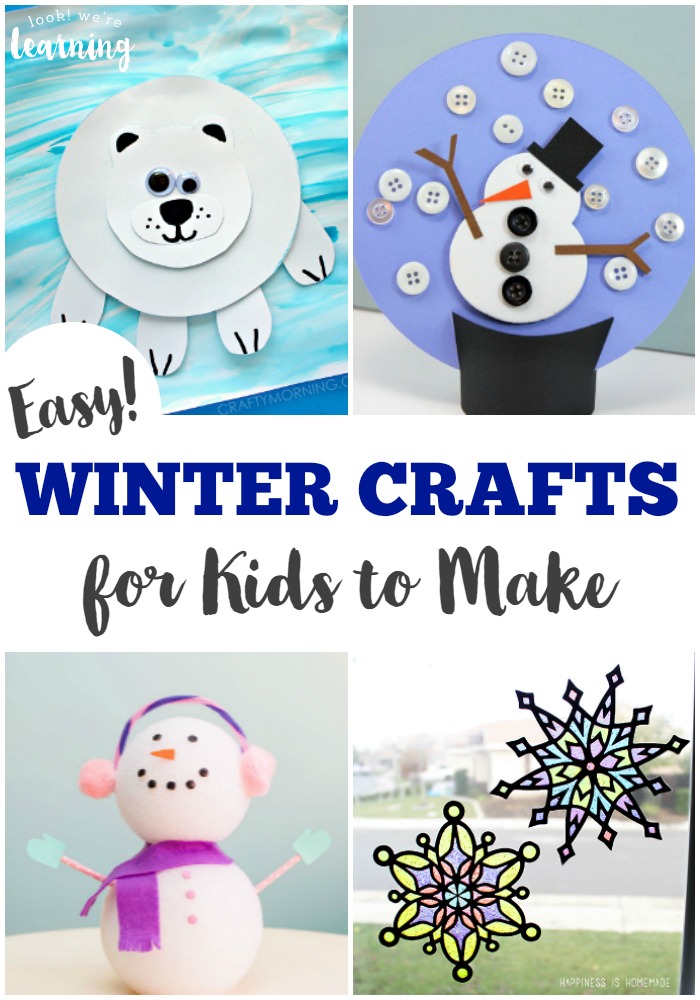
These easy kid crafts for winter are a perfect way to pass a cold winter's day!

20 Kid Crafts for Winter

December 12, 2013 by Selena Robinson Leave a Comment

Winter’s fast approaching and it’s a great time to break out some winter crafts for the kids! I’m not in love with winter, but I do love to make cute crafts and that’s usually enough to perk me up out of the winter blues. 🙂 Now that we have a very active preschooler, she always wants to make things with scissors and glue, so crafting is a perfect way to spend some time with her.

I’ve rounded up some of our favorite kid crafts for winter from around the web and I’m sharing them here today! We’ll be trying out a few of these this month and through the season, but I’d love to hear which ones catch your eye as well!

By the way, if you want more winter craft ideas, don’t miss our lists of penguin crafts for kids and snowman crafts for kids!

These easy kid crafts for winter are a perfect way to pass a cold winter's day!

20 Kid Crafts for Winter:

1. Printable Snowflake Math Factors Craft – Look! We’re Learning!

2. Winter Snowflake Slime – Little Bins for Little Hands

3. Glittery Snowflake Suncatchers – Happiness is Homemade

4. Sensory Blizzard in a Bottle – No Time for Flashcards

5. Snowman Factory – Buggy and Buddy

6. Foam Ball Winter Snowman – Crafty Morning

7. Cardboard Snowflake Printing – The Jenny Evolution

8. Paper Snow Globe Craft – Housing a Forest

9. Snow Puffy Paint – The Imagination Tree

10. Salt Truck Shape Craft – Sugar Aunts

11. Snowy Paper Collage – A Little Pinch of Perfect

12. Paper Polar Bear Craft – Crafty Morning

13. Fine Motor Ice Skates Lacing Craft – I Heart Arts and Crafts

14. Ice Wreath Bird Feeder Craft – Hands On As We Grow

15. Melted Snowman Shape Collage – Mom Inspired Life

16. Winter Necklace Craft – Domestic Mommyhood

17. Q-Tip Painted Snowman Craft

18. Ice Sun Catcher – Kid World Citizen

19. Children Catching Snowflakes Winter Craft – Crafty Morning

20. Winter Playdough Creation Station – No Time for Flashcards

Fun and Easy Kid Crafts for Winter - Look! We're Learning!

And if you love these, try some of these other fun ideas for kids!

These winter books for kids are great for sharing as a family!

These easy snowman crafts for kids are perfect for exploring winter this year!

Paper Snowflake 2nd Grade Math Factors Craft

Plus, see more winter learning ideas on my Winter Activities for Kids board on Pinterest!

ASL Lesson 7: ASL Opposite Words - Look! We're Learning!

ASL Lesson 2: Basic Greetings in ASL

December 9, 2013 by Selena Robinson Leave a Comment

ASL Lesson 2: Look! We're Learning!

Hey everyone! It’s time for American Sign Language Lesson 2 here at Look! We’re Learning! Last time, we learned letters in ASL and numbers in ASL. Today we’re sharing some basic greetings in ASL, including:

Keep Reading…

The Living History Series: Ella Fitzgerald

December 5, 2013 by Selena Robinson 1 Comment

This post contains affiliate links. See our Disclosure Policy here.

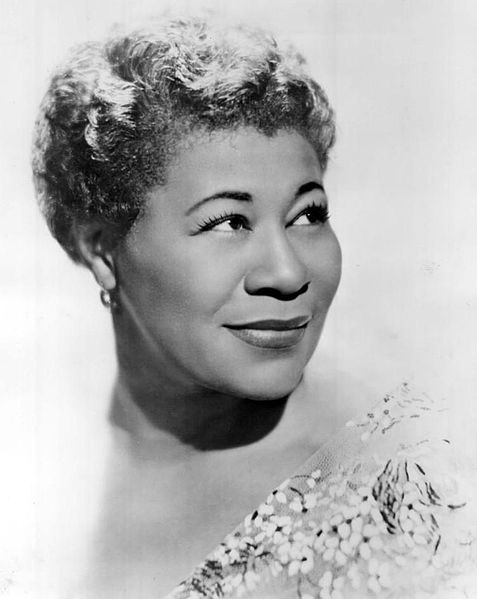
Image: Wikimedia Commons

Hey everyone! Finals are nearly over and I can finally breathe again, so I’m back! 🙂 It’s a new month and that means it’s time for a new Living History figure! This month, we’ll be learning about jazz great Ella Fitzgerald.

When I was young, I remember hearing my mom speak about Ella a few times and I remember seeing her on television during the 80s. I’d never seen her name written out, so I always thought her name was “Elephants Gerald”…lol.

A few years back, Jay and I were watching PBS and we came across a live performance of Ella singing with Frank Sinatra. I was stunned at how powerful her voice was and how she could just sit down and sing without looking like she was even trying.

Here she is with Sinatra performing “Goin’ Out of My Head”:

See what I mean? She’s just sitting there and yet her voice is wayyyy up in that high octave! Not many singers today could hit those notes even if they strained.

Unfortunately, I don’t know much about Ella other than what I saw on TV, so it’s time to get to know her better. Here are a few of the books about Ella Fitzgerald we’ll be using this month:

Ella Fitzgerald: The Tale of a Vocal Virtuosa

Skit-Scat Raggedy Cat: Ella Fitzgerald

Ella Fitzgerald by Bud Klimet

Ella Fitzgerald: A Biography Of The First Lady Of Jazz

Ella Fitzgerald: The Complete Biography of First Lady of Jazz, Updated Edition

Be sure to stop back by on December 30 to see what we learned about Ella Fitzgerald’s life and career this month!

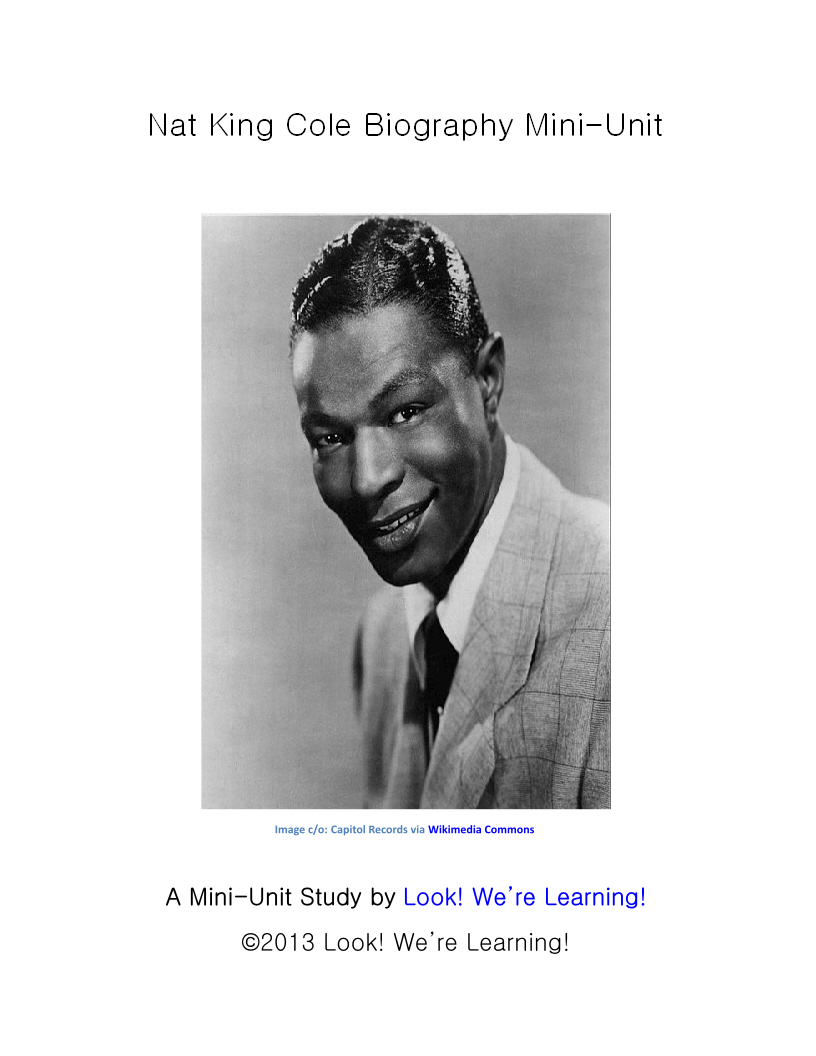
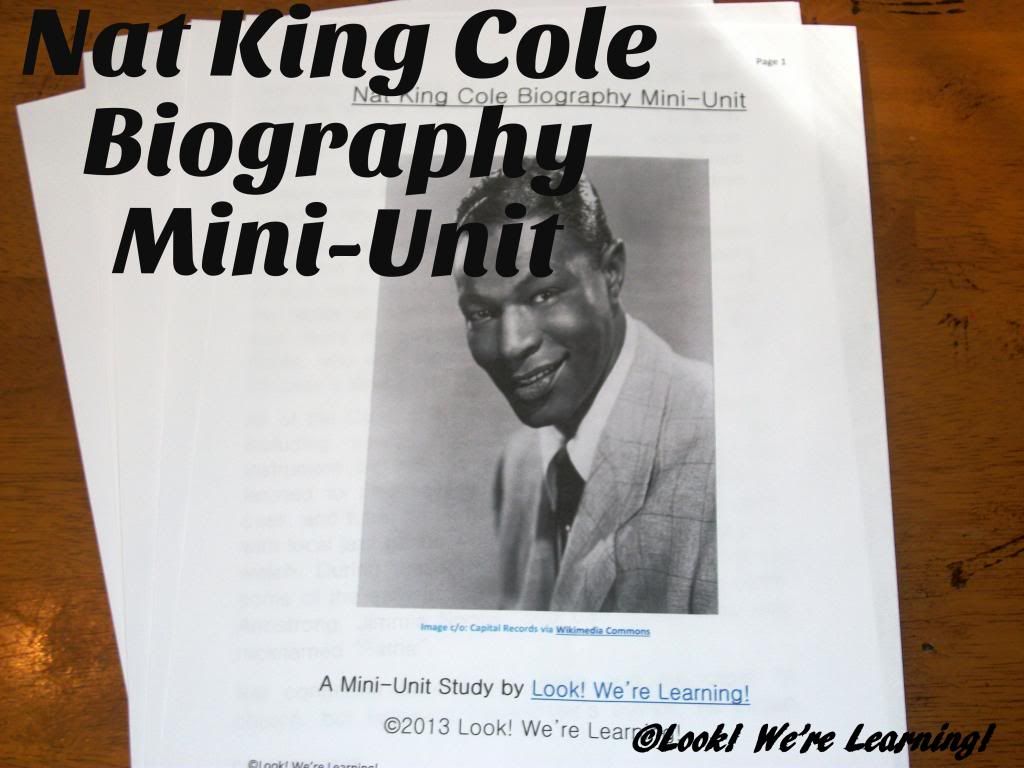
Nat King Cole Biography Mini-Unit

November 28, 2013 by Selena Robinson 1 Comment

Nat King Cole Biography Mini-Unit: Look! We're Learning!

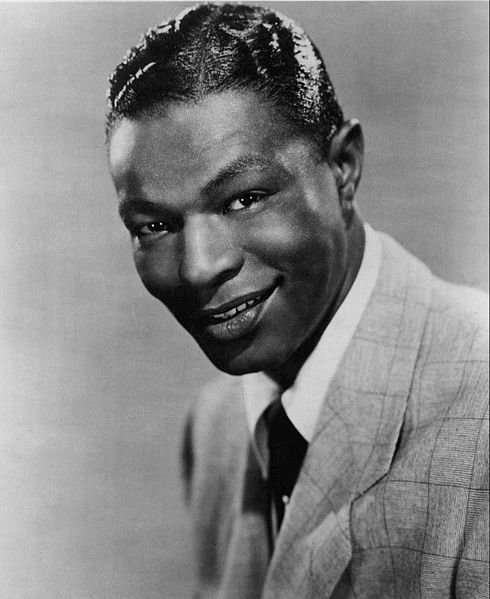
Hey everyone! It’s November and we’re sharing our latest Living History series mini-unit! This month we learned about the life and legacy of Nat King Cole. We put together a biography mini-unit about Nat King Cole’s career, along with a few exercises, and shared it with the kids.

We learned quite a bit about Nat’s life this month. For example, we learned that he learned to play the piano by ear and that he didn’t begin professional piano lessons until his pre-teen years. We were also interested to learn about Nat’s experiences with racism and how he refused to let those events make him angry or bitter.

Nat King Cole Biography Mini-Unit: Look! We're Learning!

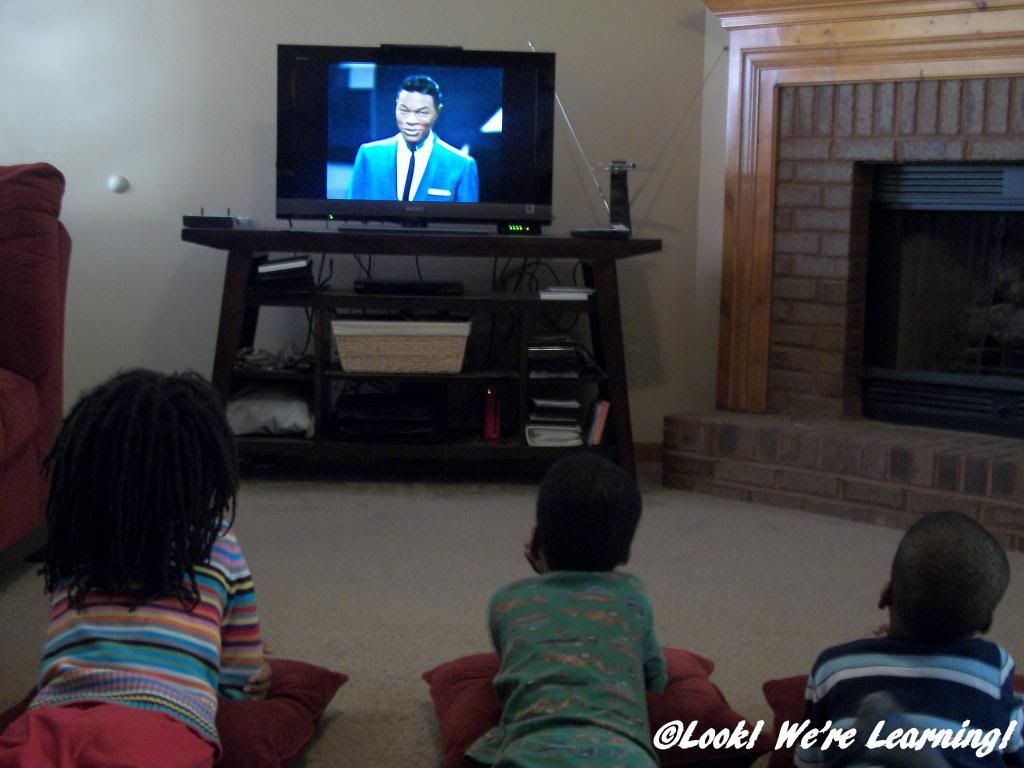
After we completed the unit, we watched “An Evening with Nat King Cole”. All of us ended up singing his songs the rest of the day.

To use this unit with your family, feel free to download it by clicking the link below! And be sure to stop by next week to see who we’re learning about during the month of December!

Nat King Cole Biography Mini-Unit: Look! We're Learning!

Nat King Cole Biography Mini-Unit

How to Sign the Alphabet in Sign Language - Look! We're Learning!

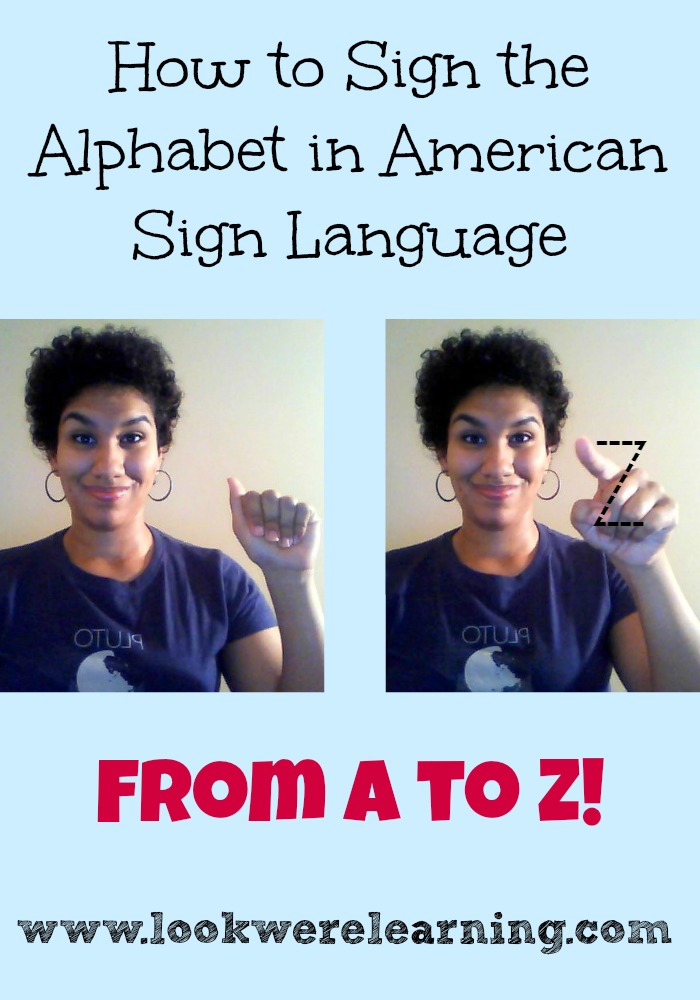
ASL Lesson 1: ASL Alphabet and Numbers

November 25, 2013 by Selena Robinson 4 Comments

Hey everyone! I’m super excited today because we’re starting a new ASL lesson video series here at Look! We’re Learning! Our first ASL video lesson is up on YouTube and it’s a review of the letters A through Z, as well as numbers 0 through a quadrillion! (Really.)

How to Sign the Alphabet in Sign Language - Look! We're Learning!

How to Sign the Alphabet in ASL

We’ve shared some great resources that feature how to sign the alphabet in sign language! Check them out below:

ASL2U Lesson 1: Meeting Someone - Look! We're Learning!

ASL2U Lesson 1: Meeting Someone

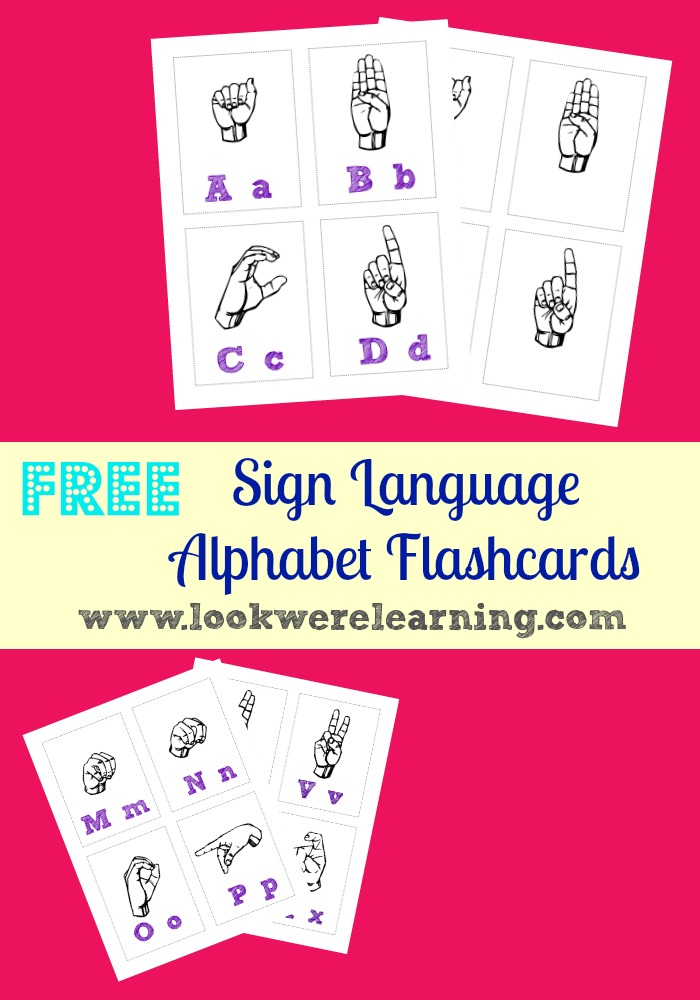
Free Printable Flashcards: Sign Language Alphabet - Look! We're Learning!

ASL Alphabet Flashcards

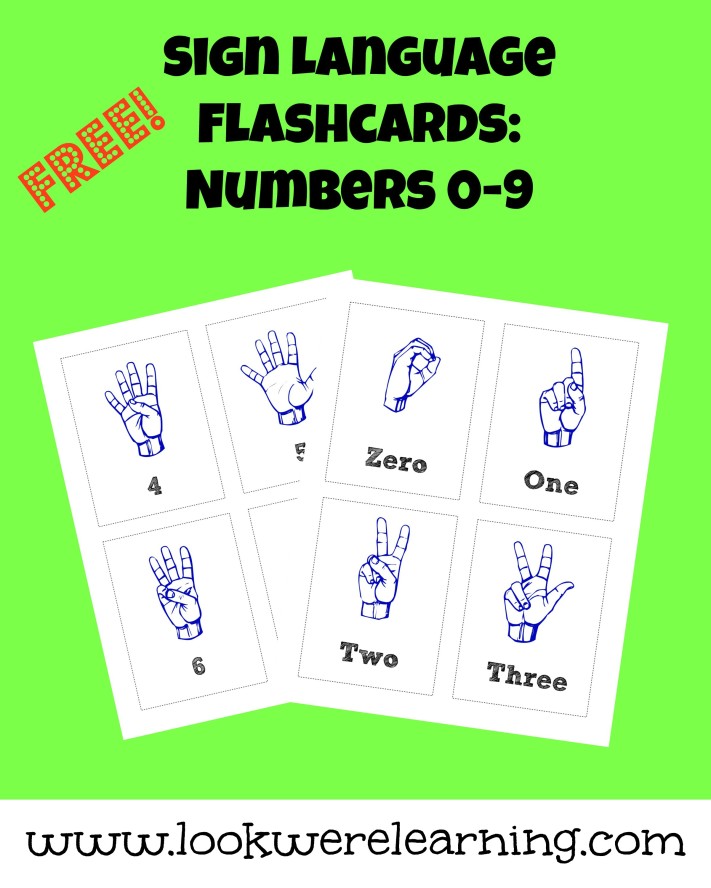
Free ASL Number Flashcards - Look! We're Learning!

ASL Number Flashcards

To get a look at the alphabet and numbers in ASL, watch the video lesson below! You might want to print the flashcards to refer to as you watch.

We’d love to know what you think! By the way, if there are any topics in particular, you’d like us to cover, feel free to let me know here! You can subscribe to our future videos by clicking here.

Get more ideas for learning ASL on my American Sign Language Lessons board on Pinterest!


Visiting the Atlanta History Center

November 19, 2013 by Selena Robinson 1 Comment

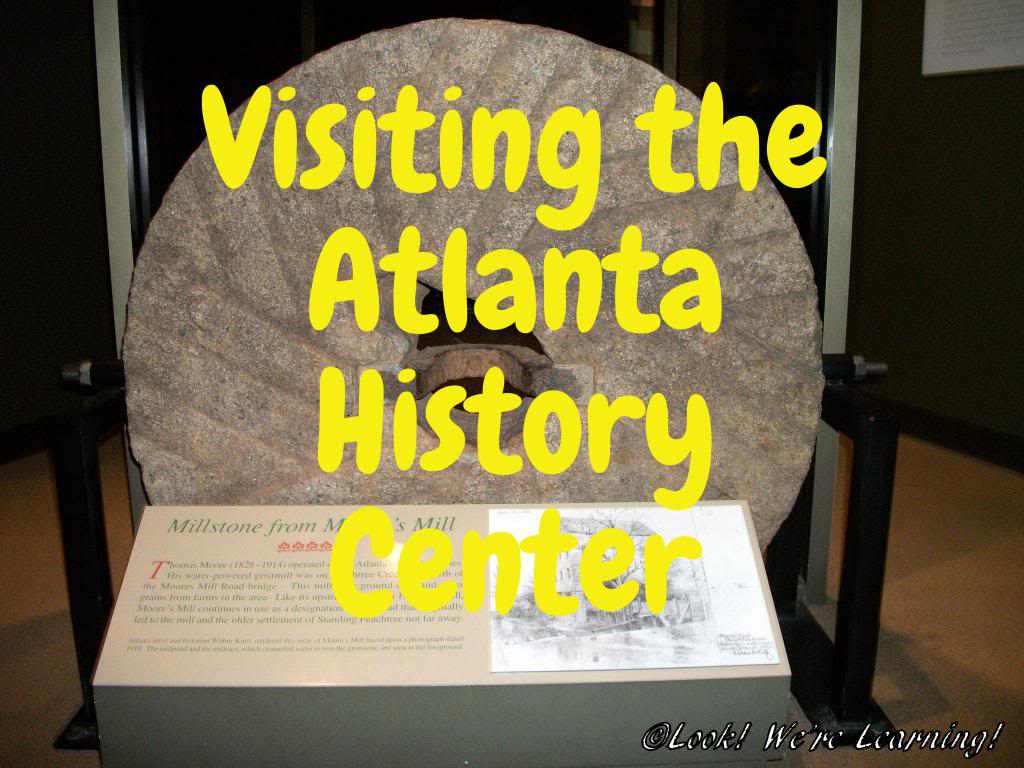
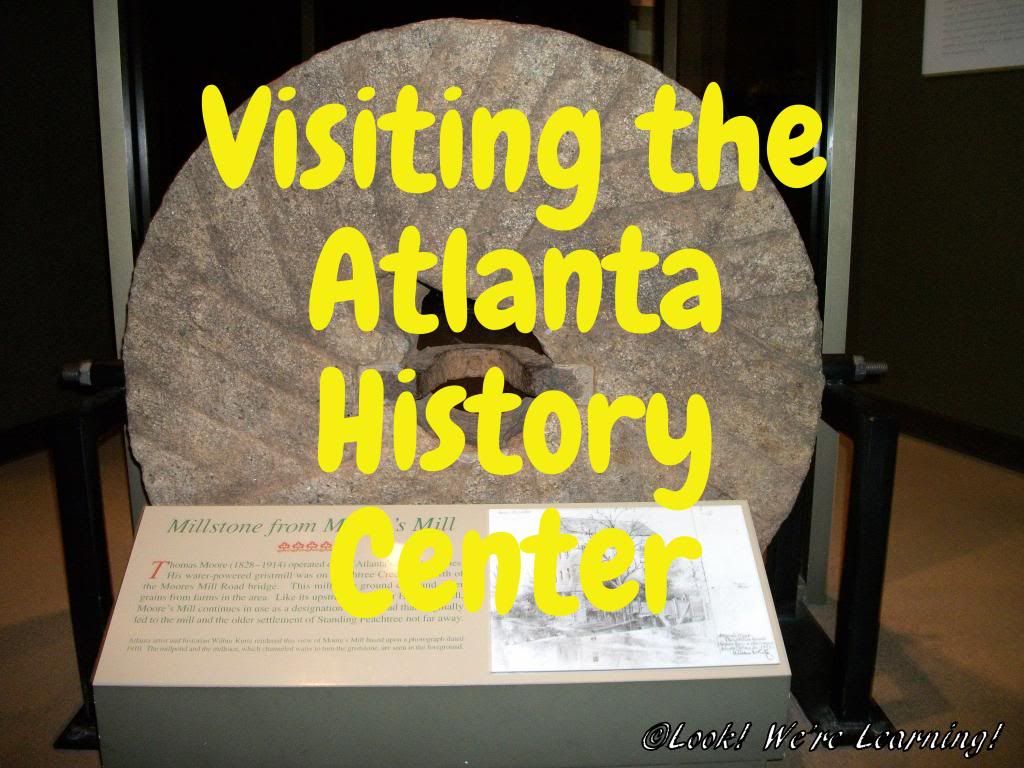
Visiting the Atlanta History Center: Look! We're Learning!

Good morning! We got a chance to visit the Atlanta History Center a few weeks back and we’re sharing pictures from our trip with you all today!

Every year, there are special Atlanta History Center homeschool days where homeschooling families can enter for a discounted rate. To begin the year, though, the museum held a Homeschool Open House day when admission was absolutely free! This was the first year that we were able to attend and we thoroughly enjoyed our visit!

Visiting the Atlanta History Center: Look! We're Learning!

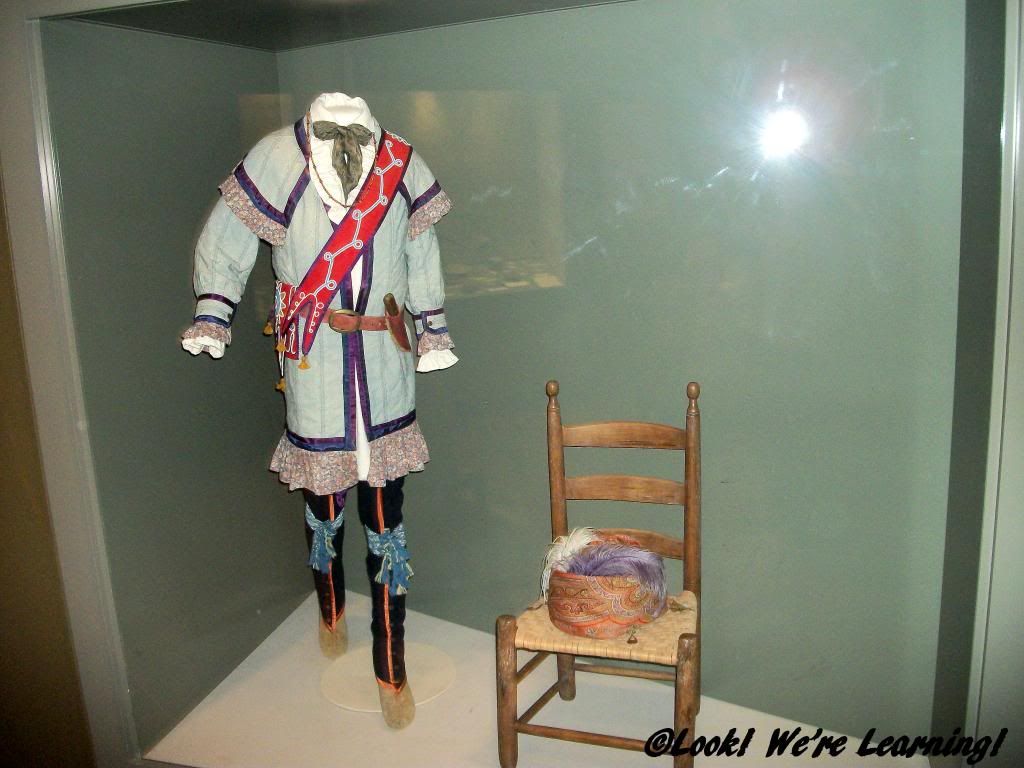
Since the museum is in Georgia, a lot of the historical exhibits relate directly to Georgia history and the development of the city of Atlanta. This display shows the typical dress of a Cherokee Indian during the 1830s. I had no idea that many Cherokees had assimilated colonial styles of dress in those days.

Visiting the Atlanta History Center: Look! We're Learning!

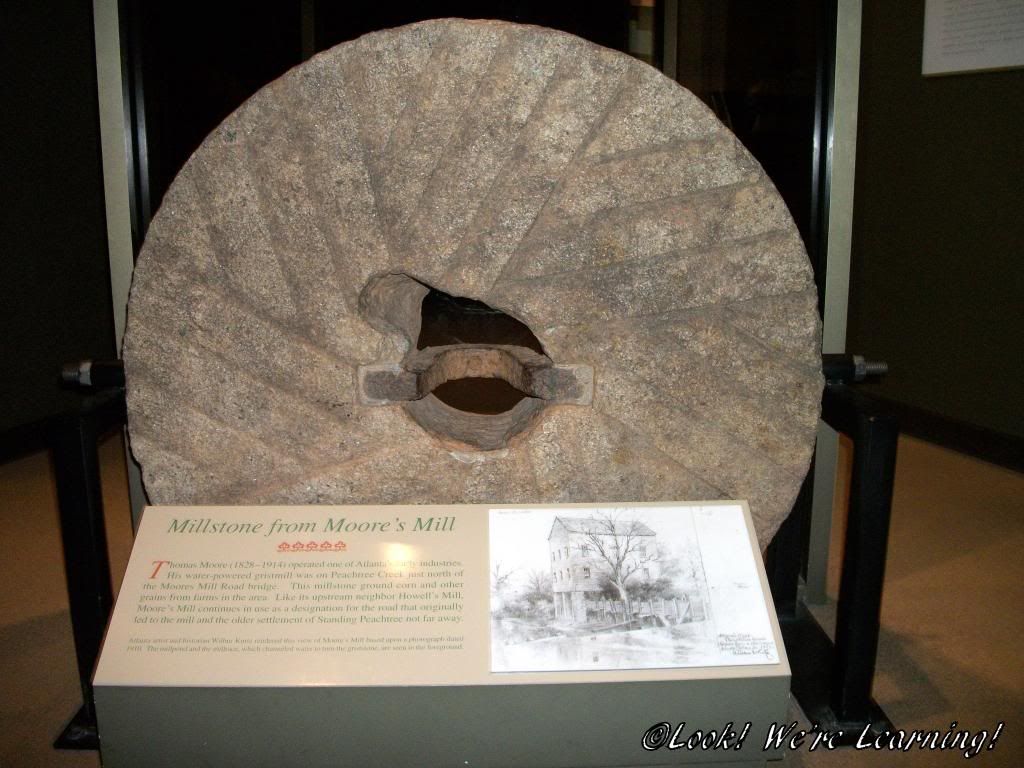
An actual millstone from an 1800s flour mill. That thing was enormous.

Visiting the Atlanta History Center: Look! We're Learning!

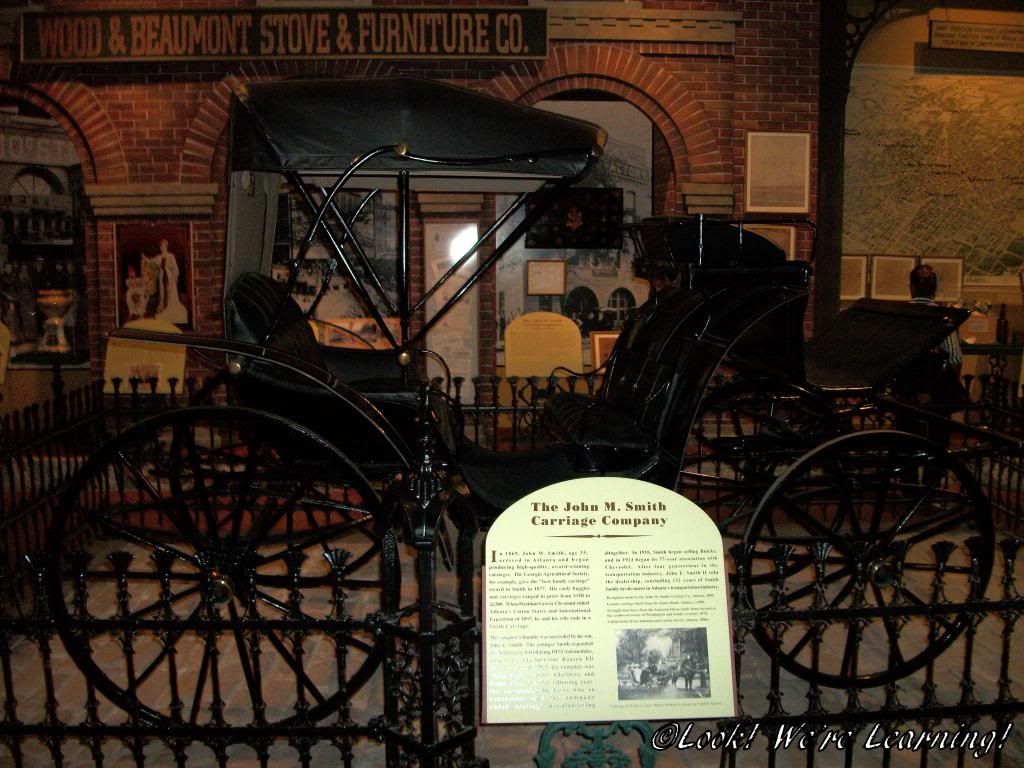
There were a lot of carriage and automotive companies in and around Atlanta in the 19th and 20th centuries. Here’s a life-sized reconstruction of a carriage from the John M. Smith Carriage Company.

Visiting the Atlanta History Center: Look! We're Learning!

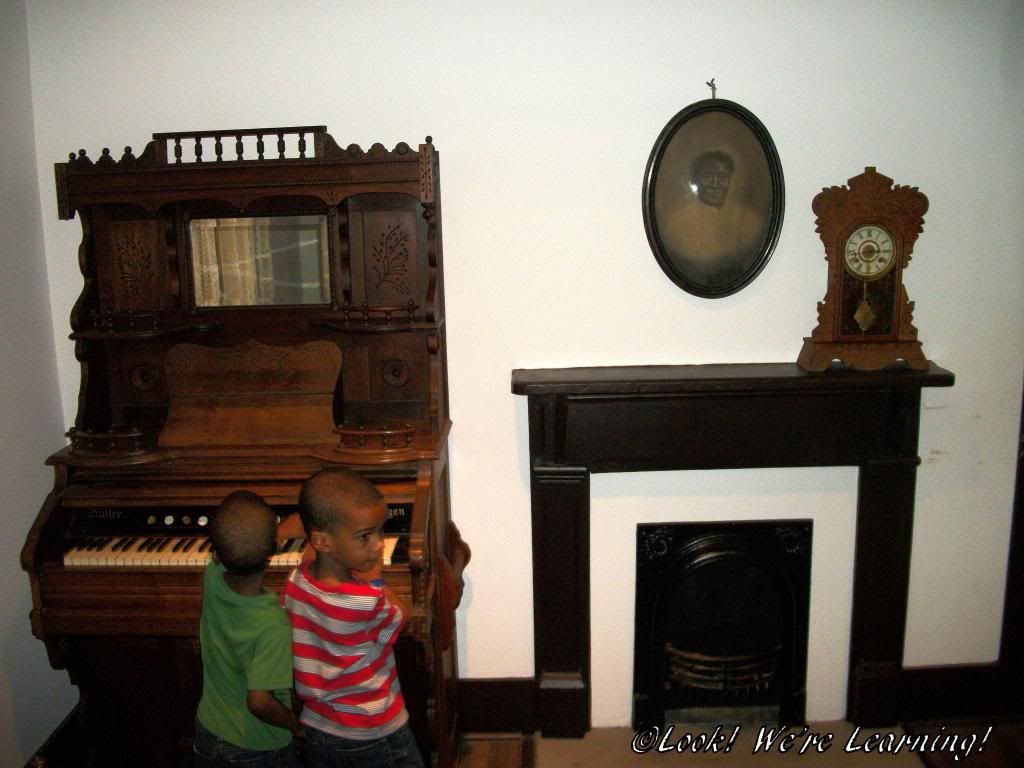
One of the coolest things in the center, to me, was the Dixon-King Shotgun House. It’s an actual 1800s house that has been relocated and reassembled within the history center. They kept the original furniture and restored the interior.

Visiting the Atlanta History Center: Look! We're Learning!

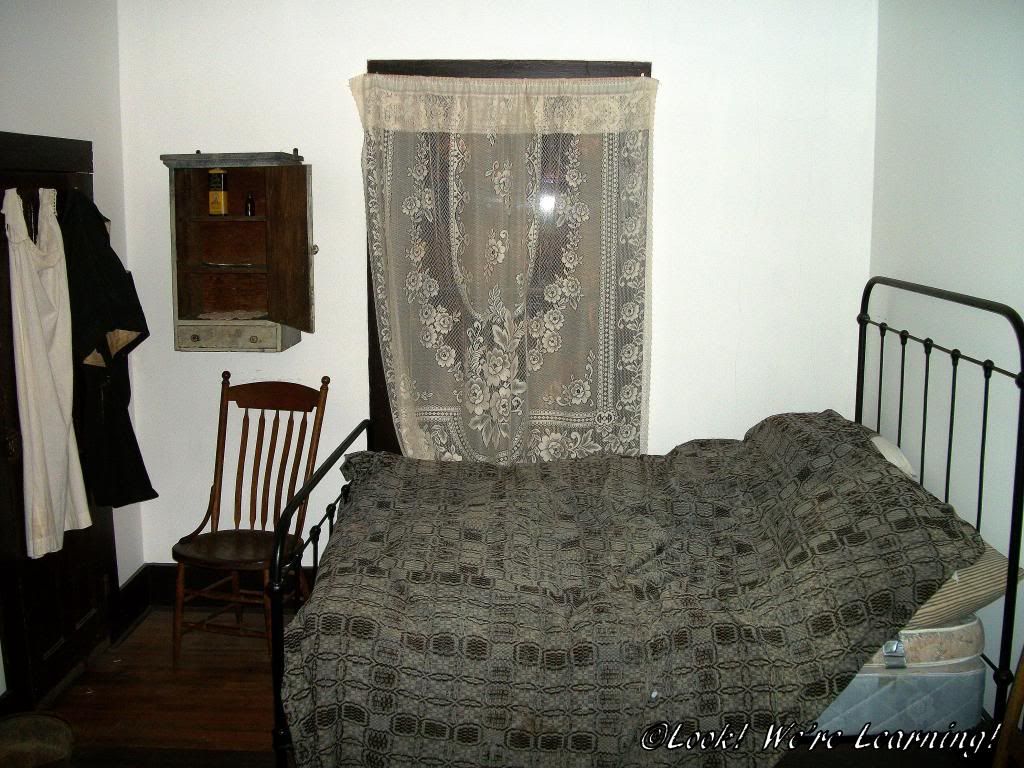
A look at the house’s bedroom.

Visiting the Atlanta History Center: Look! We're Learning!

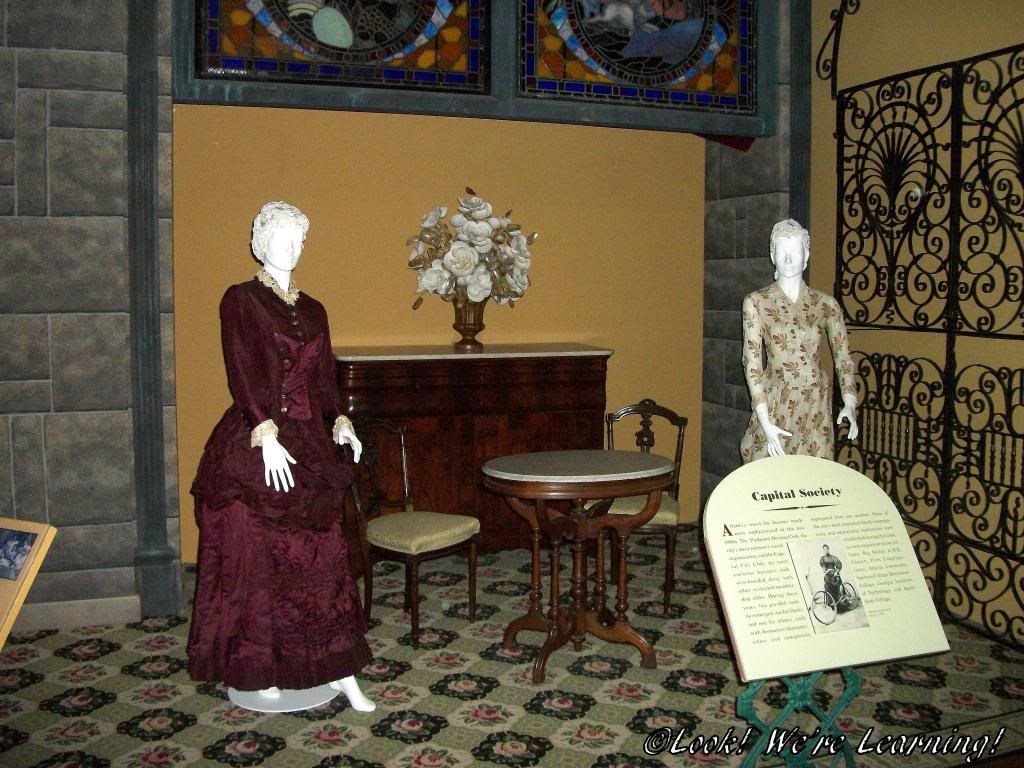
Typical Georgian high society fashion from the 1800s. I think I’d wear that floral dress today.

Visiting the Atlanta History Center: Look! We're Learning!

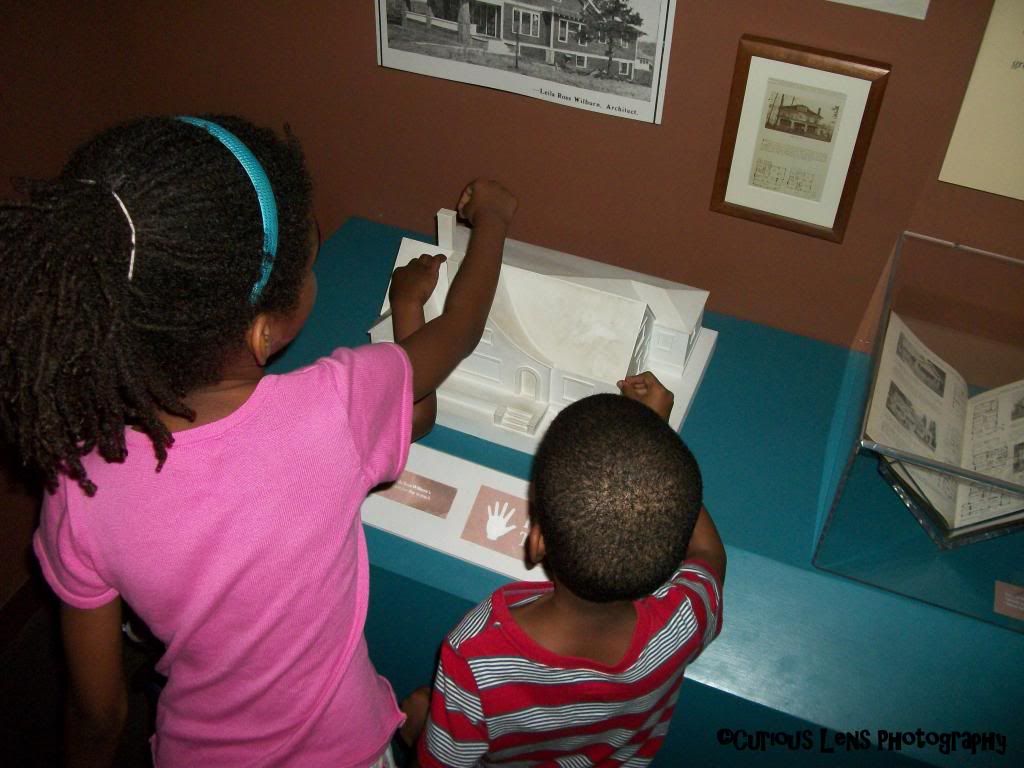
The biggest issue when you visit a museum with kids is keeping their hands off the exhibits. I really appreciated that the Atlanta History Center has specific items that are clearly marked for kids to touch. It gives them a chance to interact with the exhibits and it allows them to touch something, so that they won’t be tempted to grab everything they see.

Visiting the Atlanta History Center: Look! We're Learning!

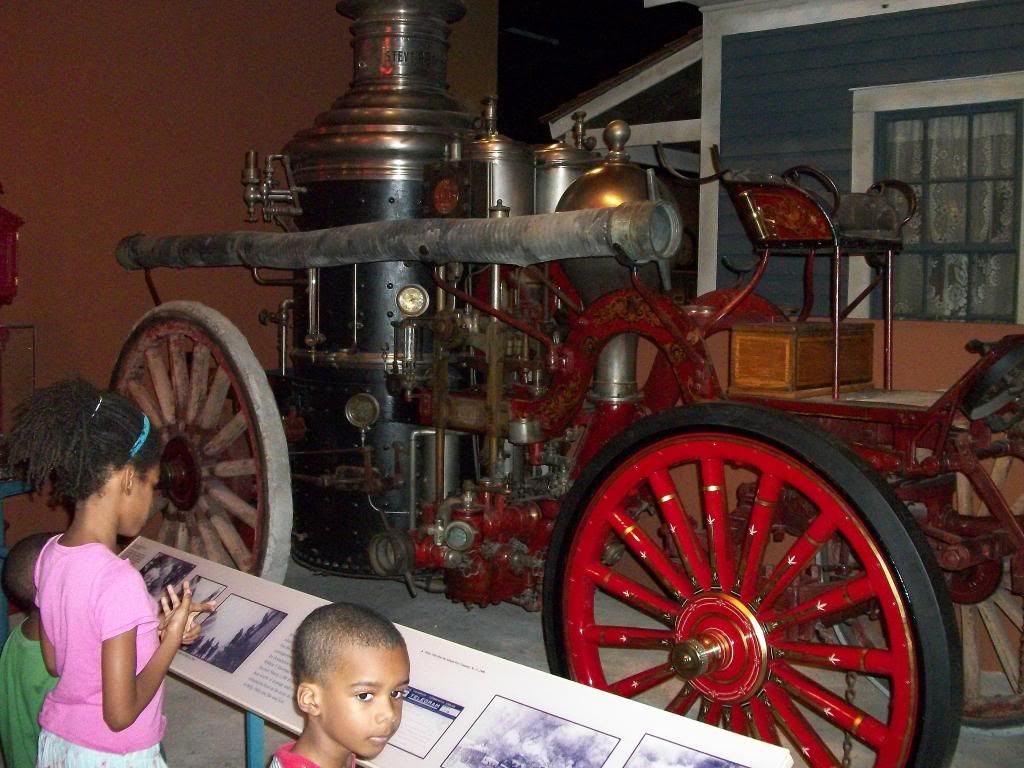
An actual fire engine from the 1800s.

Visiting the Atlanta History Center: Look! We're Learning!

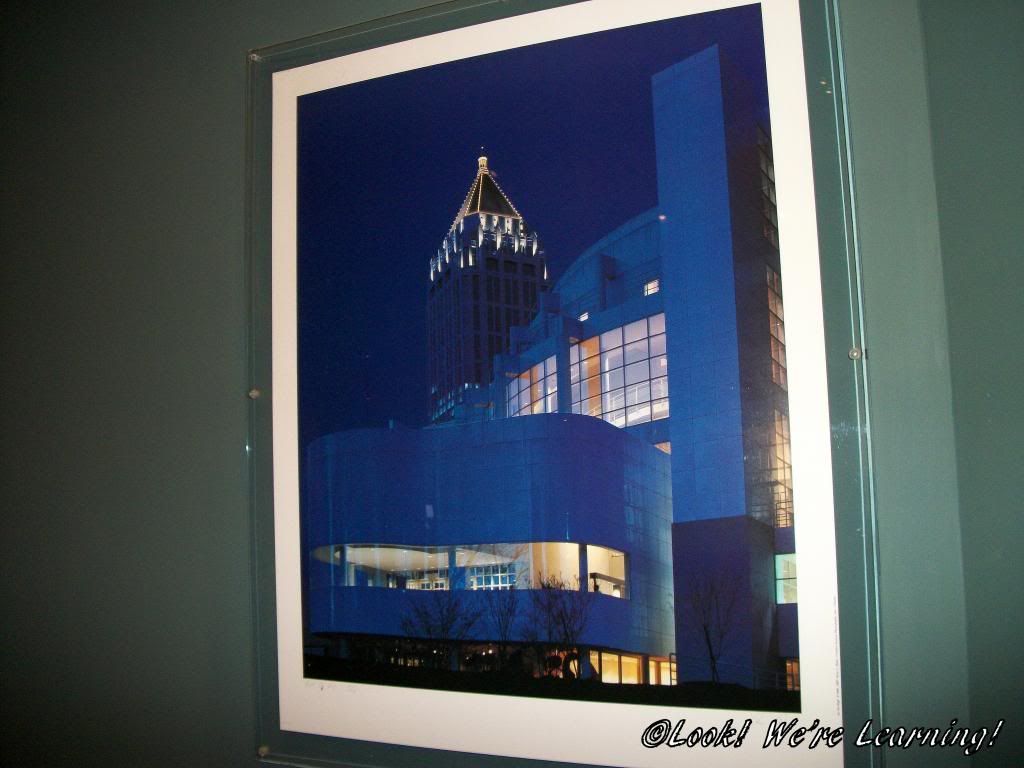
An entire exhibit at the center focused on the modern development of the city of Atlanta. There were pictures and models of several city landmarks. This is a picture of the High Museum of Art at night.

Visiting the Atlanta History Center: Look! We're Learning!

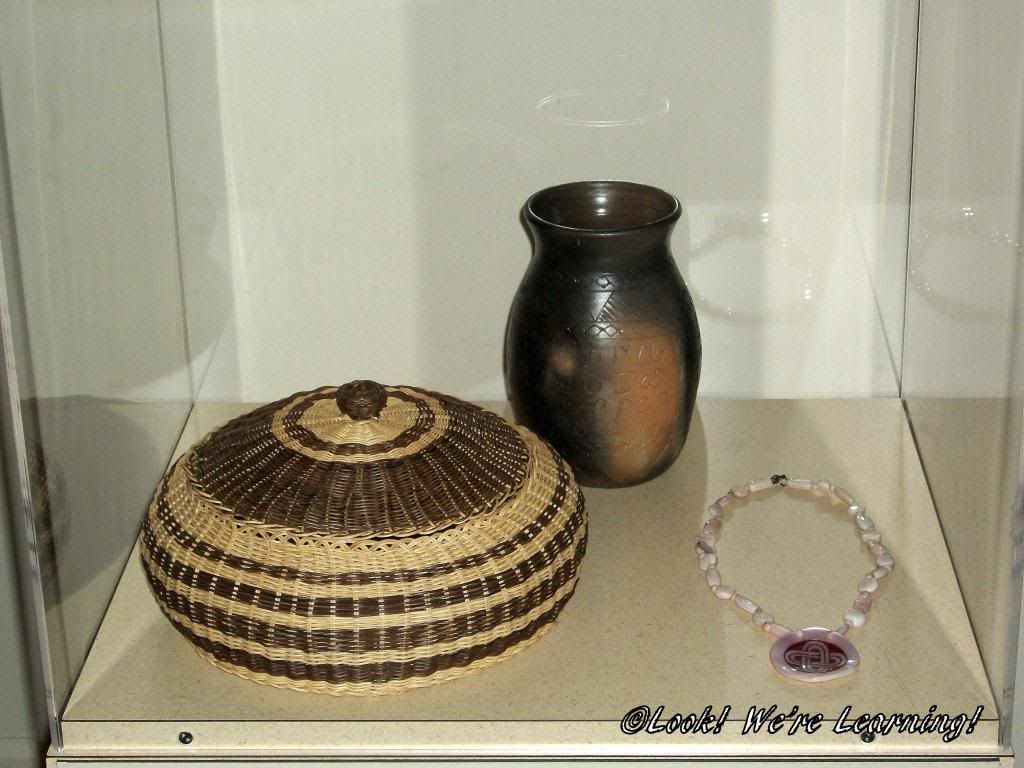
Replicas of native Indian handiwork from the 1800s. Northern Georgia was home to both the Cherokee and the Creek Indian tribes – both of which were forcibly removed along the Trail of Tears.

Visiting the Atlanta History Center: Look! We're Learning!

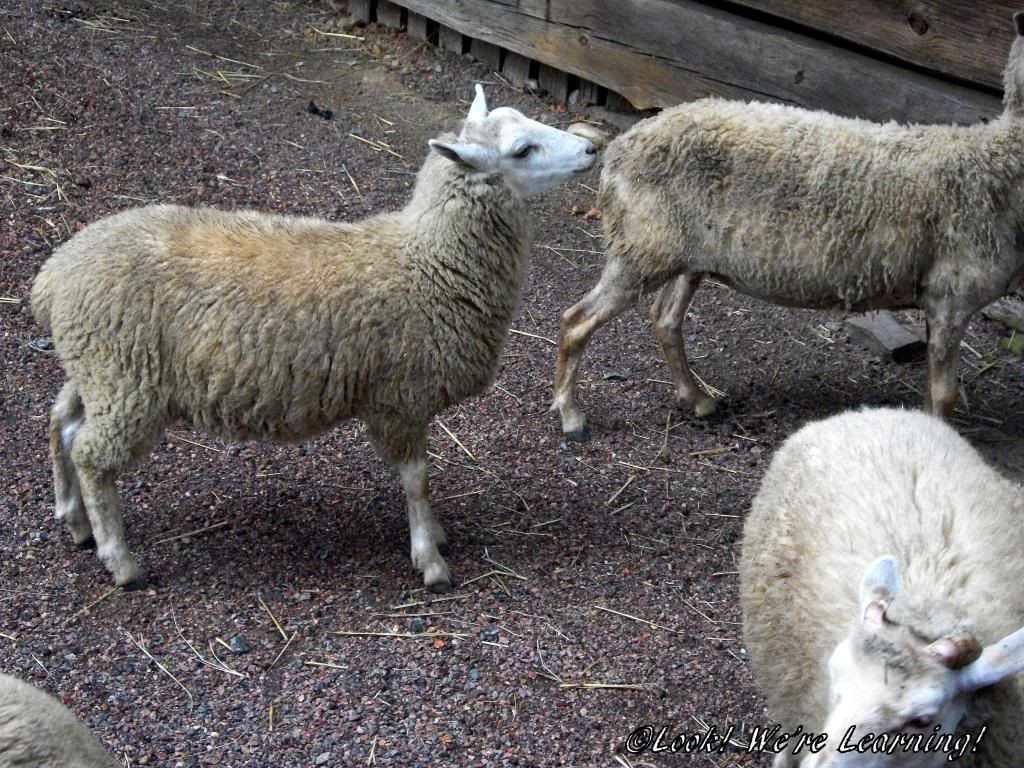
Outside the center, there are a couple of historical houses that have been restored. They keep sheep at one of them, just the way that farmers would have done in the 1800s.

Visiting the Atlanta History Center: Look! We're Learning!

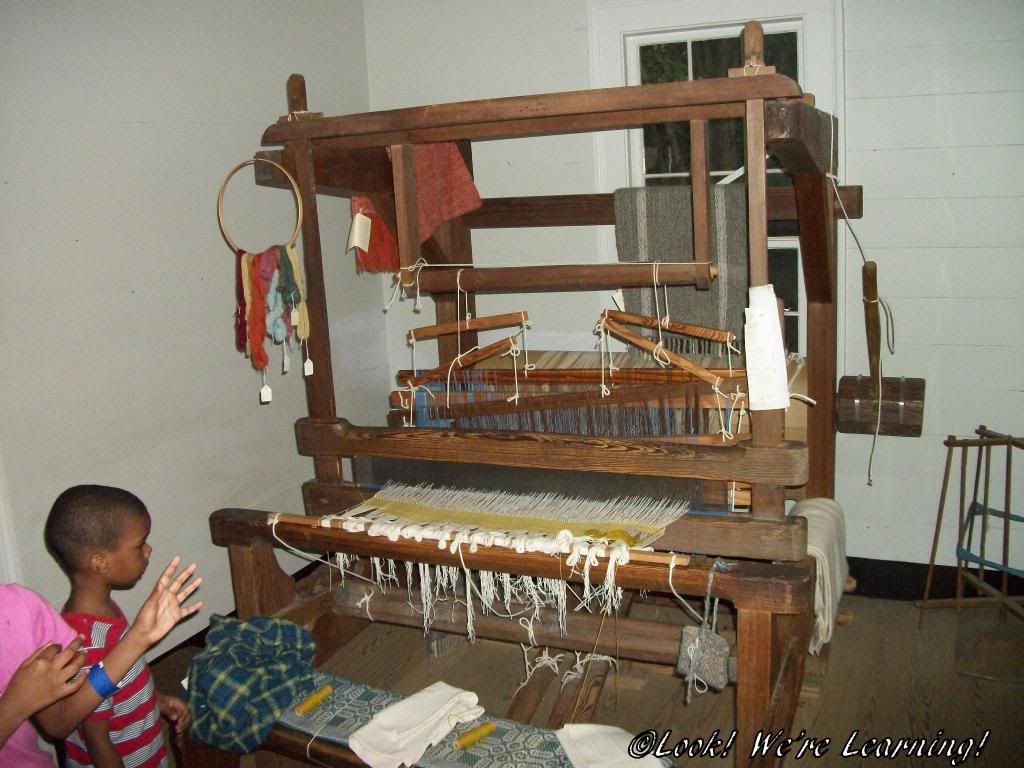
We got the chance to examine this loom inside the Smith Family Farm house. (My inner crafter gave a little shout for joy at seeing an actual loom in person.)

After spending several hours at the center, we still didn’t see everything that was on display. We’ll definitely have to make another visit soon!

Bee Crafty Kids #31: DIY Knitting Needle Holder

November 15, 2013 by Selena Robinson Leave a Comment

DIY Knitting Needle Holder: Look! We're Learning!

Bee Crafty Kids Button

Happy Friday everyone! It’s time for another Bee Crafty Kids Link Up! Every Friday, I get to co-host this roundup with Dusty from To The Moon and Back and Melanie from Our Crafts N Things! You can find out more about all of us here.

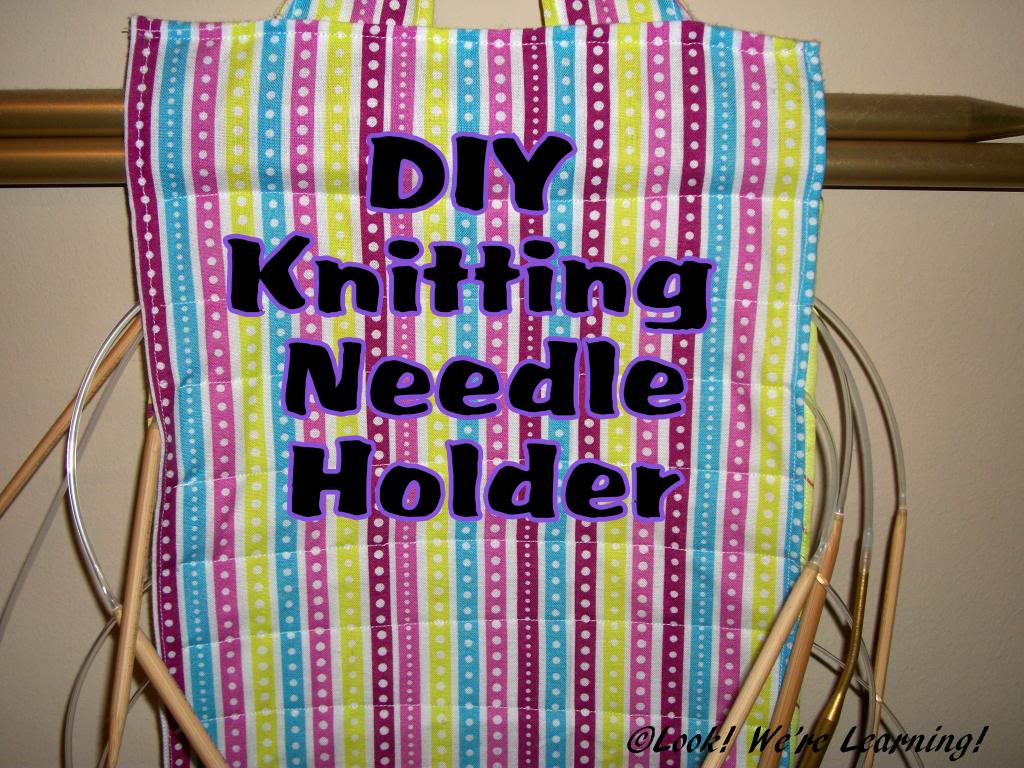
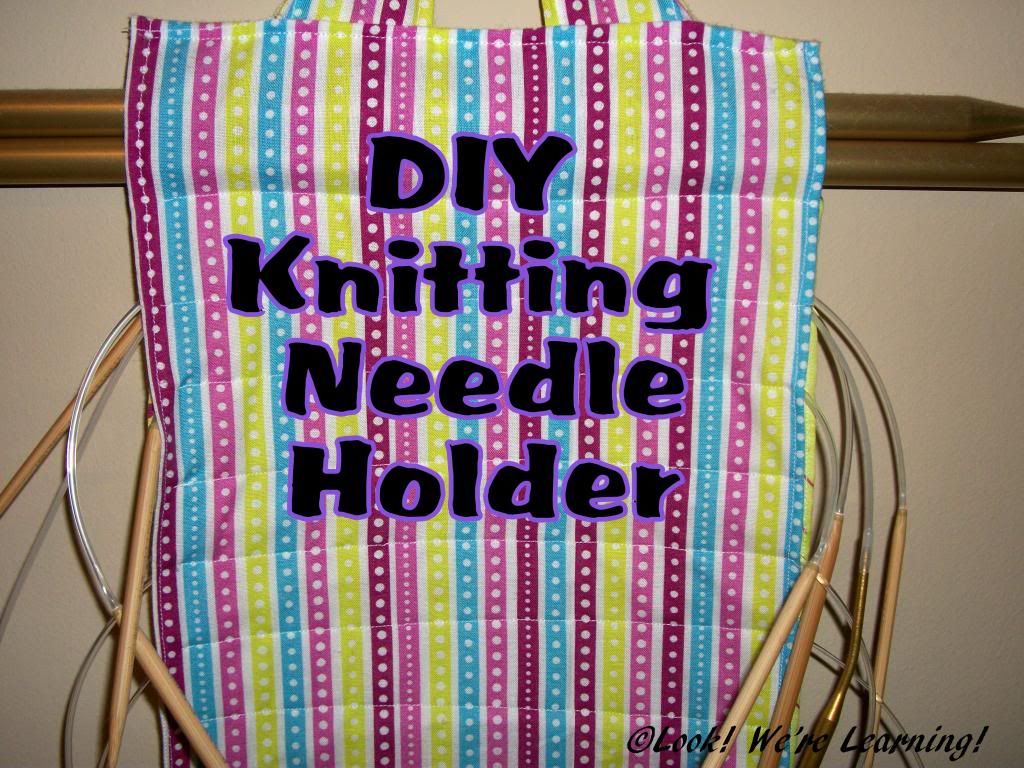
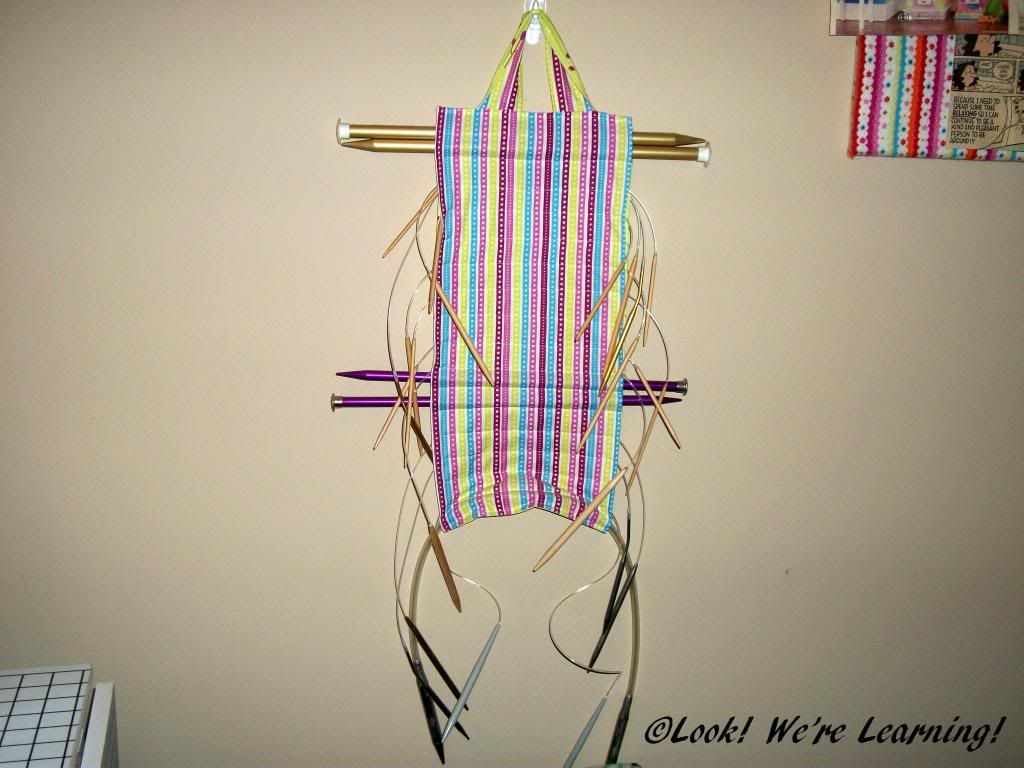
This week, I’m sharing a couple of DIY knitting needle holders that are super easy to sew.

DIY Knitting Needle Holder: Look! We're Learning!

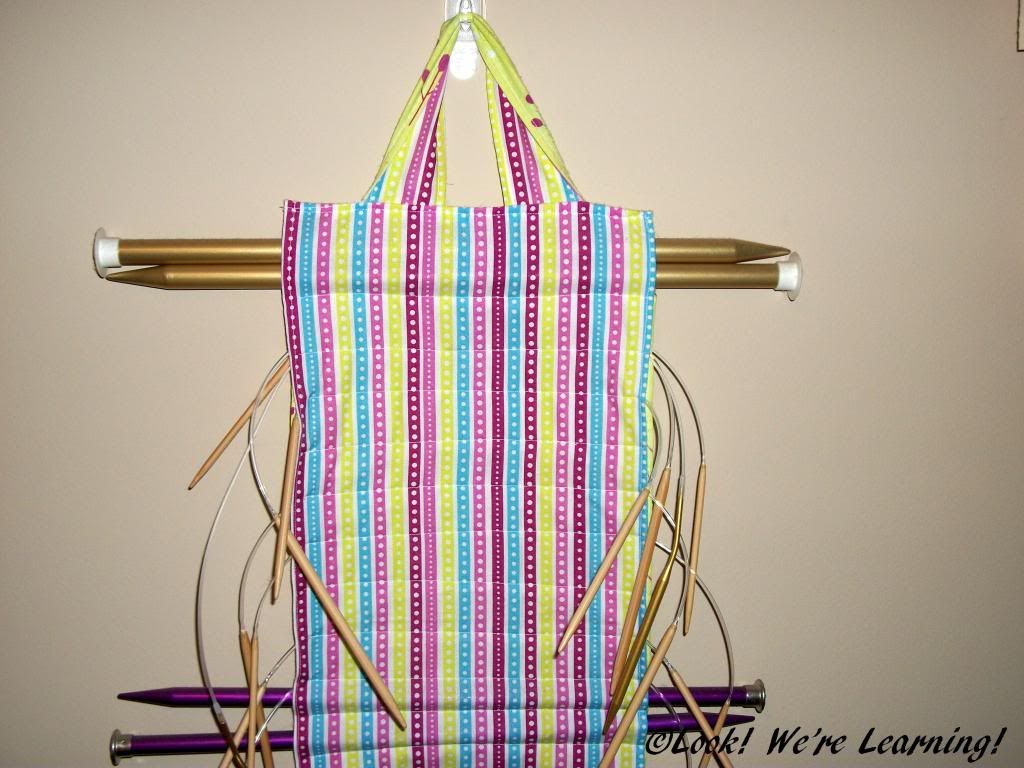
If you have circular knitting needles in your house, then I don’t have to tell you that it’s a pain keeping them organized. They roll up in funny ways and get tangled in your straight needles and it can quickly become a mess. The solution: A hanging knitting needle organizer!

DIY Knitting Needle Holder: Look! We're Learning!

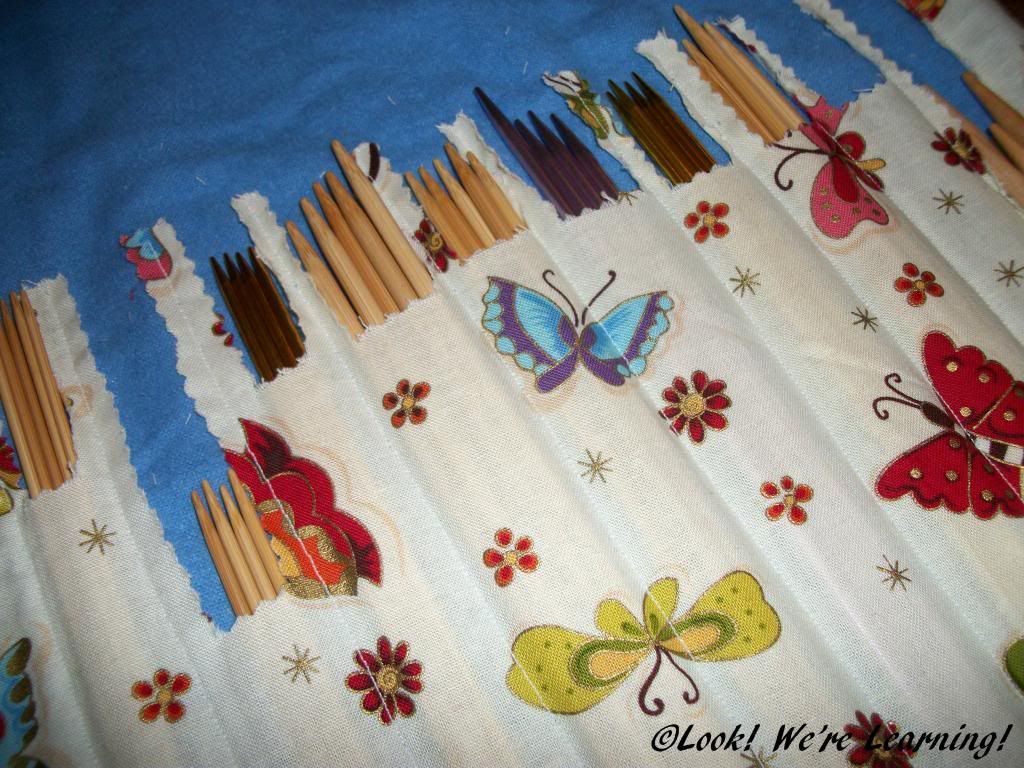
Now you can buy these already made, but where’s the fun in that? All it takes to make your own is a couple fat quarters of fabric and some thread. To make this one, I followed the tutorial from Pin and Paper. You only need to sew straight lines to stitch it together, so it’s a perfect beginner’s sewing project. In fact, I plan to help Tigger sew one for her budding knitting needle collection.

DIY Knitting Needle Holder: Look! We're Learning!

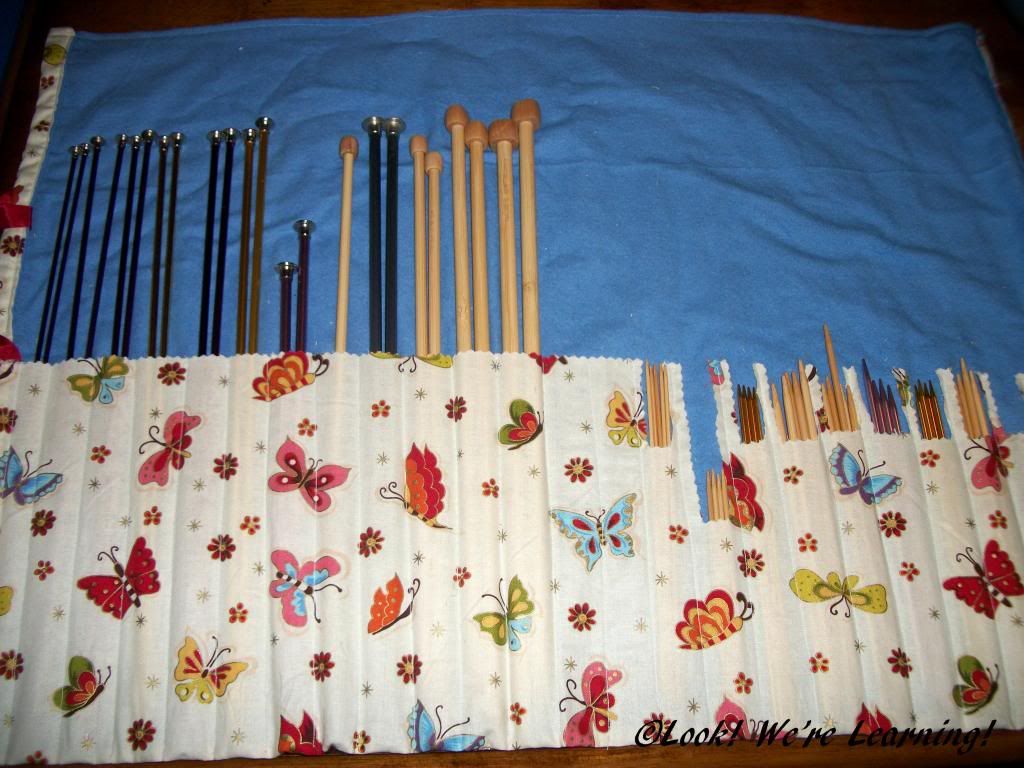
For straight needles, you can make a simple DIY knitting needle roll. This is pretty much the same design as the hanging organizer but without the loop at the top. WikiHow has a great picture tutorial on how to make this one. It just requires two pieces of fabric and a string of ribbon.

DIY Knitting Needle Holder: Look! We're Learning!

To make room for my shorter double pointed knitting needles, I just used pinking shears to cut the pockets down so that I could reach them.

DIY Knitting Needle Holder: Look! We're Learning!

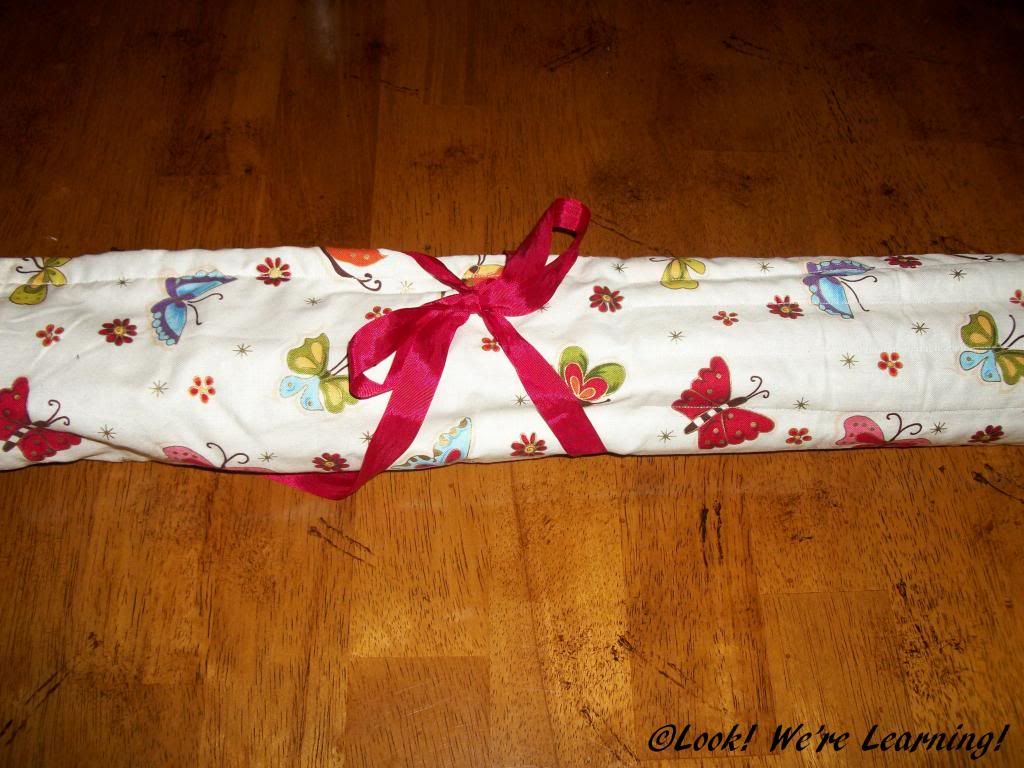
All tied up! These make great gifts for the crafters in your life, so you might want to encourage your kids to make them for homemade gift giving.

We’d love to see the crafts you and your family cooked up this week! To share the button for this linkup, grab the code below!

Look! We're Learning!
<div align="center"><a href="https://www.lookwerelearning.com" title="Look! We're Learning!"><img src="http://i1165.photobucket.com/albums/q594/dustybug83/BeeCraftyKids3_zps44074ad6.png" alt="Look! We're Learning!" style="border:none;" /></a></div>

Link up your kid-approved craft activities below! And be sure to visit the other posts in the link up this week!

Rules are simple:
~Enter the direct link to one or more of your own posts that showcase a craft or hands on activity for children.

~A link back with the above button is appreciated, but not required

~Try to at least comment on one or two of the other blogs that took the time to share and join!


This Charlie and the Chocolate Factory Unit Study is a perfect way to help kids learn with this fun children's movie!

Charlie and the Chocolate Factory Unit Study

November 12, 2013 by Selena Robinson 2 Comments

Charlie and the Chocolate Factory Unit: Look! We're Learning!

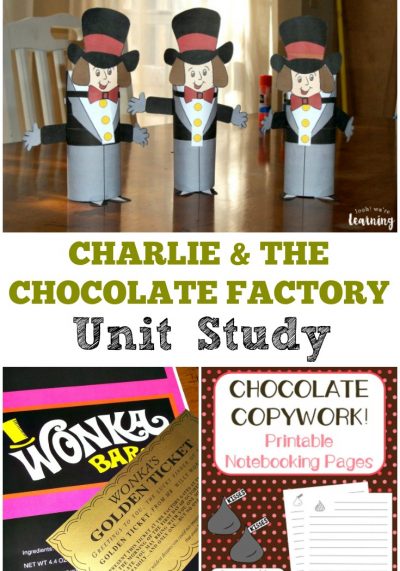
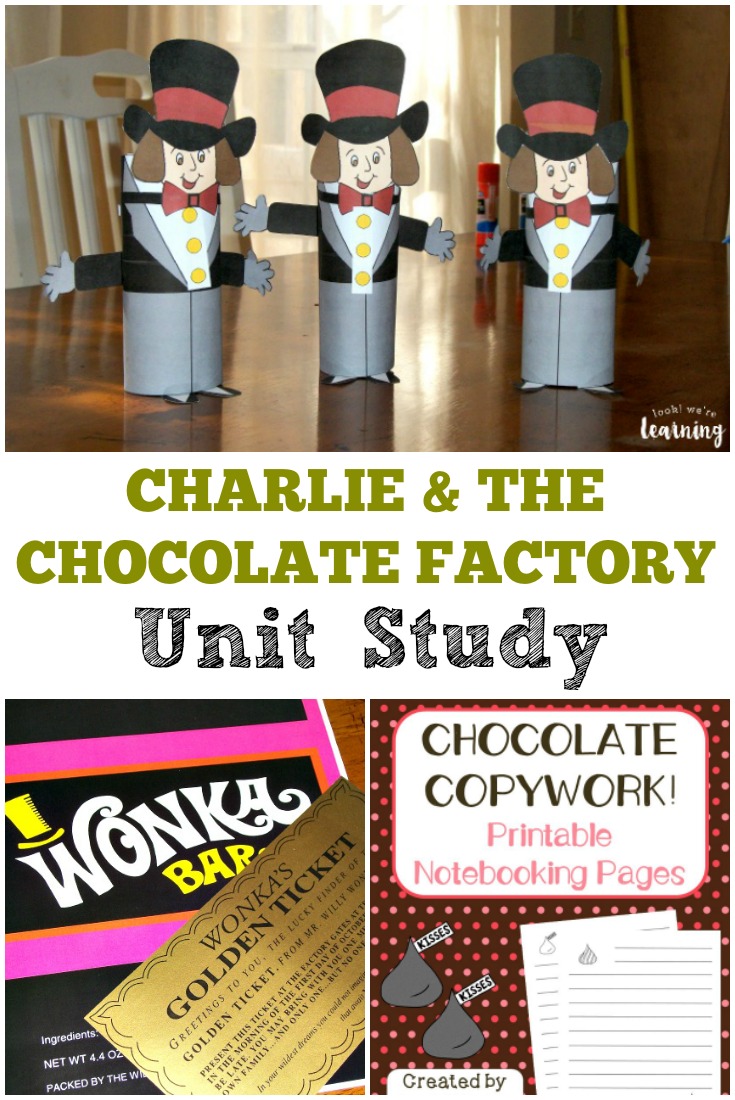
Remember the first time you read the book Charlie and the Chocolate Factory? Or the first time you saw the movie Willy Wonka and the Chocolate Factory? Those were basically life-changing experiences for me. So when it was time to introduce our kids to Charlie Bucket, Willy Wonka, Veruca Salt, and all the others, I wanted to make it memorable for them too.

And that’s why we put together this Charlie and the Chocolate Factory unit study! There are crafts, printables, and activities here that relate to both the story and the movie. If you love this one, don’t miss our other homeschool unit studies, including our Cloudy with a Chance of Meatballs unit!

This Charlie and the Chocolate Factory Unit Study is a perfect way to help kids learn with this fun children's movie!

Charlie and the Chocolate Factory Unit Study

This post contains affiliate links. For details, see our Disclosure Policy.

We began by reading the book Charlie and the Chocolate Factory by Roald Dahl. We split the reading up into three chapters per school day and both Jay and I took turns reading it aloud. The kids were fascinated with it right from the beginning. Probably because of all the talk about candy. 🙂

Tigger looked up some of the unusual vocabulary words along the way and she completed a character map all about Charlie – what kind of personality he had, his family’s living situation, and the way he looked. Charlie is probably one of the most sympathetic characters in all of children’s literature. You really root for him through the whole book.

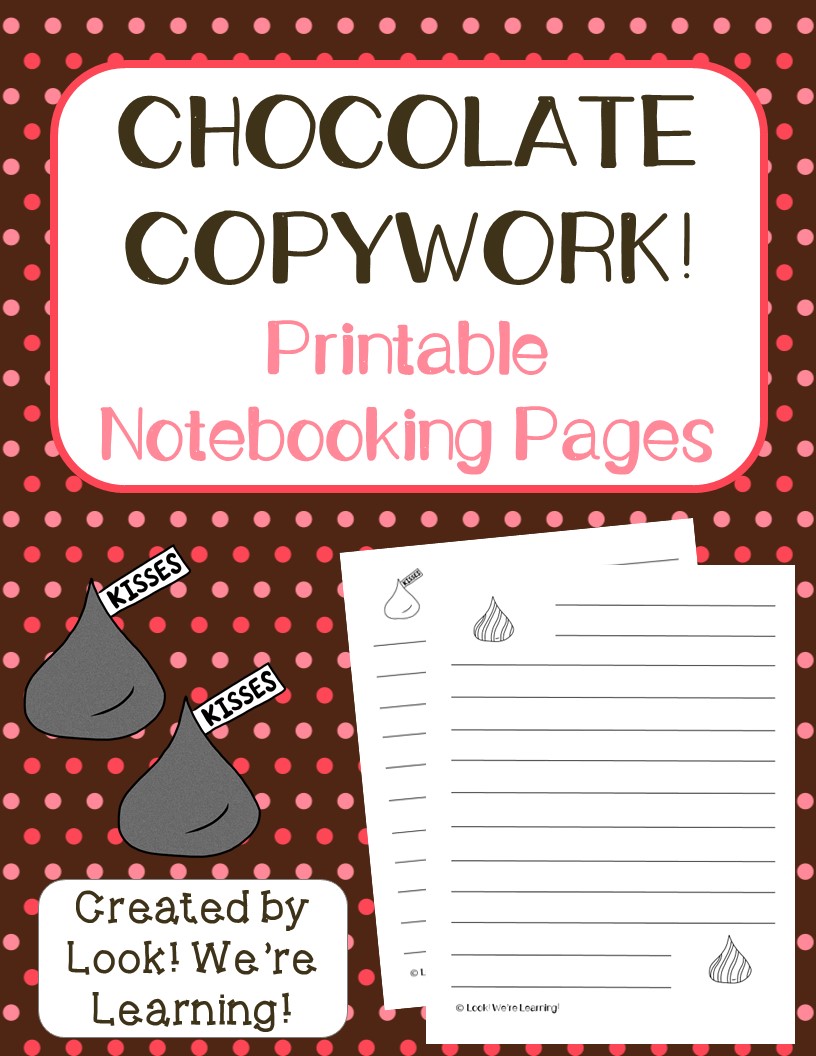
These free chocolate notebooking pages are a fun way to help kids keep track of their vocabulary words through the book! To get your copy, just click the image or the link below.

Chocolate Notebooking Pages

>>>>> Chocolate Notebooking Pages <<<<<

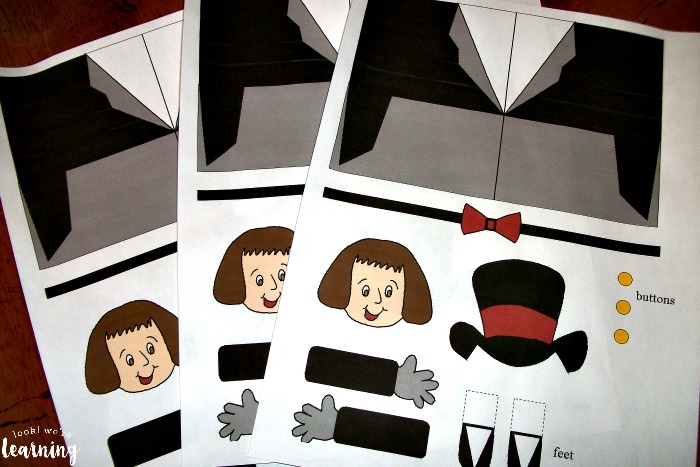
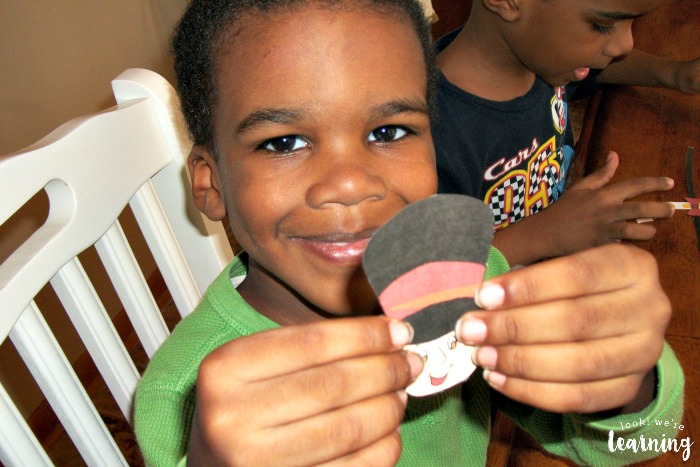
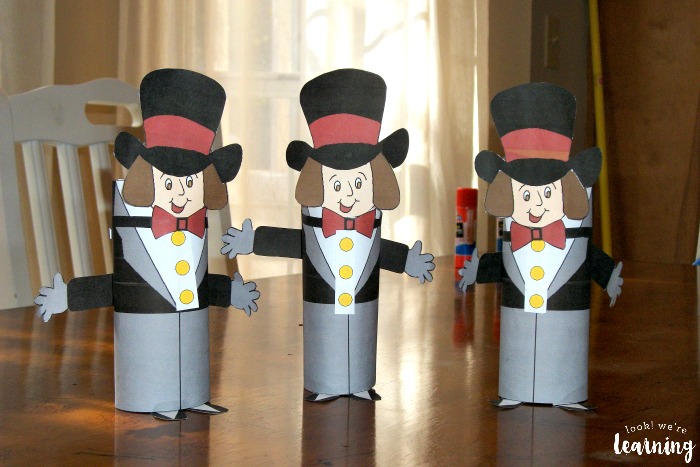
Once we finished the book, we did a Willy Wonka toilet paper roll craft using a circusmaster toilet roll craft from DLTK Crafts.

Making a Willy Wonka Doll

We just printed out three copies – one for each child.

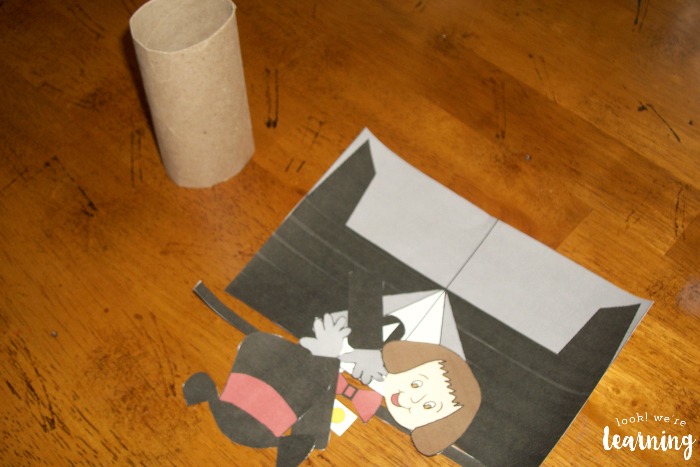
DIY Willy Wonka Toilet Roll Craft

Then we cut out the pieces and slowly began assembling them. I liked this project because there weren’t a lot of pieces and the kids only had to glue a few of them together.

Making a Willy Wonka Toilet Roll Craft

We also found out that liquid glue is much better for this than glue sticks. Just so you know.

Willy Wonka Toilet Roll Dolls

Three Wonkas!

We decided to finish the unit by watching the original movie Willy Wonka and the Chocolate Factory. Of course, we couldn’t enter the factory without finding a golden ticket in a Wonka bar.

The problem is that we couldn’t find any Wonka bars for sale. (I remember seeing them when I was younger, but I guess they stopped making them.) Amazon.com to the rescue!

Wrapping a Wonka Bar

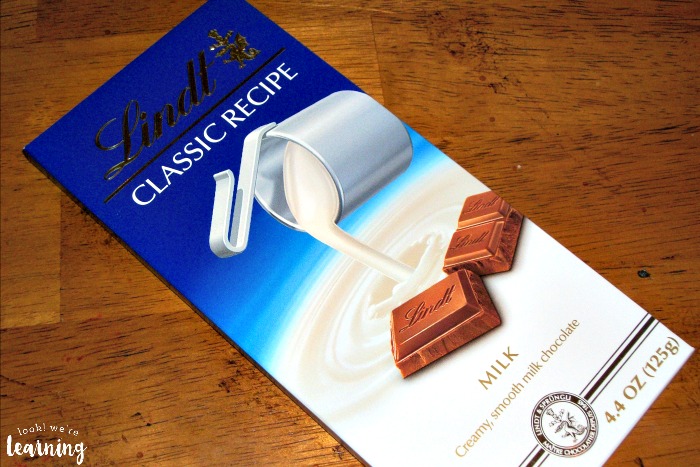
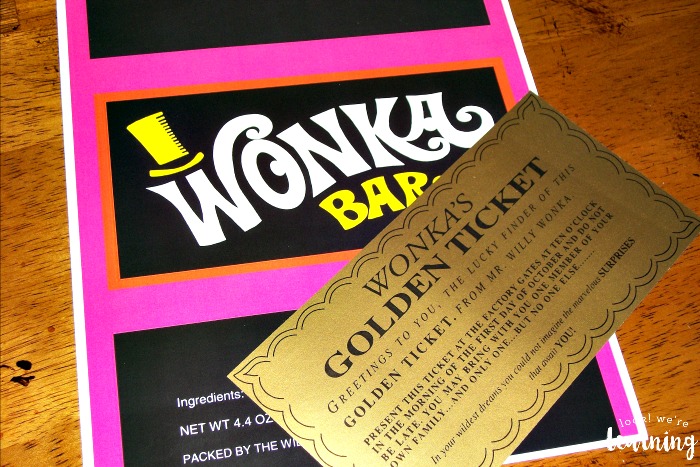
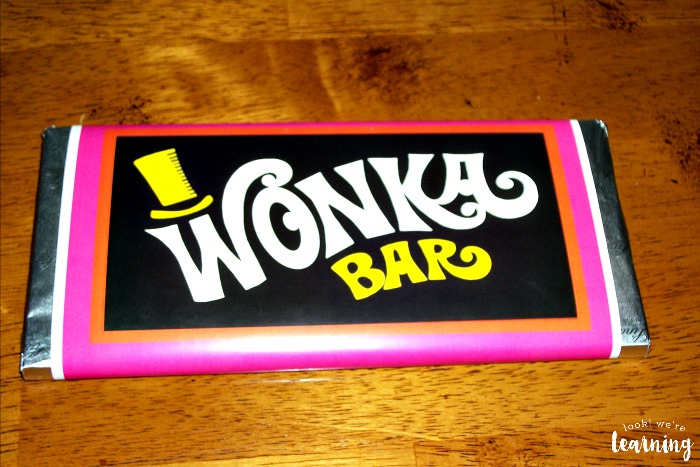
We bought a super cute Willy Wonka Chocolate Bar wrapper with a copy of the Golden Ticket and used a regular 4.3 ounce chocolate bar as the candy.

DIY Wonka Bar

The golden ticket actually uses the exact wording from the story. Awww…

DIY Wonka Bar Treat for Kids

We wrapped the chocolate bar and placed the golden ticket inside. Then we opened it as a family and shared the chocolate. The kids don’t eat a lot of candy, so that was a real treat for them.

Time to watch the movie! We rented it through Amazon Instant Video. Took about 30 seconds.

I literally get nostalgic whenever I see Willy Wonka and the Chocolate Factory. I watched it along with my third grade class and it just instantly transports me back to my childhood when imagination was truly the most important thing I had.

We had so much fun with this Charlie and the Chocolate Factory unit study! Why not give it a try with your kids?

Charlie and the Chocolate Factory Unit Study

And be sure to try some of these super Charlie and the Chocolate Factory activities to round out your unit!

Charlie and the Chocolate Factory Craft Ideas and Activities

Don’t miss these other fun unit studies for children!

Try this The Aristocats unit study to make a classic kids' movie into a super fun lesson!

Cloudy with a Chance of Meatballs Unit Study

Use this fun beach unit study for kids to learn about this amazing sandy ecosystem!

Plus, see more awesome unit studies for homeschoolers on my Unit Studies Pinterest board!

This post is part of the Movie and a Big Idea linkup from iHomeschool Network! Click over to read more great movie-themed learning ideas for kids!

Movie and a Big Idea linkup

Notebooking Pages LIFETIME Membership

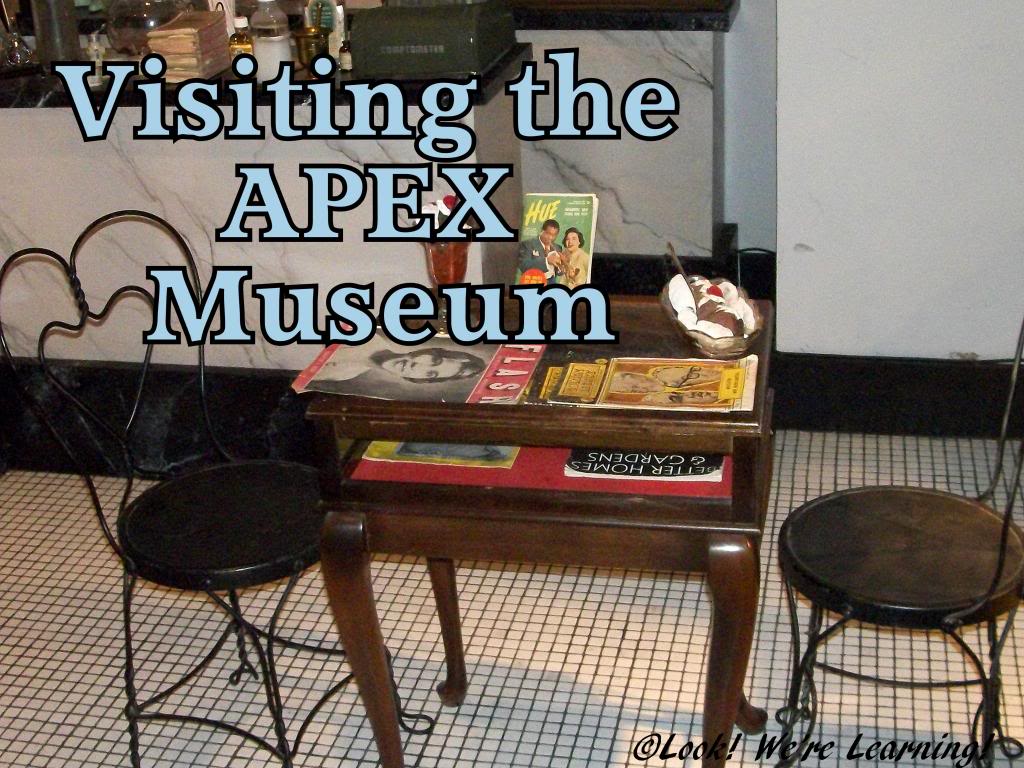
Visiting the APEX Museum

November 7, 2013 by Selena Robinson 4 Comments

Visiting the APEX Museum: Look! We're Learning!

Good morning everyone! A couple of weeks ago, we shared our 10-day series on African history and featured a few pictures from our trip to the APEX Museum in our post about colonization. So…we’re sharing the rest of our pics from that field trip today!

The APEX (African Panoramic Experience) Museum is located on Auburn Avenue in Atlanta, GA. The museum is dedicated to preserving African-American history, especially in the South. Naturally, you can’t begin a look at the history of African-Americans without beginning with African slavery and colonization.

Visiting the APEX Museum: Look! We're Learning!

We got a look at the tribal settlements of Africa prior to colonization. As we shared in our African history series, the major kingdoms of Africa were scattered across the continent.

Visiting the APEX Museum: Look! We're Learning!

As you can see, all of that changed dramatically after the Scramble for Africa.

Visiting the APEX Museum: Look! We're Learning!

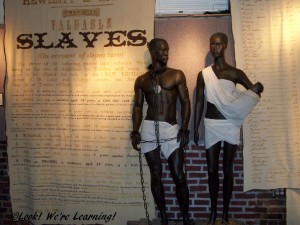
A primary part of colonization was the Trans-Atlantic Slave Trade. We got to see a mock-up of how slaves were transported along the Middle Passage. They were carried just like cargo and often shared space with other trade exports such as molasses and gold.

Visiting the APEX Museum: Look! We're Learning!

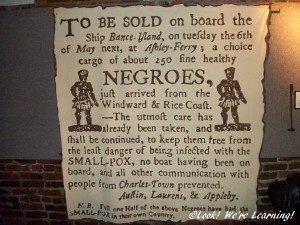
After a new shipment of slaves arrived in America, there would be an announcement posted in the community so that traders and buyers could come and bid on them. Some of these slave auctions actually took place on board the ships.

Visiting the APEX Museum: Look! We're Learning!

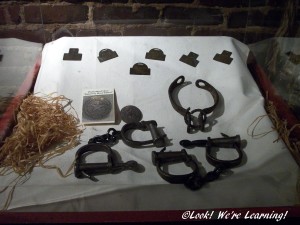
Slaves were often bound at the neck and the feet to prevent escape during the auctions. Single young males, in particular, were bound because they were more likely to run away than families.

Visiting the APEX Museum: Look! We're Learning!

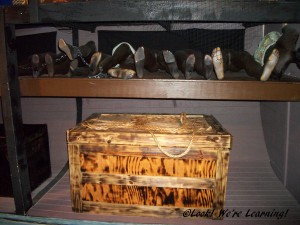
One of the fascinating things we learned during our trip was that many slaves devised ingenious ways of escaping from bondage. This is a replica of the wooden crate that Henry “Box” Brown used to mail himself to freedom. After he made it from the South to the free North, he actually wrote a book about his adventure.

Visiting the APEX Museum: Look! We're Learning!

Along with featuring the history of African slavery, the APEX Museum also highlights many of the accomplishments of African-Americans in the South during the early 20th century. Auburn Avenue during the 1920s and 30s was a center of black high society in Atlanta. One of the prominent black-owned businesses at the time was Yates and Milton drugstore. Inside the museum, we got to see a mock-up of the drugstore parlor, where customers could sit and read a copy of “Hue”, which later became “Jet” magazine.

Visiting the APEX Museum: Look! We're Learning!

Along one of the museum hallways, there are several posters depicting notable African-Americans who played roles in the overturning of Jim Crow legislation and the accomplishments of the Civil Rights Movement. A lot of important civil rights marches and events took place in Atlanta, which is why so many of the city streets carry the names of people like John Wesley Dobbs, Andrew Young, and Ralph David Abernathy.

We thoroughly enjoyed our trip to the APEX Museum! Instead of leaving with a sense of discouragement, we left thinking about the incredible resilience of people who are able to take a horrible situation and turn it into the foundation of a better life.

The Living History Series: Nat King Cole

November 4, 2013 by Selena Robinson Leave a Comment

This post contains affiliate links. See our Disclosure Policy here.

Hey everyone! It’s a new month and that means it’s time for another living history figure! We’re loving our study of popular 20th century musicians and we’re keeping it going with a look at the life and career of Nat King Cole.

Jay is a big fan of Nat King Cole’s work. We’ve watched a few of his classic television specials on PBS as a family and we have always been impressed at his grace as a performer. But outside of his work and the fact that he was Natalie Cole’s father, we don’t know a lot about his life. So we’re delving into his background with the kids this month.

Here are a few of the books we’ll be using in our unit:

Nat King Cole (Melrose Square Black American Series)

Nat King Cole by Daniel Mark Epstein

Unforgettable. The Life And Mystique Of Nat King Cole

Nat King Cole by James Haskins

And, for your enjoyment, one of our favorite Nat King Cole TV specials:

Stop back by on November 26 to see what we learned about Nat King Cole!

Bee Crafty Kids #29: Cereal Box Homework Organizer

November 1, 2013 by Selena Robinson Leave a Comment

DIY Cereal Box Homework Organizer: Look! We're Learning!Bee Crafty Kids Button

Happy Friday everyone! It’s time for another Bee Crafty Kids Link Up! Every Friday, I get to co-host this roundup with Dusty from To The Moon and Back, Jolene from Monsters Ed Academy, and Melanie from Our Crafts N Things! You can find out more about all four of us here.

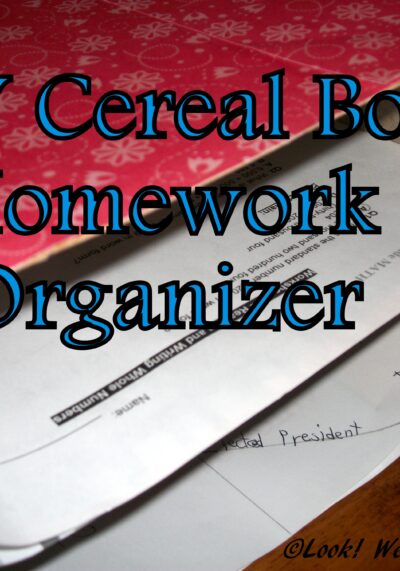
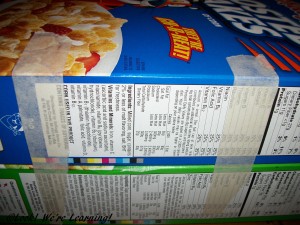
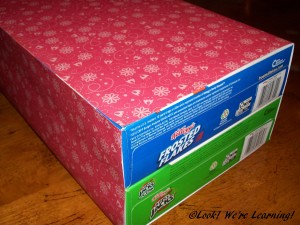
One of the recurring problems with homeschooling is keeping track of all the papers you accumulate during the week. But, I found a really cute and simple project on Pinterest to help: a cereal box organizer! Like most of our projects, this one is really easy. You just need two cereal boxes, some masking tape, scrapbook paper, and glue.

DIY Cereal Box Homework Organizer: Look! We're Learning!

Cut the top flaps off of both boxes.

DIY Cereal Box Homework Organizer: Look! We're Learning!Stack them on top of each other and add a little masking tape to hold them steady.
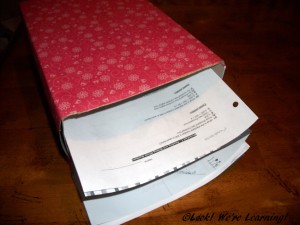
DIY Cereal Box Homework Organizer: Look! We're Learning!

In the original tutorial from Wilde Designs, Elizabeth Howard uses colored duct tape, which makes for a neater and sturdier finish. I didn’t have duct tape, though, so scrapbook paper it is!

DIY Cereal Box Homework Organizer: Look! We're Learning!

All done! The top box serves as the “in” box and the bottom box serves as the “out” box. Since we only have one child who completes regular homework assignments, I just made the small version. But for multiple kids, you can just stack several boxes on top of each other and add labels with their names inside. Super simple!

We’d love to see what you made with your family this week! To share the button for this linkup, grab the code below!

Look! We're Learning!
<div align="center"><a href="https://www.lookwerelearning.com" title="Look! We're Learning!"><img src="http://i1165.photobucket.com/albums/q594/dustybug83/BeeCraftyKids3_zps44074ad6.png" alt="Look! We're Learning!" style="border:none;" /></a></div>

Link up your kid-approved craft activities below! And be sure to visit the other posts in the link up this week!

Rules are simple:
~Enter the direct link to one or more of your own posts that showcase a craft or hands on activity for children.

~A link back with the above button is appreciated, but not required

~Try to at least comment on one or two of the other blogs that took the time to share and join!


The Living History Series: Dizzy Gillespie Biography Mini-Unit

October 29, 2013 by Selena Robinson 6 Comments

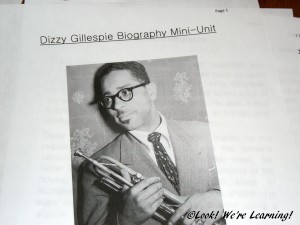
Hi everyone! This month’s Living History series figure was Dizzy Gillespie and today we’re sharing a free biography mini-unit about this jazz great!

Dizzy Gillespie Biography Mini-Unit: Look! We're Learning!

Naturally, our kids didn’t have a clue who he was, so they got a chance to learn about Dizzy’s early life, career, and accomplishments. (Sidenote: We used to call Pooh Dizzy when he was a baby because of his cheeks. As you can see, he’s still got them!)

Keep Reading…

Day 10: South Africa and Apartheid

October 25, 2013 by Selena Robinson 8 Comments

Exploring South Africa and Apartheid: Look! We're Learning!

10 Days of African History for Kids: Look! We're Learning!

Hi there! Welcome to the final day of our 10 Days of African History for Kids series! We’re ending with a discussion of apartheid in South Africa.

What was Apartheid?

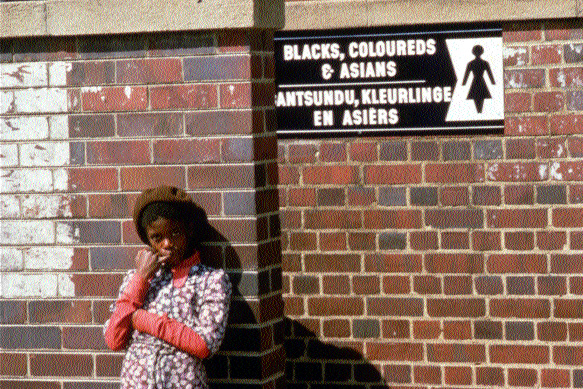
The word apartheid literally means “separateness” and, true to its name, apartheid was used to enforce racial segregation between blacks and whites. Interestingly, the policy didn’t just apply to black Africans, but to Indians and all people of color. The prevailing view of many white Africans at the time is underscored by this property sign:

Image c/o: QU South Africa

I had to explain to the children that this sign was informing all people of color that they would be killed for stepping foot on the property. Notice that this policy pointedly applies only to people of color, so this is not simply the work of an overly possessive property owner.

Image c/o: McDaniel.edu

We found it interesting that all people of color were grouped together under apartheid. Skin tone, country of origin, or language had no bearing on how they were viewed. On the other hand, all whites were viewed as “clean”, no matter where they came from or their ethnic heritage.

Back in August, we took an in-depth look at the life of Nelson Mandela and his efforts to overturn the apartheid policy. The kids remembered much of what we talked about from that lesson and mentioned it during this discussion. Homeschooling win! We read the book S Is for South Africa (World Alphabets) at the end to help the children look at how South Africans live today now that apartheid has ended.
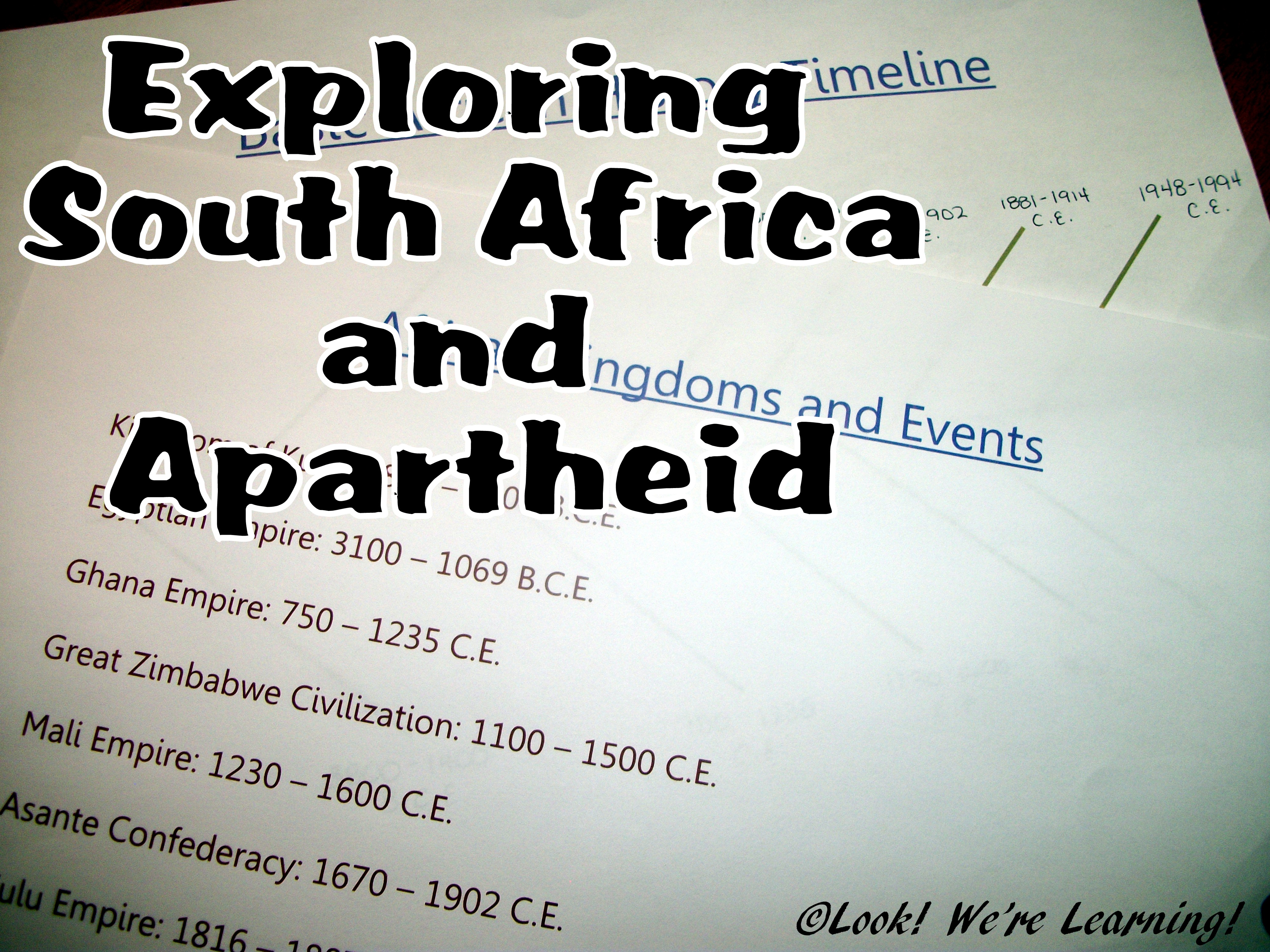
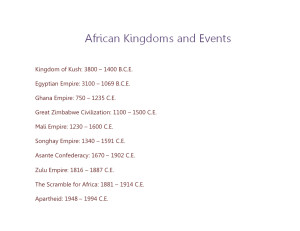
African Kingdoms Timeline

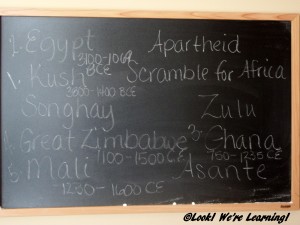
Afterward, we wanted to go back and get a historical perspective of all of the kingdoms and events we covered in our African history series. We wrote all of the topics on the board and had the kids tell us which event they thought came first.

Exploring South Africa and Apartheid: Look! We're Learning!

They were surprised to learn that Kush was actually an older empire than Egypt.

Exploring South Africa and Apartheid: Look! We're Learning!

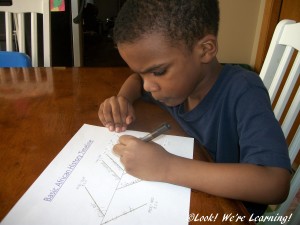
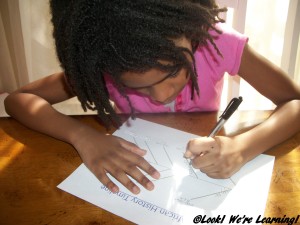
Everyone took turns filling in the timeline.

Exploring South Africa and Apartheid: Look! We're Learning!

We included two timeline pages: a blank one for filling in the chronological order of the events and kingdoms and a second one with all of the topics and dates added.
Grab your free download of our basic African history timeline by clicking on either of the pictures or the link below!

Basic African History Timeline Page 1

Basic African History Timeline Page 2

Basic African History Timeline

Books and Resources about South Africa and Apartheid

Time for Kids: South Africa Timeline – Interactive timeline of the development of the country of South Africa, including dates during the anti-apartheid movement

Kids Net Encyclopedia: History of South Africa – A thorough kid-friendly summary of how the country of South Africa was formed, including the original African tribes, colonization by the Dutch and the British, and the end of apartheid

McDaniel.edu: Apartheid in South Africa – Upper elementary grade lesson plan with a picture activity and a discussion prompt

Nelson Mandela: Long Walk to Freedom

African Beginnings

The Colonial Conquest of Africa

S Is for South Africa (World Alphabets)

Thank you so much for following along with our series 10 Days of African History for Kids! We hope you enjoyed reading about it as much as we enjoyed studying it!

This post is part of the 2013 Autumn Hopscotch from iHomeschool Network! Click below to read the Hopscotch posts from our fellow bloggers!

iHN Autumn Hopscotch 2013

Day 9: Colonialism and the Trans-Atlantic Slave Trade

October 24, 2013 by Selena Robinson 2 Comments

Colonialism in Africa and the Slave Trade: Look! We're Learning!

10 Days of African History for Kids: Look! We're Learning!

Hi everyone! We’re coming to the end of our African History series and, as sad as it may be, no history of Africa is complete without a discussion of colonization and the Trans-Atlantic slave trade. Jay and I don’t agree with the idea of avoiding this subject with our kids simply because they are young. We’re careful about the extent to which we cover the topic, but we do talk about it with them. As they get older, we’ll decide when and how to explore this matter further.

The Scramble for Africa

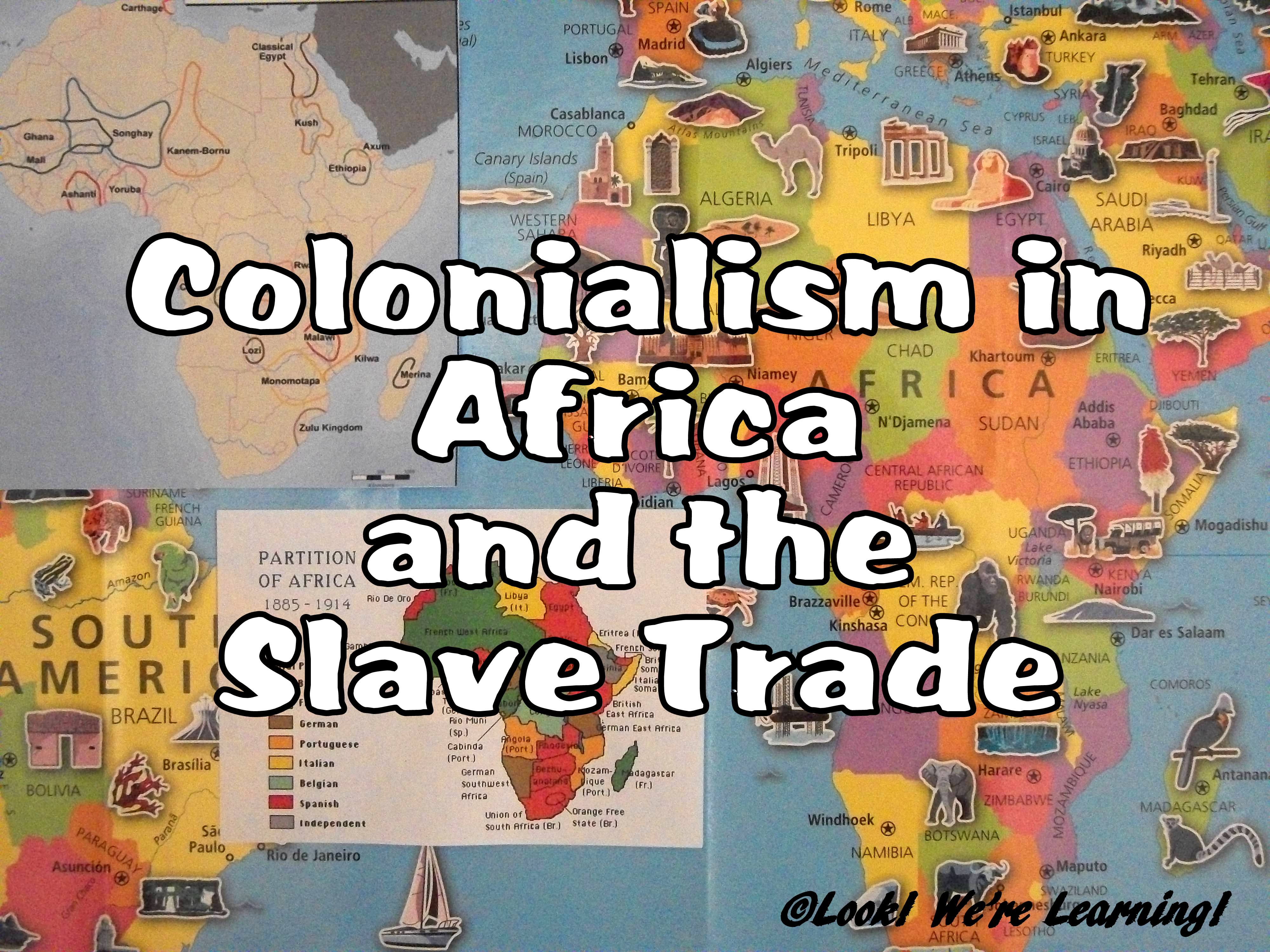
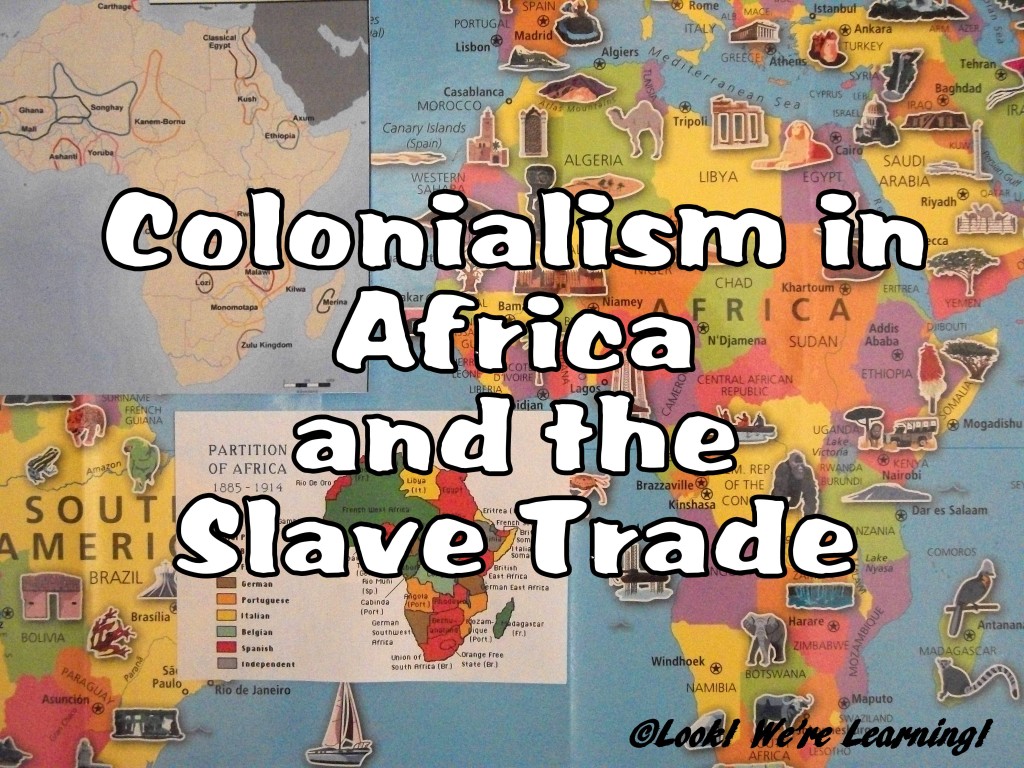
If you’ve been following our series, you may have noticed that we’ve been marking the locations of the original African kingdoms on a map of the continent. We used this map from Exploring Africa as the basis for the activity:

As you can see from the map, Africa was sparsely populated as a whole. There were clusters where certain kingdoms and tribes resided, but much of the continent was empty (mostly because of lack of water). Despite Africa’s modern unrest, the ancient continent was fairly peaceful and united. Rival kingdoms engaged in warfare, but there were no ongoing civil wars or long-lasting periods of unrest.
The European colonization of Africa drastically altered this landscape. From 1881 to 1914, several European nations engaged in what has been called “The Scramble for Africa”. During this period, 90 percent of the continent came under European control. Contrast the map above with the redrawn map of Africa in 1914:

Image c/o: Declan Graham

What’s really infuriating about the Scramble for Africa is that it began after the European countries met and signed the Berlin Treaty of 1884. This treaty was established at a summit to which NO AFRICAN LEADERS WERE INVITED. The governments of these countries literally got together and carved up the continent like a pie without even telling the people who lived there that it was happening. I don’t care how long ago that was. It was an unconscionable act.

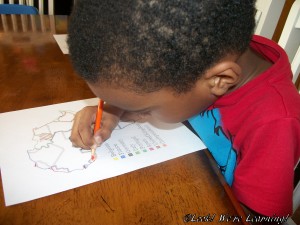
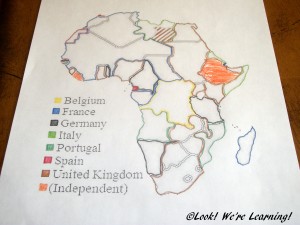
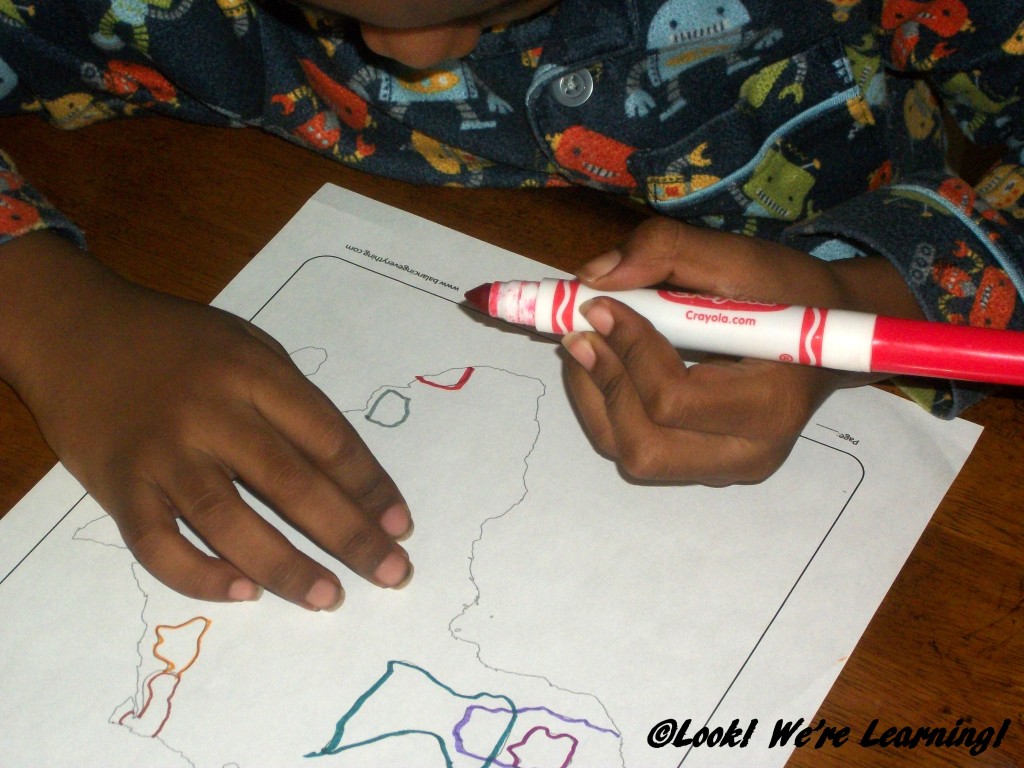
We printed out a sketch version of the colonization map and had the kids color it in.

Colonialism in Africa: Look! We're Learning!

Since the lines were fairly complex, I outlined them in advance to give them a guide to follow.

Colonialism in Africa: Look! We're Learning!

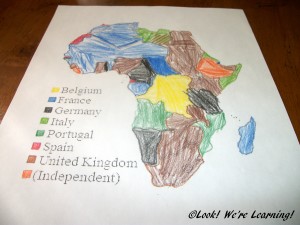
The kids were amazed at how much of Africa went to France and the U.K. Interestingly, both Liberia and Ethiopia remained independent of European control during these years.

Colonialism in Africa: Look! We're Learning!

Here’s a look at Tigger’s completed colonization map.

The Trans-Atlantic Slave Trade

The Trans-Atlantic Slave Trade got started during the 1400s when Portuguese traders began buying Africans from some of the tribal rulers. They needed cheap labor to help develop their colony in South America (which became Brazil) and African slaves were especially good workers. Over time, this ballooned into the worst part of what Africans refer to as the maafa, meaning “great and terrible tragedy”.

During the years 1450 to 1850, an estimated 10 to 15 MILLION Africans were sold into European and American slavery. That is a mind-boggling number, especially when you consider the logistics of overseas communication and transportation in those days. Eventually, the traders grew tired of paying for slaves and simply resorted to overpowering them and kidnapping them. In some cases, entire tribal villages were impressed into slavery.

Many African rulers who sold slaves to the Europeans imagined that they would be treated humanely. This proved not to be the case. Slaves were literally treated as cargo and were crammed onto and under shelves that were as low as 18 inches high, nearly on top of one another. Those who died or became sick along the way were thrown overboard.
We showed the children a slave ship diagram to help them imagine what it must have been like to cross the Middle Passage aboard a slave ship:

Image c/o: Hitchcock.Virginia.edu

A few weeks back, we visited the African Panoramic Experience (APEX) Museum as a family to learn more about the lives of enslaved people in America. After being marched to the western coast of Africa, slaves passed through the “Door of No Return” into the holds of the ships. Colonialism in Africa and the Trans-Atlantic Slave Trade: Look! We're Learning!
A visual representation of the way slaves were packed into cargo holds

Those that made it through the Middle Passage were immediately sold. If they were fortunate enough to arrive in America as families, they were quickly separated and sold to different owners.

Colonialism in Africa and the Trans-Atlantic Slave Trade: Look! We're Learning!

Our kids were frightened to learn that babies and children were routinely sold away from their parents. The tour guide explained that this was done so that children would forget their parents and become attached to their owners, making them less likely to run away.

Colonialism in Africa and the Trans-Atlantic Slave Trade: Look! We're Learning!

A reproduction of a slave auction advertisement

Colonialism in Africa and the Trans-Atlantic Slave Trade: Look! We're Learning!

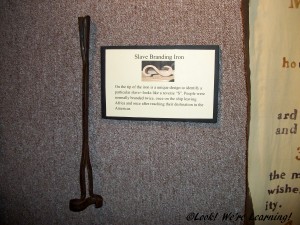
Slaves were literally branded with cattle irons. This was typically done when they were first captured and then again after their arrival in America. Horrible.

Colonialism in Africa and the Trans-Atlantic Slave Trade: Look! We're Learning!

These are some of the actual slave chains used to shackle small children. I teared up staring at these. The thought of someone taking my children away and treating them like this is unfathomable.

Visiting the APEX Museum was a difficult experience, but I’m glad we went. The museum also focuses on the incredible accomplishments of African Americans through the years. We’ll be sharing our complete field trip to the museum on the blog in a few weeks.

Books and Resources about the Colonization of Africa and the Trans-Atlantic Slave Trade

Michigan State University: Exploring Africa – Complete lesson plan about the colonization of Africa with student activities

Teacher Ed: The African Slave Trade – Early elementary grade level lesson plan about the slave trade with a reading activity and discussion prompts

Michigan State University: Exploring Africa – Complete lesson plan about the Trans-Atlantic Slave Trade with student activities

Africa for Kids: African Slave Trade – Kid-friendly summary of the slave trade and the extent of its operation

Wikipedia: Maafa – A thorough definition of the African term “maafa” and all of the events that played a role in it, including colonization and European/American slavery

The Colonial Conquest of Africa by Robin McKown

Africa: Postcolonial Conflict (Troubled World)

Daily Life in Ancient and Modern Cairo (Cities Through Time)

African Beginnings

Tomorrow we’ll finish up our 10 Days of African History for Kids series with a look at South Africa and apartheid. We’d love to “see” you there!

This post is part of the 2013 Autumn Hopscotch from iHomeschool Network! Click below to read the Hopscotch posts from our fellow bloggers!

iHN October 2013 Hopscotch

Day 8: Zulu Empire History for Kids

October 23, 2013 by Selena Robinson 3 Comments

Good morning everyone! We’re back with another day in our African History for kids series! Today we’re learning about the last great African empire – the Zulu Nation.

Since the Zulu tribe engaged in brutal warfare, they have often been called a nation of warriors. While the kingdom existed for years before his reign, it really came into power under the rule of the famous leader, Shaka.

Here’s a Zulu Empire History for kids unit that we enjoyed as a family!

Zulu Empire History for Kids

What was the Zulu Nation?

Originally, the Zulus were a clan like all other African tribes at the time. Eventually, though, they would be united with other tribes under the rulership of Shaka Zulu. After his death, the empire continued for about 50 years before it was overtaken and colonized by Britain.

The Zulu Nation was located in South Africa, right along the coast of the Indian Ocean. On our Africa map from Discover Africa, we marked it in red.

Exploring the Zulu Nation: Look! We're Learning!

Who was Shaka Zulu?

Shaka kaSenzangakhona was the illegitimate son of the Zulu chief Senzangakhona. He and his mother, Nandi, were never officially recognized as royal family and were driven away. Later Shaka was taken in by a chief of a neighboring clan, who helped him take charge of the Zulus after Senzangakhona died. After Shaka took the throne of the Zulus, he was given the name Shaka Zulu by a band of British colonists who landed in the area toward the latter part of his rule.

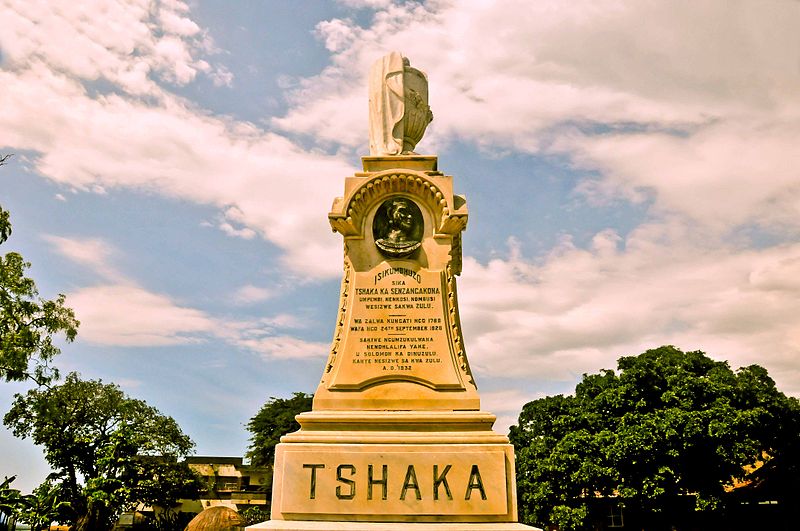
Shaka’s early childhood experiences seemed to harden him toward others. During his reign, he was incredibly cruel to potential rivals and dissenters. The only person who he showed affection for was his mother. He even forbid the people from planting crops for months after she died, nearly bringing the Zulus to starvation. Despite the cruelty of his rule, Shaka is widely admired by present-day Zulus and a memorial to him stands in South Africa:

Image c/o: Wikimedia Commons

The Zulus – A Nation of Warriors

Drawing on his own experiences, Shaka intended that his people be warriors. He assembled an army of 50,000 men and 10,000 women and insisted that youths be initiated into warfare from an early age. To prepare his soldiers, Shaka would force them to march 50 miles without food or water and require them to walk without sandals to toughen the soles of their feet. Needless to say, they were fairly successful in battle.

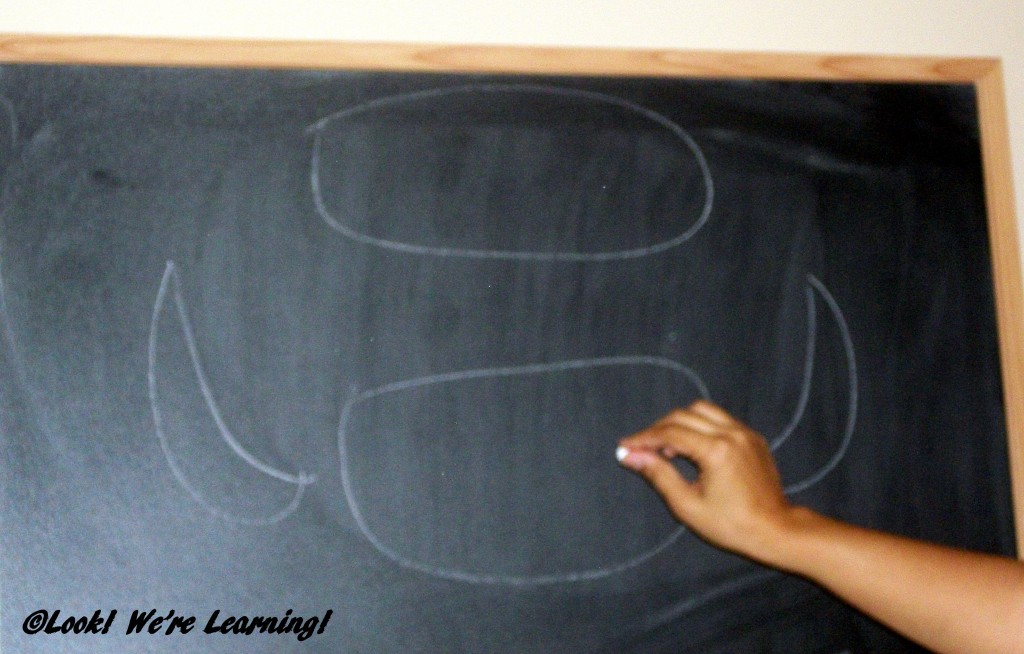
To conquer neighboring tribes, Shaka instituted the “bull horn” military formation. The majority of the warriors would go out to fight in a central group, flanked by two smaller, crescent-shaped regiments. While the central group took on the bulk of the enemy army, the flanking regiments would circle around and attack from the back, preventing any from escaping.

Exploring the Zulu Nation: Look! We're Learning!

The military style that Shaka invented proved to be successful long after his death. In the late 1870s, the British invaded the Zulus, but underestimated their strength against “civilized” firearms. At the Battle of Isandlwana, British general Lord Chelmsford and his men accidentally stumbled upon 20,000 Zulu warriors who were resting on the day of the new moon. Chelmsford and his forces were completely overwhelmed by the bull horn formation and retreated, after losing over 1,000 soldiers.

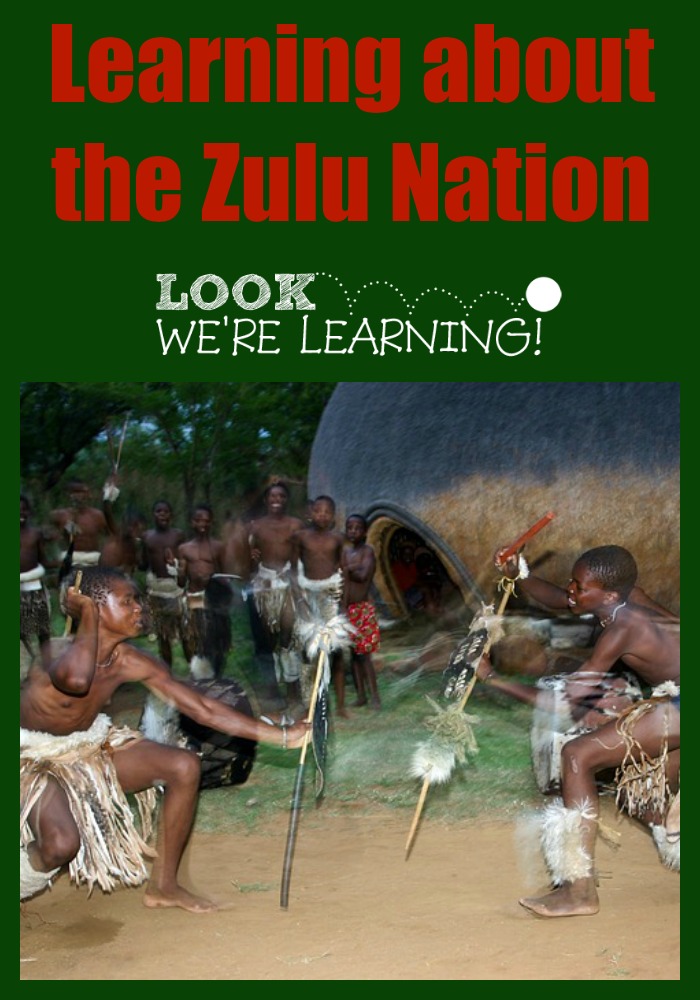
The Zulus still hold on to some of these warrior rituals to this day. Groups of them perform traditional warrior dances dressed in full regalia but with smaller ornamental shields:

Image c/o: Jean-Claude Hanon via Wikimedia Commons

You can see a traditional Zulu warrior dance on the YouTube video below. It’s really worth watching. (Note: Zulu women did not wear tops, so the women in the video are topless. There is nothing whatever sexual about it, but I did want to tell you beforehand.)

Zulu Warrior Shields

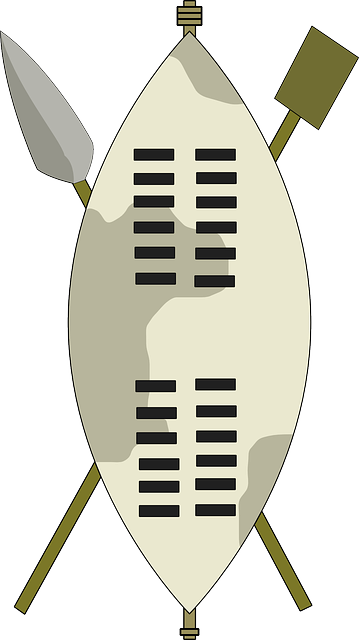
One of the most widely used instruments of war was the Zulu shield. Shaka designed the original shield himself, lengthening it to cover the entire body so that warriors could engage in hand-to-hand combat with the enemy. In the image below, you can see that the shields were designed so that warriors could carry their weapons directly behind them into battle.

Zulu Empire History for Kids

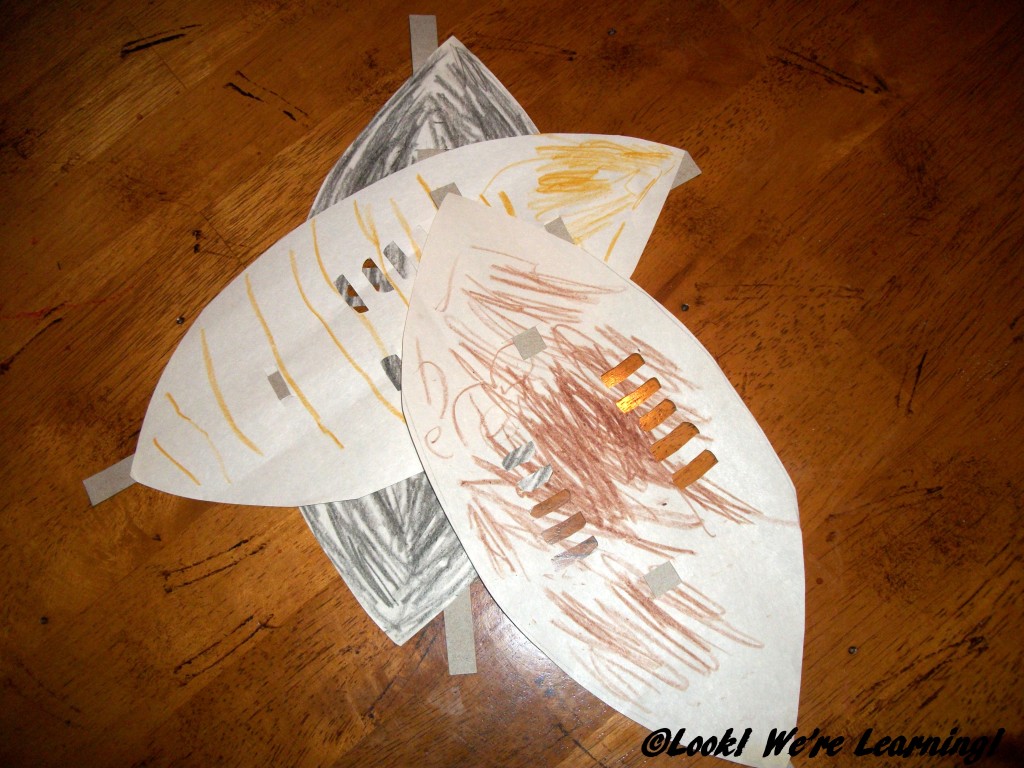
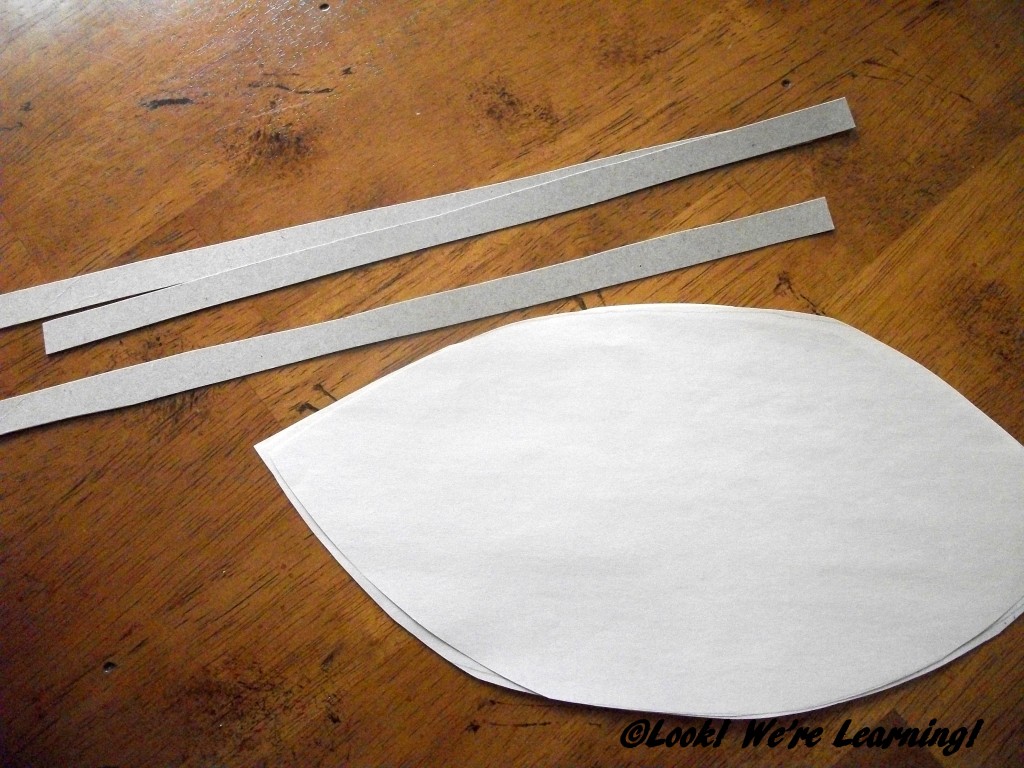
We decided to make some Zulu shields of our own with drawing paper and cardboard.

Exploring the Zulu Nation: Look! We're Learning!

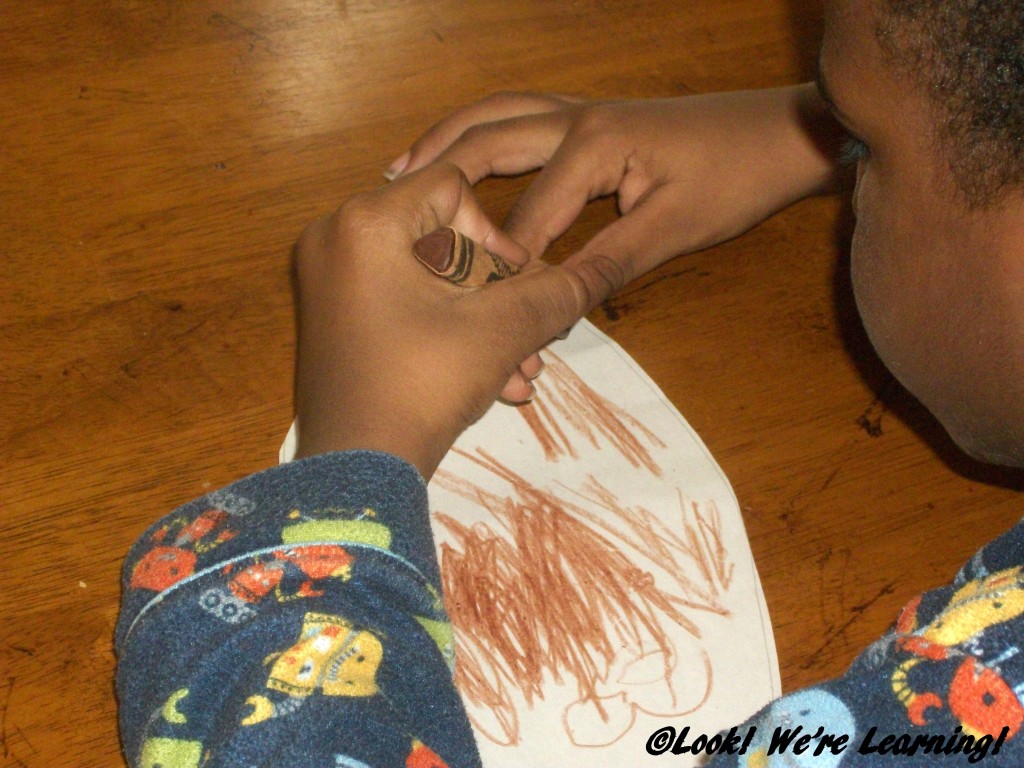
To keep the colors authentic, we used neutrals and tans to evoke the cowhide that Zulu warriors used for their shields.

Exploring the Zulu Nation: Look! We're Learning!

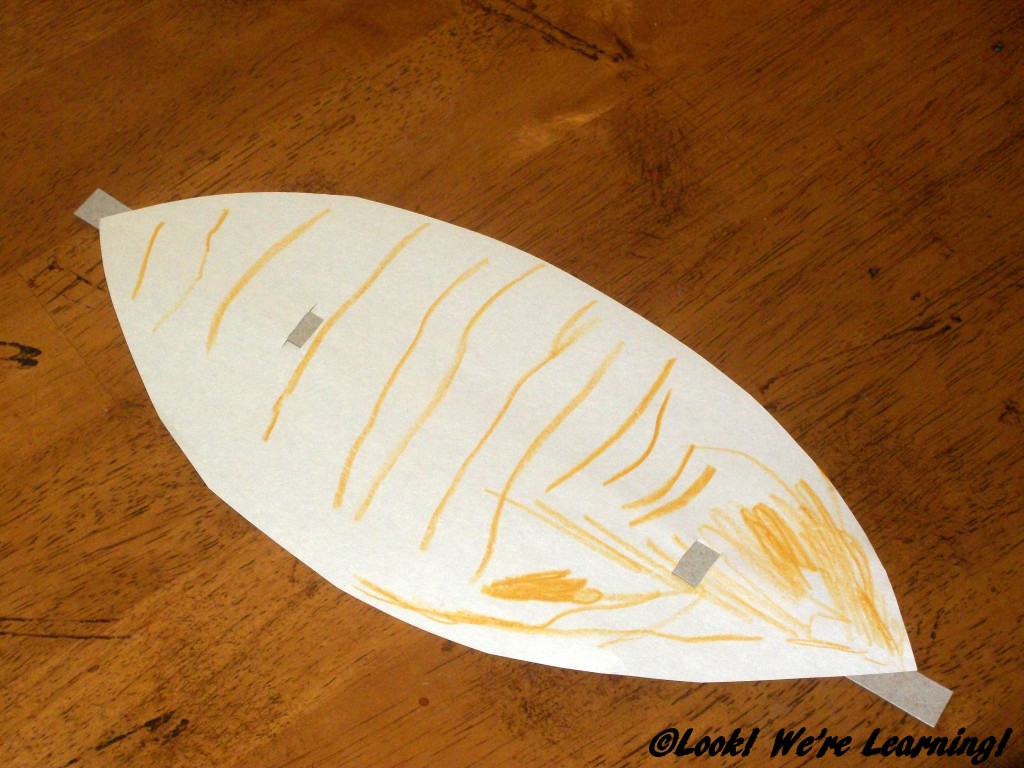
Once we colored the shields, we just added two holes at the top and bottom to slide the cardboard strips through.

Exploring the Zulu Nation: Look! We're Learning!

After the initial decoration, we decided to go back and add alternating spaces like the authentic shields.

Exploring the Zulu Nation: Look! We're Learning!

All done! We had quite a time reminding the kids that these were just shields, not weapons. Everyone seemed to think that they were Shaka Zulu once they held them. 🙂

Books and Resources about the Zulu Nation

Africa Junior: Shaka Zulu and the Rise of the Zulu Kingdom – Nice kid-friendly summary of the history of Shaka and the Zulus.

South African History Online: The Zulu Kingdom and the Colony of Natal – An excellent discussion on the Zulu empire and its interactions with the British before colonization

Wikipedia: Zulu Kingdom – The history of how the Zulu Empire was formed and what happened to it after Shaka’s death

Wikipedia: Shaka – Well-balanced article about the origin, life, and worldview of Shaka Zulu

Zulus of Southern Africa (Original peoples) by Harriet Ngubane

Shaka: King of the Zulus – (Note: This is an excellent, excellent book about Shaka’s life, written in a child-friendly manner with colorful illustrations. I highly recommend it.)

Tomorrow we’ll be covering the colonization of Africa and the Trans-Atlantic Slave Trade and how these two events ended the centuries of rulership by traditional African kingdoms. Feel free to come back and learn with us!

For more on African kingdoms, visit our 10 Days of African History for Kids page to read about other civilizations, including the Asante, Great Zimbabwe, and Mali!

10 Days of African History for Kids: Look! We're Learning!

This post is part of the Autumn 2013 Hopscotch from iHomeschool Network! Click below to read all of the Hopscotch posts from our fellow bloggers!

iHN October 2013 Hopscotch

Day 7: The Asante Empire

October 22, 2013 by Selena Robinson Leave a Comment

This post contains affiliate links. See our Disclosure Policy here.

Exploring the Asante Empire: Look! We're Learning!

10 Days of African History for Kids: Look! We're Learning!

Hi everyone! We’re on Day 7 of our African History for Kids series! Today we’re learning about the Asante (Ashanti) Empire.

What was the Asante Confederacy?

The Asante Kingdom was actually a confederacy of several smaller tribes that banded together in the late 1600s. The original group was a migratory clan that traveled down from the area originally covered by the Ghana Empire. Over time, several clans began to join forces under the leadership of Osei Tutu, who ruled over the Asante from 1670 to 1717.

One of the things that set the Asante Empire apart from the earlier African kingdoms is that the king was not considered divine nor was he considered all-powerful. Rather, the Asante king (called asantehene) was sort of like a modern-day president. He had a group of advisors who he listened to and received suggestions from and he made his decisions based on their input. The city of Kumasi eventually became the Asante capital and most of the empire’s wealth came from its trading in gold, ivory, and slaves.

Where was the Asante Kingdom?

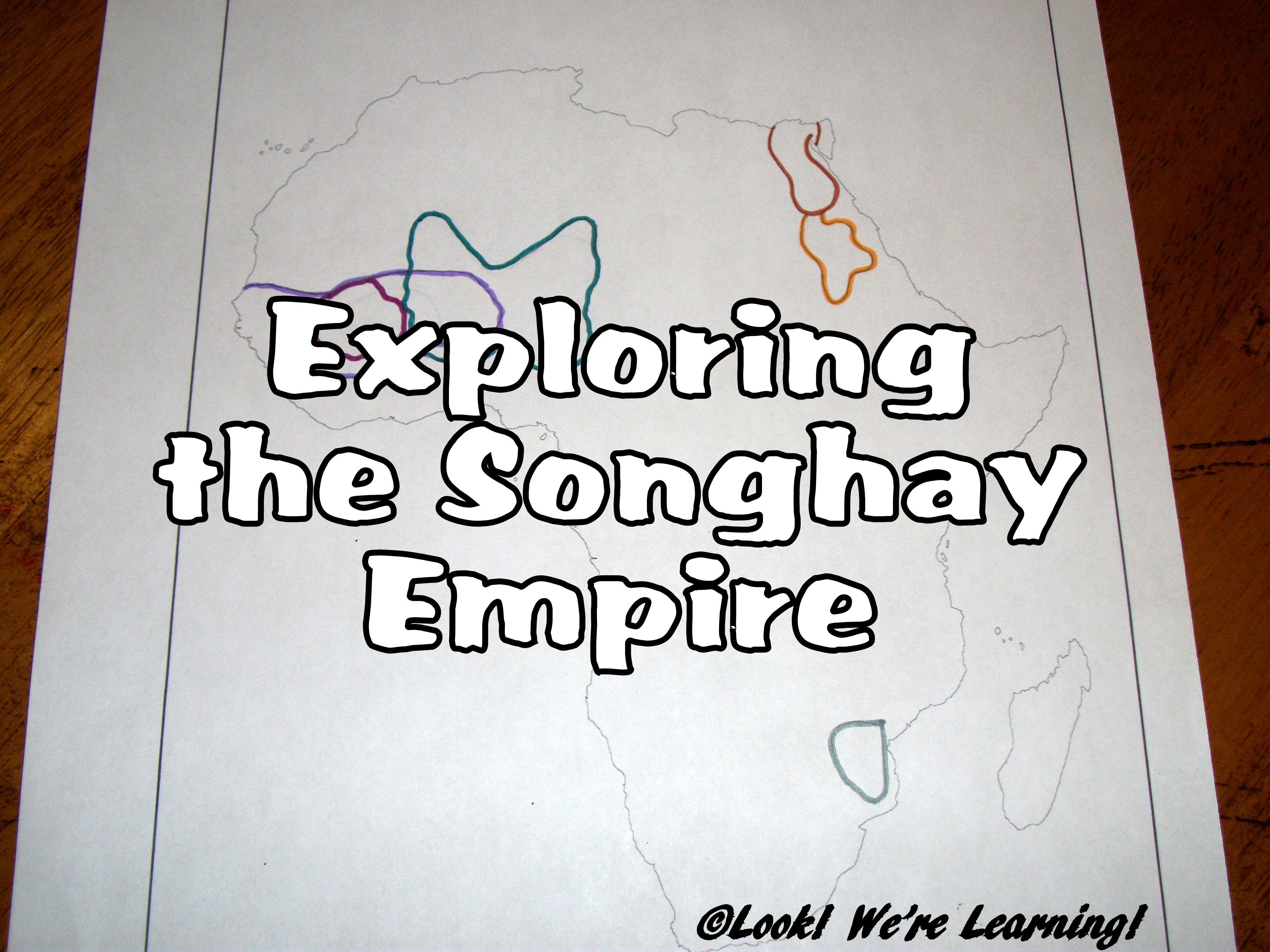
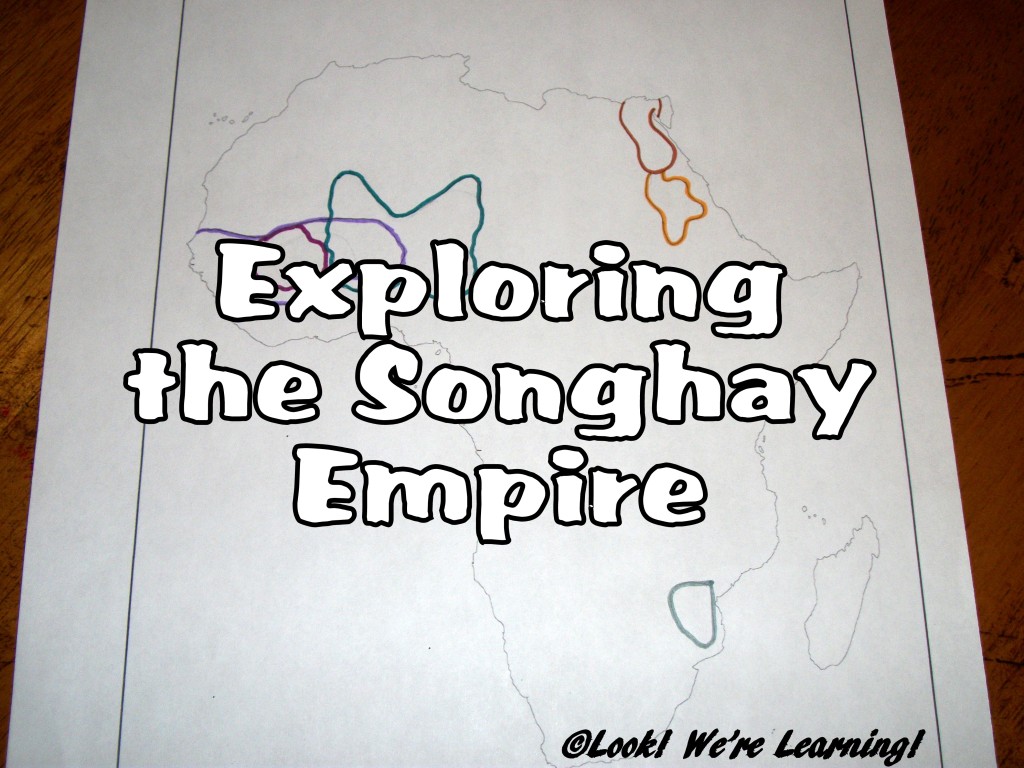
The Asante Kingdom was located in West Africa just below the area originally covered by the Mali Empire. If you look at the diagram we made below using the blank Africa map from Discover Africa, you’ll see it in light green below the teal lines of the Songhay Empire and the light purple lines of the Mali Empire.

Exploring the Asante Empire: Look! We're Learning!

One of the things I’m most proud of from this unit is that all three of our kids can look at this map and identify the kingdoms on it, even without the names. It’s great that they realize that Africa had a history long before that of the politically divided nations that exist on it today.

Asante Empire Culture

The most recognizable aspect of the Asante Empire was the kente cloth, which is still associated with African culture today. Kings and queens wore clothing made of it, but it was also woven and worn by the common people. Looking at it, it’s easy to see why it was so widely used. It’s stunning.

Image c/o: Bottracker

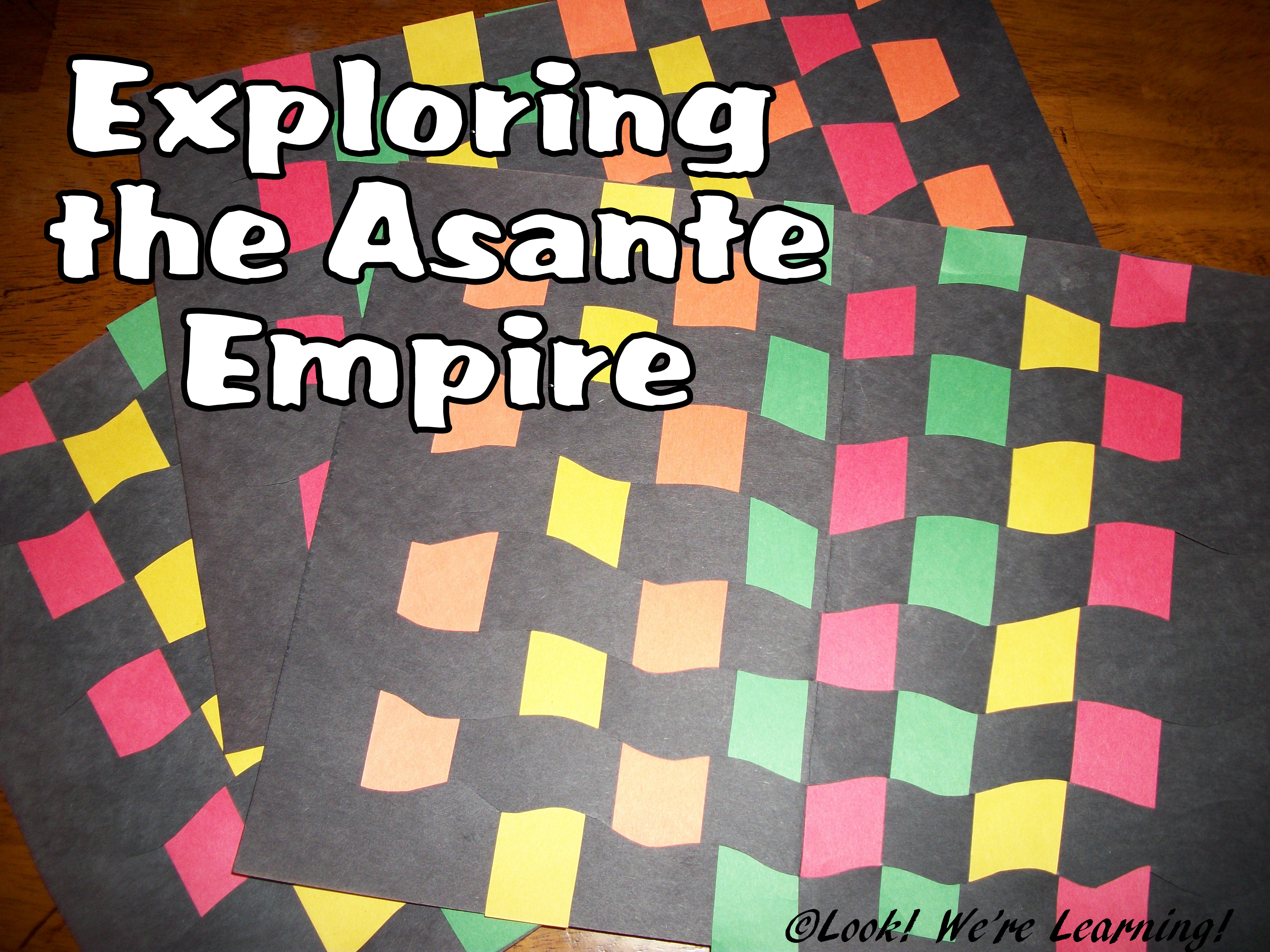
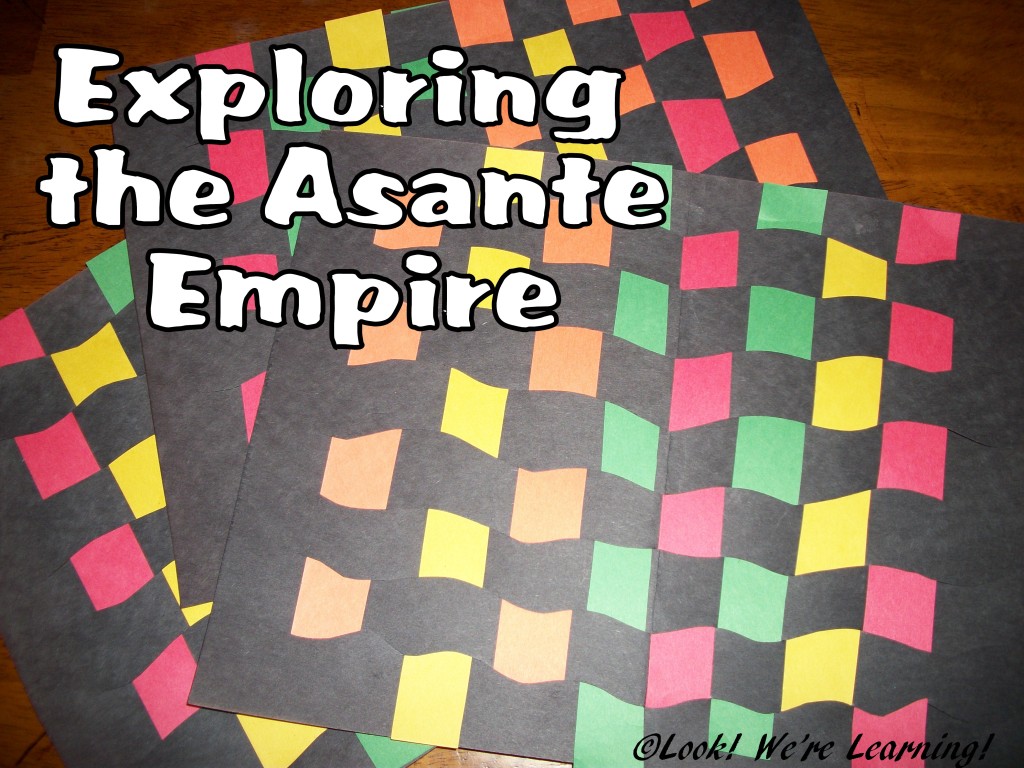
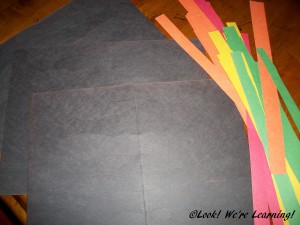
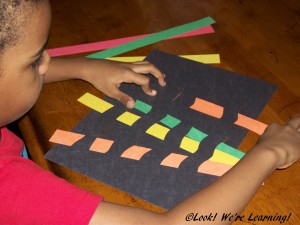
We decided to try our hands at construction paper weaving with kente-inspired colors. We got some paper weaving directions from Dick Blick and off we went!

Exploring the Asante Empire: Look! We're Learning!

The directions suggested cutting the loom lines on a curve to make a more visually interesting weaving.

Exploring the Asante Empire: Look! We're Learning!

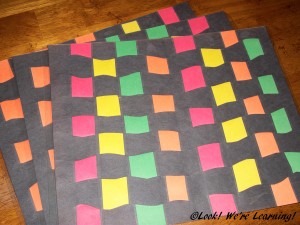
The kids had a little trouble learning how to move the loom lines without tearing them, but they got the hang of it. Once we finished the weavings, we slid them through our favorite laminator and we were all done!

Exploring the Asante Empire: Look! We're Learning!

Ta-da! We think we’ll use them as placemats at snack time. 🙂

Books and Resources about the Asante Empire

Saylor.org: The Ashanti Empire – A printable PDF about the history and operation of the Asante Conferacy

Afropede@: Asante (Ashanti) Empire – A nice in-depth look at the ruling succession of Asante kings

Wikipedia: Ashanti Empire – Very thorough review of the history of the Asante Empire, its culture, and its eventual decline through colonization

The Metropolitan Museum of Art: Art of the Asante Kingdom – Photo slideshow of a exhibition of Asante art previously on display at the Met

UNESCO: Asante Traditional Buildings – Slideshow of the remaining Asante traditional buildings that are still standing

Centuries of Greatness: The West African Kingdoms, 750-1900 (Milestones in Black American History)

Kings and Queens of West Africa (Watts Library)

African Princess: The Amazing Lives of Africa’s Royal Women

Tomorrow we’re wrapping up our look at African kingdoms with the last great African empire: The Zulu Nation! We hope you’ll come back to learn about this empire with us!

This post is part of the Autumn 2013 Hopscotch from iHomeschool Network! Click below to read all of the Hopscotch posts from our fellow bloggers!

iHN October 2013 Hopscotch

Day 6: The Songhay Empire

October 21, 2013 by Selena Robinson Leave a Comment

This post contains affiliate links. See our Disclosure Policy here.

Exploring the Songhay Empire: Look! We're Learning!

10 Days of African History for Kids: Look! We're Learning!

Good morning everyone! We’re off on our second week of African history with a look at the Songhay Empire!

What was the Songhay Empire?

The Songhay Empire was the successor to the realm that was originally covered by the Ghana and Mali Empires. It was originally founded as a community of fishermen within the Mali Empire, but because the fishing industry was so profitable, the community refused to pay taxes to Mali’s rulers and always remained somewhat independent. Keep Reading…

  • « Previous Page
  • 1
  • …
  • 33
  • 34
  • 35
  • 36
  • 37
  • 38
  • Next Page »
Hi! I'm Selena, a veteran teacher and homeschool mom to four. I'm so glad you're here!
About Me Contact Terms of Use Privacy Policy Places I Share
Facebook Pinterest Instagram
Homeschool Printables Unit Studies Shop the Store
Copyright ©2026, Look! We're Learning!. All Rights Reserved. Design by Pixel Me Designs