Look! We're Learning!

Early Learning. Happy Teaching.

  • Shop
  • Printables
  • Homeschool
  • Crafts
  • Parenting
  • Blog

Ultimate Guide to Foreign Language Lessons for Kids

April 7, 2014 by Selena Robinson 7 Comments

We’ll be making some HUGE changes to our educational focus this fall. (I’ll be sharing some of those with you in a few weeks.) But one of our major focuses will be foreign language. There’s no doubt that the world is getting “smaller” in a way, and we feel that our kids need to be aware of other cultures, comfortable with all kinds of people, and able to communicate freely in as many languages as they like.
The Ultimate Guide to Foreign Language Lessons for Kids - Look! We're Learning!

So…today I’m sharing my ultimate guide to foreign language lessons for kids! We already use ASL as a family and I’m currently learning Spanish, but both Jay and I are interested in several other languages. We plan on using these links to learn right along with our little ones next year! 🙂

Ultimate Guide to Foreign Language Lessons for Kids - Look! We're Learning!

Foreign Language Lessons for Kids

Chillola – Chillola offers basic words in several foreign languages, including German, Spanish, French, and Italian. To read the phrases in each language, just choose which one you’d like to learn, then scroll down to see them grouped by category.

Mango Languages – If your local library system participates in Mango Languages, then you have access to this resource absolutely free! Mango Languages offers structured online foreign language lessons for kids and adults in over 60 tongues! Sixty!

DuoLingo – DuoLingo, which is available both online and as an app, is an excellent foreign language resource for kids, because the lessons are very short. Since users have to listen and respond regularly, it’s almost impossible to get bored using it – a huge plus for learners with ADHD.

BBC Languages – There are 40 languages featured on the BBC Languages website, and the courses are very, very thorough with quizzes, videos, and pronunciation. It’s geared more toward older teens and adults, but you can still use it to introduce foreign language vocabulary to kids.

LiveMocha – LiveMocha offers free online foreign language lessons, resources, and conversation with native speakers. 35 languages are available.

Open Culture Free Language Lessons – This is an enormous list of free online foreign language resources with links for lots of languages, including Arabic, Lithuanian, Swahili, and Turkish. Links include free courses, printable foreign language lessons, and iTunes lectures. Most of these are geared toward middle grades, teens, and young adults.

Our fellow iHN blogger Angie Kauffman of Many Little Blessings and The Homeschool Classroom has written extensively about how to teach foreign language to kids. Here are a few of her resources about general foreign language lessons:

Fun Activities for Teaching a Foreign Language – There are plenty of great suggestions here for how to make foreign language learning fun for kids. Rather than sitting at a desk, you might want to try some of these suggestions, including read-alouds and dramatic play to teach foreign language.

Methods for Teaching a Foreign Language to Your Child – At Many Little Blessings, Angie shares tips about using movies, songs, and places to introduce kids to foreign language.
Ultimate Guide to Foreign Language Lessons for Kids - Look! We're Learning!

American Sign Language Lessons for Kids

Lifeprint – Created by Dr. Bill Vicars, Lifeprint is the premier online ASL resource. It’s completely free and it’s comprehensive. A good place to start is with the 100 Basic ASL signs section, because it covers several of the common ASL words and terms kids need to learn.

KidCourses ASL – This site has several free ASL printable worksheets, including cut and paste activities, coloring pages, and fingerspelling handouts.

Signing Time – Our kids used to enjoy watching Signing Time on television, and this is the show’s official website. Most of their products are available for a fee, but there are ASL songs and printables that you can view for free.

Signing Savvy – Signing Savvy is a massive online ASL dictionary. There are over 7,000 signs listed, and the website offers multiple signs for just about every term. That’s very helpful, because you’ll find that all deaf people do not use the same signs.

Sign Language for Dummies – Despite the name, this is a very smartly-designed website, and there are great resources for ASL kids lessons. There are even pictures of kids demonstrating signs. I use those as coloring sheets sometimes with young kids who are learning ASL.

ASL Video Lesson Series – Of course, we’re doing an ASL video lesson series of our own! You can view past tutorials on the blog or subscribe to our YouTube channel for more ASL vocabulary.

A few more great ASL resources from Angie Kauffman’s The Homeschool Classroom, courtesy of guest blogger Megan Spires:

Teaching American Sign Language to Children – A good place to start using ASL with kids is by teaching them the alphabet. There are excellent suggestions in this post for using the ASL alphabet in activities around the house.

5 Fun Activities for Teaching American Sign Language – ASL is a picture language, so learning it should be lots of fun for kids! This post offers some great tips to keep ASL fun, such as scavenger hunts, games, and field trips!

7 Creative Ways to Teach American Sign Language – While ASL was designed as a method of communication for deaf and hard-of-hearing individuals, it’s a great language for anyone to learn! In this ost, Megan explains how to include ASL in your everyday life with the kids.

Ultimate Guide to Foreign Language Lessons for Kids - Look! We're Learning!

Latin Lessons for Kids

Several of my fellow iHN bloggers have written great tips about teaching Latin for homeschoolers!

Visual Latin – Tricia Hodges, who blogs at Hodgepodge and The Curriculum Choice, shares her review of Visual Latin – a program that includes both free Latin lessons for kids and a deluxe program available for purchase.

Race to the Colosseum Latin Game – Pam Barnhill has created a board game for learning Latin called “Race to the Colosseum” that looks like so much fun! It would be perfect for young students or active learners, who need a little encouragement getting excited about Latin. You can learn more about the game and how to buy it on Pam’s blog Everyday Snapshots.

Song School Latin – Amy Maze features one of her favorite resources for teaching Latin to kids: Song School. Latin is a major component of the classical homeschooling method, so if you’re considering pursuing that style of teaching, you may want to visit Amy’s blog Living and Learning at Home to learn more about classical education and the Trivium.

Studying Latin in Elementary School – Angie Kauffman shares a post from Jen at Forever, For Always, No Matter What about how you can overcome early obstacles to teaching Latin in elementary grades.

Latin for the Average Mom – What if you don’t know Latin yourself? (Like me…lol) This is a great post about how you can implement a Latin education in your homeschool and learn it yourself in the process.

Ultimate Guide to Foreign Language Lessons for Kids - Look! We're Learning!

French Lessons for Kids

Little Explorers French Dictionary – Part of the Enchanted Learning website, the Little Explorers dictionary offers English-French words for all 26 letters of the alphabet. You can also print the entire PDF French dictionary if you want to use a paper version.

French Games – Instead of learning French from flashcards, the French Games website allows kids to learn through playing online French games! There are more than 100 different topics from which you can choose, including family, school, and food.

Alpha Buddies French – Alpha Buddies is the French alphabet section of DLTK, which has a ton of printable worksheets for early grades. This is a good resource for young kids who are new to French. You can print French alphabet coloring pages and let the kids color them.

Bonjour – Rocket Language operates this site, so you’ll see ads for its paid programs at the bottom of the page. But, the free introductory course is pretty good. There are sections with audio guides for French greetings, weather, and how to ask for help.

BBC French for Kids – On this site, kids can learn how to introduce themselves in French, spell in French, and use French numbers. Songs and free printable worksheets are also available for use with the program.

Resources for Studying French in Your Homeschool – 10 resources you can use to teach French in homeschool are listed in this post. As Angie Kauffman mentions, there really aren’t a lot of French resources available, so this is a great list!

Ultimate Guide to Foreign Language Lessons for Kids - Look! We're Learning!

Spanish Lessons for Kids

Spanish Town – The Spanish Town website features free online Spanish lessons for kids on topics such as food, time, animals, and grammar. You’ll also find free printable Spanish worksheets and videos that correspond to each lesson plan.

Language Guide: Spanish – Language Guide is a basic Spanish vocabulary resource that offers audio pronunciation guides for selected Spanish words such as greetings, articles of clothing, and food.

Word Dynamo Spanish – Part of the Word Dynamo section at Dictionary.com, the Word Dynamo Spanish area is a fun way to test Spanish vocabulary through flashcards, definitions, and crosswords. They’re grouped by topic, which is helpful, but they’re also very short activities, so they’re perfect for young learners! (I use these a lot to study for class.)

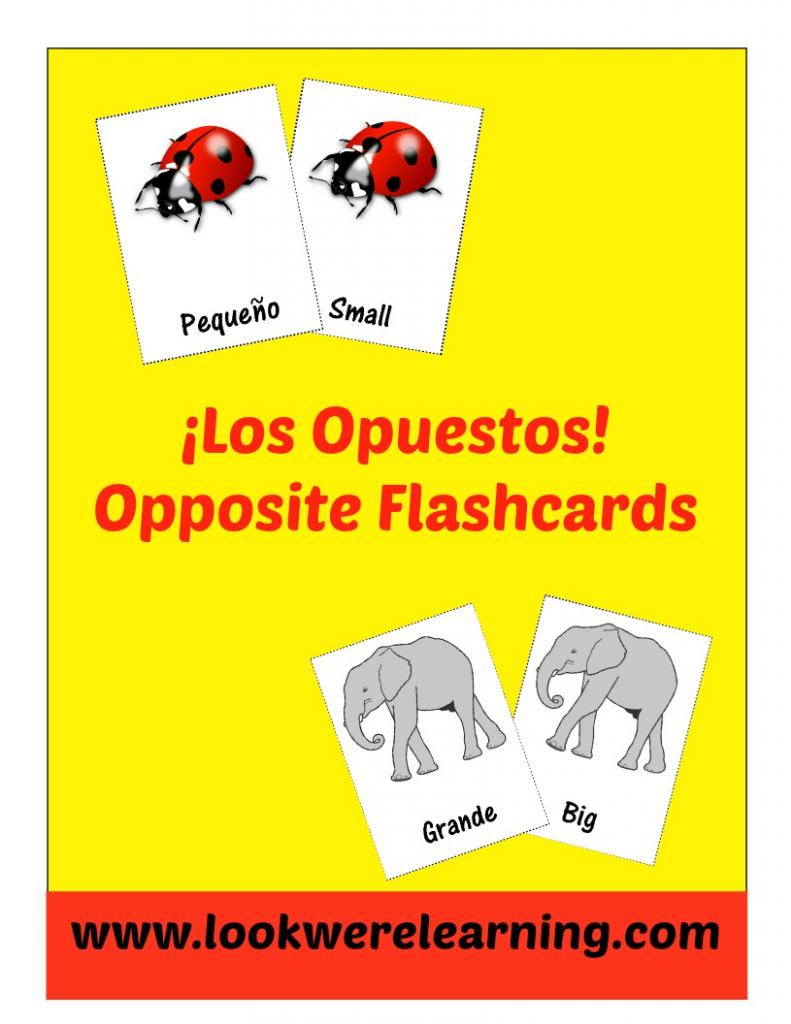
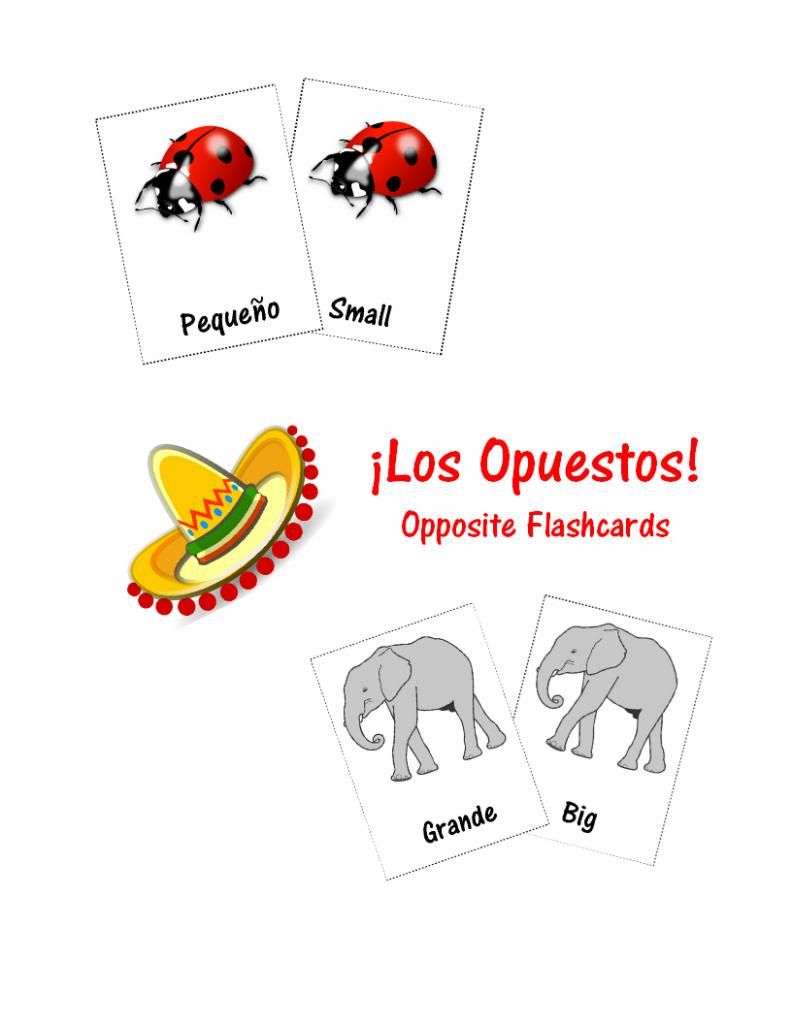
Los Opuestos Flashcards – Naturally, I can’t leave out our free Los Opuestos flashcards, which you can print and use to introduce Spanish opposite words to your kids!

Some of the iHN bloggers have written quite a bit about learning Spanish in homeschool. Here are some of the great resources they’ve shared:

Excelerate Spanish – Michelle Cannon of The Holistic Homeschooler shares a review of the Excelerate Spanish program – a multi-sensory Spanish curriculum that includes workbooks, lessons, and DVDs.

Learning Spanish at Home – Writing at The Homeschool Classroom, LaToya Edwards shares some of her favorite resources for teaching Spanish at home.

Homeschool Spanish Resources for Kids – Karyn Tripp of Teach Beside Me provides a super list of Spanish resources that are available online. She’s even included Mi Vida Loca, which is one of my personal favorites. It’s geared toward older teens and adults, and it sends you on a mission that allows you to learn Spanish along the way.

Speekee Spanish – In this post, Karyn reviews Speekee Spanish, an online Spanish video tutorial series for kids. The program carries a fee, but you can receive a free trial that includes access to all the videos and lessons.

Ultimate Guide to Foreign Language Lessons for Kids - Look! We're Learning!

Korean Lessons for Kids

Wikibooks: Basic Korean – These five Korean lessons are part of the WikiBooks project, so they’re subject to revisions. However, they are excellent (and free) introductions to the Korean alphabet, along with proper Korean pronunciation.

L-CEPS Korean – Once you’ve mastered the Korean alphabet, you may be ready to learn basic conversation in Korean. This website explains how to say greetings, common phrases, and numbers in Korean. It also contains a link to a free trial web app for learning Korean.

Linguanaut – Linguanaut is another basic Korean online tutorial resource. It features instructions in Korean greetings, Korean phrases, and “survival” phrases that you’ll need if you face a medical emergency in Korea.

Fellow iHN blogger Aadel Bussinger, who is currently living in South Korea, has experience in teaching Korean to kids and she’s shared some of her wisdom on her blog These Temporary Tents.

10 Great Apps for Learning Hangul – Aadel shares several great, inexpensive apps for learning Korean. These would be great for kinesthetic learners like Tigger!

Italki – In this post, Aadel reviews Italki, an online foreign language tutoring resource for kids that allows students to talk virtually with native speakers and work with a tutor.

Ultimate Guide to Foreign Language Lessons for Kids - Look! We're Learning!

Chinese Lessons for Kids

Miss Panda Chinese – Miss Panda Chinese is a Chinese program for children that features songs, videos, and a phonetic guide. If you don’t want to buy the program, you can view several of the videos and an explanation of Chinese tones and phonetics right on the website.

BBC Primary Mandarin – There are several videos and games for learning Mandarin on the BBC Primary Languages Mandarin site. Kids can learn how to talk about themselves, school, and food in Mandarin. There’s also a section about Chinese culture.

Chinese iLab – This site offers both paid Chinese lessons for kids, as well as 10 free introductory lessons about how to use Chinese tones and how to talk about basic subjects in Chinese. Each free lesson has both an mp3 file and a video slide presentation.

Semanda – If you want a simple way to introduce Chinese vocabulary to kids, you might like the free printable Chinese flashcards available from Semanda. You can choose from Chinese or Pinyin, and all of the terms include pictures and the English words to make learning easier.

Eva Varga, an iHN blogger, is teaching Mandarin to her children, even though she doesn’t speak it! She’s shared some great tips on her blog EvaVarga.net and on the webite Better Chinese.

How to Teach Mandarin – In this post, Eva explains how she teaches Mandarin in her homeschool, despite the fact that she doesn’t know the language. There are great suggestions here for Mandarin immersion through cultural experiences and conversation.

Chinese Pro – Eva reviews the iPad app Chinese Pro and how she uses to reinforce Chinese vocabulary with her kids.

Using Dubbed Movies to Learn Mandarin – Writing at Better Chinese, Eva discusses how watching dubbed movies is helping her kids to get a better grasp on Mandarin.

Whew! Those are the resources I’ve found so far, but I know there are a lot of other foreign language resources out there for kids. If you have any good ones, we’d love to hear about them in the comments!

This post is part of the Ultimate Guides linkup at iHomeschool Network! Stop by to read great in-depth learning guides from our fellow bloggers!

Ultimate Guide to Foreign Language Lessons for Kids - Look! We're Learning!

ASL Lesson 7: ASL Opposite Words - Look! We're Learning!

ASL Lesson 5: ASL Food Signs

March 26, 2014 by Selena Robinson 2 Comments

We’re back today with another edition of our ASL Lesson series! Today, we review 15 ASL signs for food. In this clip, we go over the signs for:
Keep Reading…

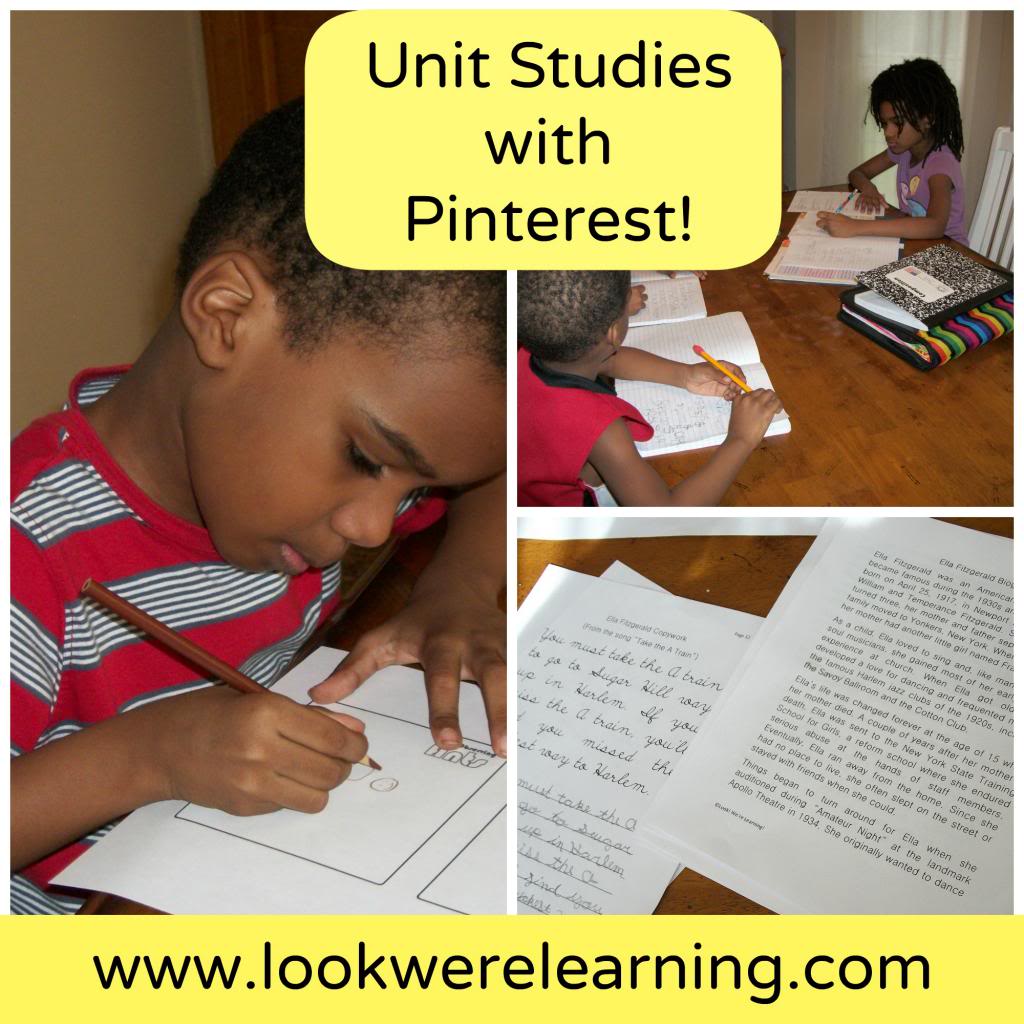
Using Pinterest for Unit Studies

March 10, 2014 by Selena Robinson Leave a Comment

Today we’re linking up with iHomeschool Network to share our five favorite Pinterest boards! As you can tell here, here, and here, I love unit studies! They’re so flexible that they’re adaptable for just about any age, grade level, and subject, which makes them a perfect choice for eclectic homeschoolers.

Pinterest is a HUGE help when it comes to unit study planning. I can find a topic I like and then pin several resources to use when we cover our units. I have a lot of Pinterest boards, but five of them play a major role in our unit study planning.

Pinterest Board #1: Seasonal Learning

Follow Selena @ Look! We’re Learning!’s board Seasonal Learning on Pinterest.

Our Seasonal Learning board is home to loads of great resources for unit studies! If you’re basing a unit around a particular season, it’s simple to take a few lessons, experiments, and crafts and combine them into one ongoing study. I got the inspiration for our All About Snowflakes unit study from several of our Pinterest finds. Since we’re coming up on spring, here are a few of our pins that would be great for a spring unit study:

Spring Tulip Painting with Forks

18 Cloud and Rain Crafts

Spring Butterfly Craft with Toilet Paper Rolls

30 Indoor Activities for Spring

Pinterest Board #2: Learning for Little Ones

Follow Selena @ Look! We’re Learning!’s board Learning for Little Ones on Pinterest.

We have three learners aged five and under, so even with unit studies, it can be tricky to find activities for them all. Often, I can find an activity on Pinterest that’s geared toward young kids, and then adapt it for my oldest student (or vice versa). In fact, we’ll be breaking out the busy bags and such for Piglet soon! Some of the fine motor activities I’ve found are even good for older kids, especially those who have ADHD like Tigger and like to fidget during class. 🙂

Here are a few of our favorite pins for little learners that lend themselves to unit studies:

Sight Word Treasure Hunt (Pirate unit)

DIY Play Beach Sand (Beach unit)

Ice Cream Cone Letter Activity (Ice Cream unit)

Woven Paper Plate Rainbow (Weather unit)

Pinterest Board #3: Living History

Follow Selena @ Look! We’re Learning!’s board Living History on Pinterest.

I’m a huge history buff, so history makes up a large part of our homeschooling curriculum. A lot of the unit studies we do are based around historical figures or events, and we’ve found great history resources on Pinterest. Since we have so many active learners, weaving in activities and crafts with history helps our kids get more involved in our lessons. This is where the crafts in the other boards really come in handy.   Here are a few of the ideas for teaching history that we like on Pinterest:

Lewis and Clark Expedition Study

African History for Kids

Dinosaur Activities for Kids

Smithsonian Natural History Museum Virtual Tour

Pinterest Board #4: Seeing the World

Follow Selena @ Look! We’re Learning!’s board Seeing the World on Pinterest.

Geography is a natural tie-in for history, so it’s fairly simple to add it into a unit study. When we did our series on ancient Africa, we naturally talked about the geography and people of the continent as we covered the historical events. But sometimes I find separate geography resources that are too good NOT to include in a unit study…lol. As much as I love history, I find geography kind of boring, so the geography lessons and units I’ve found on Pinterest have been a big help.  

Here are a few of our favorite geography pins for unit studies:  

30 Ideas for Studying the World

Free Printable State Notebooking Pages

Landforms Paper Flipbook

50 Books for 50 U.S. States

Pinterest Board #5: Unit Studies

Follow Selena @ Look! We’re Learning!’s board Unit Studies on Pinterest.

Naturally, here’s where I keep pins that are for completed unit studies. I like to make up our own, but I’ve also found lots of great unit studies written by other homeschoolers on Pinterest. Here are a few of our favorites, including one of our own:

Early Elementary Canada Unit Study

The Aristocats Unit Study

Ant Unit Study Resources

 Inuit & Arctic Circle Unit Study

And that’s how we use Pinterest to help us plan unit studies! How do you use Pinterest in your homeschool? Do you have any particular topic you search for on the site? What are your favorite pins for homeschooling? Let us know in the comments!

This post is part of the Our Pintastic Pinboards linkup from iHomeschoolNetwork! Click on over to visit our fellow bloggers and see their favorite Pinterest boards!

Using Pinterest for Unit Studies: Look! We're Learning!

The Living History Series: Duke Ellington

March 7, 2014 by Selena Robinson Leave a Comment

This post contains affiliate links. See our Disclosure Policy for details.

If you’ve been following along with our blog for a while, you’ve probably caught on to a recurring theme in our Living History series for the past few months. We’ve learned about Nat King Cole, Dizzy Gillespie, Ella Fitzgerald, and Miles Davis so far. Naturally, we’re focusing on giants of jazz! Of course, we can’t do a jazz series without talking about Duke Ellington, so he’s our focus for March. 🙂

I’m a little more familiar with Duke’s work than I have been with the previous artists in the series. I’ve heard his music pretty often. In fact, “In a Sentimental Mood”, which is one of my favorite jazz songs ever, was on an episode of The Cosby Show. I’ve loved that song ever since.

 We’ll be learning more about Duke Ellington’s life, career, and legacy this month, and we’ll be using some of the books below to help the kids get to know his music.

Books about Duke Ellington

Duke Ellington: The Piano Prince and His Orchestra

Duke Ellington: His Life in Jazz with 21 Activities (For Kids series)

Duke Ellington (Getting to Know the World’s Greatest Composers)

Stay tuned to find out how you can grab our Duke Ellington Biography Unit!

ASL Lesson 7: ASL Opposite Words - Look! We're Learning!

ASL Lesson 4: ASL Family Signs

March 5, 2014 by Selena Robinson 1 Comment

We’re back this week with another installment of our American Sign Language lessons on YouTube! We’ve already covered letters and numbers in ASL, basic ASL greetings, and days of the week in ASL, so it’s time to learn family signs in ASL!

In this video, we cover the signs for:

Keep Reading…

Simple Science Experiments: Coffee Can Condensation Science Experiment

March 3, 2014 by Selena Robinson 8 Comments

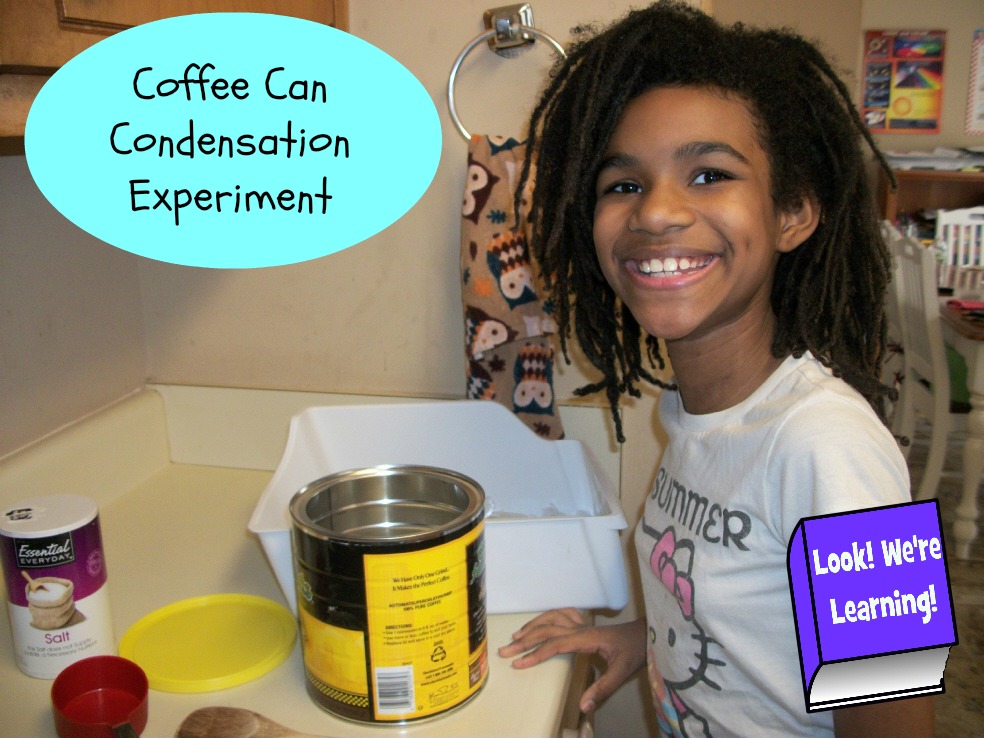
Winter is coming to an end, but we wanted to sneak in one last winter-themed activity this school year. Tigger is a science fanatic, and she’s always up for an experiment, so it was a great time to learn about condensation and frost. 🙂

I was reading through one of our science workbooks and found this super easy Coffee Can Condensation Science Experiment, so we got to work!

Coffee Can Condensation Experiment

Coffee Can Condensation Science Experiment

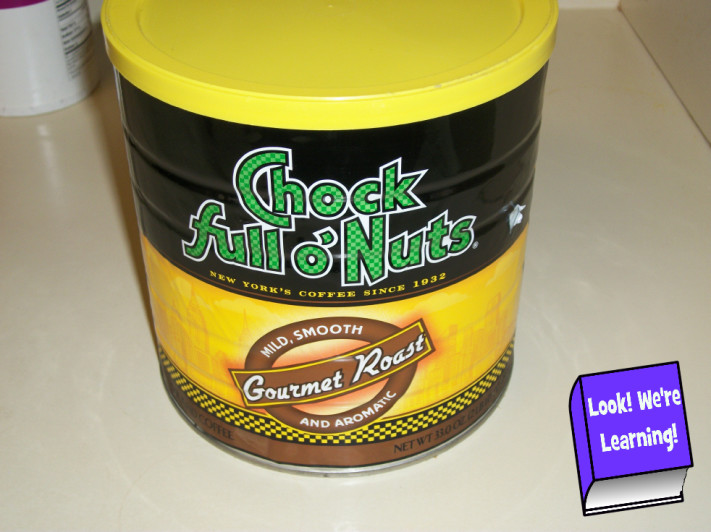
We picked up the workbook Science Projects & Experiments: Grade 2-3 at Target a while back, but I’d totally forgotten about it. (It was recently unearthed during a School Supply Scavenger Hunt.) One of the experiments in the book uses a coffee can, salt, and ice to create frost.
Coffee Can Condensation Experiment

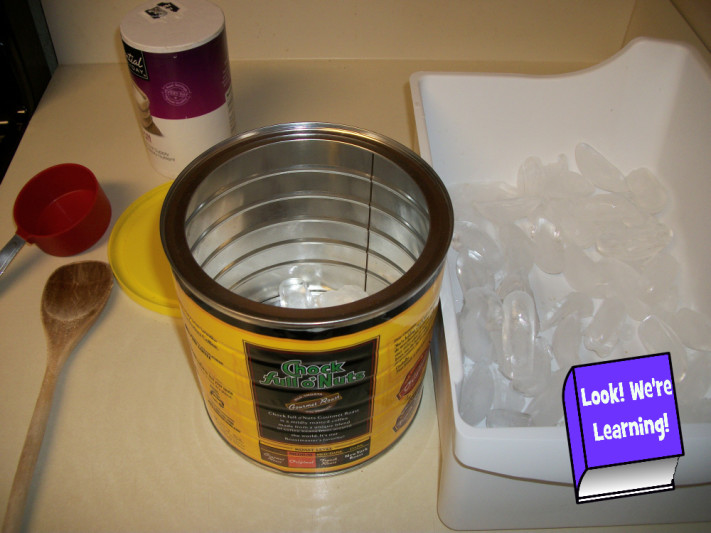
What often puts me off from science experiments is that they often seem to consist of things I don’t have on hand. I just happened to have an empty coffee can, though, so this was perfect!

Coffee Can Condensation Experiment

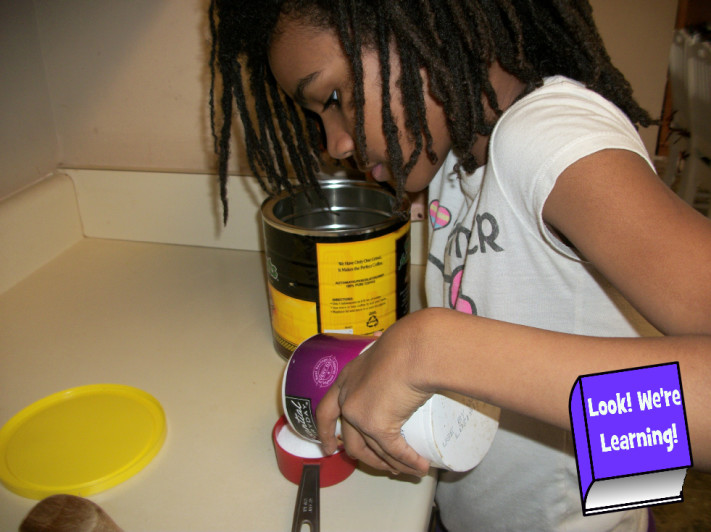
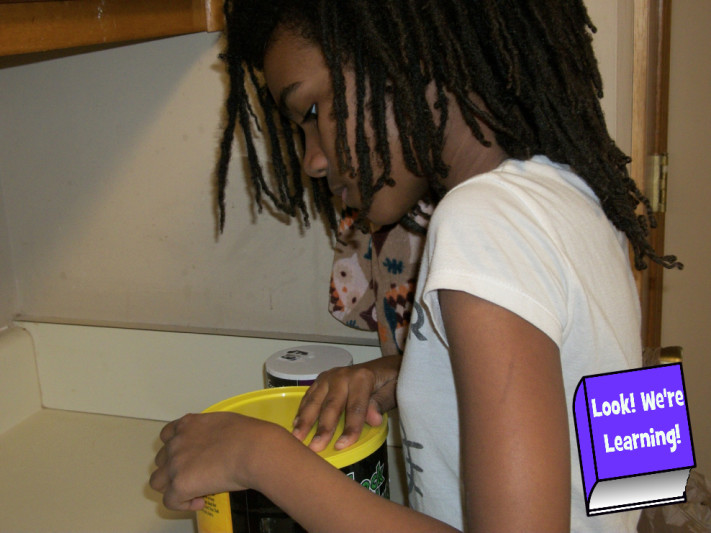
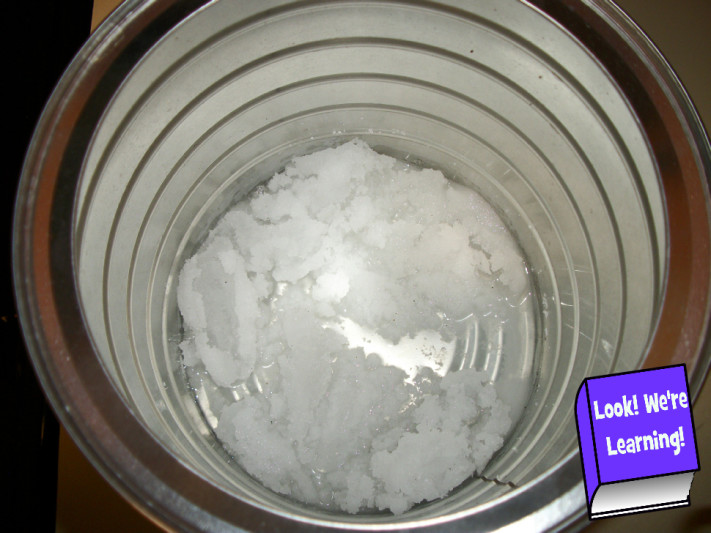
We put several ice cubes in the can, then added 1/2 cup of salt.

Coffee Can Condensation Experiment

Tigger stirred the ice and salt together, then closed the lid.

Coffee Can Condensation Experiment

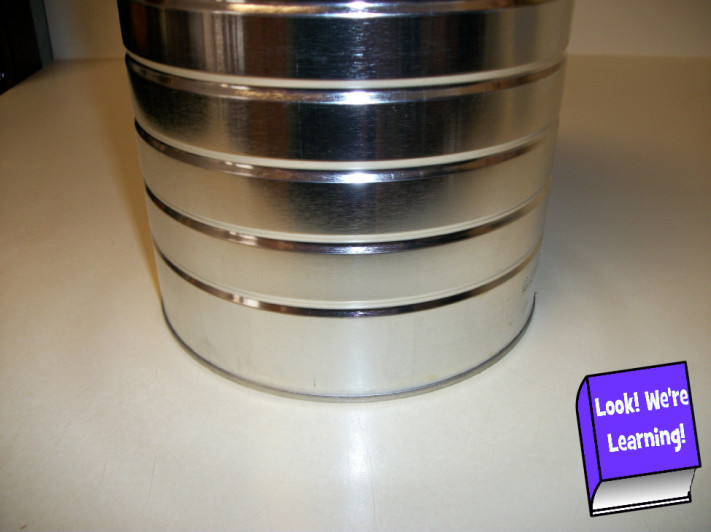
The experiment instructions said to observe the can at 10 minutes, 20 minutes, and 30 minutes to observe what would happen. After 10 minutes, I looked at the can and wondered why nothing was happening.

Coffee Can Condensation Experiment

Then I realized that we’d never see anything with the wrapper still on it. Duh, Selena.

Coffee Can Condensation Experiment

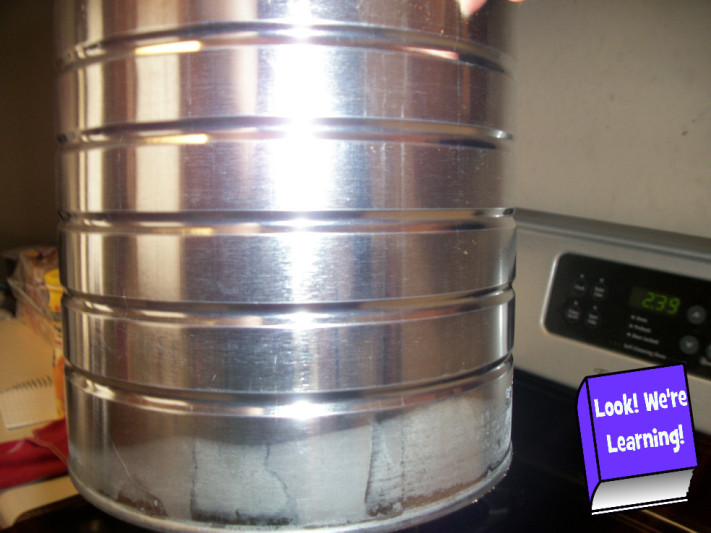
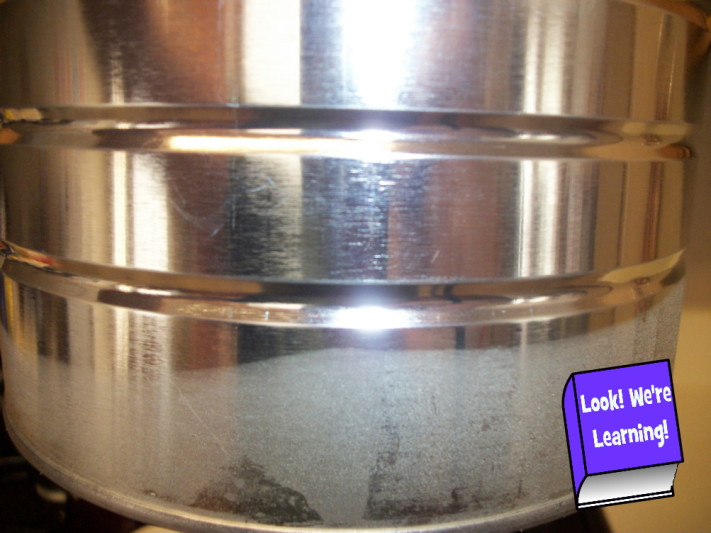
This was 20 minutes in. Frost was clearly developing on the outside of the can.

Coffee Can Condensation Experiment

Not only was frost developing, but there were a few drops of water at the base.

Coffee Can Condensation Experiment

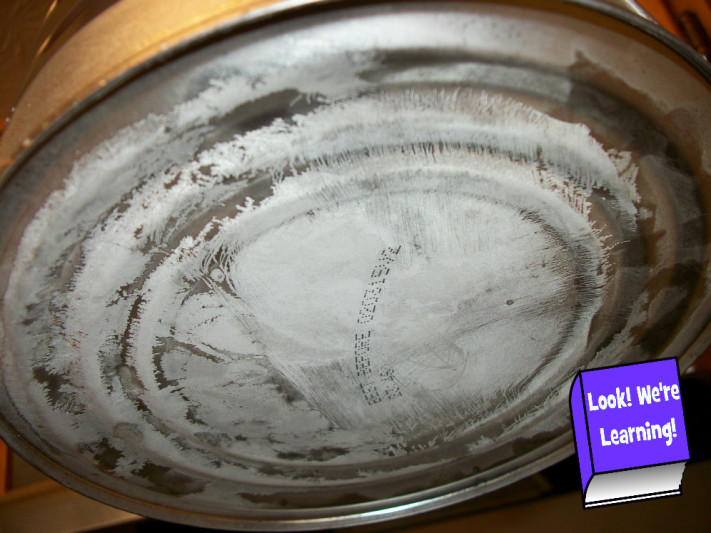
After 30 minutes, the entire bottom of the can was frosted over. As the book explained, the ice inside the can made the outside of the can extremely cold. As water vapor in the air touched the can, it immediately condensed and froze, becoming frost. Pretty neat!

Coffee Can Condensation Experiment

Tigger wanted to see what happened to the ice inside the can. We observed that the ice was melting, because of being mixed with the salt – which explains why road crews are always using salt to de-ice roadways!

This was a super quick and simple experiment, but Tigger loved it. So I’ll count that as a homeschooling win. 🙂

Tinker Crate >>

Printable Miles Davis Mini-Unit @ Look! We're Learning!

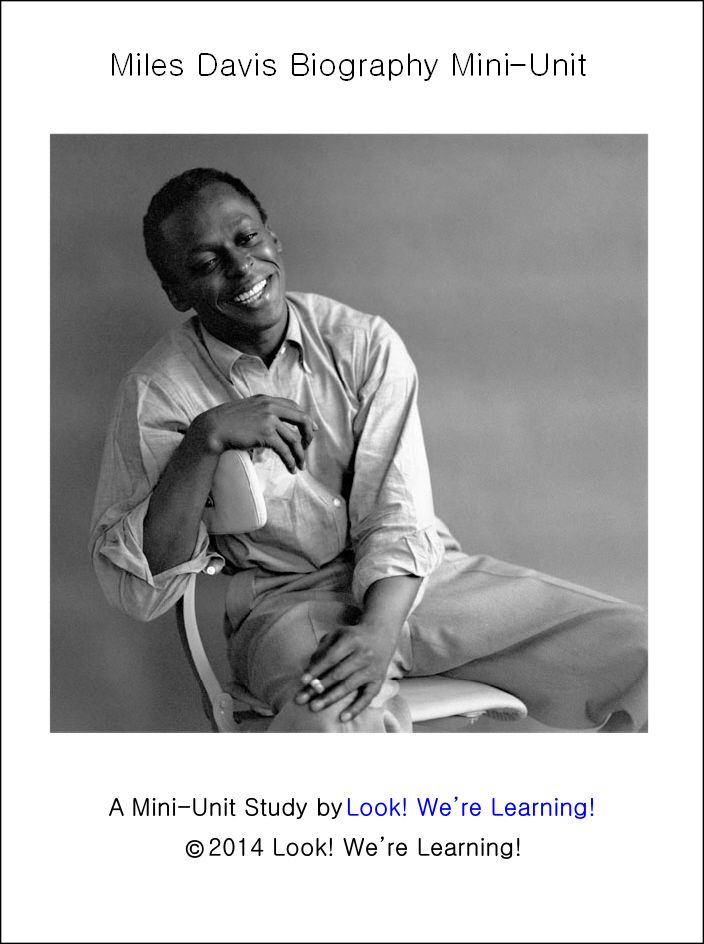
Miles Davis Biography Mini-Unit

February 28, 2014 by Selena Robinson 1 Comment

Good morning y’all! We made it through yet another week! 🙂 It’s the end of the month, so it’s time for another entry in the Living History series! This month we’ve been learning about Miles Davis.

Miles Davis had a comfortable upbringing, but a very troubled life. Ironically, his experiences seemed to help him grow and change as a musician, which is what led to his extremely long jazz career. He also made some terrible choices, eventually managing to rebuild his life with the help of his family and his love for music. He is most certainly not a role model, but his perseverance in the face of serious problems offers a great lesson for kids.

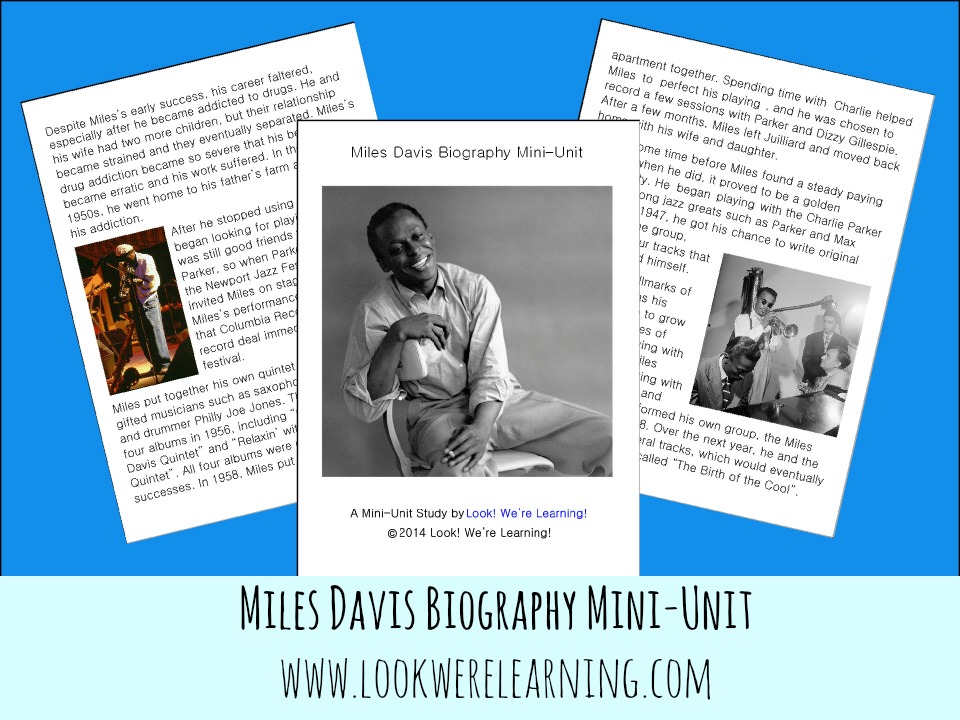
We’ve put together a free Miles Davis Biography Mini-Unit that you’re welcome to use with your family! In this pack, you’ll find:

  • A kid-friendly biography of Miles Davis
  • Review questions to help kids remember what they learned
  • A Miles Davis crossword puzzle
  • And copywork based on an interview with the jazz great!

To download your copy of the Miles Davis Biography Mini-Unit, click the image or link below!

Miles Davis Biography Mini-Unit: Look! We're Learning!Miles Davis Biography Mini Unit

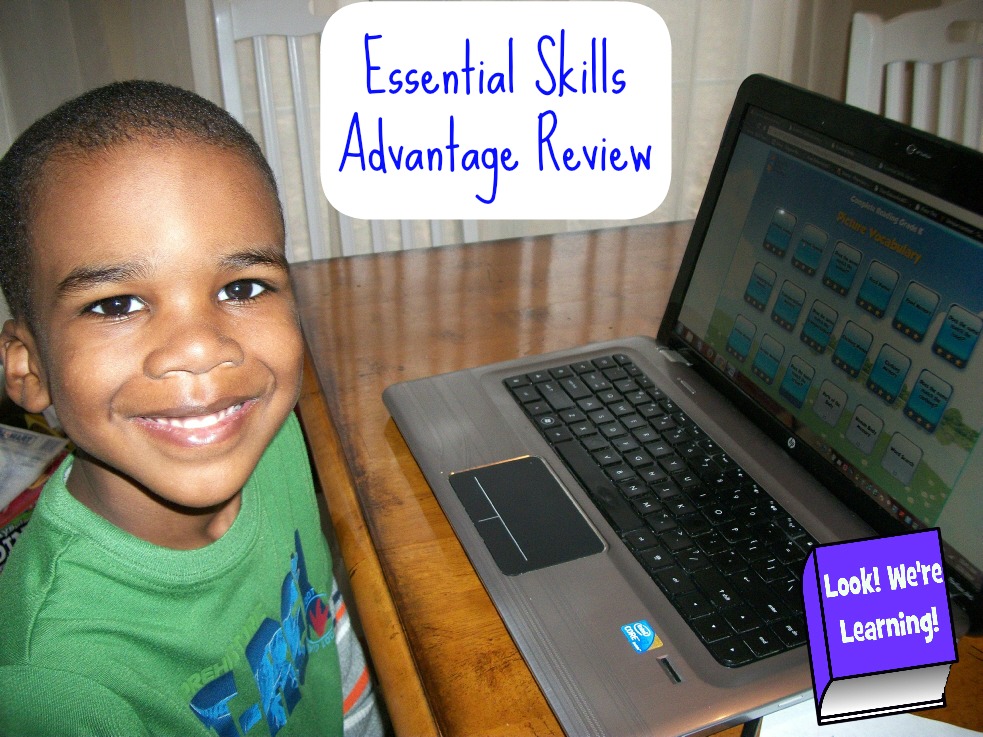
Essential Skills Advantage Review

Essential Skills Advantage Review

February 24, 2014 by Selena Robinson 2 Comments

Good morning! It’s a new day at Look! We’re Learning! because today we’re featuring our first-ever sponsored post from our good friends at Educents!

The program we’re highlighting is Essential Skills Advantage and it’s an excellent reading and language computer program for children aged 4 to 12! In the past Essential Skills Advantage has been used in the public school system, but the program is now available for homeschoolers and tutoring!

This is a sponsored post. I received access to this program in exchange for this review. See our Disclosure Policy for details.

Essential Skills Advantage Review

Essential Skills Advantage Review

A quick rundown of what the Essential Skills Advantage program consists of:

  • Thousands of activities for grades K-6
  • Reading, Language, and Spelling activities
  • A $7.99 monthly membership that includes access to all seven grade levels

Trying Essential Skills Advantage

The multi-grade level access is what really won me over to the program. We decided to start Roo out with the kindergarten level, just to see how he did. He did so well at it that we’re going to go right into the first grade level with him afterward! Since Essential Skills Advantage allows parents to work on any grade level with their children, it’s simple to go up or down a level as you need to.

As soon as we started, I noticed that the program has a constant background sound of crickets and birdsongs. It literally sounds as if you’re sitting outside while you’re working. It’s very peaceful and relaxing, and I wouldn’t be surprised if that didn’t contribute to Roo’s ability to sit still during the lesson, especially since he has ADHD.

Essential Skills Advantage for Kindergarten

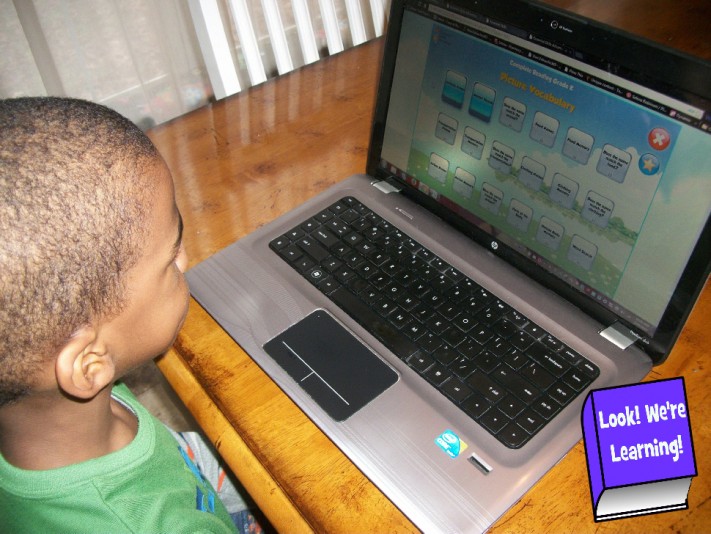
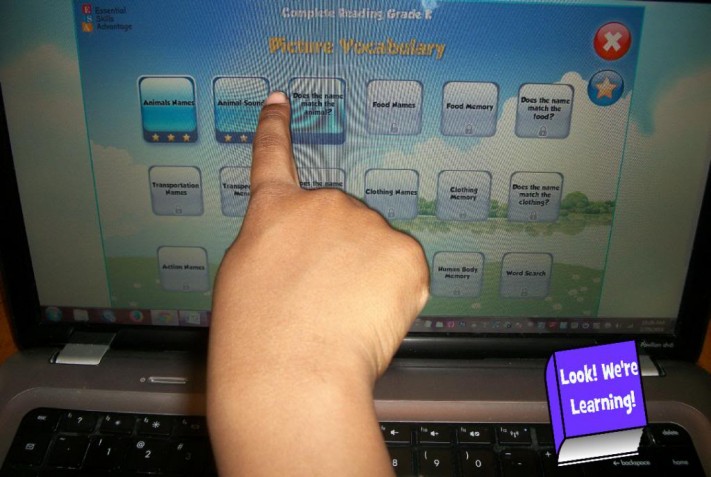
We began with the “Picture Vocabulary” unit in the Complete Reading Grade K program. Rather than working on sight words and phonics right away, ESA starts with simple picture words that are paired with spoken words and related sounds.

For example, in the Animal Names lesson, students are shown a picture of an animal while they listen to the name of an animal being said. If the animal name and picture match, kids click a checkmark. If they don’t match, they click an “X”.

After the Animal Names lesson, we went on to Animal Sounds where Roo matched animal pictures with the sound they make. Since the program shows one picture and plays one sound at a time, it was easy for Roo to concentrate without becoming overwhelmed.

He could also click a picture of an ear when he needed to hear a sound again. The screen uses picture icons and very few words, so he was able to navigate it himself.

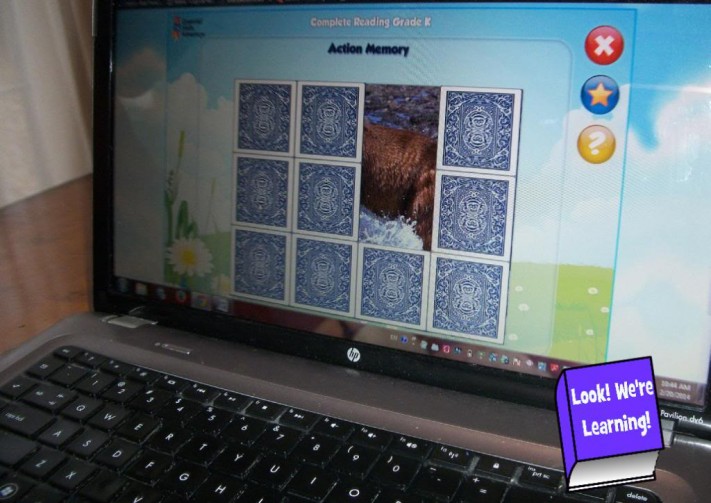
Essential Skills Advantage Matching Game

In the Food, Transportation, Action, and Clothing units, kids get to play a memory concentration game. They’re asked to flip over cards that match a picture with a written word. The program says the written word as well, which is great for kids who are still working on their reading skills (like Roo).

As they match cards, they get to see part of a picture below the puzzle. For Roo, that was a big incentive to finish the activity, since he wanted to see the finished picture underneath.

While Roo was working on the Transportation unit, he had to listen to transportation words to see if they matched the pictures of transportation vehicles such as bicycles, cars, and vans. After the word played, Jay would try to distract him by saying “He didn’t say ‘motorcycle’. He said ‘Popsicle’.” or “He didn’t say ‘truck’. He said ‘duck’.” Each time, Roo would say, “No, he said ‘motorcycle’.” or “No, he said ‘truck’.”, which just goes to show how well the program held his attention.

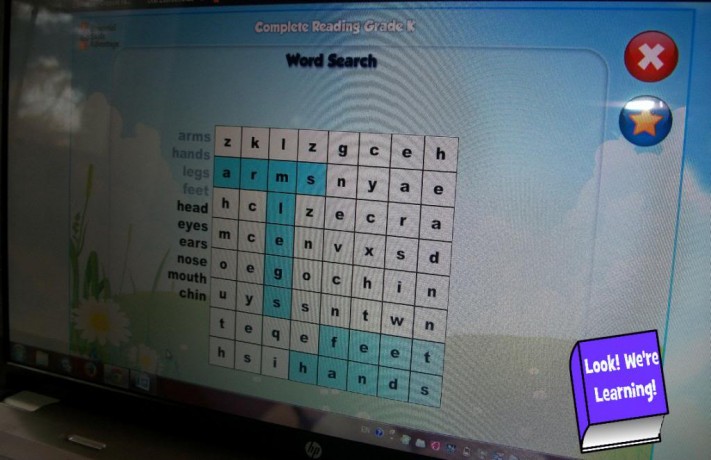
Essential Skills Advantage Word Search

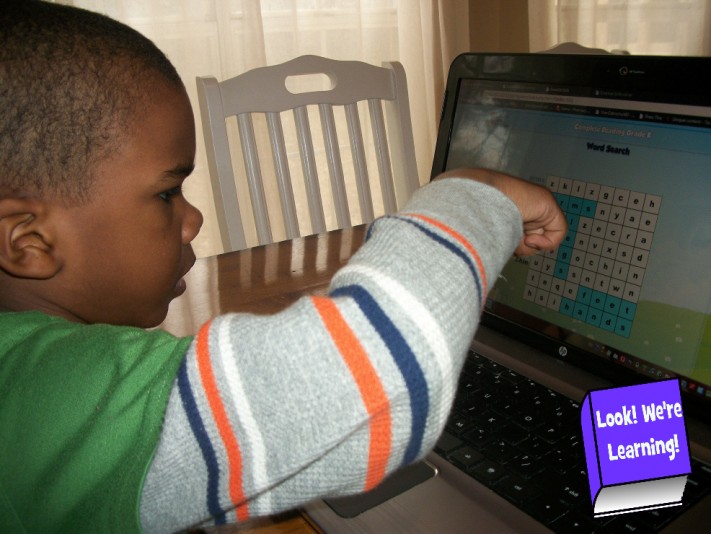
At the end of the Human Body unit, there was a word search activity. Initially, Roo was a little confused about how to do a word search, since it was his first time. We showed him how to look for the beginning letter of each word in the puzzle and then spell out the following letters to make sure he chose the correct word.

Trying Essential Skills Advantage for Homeschool

It wasn’t long before he got the hang of it. And the look on his face when he found his first word all by himself was priceless. 🙂

What was even more impressive to me about Essential Skills Advantage is that it was so engrossing, Roo sat at the computer for a solid hour and did not move ONCE. We’re talking about a boy who cannot utter a single sentence without turning around in a circle. And he sat in the chair for an hour working on this program. Incredible.

Essential Skills Advantage Review for Kindergarten

Happy four-year-old learner for the win!

One more thing I loved about Essential Skills Advantage is that it presents small challenges to kids to keep them on task. For example, in the Action Names lesson, Roo was asked to match pictures of action with spoken words. When the program would say a word like “walking”, he would have to look at three pictures and select the one that showed walking.

Of his three choices, two of the pictures rhymed. One picture showed someone walking, and another showed someone talking. That kind of challenge requires kids to practice active listening skills and deliberate attention on their tasks.

We absolutely loved using Essential Skills Advantage! It was a wonderful program that even managed to keep a four-year-old ADHD learner’s attention! If you’d like to learn more about ESA or sign up for a free trial, visit the Essential Skills Advantage website today!

Like this post? Check out some of our other curriculum reviews!

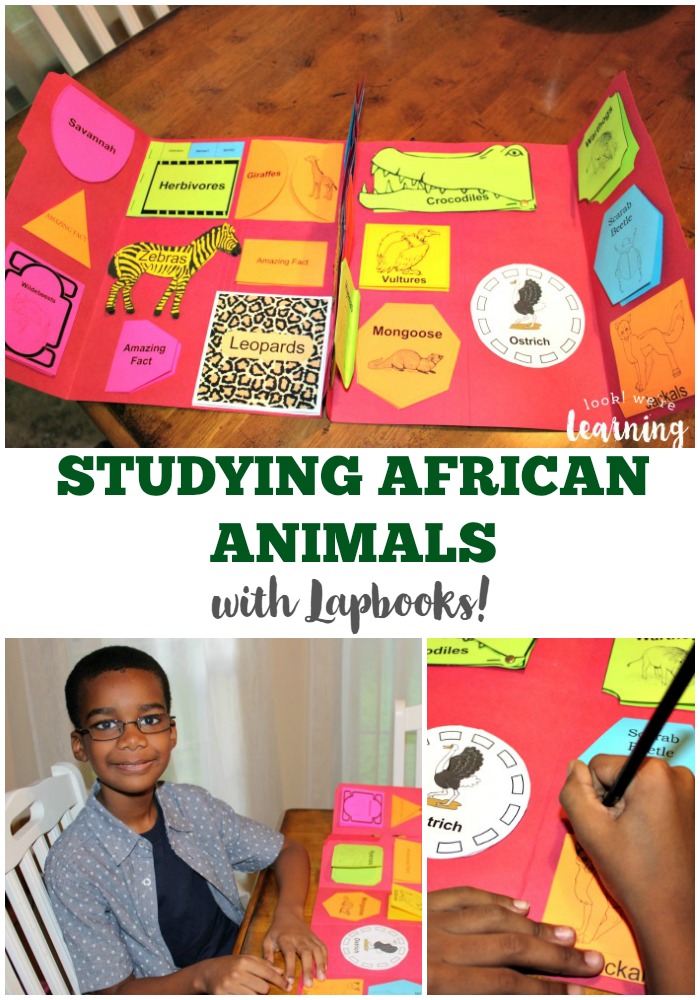
Creatures of the African Savannah Lapbook Review

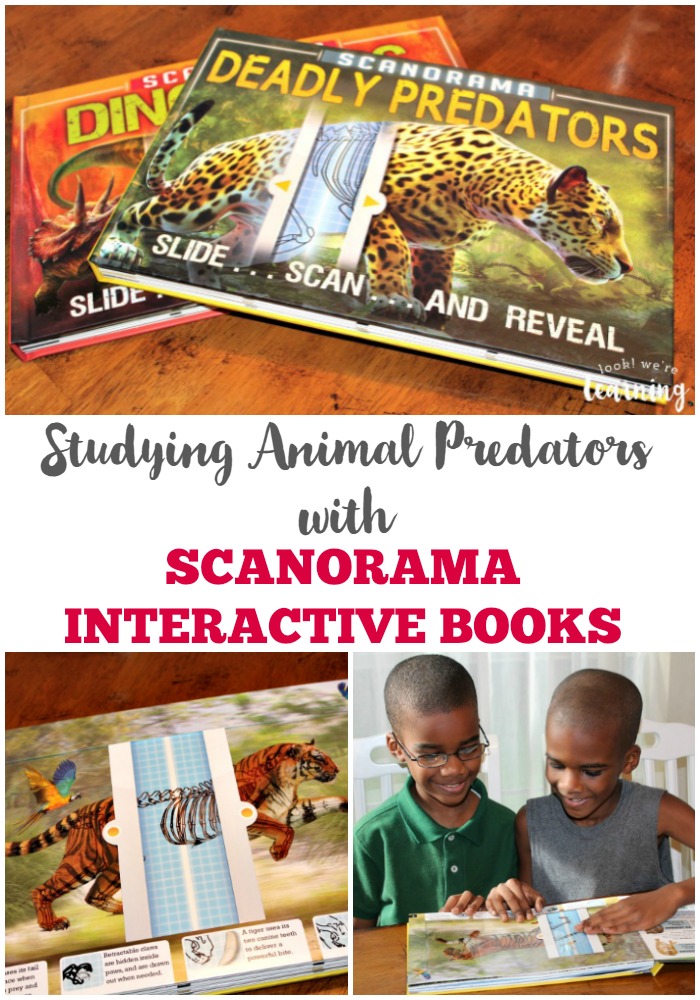
Studying Animal Predators with Scanorama Interactive Books

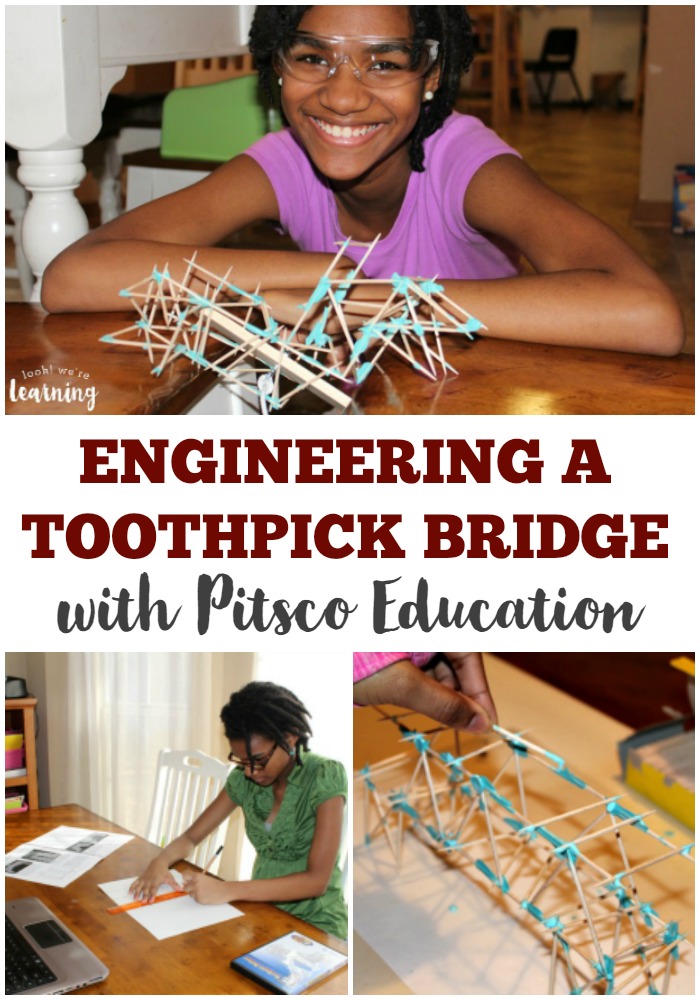
Engineering a Toothpick Bridge for Kids

Follow our Homeschool Curriculum Choices board on Pinterest for more ideas!

Free Spanish Opposite Word Flashcards - Look! We're Learning!

Free Printable Flashcards: Spanish Opposites Flashcards

February 19, 2014 by Selena Robinson 2 Comments

¡Buenos días! I hope you’re all enjoying your week so far! As I’ve mentioned before, I’m back in school myself and one of my majors is Foreign Language, so I’ve been learning Spanish for the past few months.

The whole family has been interested in learning Spanish as well, so I thought I’d whip up a batch of free printable flashcards featuring Spanish opposite words! That way, the kids can build on their budding Spanish vocabulary.

Free Spanish Opposite Word Flashcards - Look! We're Learning!

What’s In the Free Printable Flashcards: Spanish Opposites Flashcards Set?

In this pack, you’ll find vocabulario de español for several opposite words, including:

  • big and small
  • old and young
  • happy and sad
  • day and night
  • plus a pronunciation key to help kids say the words correctly!

You can even use the English opposite cards to help toddlers and preschoolers learn basic opposite words. 🙂

To grab your free copy of Los Opuestos (The Opposites) flash cards, visit our Store!

Spanish Opposite Word Flashcards: Look! We're Learning!

More Resources for Learning Spanish

Songs and Books to Teach Kids Spanish:

Encourage your kids to learn even more Spanish with these great Spanish kids’ books and songs!

  1. My Big Book of Spanish Words by Rebecca Emberley
  2. Songs in Spanish for Children by Elena Paz Travesi
  3. The Complete Book of Spanish: Grades 1-3 by American Education Publishing
  4. The Everything Kids’ Learning Spanish Book by Cecilia I. Sojo

More Printable Spanish Flashcards:

Learn even more español with even more of our free flashcards!

  1. Free Spanish Days of the Week Flashcards
  2. Free Spanish Family Flashcards
  3. Free Spanish Food Word Flashcards
  4. Free Spanish Number Flashcards 1-10

Helping Kids to Choose Good Friends

February 14, 2014 by Selena Robinson 1 Comment

Helping Kids to Choose Good Friends

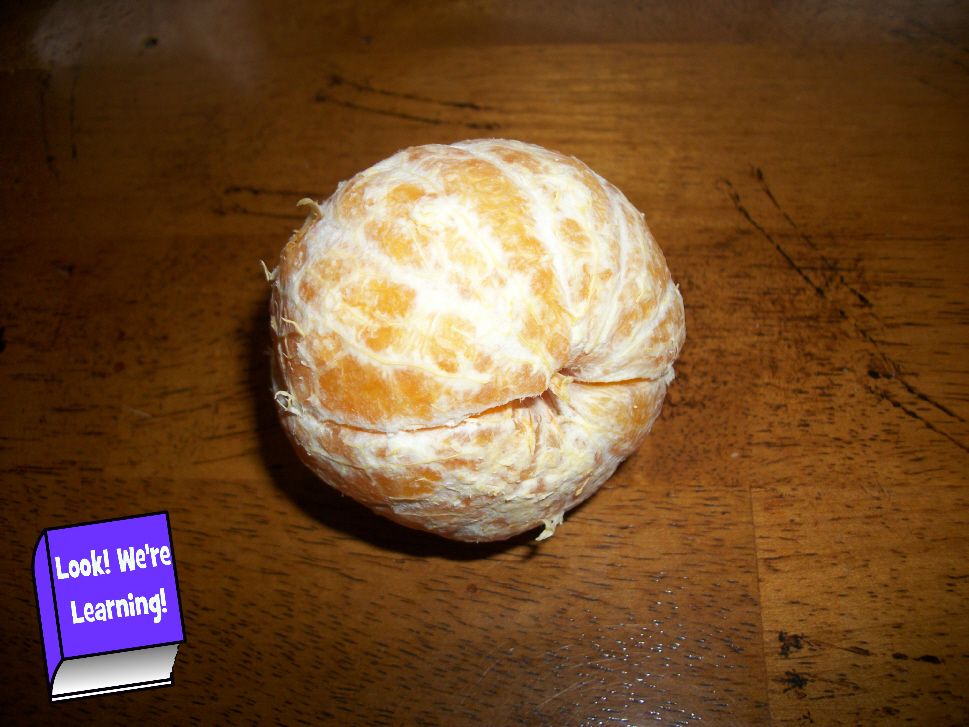
It all began when we sat down to have lunch as a family a few weeks ago. We decided to let the kids choose their own fruit for an after-lunch snack. Roo chose a banana, Tigger chose an apple, and Pooh chose a clementine.

We had purchased a crate of clementines a couple of weeks earlier, and there was one left. But it had sat in the crate for a few days, so Jay and I were a little skeptical about it still being good. Pooh insisted it was still good to eat, so we said okay.

Helping Kids to Choose Good Friends: Look! We're Learning!

As he peeled it, he said, “See? It’s still good, Dad!” And sure enough, it looked good.

Helping Kids to Choose Good Friends: Look! We're Learning!

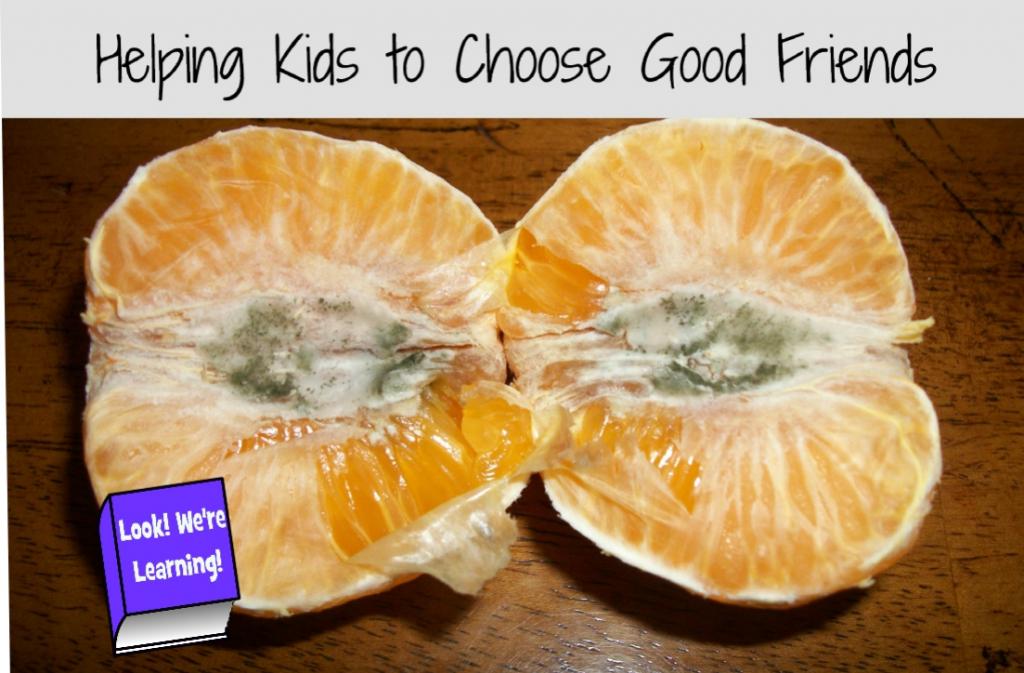
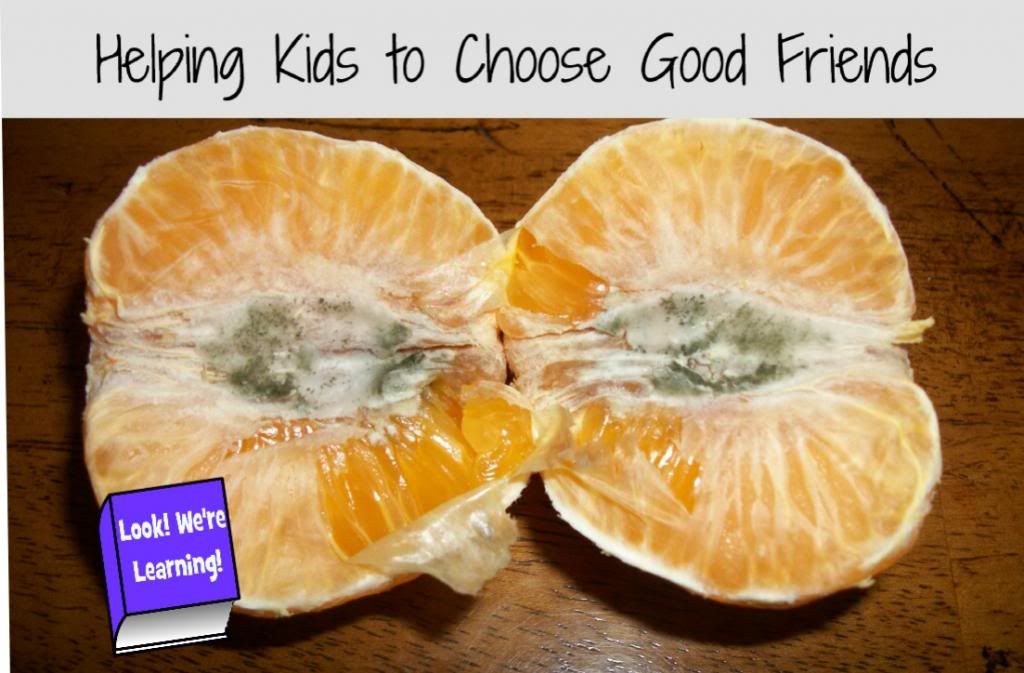
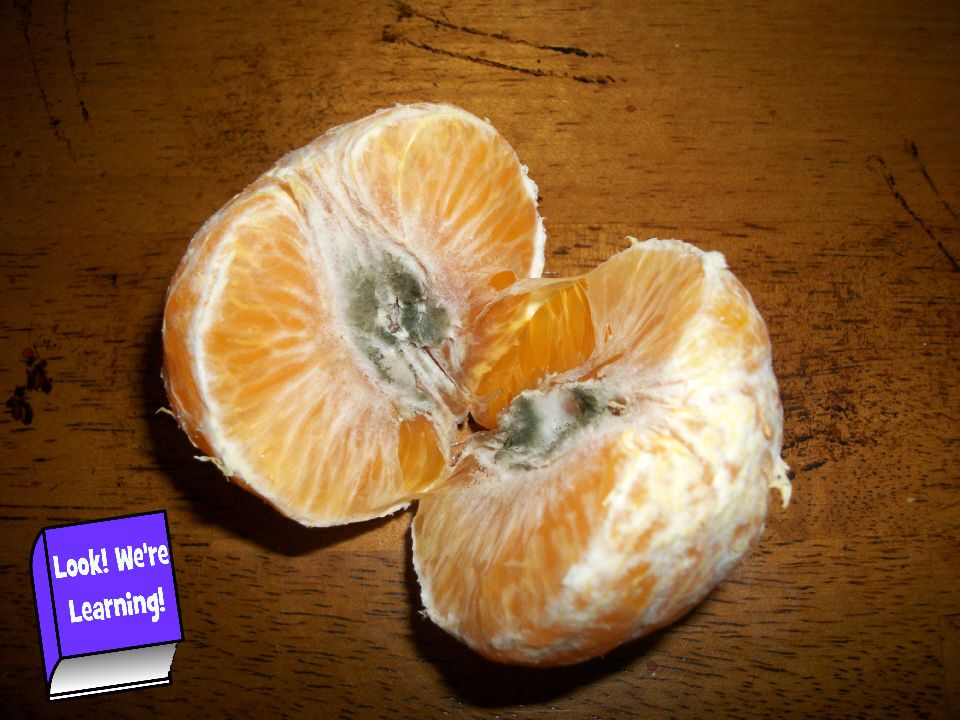
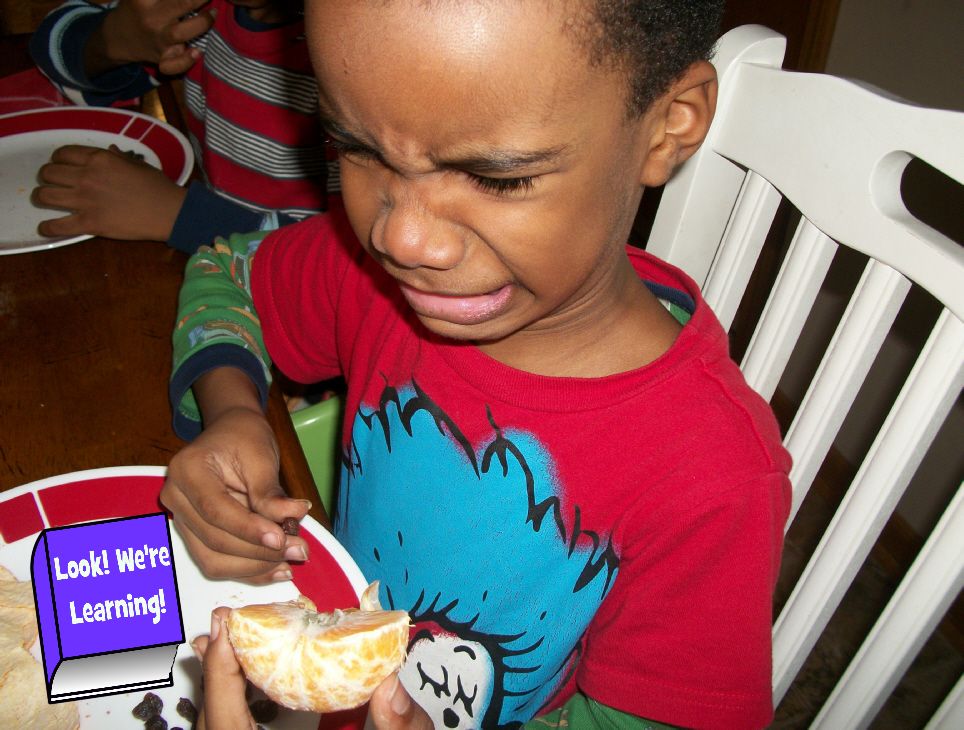
But when he pulled it open, he found this at the very center.

Helping Kids to Choose Good Friends: Look! We're Learning!

As you can see, he didn’t think it was so good to eat then.

Jay decided to use the opportunity to talk about why it’s so important that we look at the inside qualities of our friends before we assume that they’re good people, simply because they look good on the outside.

After we discussed the importance of being selective about choosing friends, we watched the video “What’s a Real Friend” to learn which qualities we should look for in our friends. Most importantly, we want to have friends who will “stick closer than a brother”. (Proverbs 18:24) As the video showed, it’s important for kids not to just choose good friends, but to be good friends to others by taking a “personal interest” in them. (Philippians 2:4)

So, a regular midday meal turned in an impromptu lesson on friendship. But that’s the homeschooling life for you! 🙂

How do you help your kids to choose good friends and be good friends to others? Let us know in the comments!

12 Months of Sensory Dough: Cloud Dough

February 12, 2014 by Selena Robinson 6 Comments

Cloud Dough Fail: Look! We're Learning!

Cloud Dough Fail: Look! We're Learning!

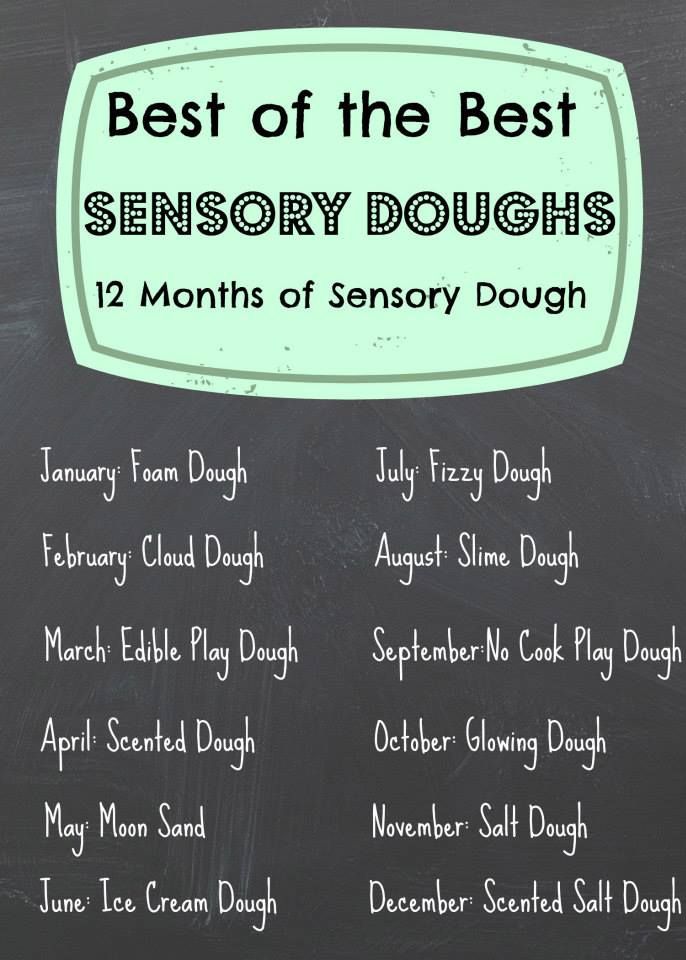
Hey everyone! It’s time for our 12 Months of Sensory Dough linkup! Every month, I’m honored to co-host this linky with 11 other bloggers, including Dayna at Lemon Lime Adventures, Val & Alex at Glittering Muffins, Devany at Still Playing School, Sarah at Little Bins for Little Hands, Kimberly at Natural Beach Living, Melissa Ann at The Eyes of a Boy, Nicolette at Powerful Mothering, Amy at Wildflower Ramblings, Rachel at I Heart Crafty Things, Michelle at Delightful Learning, and Jennifer at The Life of Jennifer Dawn!

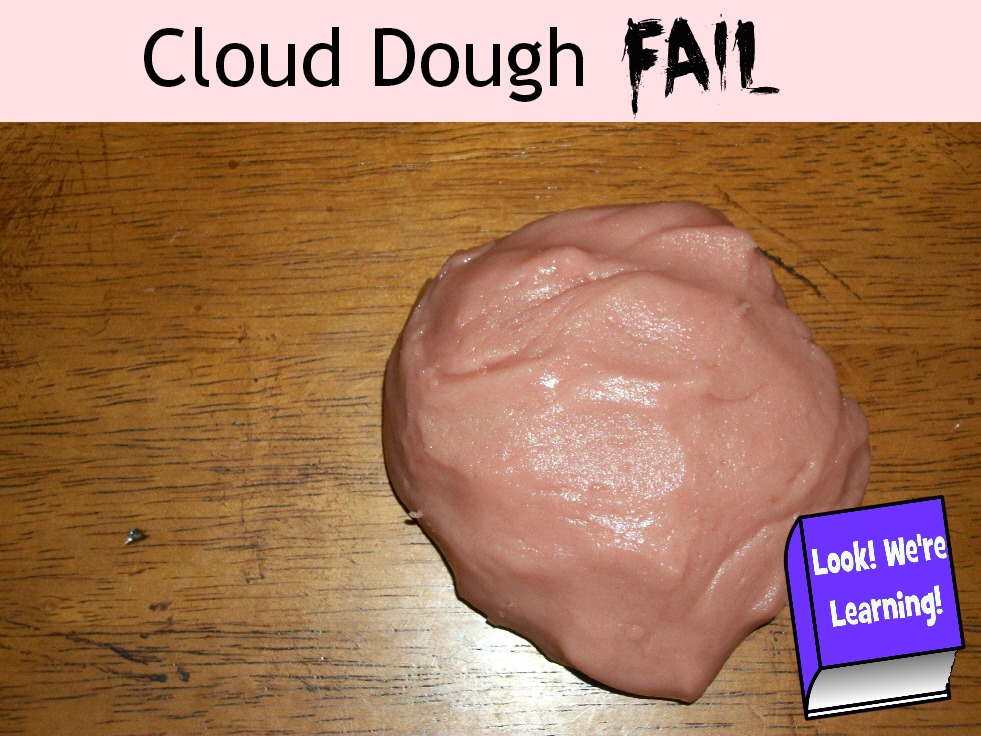
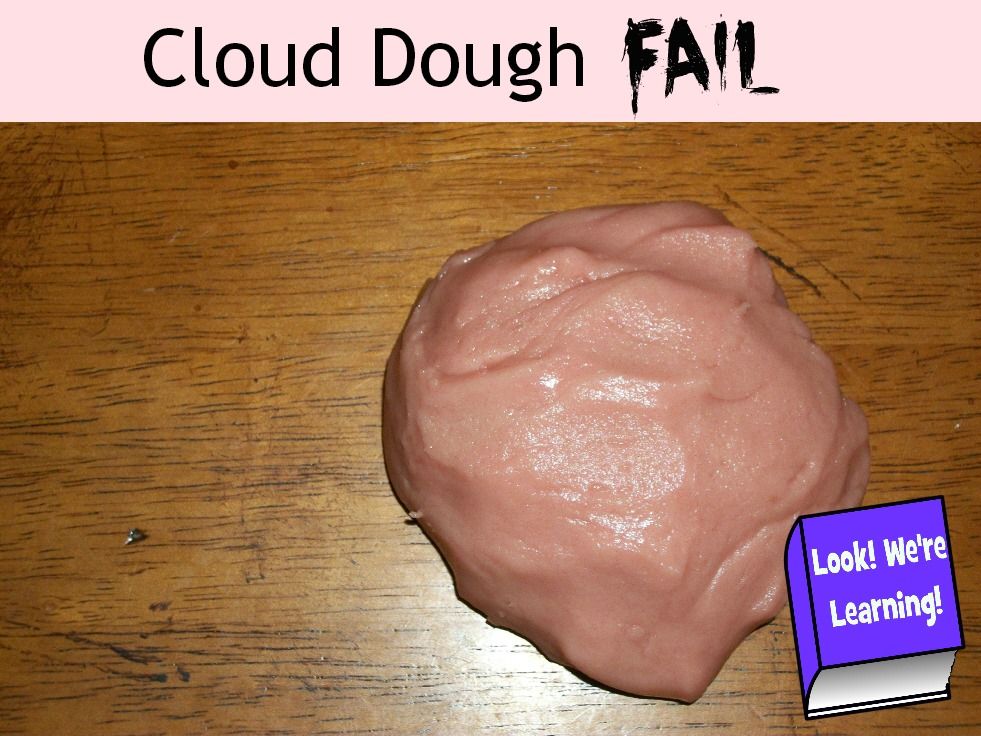
This month, we tried our hand at making cloud dough. It was a complete and utter fail…lol. So as you read our experience below, remember DO NOT DO THIS.

I got the original idea from PBS.org, where they feature a very simple recipe for cloud dough using flour and oil. I had my first college biology exam last week and I spent most of my time studying. So – I looked at the cloud dough recipe and saw two ingredients: flour and oil. I did not realize that the original recipe called for baby oil. Mistake #1.

Cloud Dough Fail: Look! We're Learning!

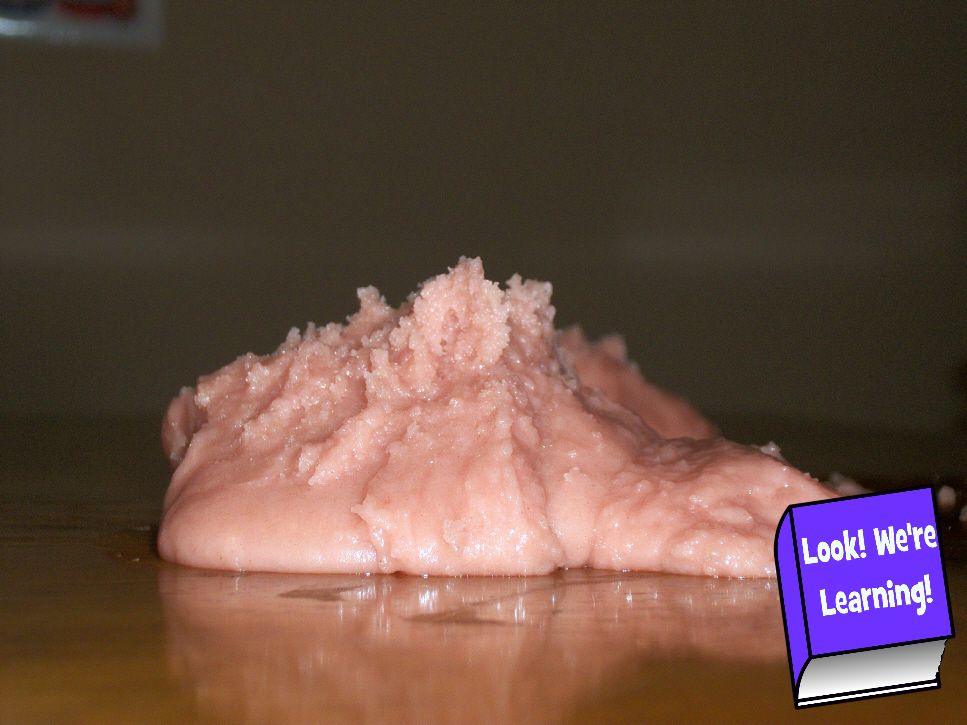
Here’s what I used: flour, vegetable oil, and red food coloring.

Cloud Dough Fail: Look! We're Learning!

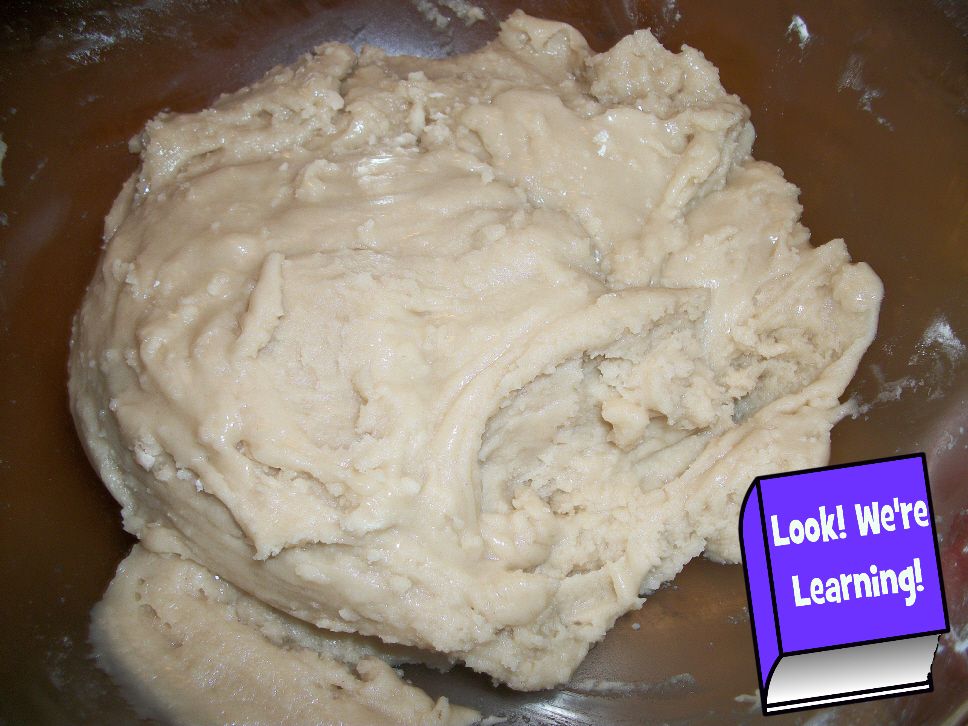
I started with 4 cups of flour, which is actually what the recipe called for. But instead of reading the recipe to find out the proper flour to oil ratio, I figured I could just mix it until it “looked” right. Mistake #2.

Cloud Dough Fail: Look! We're Learning!

I put 1 1/3 cup of vegetable oil in it, then mixed it up. (The recipe says 1/2 cup, by the way.)

Cloud Dough Fail: Look! We're Learning!

Right about here is when I started to think “This doesn’t look right”. But I was not about to use another four cups of flour.

Cloud Dough Fail: Look! We're Learning!

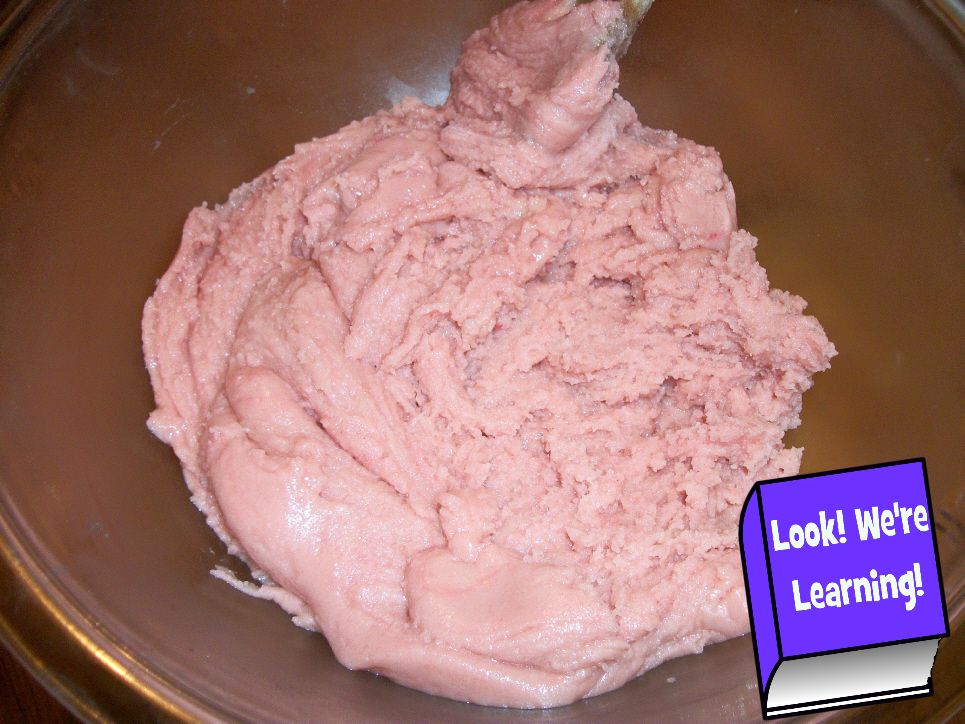
I added 20 drops of red food coloring, and the dough looked so pretty that I had a tiny bit of hope.

Cloud Dough Fail: Look! We're Learning!

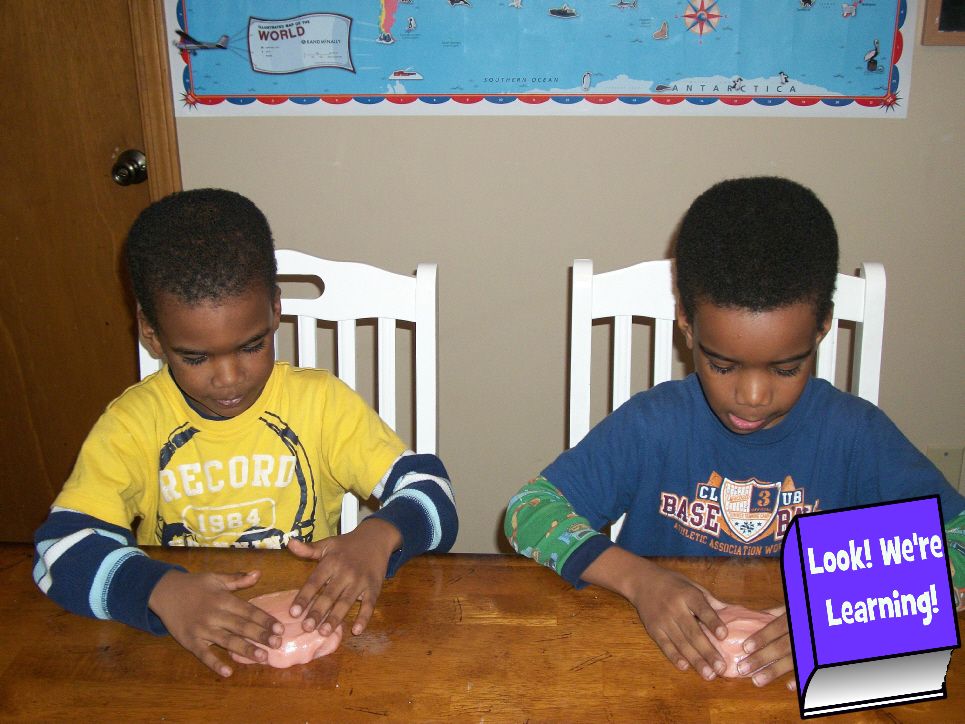
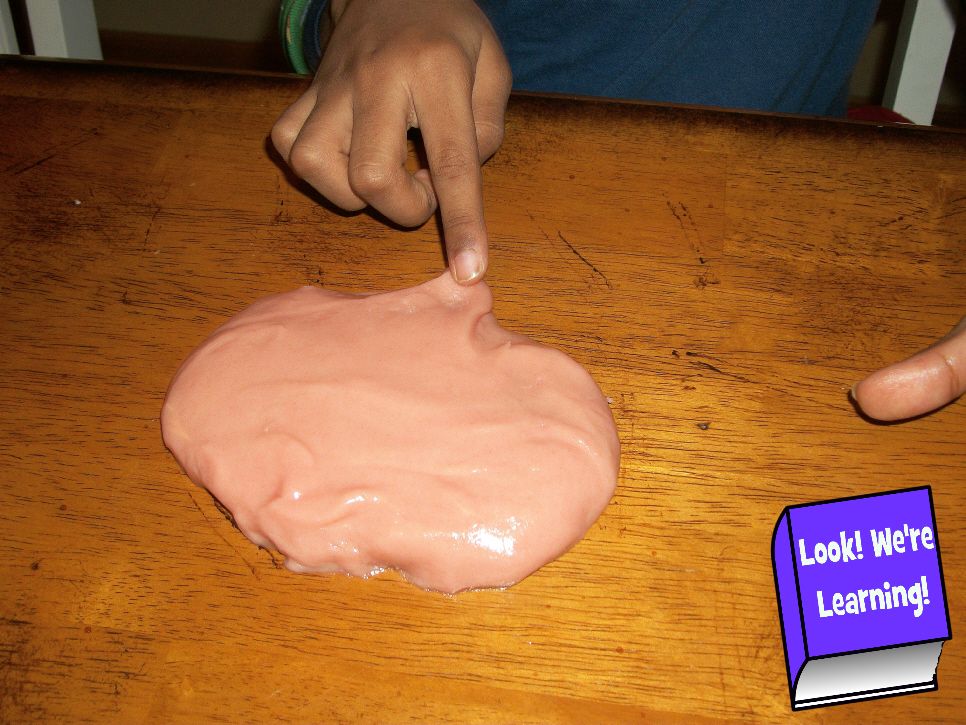
That was shattered when we actually touched it. It was slick and oily to the touch. For a while, the kids just poked it.

Cloud Dough Fail: Look! We're Learning!

Like this.

Cloud Dough Fail: Look! We're Learning!

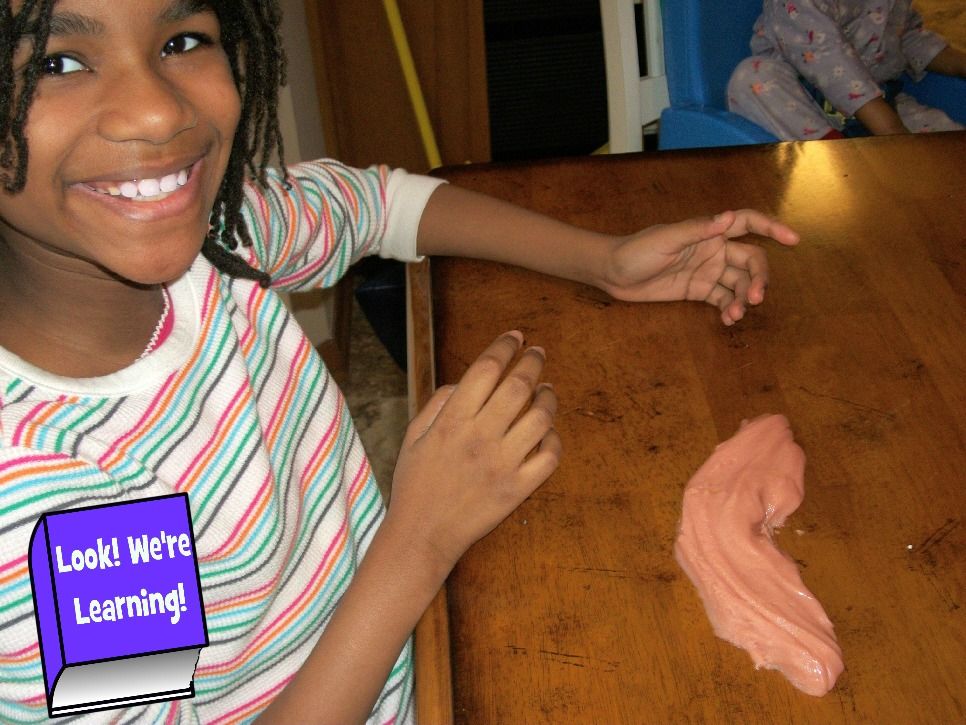
Tigger, bless her heart, tried to make the best of it by forming a “smile”.

Cloud Dough Fail: Look! We're Learning!

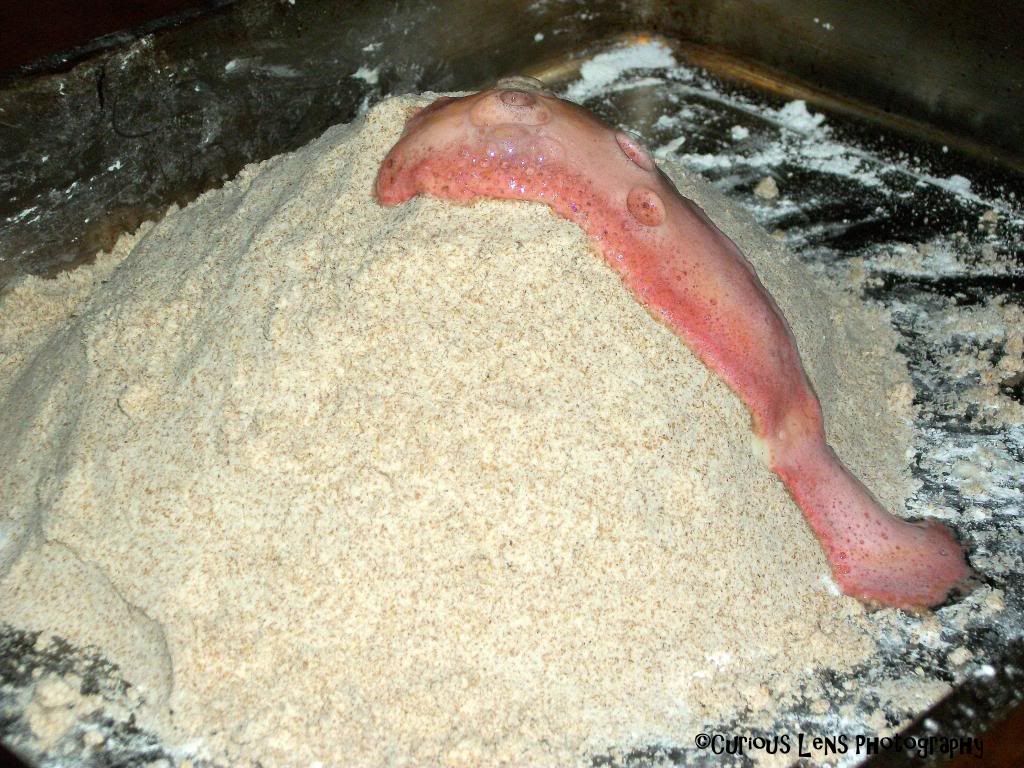
Jay’s been studying the brain with the kids, so I thought I’d make a brain. By the time I got the picture, my brain had settled into more of a tongue.

Cloud Dough Fail: Look! We're Learning!

Roo kept saying “Can I wash my hands please?” I mean, I know it’s a sensory experiment and all, but they’re not supposed to dislike how it feels on their hands.

Cloud Dough Fail: Look! We're Learning!

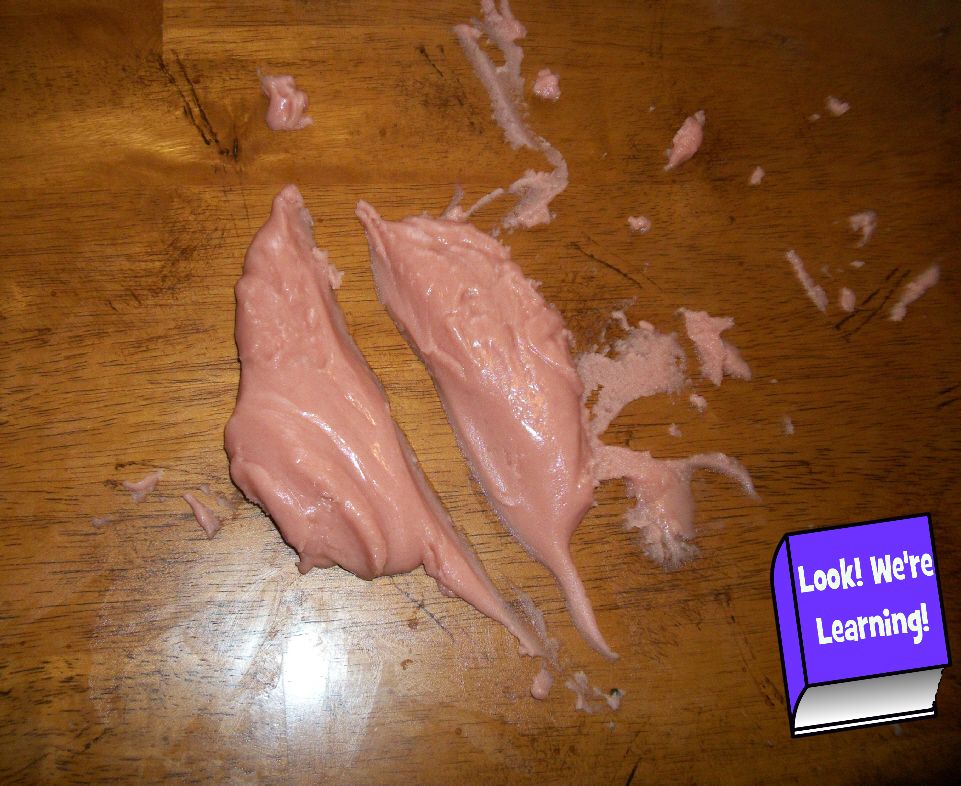
Pooh made two lungs, and that’s about all we could make out of this stuff.

Cloud Dough Fail: Look! We're Learning!

But it was neat to look at!

So if you decide to make cloud dough, don’t be like me! Read the instructions and pick a time when you’re not studying biology…lol.

Next month, we’ll be making edible play dough!

Cloud Dough Fail: Look! We're Learning!

We’d love to see your sensory dough experiments! Feel to link up your sensory dough fun below!

Please read the following guidelines before linking up.

Share family-friendly posts related to the month’s theme. Feel free to link old or new posts that highlight your favorite recipes for sensory dough. Failures and unsuccessful attempts are welcome.
We ask that no posts are linked with copy/paste recipes from other sources. If you use a recipe from another source, please link back to the original recipe.

By linking up, you give permission to share your post and one photograph in future posts and through social media channels.

Visit 2-3 other posts that others have shared. Discover new ideas and meet new friends!

The linky will remain open for two weeks. On the 12th of each month, all co-hosts will post a new dough with their spin, highlighting at least one post from the month before and pin each post to the 12 Months of Sensory Dough Board.

If you would like to, please grab the 12 Months of Sensory Dough button for your blog. And be sure to stop by and visit our co-hosts to get their take on the featured dough for the month!

Lemon Lime Adventures


The Living History Series: Miles Davis

February 10, 2014 by Selena Robinson 1 Comment

This post contains affiliate links. See our Disclosure Policy here.
Image courtesy: Tom Palumbo via Wikimedia Commons

We’re feeling “kind of blue” this month, so it’s time to learn about famous jazz trumpeter Miles Davis for the Living History series! Besides knowing that his name is almost synonymous with jazz, I don’t know much about Davis at all. I can only remember hearing one or two songs of his, so he’s next on our list!

Speaking of “Kind of Blue”, here’s one of the songs from Davis’ landmark 1959 album called “So What”. This one features John Coltrane on the tenor sax. (In fact, Coltrane will be one of our future history series figures.)

As part of our unit, we’ll be reading a few books about Miles Davis this month, including:

Lookin’ for Bird in the Big City

Milestones: The Music And Times Of Miles Davis

Miles: An Autobiography by Miles Davis

The Miles Davis Reader

Come back on February 28th to see what we learned about jazz legend Miles Davis!

Happily Homemade: Super Simple Fleece Blankets

February 5, 2014 by Selena Robinson Leave a Comment

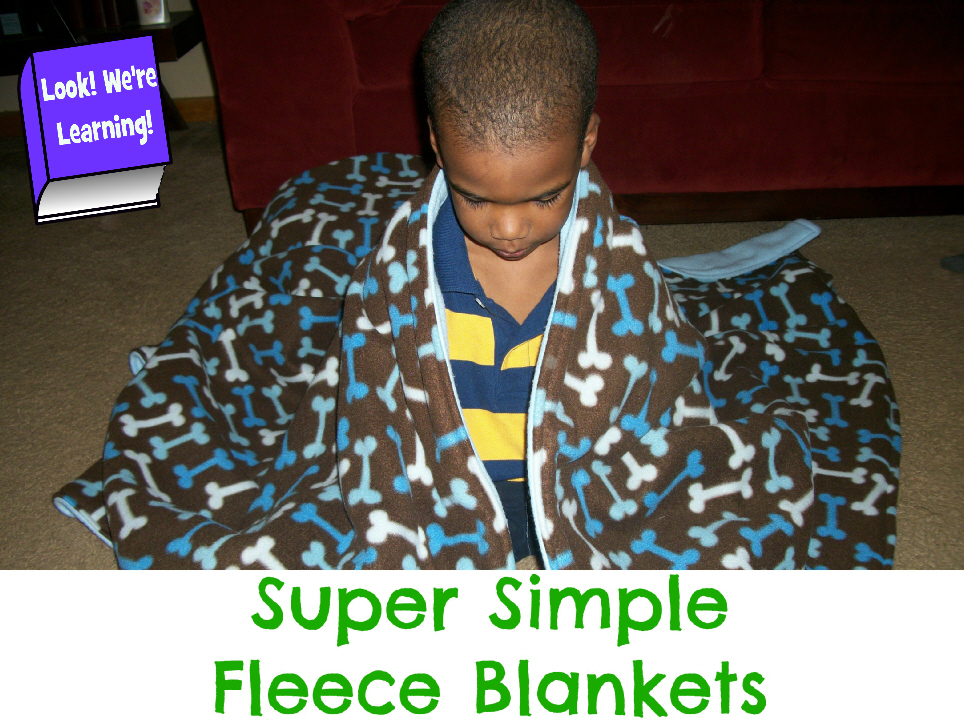
Good morning! Hope you’re all having a great week so far! Today, I thought I’d share a really simple DIY fleece blanket that’s perfect for sewing newbies!

To make these, you really only need two pieces of fleece and some thread. That’s it. You can make your blankets as large as you want, just be sure to include at least an inch all around for seam allowance.

Keep Reading…

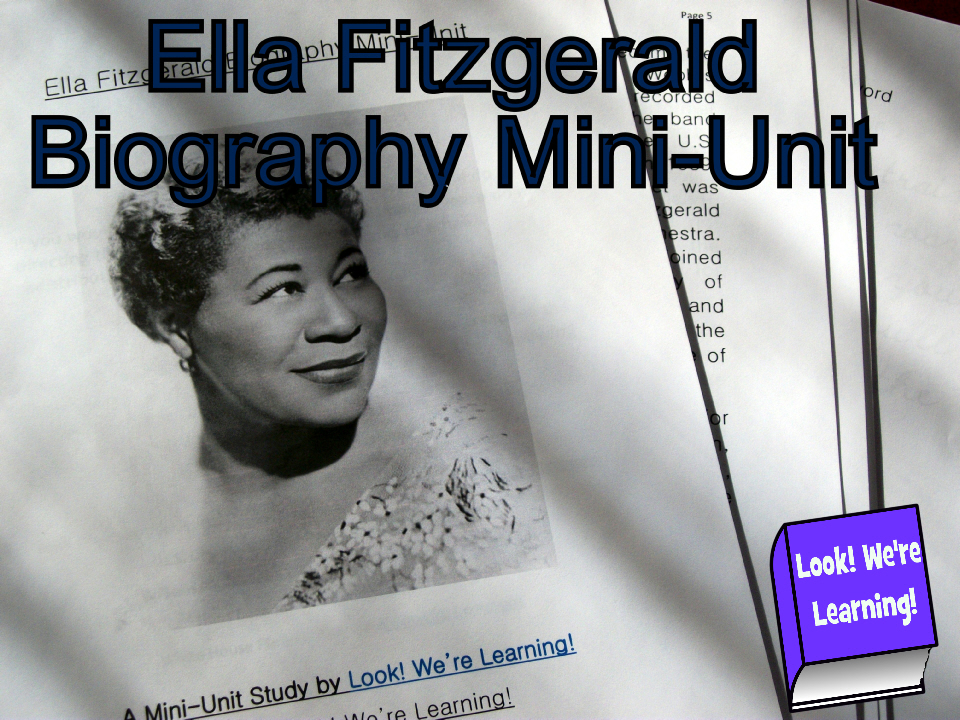
Ella Fitzgerald Biography Mini-Unit

January 31, 2014 by Selena Robinson 2 Comments

Ella Fitzgerald Biography Mini-Unit: Look! We're Learning!

Happy Friday! We’re wrapping up this week with another entry in our Living History series. You might remember that we were supposed to talk about Ella Fitzgerald in our Living History unit last month. Well, Finals Week happened and work happened and, well….better late than never, right?

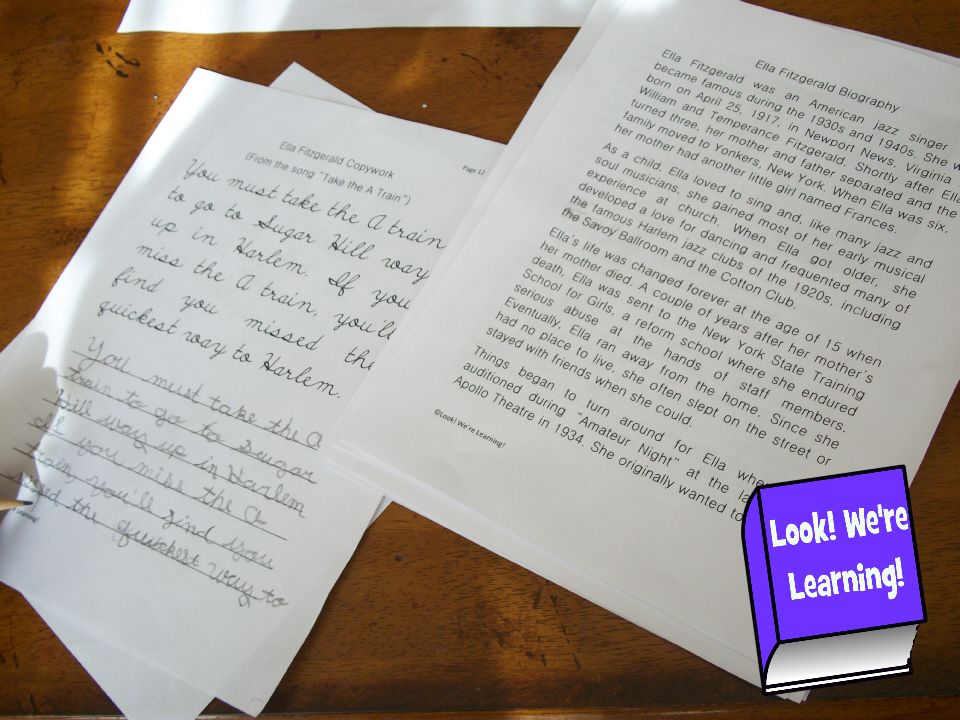
Ella Fitzgerald Biography Mini-Unit: Look! We're Learning!

We started by covering our mini-unit study about Ella Fitzgerald’s life and career. She had a very difficult childhood, but she still managed to make great music. What was especially interesting to me was the fact that Ella didn’t even realize that she was such a great singer. Her real love was dancing. But when she went to audition at the Apollo Theatre, she got intimidated by her dancing competition, so she sang instead. That makes me wonder how many people have hidden talents they don’t even realize.

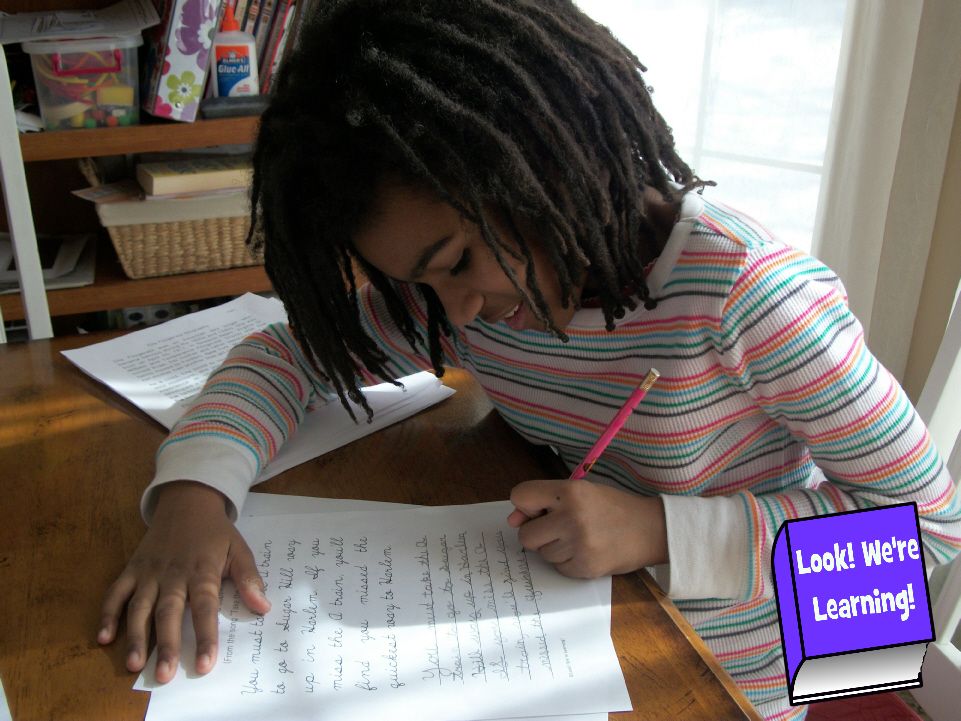
Ella Fitzgerald Biography Mini-Unit: Look! We're Learning!

In the mini-unit, there is a short Ella Fitzgerald biography, along with a crossword puzzle, review questions, and copywork from the song “Take the A Train” – a song that Ella recorded.

We also spent some time watching some of Ella’s classic performances, including this incredible video of her singing and scatting “It Don’t Mean a Thing”.

After we watched the clip, we talked about scatting and how it’s really like making music with your voice instead of an instrument. Jay made the point that beat boxing is essentially a form of scat. Sounds like a new series to do later! 🙂

To grab this Ella Fitzgerald Biography Mini-Unit for yourself, just click the image or link below!

Ella Fitzgerald Biography Mini-Unit: Look! We're Learning!

Ella Fitzgerald Biography Mini Unit

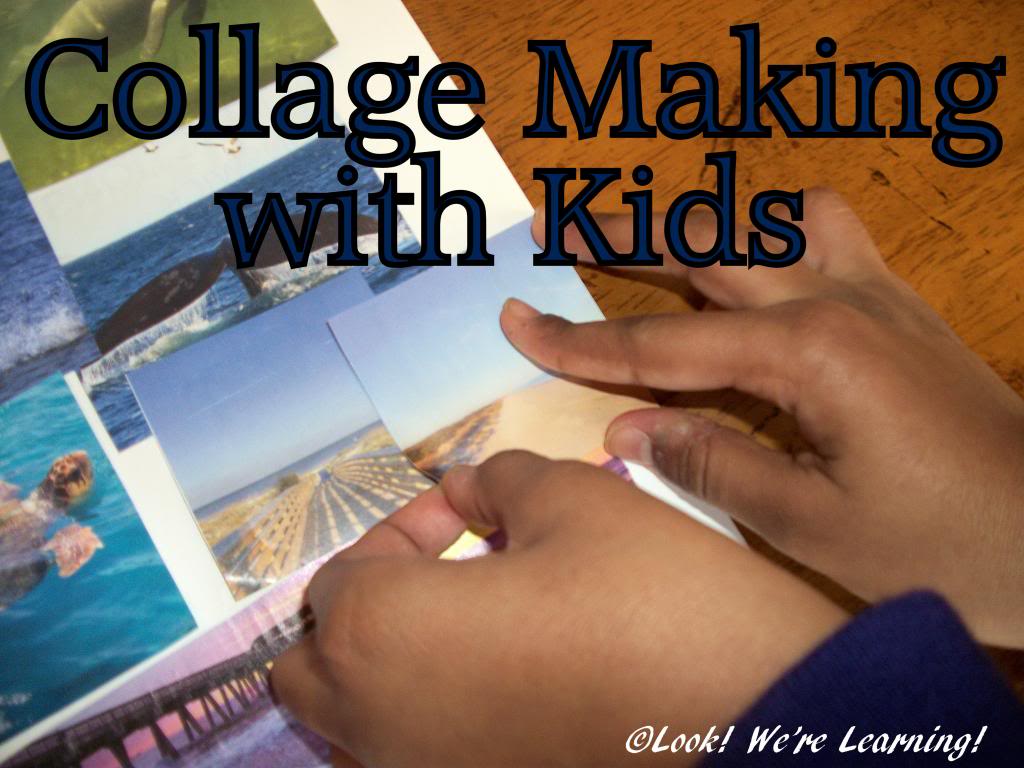
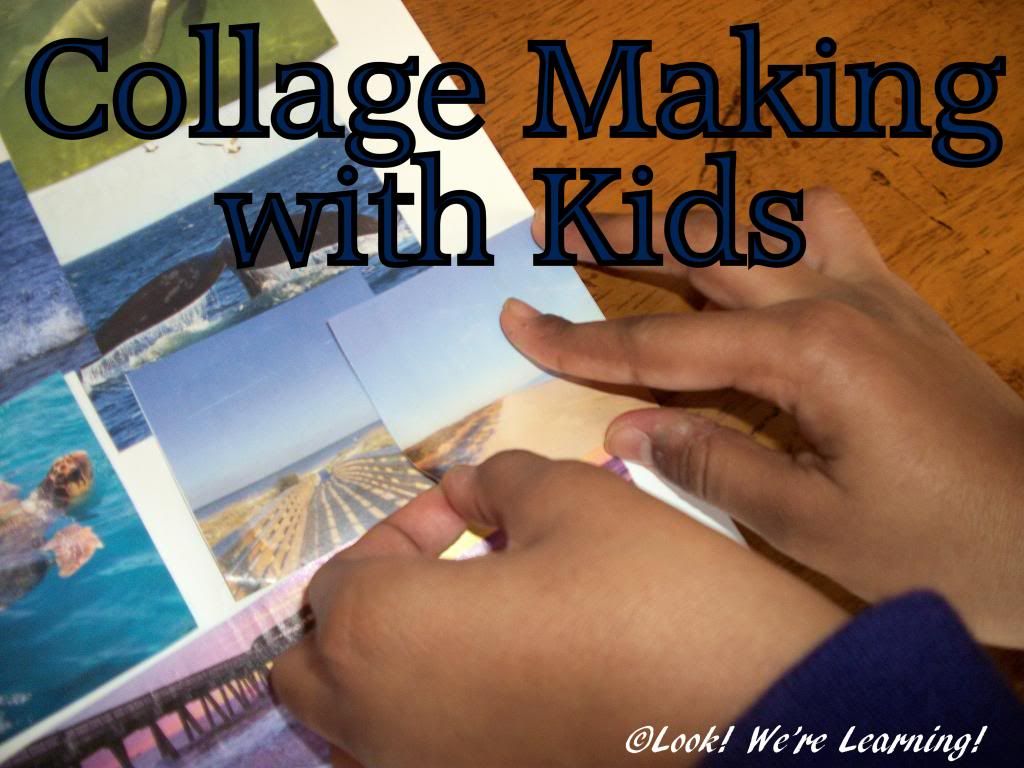
Collage Making with Kids

January 22, 2014 by Selena Robinson 2 Comments

Have you entered our Lego Game Giveaway yet?

Collage Making with Kids: Look! We're Learning!

Hey everyone! Today, we’re linking up with the Kids Get Arty linky at Red Ted Art! Each month, families focus on an artist and then do a project inspired by that person’s work. We decided to focus on the art of Romare Bearden. In fact, some good homeschooling friends of ours went to see an exhibit of his, but since we couldn’t make it, we got to work on a project of our own at home.

Image c/o: Carl van Vechten

Romare Bearden was an African-American artist, who became famous for his mixed media collages. He did a lot of paintings, but his collages were most notable, because he often used pictures, paint, and fabric together. On a visit to the High Museum of Art, Jay and I got to look at some of his works in person and they were very fascinating. It seemed like the longer we stared at the work, the more we saw in it.

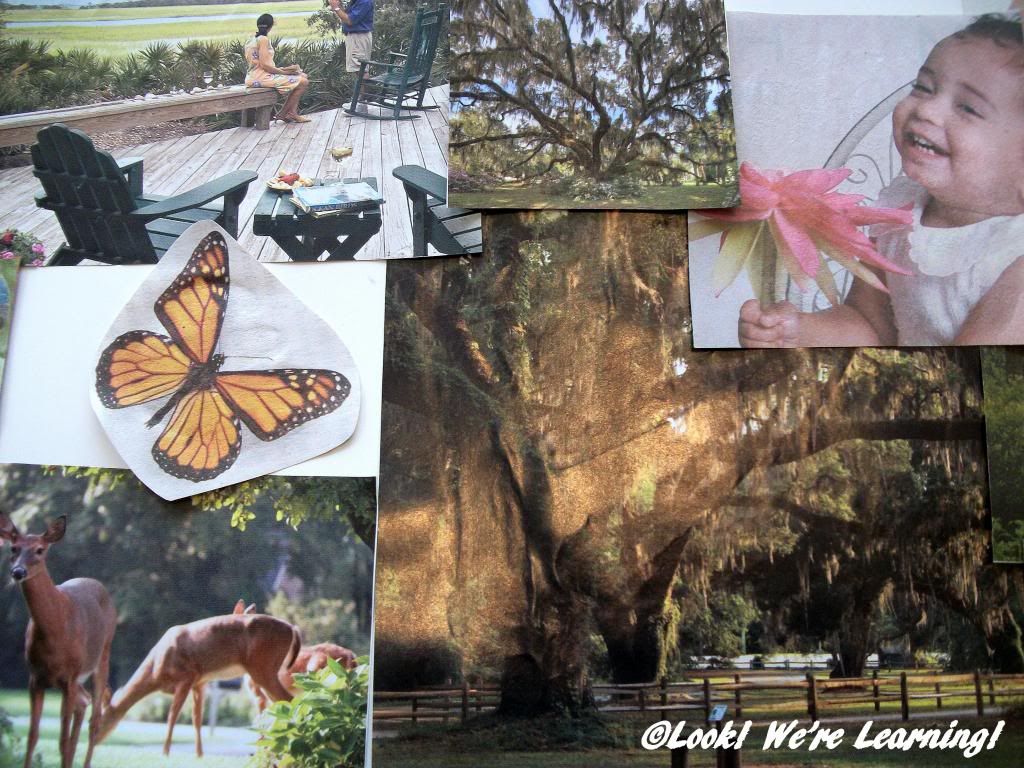
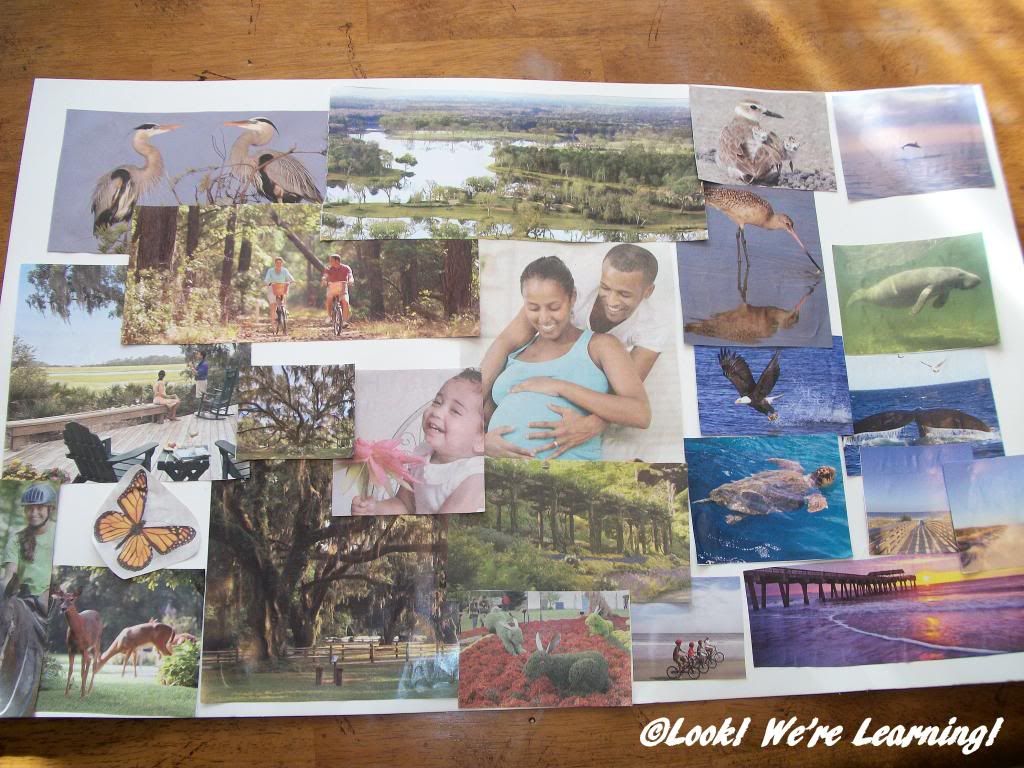
We decided to help the kids make a collage of their own. We based it on God’s promise of a paradise and we chose pictures that reflected that hope – beautiful scenery, happy families, and animals.

Collage Making with Kids: Look! We're Learning!

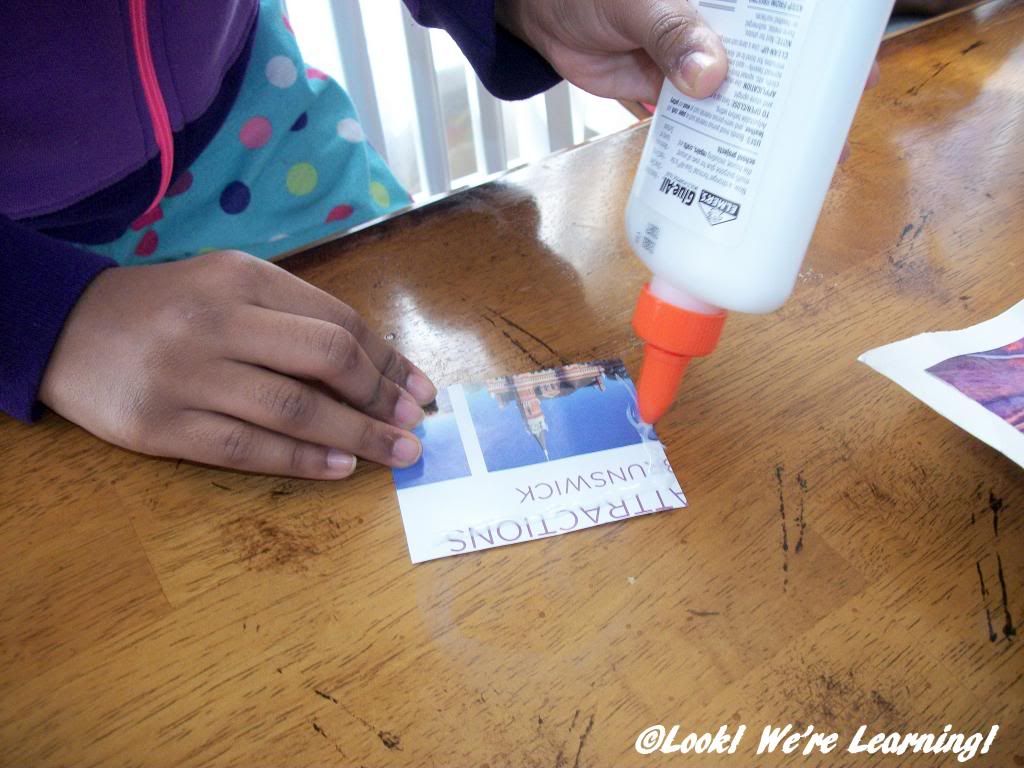
Along the way, we gave Tigger some help in gluing things without making a mess. She got the hang of it, which means (hopefully) less messy projects. 🙂

Collage Making with Kids: Look! We're Learning!

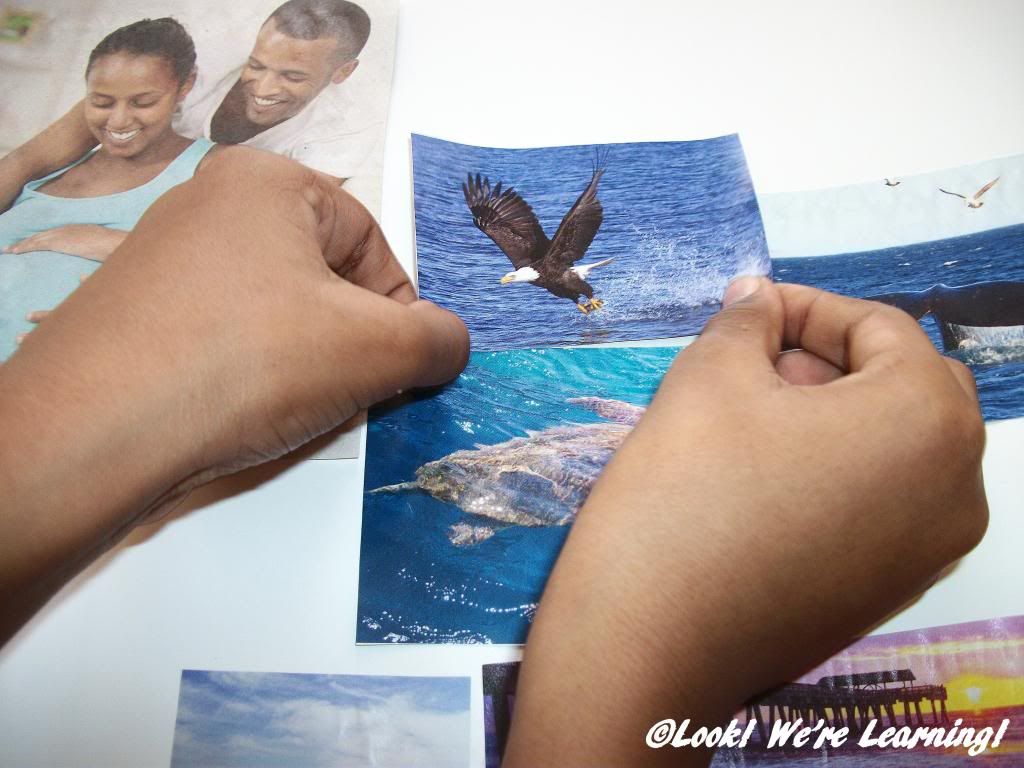
On one side of the collage, we focused on land. We used the other side for the beach and sea life.

Collage Making with Kids: Look! We're Learning!

I wouldn’t mind sitting in one of the rocking chairs on that deck right now.

Collage Making with Kids: Look! We're Learning!

And we’re finished! That looks like the kind of world I want to live in! 🙂

Today, we’re linking up with Red Ted Art’s Kids Get Arty linky! Be sure to stop by and get a look at the kids’ art projects shared by other bloggers!

How I Teach Fine Arts to My Kids with ADHD

January 17, 2014 by Selena Robinson 1 Comment

This post contains affiliate links. See our Disclosure Policy here.

It’s Friday and that means it’s time for the final post of our winter hopscotch on ADHD Learning! We’re ending the week with a look at how we teach fine arts to our kids with ADHD. If you’ve been following along for the past few days, you probably already know what’s coming: unit studies, activity, and field trips. 🙂

Kids Art Activities

Fine Arts for Kids with ADHD: Look! We're Learning!

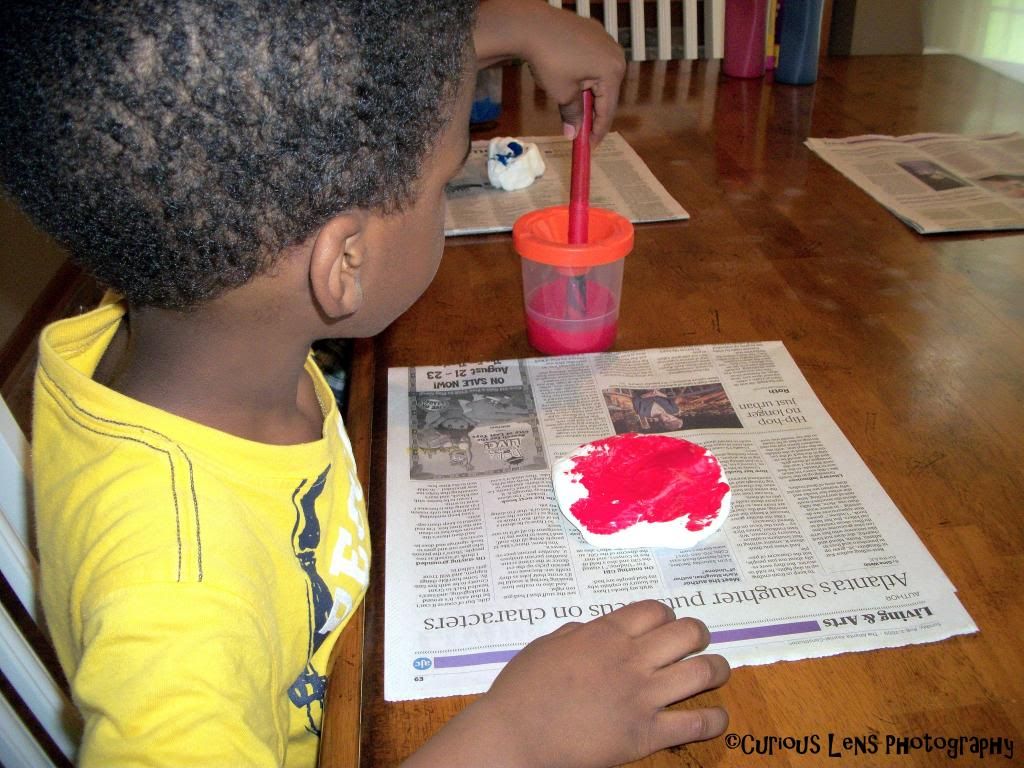
I cannot say enough about the value of letting kids experience art at an early age. I didn’t really paint or draw or use clay much as a child and, as a result, I didn’t think much about having our kids do so either. I would buy art supplies, but then they would just sit there because I didn’t want to deal with the mess of cleaning it up afterward. Eventually Jay said “Just put down newspaper and then teach them to clean up.” Problem solved.

Now it’s true that playing with Play-Doh or making flour clay does not qualify as “fine art”, but I feel like fine artists all started somewhere and that kids can always get structured art lessons as they get older. We don’t want to make them feel that “fine art” is something that is out of their reach, so we encourage them to explore art mediums and experiences whenever we can.

Fine Arts for Kids with ADHD: Look! We're Learning!

One way we encourage the kids to experiment with art is to paint with various items. We’ve used finger paint, paint brushes, and even kitchen sponges to create art. It’s been interesting for them (and us) to see that art can be made into anything with just about anything!

Unit Studies

Fine Arts for Kids with ADHD: Look! We're Learning!

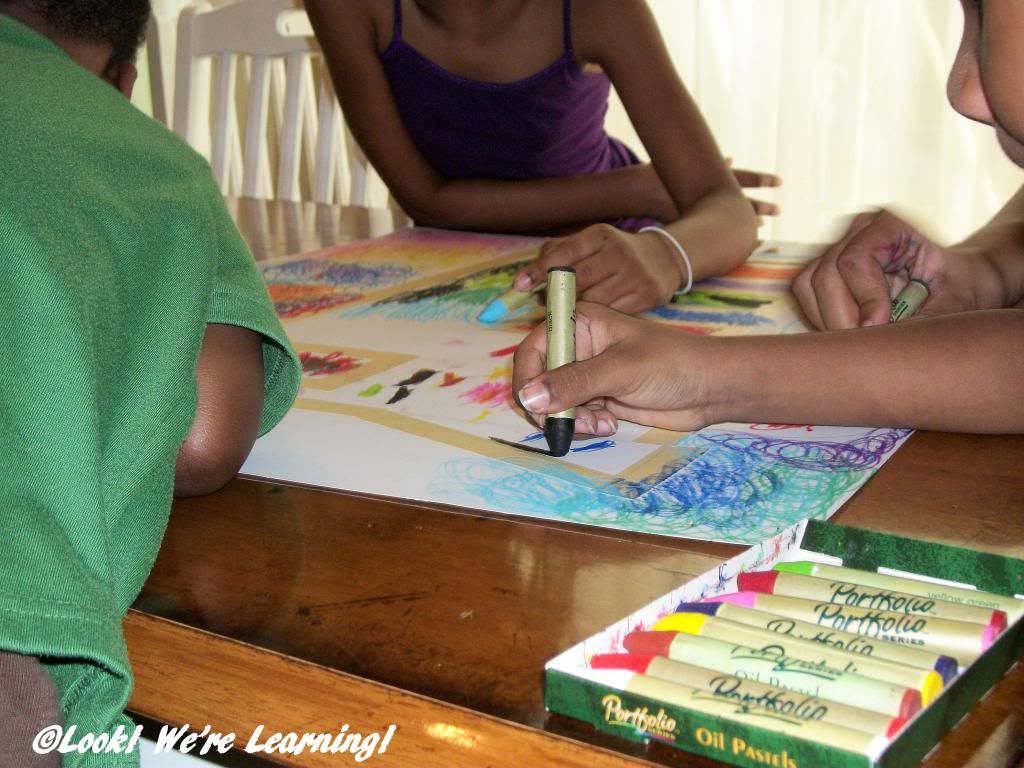
Yes, unit studies are making yet another appearance here…lol. When we cover a unit, we attempt to include at least one artistic activity – such as painting, drawing, coloring, or music. We got the chance to focus on transportation activities last summer and we created train wall art with pastels as a family. That idea was sparked by something we liked on Pinterest, so don’t discount the Internet when it comes to art inspiration!

Field Trips

Fine Arts for Kids with ADHD: Look! We're Learning!

Looking at the work of other artists is a superb way to help children (and adults) appreciate the power and flexibility of fine arts. It’s fascinating for them to see that, unlike many other subjects, fine arts can serve as an expression of anything. There are no rules to it at all, which makes it a great diversion from our more structured subjects.

At the same time, we notice and appreciate the skill levels of accomplished artists who dedicate themselves to improving their craft. It’s an interesting balance between freedom and discipline, which makes it a good metaphor for kids who want the independence of adulthood with the security of childhood. (We’re entering that phase with Tigger now.)

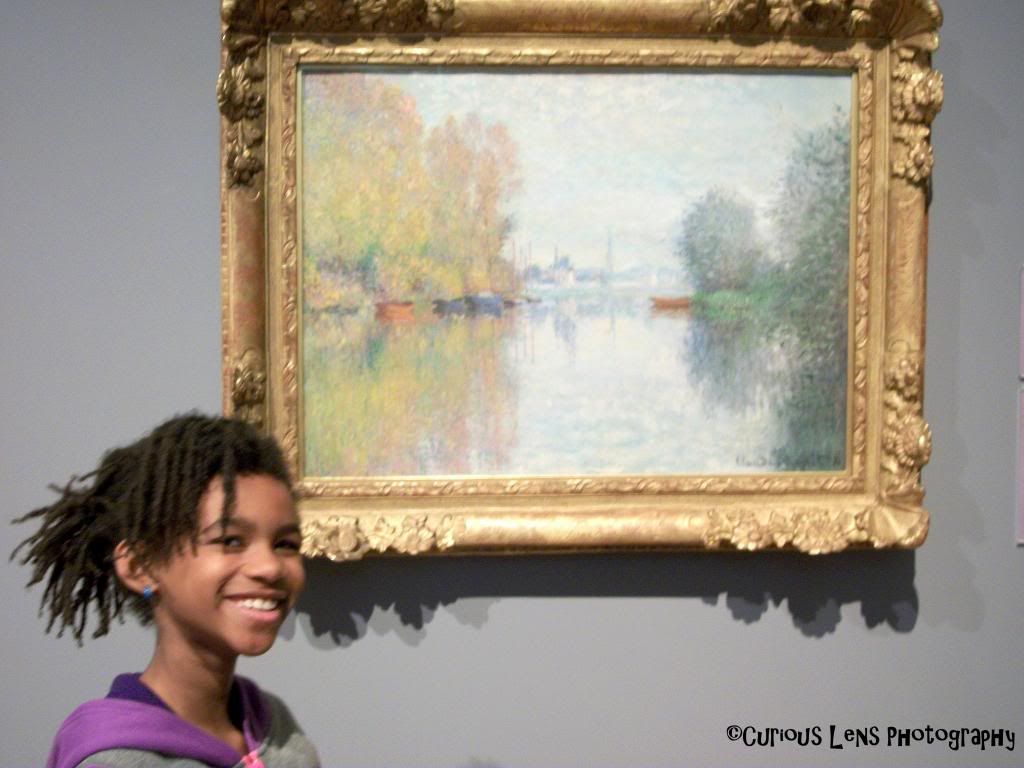
When we visited the High Museum of Art last spring, Tigger was surprised to find out that art is subjective – it’s open to just about any interpretation. Several times during the tour, she’d turn to Jay and I and ask us what a painting or sculpture meant. Nearly every time, we’d reply by asking her “What do you think it means?” She’d think about it and then guess. We were happy to see her trying to observe and think about the works herself, which helped to keep her attention on the tour.

Now that the kids are getting older, we’re looking to add more structured art lessons to our curriculum. So we picked up The Usborne Complete Book of Art Ideas from Amazon. Look for us to share our experiences with it soon!

The Usborne Complete Book of Art Ideas (Usborne Art Ideas)

We hope you’ve enjoyed this series on how we approach language arts, math, science, history, and fine arts for our children who have ADHD! If you have any questions or comments, we’d love to hear them below!

This post is part of the 2014 Winter Hopscotch hosted by iHomeschool Network! Be sure to stop by and visit our fellow bloggers to learn how they teach fine arts in their families!

Language Arts for ADHD Kids: Look! We're Learning!

How I Teach History to My Kids with ADHD

January 16, 2014 by Selena Robinson 3 Comments

This post contains affiliate links. See our Disclosure Policy here.

Hey y’all! It’s the fourth day of our ADHD Learning series and we’re on to how we teach history for our kids with ADHD! Have you noticed that we’ve been using the words: movement, unit studies, and books a lot? Well, they’re back again today. 🙂

History Timelines

History Lessons for Kids with ADHD: Look! We're Learning!

We’ve been eclectic homeschoolers for several years now, which means we take bits and pieces from several homeschooling philosophies. Strictly speaking, history timelines are generally a classical homeschooling method, because they stem from a sequential approach to learning history – that is, you learn everything in the order it happened.

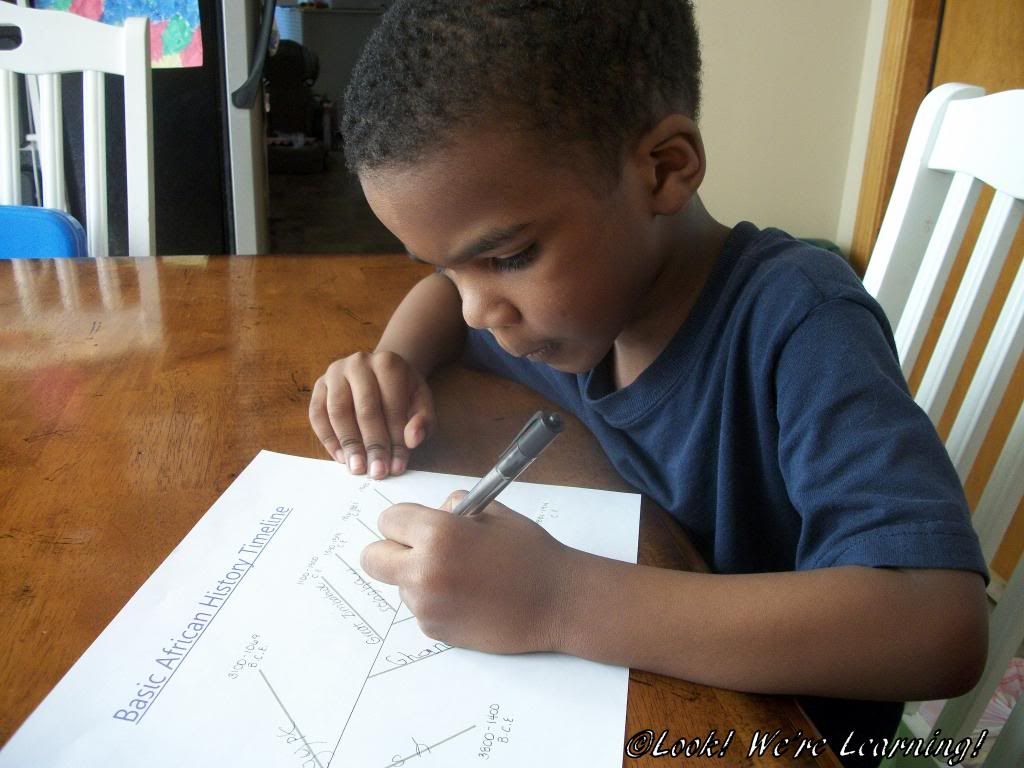
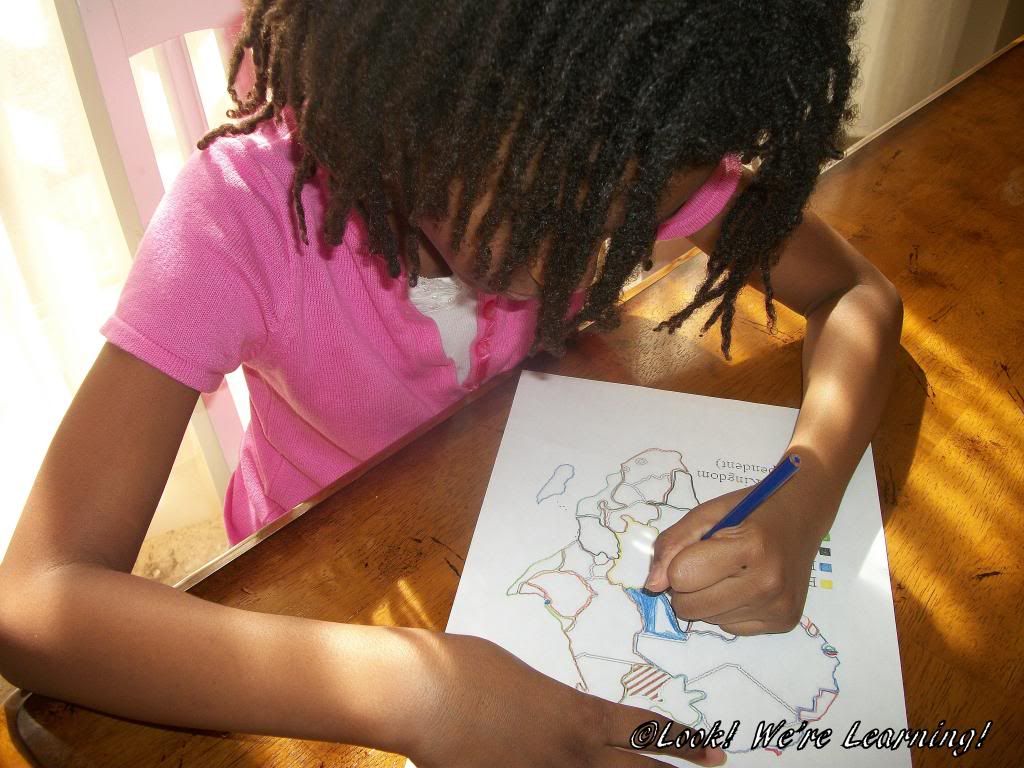
I actually love the classical history approach and we’ve used it fairly often with our kids. Whenever we cover a topic or an area of the world, we proceed in order and we make a timeline. We did a timeline in our study of Nelson Mandela to help the kids understand the events in his life. We also did an African kingdom history timeline in our African History series last year. Even Roo got involved in completing it!

History Unit Studies

History Lessons for Kids with ADHD: Look! We're Learning!

As with our other subjects, we try to incorporate history into our unit studies whenever possible. If the subject is a person, we look at his or her early life and career before we get into their famous accomplishments. If we’re covering an area, we try to examine the history of the region as a basis to understanding the particular events or people in it.

History Lessons for Kids with ADHD: Look! We're Learning!

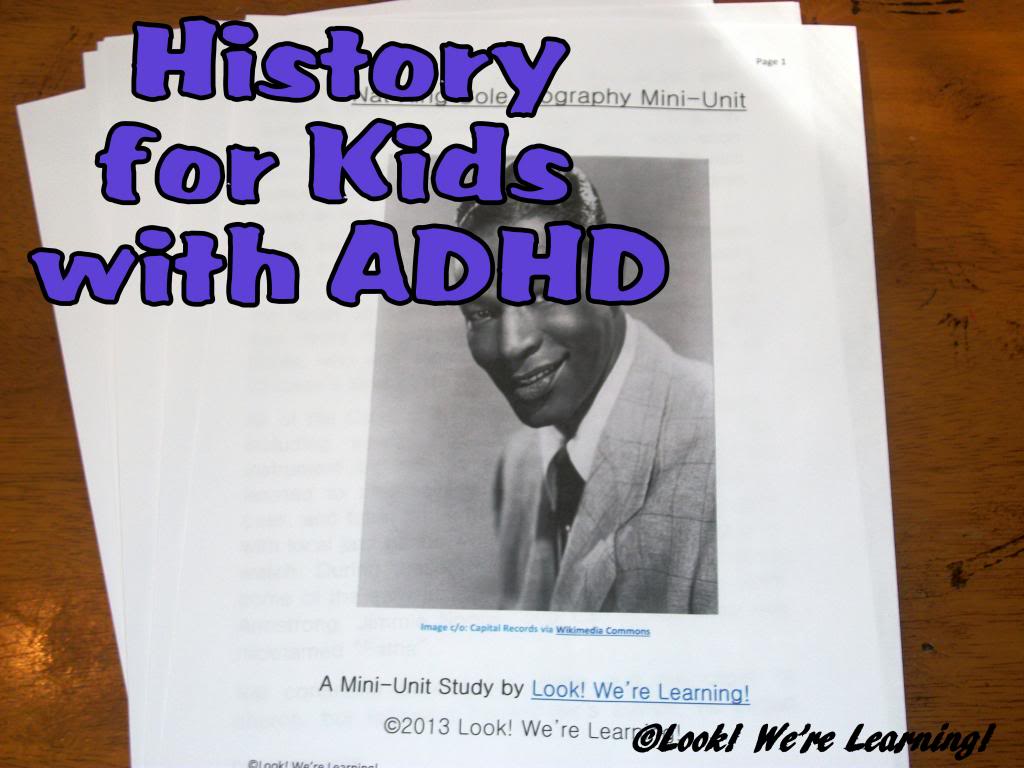
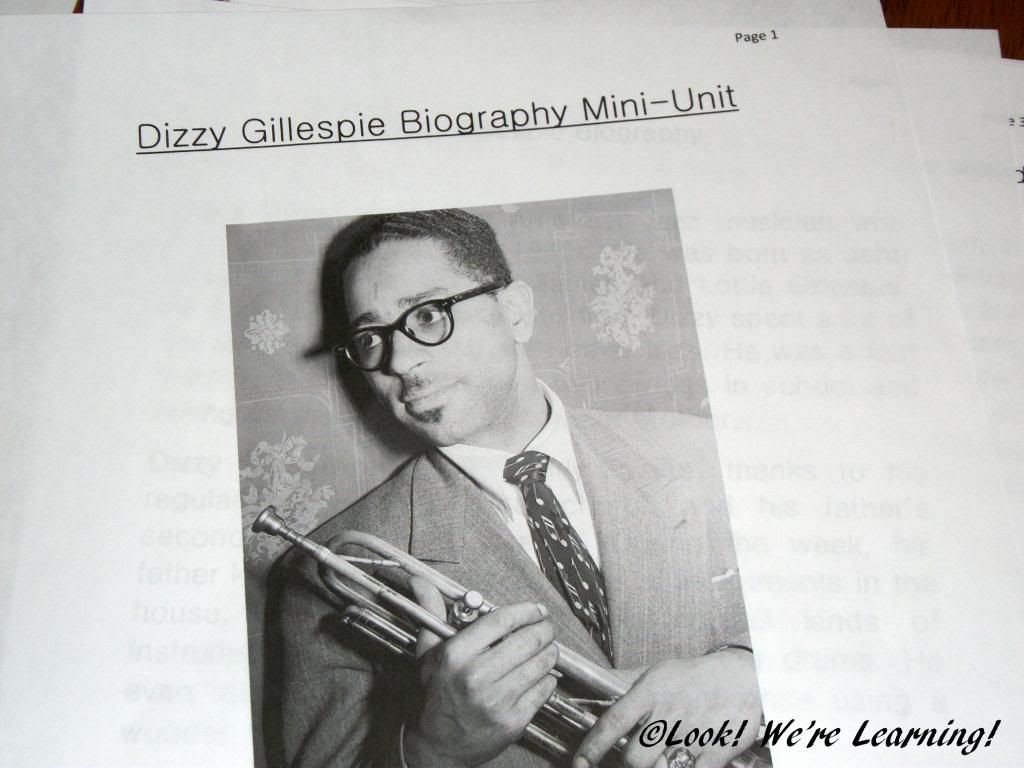
We’ve been covering the Living History series on the blog for the past few months and we’ve gotten to know a few famous musicians better by completing history units about their lives. We try to include a children’s book about the artist and then we create our own biography and activity pack for the kids to complete. If you’d like to see an example of our history unit studies, check out our Dizzy Gillespie printable mini-unit! We read the book “Dizzy” and then listened to his music while we completed the unit. The phrase “Salt Peanuts” became quite popular in our house for a while. 🙂

Dizzy by Jonah Winter

Field Trips

History Lessons for Kids with ADHD: Look! We're Learning!

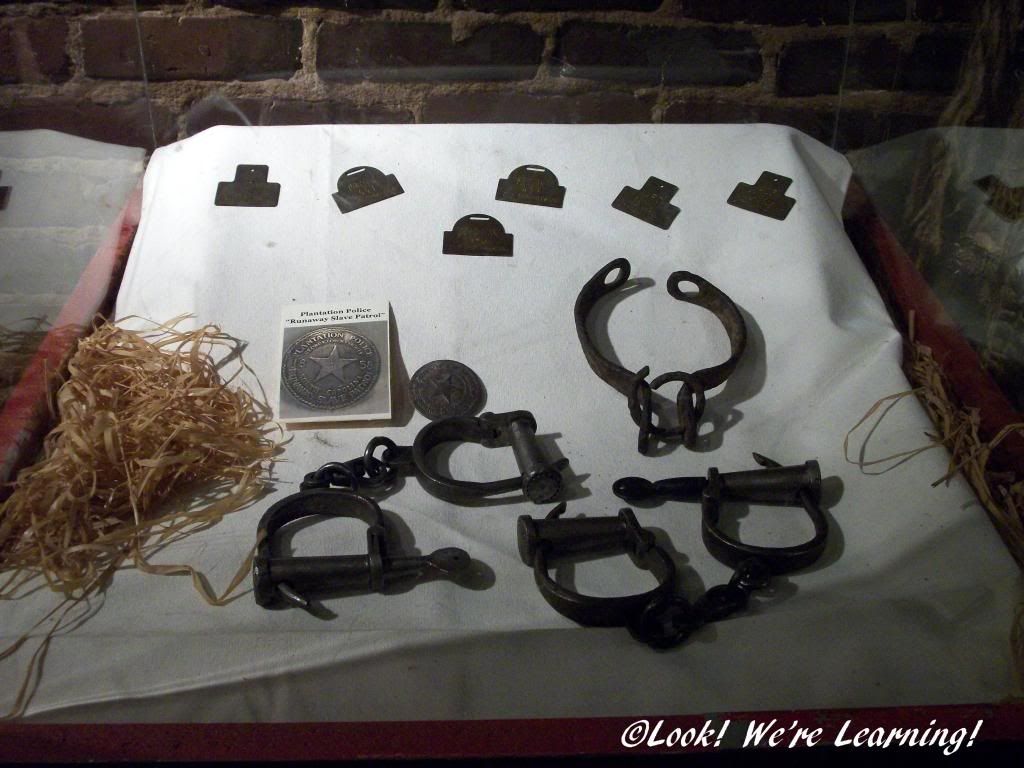
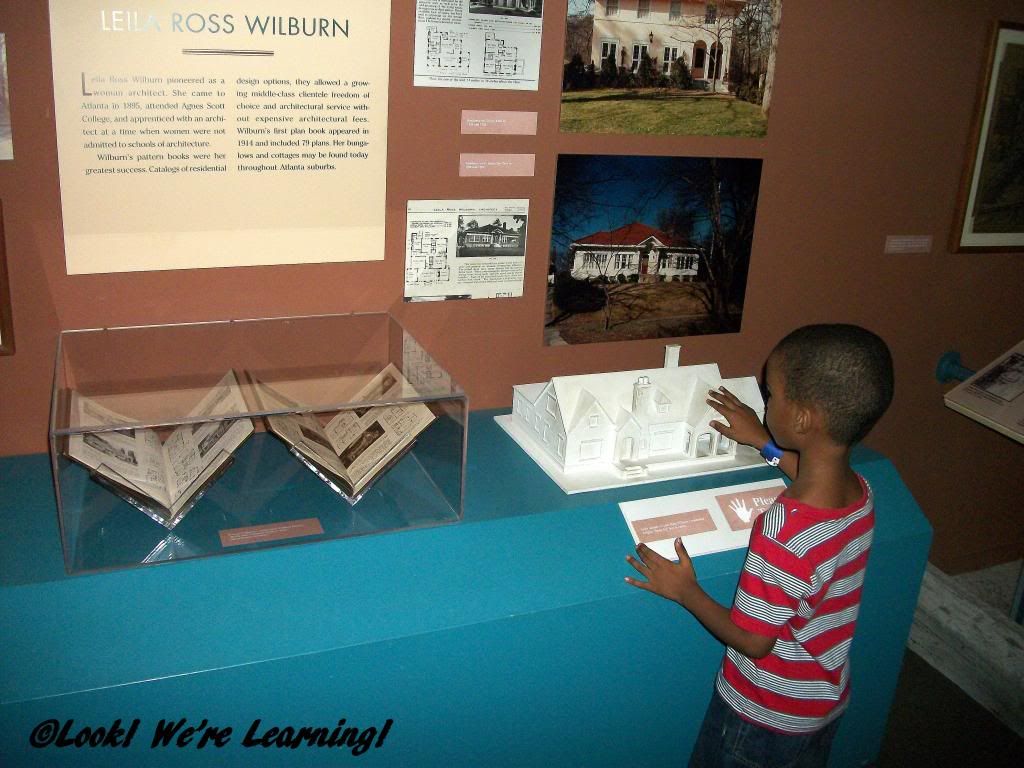
It’s easy for history to become very dull for kids, especially those who prefer to move around while learning. We’ve attempted to avoid this by getting our kids out to look at historical exhibits, rather than just listening to us talk about past events. As we learned about the history of slavery, we took a trip to the APEX Museum in Atlanta. Tigger, in particular, was interested to see that slavery really happened and that even children were affected. It definitely helped her relate to our lesson much easier.

History Lessons for Kids with ADHD: Look! We're Learning!

During a recent trip to the Atlanta History Center, the kids got to learn more about the history of northern Georgia. They even got to walk through a 19th-century cabin and see what life was like on an 1800s farm for themselves! They talked about that trip for several days afterward. 🙂
History Lessons for Kids with ADHD: Look! We're Learning!

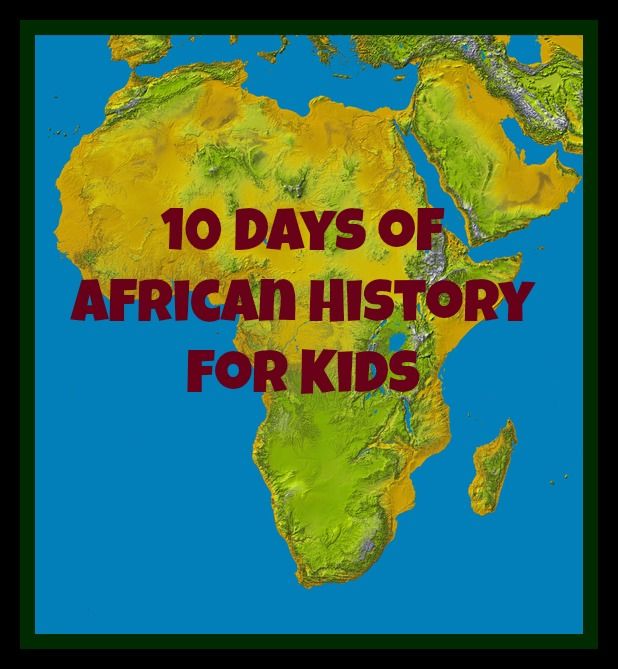
During our fall hopscotch, we held a 10-day series on African History for Kids that highlighted African empires, events, and movements. True to our unit study approach, we included books, crafts, cooking, and history in each lesson. Feel free to take a look and let us know what you think!

That wraps up our look at teaching history to kids with ADHD! We’ll be ending the series tomorrow with an overview of how we cover fine arts in our homeschool. We hope to “see” you here then!

This post is part of the 2014 Winter Hopscotch hosted by iHomeschool Network! Be sure to stop by and visit our fellow bloggers to learn how they teach history in their families!

Language Arts for ADHD Kids: Look! We're Learning!

How I Teach Science to My Kids with ADHD

January 15, 2014 by Selena Robinson Leave a Comment

This post contains affiliate links. See our Disclosure Policy here.

Happy Wednesday, y’all! We’re back with another look at how we teach our kids with ADHD – this time we’re focusing on the teaching methods we use to cover science.

Unit Studies

Science for Kids with ADHD: Look! We're Learning!

If you haven’t noticed yet, I’m basically a fanatic about unit studies. 🙂 We’ve completed several together and we’ve found them to be great ways to help the kids connect science concepts with other subjects. For an example, check out our unit study based on the movie The Aristocats. We managed to include geography, history, art, and biology in that one!

Experiments

Science for Kids with ADHD: Look! We're Learning!

Nothing makes active and kinesthetic learners happier than movement and we try to make that a constant in science class. One of the best ways to do this is by simple experiments. And I’ve found out that they don’t have to be outlandish experiments either. Plain old baking soda volcanoes will do just fine…lol.

Nature Study

Science for Kids with ADHD: Look! We're Learning!

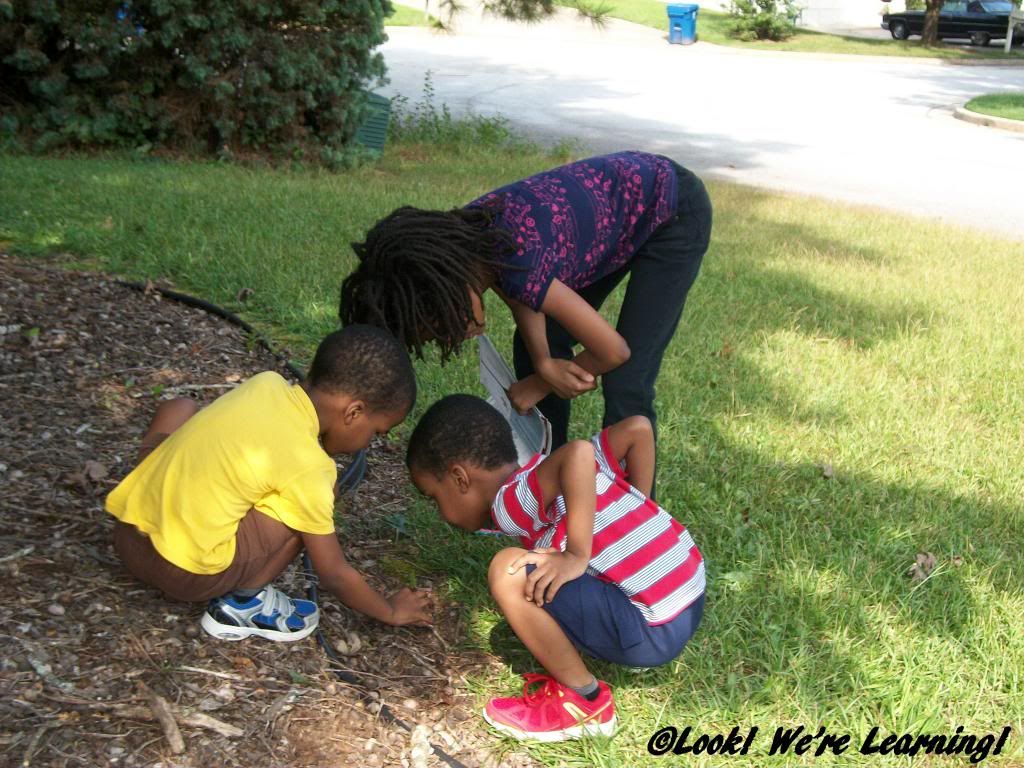
Whenever it’s possible, we try to take science class outdoors with a Charlotte Mason technique called nature study. As the name implies, you spend time studying science in the nature around your home. The idea of doing nature study was pretty overwhelming to me at first, so I was thrilled to try a simple program called Nature Study Printables for Toddlers and Preschoolers with Pooh and Roo a while back. We simply completed the activities and let the kids record their own observations. It was a big hit!

Interactive Work

Science for Kids with ADHD: Look! We're Learning!

This one, I have to say, was all my husband’s idea. When he covers science lessons with the kids that are from a textbook, he literally gets the words off the page by making the diagrams into interactive work. The picture above is one he drew from a diagram of the brain. As he covered the different parts of the brain and their functions, the kids found the matching labels and glued them in place. It was definitely a great way to help them understand the lesson. Just another reason why I’m thankful for a supportive homeschooling spouse!

Field Trips

Science for Kids with ADHD: Look! We're Learning!

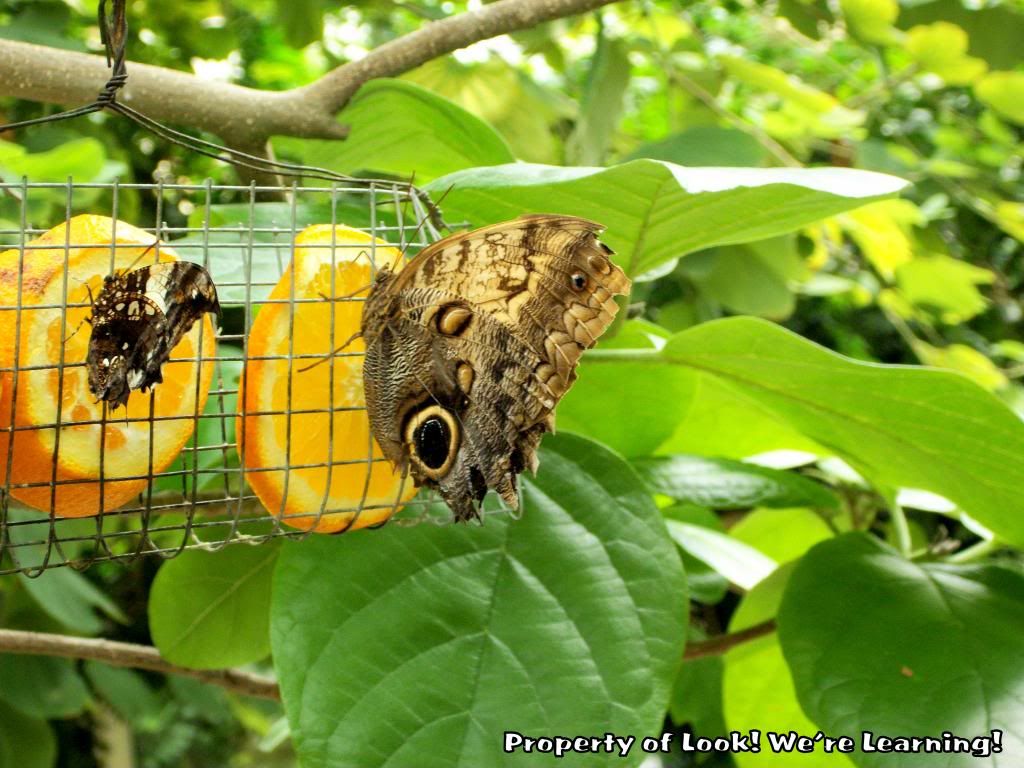
I would venture to say that our kids’ favorite way to learn science is by going on field trips. We’ve gotten to explore some great places, including aquariums, museums, and nature trails. One of the highlights of last year was a trip we took to Callaway Gardens. The kids got to learn about birds of prey, exotic plants, and butterflies without sitting at a desk!

During a recent trip to Zoo Atlanta, we introduced several other scientific concepts, such as taxonomy, reproduction, and ecosystems. Plus, it made for great family bonding time. 😉
That’s our approach to science! We hope to see you back tomorrow when we talk about history for kids with ADHD!

This post is part of the 2014 Winter Hopscotch hosted by iHomeschool Network! Be sure to stop by and visit our fellow bloggers to learn how they teach science in their families!

Language Arts for ADHD Kids: Look! We're Learning!

How I Teach Math to My Kids with ADHD

January 14, 2014 by Selena Robinson 2 Comments

This post contains affiliate links. See our Disclosure Policy here.

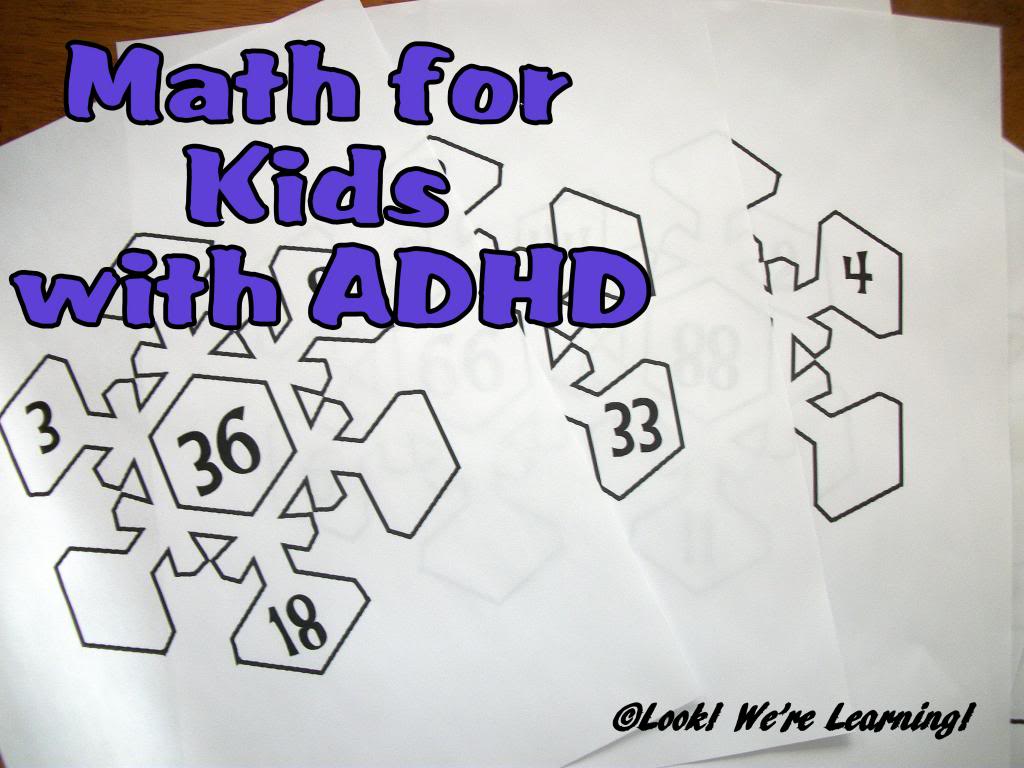
Hi everyone! We’re on to Day 2 of our Winter Hopscotch and we’re continuing with our theme of ADHD learning with a look at how we teach math in an ADHD-friendly way. Like with all of our subjects, we find that short lessons, movement, and multi-sensory learning are critical to helping our kids follow along and retain what they hear. Here are a few of the methods we use for teaching math in our homeschool.

Anchor Charts

Math for Kids with ADHD: Look! We're Learning!

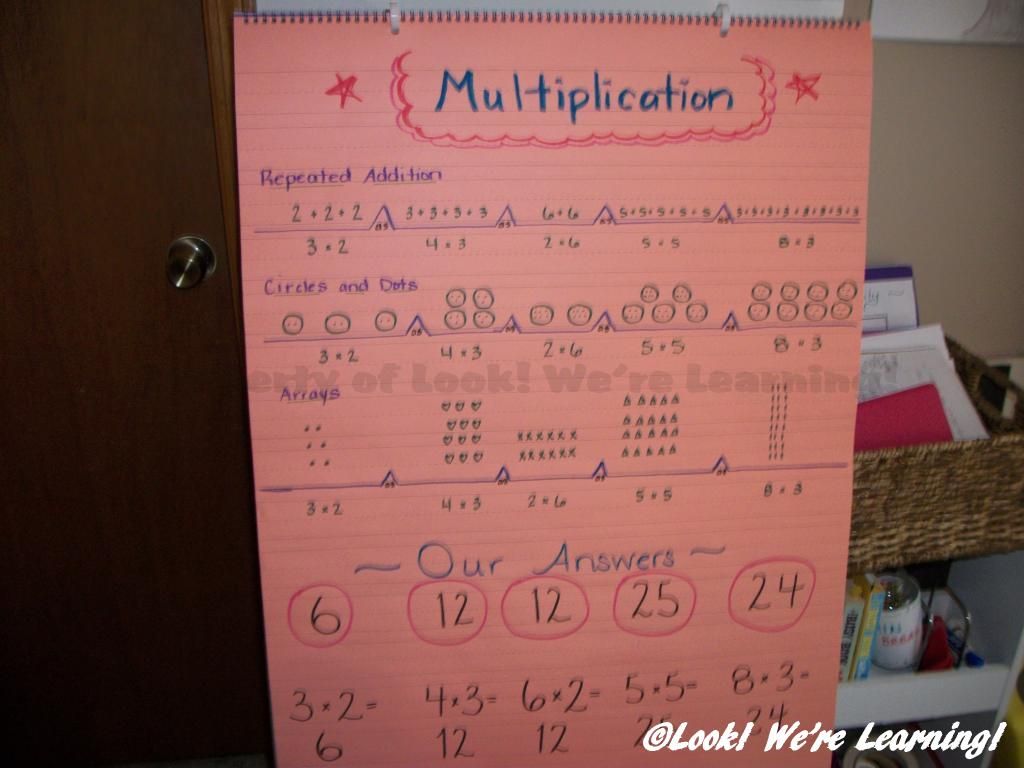
I’ve previously shared a post about my love for anchor charts, but they deserve another shoutout here. I’m a bit of a type A personality, so making detailed charts and graphs is right up my alley…lol. But we find them to be great for the kids, since they make it easy for them to visualize abstract concepts, especially those involving math. We used the above anchor chart to introduce Tigger to multiplication last year and it was much easier for her to grasp when she could see it represented visually.

Math Curriculum

Math for Kids with ADHD: Look! We're Learning!

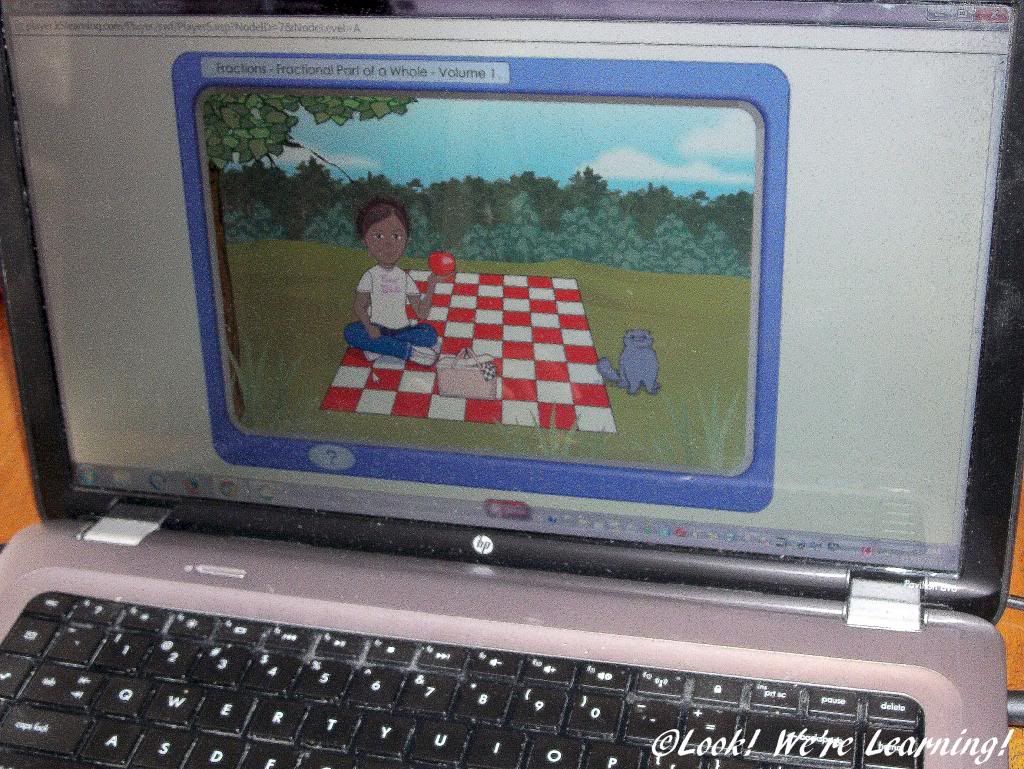
We don’t use packaged curriculum often, but math is a subject where we definitely find it best to follow a structured program. Tigger struggles with confidence in math and she tends to rush through concepts without taking her time to work through the steps or check her work thoroughly. Working with her on computer math software seems to help her become more involved in the process, so that she’s less likely to rush through it to get to something she’d rather be doing.

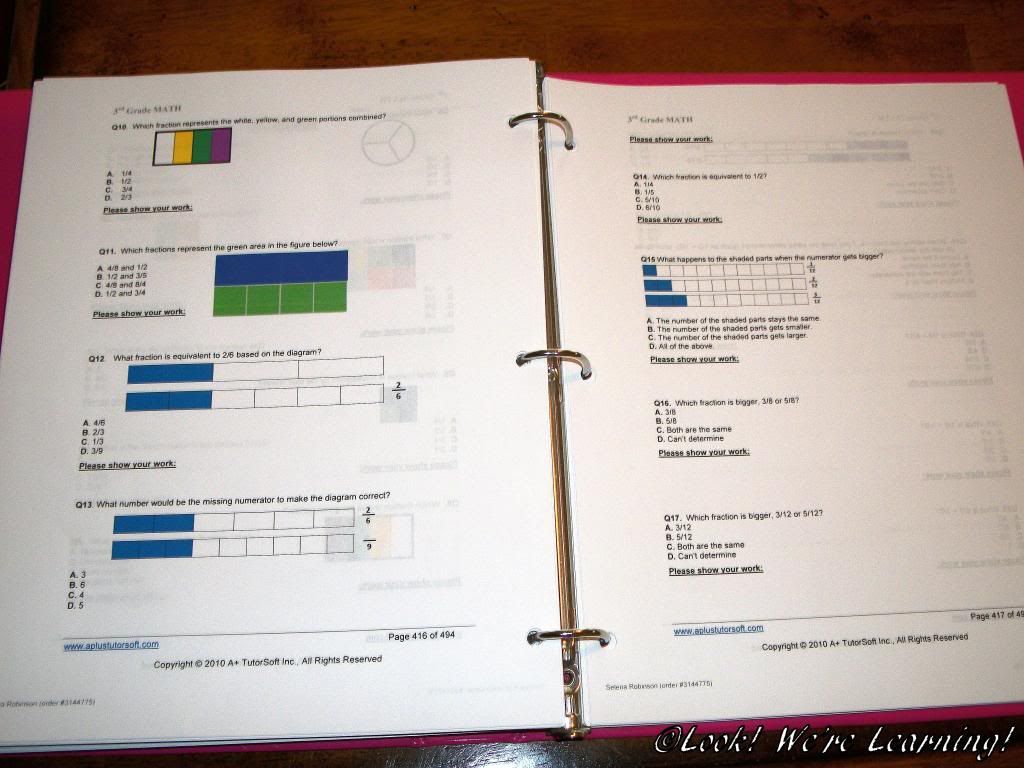
This year, we’ve been using A+ TutorSoft Math – both the printed version and the software – and we like the program a lot. It’s a very simple, uncluttered way to present facts without overwhelming her with too much information at once. The individual lessons are short, which keeps her from getting too intimidated to begin.

Math for Kids with ADHD: Look! We're Learning!

If you’d like to get a look at A+ TutorSoft Math programs for kids, you can visit the website by clicking the image above. You can even get a month-long trial of the online math program for homeschoolers absolutely free! If you decide to subscribe, be sure to use the coupon code LOOKWERE to save 20 percent! You can also pick up downloadable copies of A+ TutorSoft Math curriculum on Currclick.com!

Math for Kids with ADHD: Look! We're Learning!

A while back, we got a chance to try out K5 Learning, a supplemental online math and language program for kids. Tigger thoroughly enjoyed that program as well. It organized the math lessons into themed adventures that did such a good job of keeping her interested she forgot she was even doing schoolwork. 🙂

Math for Kids with ADHD: Look! We're Learning!

You can grab a free 14-day trial of K5 Learning by clicking the link above!

Math Storybooks

Math for Kids with ADHD: Look! We're Learning!

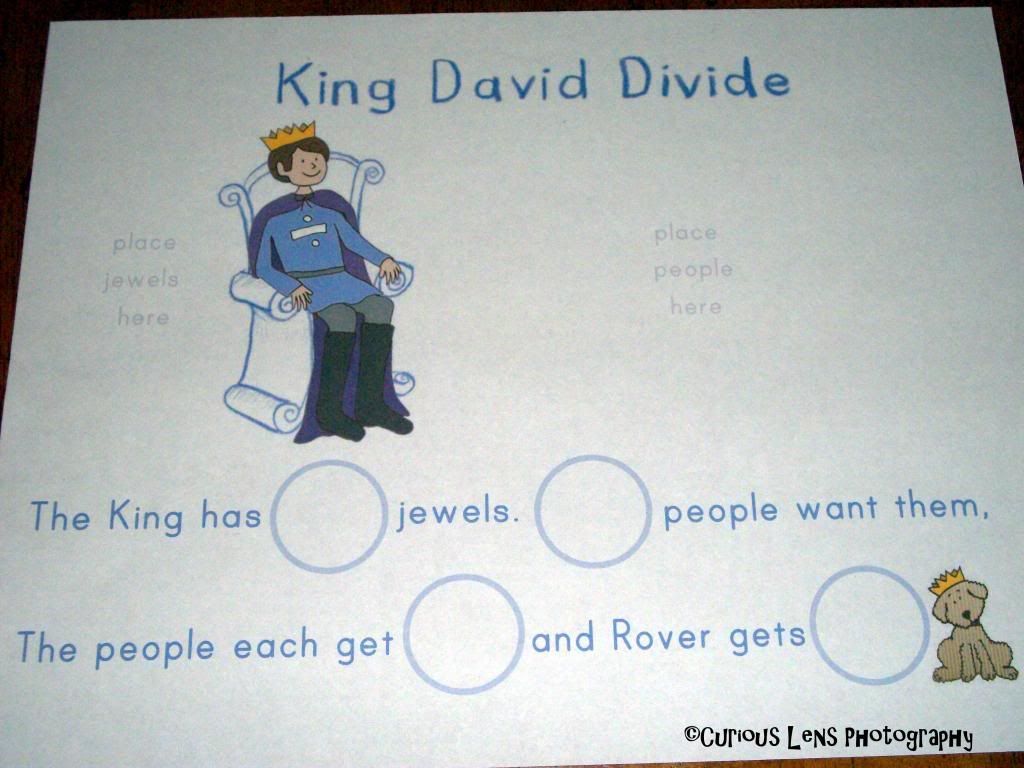
As I mentioned yesterday, we love to read in our family! We keep that thread going with books and stories that involve mathematics as well. Arithmetic Village offers a very nice set of downloadable math storybooks that is absolutely free! We reviewed them a while back and our kids just loved reading the stories and learning how to multiply and divide! Even Roo, our four-year-old ended up doing a division problem on the board after reading the stories. 🙂
Math Manipulatives

Math for Kids with ADHD: Look! We're Learning!

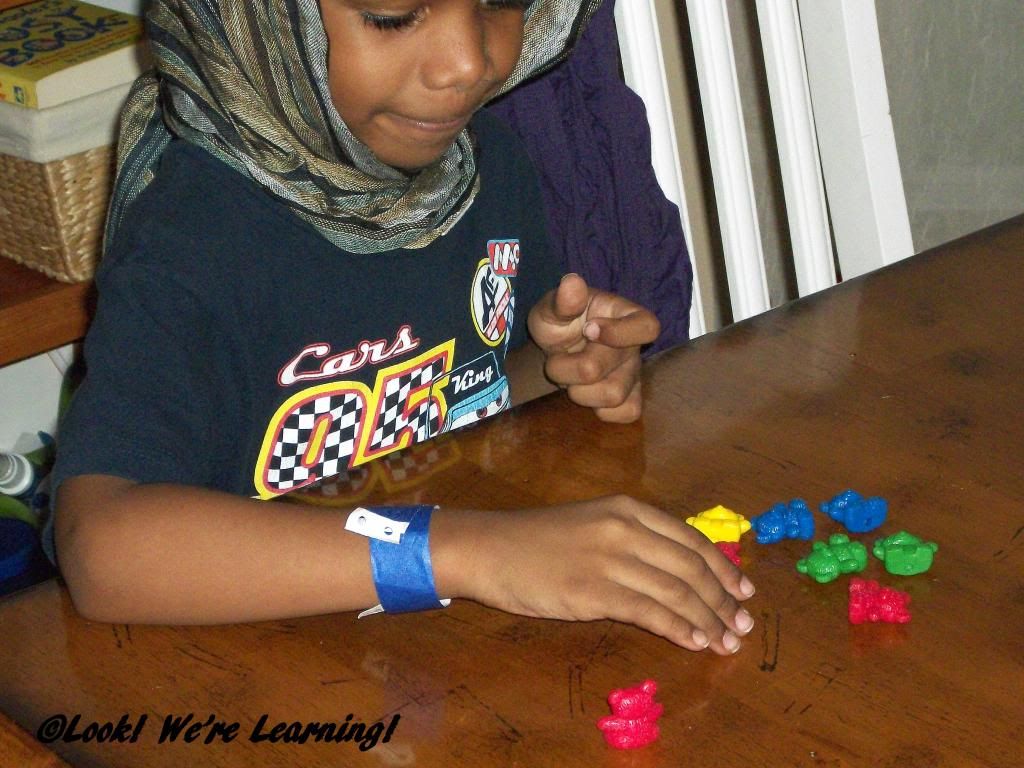
We also make use of math manipulatives with our children. Counting bears, Unifix cubes, and snap cubes are all useful for giving active kids a way to “see” the math problem and involve their sense of touch during the lesson. All of our kids, even Tigger, prefer to use manipulatives as they work on problems.

Unifix Cubes (100 count)

Baby Bear Counters (102 ct.)

We also put together a short video a while back about how we specifically focus on third grade math for Tigger, which you’re more than welcome to view below!

And that’s how we teach math in our homeschool! We’ll be covering science tomorrow, so feel free to come back and see how we approach science with our active learners!

This post is part of the 2014 Winter Hopscotch hosted by iHomeschool Network! Be sure to stop by and visit our fellow bloggers to learn how they teach math in their families!

Language Arts for ADHD Kids: Look! We're Learning!

How I Teach Language Arts to My Kids with ADHD

January 13, 2014 by Selena Robinson 2 Comments

This post contains affiliate links. See our Disclosure Policy here.

Good morning! Today we’re beginning a five-day series on teaching school to kids with ADHD. As you might know, we’re homeschooling at least one child with ADHD (and possibly more), so we try to accommodate their learning styles throughout our lessons.
In fact, one of the biggest reasons why we stick with homeschooling is that we don’t want to use ADHD medication (yet), so we really work to adapt our curriculum to make it more ADHD-friendly. That means short lessons, variety, and lots and lots of movement. Throughout this series, we’ll be mentioning those three factors again and again.

Regular Reading

Language Arts for Kids with ADHD: Look! We're Learning!

A big part of our language arts curriculum is reading. We read to and with our kids every day. We’ve shared our homeschool reading list for this year previously. Our 9-year-old, who has been diagnosed with ADHD, began reading at age 3. Our boys, ages 5 and 4, are also reading, though they started a little later than her.

Honestly, we haven’t used many structured reading programs with our children, at least not to get them started reading. We do, however, use some reading programs to help them improve their skills.

Phonics Practice

Language Arts for Kids with ADHD: Look! We're Learning!

One program we’ve used this year is Reading the Alphabet, which we reviewed a while back. It’s a great, affordable program that lets kids practice phonics while completing lots of sight word activities, which makes it perfect for ADHD learners! You can pick up the entire program for just $10 below!

Language Arts for ADHD Learners: Look! We're Learning!

Reading the Alphabet Early Reading Program

Visiting the Library

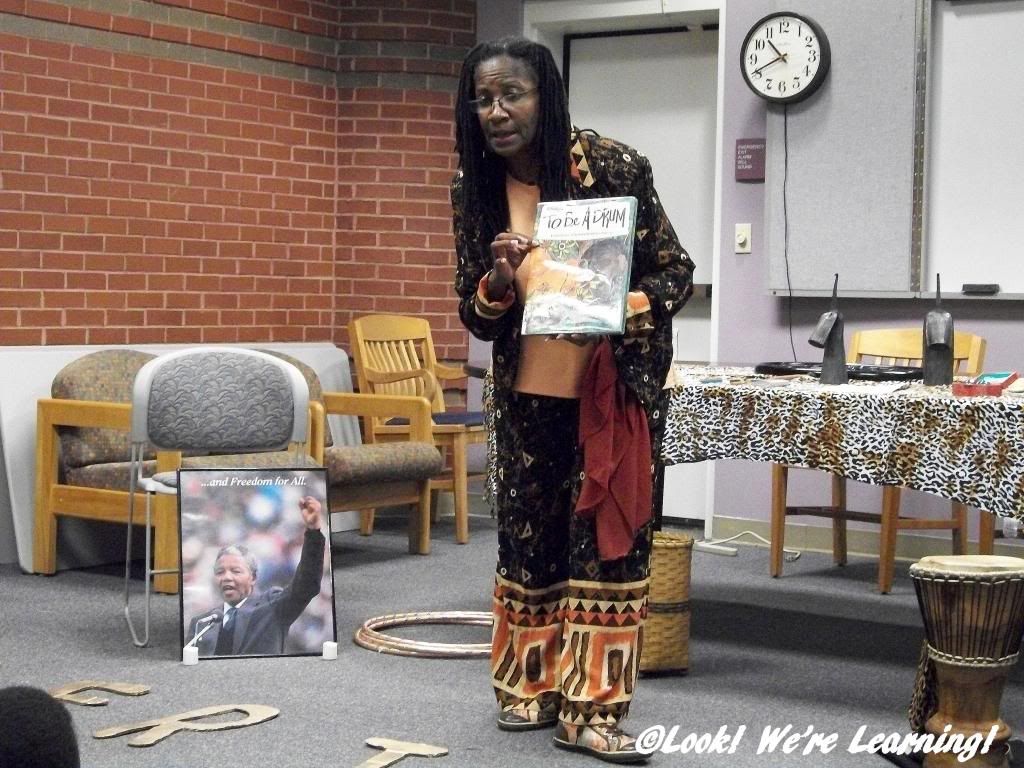
Another way that we try to make reading fun for the kids is by regular visits to the library. All of the kids love going inside, picking out their own books, and bringing them home. In fact, on occasion, we’ve gotten to attend live storytelling sessions, such as an African storytelling performance we got to experience a while back.

Language Arts for Kids with ADHD: Look! We're Learning!

Hearing books read aloud with feeling and movement seems to help the kids get involved in the stories and “see” the events as real life, not just words on a page. When we engage more than one sense with our kids, they seem to stay interested for a longer period of time. (A big issue for most people with ADHD)

Physical Movement

Language Arts for Kids with ADHD: Look! We're Learning!

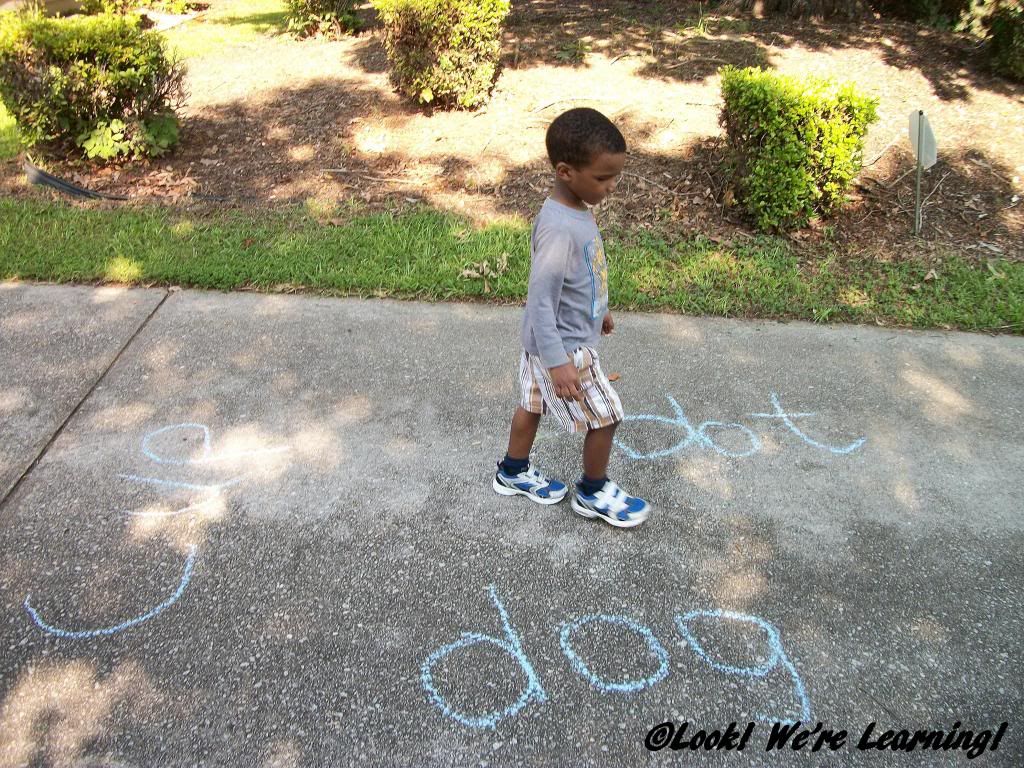
As I mentioned earlier, movement is a big part of our homeschooling lessons. With Roo, we did a Sight Word Stomp activity last summer that involved reading, running, and writing with sidewalk chalk. It was a huge hit! But really, any time we can add a physical activity into a lesson, we find that the kids remember it better.

Unit Studies

Language Arts for Kids with ADHD: Look! We're Learning!

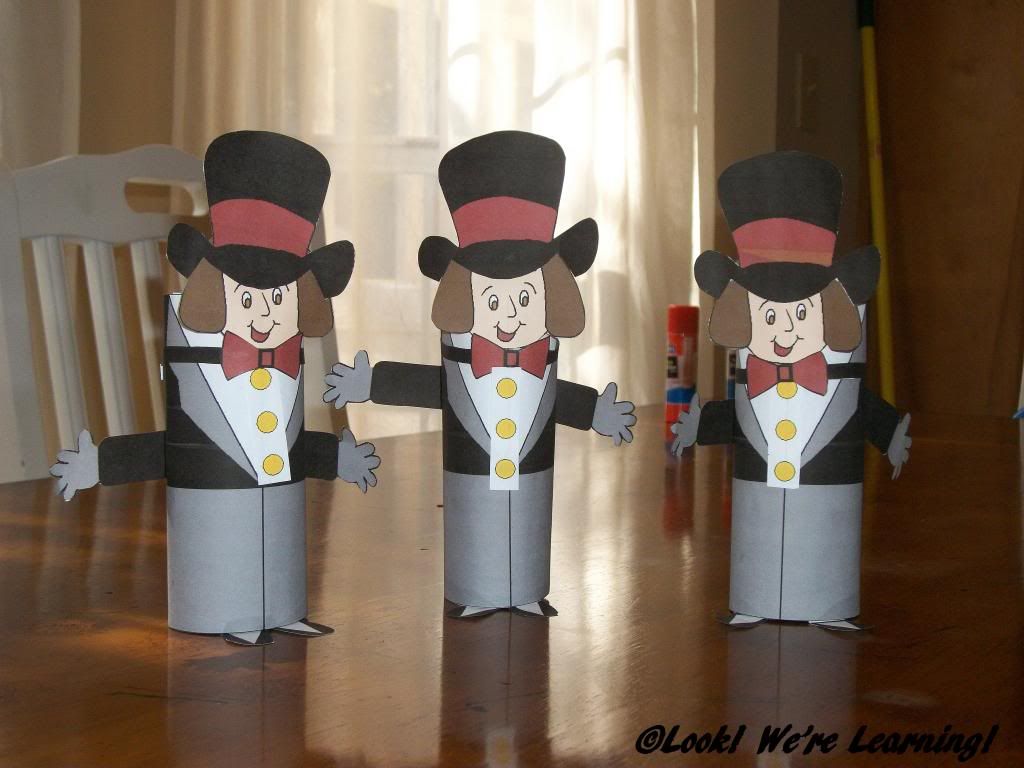
Unit studies are a huge part of our homeschooling lessons. And a big reason why we love them so much is that they are perfect opportunities to add art, crafts, music, movies, and play into our curriculum. When we cover a chapter book on our reading list, we turn it into a unit study that involves a craft project, a movie (if possible), and some food. We did something like this with our Charlie and the Chocolate Factory unit from earlier this school year.

Games and TV

Language Arts with ADHD: Look! We're Learning!

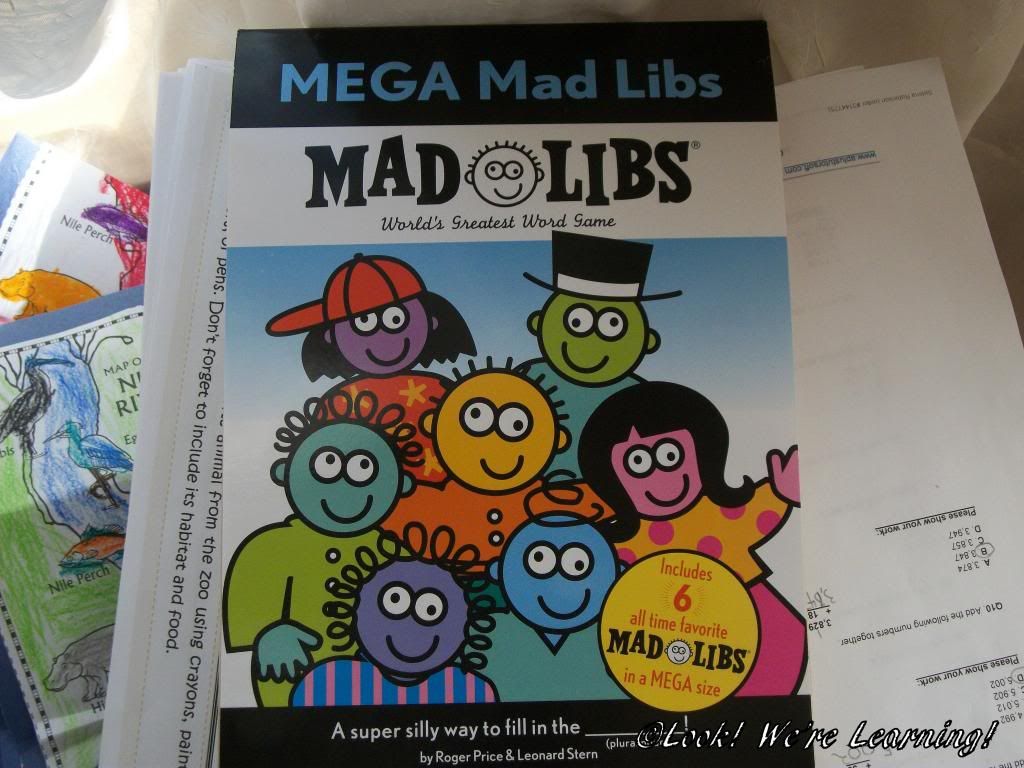
On a day when a structured language arts lesson just isn’t cutting it, we are not above resorting to games. We’ve used MadLibs to teach parts of speech and the kids were so excited to come up with outlandish verbs, adjectives, and nouns that they forgot we were having class!

Super Silly Mad Libs Junior

Kid Libs (Mad Libs)

We also love to use songs and television programs to reinforce language arts skills. Our three oldest kids have memorized several of the grammar songs from SchoolHouse Rock and we use them to remind them of their essential grammar concepts. One of their favorites is the “Verb Song”. (I have been known to sing along to this one myself.)

Schoolhouse Rock! (Special 30th Anniversary Edition)

And that’s a look at how we teach language arts to our kids with ADHD! With these and other resources, we manage to keep them interested and engaged in our lessons, which is a big help to their comprehension. Be sure to stop by tomorrow to see how we teach math to our ADHD learners!

This post is part of the 2014 Winter Hopscotch hosted by iHomeschool Network! Be sure to stop by and visit our fellow bloggers to learn how they teach language arts in their families!

Language Arts for ADHD Kids: Look! We're Learning!

12 Months of Sensory Dough: Foam Dough

January 12, 2014 by Selena Robinson 2 Comments

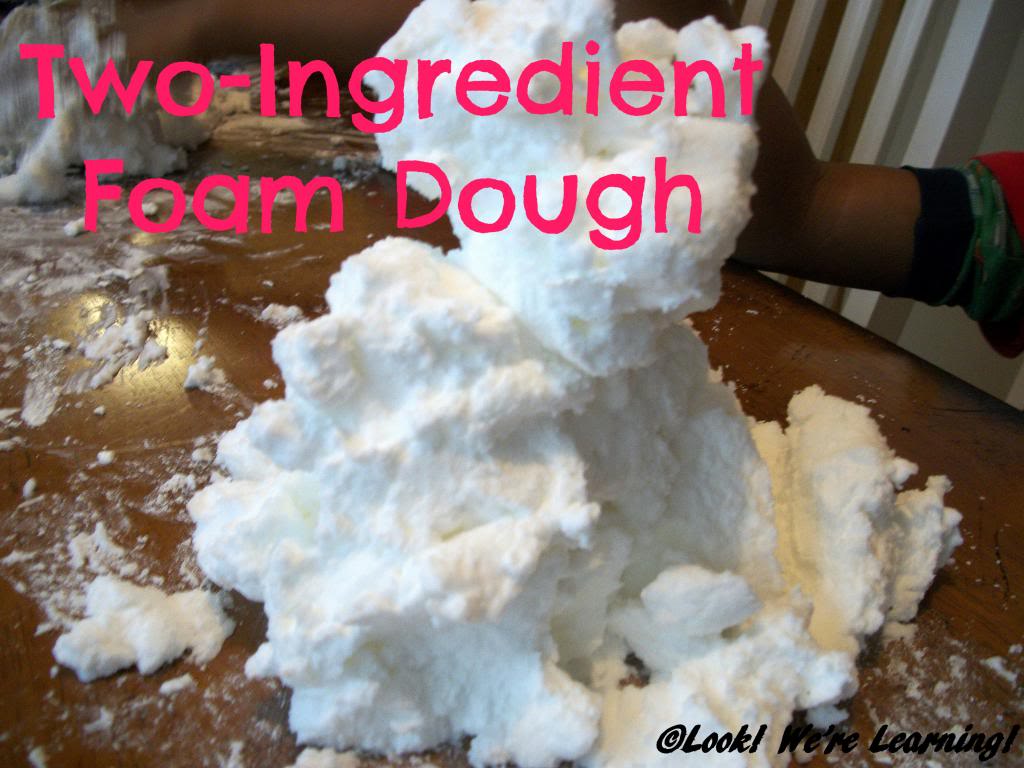
Two Ingredient Foam Dough: Look! We're Learning!

Foam Dough Recipe: Look! We're Learning!

Hey everyone! It’s time for our 12 Months of Sensory Dough linkup! Every month, I’m honored to co-host this linky with 11 other bloggers, including Dayna at Lemon Lime Adventures, Val & Alex at Glittering Muffins, Devany at Still Playing School, Sarah at Little Bins for Little Hands, Kimberly at Natural Beach Living, Melissa Ann at The Eyes of a Boy, Nicolette at Powerful Mothering, Amy at Wildflower Ramblings, Rachel at I Heart Crafty Things, Michelle at Delightful Learning, and Jennifer at The Life of Jennifer Dawn!

This month, we’re all focusing on foam dough. I got a great recipe for two-ingredient foam dough on Instructables and we decided to try it out with the kids. On Friday, we shared our unit study based on the movie “The Aristocats” and our foam dough activity was our own kid-friendly sensory version of Plaster of Paris. Without the actual work and serious mess, though. 🙂

Two Ingredient Foam Dough: Look! We're Learning!

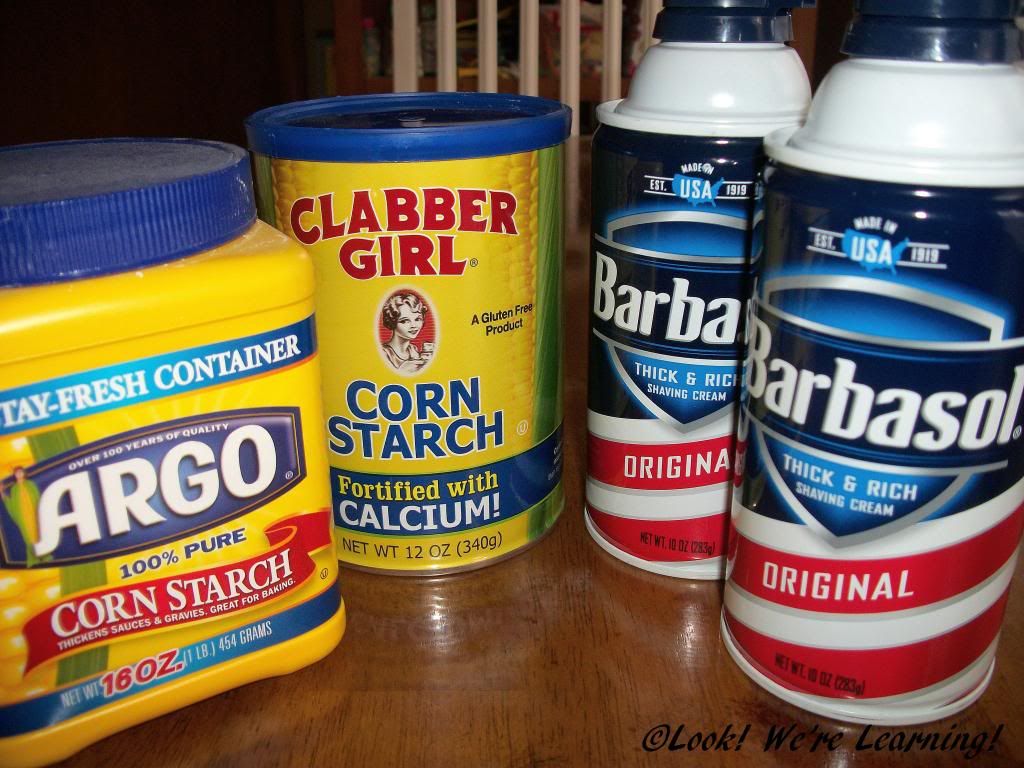
As the recipe shows, this foam dough literally requires two ingredients: cornstarch and shaving cream. That’s it.

Two Ingredient Foam Dough: Look! We're Learning!

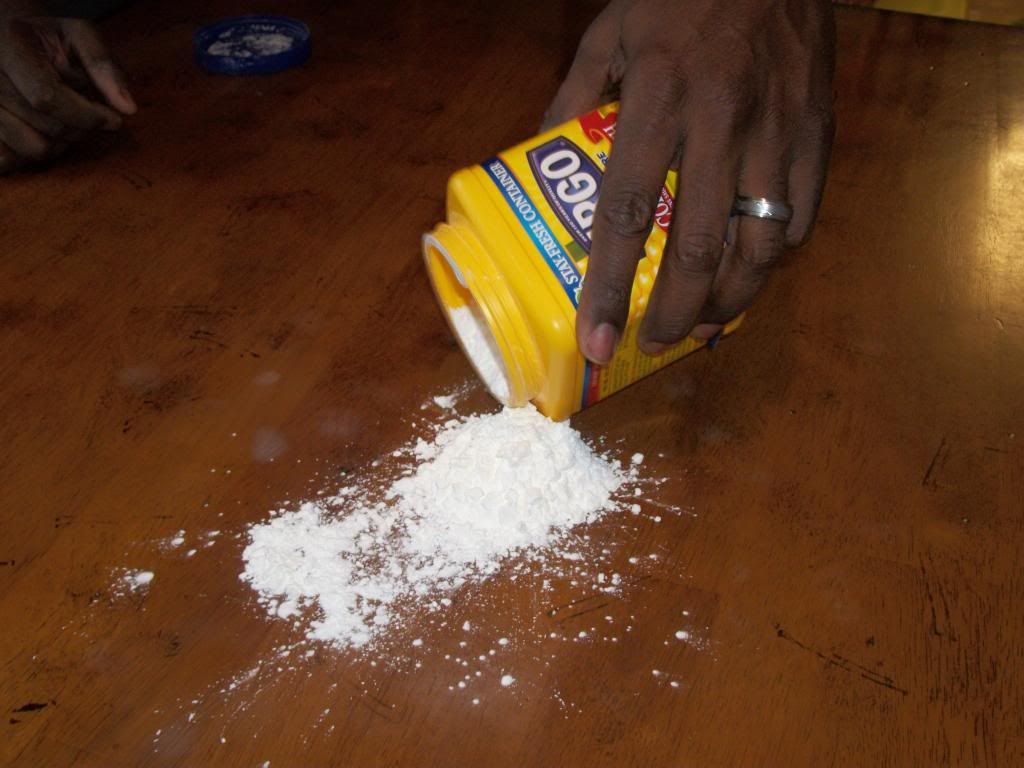
We poured the cornstarch onto the table – slowly. Don’t dump it all out at once, unless you like not being able to breathe…lol.

Two Ingredient Foam Dough: Look! We're Learning!

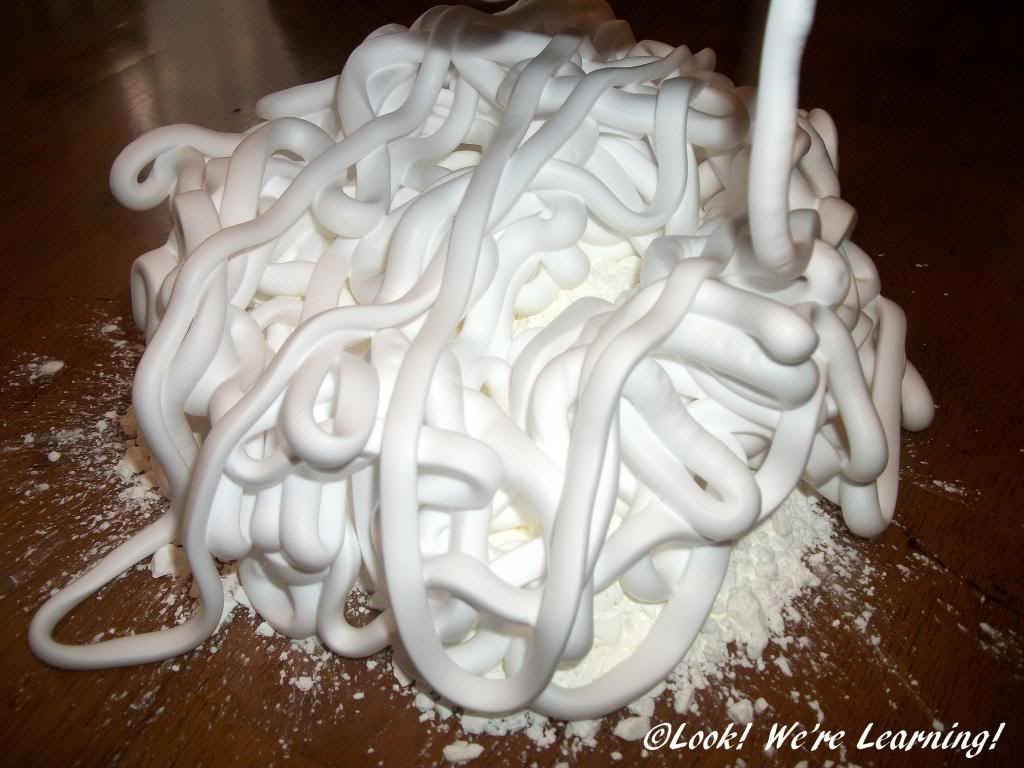
Then we added the shaving cream. You know, it’s not until you actually squeeze out an entire can of shaving cream at once that you realize just how much is in each can.

Two Ingredient Foam Dough: Look! We're Learning!

We went a little bit crazy with the shaving cream. 🙂

Two Ingredient Foam Dough: Look! We're Learning!

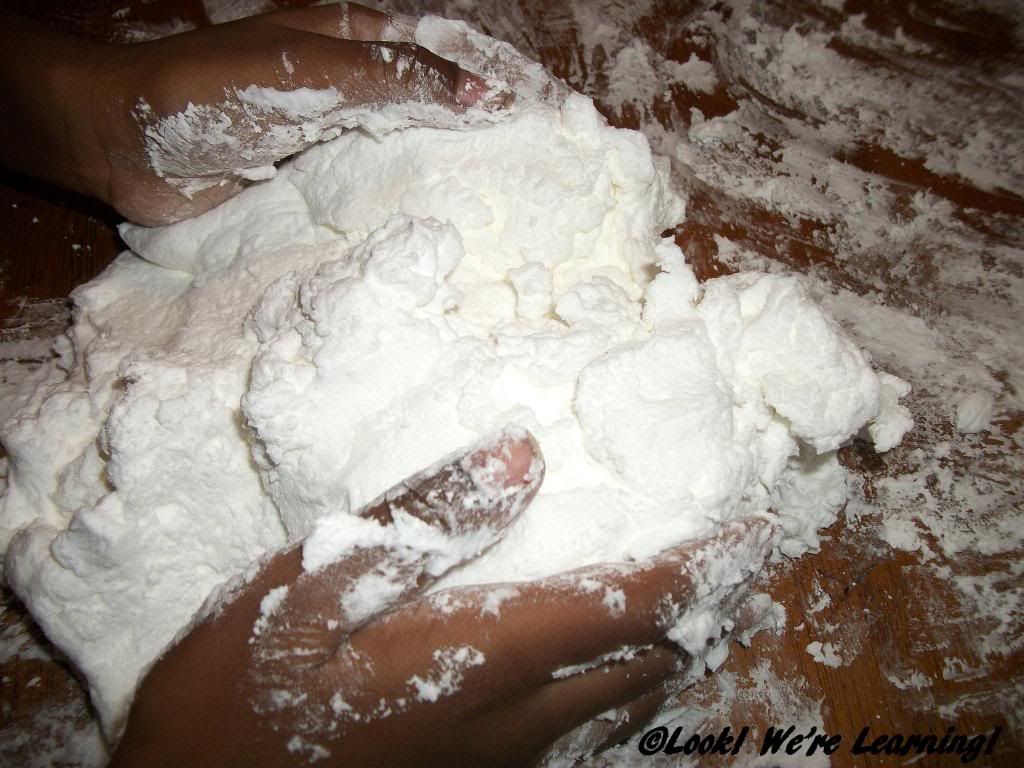
The interesting thing about making this dough is that when you first start to combine it, it looks like the cornstarch won’t stick to the shaving cream. We ended up using a rubber spatula to combine it. But the longer you work with it, the firmer it becomes.

Two Ingredient Foam Dough: Look! We're Learning!

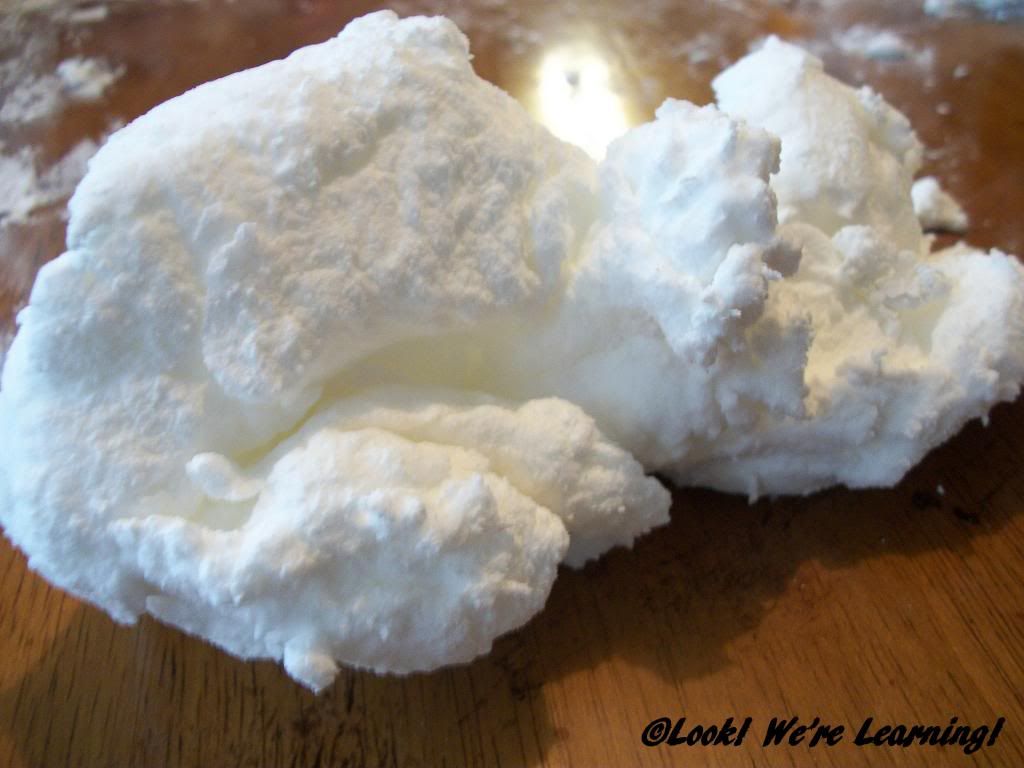
Until, eventually, you have foam dough!

Two Ingredient Foam Dough: Look! We're Learning!

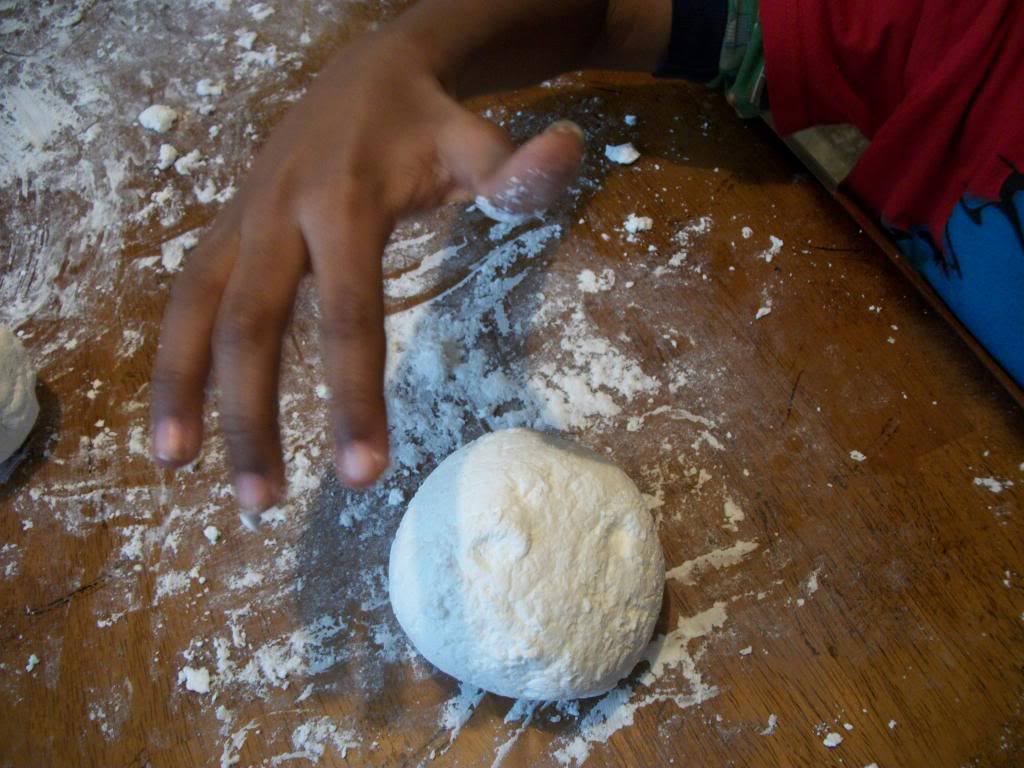
Interestingly, Jay decided to add a bit of water to his batch. At first, it got slippery, but as he worked it, it got firmer and firmer until it was almost solid like chalk. The kids did the same thing and thought it was very, very cool.

It seems like if you were to add enough water and form the dough into a shape, you could probably actually make a sculpture – like you could with real Plaster of Paris. Just don’t expect it to last as long…lol.

Two Ingredient Foam Dough: Look! We're Learning!

What I really liked about this recipe is that it’s fairly easy to clean. When we were done, we just took a wet cloth and wiped the table down. Easy peasy!

We’d love to see your foam dough experiments! Feel free to share your foam dough fun below!

Please read the following guidelines before linking up.

Share family-friendly posts related to the month’s theme. Feel free to link old or new posts that highlight your favorite recipes for sensory dough. Failures and unsuccessful attempts are welcome.
We ask that no posts are linked with copy/paste recipes from other sources. If you use a recipe from another source, please link back to the original recipe.

By linking up, you give permission to share your post and one photograph in future posts and through social media channels.

Visit 2-3 other posts that others have shared. Discover new ideas and meet new friends!

The linky will remain open for two weeks. On the 12th of each month, all co-hosts will post a new dough with their spin, highlighting at least one post from the month before and pin each post to the 12 Months of Sensory Dough Board.

If you would like to, please grab the 12 Months of Sensory Dough button for your blog. And be sure to stop by and visit our co-hosts to get their take on the featured dough for the month!

Lemon Lime Adventures


  • « Previous Page
  • 1
  • …
  • 32
  • 33
  • 34
  • 35
  • 36
  • …
  • 38
  • Next Page »
Hi! I'm Selena, a veteran teacher and homeschool mom to four. I'm so glad you're here!
About Me Contact Terms of Use Privacy Policy Places I Share
Facebook Pinterest Instagram
Homeschool Printables Unit Studies Shop the Store
Copyright ©2026, Look! We're Learning!. All Rights Reserved. Design by Pixel Me Designs