Look! We're Learning!

Early Learning. Happy Teaching.

  • Shop
  • Printables
  • Homeschool
  • Crafts
  • Parenting
  • Blog

How to Teach Your Child to Read In 7 Easy Steps

December 10, 2018 by Selena Robinson Leave a Comment

Learning to read is one of the most important and celebrated milestones in education. And with good reason! If you can read, you can do anything else you want in life.

If we want our kids to become readers for life, though, we have to start teaching them to love reading while they’re young.

There are a lot of excellent books on how to teach your child to read, but after raising four readers in our family, I’ve learned that teaching a child to read doesn’t have to be a complicated event.
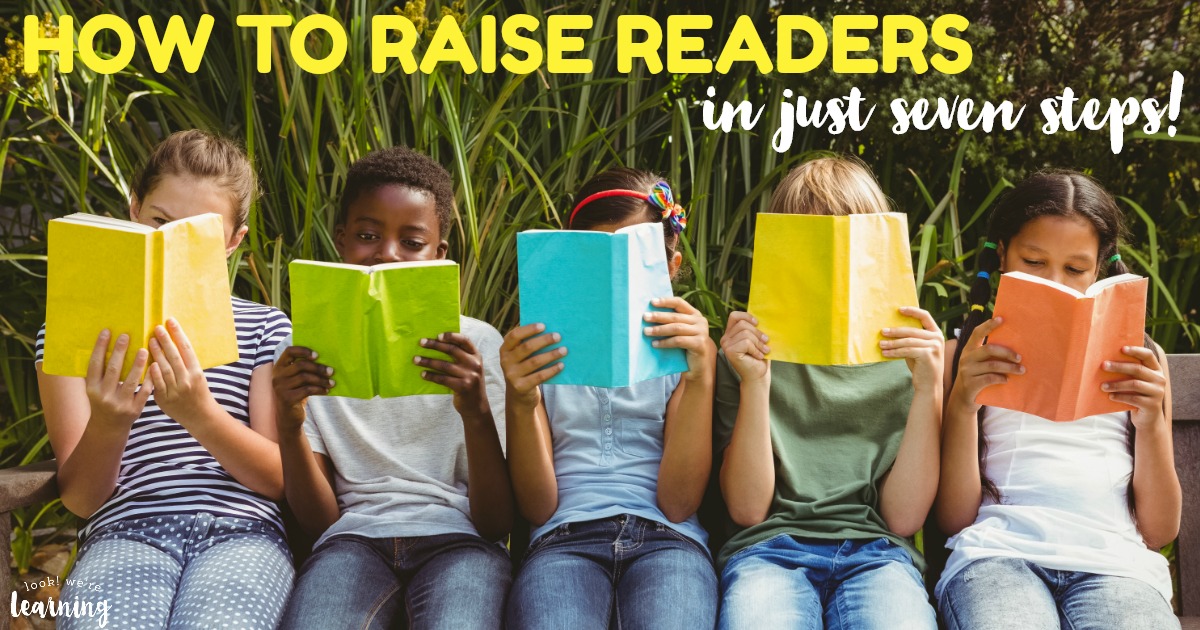
How to Teach Your Child to Read In 7 Steps

When you’re first starting out, though, it can definitely seem overwhelming, especially when you’re not sure where to start. Here are seven simple steps for teaching your child to read you can use, no matter where you’re at in your parenting journey.

And if you want even more ways to make reading enjoyable for children, check out these tips for encouraging your active kids to read for fun!

Disclosure: I am a BookShark brand ambassador and am receiving free curriculum as part of my role.
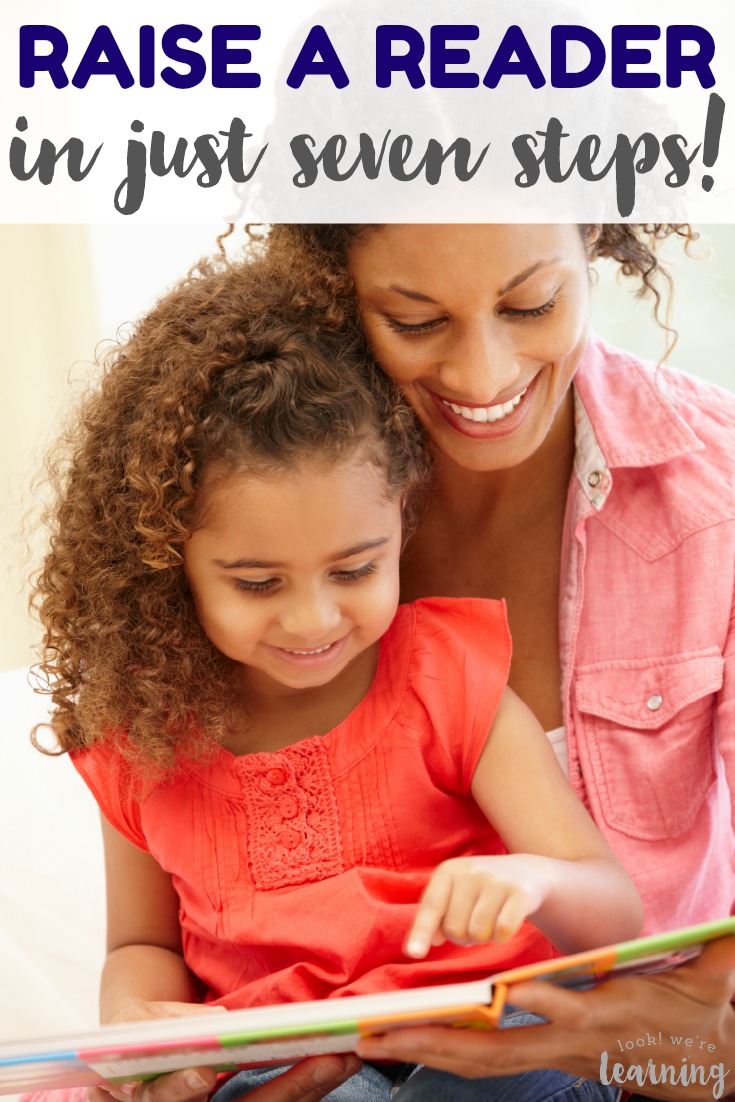
Do you want to raise readers? Learn how to teach your child to read in just seven steps!

Teach Your Child to Read in 7 Steps

Images c/o: monkeybusiness & wavebreakmedia / depositphotos

Practice Patience

Patience is a must when you’re teaching a child to read. Every child masters concepts at their own pace, so your little one might not be on the same level as the kid down the street who is a year younger.

Start introducing a new skill and, if your child is resistant or doesn’t seem to be getting the lesson, table it and try again another day. Keep things light and fun to help them grow their love for reading.

Master the Alphabet

Kids can’t learn to read without understanding the components of a word, so it is important to help them get a solid grasp the alphabet. Begin with the letters that are most familiar to them, particularly those within their name, and teach them one at a time.

Show them how to identify the letters and talk about the sounds that they make. They’ll quickly begin to understand how they come together to form words.

Keep Phonics Simple

When your child has a grasp on the alphabet, start introducing basic phonics. Don’t worry about all of the exceptions to the phonics rules at first. Stick with beginning letter sounds, short vowels, and long vowels.

Once your child can remember these phonic sounds, you can explain that there are words that follow their own rules and save those lessons for when they have a better grasp on the basics. Basic word sounds and common blends are all they need at this early stage.

Begin Introducing Sight Words

Common words that appear frequently in writing are called sight words. These are often hard to sound out or don’t follow typical phonics rules.

By helping your child to identify these words, even before they are technically “reading” them, they will be able to string together sentences a little more easily. Be sure to emphasize spelling as you’re teaching these words to maximize the impact of the lessons.

Make Reading Together a Conversation

An easy way to build reading comprehension is to discuss what you read along with your child.

As you read together, talk about the plot of the book and why the events took place. Help them to understand the possible emotions of a character and guess what might happen next.

Over time, kids will start to attach meaning to the words they read, especially when they understand the context, and their comprehension skills will blossom.

Find Everyday Opportunities to Make Reading a Game

As you go through your day, play simple games that will help build your child’s reading skills. For example, go on a letter scavenger hunt during your trip to the grocery store by finding the alphabet in order on package labels.

Or as you’re driving around town, have them find words that begin with a certain letter on the signs that they pass. Then challenge them to spot words they’ve recently learned while you’re out running errands.

As you actively seek these teachable moments, you’ll find that they are everywhere!

Use a Book-Based Curriculum

One of the best ways to teach your child to read is to use a homeschooling curriculum that is literature-based. We’re using BookShark with our youngest child this year and it is wonderful for building reading fluency, comprehension, and interest.
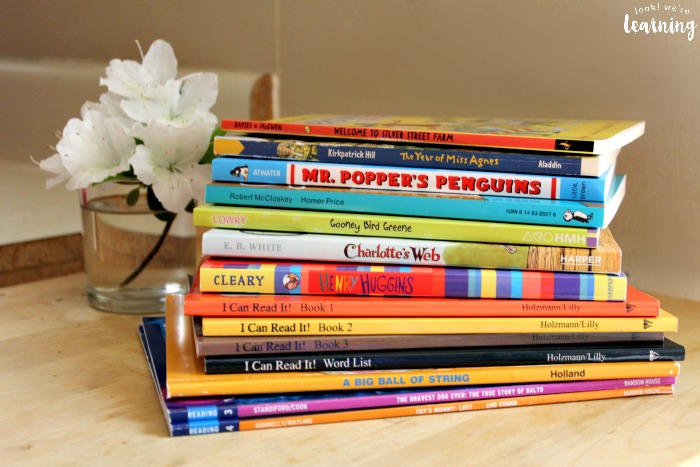
A Selection of BookShark Readers for Kids

Books are involved in the reading, history, geography, and science lessons, so our first grader spends most of her learning time reading different kinds of literature, including fiction, first readers, instruction manuals, reference books, and more.

Instead of thinking of reading as a separate school subject, BookShark weaves it into everything a child is learning, which is wonderful practice for reading for life.

With these suggestions, you too will be able to teach your child to read in 7 steps! Remember, each child is different. Some learn to read at three, others at six, still others later on.

The speed at which your child learns to read is not important, though. What matters is that they learn to love reading, whenever they begin.

If you make reading part of their everyday experience and use a program like BookShark to include reading in every school subject, you’re sure to raise bookworms of your own!

Don’t miss these other tips for reading with kids!
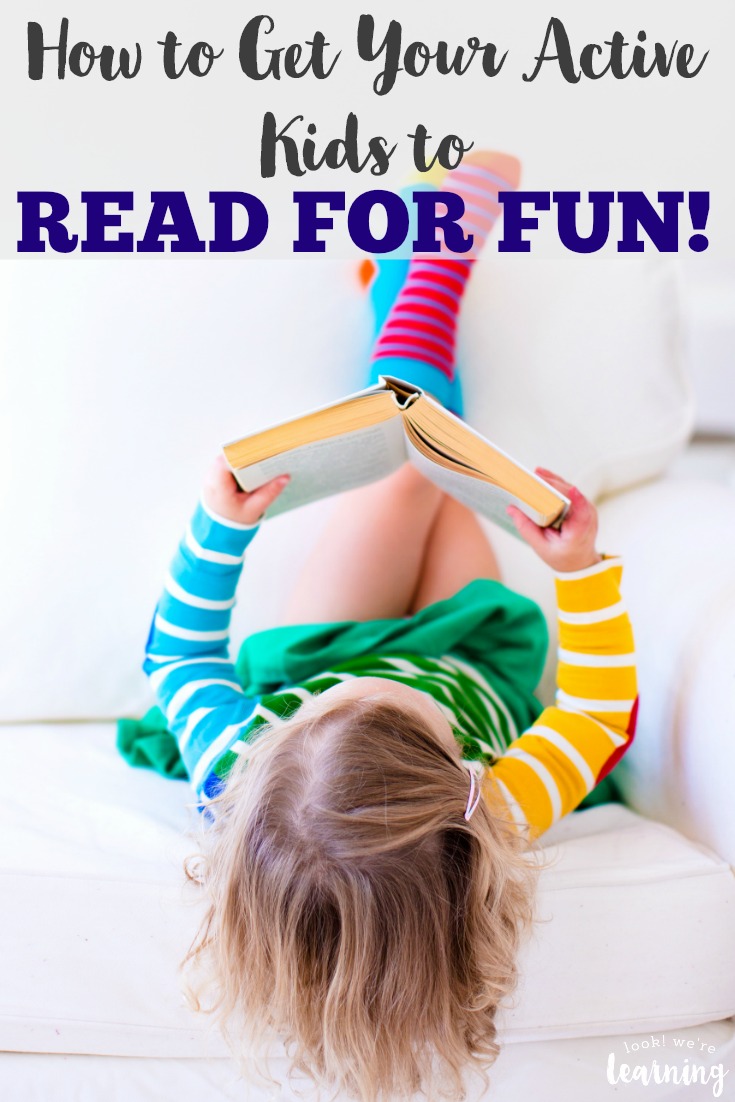
Do your active learners resist reading? Here are four ways to get them to start reading for fun!

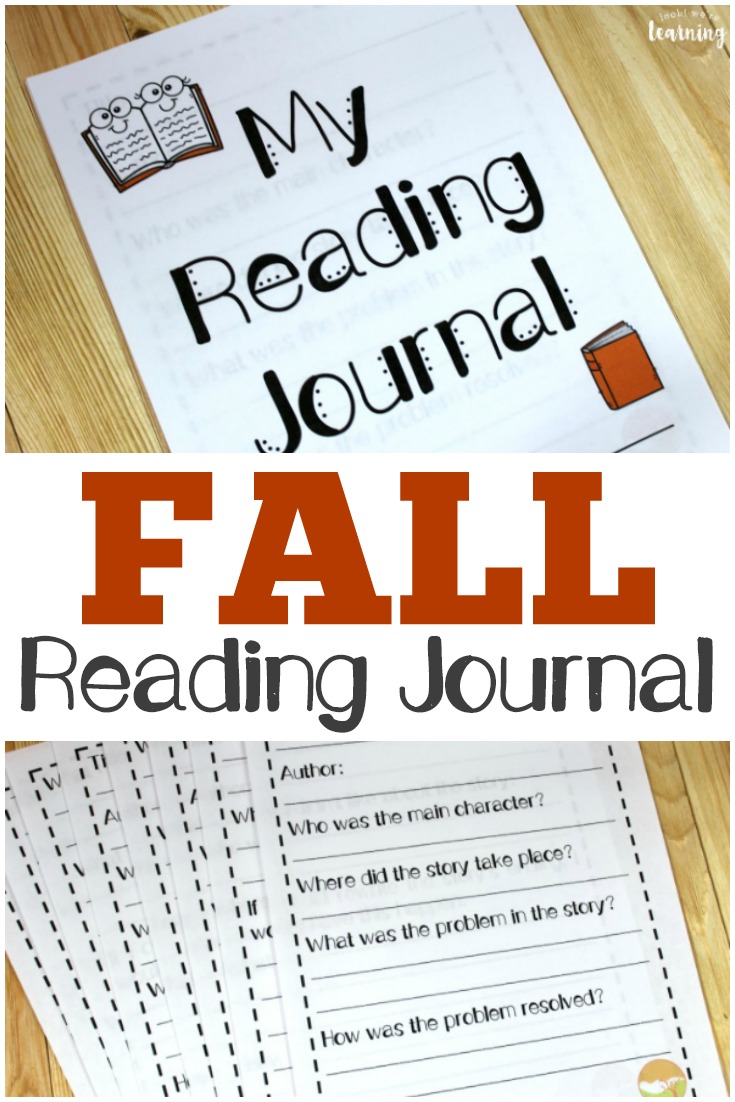
This printable fall reading journal for kids is a simple way to help children analyze the stories they read!

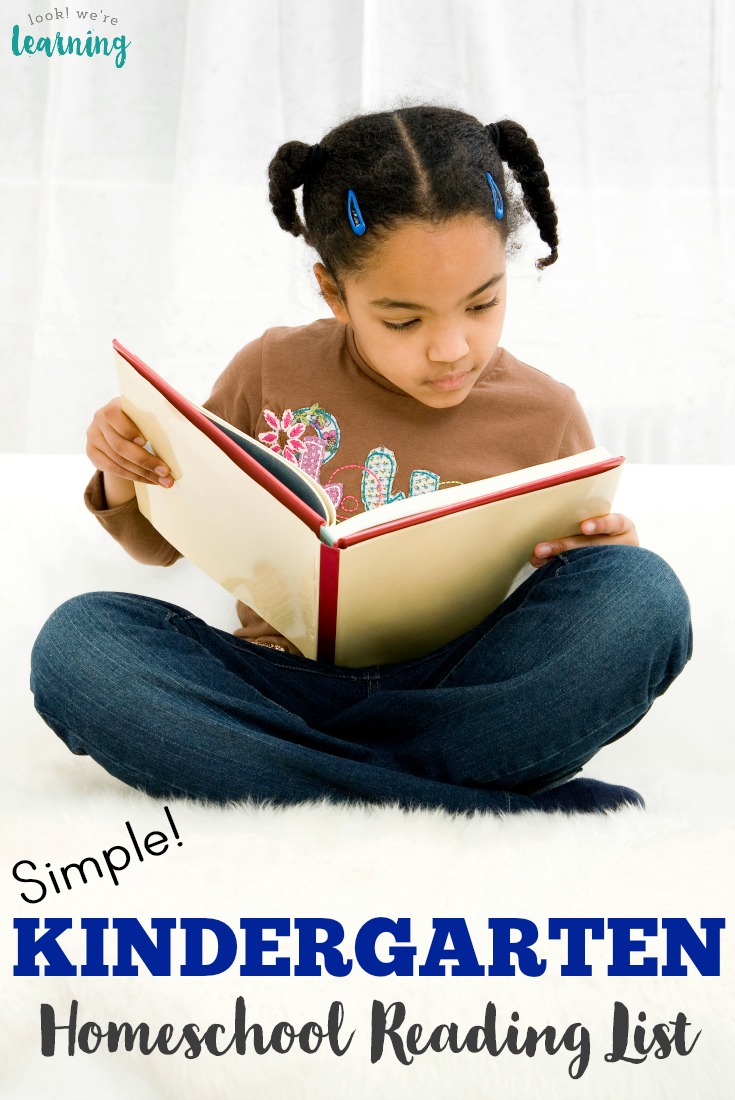
Ready to get your little one reading? This simple kindergarten homeschool reading list features early readers kids will love!

And see more ideas for teaching literacy on my Reading for Kids Pinterest board!

Filed Under: Reading Tagged With: literacy, reading

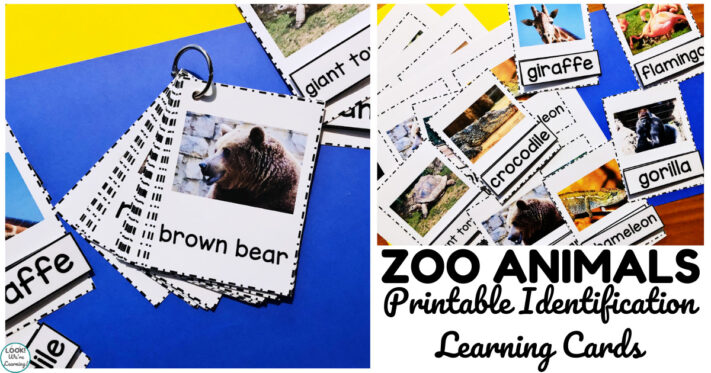
Zoo Friends! Printable Zoo Animal Flashcards

December 6, 2018 by Selena Robinson 5 Comments

Printable Zoo Animal Flashcards

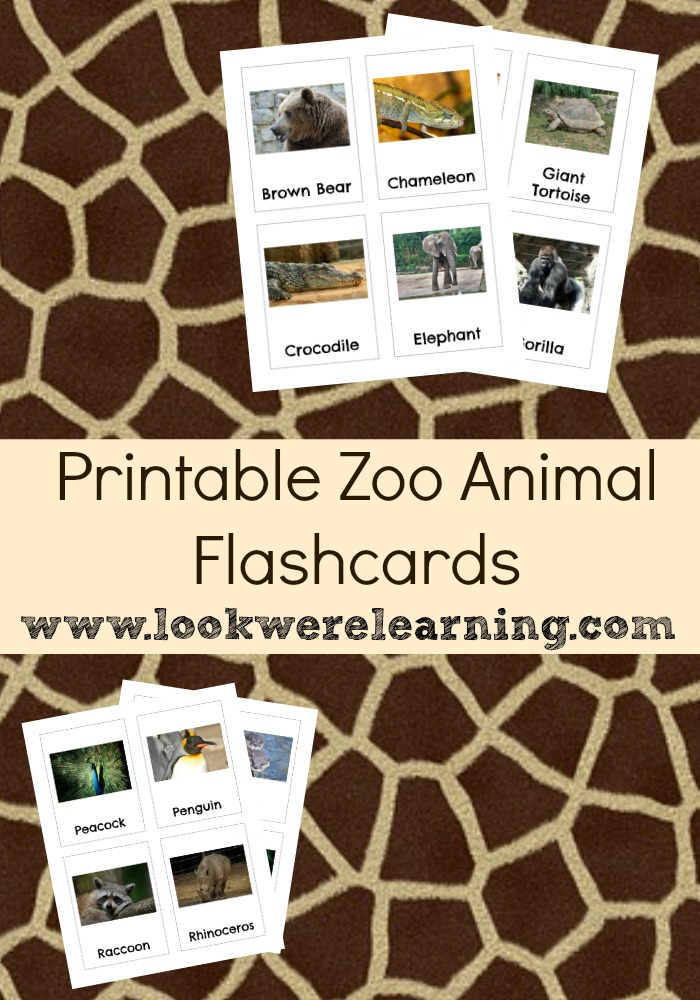
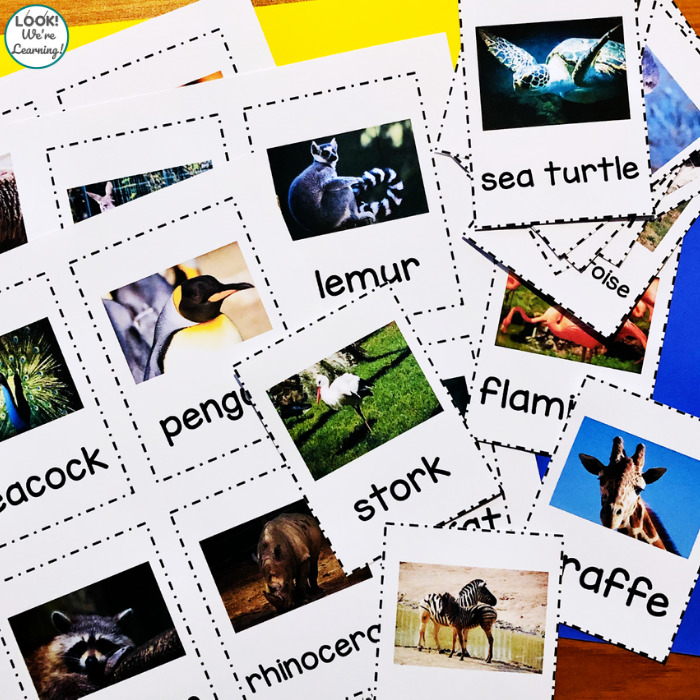
I’m happy to share a brand new pack of printable flashcards with you all today! This time we’re featuring printable Zoo Animal Flashcards!

We go to the zoo often with the kids and they always love spotting new animals or even ones they’ve come to know and love over the years.

So I thought that they’d love having some flashcards to learn about new animals and to look out for them when we tour the zoo again.

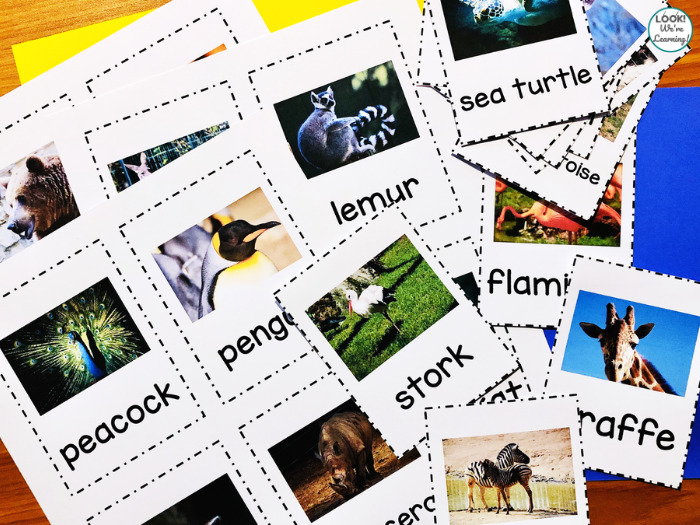
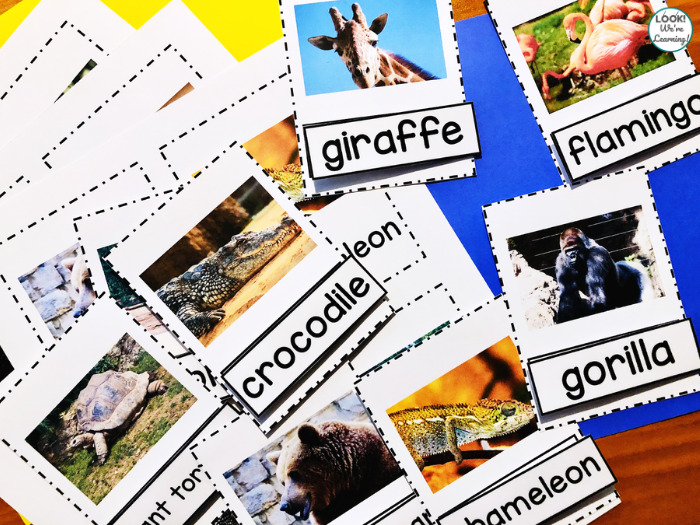
Fun Zoo Animal Printable Naming Cards

These would also be a nice introduction to animal diets or animal habitats.

Particularly since so many creatures that live in the zoo require different environments to feel at home.

Read on to see how to get these animal flashcards for yourself!

And if you love these, don’t miss our Alphabet Animal Flashcards for early learners!

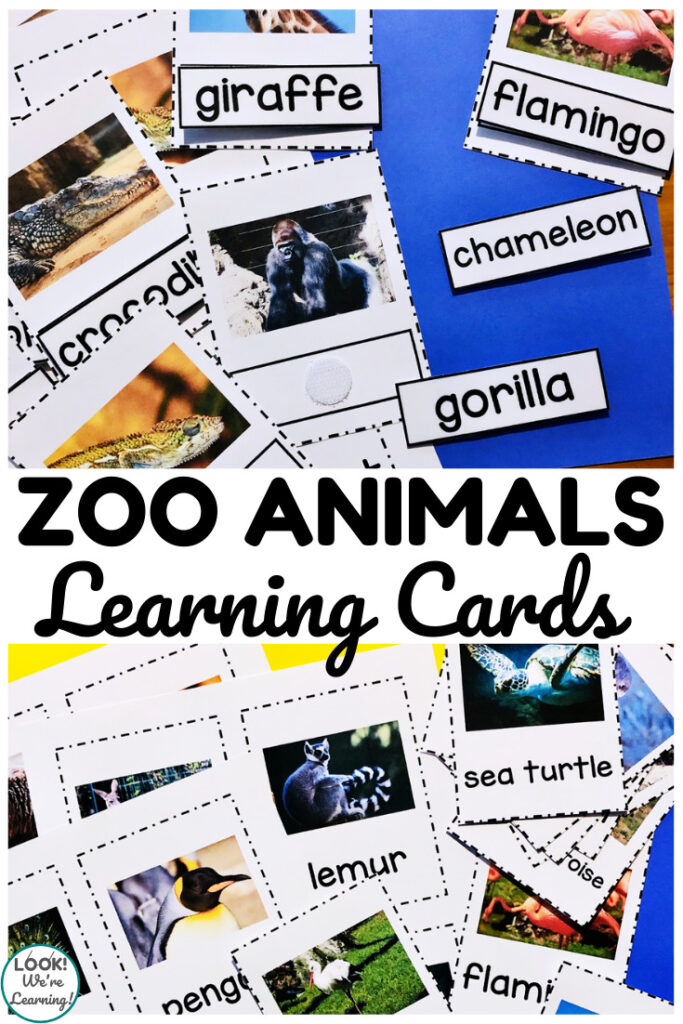
Help early learners recognize animals with these printable zoo animal flashcards!

Printable Zoo Animal Flashcards for Kids

To use these printable zoo animal flashcards, you’ll need the following: (This post contains affiliate links. For details, see our Disclosure Policy.)

  • Printer (with ink)
  • Printer Paper
  • Scissors
  • Laminator (optional)
  • Hook and loop sticky dots (optional)
Zoo Animal Flashcards for Early Learners

These cards are awesome for introducing kids to wildlife.

On the learning cards, students can see pictures of real zoo animals.

So if you’re planning a trip to the zoo soon, these would be awesome for introducing kids to the animals they’ll see!

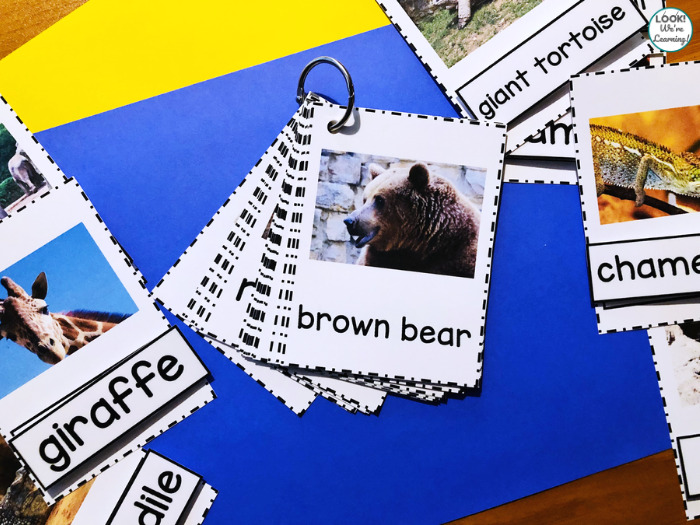
Printable Zoo Animal Naming Cards

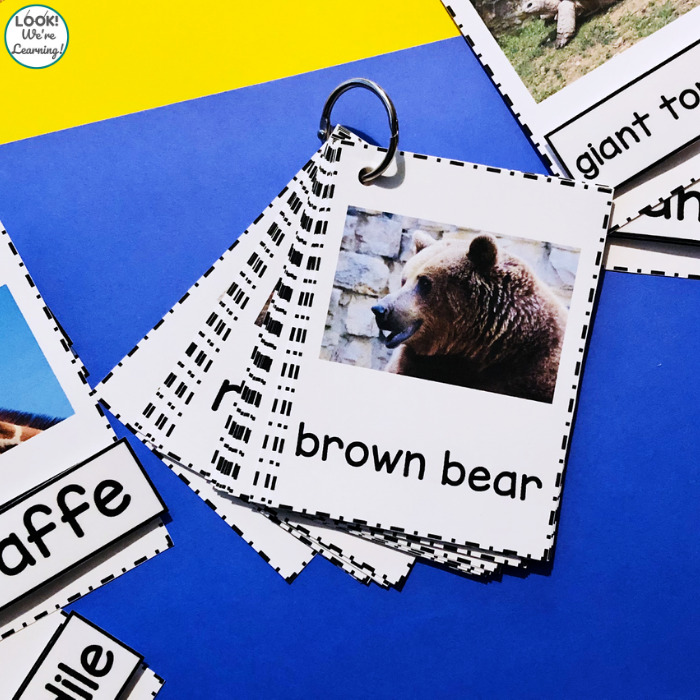
You could even put the flashcards on a ring and bring them along to the zoo.

Try passing out the cards among the kids and challenging them to find as many of these animals as they can.

Printable Zoo Animal Naming Activity

Along with the identification cards, this set includes printable zoo animal naming cards for kids.

Printable Zoo Animal Naming Cards for Kids

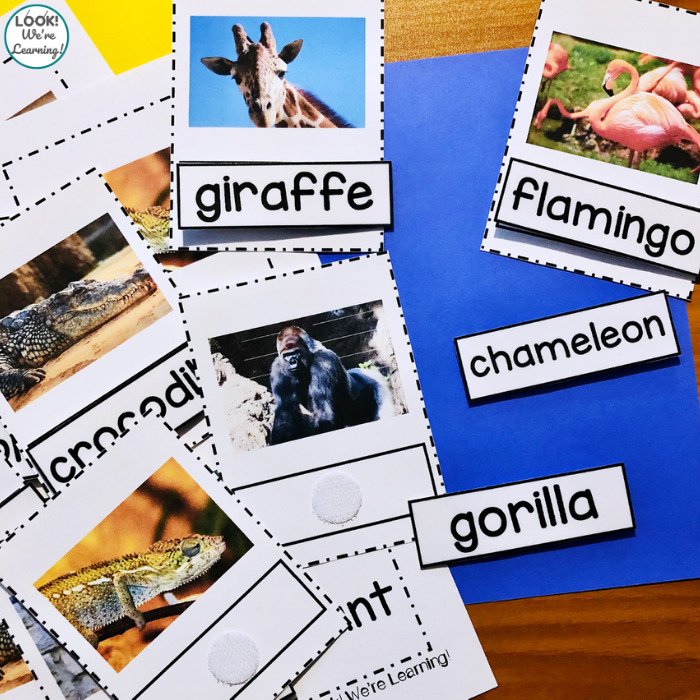
These cards feature the animal pictures with blank boxes.

On separate sheets, you’ll find 24 zoo animal name labels. Kids can use scissors and glue to cut and paste the names on the correct cards.

Zoo Animal Naming Activity for Preschool

Or add hook and loop sticky dots to turn this into a reusable activity for busy bags, morning tubs, or centers!

Since the product includes one set of animal cards with the animal names and one without the names, kids can practice matching up similar pictures.

Zoo Animal Identification Cards

Or you could just use the unlabeled cards to introduce wild creatures to pre-readers!

See these cards in action in the video below!

Scroll down to get your set of our printable zoo animal flashcards!

Don’t miss these other animal activities for kids!

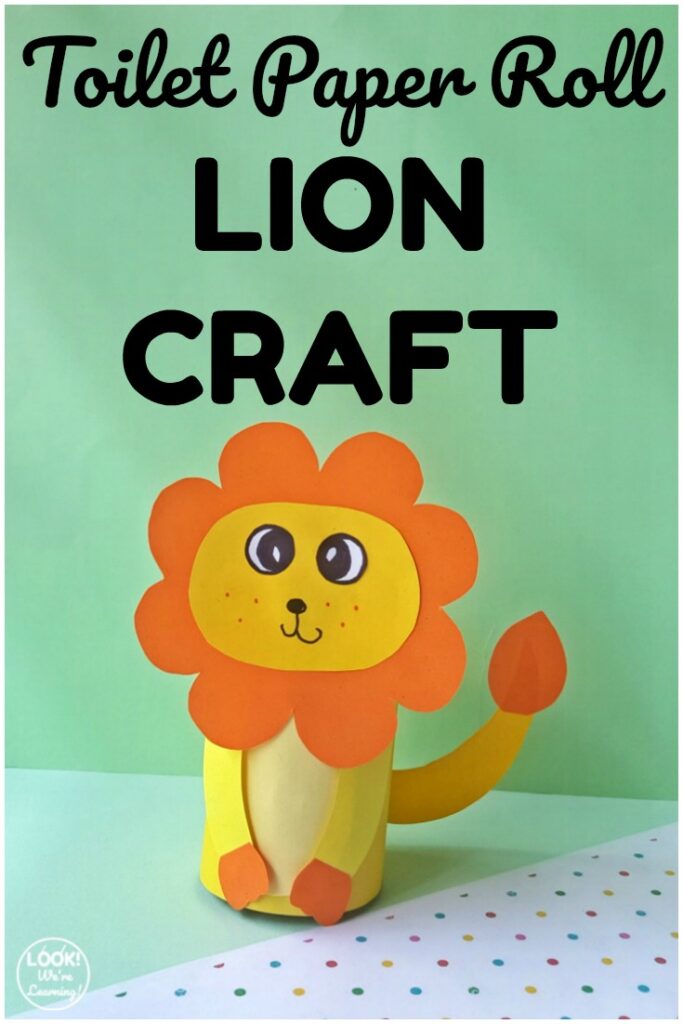
Make this easy toilet paper roll lion craft with the kids for a fun art activity!
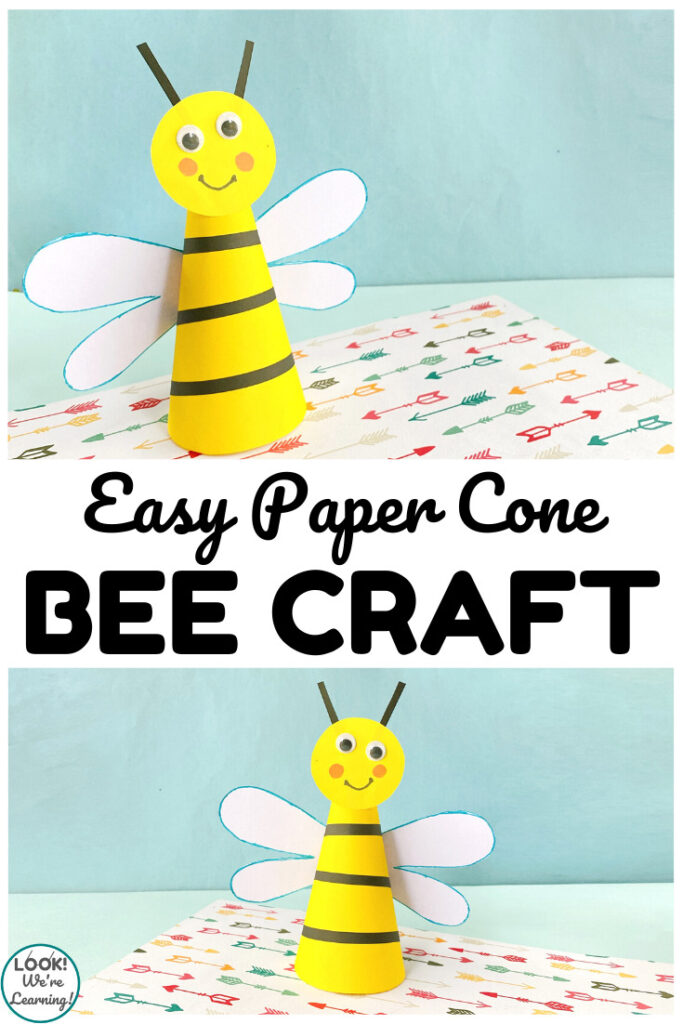
This simple paper bee craft is a fun way to make an easy spring or summer craft with kids!
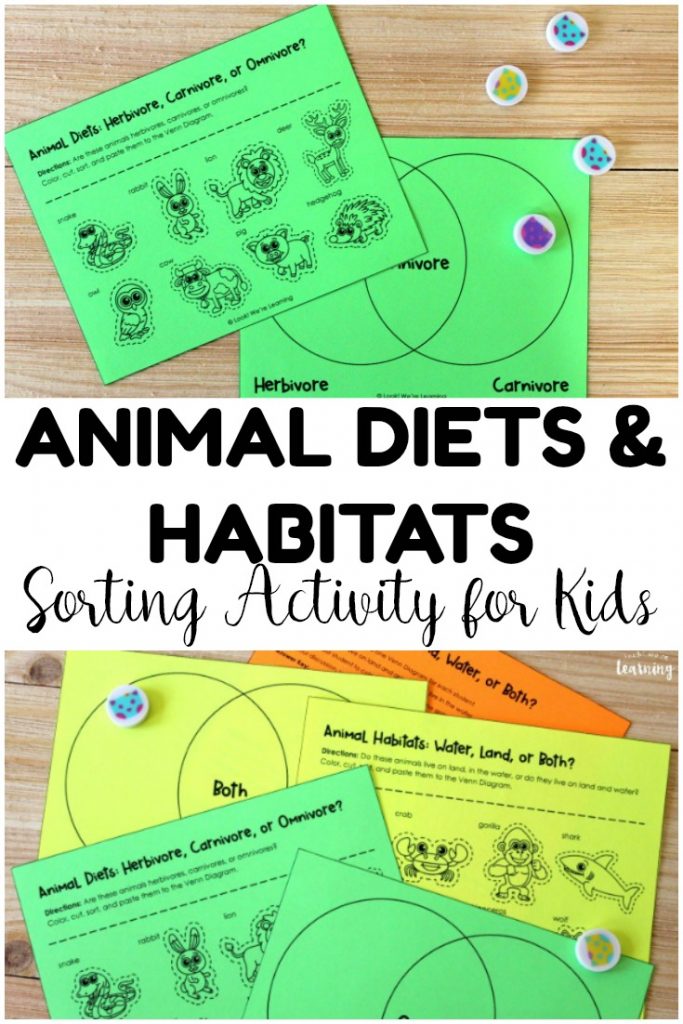
Teach students about animals with this animal diets and habitats sorting activity! Such an easy way to learn about animal science with young learners!


Printable Zoo Animal Flashcards for Preschool

To get your set of our printable zoo animal flashcards, check them out below!

Filed Under: Homeschooling Printables, Teaching Printables Tagged With: animals, flashcards, printable flashcards, printables, science, zoo, zoo animal flashcards, zoo animals, zoo flashcards

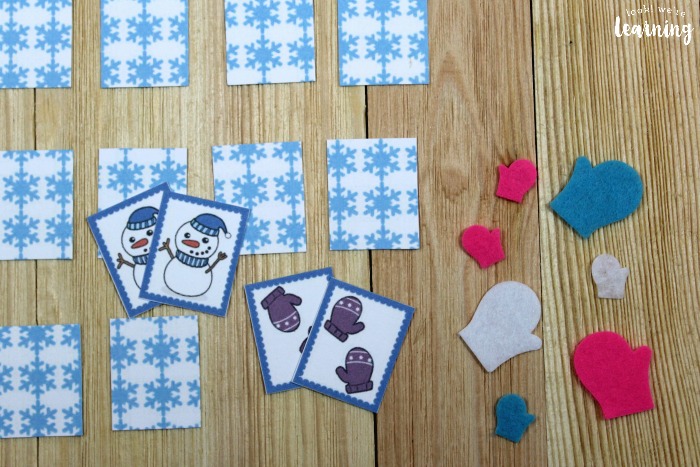
Mitten Memory: Winter Preschool Memory Game

December 3, 2018 by Selena Robinson Leave a Comment

Winter is such a cozy time for learning with little ones. I’m a scaredy-cat about cold weather, so once the daily average dips below 50 degrees, you’ll find me inside with my kids. Probably sitting directly in front of the space heater.

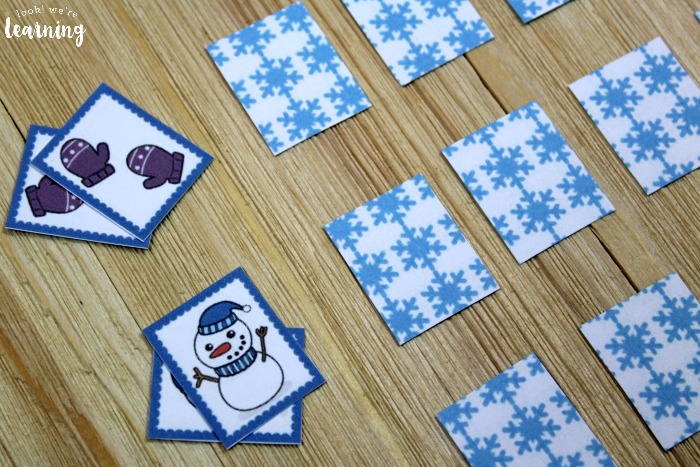
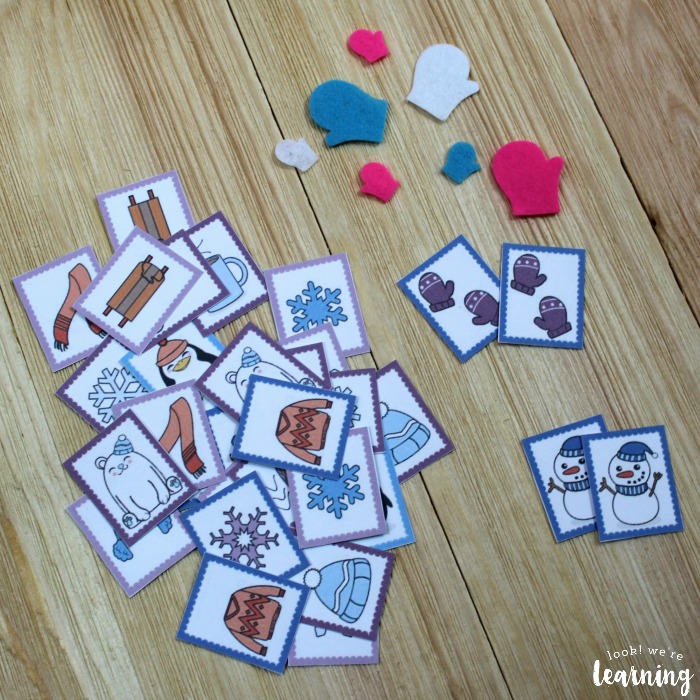
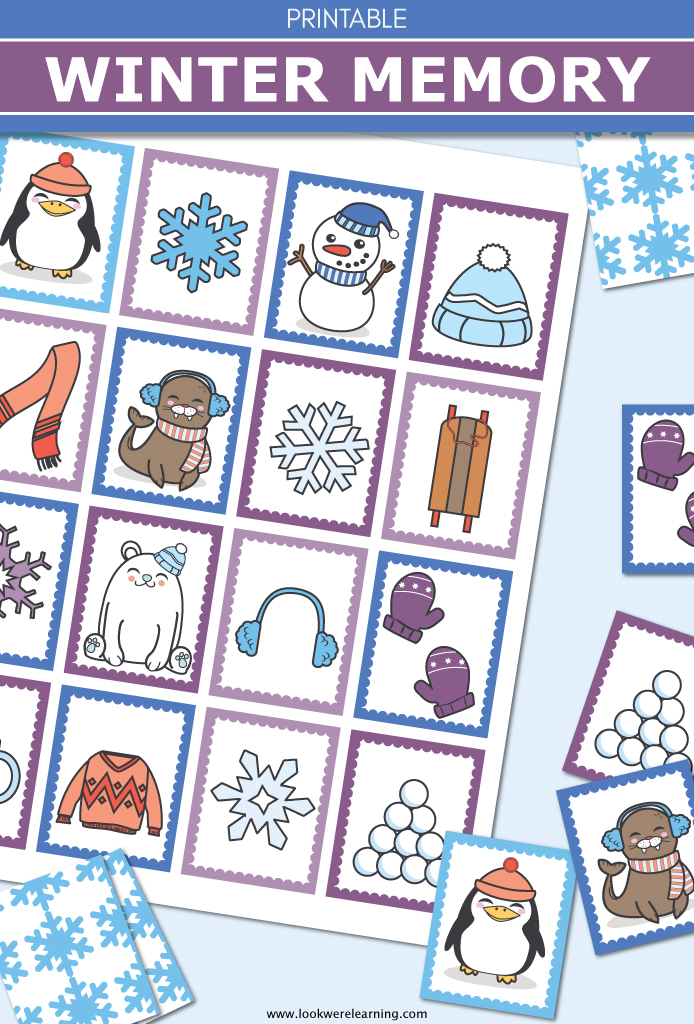
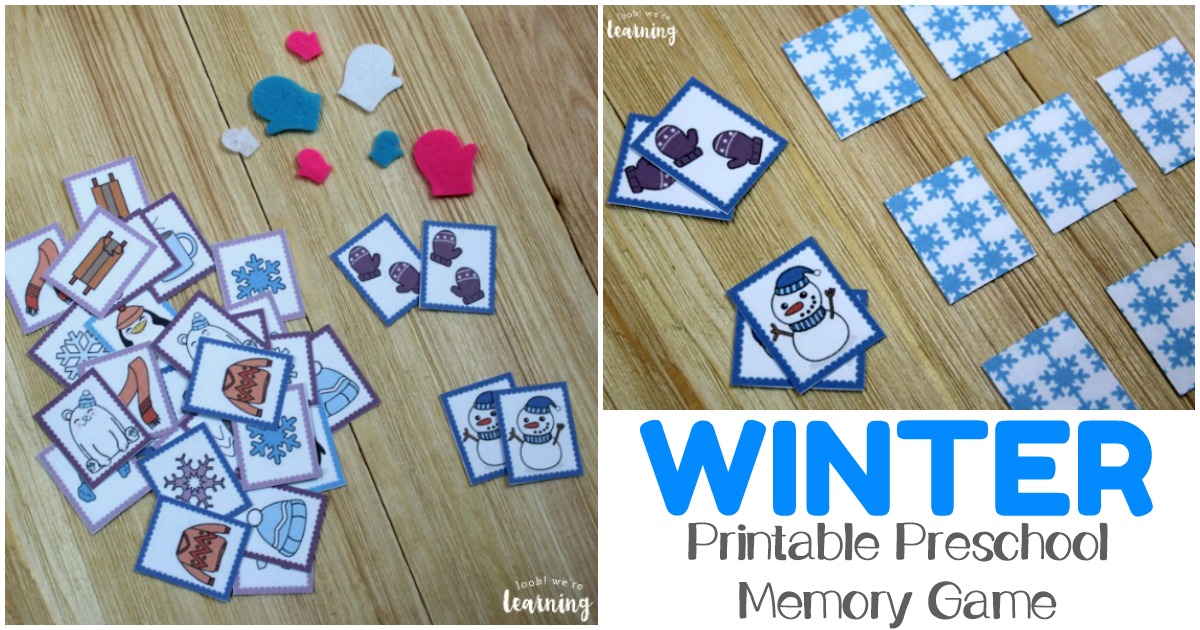
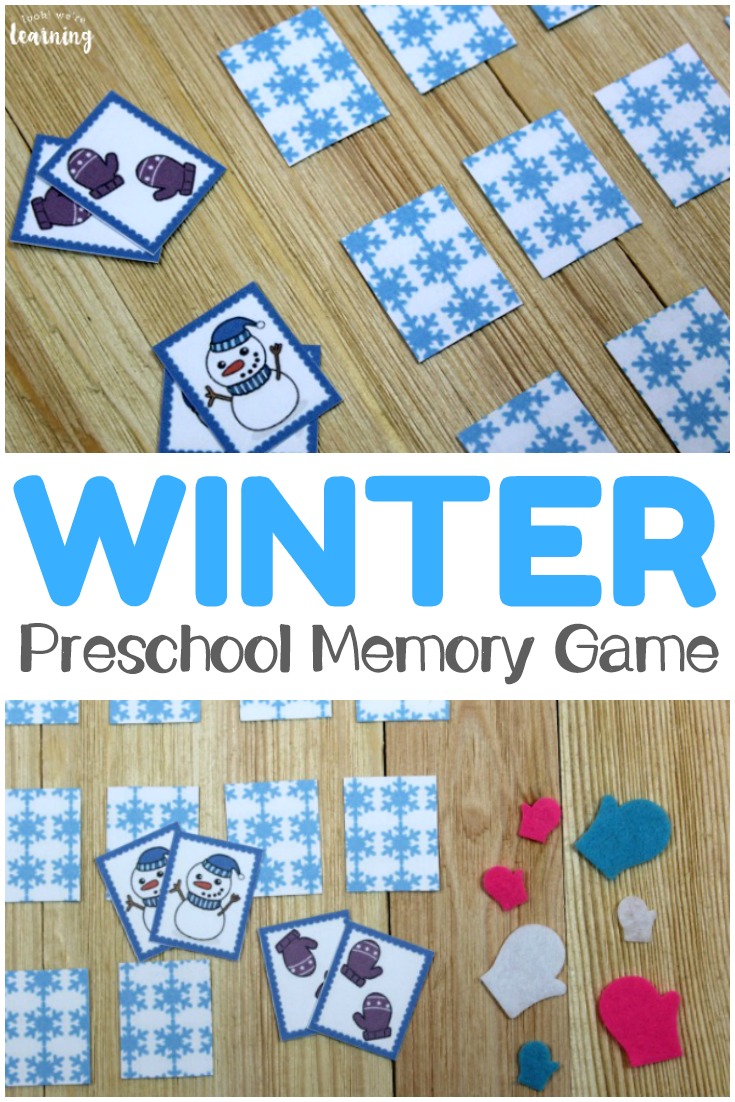
But that doesn’t mean we can’t have some fun winter-themed learning! And that’s why I’m excited to share this printable winter preschool memory game! It’s so fun for helping early learners work on memory skills!

Winter Themed Preschool Memory Game for Kids

This would also make a great busy bag activity. Just print the pages, cut out the cards, and store them in a resealable bag. Perfect for waiting rooms!

Read on to see how to get your set for free! And, be sure to check out our printable polar animal notebooking pages for older kids!

Make winter a season of play with this fun winter themed preschool memory game for kids!

Mitten Memory: Winter Preschool Memory Game

To play this winter preschool memory game, you’ll need the following: (This post contains affiliate links. For details, see our Disclosure Policy.)

  • Printer (with ink)
  • Printer Paper
  • Laminator
  • Scissors

Winter Memory Game for Kids

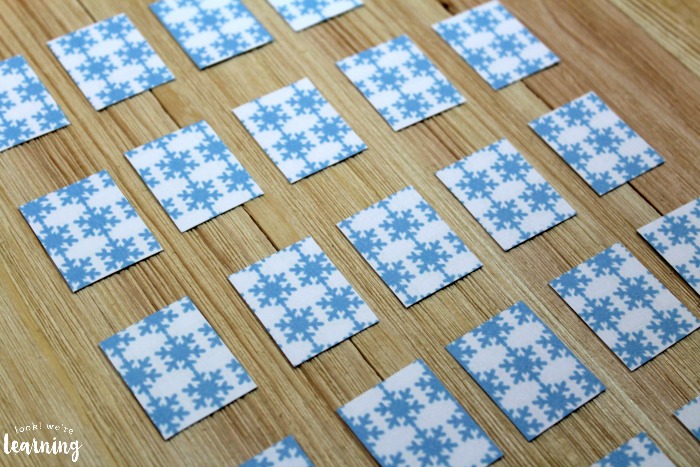
Note: You’ll be printing the pages double-sided. With a memory game, it’s important to have a design on the back. Otherwise, the kids will be able to see right through the back of the paper.

Not much of a challenge then, is it?

Printable Winter Memory Game for Kids

Winter Playdough Mats for Kids

Winter Memory Game for Preschoolers

There are 16 sets to match up in all. If that’s a few too many for your little one, feel free to start with half of the sets until the kids become more familiar with the images.

Winter Preschool Memory Game

By the way, if you don’t have room for a laminator, you can also make the cards more durable by printing them on white cardstock instead of regular printer paper.

They’ll still hold up pretty well!

Scroll down to get your copy of this winter preschool memory game!

Stop by to see these other winter learning ideas!

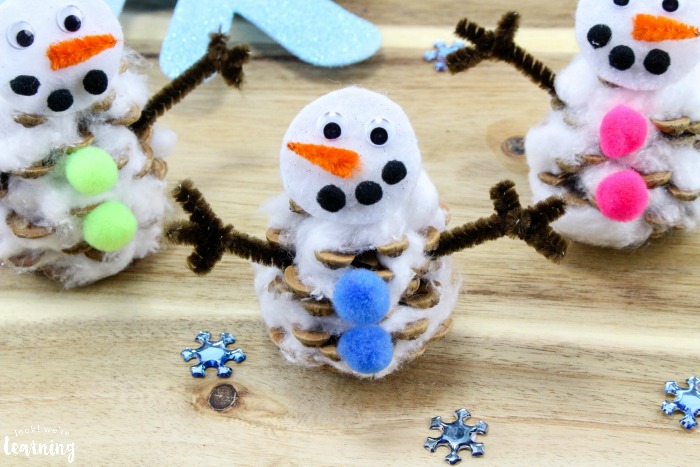
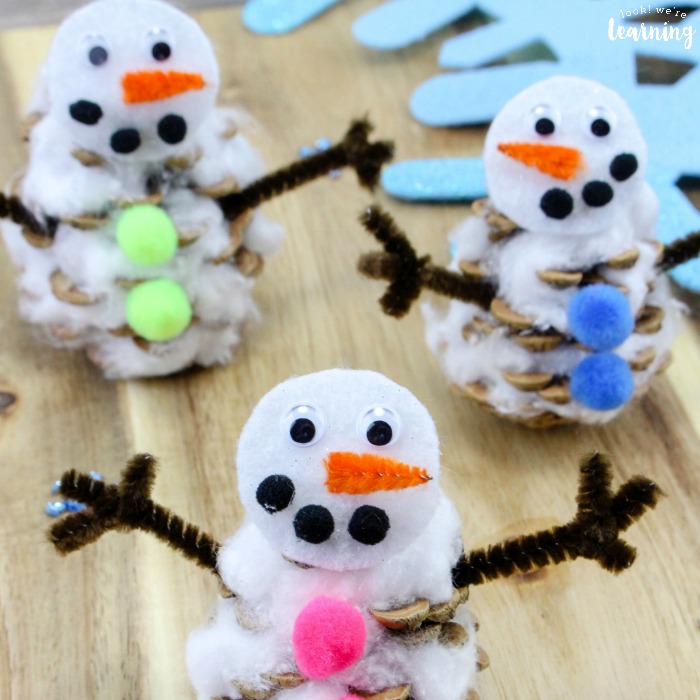
This adorable pinecone snowman craft for kids is a perfect winter art activity for little ones!

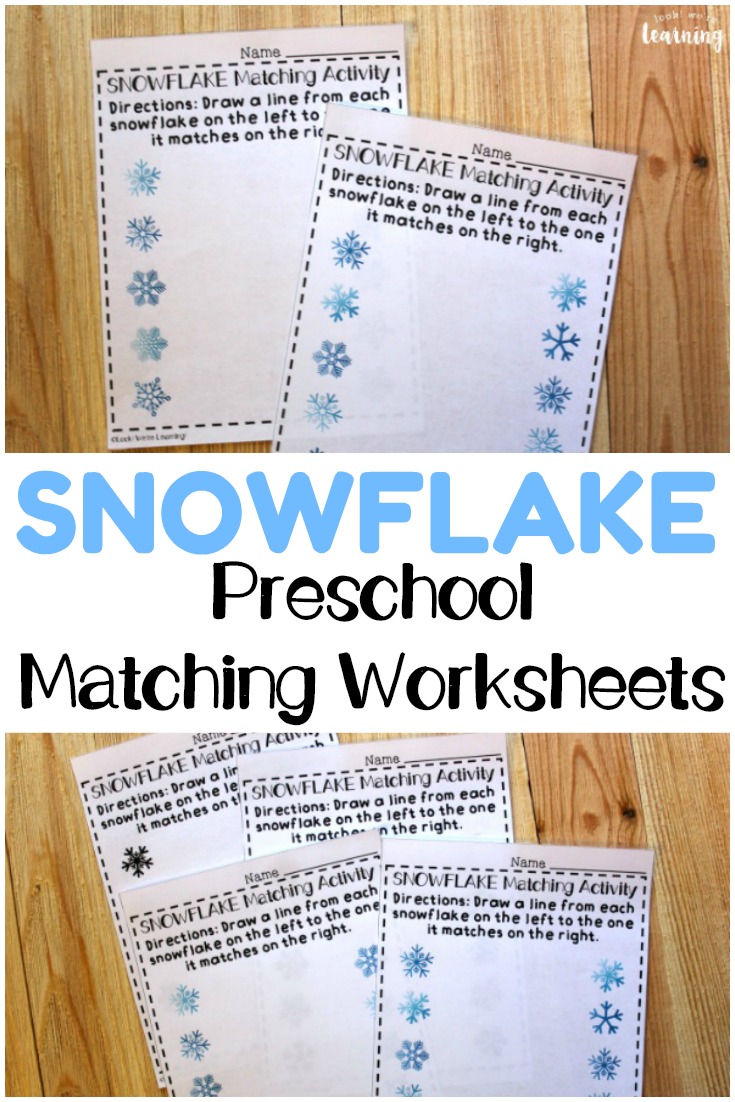
Make shape discrimination into a fun winter learning activity with these snowflake preschool matching worksheets!

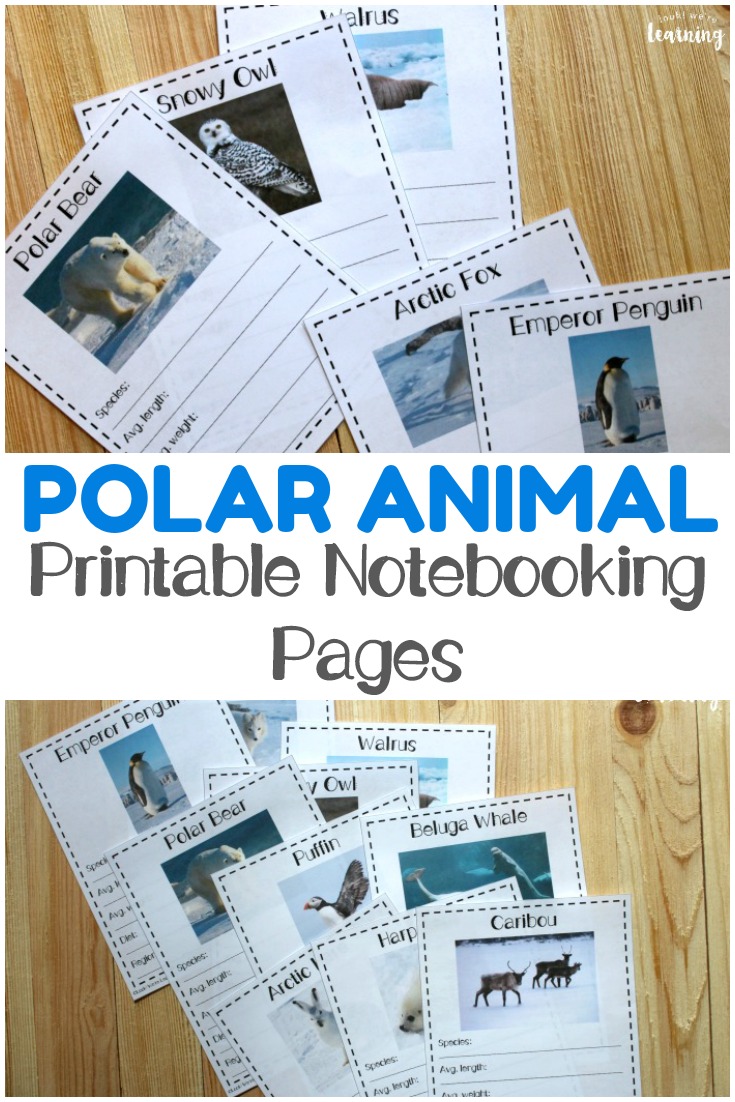
Use these printable polar animal notebooking pages to learn about winter animals and the regions where they live!

And see even more winter fun on my Winter Activities for Kids Pinterest board!
Get little ones into the winter spirit with this fun winter themed preschool memory game!

To get your copy of this Mitten Memory: Winter Preschool Memory Game, sign up for our email newsletter using the widget below.

It’s totally free to join and you’ll get access to this and lots of other educational printables too!

Filed Under: Homeschooling Printables, PreK Homeschooling Tagged With: homeschool printables, preschool activities, winter

Free Polar Animal Notebooking Pages

November 29, 2018 by Selena Robinson 9 Comments

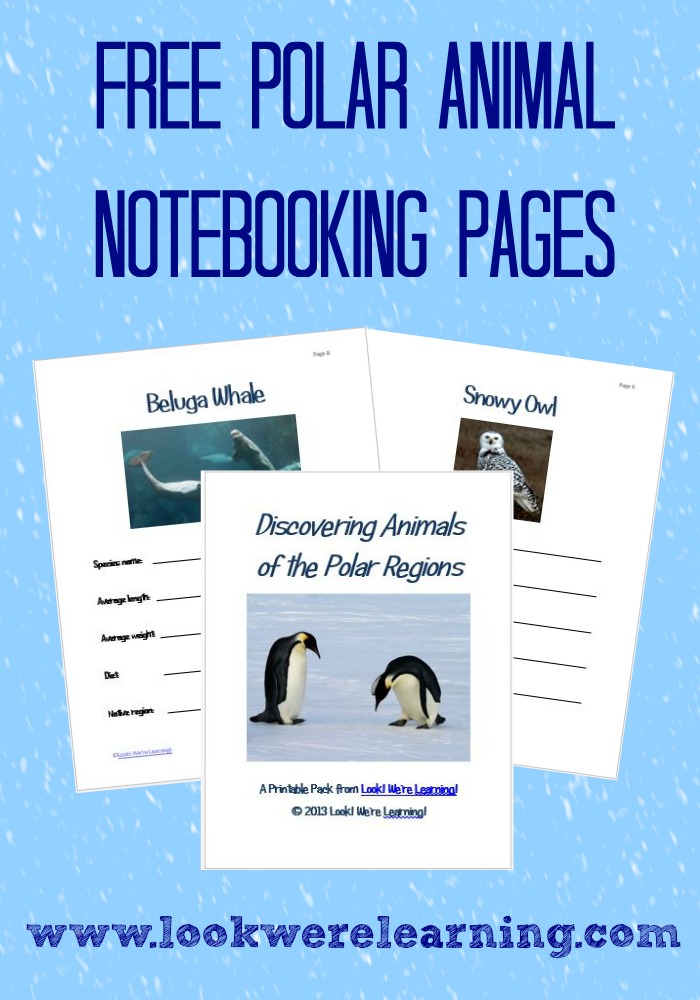
Get our free Polar Animal Notebooking Pages to use with a unit study about winter, animals, or the polar regions!

Hey everyone! We’re ready to begin a new unit study about polar animals!

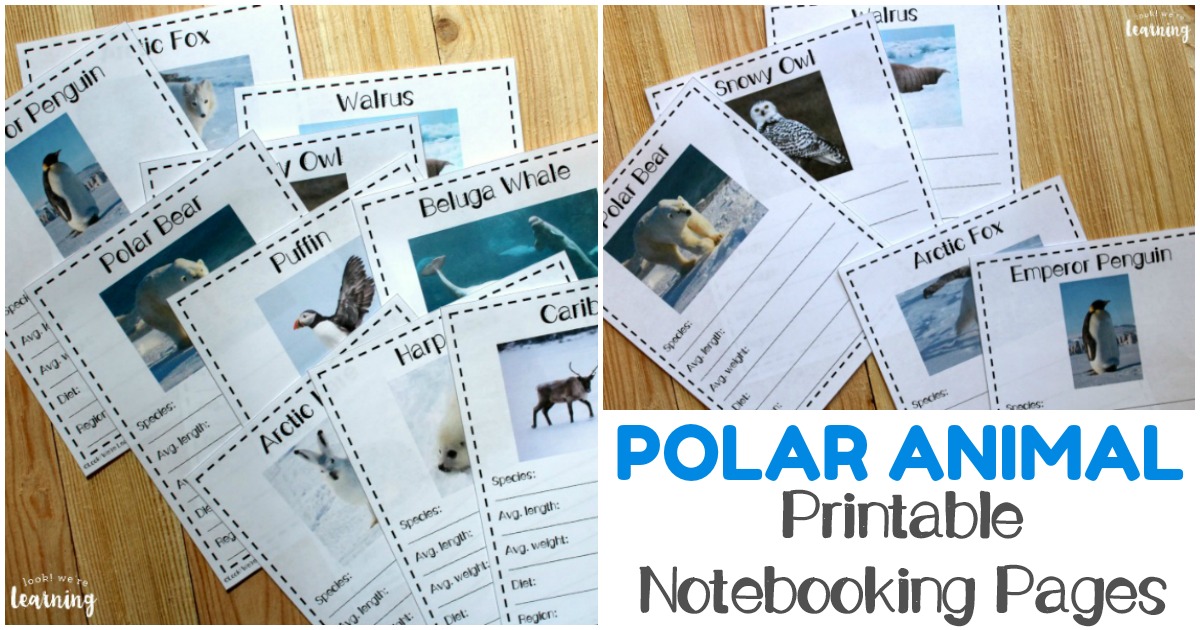
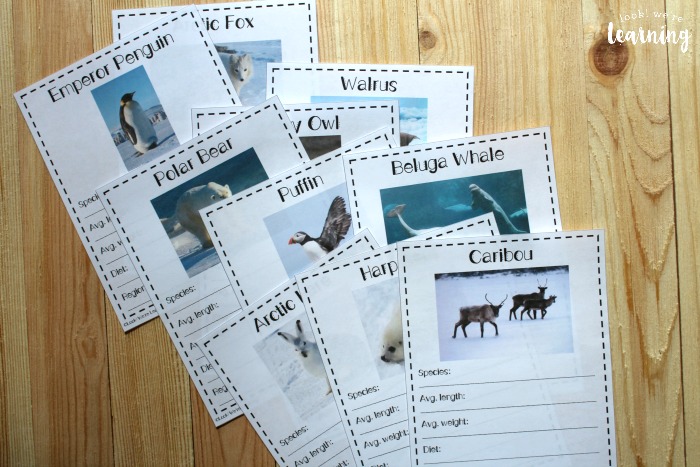
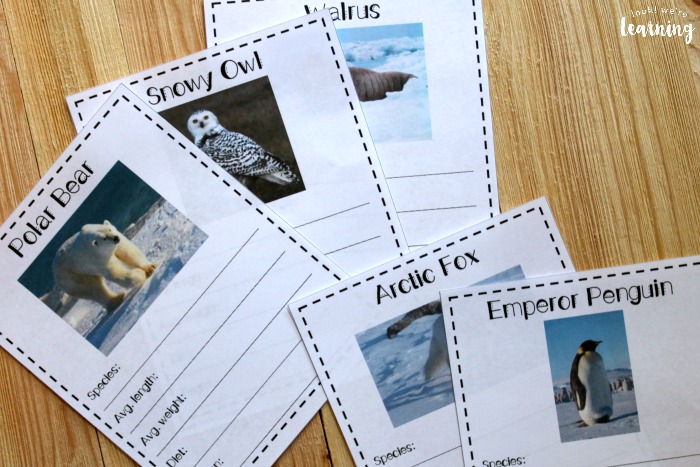
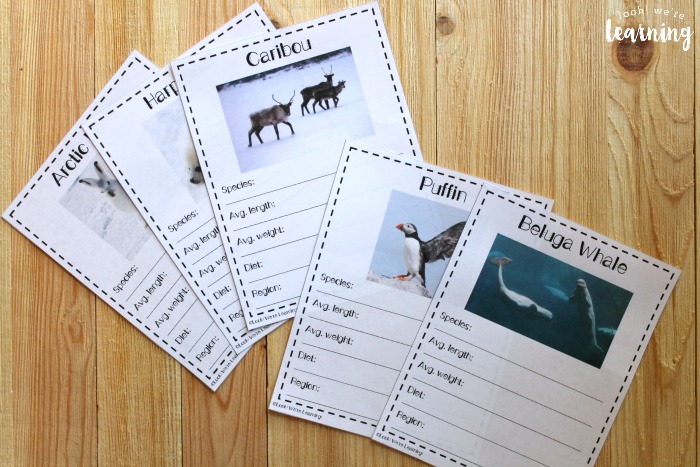
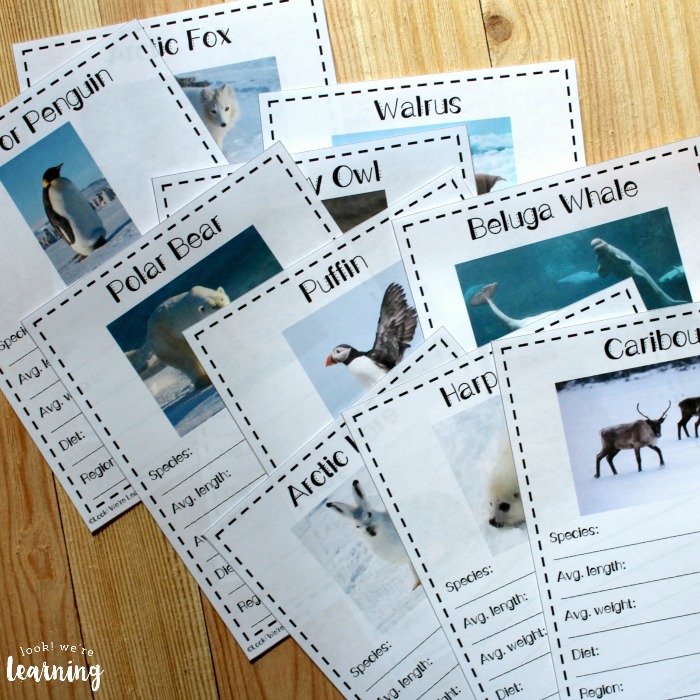
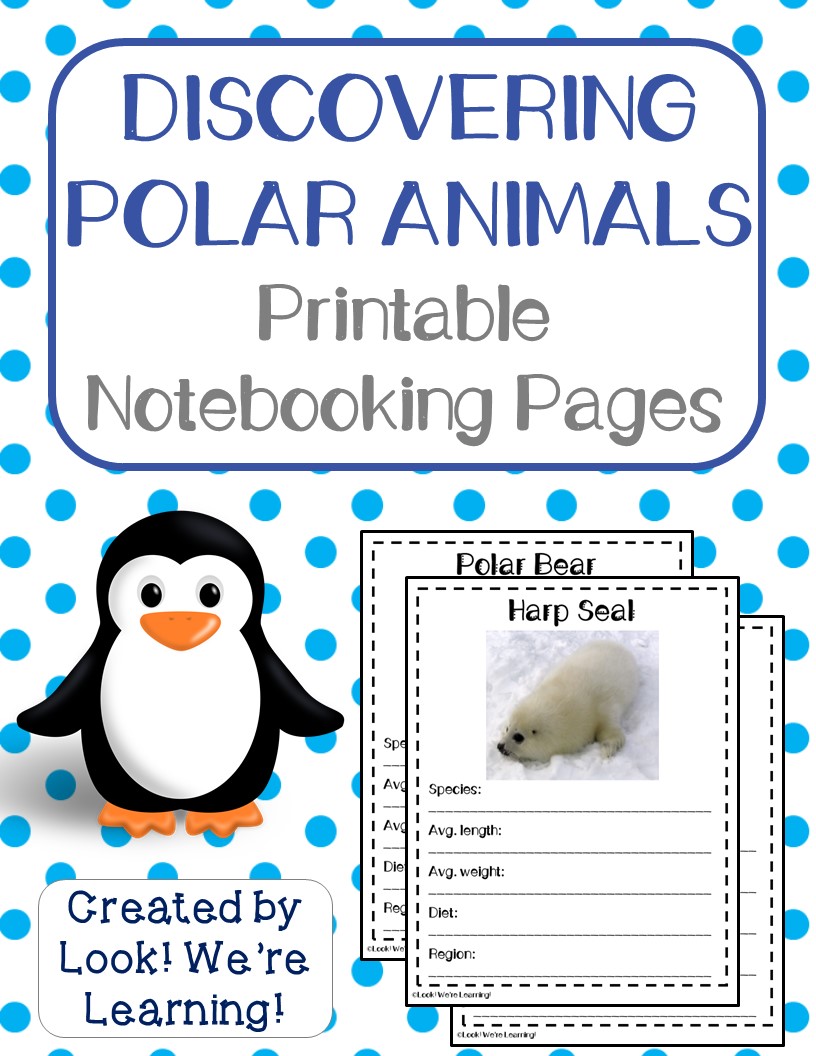
To help the kids get interested in researching and notebooking, we put together a set of polar animal notebooking pages that highlights ten different animals of the Arctic and the Antarctic.

Printable Polar Animal Fact Pages for Kids

These are wonderful for finding out more about these incredible creatures and the region in which they live. Perfect for a winter unit study!

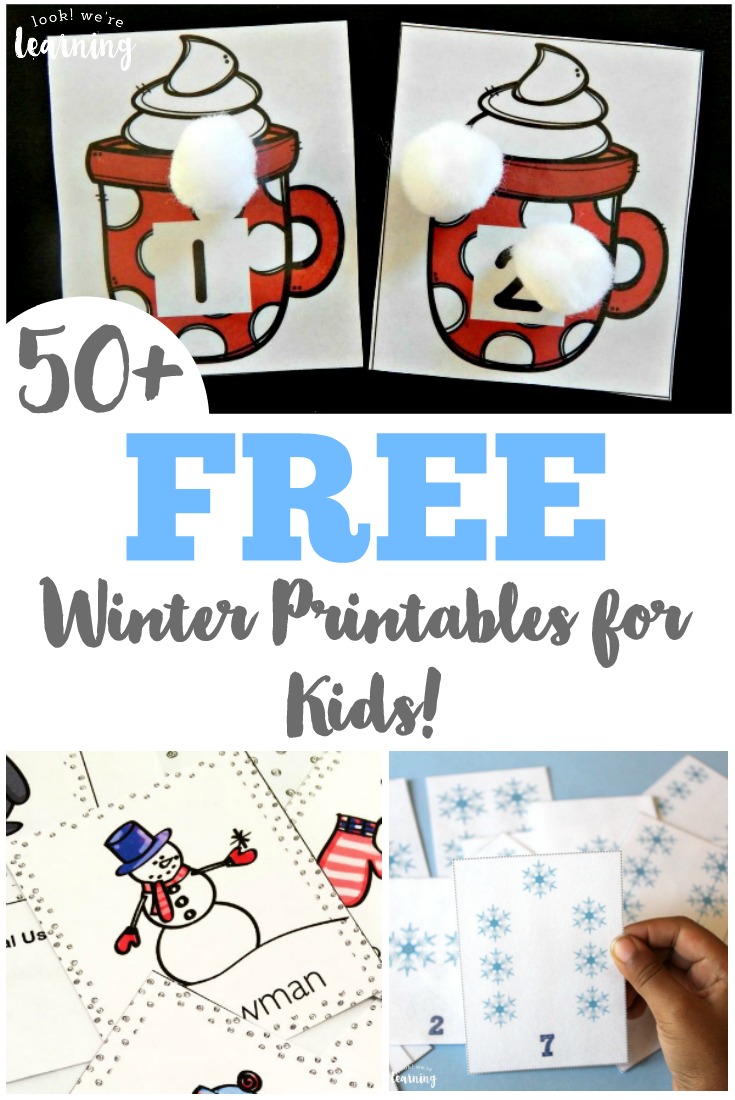
If you enjoy these, don’t miss our list of 50 free winter printables for kids!

Use these printable polar animal notebooking pages to learn about winter animals and the regions where they live!

Free Polar Animal Notebooking Pages

To use these polar animal notebooking pages, you’ll need the following: (Affiliate links provided here for convenience. For details, see our Disclosure Policy.)

  • Printer (with ink)
  • Printer paper
  • Pencils

Printable Polar Animal Notebooking Pages

The product includes notebooking sheets for:

  • Arctic Fox
  • Emperor Penguin
  • Polar Bear
  • Snowy Owl
  • Walrus
  • Beluga Whale
  • Puffin
  • Caribou
  • Harp Seal
  • Arctic Hare

Printable Polar Animal Notebooking Pages for Kids

Each one includes spaces for kids to record basic facts about each animal, including their average weight and length, their species name, and the environment where they live.

Polar Animal Fact Notebooking Pages for Kids

All of the notebooking facts can be found easily using Wikipedia or any of the kids’ science websites such as National Geographic Kids or even Wikipedia.

Winter Playdough Mats for Kids

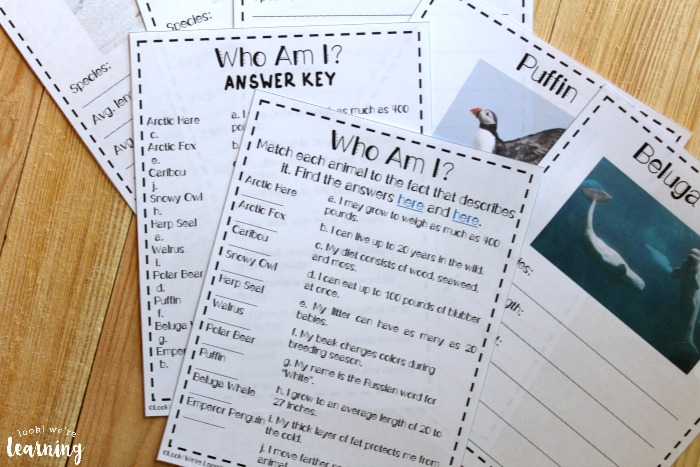
Polar Animal Notebooking Pages Who Am I Activity

Plus, there’s a Who Am I? fact matching game at the end to give the kids a quick refresher on what they learned. And the answer key is included!

Printable Polar Animal Fact Notebooking Pages

Scroll down to get your free polar animal notebooking pages!

Books about Polar Animals:

Keep the learning going with these fun affiliate children’s books about polar animals!

  1. The Magic School Bus Presents: Polar Animals
  2. Who Lives Here? Polar Animals
  3. Polar Animals (Safari Sam’s Wild Animals)
  4. Scholastic Discover More: Polar Animals

Polar Animal Activities for Kids:

Extend the unit with these adorable polar animal activities for kids!

  1. Paper Plate Polar Bear Craft – Kids Activities Blog
  2. Polar Animal Gross Motor Games – Still Playing School
  3. Polar Play Dough – Gift of Curiosity
  4. Polar Animals Sensory Bin – Inner Child Fun

Stop by and see some of our other winter activities!

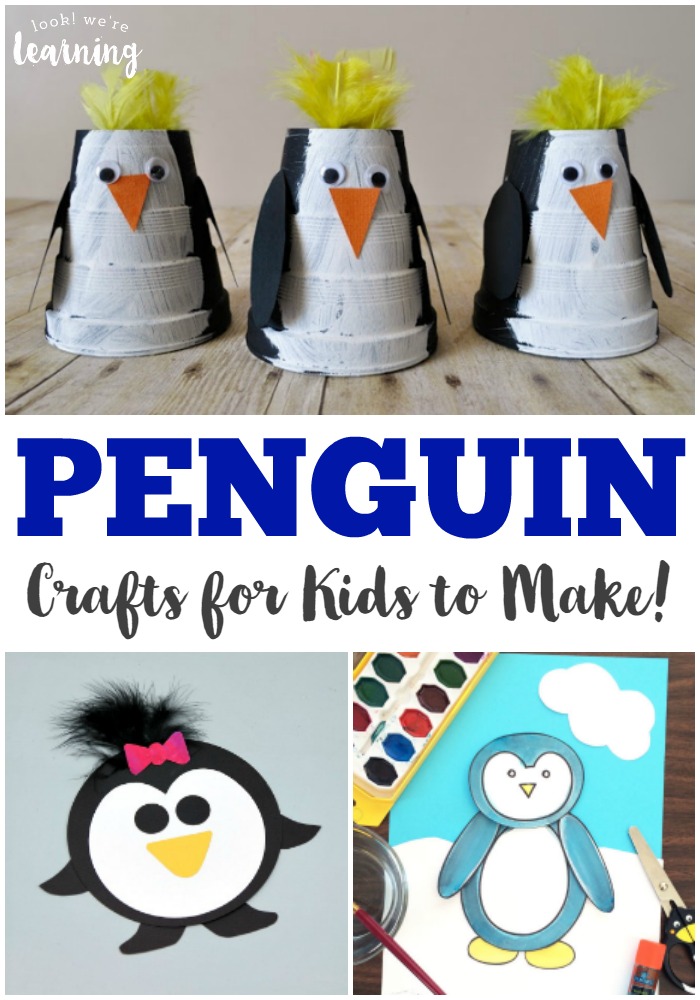
Make winter a fun crafting season with these adorable penguin crafts for kids!

These free winter printables for kids feature plenty of fun learning ideas for the winter season!

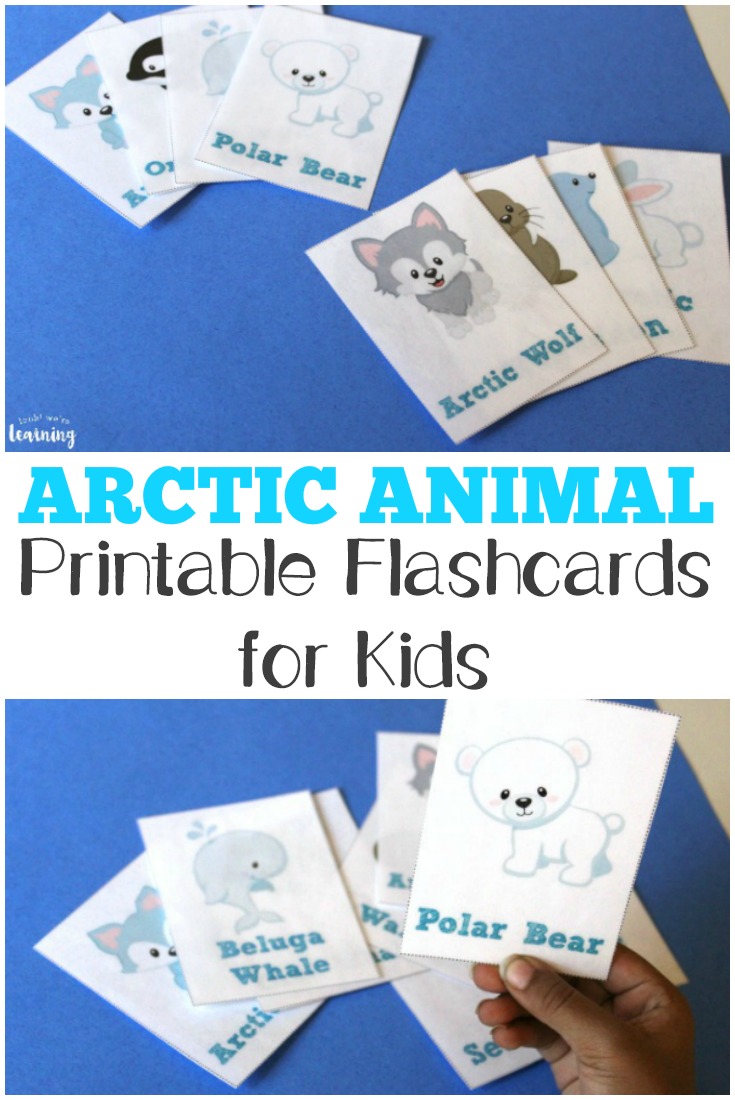
Pick up these Arctic Animal printable flashcards to help kids learn about animals that live in the Arctic region!

Get more ideas for winter learning on my Winter Activities for Kids board on Pinterest!

Polar Animal Notebooking Pages

To get your copy of “Discovering Animals of the Polar Regions” – Free Polar Animal Notebooking Pages, sign up for our email newsletter! You’ll get access to these, and lots of other freebies, when you subscribe.

Filed Under: Homeschooling Printables, Notebooking Tagged With: free notebooking printables, free printables, homeschool printables, notebooking, notebooking pages, polar animal notebooking pages, polar animals, printable notebooking pages, winter, winter printables

How to Teach History with a Timeline

November 26, 2018 by Selena Robinson Leave a Comment

If you’re teaching your kids at home, you’ve probably discovered that there are several ways to learn how to teach history.

You could do it by starting with the history of the country in which you live and then proceeding out to the rest of the world. Many curriculum companies use this approach.

You could start with modern history and then work your way back to the ancients.

You could follow your child’s interests and cover historical periods according to what they want to learn at the moment.

Or you could teach history chronologically – in order of how it occurred.

How to Teach History With a Timeline

Personally, I love the chronological approach. But, no matter which historical teaching method you use, history always makes more sense with a timeline.

What is a history timeline? Why should you learn how to teach history with a timeline? Read on to see why we love using timelines in our history lessons with our kids!

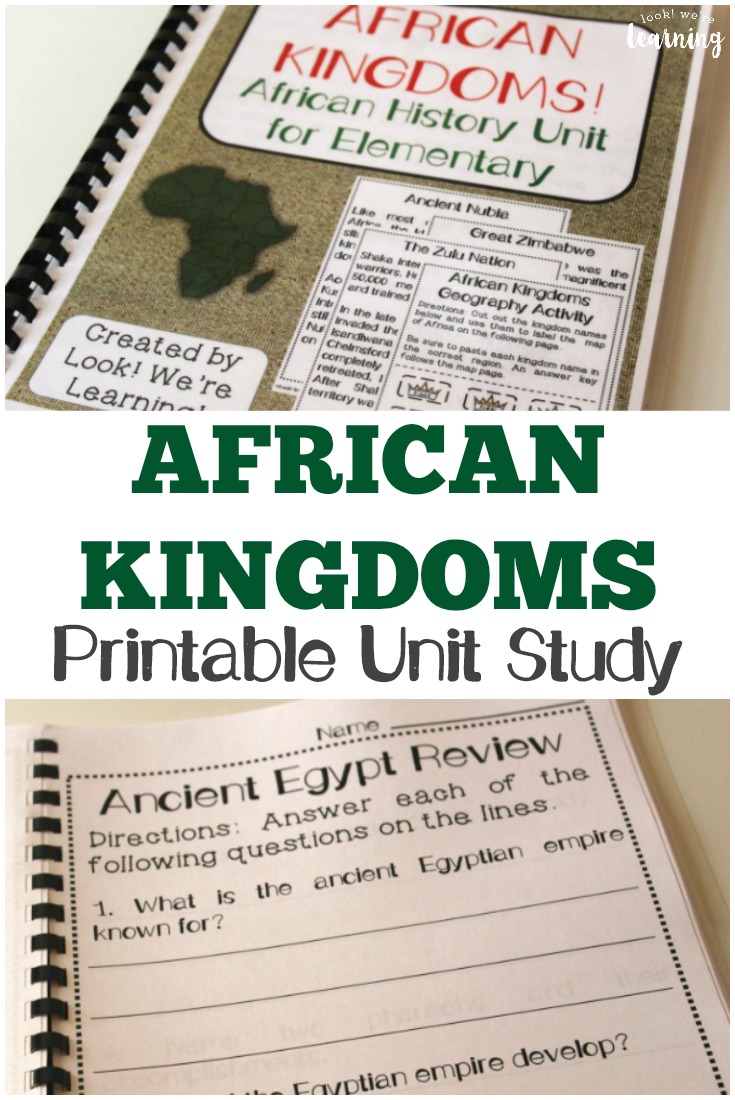
And for more history learning fun, don’t miss our African Kingdoms unit study. It’s a semester-long thematic unit all about the royal kingdoms of ancient Africa!

Disclosure: I am a BookShark brand ambassador and am receiving free curriculum as part of my role.

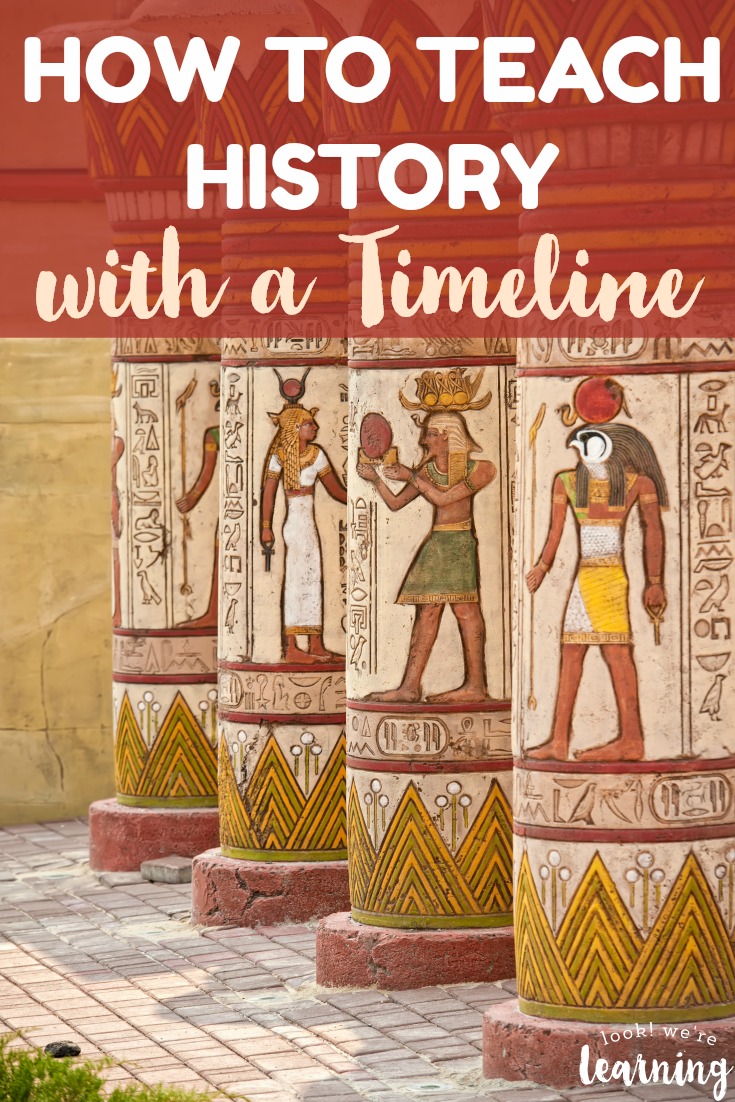
Does it really matter how you teach history to your children? See why learning how to teach history with a timeline can bring history to life for young learners!

Images c/o: javarman & Andy-pix / depositphotos

How to Teach History with a Timeline

So – what’s a history timeline? It’s exactly what it sounds like: a line for recording historical events in the order in which they happened.

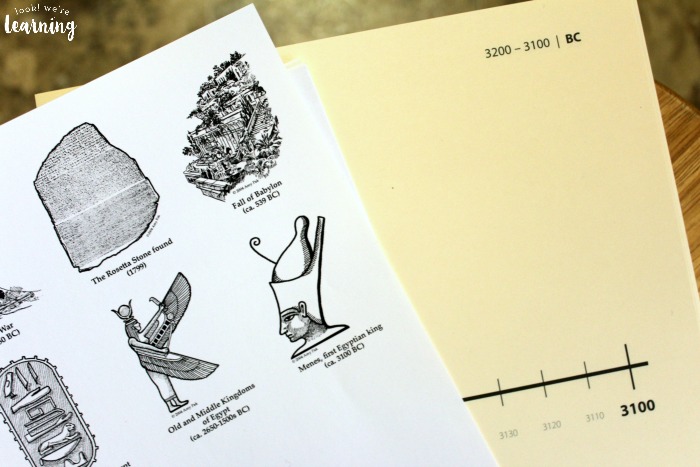
For example, if you’re studying Ancient Egypt, you might start with a discussion of how the Old Kingdom emerged as a major civilization. You’d begin with that topic and mark the appearance of the first recorded Egyptian king on your timeline, along with the years of his reign.

As you learn about subsequent kings, you’d add them to your timeline during the following years.

How to Learn History with a Timeline Using BookShark

However – and this is what makes history timelines so great – you’re not bound to that one topic. You can switch and learn about other civilizations that existed concurrently with Ancient Egypt, such as the Sumerian civilization and the Indus Valley civilization.

You’d record those rulers and their reigns in the years in which they occurred as well. As a result, when your kids look at a specific period in human history, say, 3500 – 3000 B.C.E., they’d be able to see which kingdoms were in existence, which were on the decline, and which were just emerging.

This is incredible for understanding not just which civilizations existed and when, but how they came about and what contributed to their development. It adds so much context to what’s happened among humans over the past centuries.

African Kingdoms Unit Study

How to Teach History with BookShark

With BookShark, all of the historical events are covered using the timeline approach. And, if you’re new to learning how to teach history in this way, the prepared lesson plans in the curriculum make it simple.

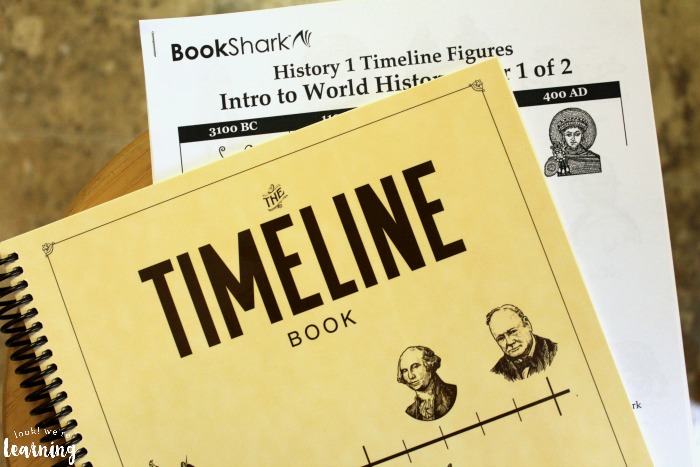
BookShark History Timeline Kit for Level 1

The lesson plan for each week’s history lesson explains when you will use the timeline book and figures. As you get to those activities, you simply help your child cut out the correct figure and place it in the timeline book at the year specified.

When you move through the program, you’ll gradually fill in your timeline with other important figures you discuss with the kids.

Exploring Ancient History Timelines with BookShark

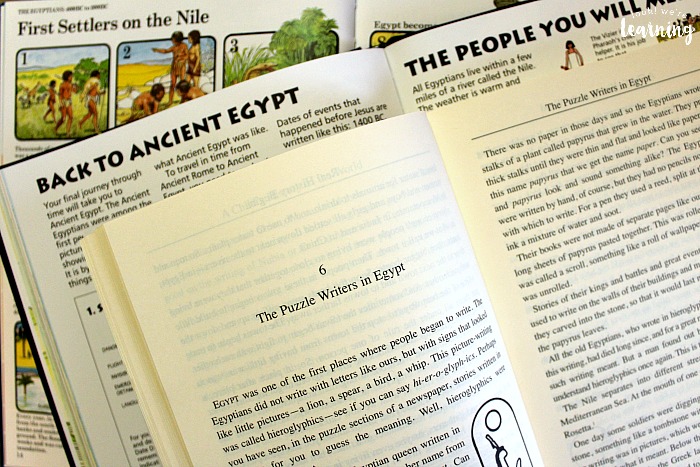
But BookShark doesn’t just include timelines for history. The program incorporates several excellent history resources to explain exactly what was happening and who was involved.

Kids can find out what life was like in those historical periods, make fun crafts and activities, and learn how these ancient civilizations have influenced our modern lives.

So, when they go back and look at the timeline, they remember when events occurred and, more importantly, why these events were significant.

For more on the BookShark approach to how to teach history, check out the website to see which periods are covered in each grade level.

How do you teach history in your homeschool? Have you found a specific way how to teach history that works best with your kids? Share your experiences in the comments!

Don’t miss these other history learning ideas!

Teach kids about the royal history of Africa with this African Kingdoms printable African history unit study!

This jazz history unit is a perfect black history unit study for music class!

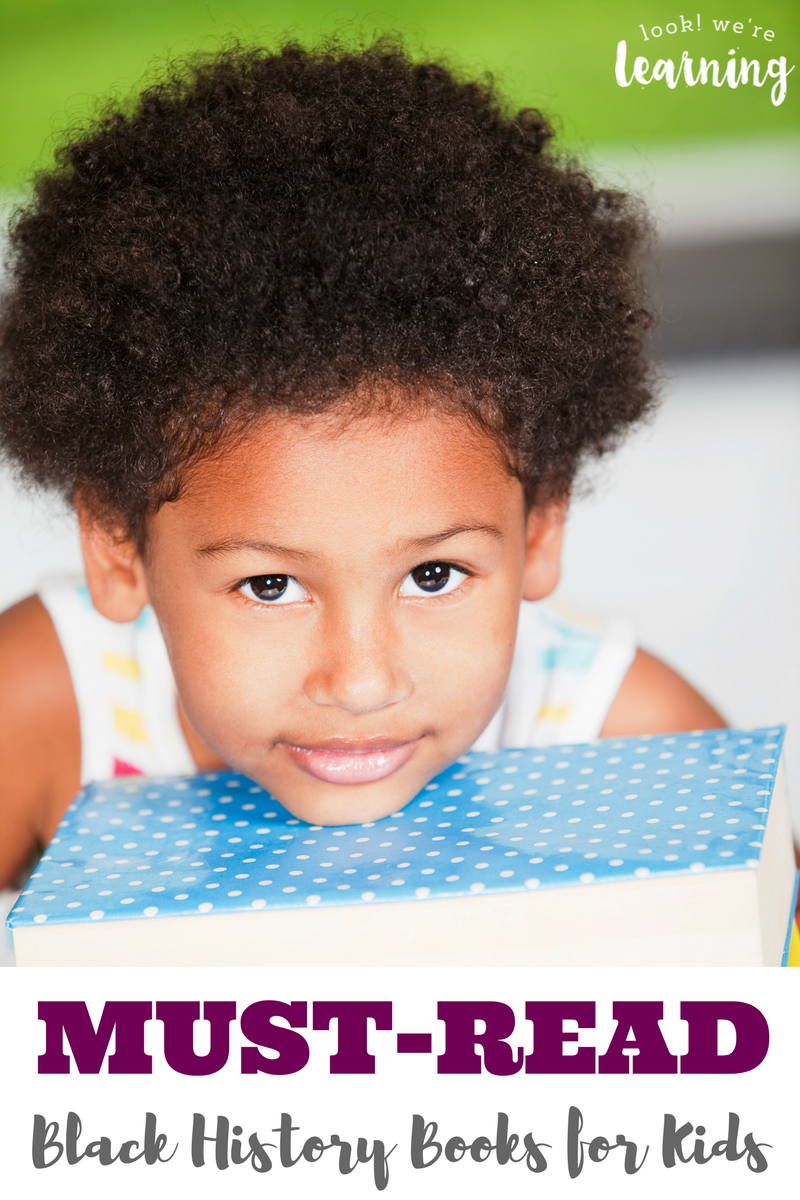
Learning about black history is such an important part of a child's education. Make it fun with these must-read black history books for kids!

See more ways to bring history to life on my Living History for Kids Pinterest board!
We Got Jazz Printable Unit

Filed Under: History Tagged With: history, homeschool curriculum

Spanish Worksheets for Kids: Spanish Telling Time Worksheets

November 19, 2018 by Selena Robinson 2 Comments

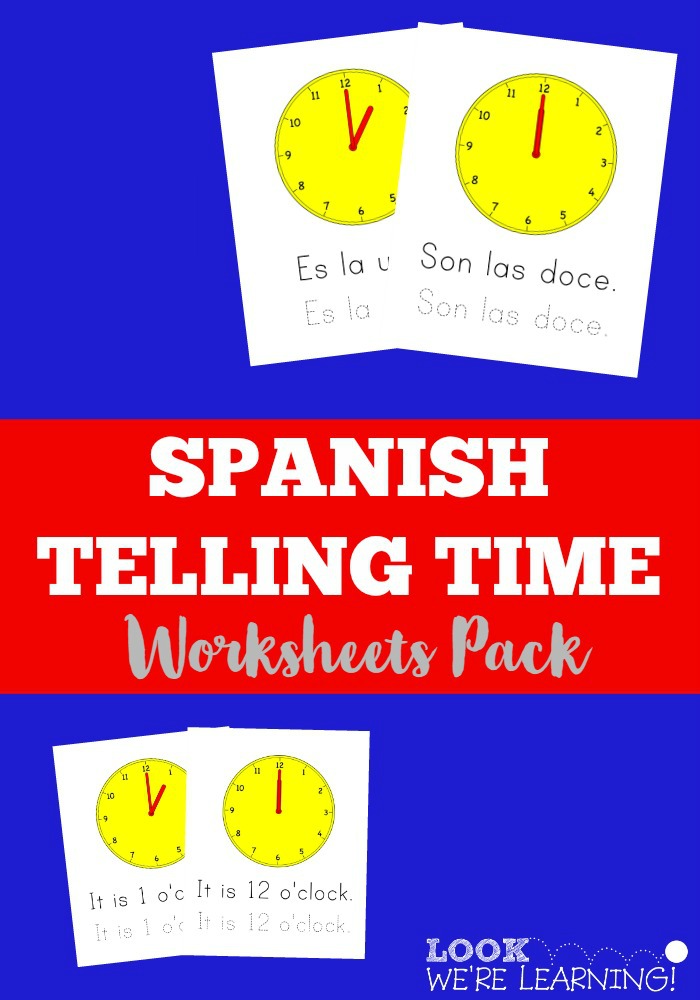
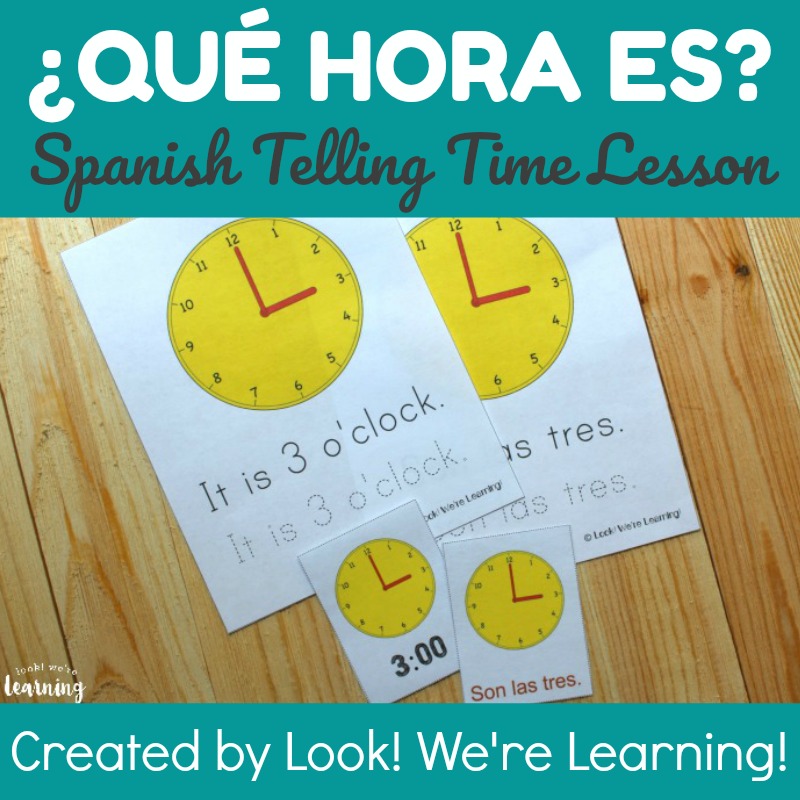
Pick up this Spanish Telling Time Worksheets Pack to help kids learn to tell time in Spanish!

We’ve had some extremely cold weather (for us) recently and we’ve all been stuck indoors. So it’s an excellent time to share a brand new set of Spanish worksheets for kids with all of you! Yay!

This is a super resource if you’re teaching Spanish to your kids in grades PK-Grade 3. It’s a Spanish Telling Time Worksheets bundle – over 40 pages of help to learn how to tell time in Spanish!

Printable Spanish Telling Time Worksheets for Students

Read on to learn how to get yours!

And for more Spanish learning fun, check out our Spanish Family Words Worksheets!

Teach children how to tell time to the hour in Spanish with these printable Spanish telling time worksheets for kids!

Spanish Worksheets for Kids: Spanish Telling Time Worksheets

To use this set of Spanish telling time worksheets, you’ll need the following: (This post contains affiliate links. For details, see our Disclosure Policy.)

  • Printer (with ink)
  • Printer paper
  • Scissors
  • Laminator (for the flashcards)
  • Pencils

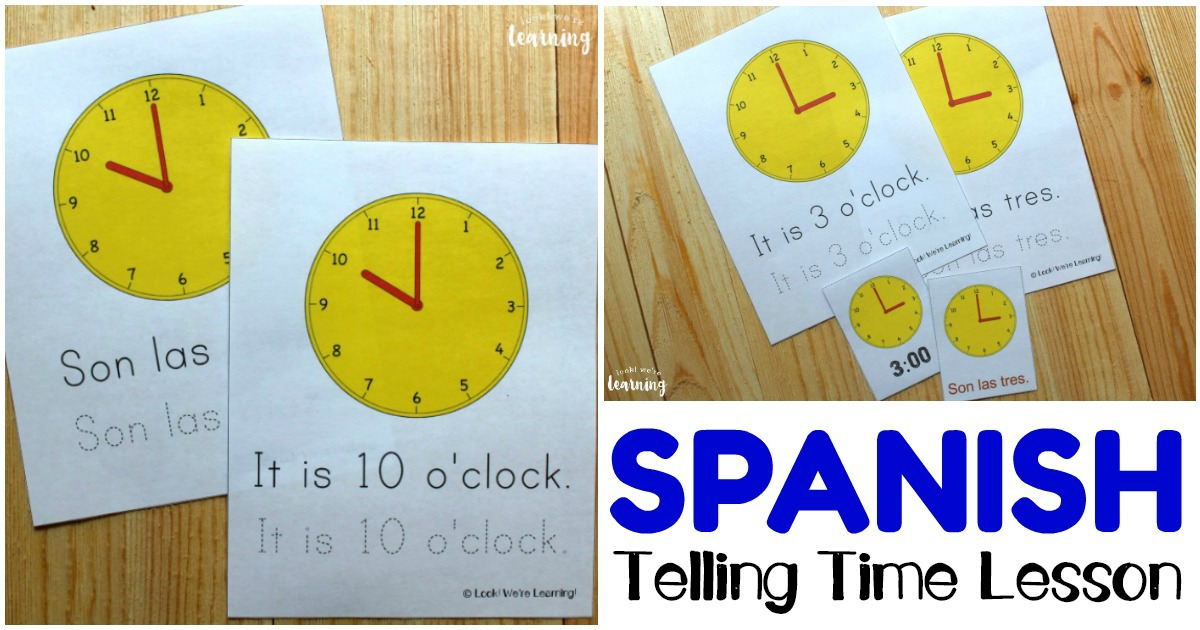
Printable Spanish Telling Time Lesson

This bundle of Spanish activities is great for kids from preschool to grade 3 and it includes help to learn how to say common Spanish telling time phrases.

Spanish Telling Time Worksheets for Kids

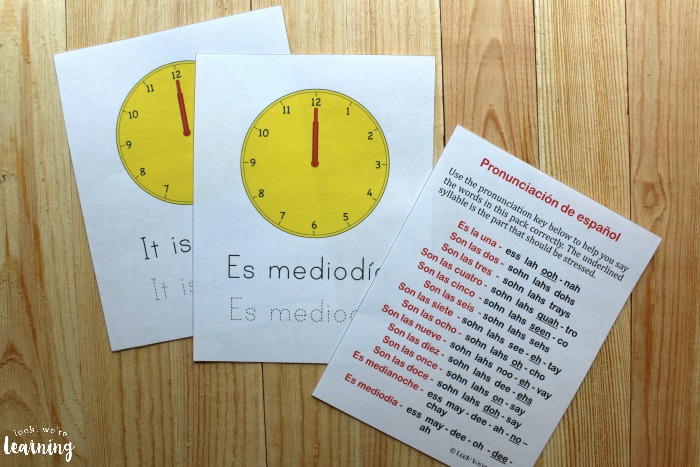
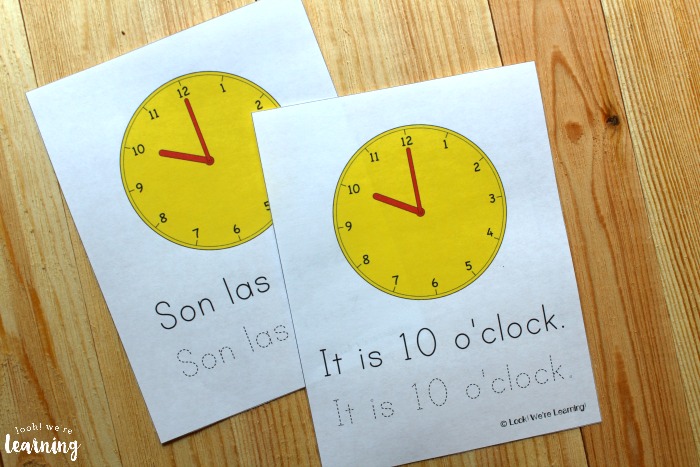
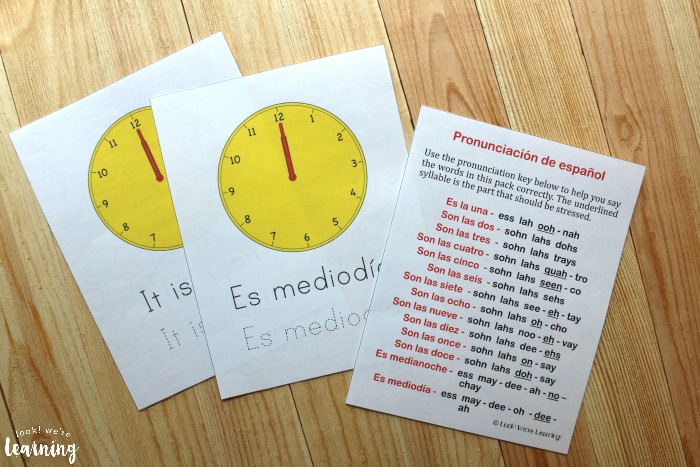
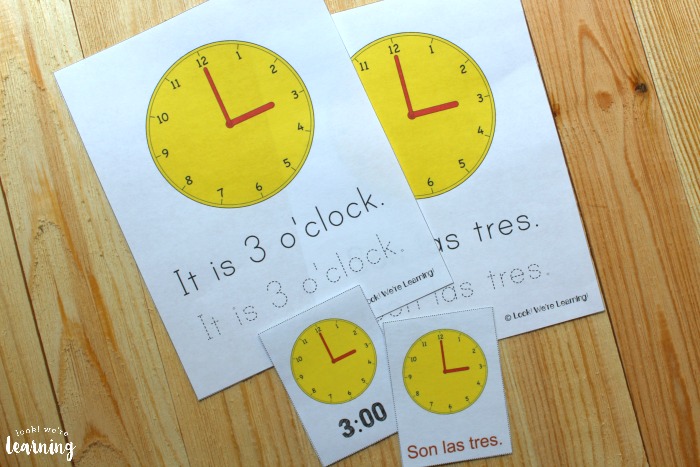
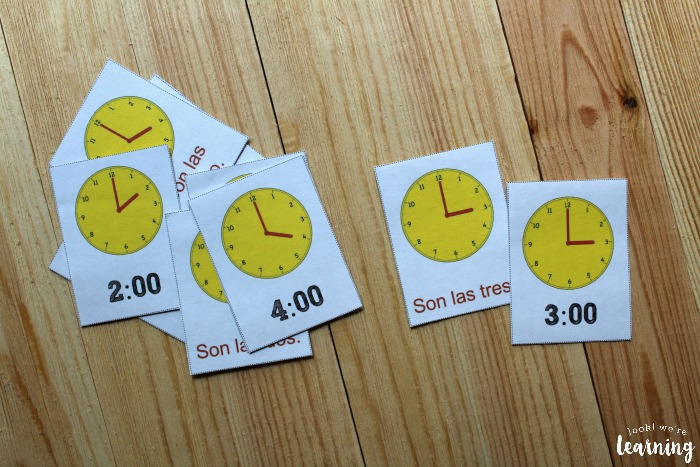
The product features printed English and Spanish time phrases, along with tracing sentences and a bonus set of Spanish telling time flashcards! A pronunciation guide for saying the Spanish phrases correctly is also included.

Printable Spanish Telling Time Worksheets for Kids

As you’ll see, the Spanish way of telling time is fairly simple. In English, we use “o’ clock” to identify time based on the numbers on the clock face.

Printable Spanish Telling Time Worksheets

In Spanish, though, people just refer to the number of hours. So instead of 1 o’clock, in Spanish you’d say “Es la una“, which literally means “It is one.” No “o’clock” needed!

After 1 o’clock, Spanish time phrases include “Son las dos” (It is two.), “Son las tres” (It is three), and so on.

Printable Spanish Telling Time Lesson

I’ve also included printables that explain the Spanish expressions for midnight and noon, so you can identify which 12:00 it is with ease!

Printable Spanish Telling Time Flashcards

Plus, there are printable Spanish telling time flashcards for easy practice!

Scroll down to get your Spanish Telling Time Worksheets!

Resources for Learning to Tell Time in Spanish:

To get more practice telling time in Spanish, try these great resources!

  • Happy Kid Toy Group Bilingual Learning Clock
  • Pop-It Spanish Telling Time Game
  • Rosetta Stone Homeschool Spanish (Latin America) Level 1-5 Set including Audio Companion

For more help teaching kids Spanish, check out more of our resources below!

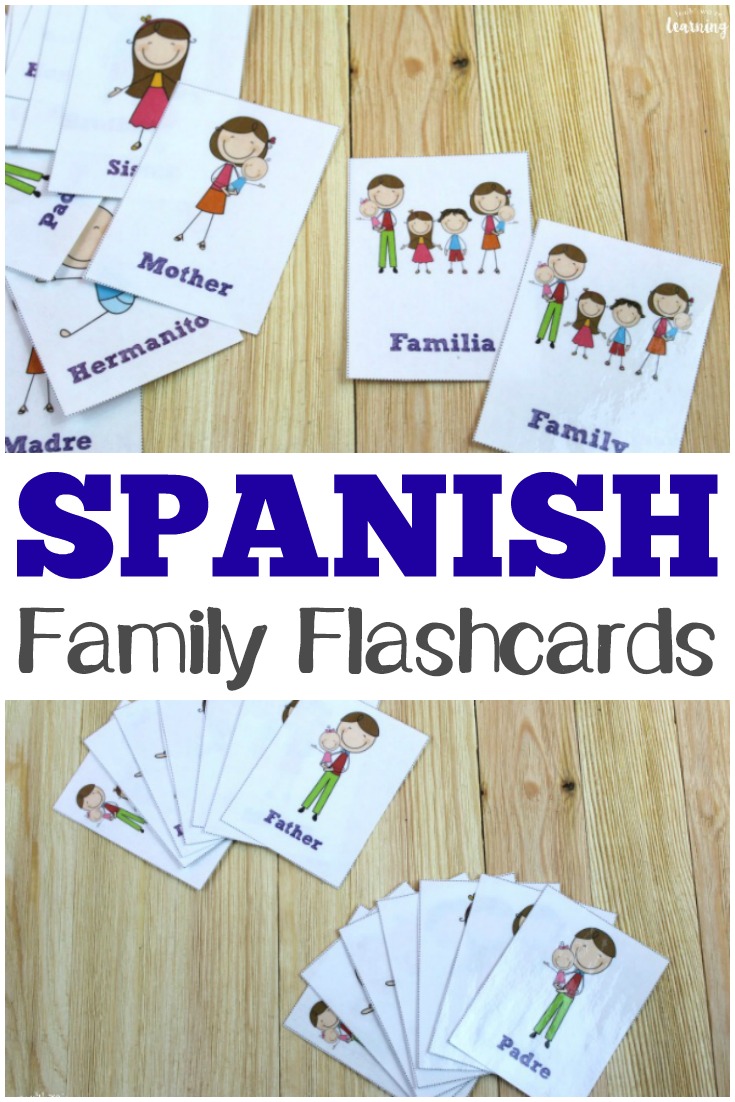
Help kids learn to recognize family words in Spanish with these printable Spanish family flashcards!

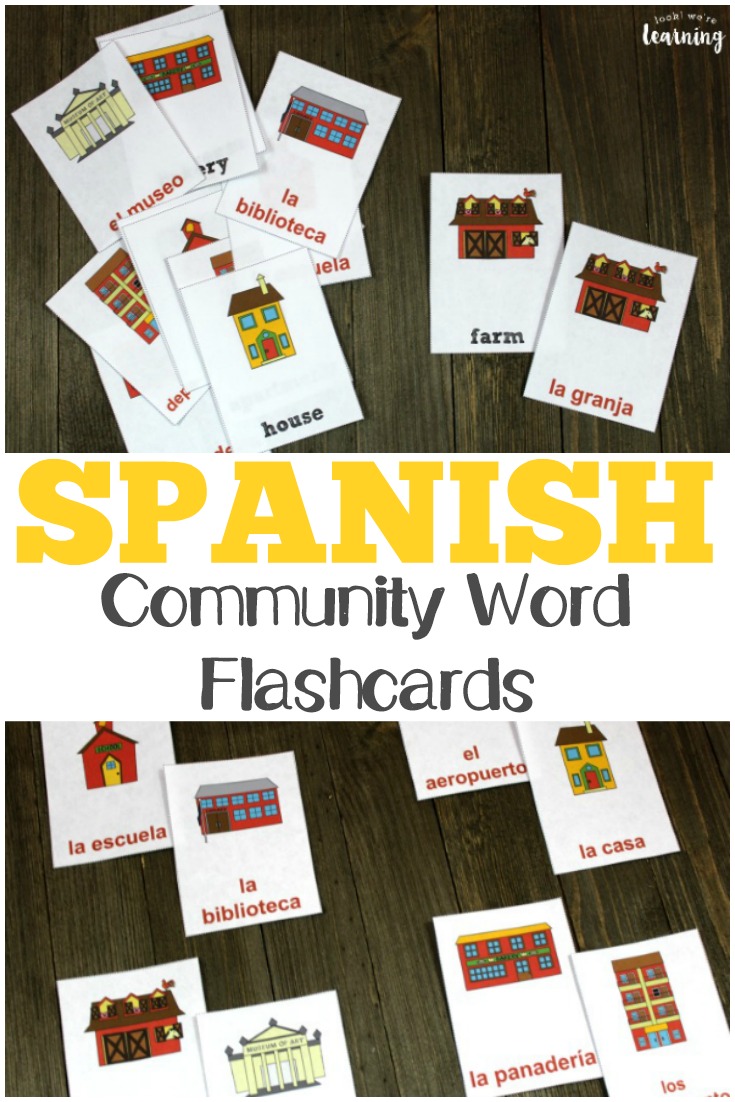
Use these printable Spanish community words flashcards to help kids identify places in the neighborhood in Spanish!

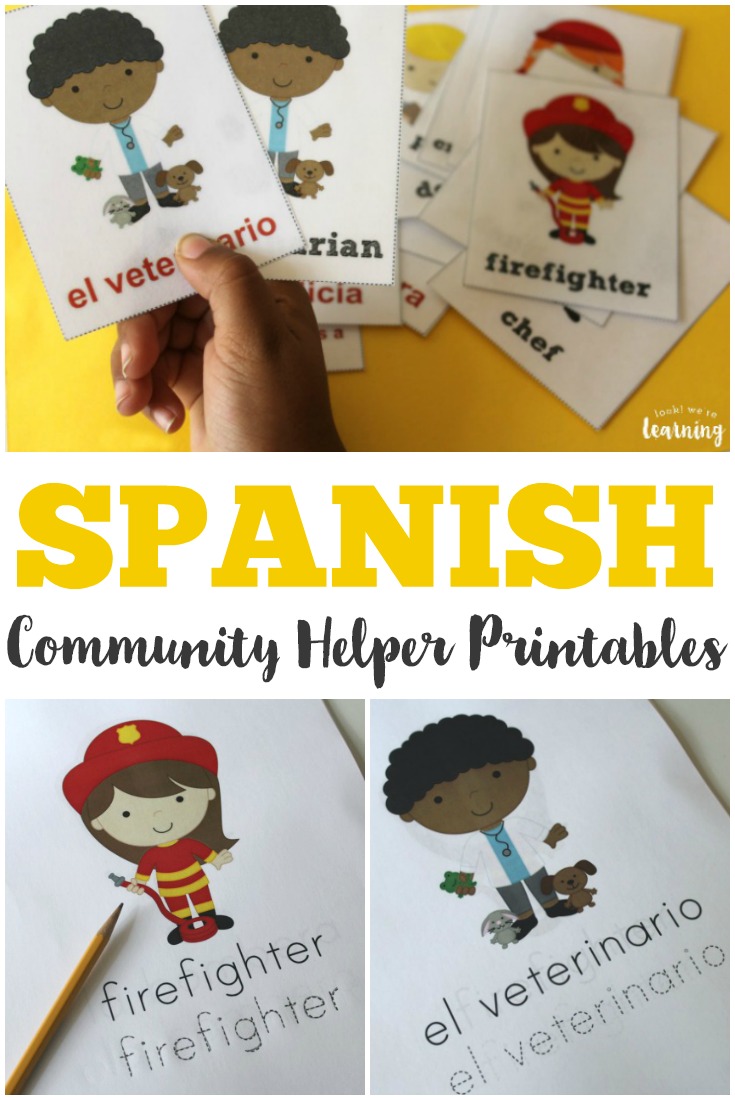
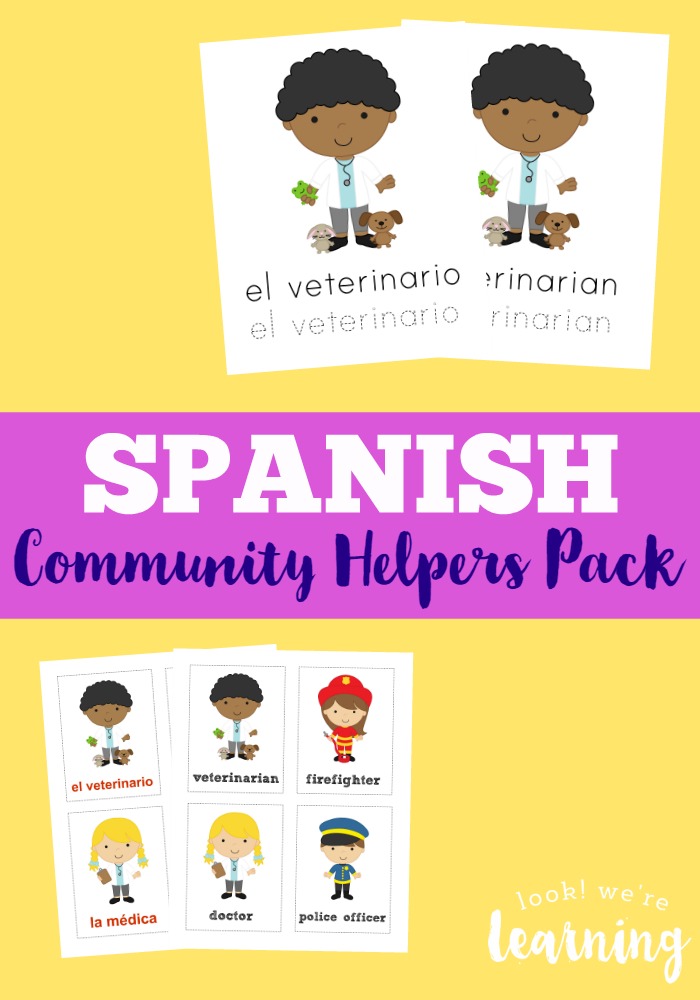
Teach children how to identify community workers in both Spanish and English with these Spanish community helper worksheets!

To get your copy of our Spanish Telling Time Worksheets, click the image or the link below to visit our Store!

Spanish Telling Time Lesson for Kids

>>>> Spanish Telling Time Worksheets <<<<

Filed Under: Homeschooling Printables, Spanish Tagged With: homeschool printables, math, printable spanish worksheets, printables, spanish, spanish for kids, spanish printables, spanish telling time worksheets, spanish telling time worksheets pack, spanish worksheets, spanish worksheets for kids, telling time, telling time in spanish

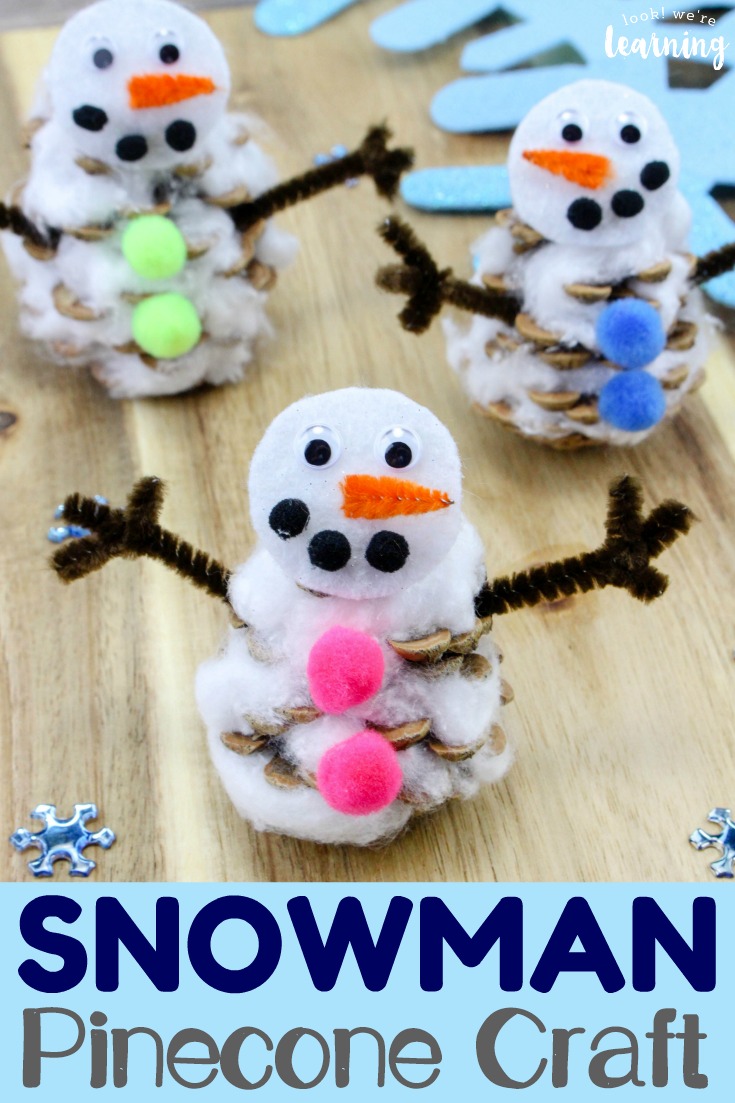
Easy Pinecone Snowman Craft for Kids

November 8, 2018 by Selena Robinson 2 Comments

Winter is not my favorite season. Snow is beautiful, but I cannot abide cold weather. I simply cannot.

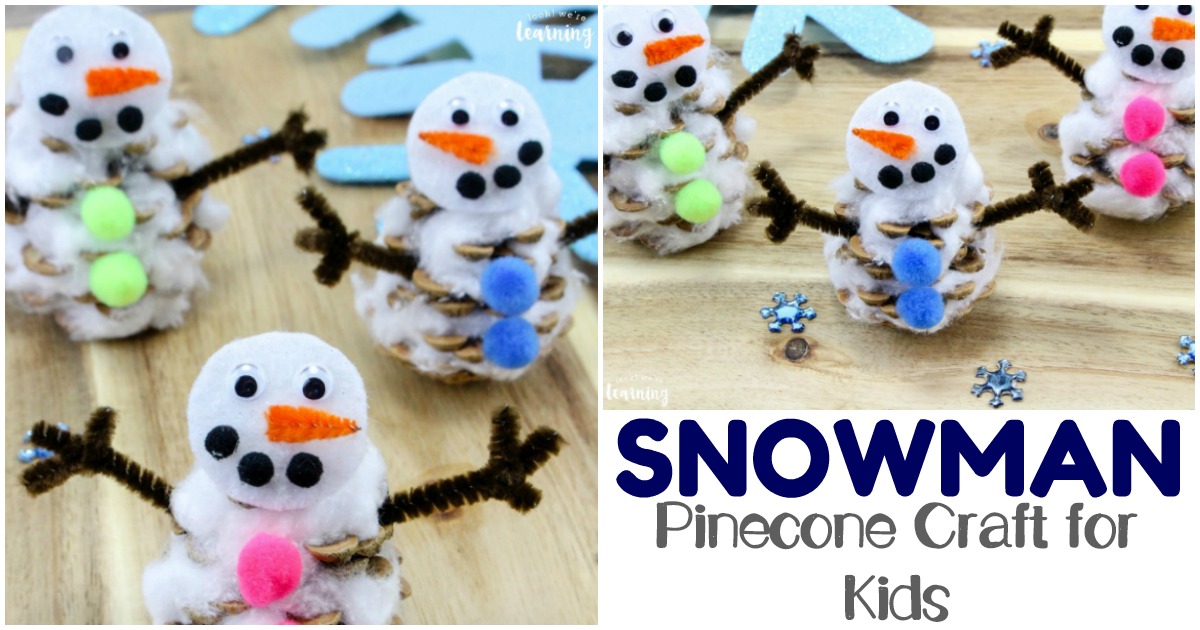
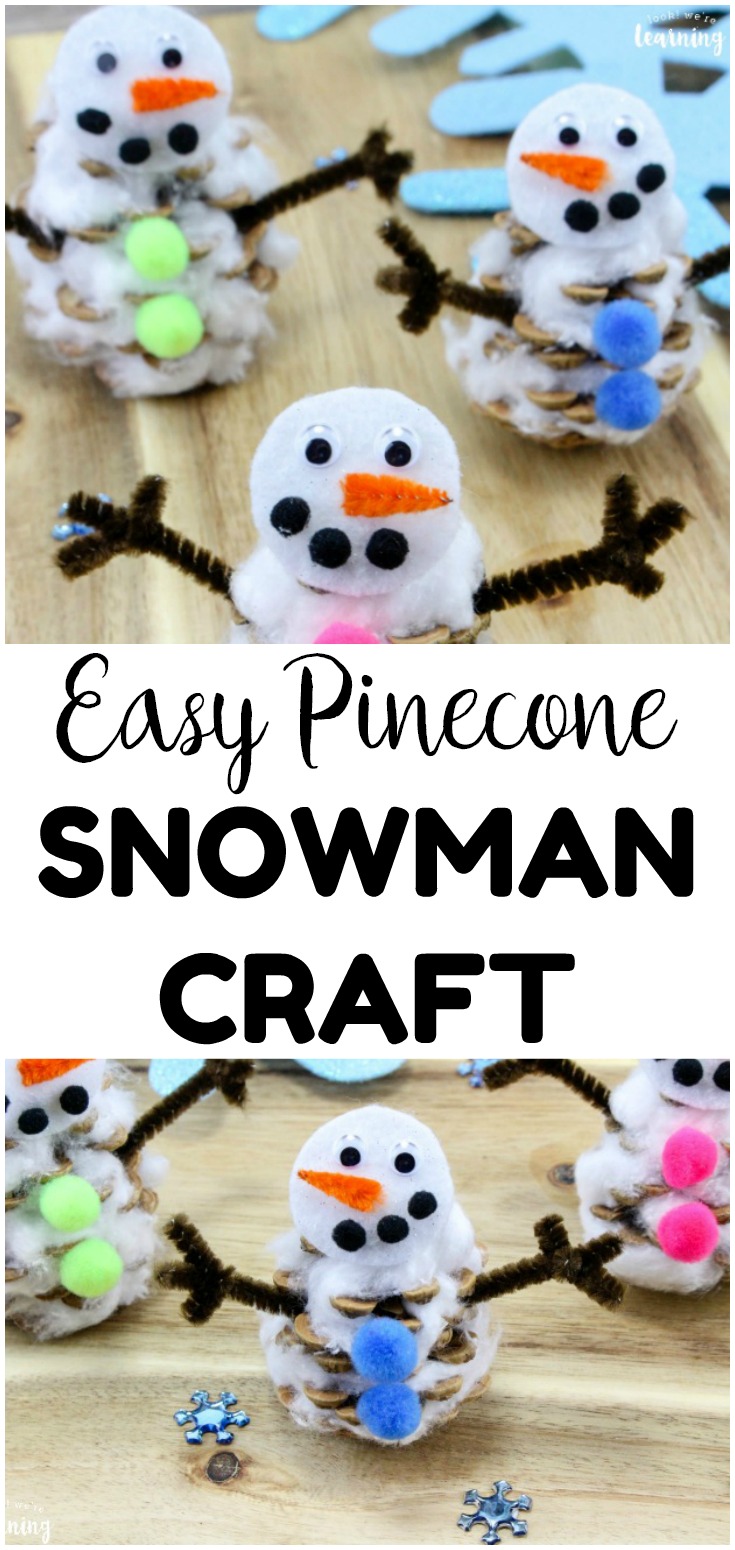
Which makes winter the best season of all for crafting! And that’s why I love this super cute and easy pinecone snowman craft for kids! This is an awesome art activity for a cold winter day, since you don’t have to leave the safety of your heated home to make it.

Just be sure to gather up the pinecones in advance if you want to avoid stepping out your front door on a particularly blustery day.

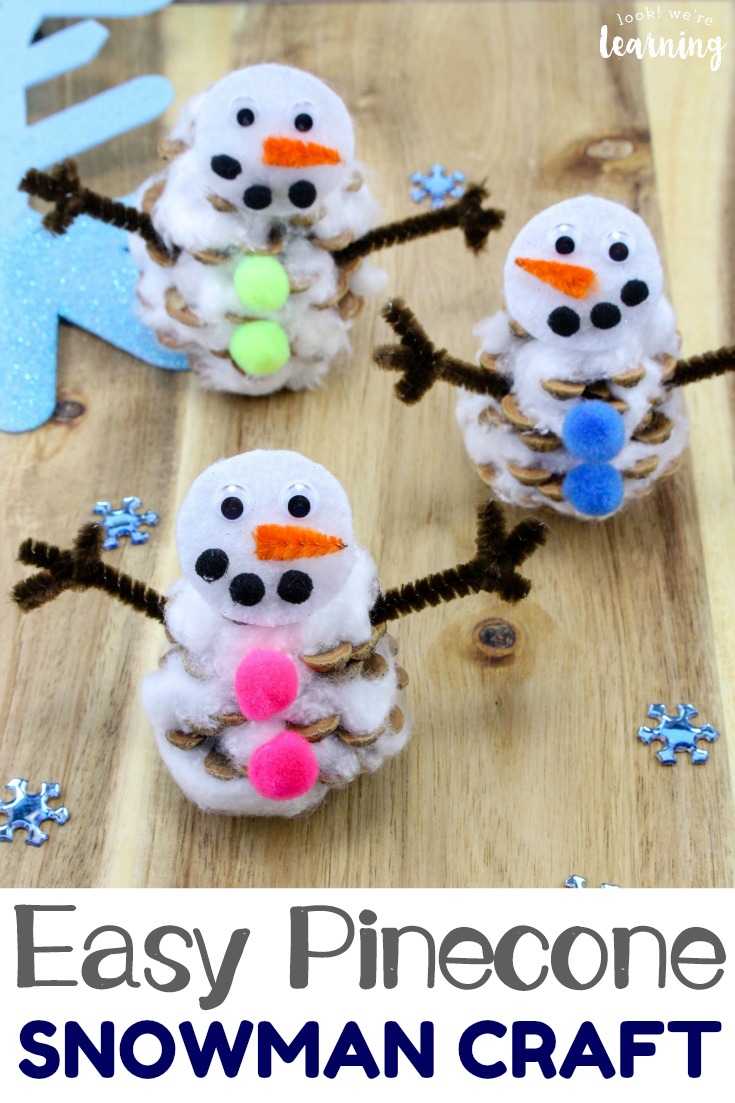
Fun and Simple Pinecone Snowman Craft for Kids

With the right decorations, you could even use this snowman craft to make an entire winter scene! Plus, they’d make adorable table decorations if you’re having company soon.

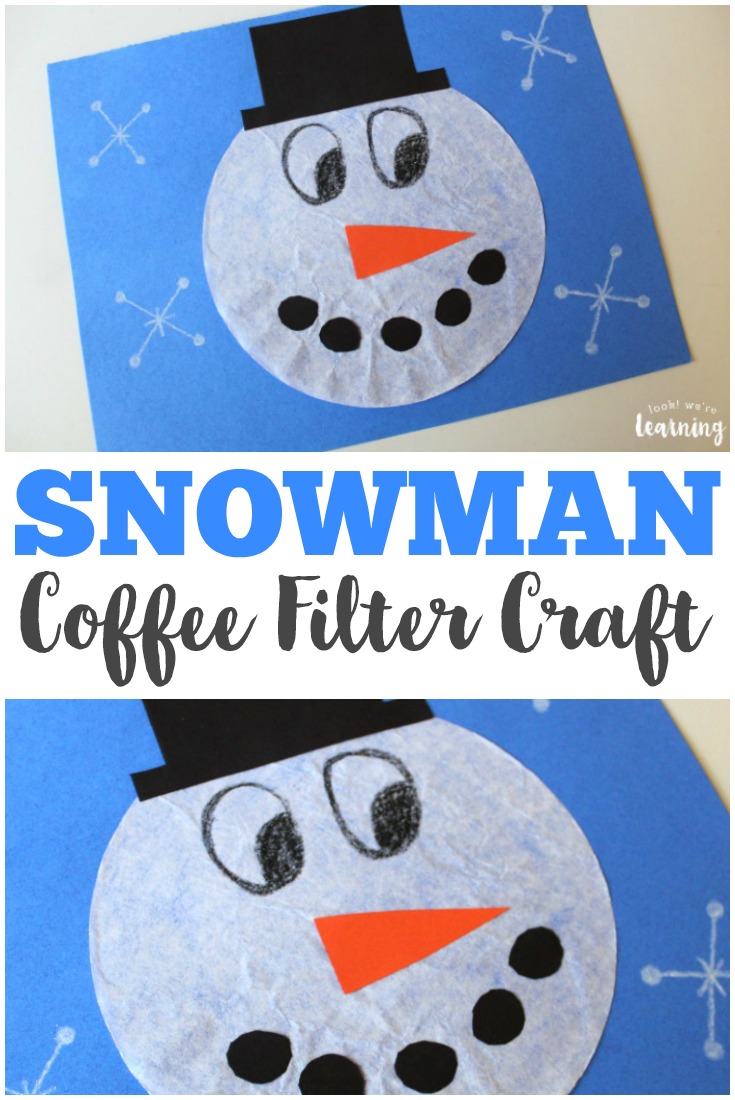
Read on to see how to make these with your own kids! And for more winter crafting, don’t miss our simple coffee filter snowman craft that even little ones can make!

Make an adorable winter craft project this year with this super easy pinecone snowman craft for kids! Little ones will love it!

Easy Pinecone Snowman Craft for Kids

A note before you get started on this pinecone snowman craft for kids, a hot glue gun is necessary for some of the steps.

Be sure you don’t leave the kids alone with this tool and perform those steps yourself before letting the kids go on with the project.

Notes for adult caution are included in the steps below.

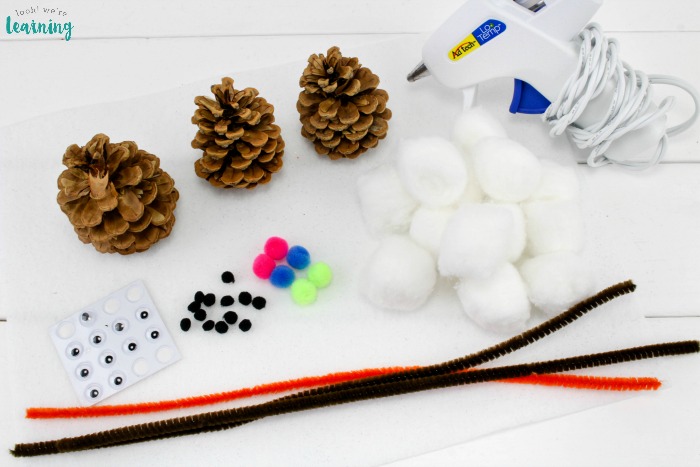
What You Need to Make a Pinecone Snowman Craft for Kids

To make this simple pinecone snowman craft for kids, you’ll need the following: (This post contains affiliate links. For details, see our Disclosure Policy.)

  • 3 pine cones
  • 9 cotton balls
  • 6 small pom-poms (assorted colors)
  • 9 mini black pom-poms
  • 6 small googly eyes
  • Brown and orange chenille stems
  • White felt
  • Child-safe scissors
  • Low-temperature hot glue gun (for use by adults only)

Pinecone Snowman Craft for Kids Supplies

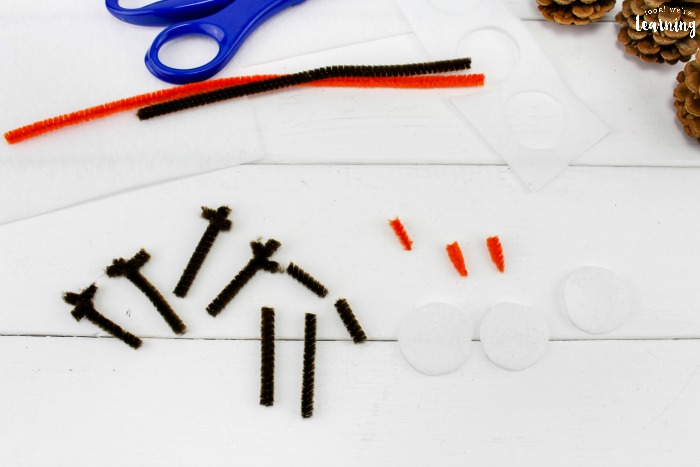
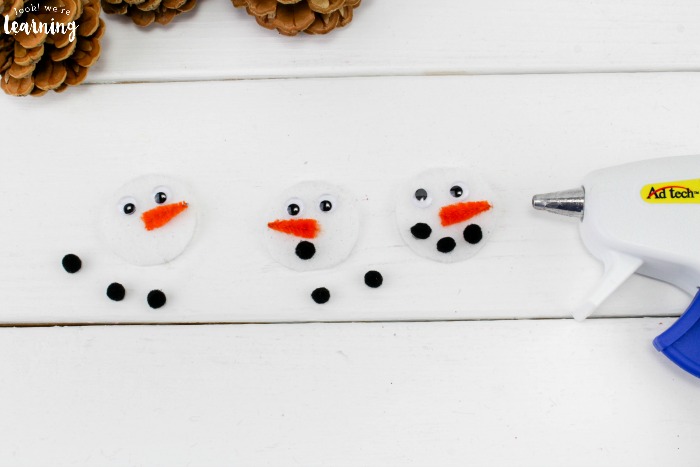
To make the snowmen’s head, cut three 1-inch circles out of the white felt. The kids can do this part if you use child-safe scissors. Cut the brown chenille stem into six 2-inch pieces and six ½-inch pieces.

Fold the ½-inch pieces around the ends of the 2-inch pieces to create arms. Then cut the orange chenille stem into three ½-inch pieces for the carrot nose.

Making a Simple Pinecone Snowman Craft for Kids

NOTE: This step should be completed by an adult.

Use the hot glue gun to attach two googly eyes, the carrot nose, and three mini black pom-poms on each white felt circle. Set these aside.

Simple Pinecone Snowman Craft for Kids

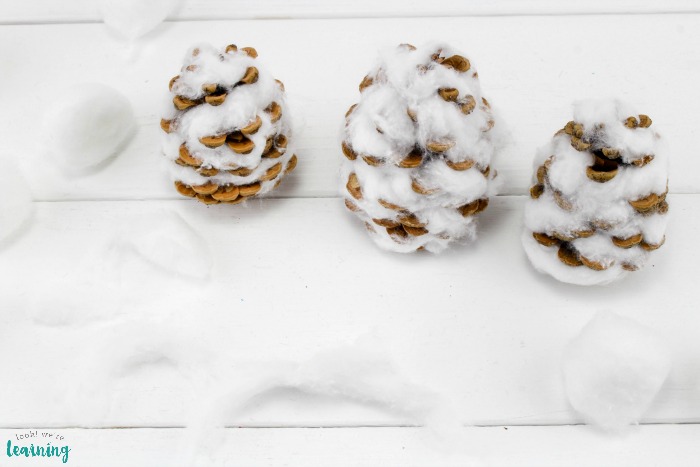
Pull the cotton balls apart. Push the cotton pieces into the pinecones to cover them with “snow”.

Winter Playdough Mats for Kids

Cute Winter Snowman Craft for Kids

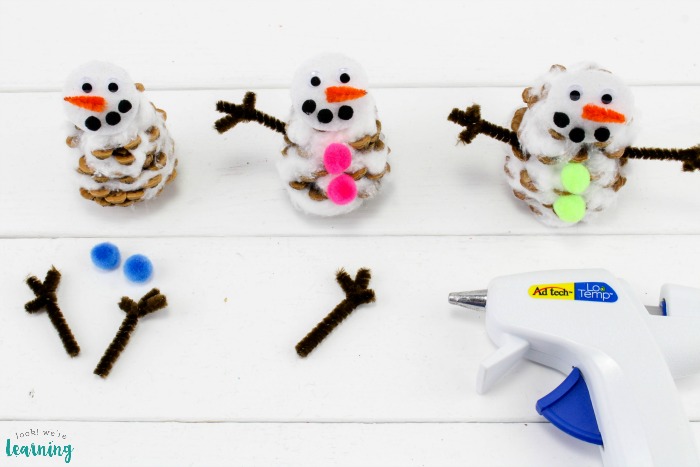
NOTE: This step should be performed by an adult. Use the hot glue gun to glue one of the snowmen heads to the top front of each pinecone.

Then attach two colored pom-poms vertically down the front of the pinecone to make “buttons”. Glue one arm to each side of the pinecone.

Simple Snowman Craft for Kids

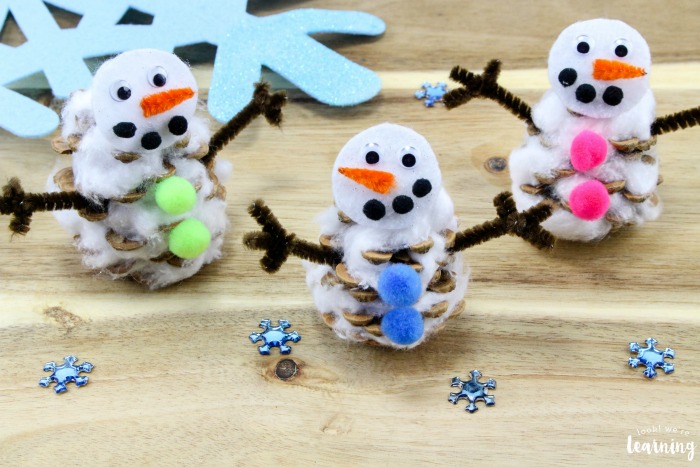
And you’re done!

Cute Pinecone Snowman Craft for Kids

You and the kids can make an adorable family of snowmen and snowwomen!

Easy Snowman Craft for Kids

This snowman craft for kids is such a cute way to spend some winter crafting time with your little ones!

This adorable pinecone snowman craft for kids is a perfect winter art activity for little ones!

Don’t miss these other fun winter crafts and learning ideas for kids!

These free winter printables for kids feature plenty of fun learning ideas for the winter season!

Make this cute coffee filter snowman craft with the kids on a winter afternoon!

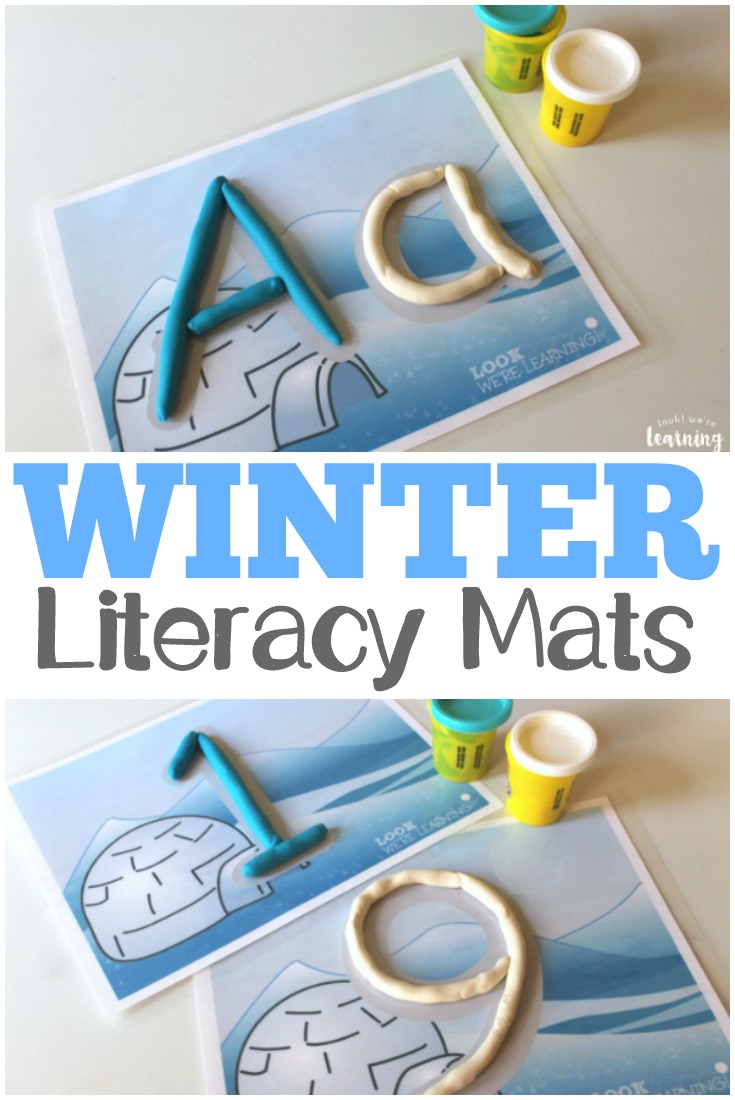
Practice letter and number literacy with these winter alphabet and number playdough mats!

Get even more ideas for winter fun on my Winter Activities for Kids Pinterest board!
Get into the winter mood with this easy pinecone snowman craft for kids! Great for indoor winter crafts this season!

Filed Under: Crafts Tagged With: crafts, crafts for kids, snowman crafts, winter crafts

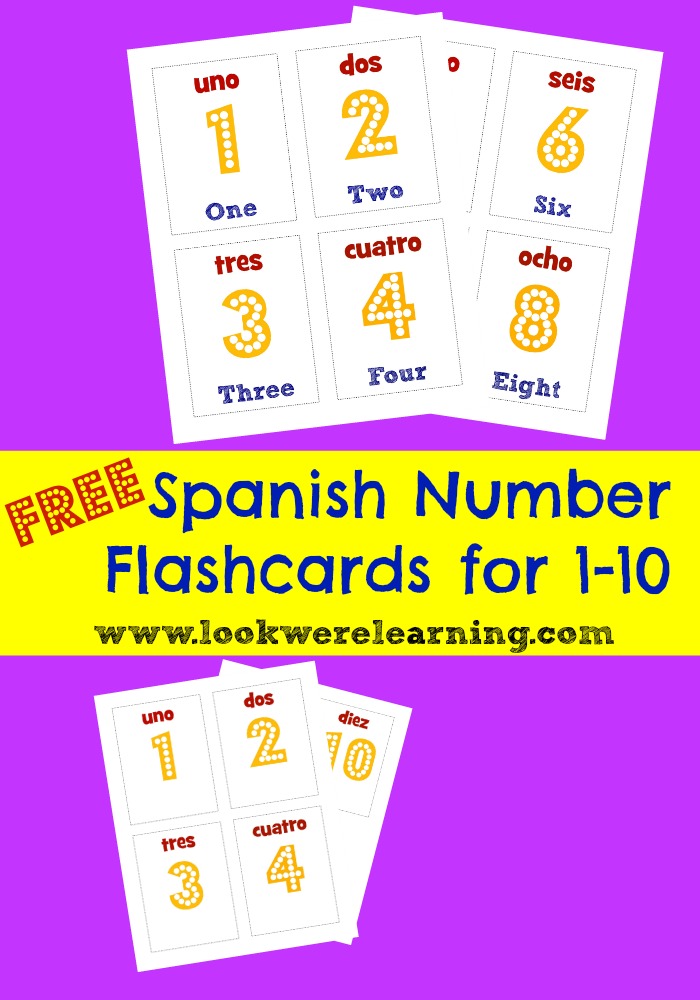
Free Printable Flashcards: Spanish Number Flashcards 1-10

November 5, 2018 by Selena Robinson 1 Comment

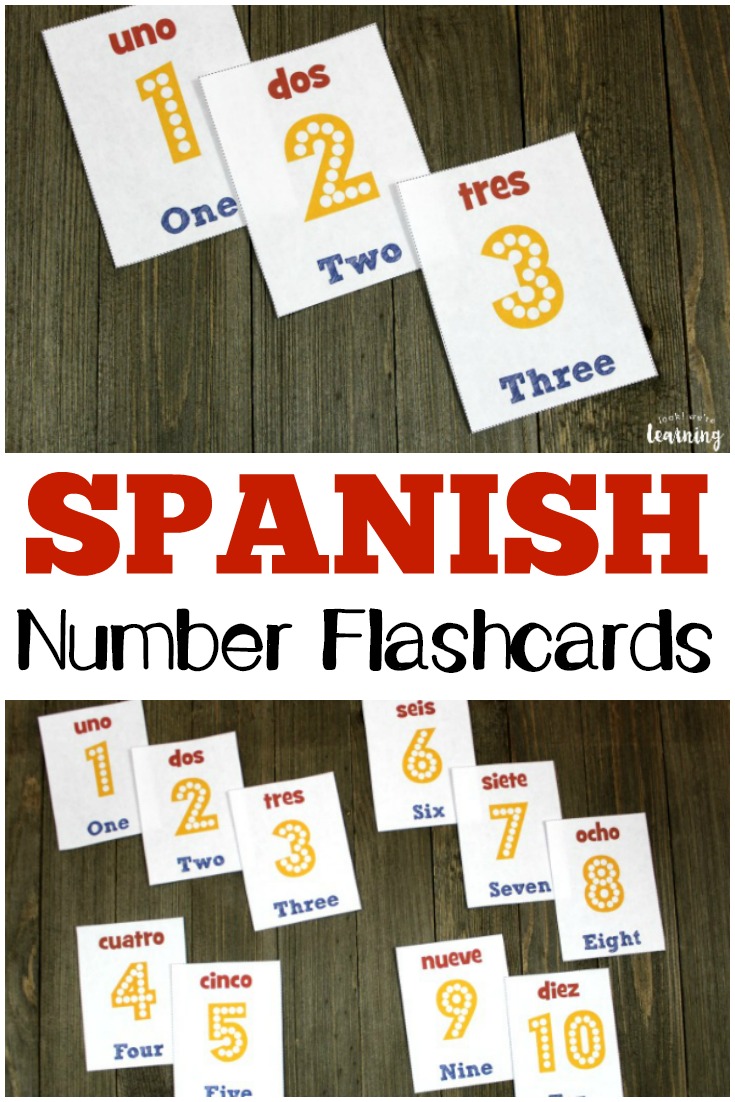
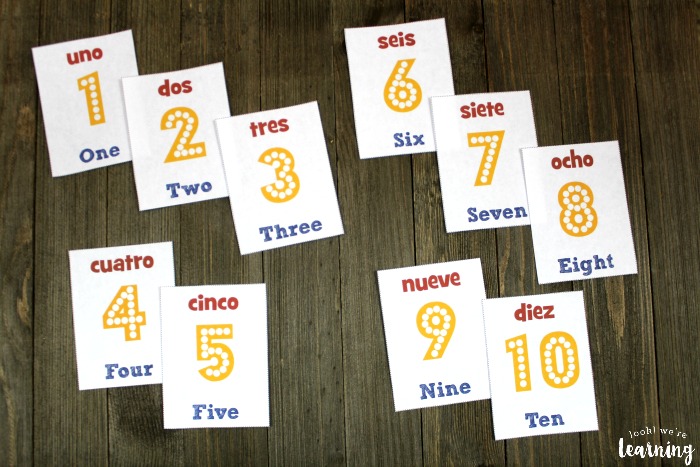
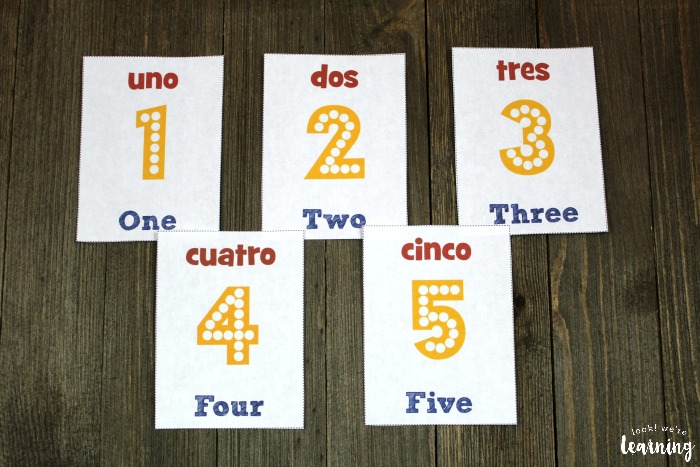
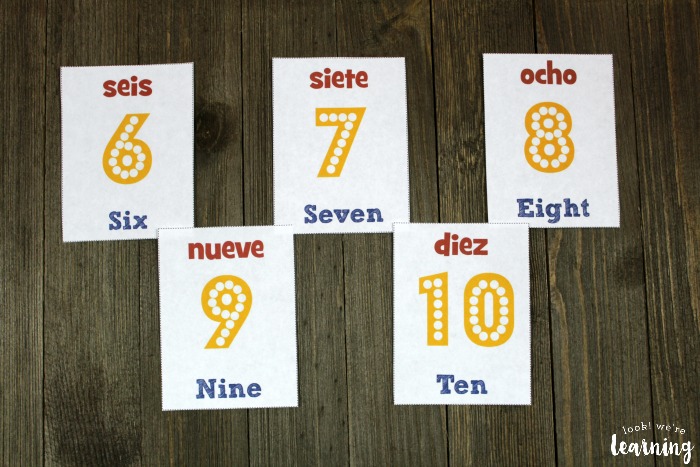
We’re back to learning español this week with a new set of free printable flashcards! This time, we’re sharing Spanish number flashcards for numbers 1-10!

Childhood is a wonderful time to learn a foreign language. Kids’ brains just slurp up the nuances of language like you would not believe. So why not give them a head start? Plus, Spanish is super fun to use!

Learn how to read and say numbers in Spanish with these Spanish number flashcards!

If you like these, don’t miss the rest of our printable Spanish flashcards! There are sets featuring Spanish verbs, clothing words, days of the week in Spanish, and more!

Work on recognizing numbers in both English and Spanish with these printable Spanish number flashcards!

What’s In the Spanish Number Flashcards 1-10 Pack?

What You’ll Need to Use These Cards: (This post contains affiliate links. For details, see our disclosure policy.)

  • Printer (with ink)
  • Printer Paper
  • Scissors
  • Laminator (use if you want the cards to last for a while)

Printable Spanish Number Flashcards for Kids

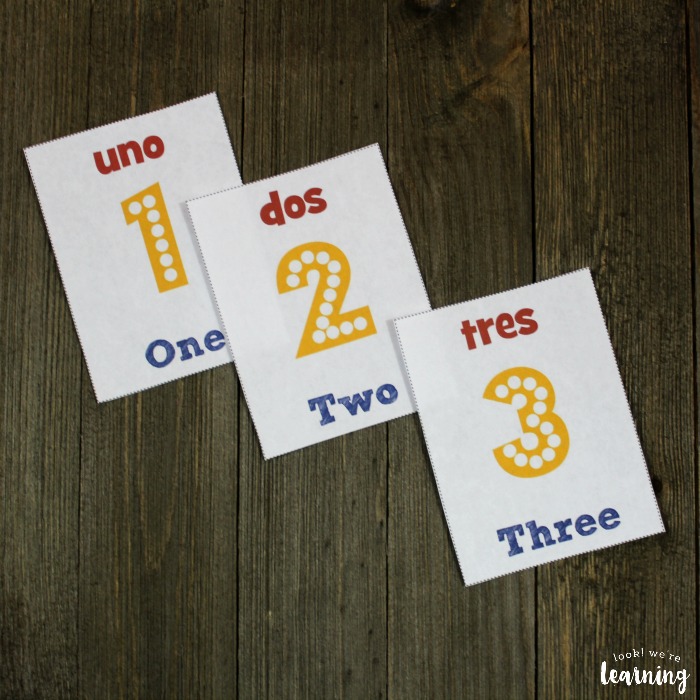
This pack of Spanish number flashcards lets kids learn both English and Spanish number words at the same time!

English to Spanish Number Flashcards

Use the first set to review both languages, then the second to practice reading and comprehending Spanish number words alone.

Spanish Number Flashcards for Kids

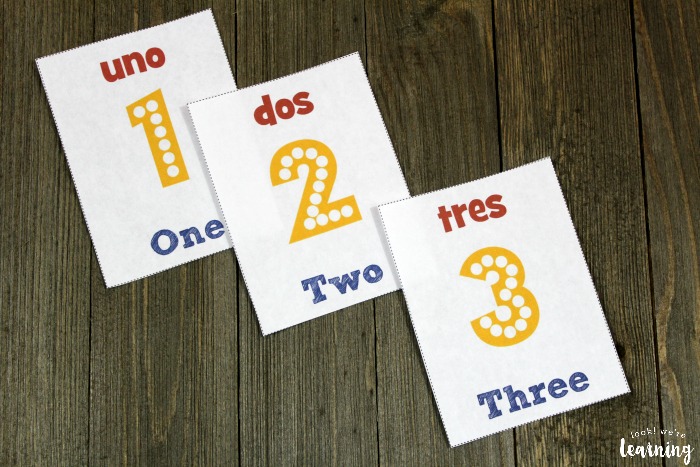
Each card includes the number and the number words for reinforcement, especially with early learners.

Printable Spanish Number Flashcards

A pronunciation guide is also included, so you’ll get a chance to practice saying each number correctly.

Printable English to Spanish Number Flashcards

Scroll down to get your free Spanish number flashcards 1-10 set!

Books for Learning Spanish:

Looking for excellent Spanish learning resources? Try these books for teaching Spanish to kids!

  • The Everything Kids’ Learning Spanish Book: Exercises and Puzzles to Help You Learn Espanol
  • My Big Book of Spanish Words
  • First 100 Words Bilingual (Spanish Edition)
  • Color & Learn Easy Spanish Phrases for Kids

Don’t miss our other Spanish language learning resources!

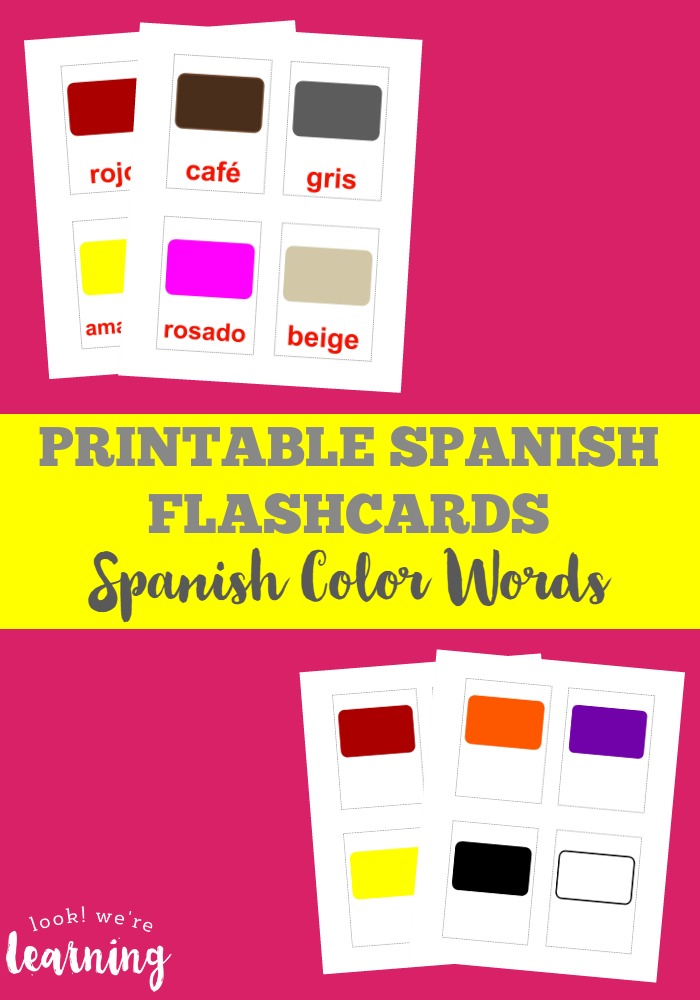
Use printable Spanish flashcards such as these printable Spanish color flashcards to learn basic words and phrases in espanol!

Spanish Community Helpers Printables Pack

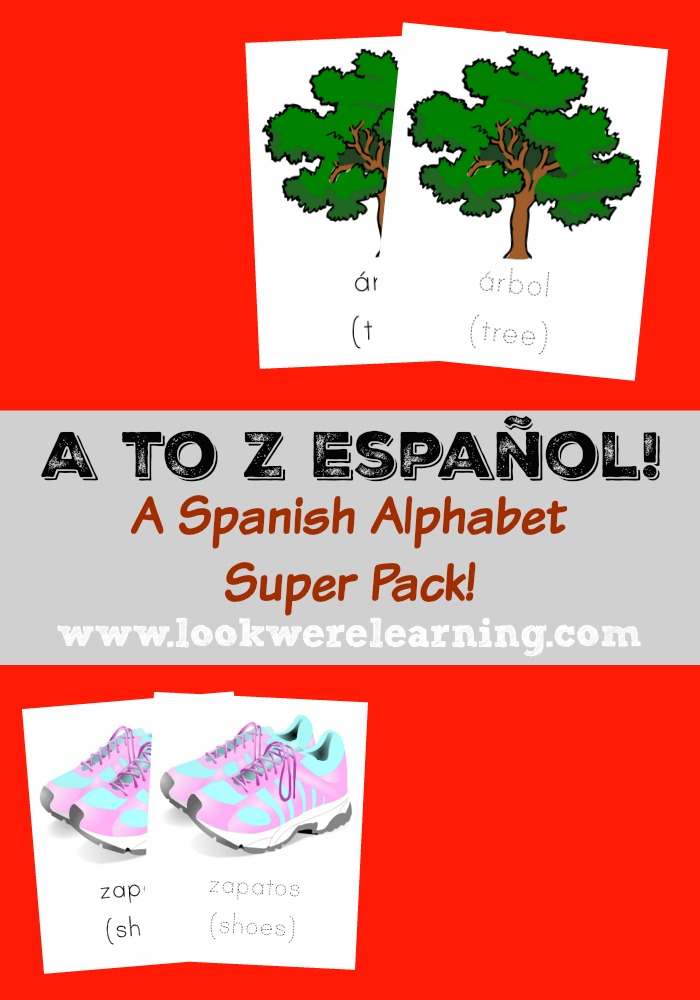
A to Z Espanol Spanish Alphabet Super Pack

Plus, learn more about teaching a foreign language to your homeschoolers with the tips on my Foreign Language Pinterest board!
Free Spanish Number Flashcards 1-10 - Look! We're Learning!

To download your set of Spanish number flashcards 1-10, sign up for our email newsletter! You’ll get access to these flashcards, plus loads of other educational printables, in our exclusive Subscriber Library!


Filed Under: Homeschooling Printables, Spanish Tagged With: foreign language, free printable flashcards, free printables, spanish, spanish flashcards, spanish number flashcards

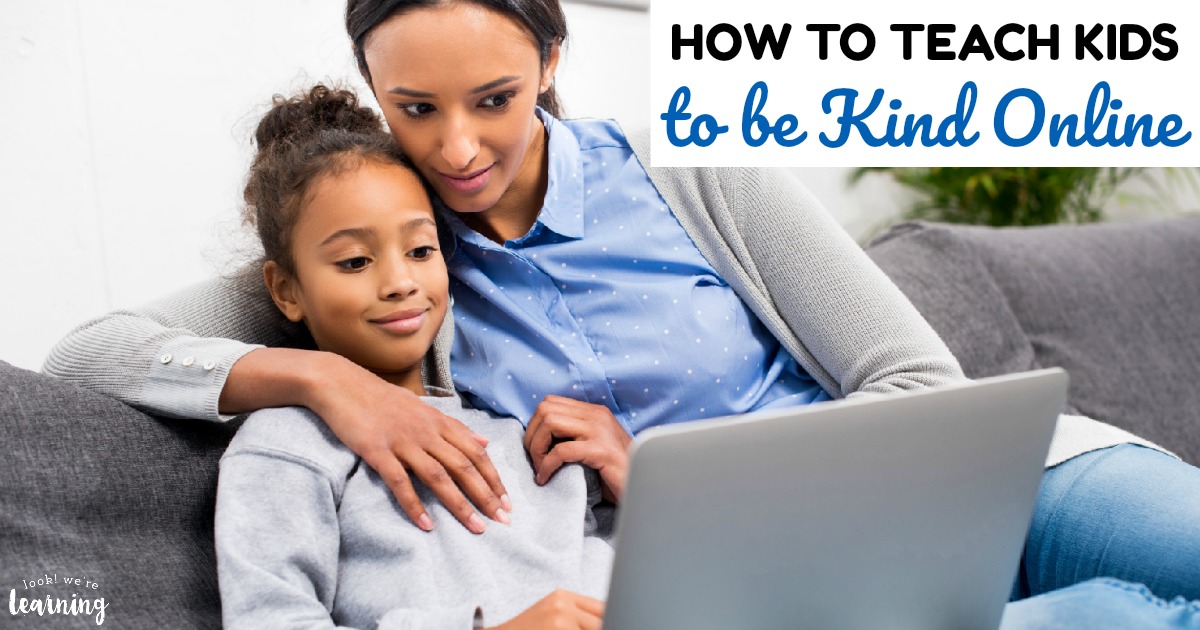
3 Ways to Teach Kids to Be Kind Online

October 29, 2018 by Selena Robinson 1 Comment

If you’ve been noticing that the tone of online messages seems more negative than it used to be, you’re not imagining it. And, worse, it’s greatly affecting our children.

When we teach our kids how to be kind online, we not only stop the spread of negativity on the Internet; we actively promote good citizenship – something that can help protect our children from Internet bullying.

Disclosure: As a member of the Forward Influence Network, I am being compensated by the sponsor for this post.

How to Teach Kids to Be Kind Online

Is bullying a real problem for our kids? Absolutely.

According to the latest figures, 28% of students have been bullied and 71% have seen bullying happen, including online.

The best way to prevent bullying and equip our kids on how to handle it is to teach them about kindness at home. When we show them how to be good citizens (in real life and online), we can help stop bullying in its tracks.

And that’s why I’m excited to share three ways to teach kids to be kind online and to introduce a brand new (and free!) program to help parents and teachers equip children against Internet bullying.

Take a look at how this curriculum can help kids become good online citizens!

Internet bullying is a worldwide problem. We can help our kids avoid becoming bullies by teaching them how to be kind online. Here's how!

Images c/o: AllaSerebrina & Guas / depositphotos

3 Ways to Teach Kids to Be Kind Online

Model kindness for the kids to see.

We can’t expect children to be kind online if they don’t see us behaving with kindness on the Internet or in real life. Let them see you comment positively on a news story.

Talk about the events and people you interact with in a positive manner. Try to avoid talking about negative online reports when possible.

Another way to model kindness is to teach children about how to be “Upstanders”. Since so many children witness bullying, it’s important for them to learn what to do when they see it.

Becoming an “Upstander” – someone who stands up for peers who are being bullied – can do a lot to stop bullying when it happens.

Talk with your children about how they can safely come to the aid of a classmate or friend who is being bullied. Try a few role-playing scenarios to help them brainstorm how to get the help of a responsible adult or other peers as well.

Encourage them to visit positive and uplifting media sources.

Many Internet bullies hang out around negative or viral media sources. To encourage kids to think positively, show them how to find uplifting media sources and talk about what they see there.

When we give our children positive things to think about, we make it easier for them to spot bullying when they see it and respond in a kind and appropriate manner.

Show them how to be thoughtful online.

An especially helpful resource for modeling kindness online is Be Internet Awesome, a comprehensive curriculum from Google that helps educators and parents show students how to be good Internet citizens. This program features plenty of class activities you can use with kids at school or home that encourage kind words and acts, even on the Internet.

Want to make learning about Internet kindness fun? Let the kids play Interland, where they can make their way through Kind Kingdom, a virtual environment that shows them how to make thoughtful decisions when interacting with others.

Social Media Notes of Kindness

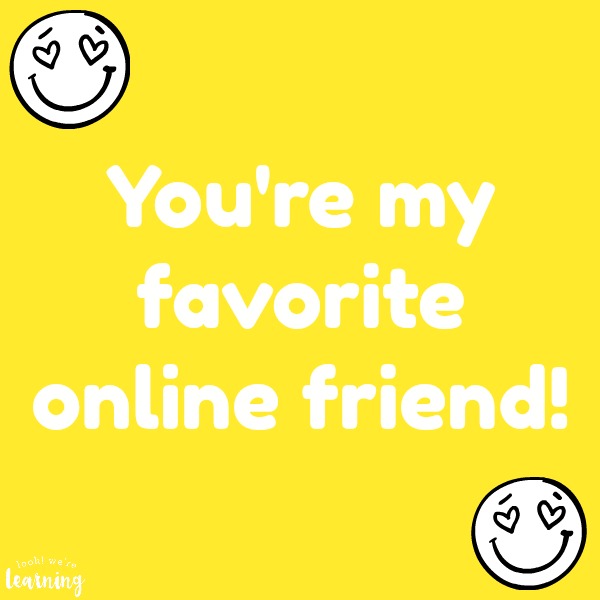
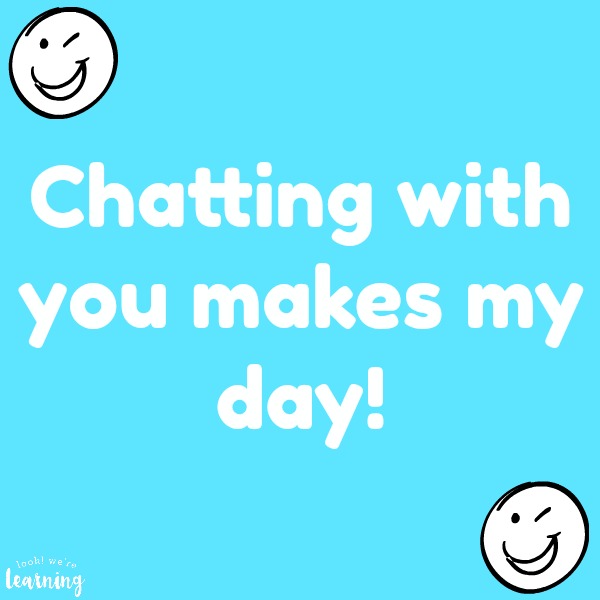
A simple way to be kind online is to be complimentary. If your children are allowed to use social media, let them download a few of these kindness notes to share with their friends!

Sending a quick note of kindness can do a lot to spread positivity. Plus, your children’s friends can share them too!

Just right-click and download each image to save it to your computer.

Biggest Fan

You Plus Internet

Virtual Hug

Make the Internet Better

Favorite Online Friend

Chatting With You

Looking for more ways to connect with your kids?

Everything around us moves so quickly it can be hard to parent mindfully. But it's possible! Here's how to parent with intention, no matter how hectic our lives become.

Feeling a little burned out as a mom? Try these tips for happy mamas to put some joy back into parenting!

And get more tips for raising a happy family on my Parenting with Joy Pinterest board!
Filed Under: Parenting Tagged With: bullying, parenting, parenting tips

25 Veteran Tips for Happy Homeschooling

October 22, 2018 by Selena Robinson 1 Comment

How many of you out there are either homeschooling or thinking of homeschooling? How many of you are homeschooling happily?

Making the decision to homeschool is a tough one, but one that usually brings a lot of excitement. As your homeschooling journey continues, though, you’ll start to face some challenges that can make learning at home feel…not awesome. In fact, it can get downright miserable if you’re not careful.

Which is why I wanted to share some veteran tips for happy homeschooling. After all, we’re teaching our kids at home because we want them to have the best education possible. If they’re unhappy while they learn, that’s not the best education, is it?

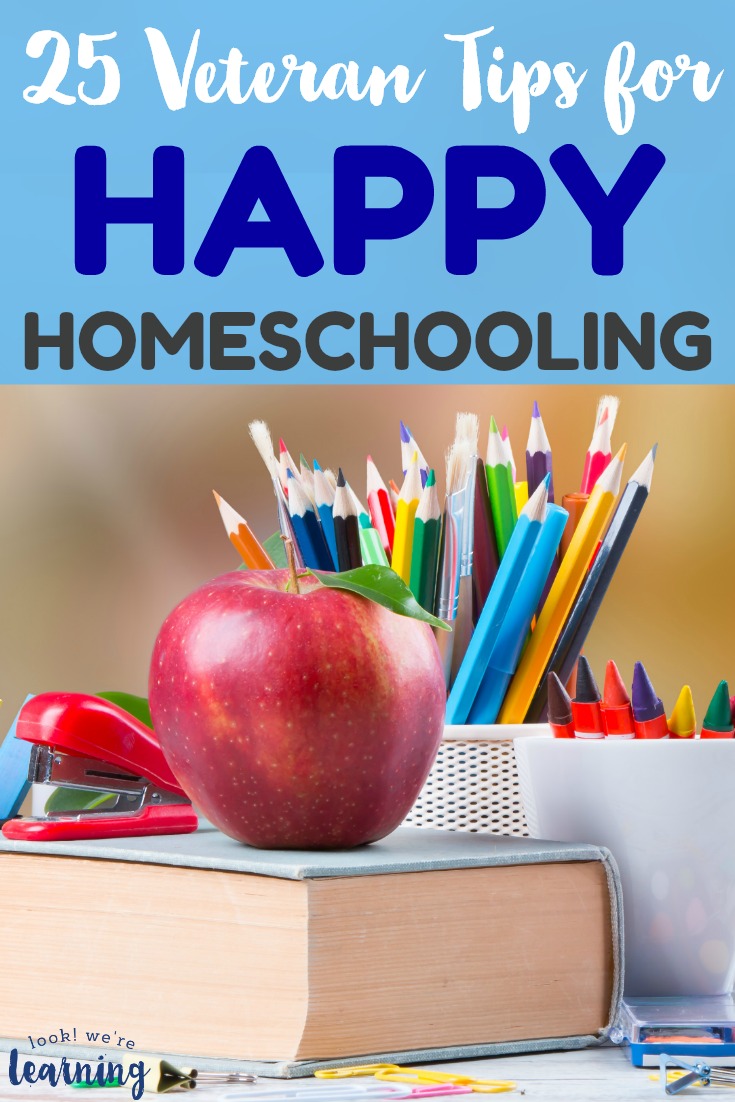
25 Veteran Tips for Happy Homeschooling

These suggestions cover some of the common challenges you’ll face as a homeschooler, but there are also tips and tricks for keeping your homeschool organized, feeding your hungry learners during the day, and teaching multiple kids at once (like we do).

Need some more homeschooling how-tos? Check out our list of homeschool planning tips to get your school year started right!

Is your homeschool starting to feel a little blah? Here are 25 tips from veteran homeschoolers to help you have a happy homeschool!

25 Veteran Tips for Happy Homeschooling

Image c/o: habovka / depositphotos

1. 10 of the Best Tips for Homeschooling Kids with ADHD – Look! We’re Learning!

2. How to Start Strong Each Homeschool Week – Table Life Blog

3. How to Stop and Smell the Roses – Rock Your Homeschool

4. When You Fear Your Homeschooled Teen is Behind – Annie and Everything

5. 9 Ways to Help Boys With Too Much Energy – Homeschool Your Boys

6. How to Start a Homeschool Routine with Young Children – Hodgepodge

7. Fun Math Books for Middle Schoolers – Look! We’re Learning!

8. 10 Tips for Starting to Homeschool – Weird Unsocialized Homeschoolers

9. Our Top Ten Lunches for Homeschool – iHomeschool Network

10. Tips for Changing Your Homeschool Curriculum – Triumphant Learning

11. 100 Ways to Have a Fun Homeschool Day – Rock Your Homeschool

12. How to Get Homeschooled Kids to Want to Learn – Tina’s Dynamic Homeschool Plus

13. 3 Essential Keys to Homeschooling Multiple Ages – Preschoolers and Peace

14. Practical Ways to Deal with Homeschool Burnout – iHomeschool Network

15. How to Keep Your Happy Through Winter – Nourishing My Scholar

16. Homeschooling Gifts You Don’t Want to Take for Granted – Look! We’re Learning!

17. The Best Way to End a Homeschool Day – Table Life Blog

18. The Power of Play: Using Game in Your Homeschool – My Little Poppies

19. 36 Ways to Organize Your Homeschool – Annie and Everything

20. How to Use Morning Time for a Happier Homeschool – Weird Unsocialized Homeschoolers

21. Easy Ways to Homeschool On the Go – Rock Your Homeschool

22. 100 Educational Shows to Stream on Netflix – Homeschool Hideout

23. What to Do When Gifted Kids Struggle – Raising Lifelong Learners

24. 3 Ways to Instantly Gain More Time in Your Homeschool Day – Tina’s Dynamic Homeschool Plus

25. 5 Ways to Make Geography Fun – Look! We’re Learning!

Want even more tips for happy homeschooling? Liven up your learning with these ideas!

Struggling to get your homeschooling budget under control? See how I homeschool four kids for just $250 a year!

Make your homeschooling dollar stretch with this list of homeschool tools that are truly worth buying!

Overwhelmed by planning your homeschool day? Try this minimalist homeschool schedule to get started!
And follow my Help for Homeschoolers board on Pinterest for even more helpful suggestions!

How to Afford Homeschooling eBook Download

Filed Under: Homeschooling Tagged With: homeschool, homeschool tips, homeschooling

  • « Previous Page
  • 1
  • …
  • 29
  • 30
  • 31
  • 32
  • 33
  • …
  • 98
  • Next Page »
Hi! I'm Selena, a veteran teacher and homeschool mom to four. I'm so glad you're here!
About Me Contact Terms of Use Privacy Policy Places I Share
Facebook Pinterest Instagram
Homeschool Printables Unit Studies Shop the Store
Copyright ©2026, Look! We're Learning!. All Rights Reserved. Design by Pixel Me Designs