Look! We're Learning!

Early Learning. Happy Teaching.

  • Shop
  • Printables
  • Homeschool
  • Crafts
  • Parenting
  • Blog
The Ultimate Guide to Homeschooling ADHD Students

The Ultimate Guide to Homeschooling ADHD Students

April 25, 2016 by Selena Robinson Leave a Comment

We’re parenting three children who have ADHD/ADD in our family. (The jury’s still out on the toddler, so far.) To add to our unique situation, both my husband and I also have ADD. Fun!

Naturally, we have to make use of a LOT of creative tips and ideas for homeschooling ADHD students. We’ve shared lots of posts on this topic over the years and I’ve gotten some great suggestions from other websites as well.

So – without further ado – here is the Ultimate Guide to Homeschooling ADHD Students! I hope that these resources are just as helpful to you as they’ve been to us!
The Ultimate Guide to Homeschooling ADHD Students

Image c/o: Rawpixel via depositphotos

The Ultimate Guide to Homeschooling ADHD Students

How to Deal with a Homeschooling Dawdler

Homeschooling with ADD and ADHD

Managing Expectations for ADHD Students

How We Homeschooled My Kiddo with ADHD

Adapting as a Teacher to ADHD Kids

When Traditional School Fails: Homeschooling May Be a Better Option

Preparing Kids with ADHD to Learn
Homeschooling Kids with ADHD

Making Lifestyle Changes for Kids with ADHD

Making Lifestyle Changes to Homeschool Kids with ADHD

Why Special Needs Kids Thrive in a Homeschool Environment

How to Consider Other Kids When ADHD Homeschooling

How to Work with ADHD in Your Homeschool

Homeschooling as a Mom with ADHD

Small Muscle Handwriting Practice for Kids with ADHD

Our ADHD-Friendly Homeschool Room

How We Did Spelling In Our ADHD Homeschool
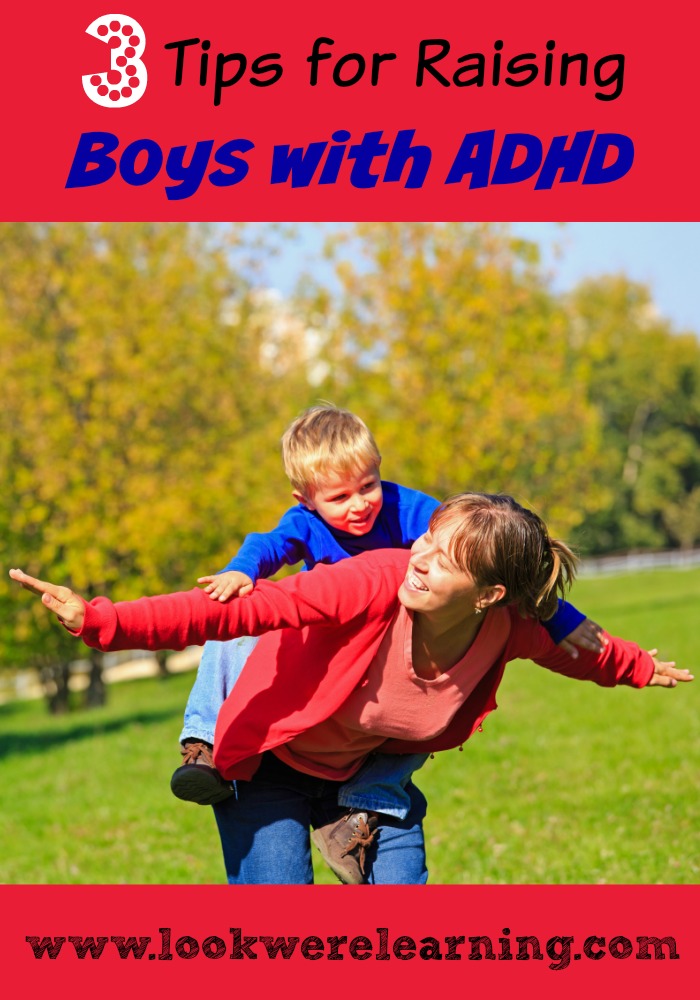
3 Tips for Raising Boys with ADHD - These are great suggestions for parents who are struggling with sons who have this condition!

3 Tips for Raising Boys with ADHD
Pages: 1 2 3 4
Tips for Managing ADHD Math Problems

Managing ADHD Math Problems with Mr. D. Math

April 21, 2016 by Selena Robinson 1 Comment

It’s no secret that lots of kids struggle with math. And kids with ADHD who tend to have attention issues may have a harder time than most.
In our family, Tigger (our oldest daughter) has been a lifelong math-hater. She just loses all interest and tries to get through it, instead of trying to grasp the concepts. But, as I’ve tried to tell her, we don’t get to just “opt out” of things we don’t like in life. Thanks to homeschooling, though, we do get to try different ways to understand them and improve.

So I was excited to try the Pre-Algebra program from Mr. D. Math! I’d heard such great things about the program and my daughter was happy about having someone to walk her through pre-algebra and get her ready for middle school math.

See how using Mr. D. Math is helping us to manage common ADHD math problems!

Disclosure: I received this product in exchange for this post and I was compensated for my time. All opinions are my own and I was not required to post a positive review.

Tips for Managing ADHD Math Problems

Managing ADHD Math Problems with Mr. D Math

Let me just start by saying that I completely sympathize with Tigger. If I could have gotten through life without math, I would happily have done so. But as I got older, I found that I’m actually good at math…when I try. And the same is true of Tigger. It’s just taking some time for her to realize that.

Program for ADHD Math Problems

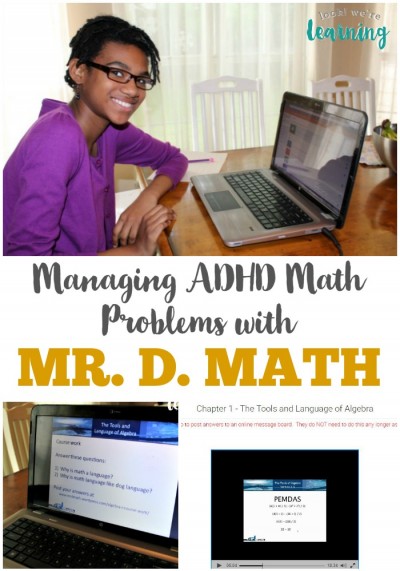
I mean, look at that face. That is a beautiful young woman who should never feel inadequate about doing anything, including algebra. (Sorry, I had a Mama moment.)

Common ADHD Math Problems

What are some of the common ADHD math problems kids deal with? Well, since kids (and adults) with ADHD often have issues with executive function, they may have trouble with the following areas:

  • organizing their thoughts into a process
  • executing that process
  • persisting when they’ve made mistakes

Pretty much everything you need to do in order to grasp a math concept, right? You need to learn the steps, perform them IN ORDER, and take the time to check for errors. So, for kids with ADHD, a math lesson can be a recipe for disaster.

This is not to say that all kids with ADHD struggle with math. My youngest boy, who is the most hyper of all of my kids, actually does better with math than language arts. But a child who has ADHD and struggles with math lessons may find that even the simplest concept is almost impossible to learn.
How Mr. D. Math Works

Which is why I found Mr. D. Math to be such a great program for my daughter with ADHD! Here’s a look at how the Mr. D. Math Pre-Algebra program works:

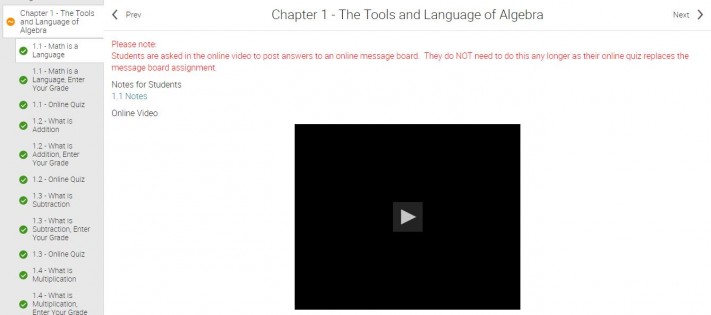
Mr D Math Lesson Setup

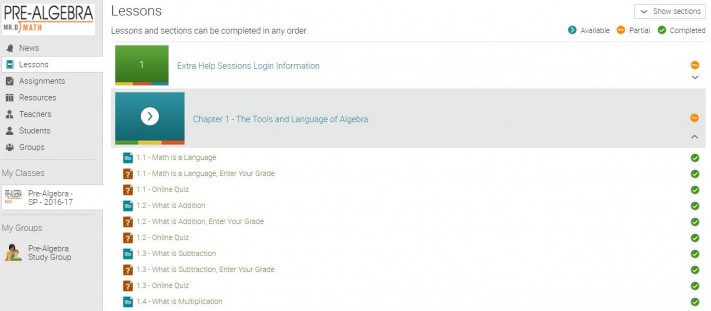
The lessons are organized very clearly by topic and chapter. As your child works through each lesson, it appears with a checkmark.

Mr D Math Video Lesson

Every section begins with a video lesson. In the lessons, Mr. D. himself introduces a concept, demonstrates how it works, and asks a few questions.

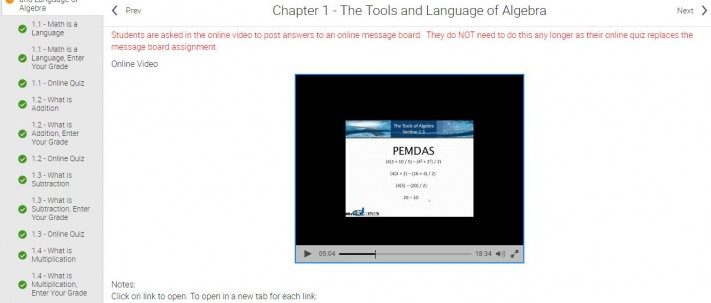
Mr D Math Order of Operations Lesson

Here’s a look at one of the video demonstrations. This one was on Order of Operations.

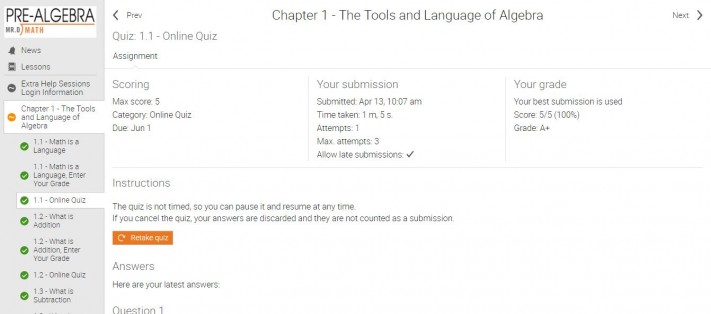
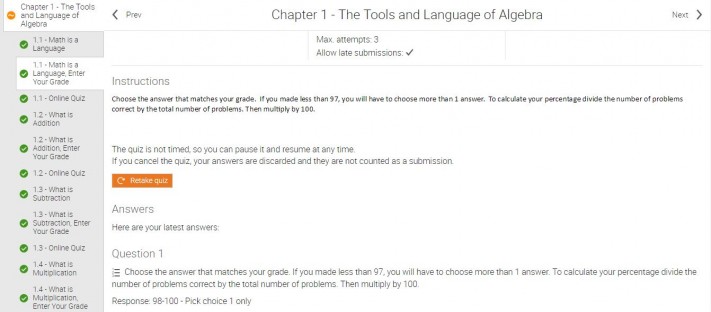
Mr D Math Quiz

After the lesson is complete, students take an online quiz on what they learned.

Mr D Math Grading System

Afterwards, they submit their grades.

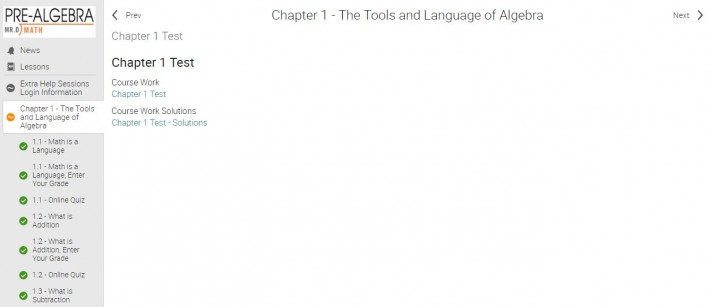
Mr D Math Testing

At the end of each chapter, students take a test. And, as you can see, the solutions to the chapter tests are provided. Those are great for checking work and finding areas that need to be strengthened.

How Mr. D. Math is Helping My ADHD Daughter with Pre-Algebra

The Mr. D. Math Pre-Algebra program is a super introduction to algebraic concepts. What I loved about the program was that it begins with a nice introduction to exactly how math works. So your child doesn’t need previous experience with pre-algebra to begin it. As long as he or she can add, subtract, multiply, and divide, they’re good to go!

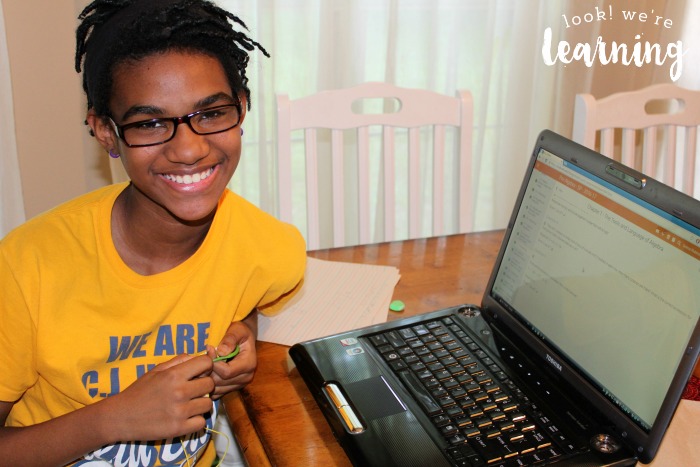
Computer Program for ADHD Math Problems

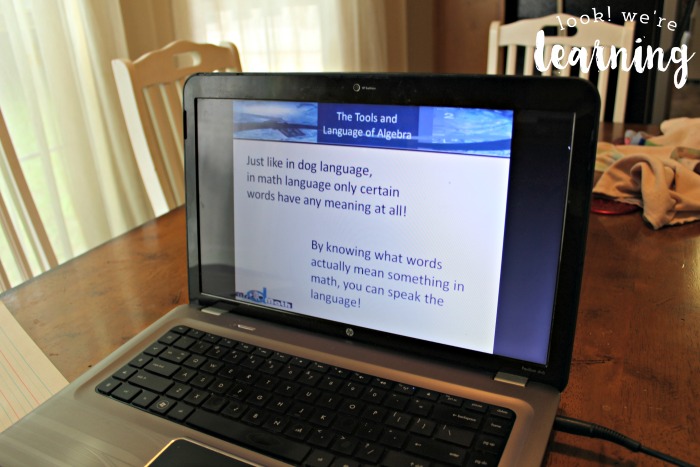
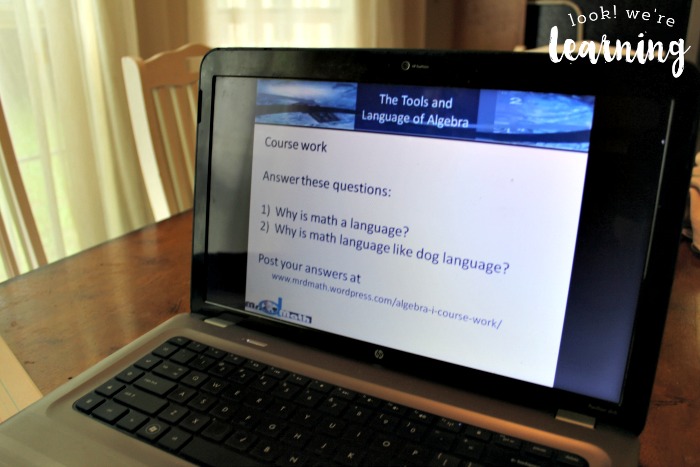
Right from the beginning, Mr. D. won Tigger over. As he explained, math is a language. It has its own symbols that have a unique meaning. And you have to understand the language to understand what each expression says. Since Tigger is a bookworm and interested in writing, that analogy made perfect sense to her.

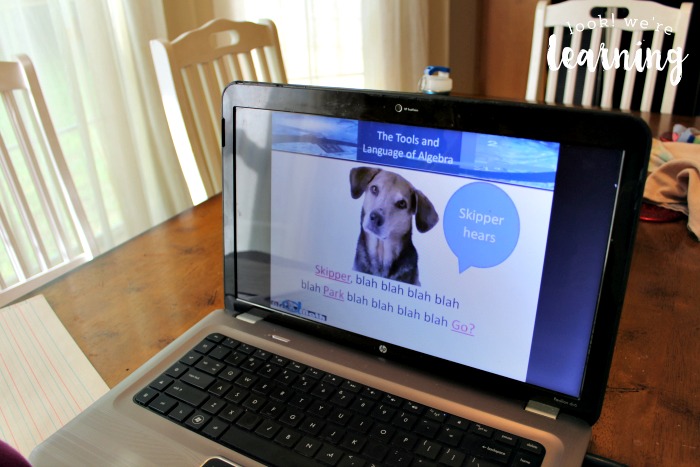
Explaining Math as a Language

His initial comparison was to compare learning math to talking to a dog. The dog only understands select words that have meaning to him, so the rest of your sentence would be “blah blah blah”. And that’s how math is! Block out the parts that have no meaning and focus on what matters. Brilliant!

Managing ADHD Math Problems with Mr D Math

What I also liked was that Mr. D. paused during the lesson to ask a few questions.

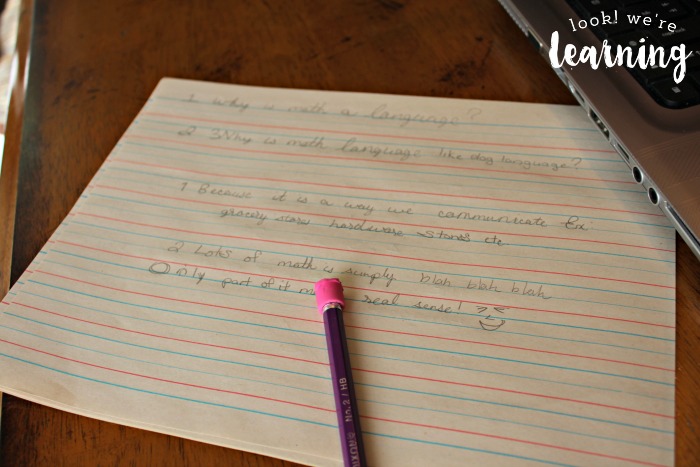
Notetaking to Manage ADHD Math Problems

Knowing Tigger’s tendency to let her mind drift away, I asked her to write her answers down. And lo and behold! Neatly written notes! That’s how I knew she was paying attention and actually interested in the material.

Learning Order of Operations with Mr. D Math

After introducing a new way to look at math, Mr. D. reviews basic arithmetic operations with students (addition, subtraction, etc.). But, as the chapter progresses, he moves on to new concepts: order of operations, simplifying expressions, and so on.

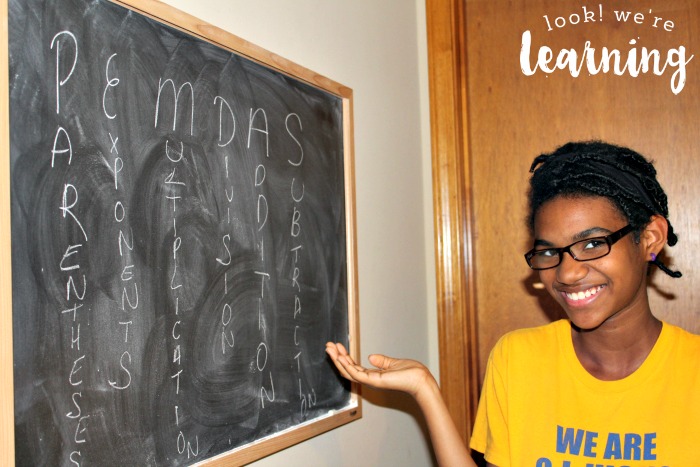
Order of Operations for Kids with ADHD
Remember PEMDAS? He uses that mnemonic device also! While she remembered the phrase “Please Excuse My Dear Aunt Sally”, she had a little trouble remembering what each word in the phrase actually represented.  So she wrote it on the board to help herself remember it.

I will add one note of caution that I observed with Tigger: Kids with ADHD may tend to redo the same things again and again without slowing down to pay attention to why something is incorrect. Since the Pre-Algebra program is self-paced, kids can take quizzes whenever they want.
After Tigger’s first Order of Operations lesson, she took the quiz and missed several of the questions. Naturally, she simply took it again and then again. But since she didn’t slow down to review her notes, ask me for help, or rewatch the video lesson, she kept getting a failing grade. And you can only take each quiz three times. So she had to accept a grade lower than she wanted.

But that was a lesson to her as to why it’s important to slow down, check your work, and get help when necessary. So, if your child with ADHD behaves similarly, keep an eye out when they start taking quizzes and encourage them to take a break or get help with something that seems fuzzy.
If you’re looking for a self-paced Pre-Algebra Math program for your child, Mr. D. Math is definitely worth the investment! And if you’re in a time crunch, you can get a program to get your child ready for Pre-Algebra in just 11 weeks or even six weeks!

To find out more about the program, follow Mr. D. Math on social media!

  • Facebook
  • Twitter
  • YouTube

And if you’d like more ADHD math ideas, check out my list of 10 Math Activities for Kids with ADHD!
Math Activities for ADHD Students
How We Teach by iHomeschool Network

Picture Books about Bugs

10 Kids’ Picture Books about Bugs

April 19, 2016 by Selena Robinson Leave a Comment

Bugs are super popular with kids, especially during the warm months when we start to see more ants, bees, and other creepy critters around more often. Personally, I’m not a fan. But my boys (in particular) think they’re super cool!

So, I’ve worked up the nerve to start putting together a bug unit study. And part of that unit is reading some great picture books about bugs!

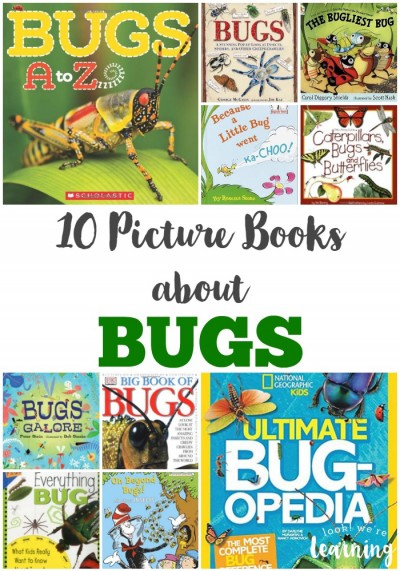
Here are ten kids’ books about bugs that are awesome for showing kids different kinds of insects and helping them learn about how they live and co-exist along with us.

Picture Books about Bugs

10 Kids’ Picture Books about Bugs

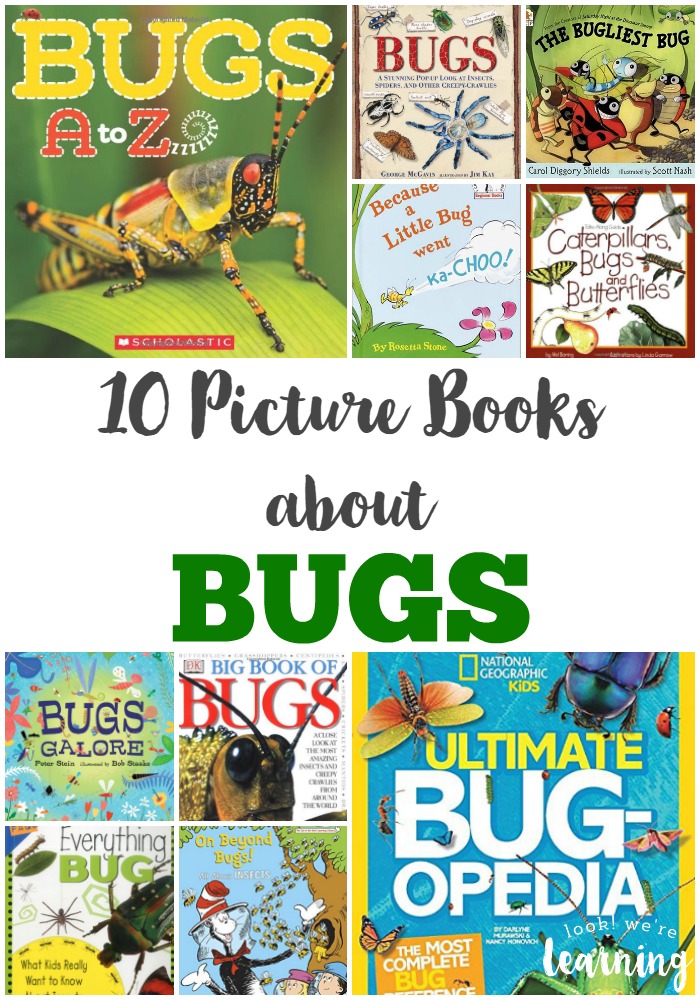
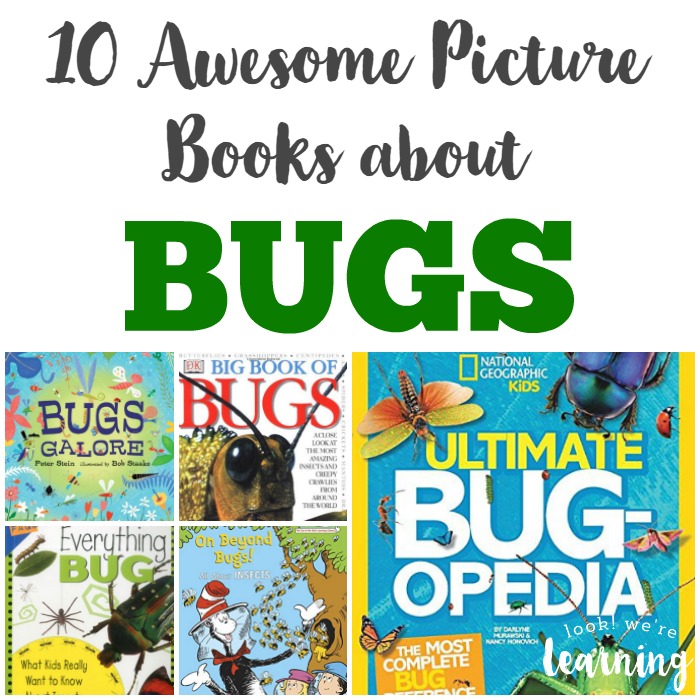
  1. Bugs: A Stunning, Pop-Up Look at Insects, Spiders, and Other Creepy-Crawlies by George McGavin
  2. Bugs A to Z by Caroline Lawton
  3. Ultimate Bugopedia: The Most Complete Bug Reference Ever by Darlyne Murawski
  4. Bugs Galore by Peter Stein
  5. Big Book of Bugs by DK Publishing
  6. On Beyond Bugs: All About Insects (Cat in the Hat’s Learning Library) by Tish Rabe
  7. Everything Bug: What Kids Really Want to Know about Bugs by Cherie Winner
  8. Caterpillars, Bugs, and Butterflies: Take-Along Guide
  9. Because a Little Bug Went Ka-Choo by Rosetta Stone
  10. The Bugliest Bug by Carol Diggory Shields

10 Picture Books about Bugs

If you try one of these, let me know which one is your favorite! And if I missed a great bug book, tell me your pick in the comments!

For more buggy fun, check out these posts!

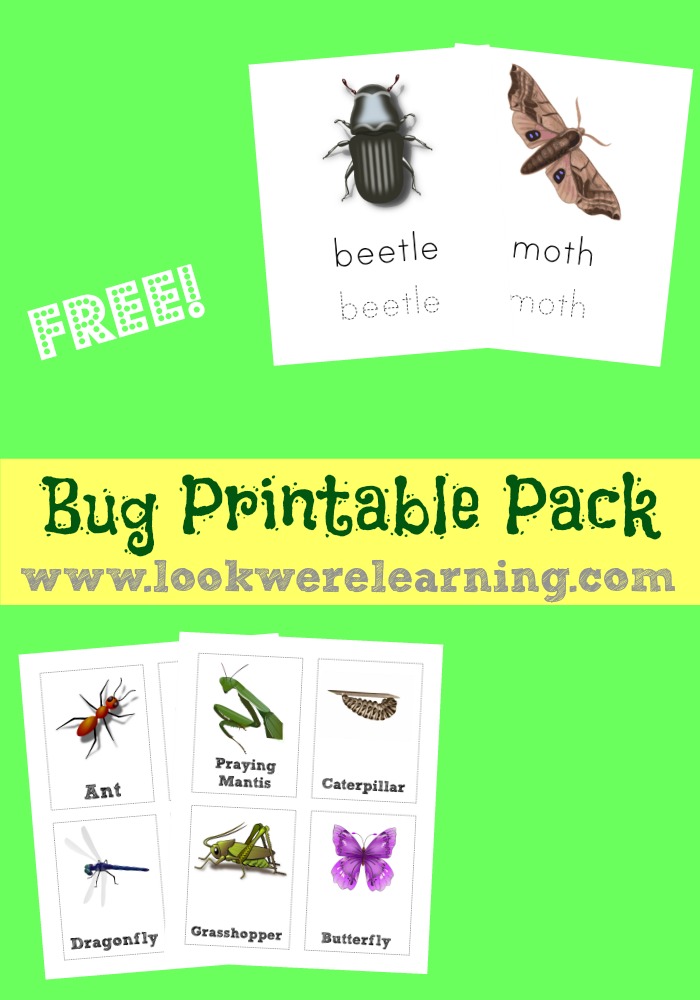
Free Bug Printables Pack

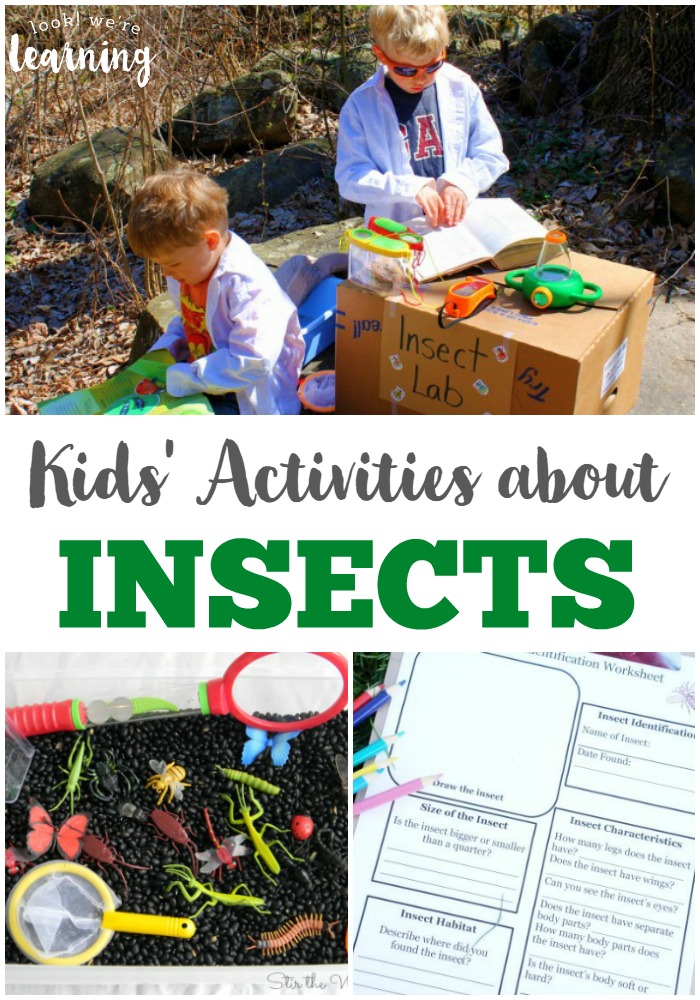
These fun insect activities for kids are perfect for learning about our creepy-crawly animal friends!

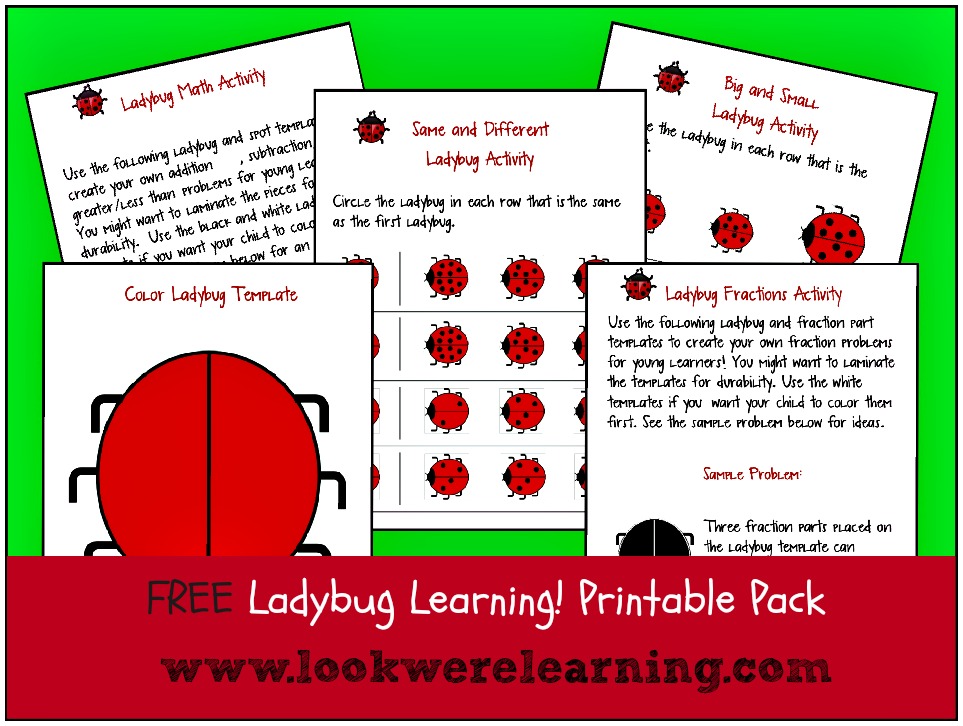
Activities for the Grouchy Ladybug

And get more ideas for science learning from my It’s Science board on Pinterest!


Hands On Geography Activities

10 Hands On Geography Activities You Have to Try

April 18, 2016 by Selena Robinson Leave a Comment

I’ll be honest: I’m not much of a hands-on learner. My kids love kinesthetic learning, especially since several of them have ADHD. Despite my ADD though, I’m still a traditional book learner.

So when I first heard of hands-on learning, I thought “Why would I do that when I could just read about it?” Not one of my better moments of clarity…

Seeing how my kids respond to hands-on learning, though, has made me make a change. So this year, we’ve been doing a LOT more hands-on activities, including some for geography. Check out these 10 Hands On Geography Activities you just have to try!

Hands On Geography Activities

Image c/o: altanaka / depositphotos

10 Hands On Geography Activities You Have to Try

  1. Make a craft based on a local culture in the area you’re exploring. See how we did this by making Kente-cloth inspired placemats during our study of the Asante Empire!
  2. Learn about the animals that live in the region. Gift of Curiosity has a great game that lets kids place animals in their correct continents!
  3. Participate in a postcard exchange. See how Planet Smarty organized one to get postcards from people all over the world!
  4. Have kids make a craft about their world. Learn how to make a My Place in the World craft with your kids at Kid World Citizen!
  5. Use a globe to teach kids to identify countries. No Time for Flashcards shares a simple game you can use to help kids find countries on a globe easily!
  6. Create a miniature habitat. When we studied beaches, we made a beach shoebox diorama that the kids really enjoyed!
  7. Make a salt dough map. Tina’s Dynamic Homeschool Plus shows you how to make a map of South America out of salt dough, plus there are printable map flags to add!
  8. Bake a cookie dough map. If you want to get even yummier, make a map out of cookie dough! Raising Lifelong Learners shares how to make a cookie dough map of India!
  9. Help little ones make a sandbox community. Preschoolers will love this sandbox activity from Books and Giggles that lets them make their own town!
  10. Mail a Flat Stanley or a Flat Susie. Based on the Flat Stanley books, this craft lets kids make a paper person and mail it around the world! Get the details from Busy at Home.

10 Hands On Geography Activities

Get more ideas for teaching geography below!

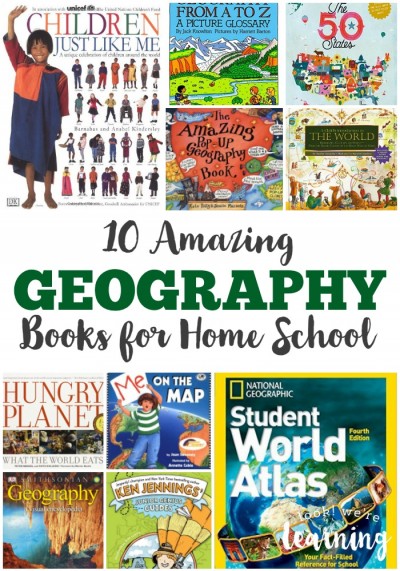
10 Amazing Geography Books for Home School

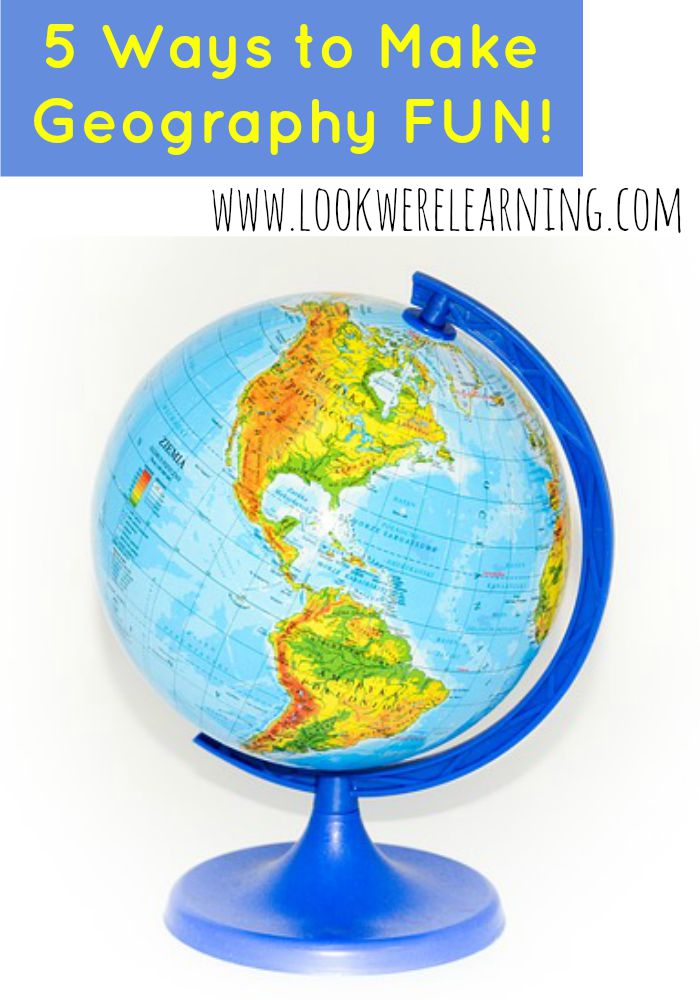
5 Ways to Make Geography Fun

And be sure to follow my Geography for Homeschoolers board on Pinterest for more geography fun!

This post is part of The Massive Homeschool Geography Guide from iHomeschool Network! Be sure to click over and read more great geography posts from my fellow bloggers!

The Massive Homeschool Geography Guide

It’s also linked up at the Ultimate List of Hands-On Homeschool Ideas! Check out other hands-on homeschooling ideas to try with your kids below!

Hands-on-Homeschool-Ideas


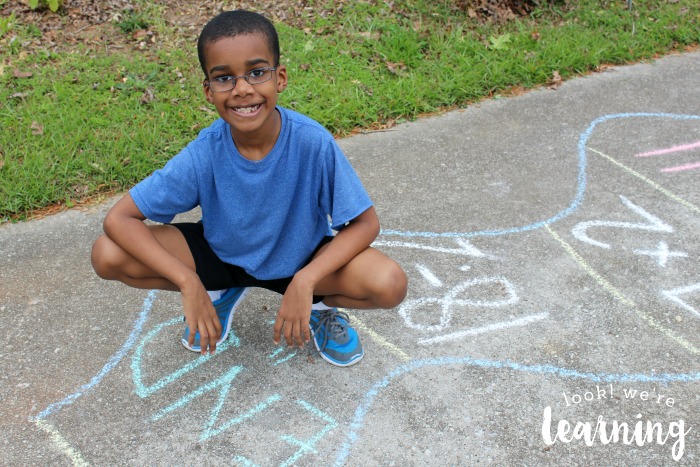
Sidewalk Chalk Outdoor Math Game

Sidewalk Chalk Outdoor Math Game

April 14, 2016 by Selena Robinson 10 Comments

Now that spring is finally here and the pollen is (somewhat) subsiding, my kids have been itching to get outdoors! So it was a great time to link up with the Early Elementary Blogging Team to share some fun ideas for outdoor learning.

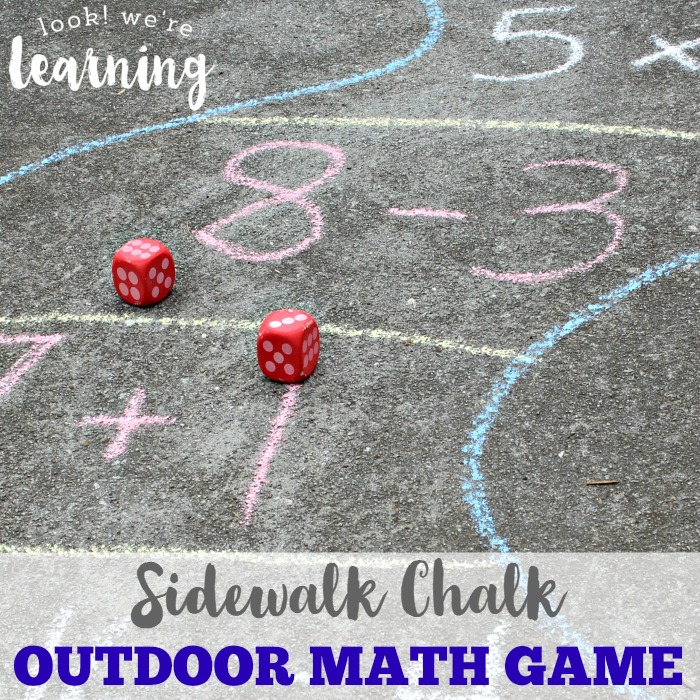
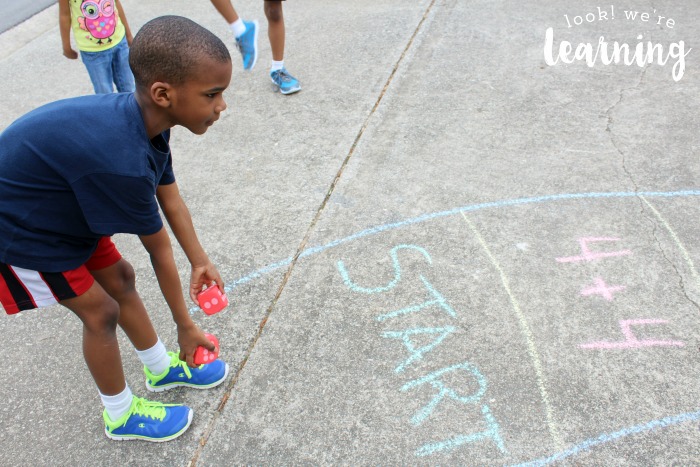
Math has been an issue in our family, especially since several of our children are living with ADHD. But with this easy sidewalk chalk outdoor math game, my active kids got some arithmetic practice done while moving!

If you love this hands-on math activity, be sure to see our list of math activities for kids with ADHD! There are plenty of hands-on math learning ideas there as well!

Get the kids outside and reinforce basic arithmetic with this sidewalk chalk outdoor math game! Awesome for active learners!

Sidewalk Chalk Outdoor Math Game

It took me about 15 minutes to set this up. But there’s a lot of bending involved, so prepare to use your back…lol.

What You’ll Need:

  • Sidewalk chalk
  • Giant foam dice

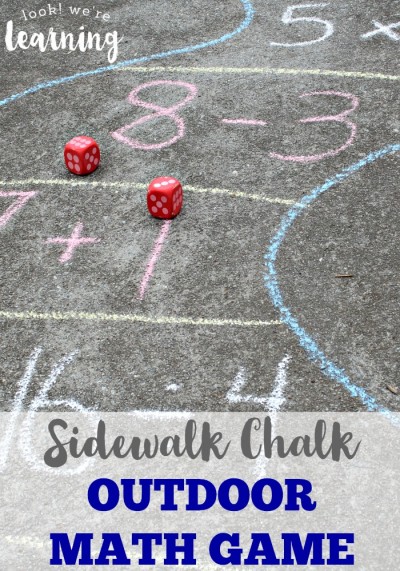
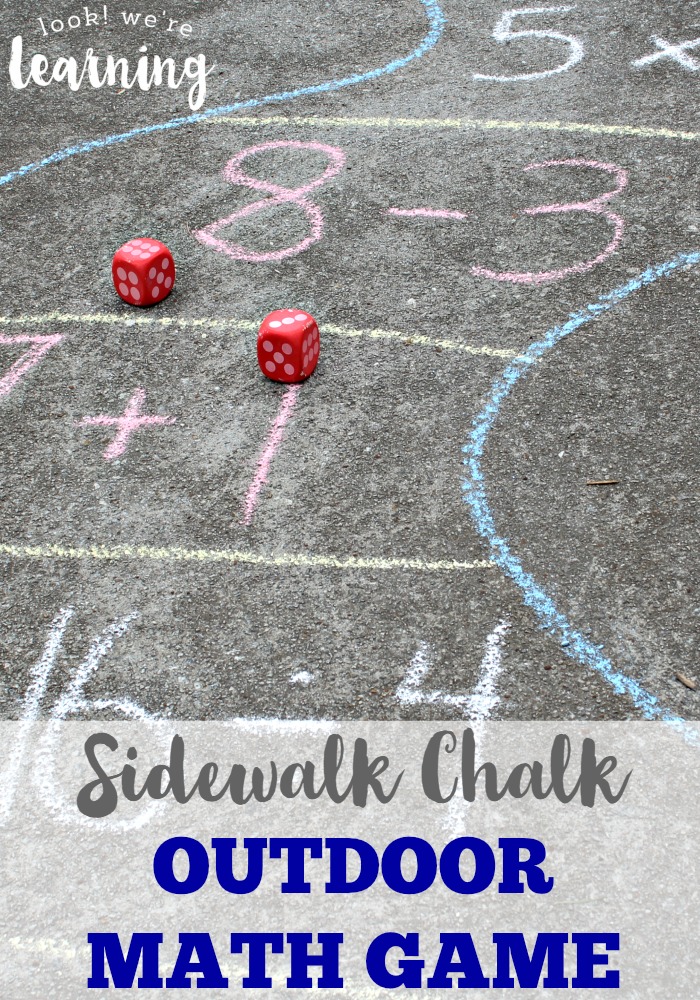
Outdoor Math Game Setup

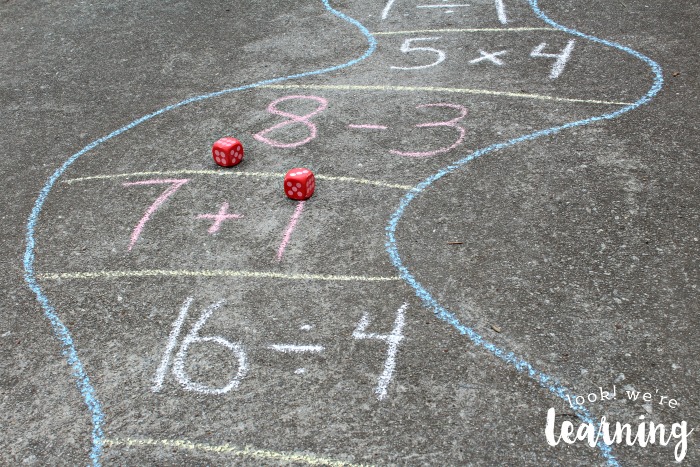
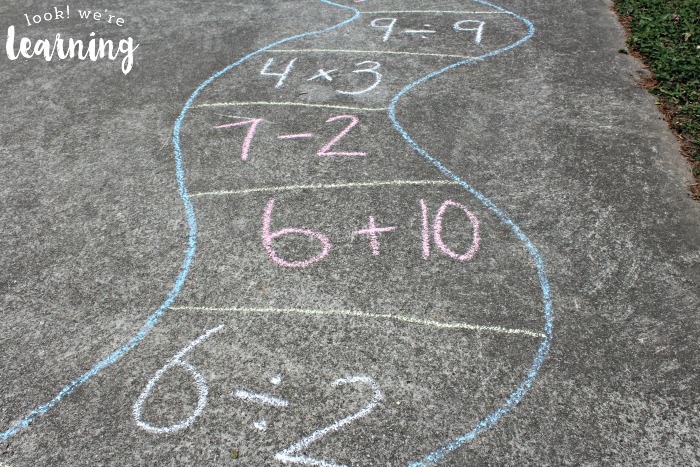
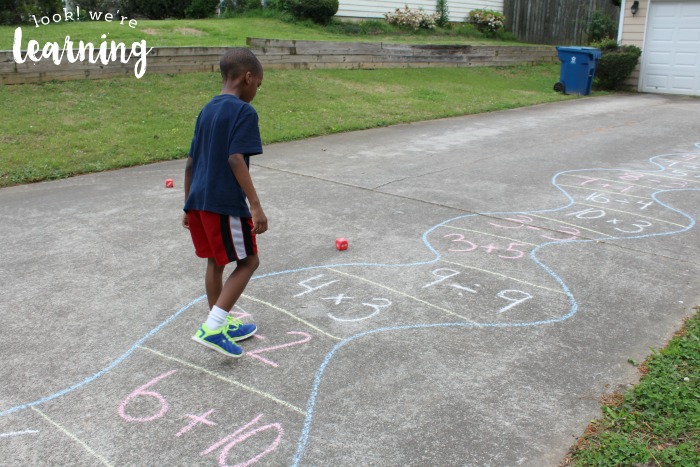
What I did was draw a long squiggly line on our driveway and then another about two feet parallel from it. That way, I could make a game board.

Then I added horizontal lines every foot and a half or so.

Outdoor Math Game Board Layout

Finally, I filled each space with a simple math fact. I alternated addition and subtraction with multiplication and division.

Outdoor Math Game Dice Roll

The kids rolled the dice to find out how many spaces to travel.

Playing an Outdoor Math Game with Sidewalk Chalk

Then they walked to the correct space. (Just like a regular board game.)

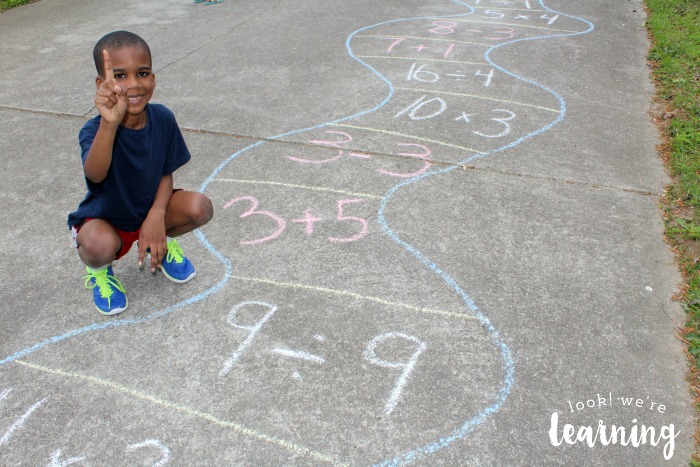
Solving Math Problems in an Outdoor Math Game

When they got to their space, they worked on solving the math problem in the square. For my boys, multiplication and division are still pretty new concepts, so I talked them through it using how they relate to addition and subtraction. They seemed to pick up on it pretty quick that way.

Math Practice with an Outdoor Math Board Game

Learning to skip count is super helpful when it’s time to introduce division and multiplication. I saw proof of that in this activity.

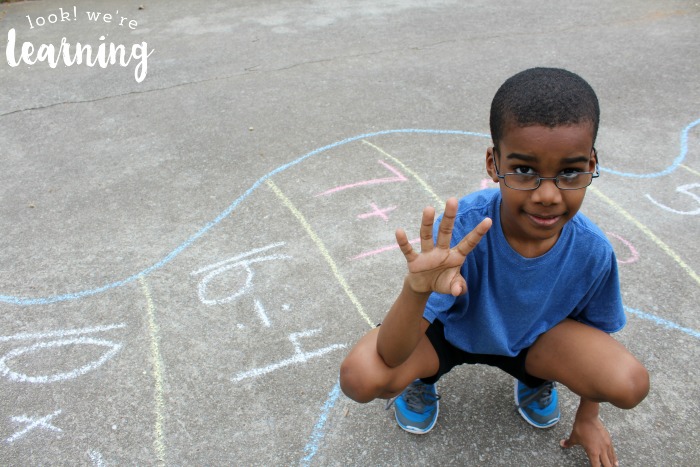
Playing an Outdoor Math Game to Learn Arithmetic

And we kept on solving math problems until we reached the end!

Simple Outdoor Math Game

Get a look at more ways to make math fun for your kids!

Math Activities for ADHD Students
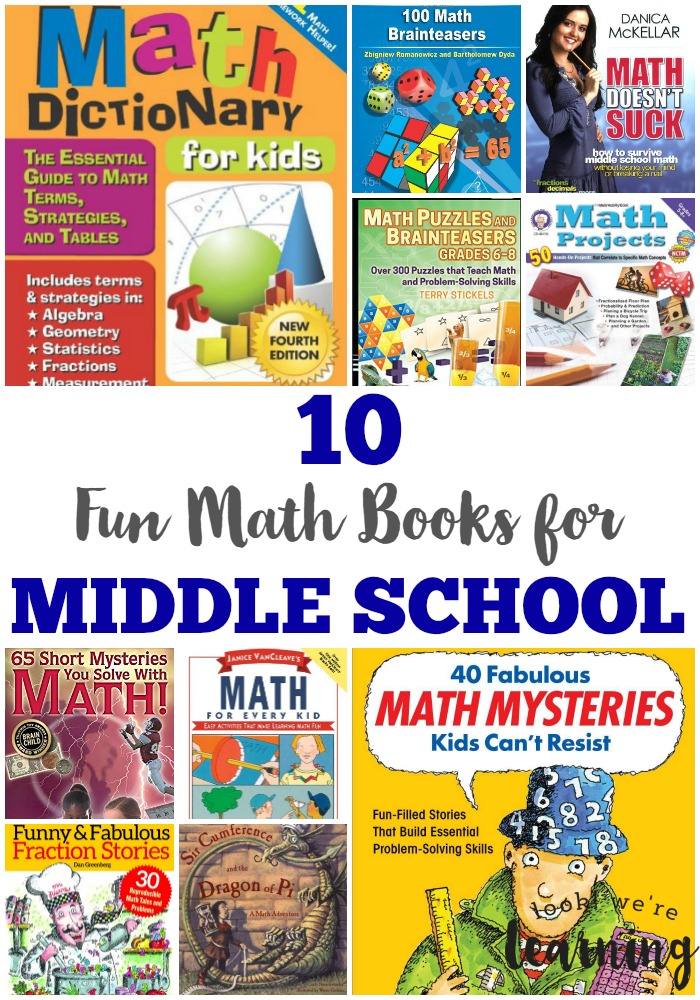
Fun Math Books for Middle School

Ways to Make Math Fun for Active Learners

And for more math ideas, follow my Math Mania board on Pinterest!

This post is part of the Early Elementary Blogging Team linkup! Check out some of the other fun outdoor learning ideas shared this week!

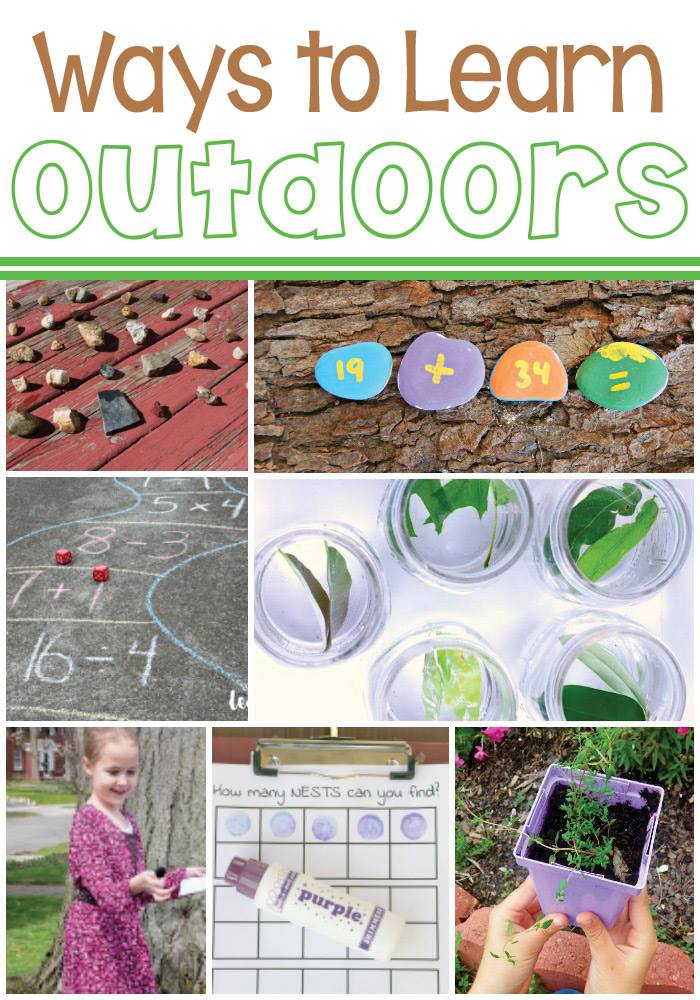
Ways to Learn Outdoors

Map Skills for Kids: Backyard Treasure Hunt from Life Over C’s

Nests Nature Hunt for Kids from Still Playing School

How to Make an Outdoor Mud Kitchen from Parenting Chaos

Outside Arrays for Multiplication Practice from Line Upon Line Learning

Gardening For Math Time from Preschool Powol Packets

Second Grade Math with Rocks from Sugar Aunts

Tree Unit Study and Science Experiment from Schooling a Monkey

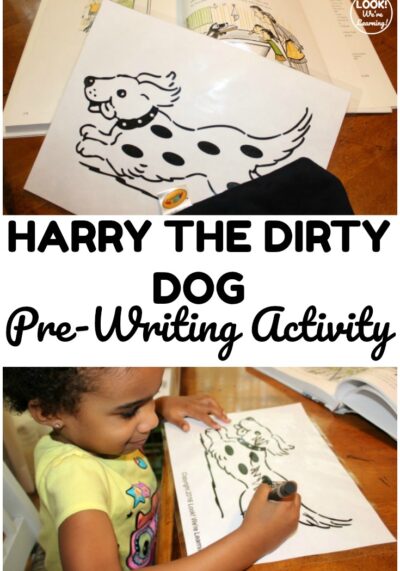
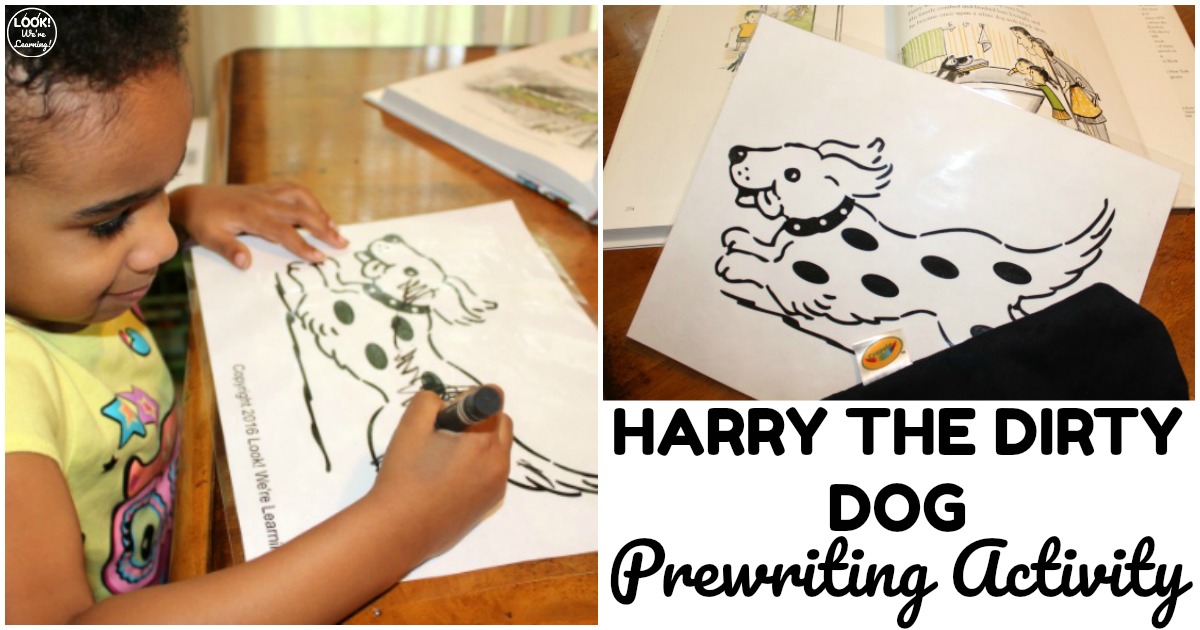
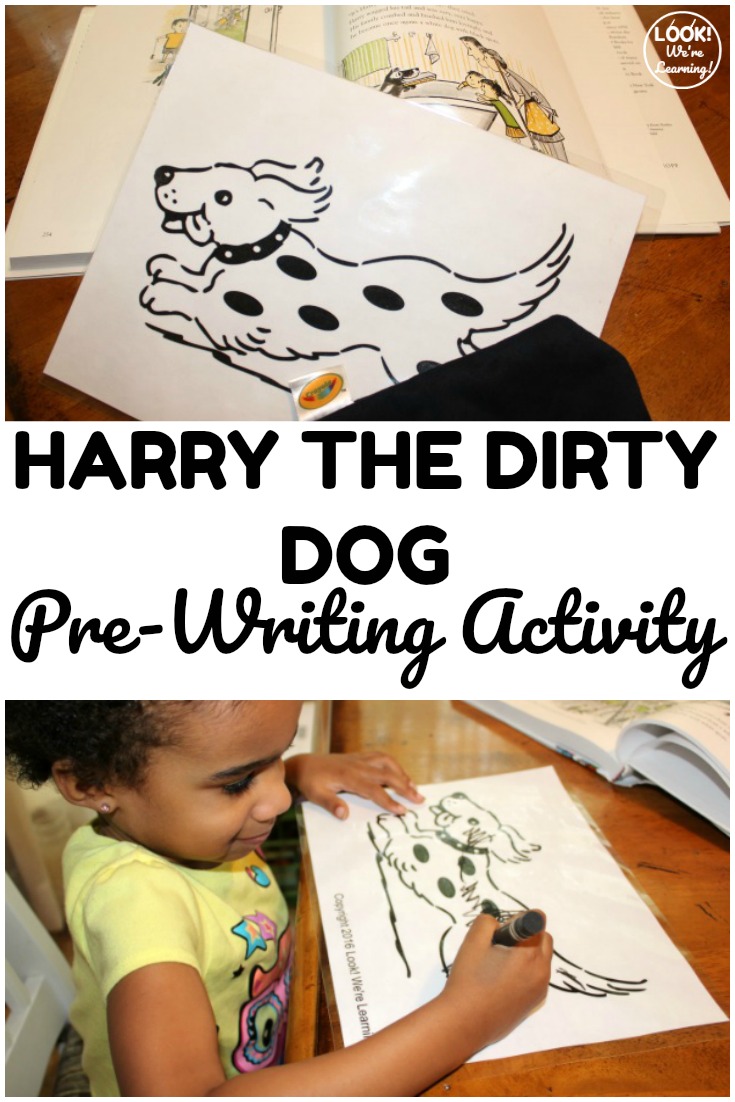
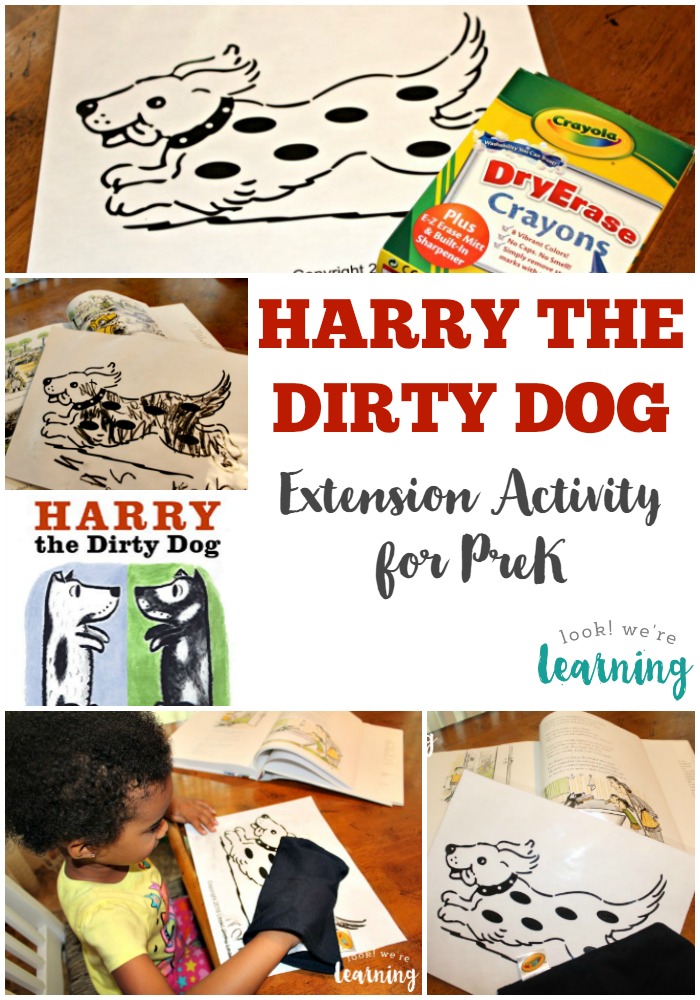
Share this fun and easy Harry the Dirty Dog prewriting activity with toddlers and preschoolers after reading the storybook together!

Simple Harry the Dirty Dog Activity for Tots

April 12, 2016 by Selena Robinson 1 Comment

Piglet and I read the classic children’s story Harry the Dirty Dog together and she absolutely loved it.

So, we decided to share a simple art activity together that would help her connect with the events in the story.

And that’s how this super easy Harry the Dirty Dog activity came about.

Fun Harry the Dirty Dog Activity for Toddlers

This prewriting activity is simple enough to try with toddlers, tots, and preschoolers and you can prep it in just a few minutes.

Read on to get your copy of this fun toddler prewriting activity free!

And, for more fun with early education, don’t miss our list of 20 fun printable resources for preschool!

Share this fun and easy Harry the Dirty Dog prewriting activity with toddlers and preschoolers after reading the storybook together!

Harry the Dirty Dog Activity for Toddlers

This activity is extremely easy. Honestly. Plus, it’s guaranteed to get your little ones into the story!

What You’ll Need: (This post contains affiliate links. For details, see our Disclosure Policy.)

  • The book Harry the Dirty Dog
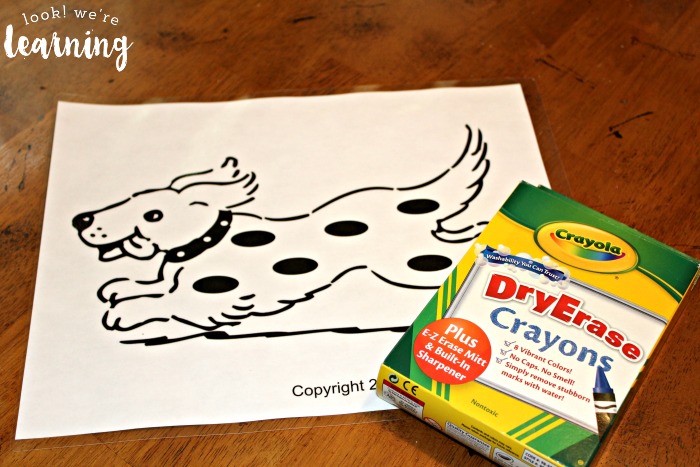
  • Crayola Dry Erase Crayons
  • A copy of our Clean the Dirty Dog Printable
  • A laminator

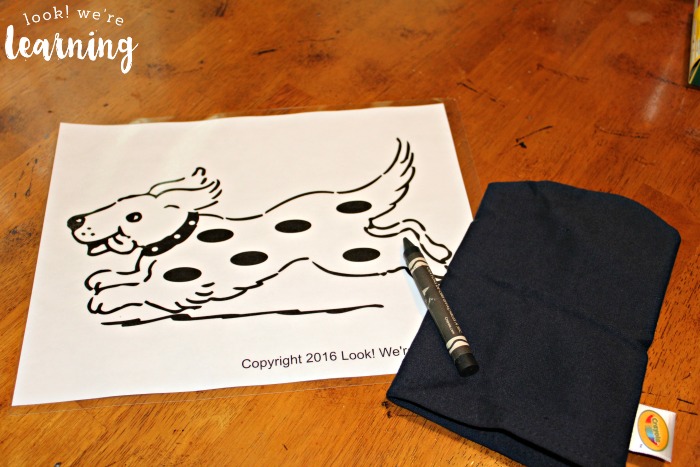
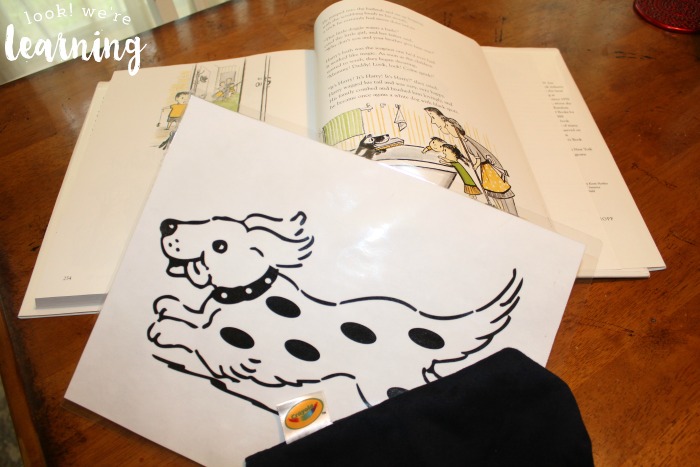
Harry the Dirty Dog Activity Supplies

Once you print the Clean the Dirty Dog printable, run it through the laminator.

Then get out your dry erase crayons.

Harry the Dirty Dog Activity Dry Erase Supplies

You’ll only need the black one. 

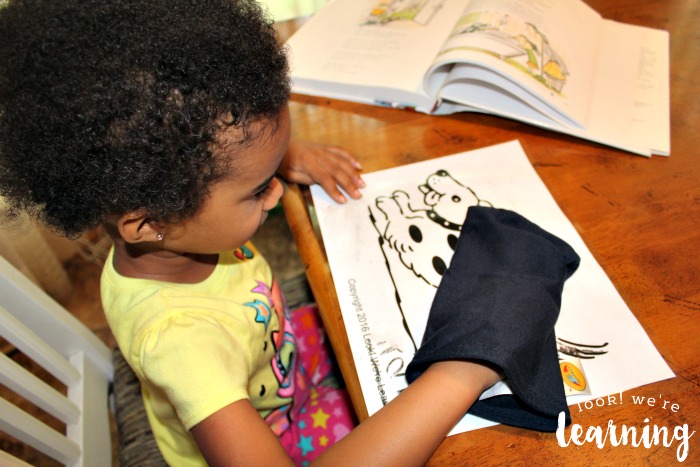
I like the Crayola Dry Erase crayons, because they come with the cleaning mitt, which you’ll also need.

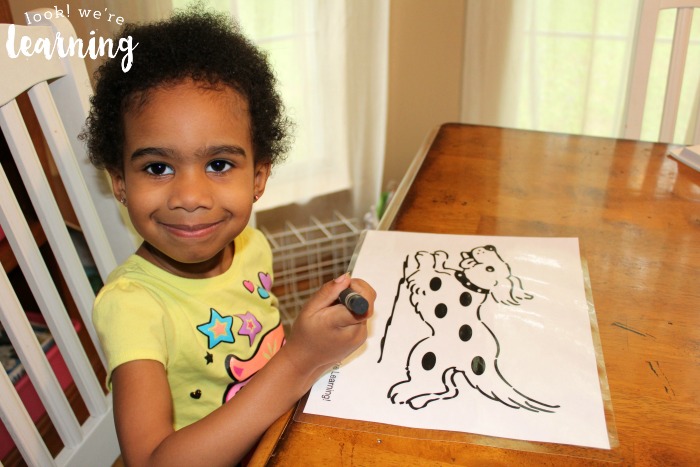
Harry the Dirty Dog Activity Coloring

In the story, Harry hates taking baths, so he hides his scrubbing brush and runs away from home.

While he’s away, he gets super dirty – running through a construction site, sliding down a coal chute, and so on.

Harry the Dirty Dog PreK Activity

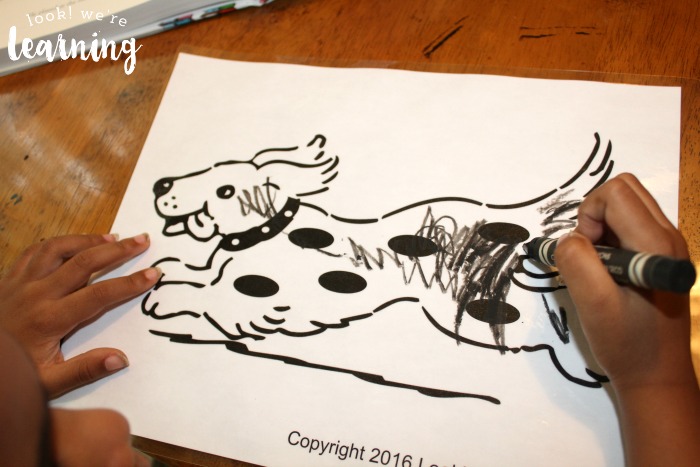
So our first step was to get our white dog dirtied up!

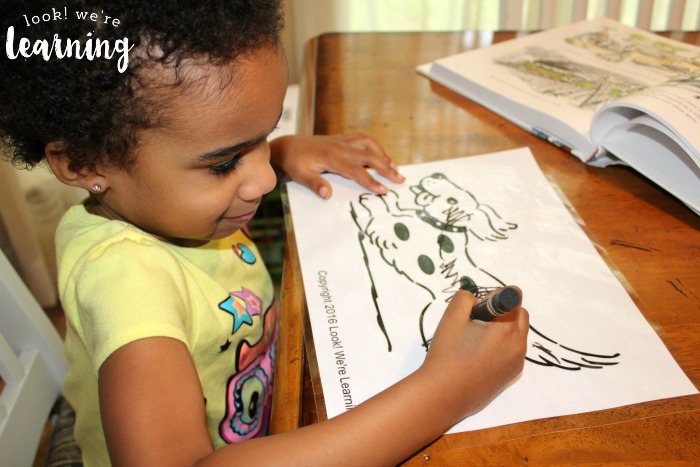
Coloring Harry the Dirty Dog Activity

I just turned Piglet loose with the crayon.

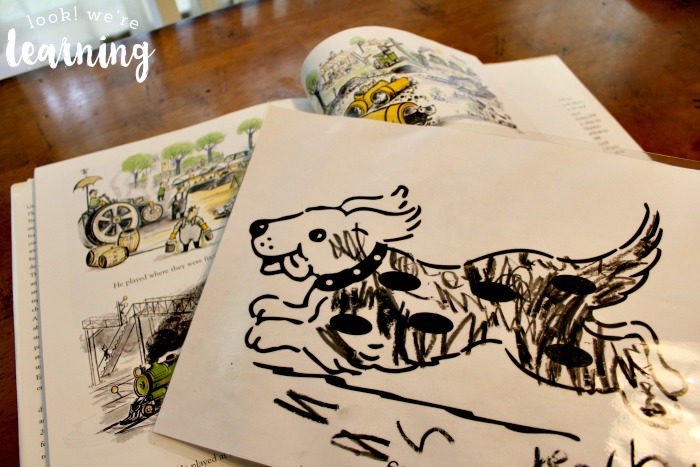
Harry the Dirty Dog Extension Activity

Boy, he really got dirty, didn’t he?

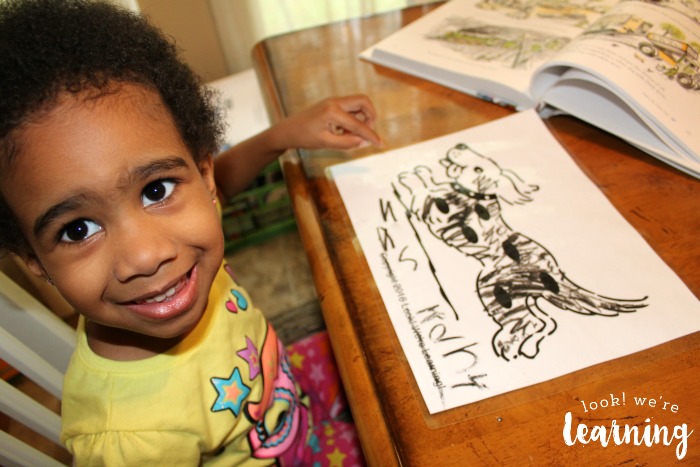
Tot Harry the Dirty Dog Activity

Making our white dog dirty was probably Piglet’s favorite part of the entire activity. 

Clean the Dirty Dog Activity

When Harry returns home, he’s so dirty that his family doesn’t recognize him.

Frightened, he digs up the scrubbing brush, runs into the house, and jumps into the bathtub.

Harry the Dirty Dog Activity for Tots and PreK

Once he’s all clean and scrubbed, the kids know that the black dog with white spots is actually Harry, their white dog with black spots.

Naturally, we had to clean Harry up too! And that’s where the dry erase mitt came in handy.

Harry the Dirty Dog Activity for Toddlers

Aw…look how clean he is!

To do this art activity with your littles, get a copy of our free Clean the Dirty Dog printable below!

>>> Clean the Dirty Dog Printable Activity <<<

Harry the Dirty Dog Activity for PreK and Tots

Want more book-related learning fun? Check out these posts!

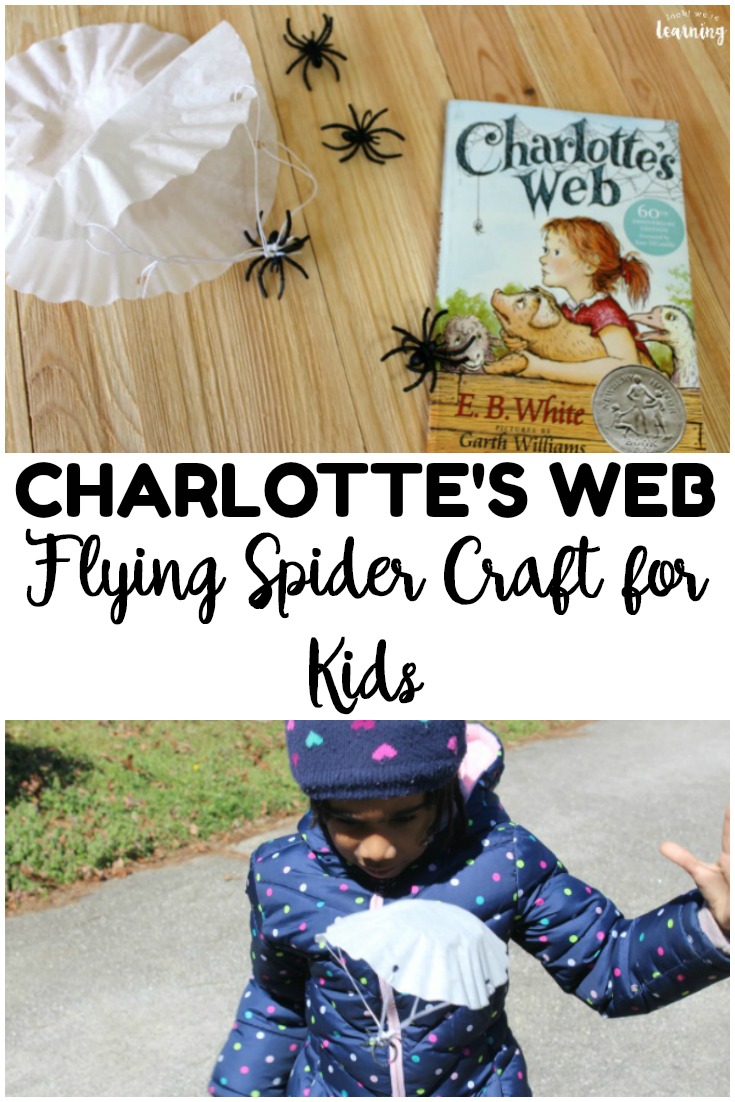
Reading Charlotte's Web with your kids? Bring the story to life with this fun Charlotte's Web craft little ones can make!

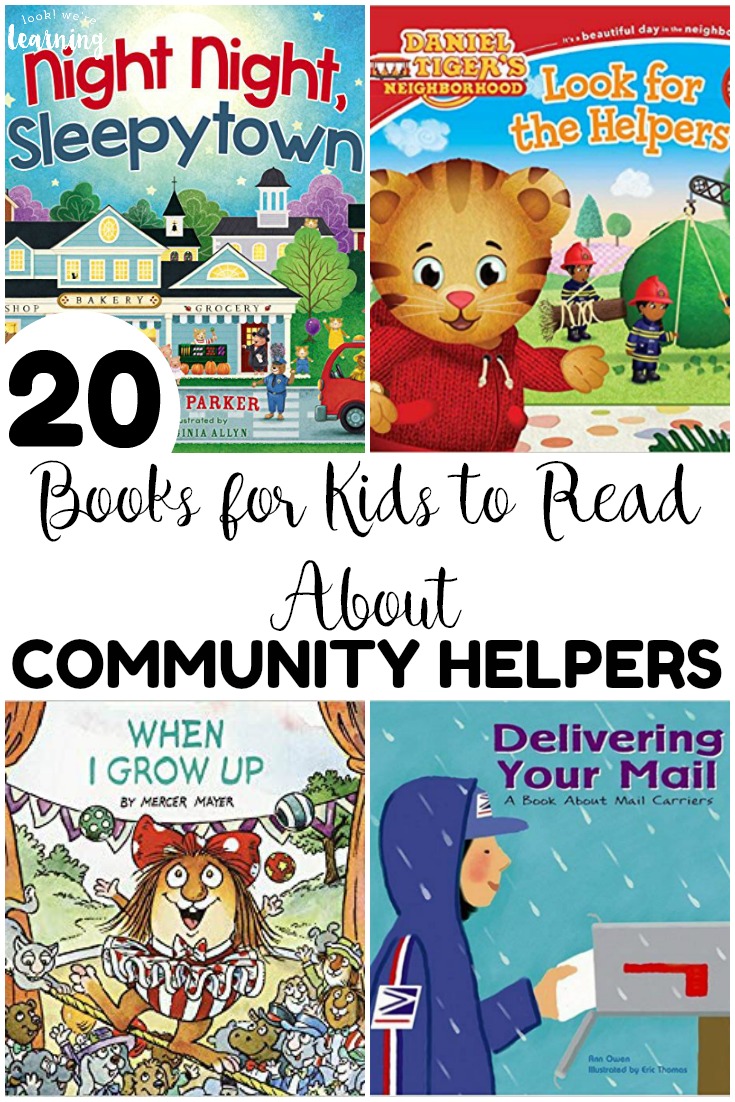
Introduce kids to the helpers in your town with these kids' books about community helpers! Great for read-aloud time with early learners!

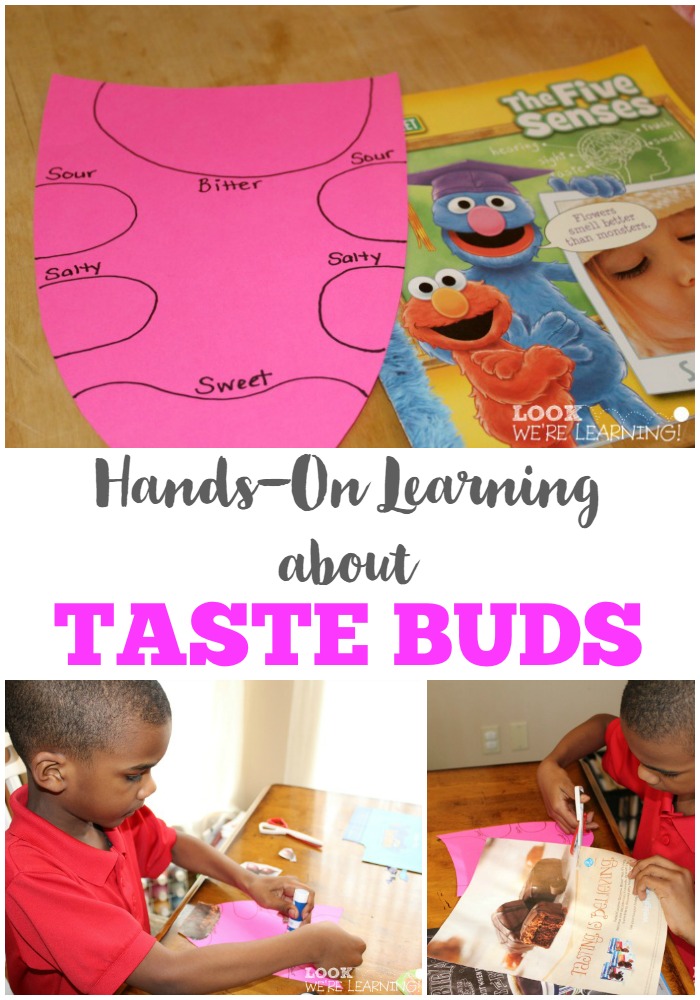
Hands-On Learning about Taste Buds

This post is part of the Read It, Make It Book + Craft Week linkup from Emma Owl! Get 50 ideas for arts and crafts based on children’s books!

50 Childrens Art and Craft Ideas Themed Around Books

iLS Home Program for ADHD and SPD - Look! We're Learning!
iLS Home Program for ADHD and SPD

April 11, 2016 by Selena Robinson 2 Comments

As most of you probably know, we have children who are living with ADHD and Sensory Processing Disorder. In fact, both my husband and I also have ADHD/ADD.

We’ve written extensively about life with ADHD here on the blog, so when I learned about Integrated Listening Systems – a natural therapy for improving attention and sensory processing skills, I was super excited to give the iLS Home Program a try!

Here’s what the program includes and how it can benefit children with various learning difficulties and special needs!

Disclosure: I received access to this program in exchange for this post and I was compensated for my time. All opinions are my own. For details, see my Disclosure Policy.

iLS Home Program for ADHD and SPD - Look! We're Learning!

What is iLS Home Program Therapy?

The iLS Total Home Focus Program is a sound and movement therapy system for individuals who are living with special needs, including ADHD/ADD, Down’s syndrome, Sensory Processing Disorder, Dyslexia, Autism, Apraxia, Dysgraphia, and Auditory Processing Disorder.

Since we have children who have both ADHD and Sensory Processing Disorder, we jumped at the chance to try the program. Here’s a quick overview of how it works:

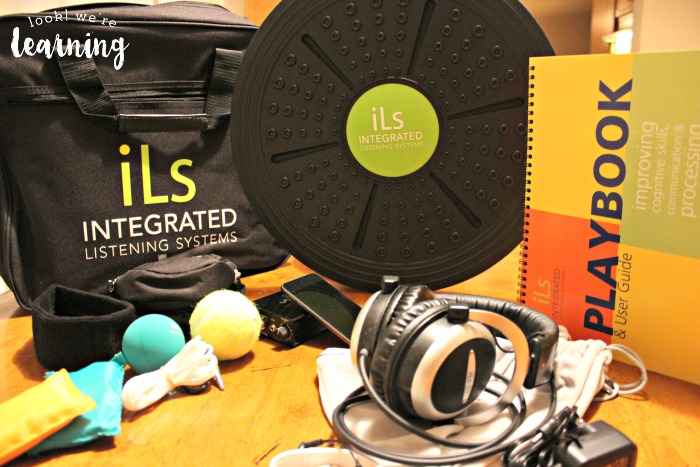
iLS Home Program System

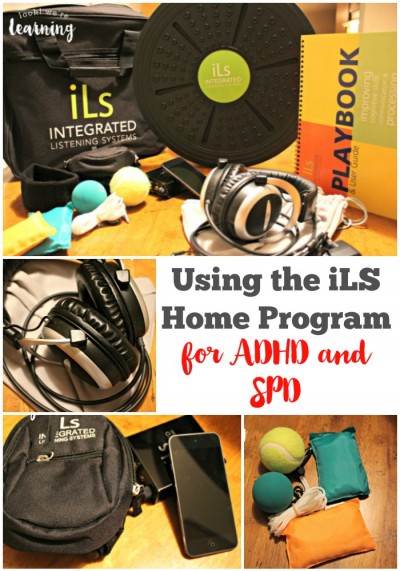
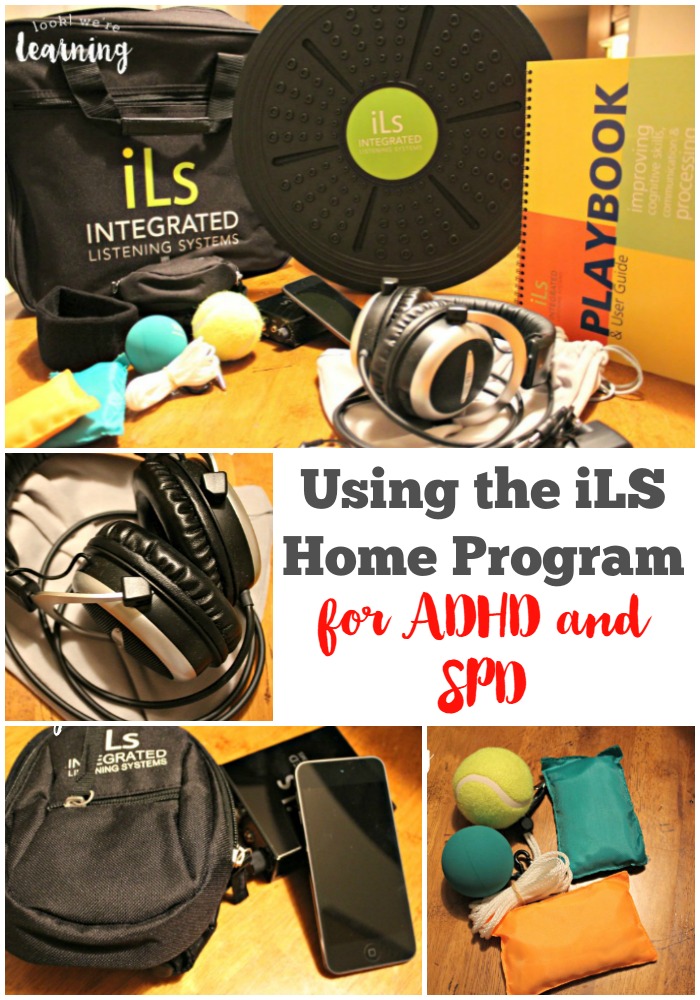
This is a look at what is included in the iLS Home Program. As you can see, it’s pretty extensive.

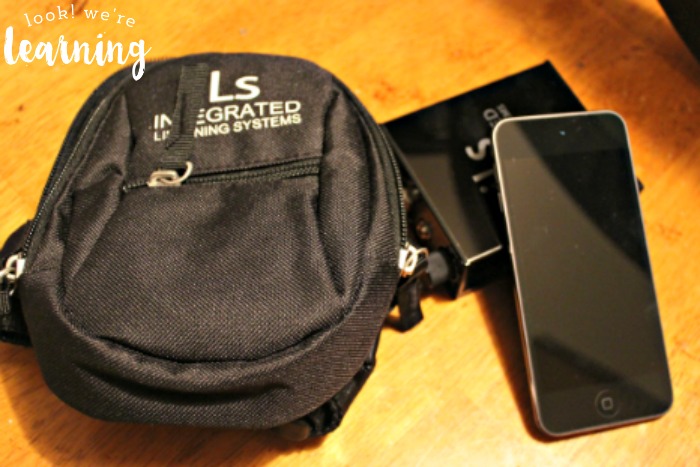
iLS Home Program iPod Touch

You receive an iPod Touch with a waist pack. Kids need to use the program two to five times per week for sessions of 20 to 50 minutes.

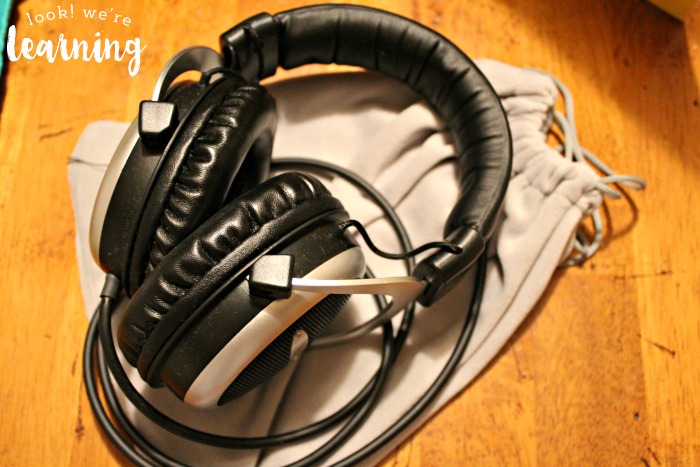
iLS Home Program Headphones

The special iLS headphones are part of the program’s unique benefits. These headphones feature special sensors behind the ear that make contact with the bones in the head. The goal is to provide listening therapy through the body’s various systems via bone conduction. Pretty neat!

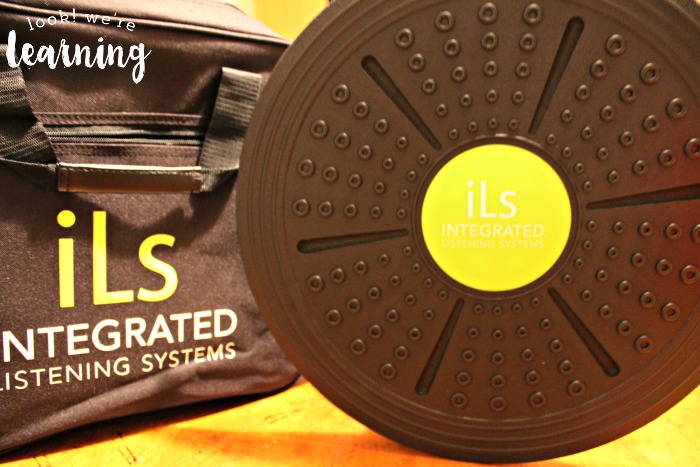
iLS Home Program Balance Board

The balance board is part of the exercise regimen, designed to improve balance and coordination.

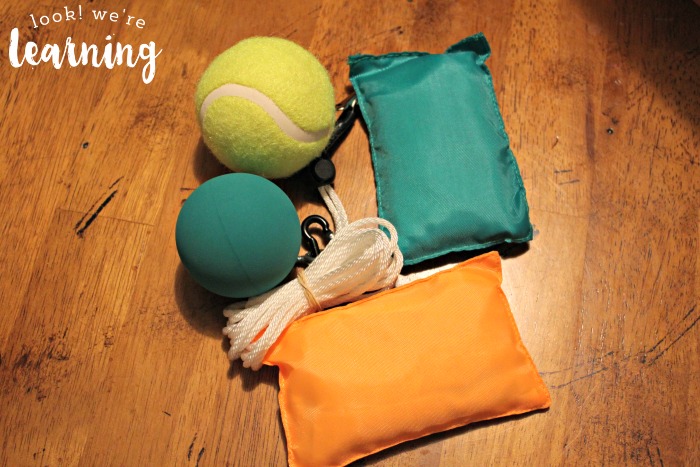
iLS Home Program Accessories

The weighted beanbags and balls are accessories for use with the program home exercises.

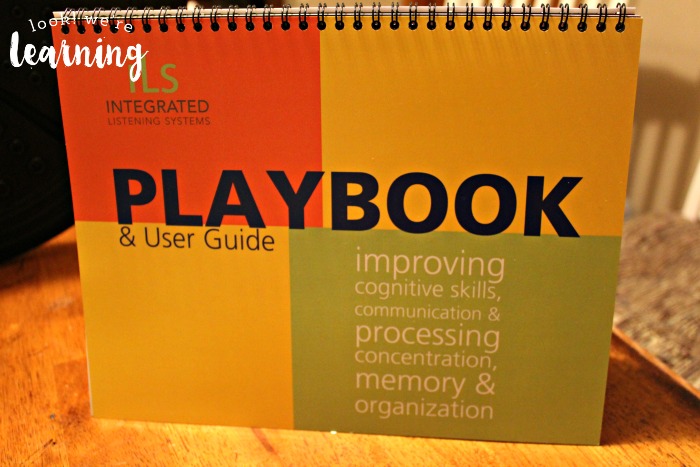
iLS Home Program Playbook

Along with the program supplies, iLS provides a Playbook that demonstrates various exercises and skills you can try with your children. The Playbook also gives you a chance to note your children’s progress as you use the program.

What are the Benefits of the iLS Home Program ?

Clients who have used the iLS Home Program have reported substantial benefits for those who have attention and sensory issues. For example, some who have tried the iLS program for ADHD have noticed an increase in ability to concentrate, organize, and complete tasks. The program has also helped to decrease anxiety and promote calm, which leads to improved sleeping habits (something that has been a real issue in our family).

iLS can also help with vestibular and proprioceptive issues, which are common for children with SPD. Since the program includes exercises that are designed to improve hand/eye coordination, balance, and auditory processing, I am really looking forward to seeing how much it helps our family.

I’m excited to announce that I’ll be using the iLS Home Program with my children over the next several weeks! I’m looking forward to sharing our progress and results, especially for those of you who have children living with ADHD, autism, SPD, or other special needs.

Visit the iLs Total Home Focus Program website to learn more about how this program works for home use! And if you have any specific questions about how the program is working for us, feel free to ask and I’ll do my best to answer!

For more about life with ADHD, follow my ADHD Tips board on Pinterest!

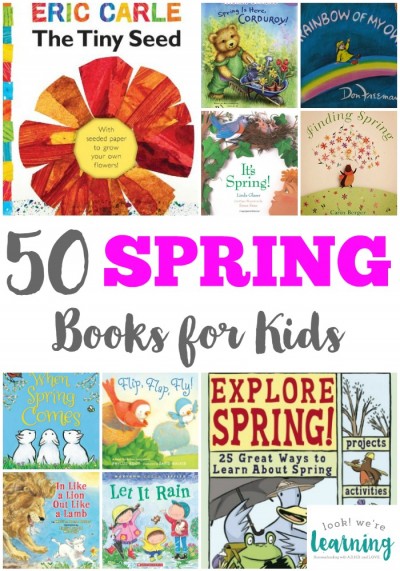
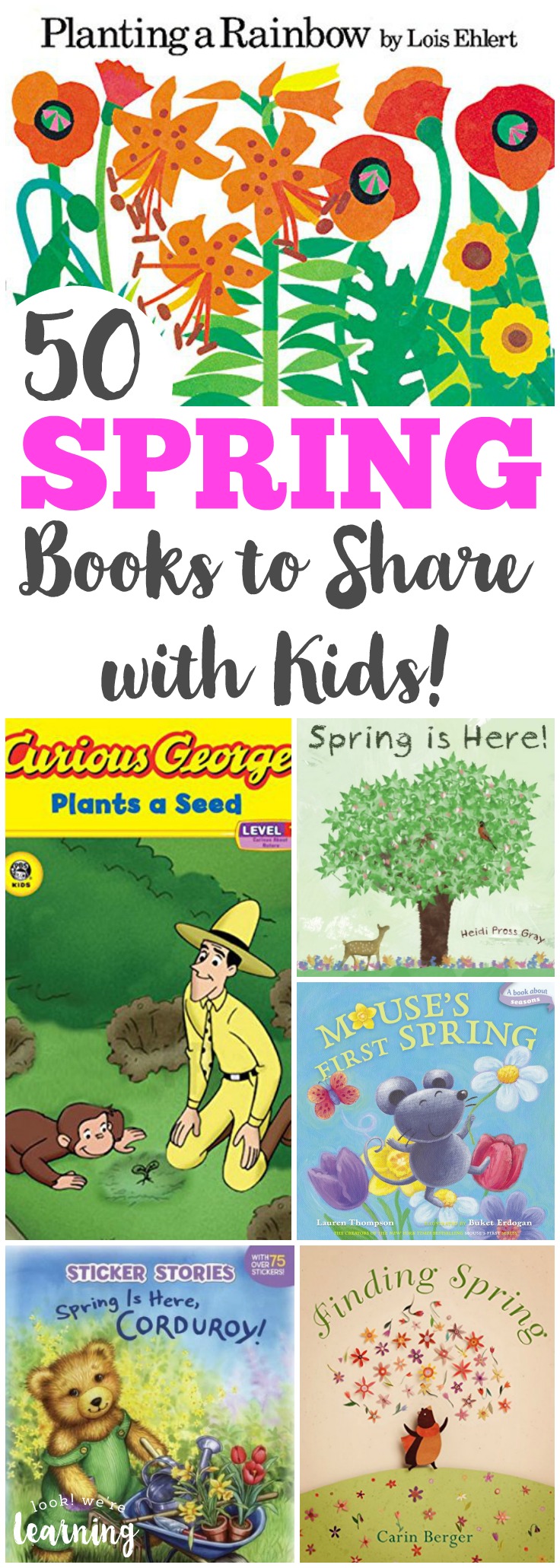
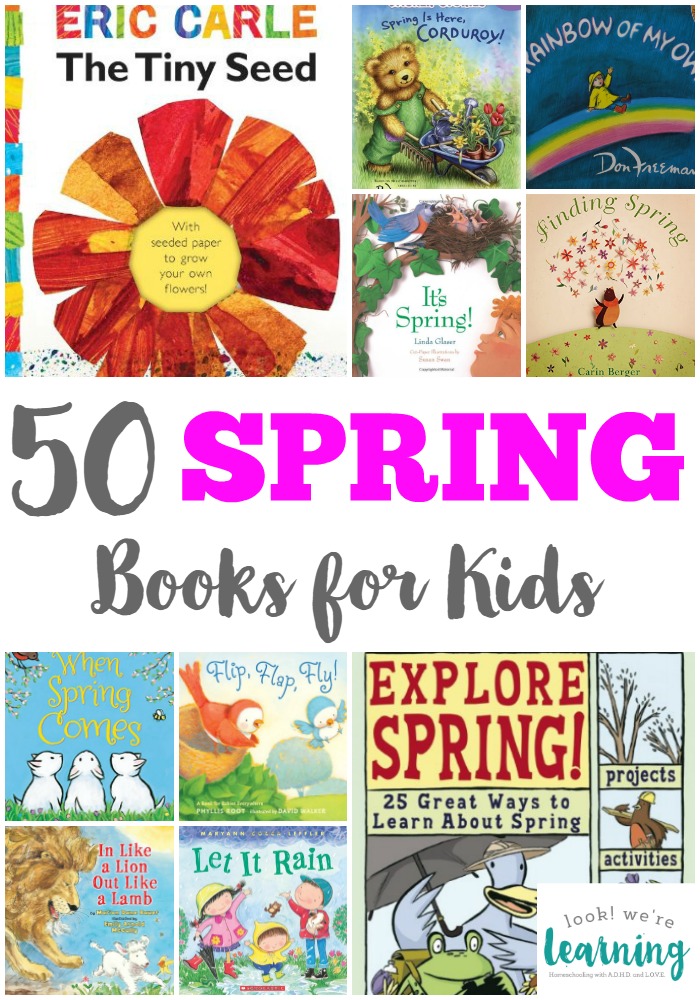
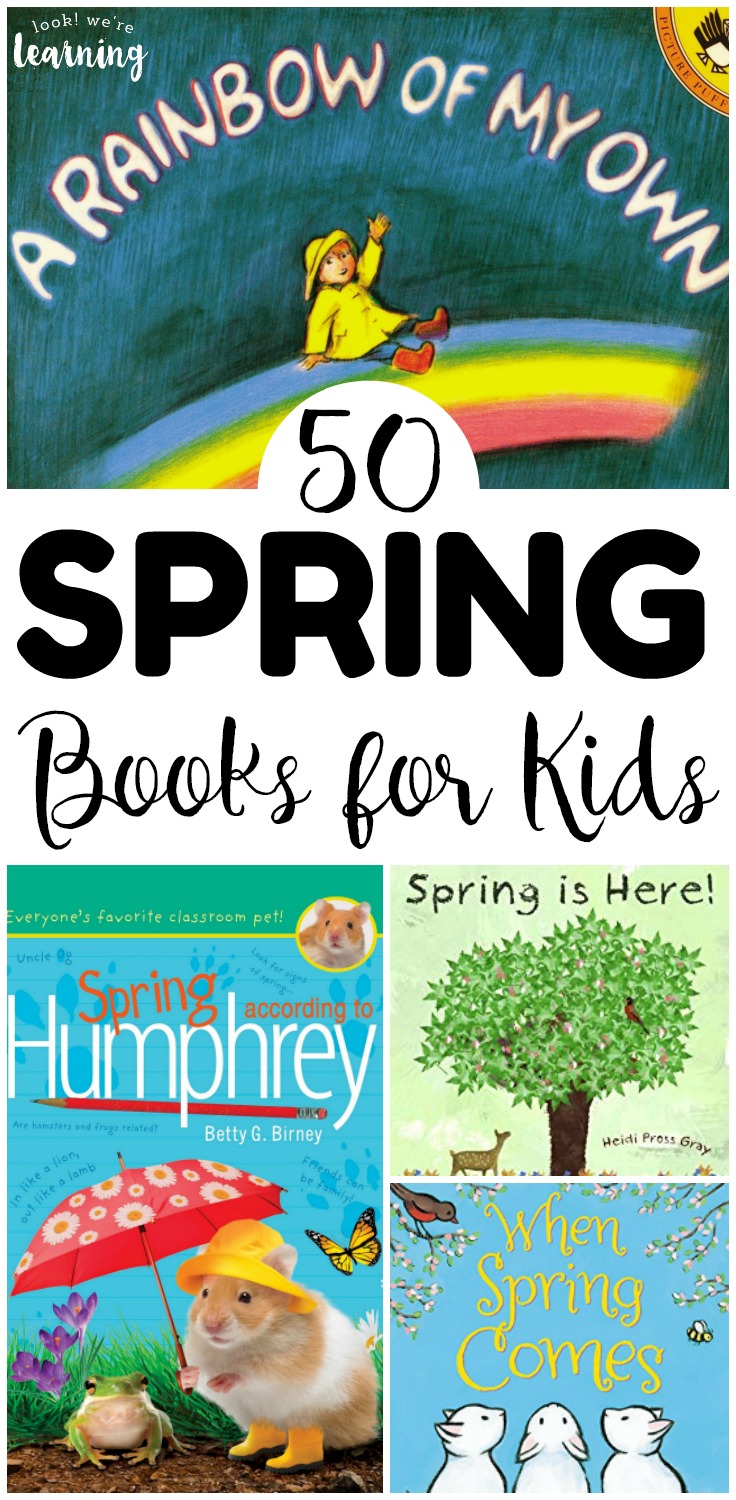
50 Spring Books for Kids

50 Beautiful Spring Books for Kids to Read

April 7, 2016 by Selena Robinson 1 Comment

Spring is a wonderful time of year for sharing stories! Read some of these spring books for kids with your little ones!
50 Spring Books for Kids
These beautiful spring books for kids are wonderful read aloud selections for springtime! There are spring board books, spring picture books, and spring chapter books to choose from!

I absolutely adore spring…mostly because I detest winter. (Cold weather turns me into an actual bum.)

But once the days start to get longer and the weather starts to get warmer, I come alive! And it’s a wonderful time to explore changing seasons with our students.

This year, I want to put a greater focus on spring reading, so I put together a list of 50 spring books for kids!

50 Fun Spring Books for Kids

These spring books for kids are great for talking about the change of seasons. They’re also a nice introduction to weather, spring animals, and plants!

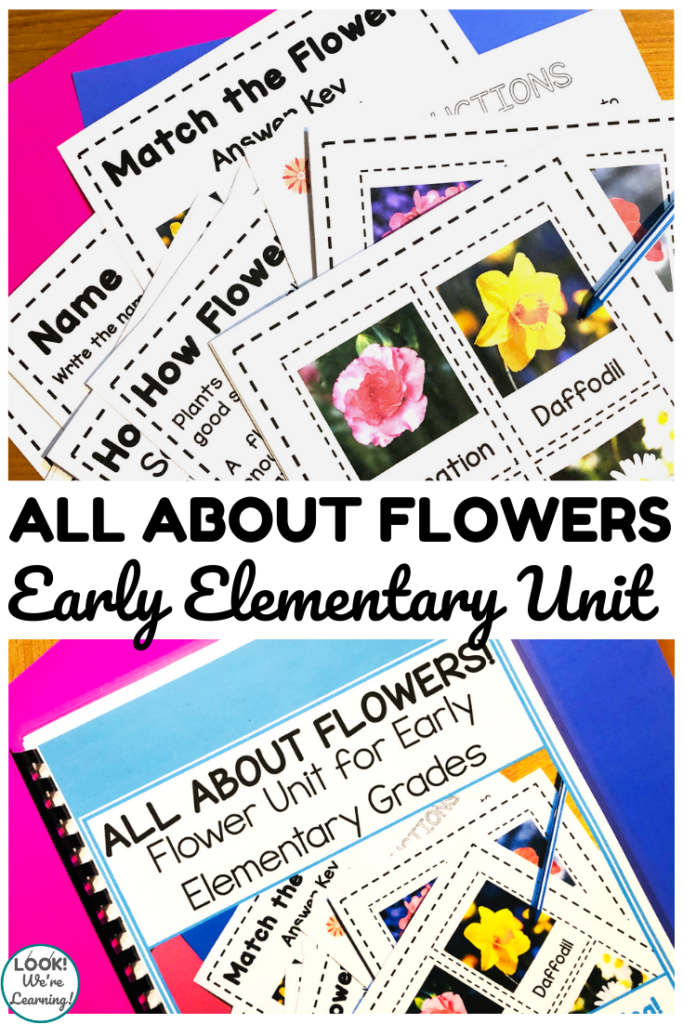
Want to share more spring learning with your students? Don’t miss our All About Flowers printable unit study!

Share this list of 50 spring books for kids with early readers!

50 Engaging Spring Books for Kids

This list of books about spring includes both board books and picture books. So there are appropriate selections for preschoolers and early elementary students.

Some of the non-fiction books may even be good for upper elementary students, depending on their reading level.

How to Use Books about Spring with Early Learners

When you’re ready to share one of these spring books for kids with your students, try opening by asking the class what they already know about the topic.

For example, if you’re reading the book “How Do We Know It’s Spring”, start by asking questions like:

  • How can you tell springtime is here?
  • What does the weather look like?
  • What do the trees look like?
  • Are there any animals you see around us?
50 Engaging Spring Books for Kids to Read

As your students answer, help them remember what’s been said and then compare what they already know with what they learn from the book later.

If you are working on a spring-themed unit, share a book together and then complete a craft. Here are a few spring crafts that may work well with these:

  • Coffee Filter Flower Craft
  • Toilet Roll Baby Chick Craft
  • Paper Cone Bee Craft
  • Coffee Filter Rainbow Craft

50 Beautiful Spring Books for Kids to Read

This list of beautiful spring books for kids features picture books young readers will love! Both fiction and non-fiction selections are included.

Note: This list includes affiliate links. For details, see our Disclosure Policy.

1

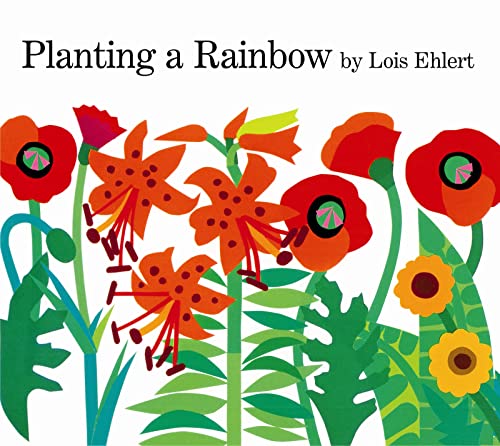
Planting a Rainbow by Lois Ehlert

Photo Credit: Amazon
2

Flip, Flap, Fly!: A Book for Babies Everywhere

Photo Credit: Amazon
3

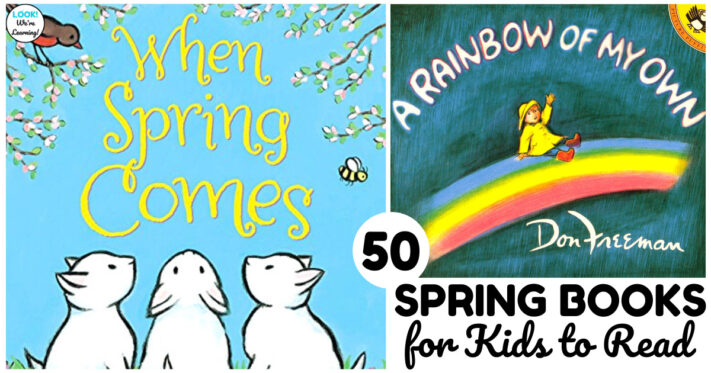
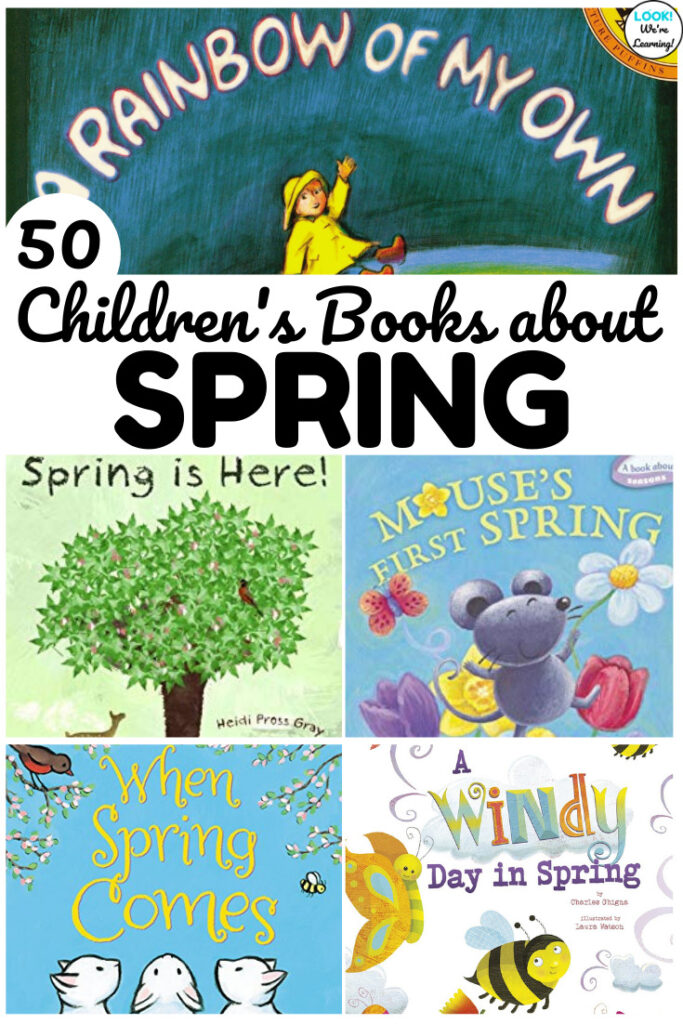
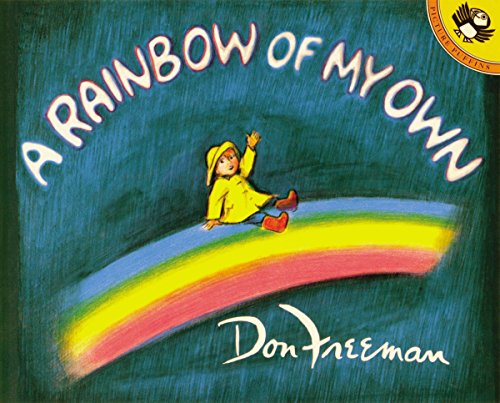
A Rainbow of My Own by Don Freeman

Photo Credit: Amazon
4

Cherry Blossoms Say Spring (National Geographic Kids)

Photo Credit: Amazon
5

Storm Is Coming! by Heather Tekavec

Photo Credit: Amazon
6

The Very Busy Spider (Step into Reading)

Photo Credit: Amazon
7

Curious George Plants a Seed (CGTV Reader)

Photo Credit: Amazon
8

Kitten's Spring (Kitten: Seasons)

Photo Credit: Amazon
9

Scholastic Reader Level 3: Poppleton in Spring

Photo Credit: Amazon
10

Spring Is Here, Corduroy!

Photo Credit: Amazon
11

It's Spring by Linda Glaser

Photo Credit: Amazon
12

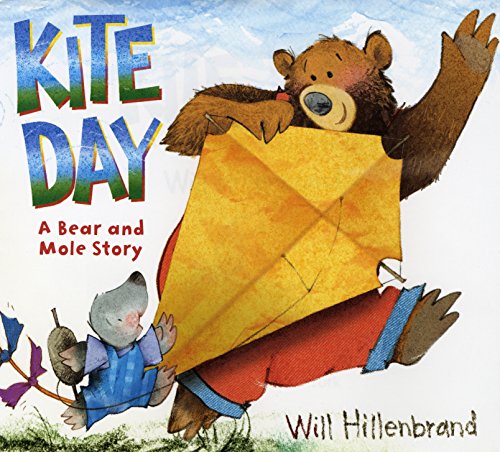
Kite Day: A Bear and Mole Story

Photo Credit: Amazon
13

And Then It's Spring by Julie Fogliano

Photo Credit: Amazon
14

In Like a Lion Out Like a Lamb by Marion Dane Bauer

Photo Credit: Amazon
15

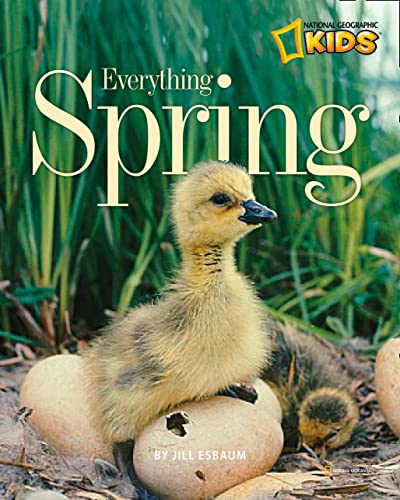
Everything Spring (Picture the Seasons)

Photo Credit: Amazon
16

Spring Stinks: A Little Bruce Book (Mother Bruce Series)

Photo Credit: Amazon
17

Plants in Spring (All about Spring)

Photo Credit: Amazon
18

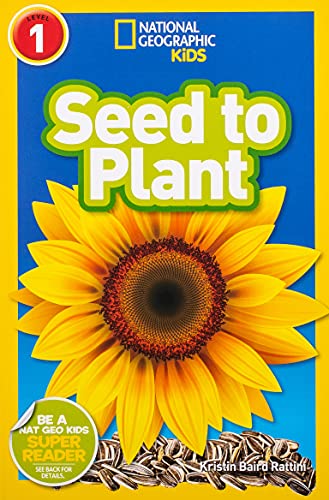
National Geographic Readers: Seed to Plant

Photo Credit: Amazon
19

The Tiny Seed/Ready-to-Read Level 2 (The World of Eric Carle)

Photo Credit: Amazon
20

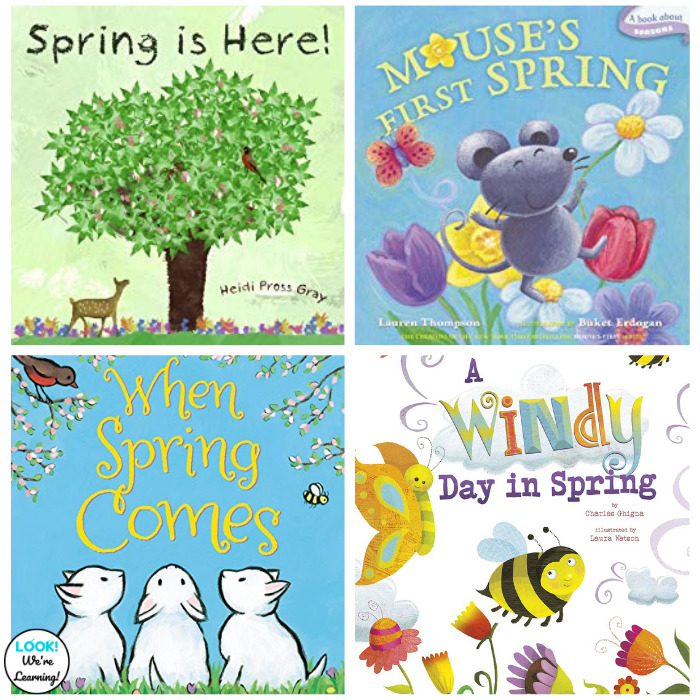
Mouse's First Spring (Classic Board Books)

Photo Credit: Amazon
21

Let It Rain by Maryann Cocca-Leffler

Photo Credit: Amazon
22

It's Spring! by Samantha Berger

Photo Credit: Amazon
23

Weather in Spring (All about Spring)

Photo Credit: Amazon
24

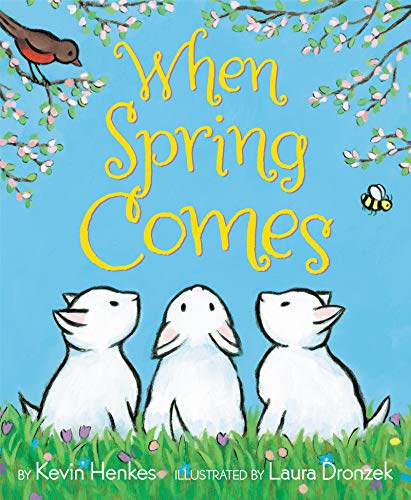
When Spring Comes by Kevin Henkes

Photo Credit: Amazon
25

Little Blue Truck's Springtime by Alice Schertle

Photo Credit: Amazon
26

Spring: A Pop-up Book (Seasons Pop-up)

Photo Credit: Amazon
27

How Do You Know It's Spring? (Rookie Read-About Science: Seasons)

Photo Credit: Amazon
28

Bear Wants More (The Bear Books) by Karma Wilson

Photo Credit: Amazon
29

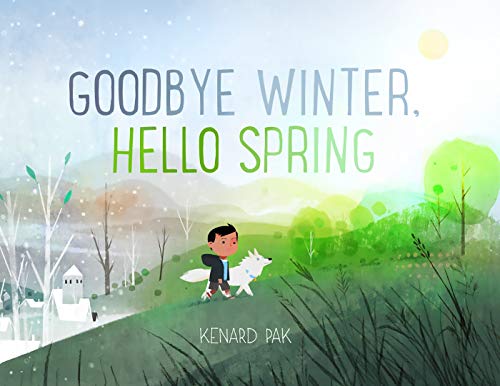
Goodbye Winter, Hello Spring by Kenard Oak

Photo Credit: Amazon
30

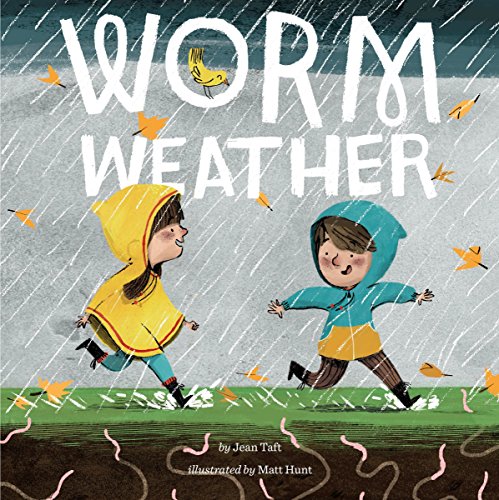
Worm Weather (Penguin Core Concepts) by Jean Taft

Photo Credit: Amazon
31

Fletcher and the Springtime Blossoms by Julia Rawlinson

Photo Credit: Amazon
32

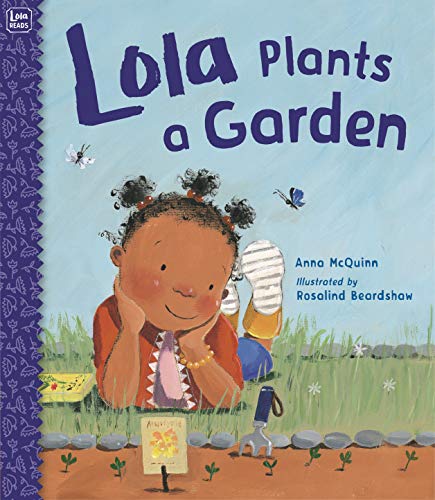
Lola Plants a Garden (Lola Reads) by Anna McQuinn

Photo Credit: Amazon
33

Spencer Knows Spring: A Charming Children's Book about Spring by Tiffany Obeng

Photo Credit: Amazon
34

A Little Book About Spring (Leo Lionni's Friends)

Photo Credit: Amazon
35

Spring in the Forest (Lift-a-flap Surprise)

Photo Credit: Amazon
36

Pete the Cat and the Cool Caterpillar (I Can Read Level 1)

Photo Credit: Amazon
37

What Can You See in Spring? (Seasons) by Sian Smith

Photo Credit: Amazon
38

Spring According to Humphrey by Betty G. Birney

Photo Credit: Amazon
39

The Very Hungry Caterpillar by Eric Carle

Photo Credit: Amazon
40

Happy Springtime! by Kate McMullan

Photo Credit: Amazon
41

Llama Llama Very Busy Springtime by Anna Dewdney

Photo Credit: Amazon
42

Spring is Here! by Heidi Pross Gray

Photo Credit: Amazon
43

All About Weather: A First Weather Book for Kids

Photo Credit: Amazon
44

A Windy Day in Spring (Springtime Weather Wonders)

Photo Credit: Amazon
45

Snow Rabbit, Spring Rabbit: A Book of Changing Seasons

Photo Credit: Amazon
46

The Thing About Spring by Daniel Kirk

Photo Credit: Amazon
47

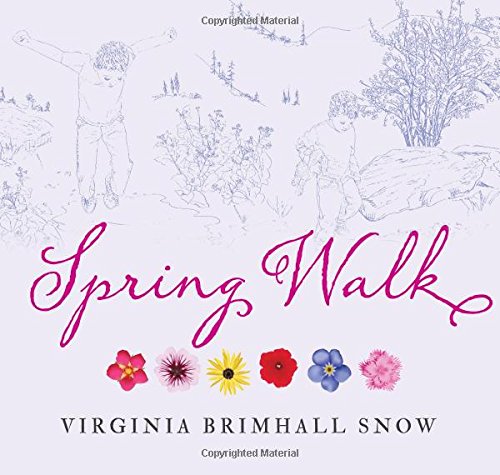
Spring Walk (Seasonal Walks) by Virginia Snow

Photo Credit: Amazon
48

Finding Spring by Carin Berger

Photo Credit: Amazon
49

Curious George: The Perfect Carrot (CGTV Reader)

Photo Credit: Amazon
50

Spring is Here: A Bear and Mole Story by Will Hillenbrand

Photo Credit: Amazon

Did you love this list of spring books for kids?

If you’re looking for more ways to talk about the season with your students, check out some of these spring learning ideas!

All About Flowers Early Elementary Unit
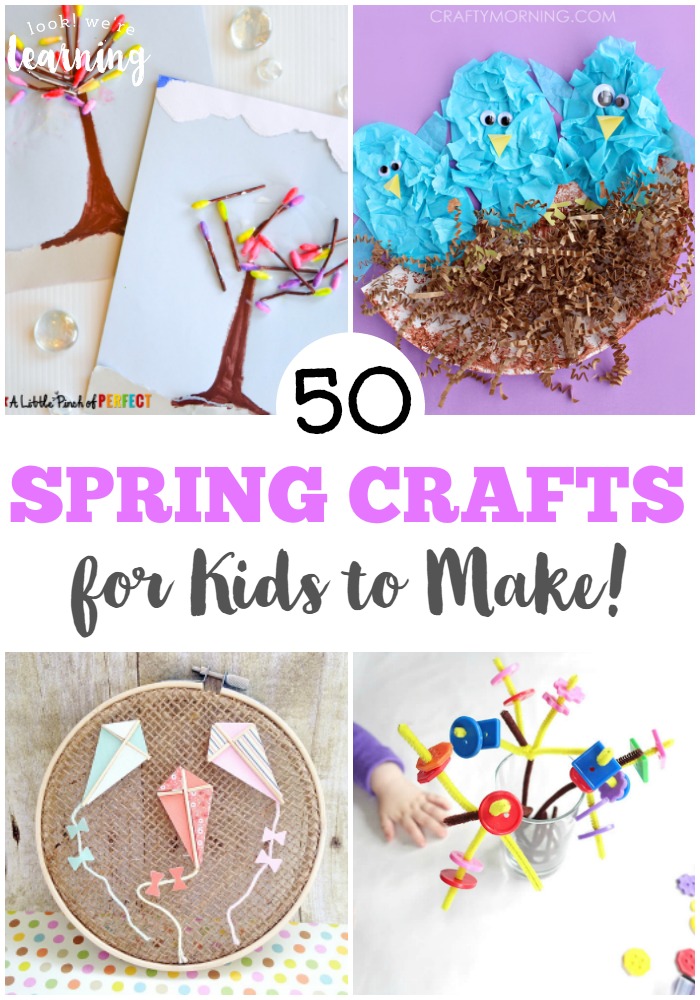
Get ready to welcome warmer weather with these fun spring crafts for kids to make!
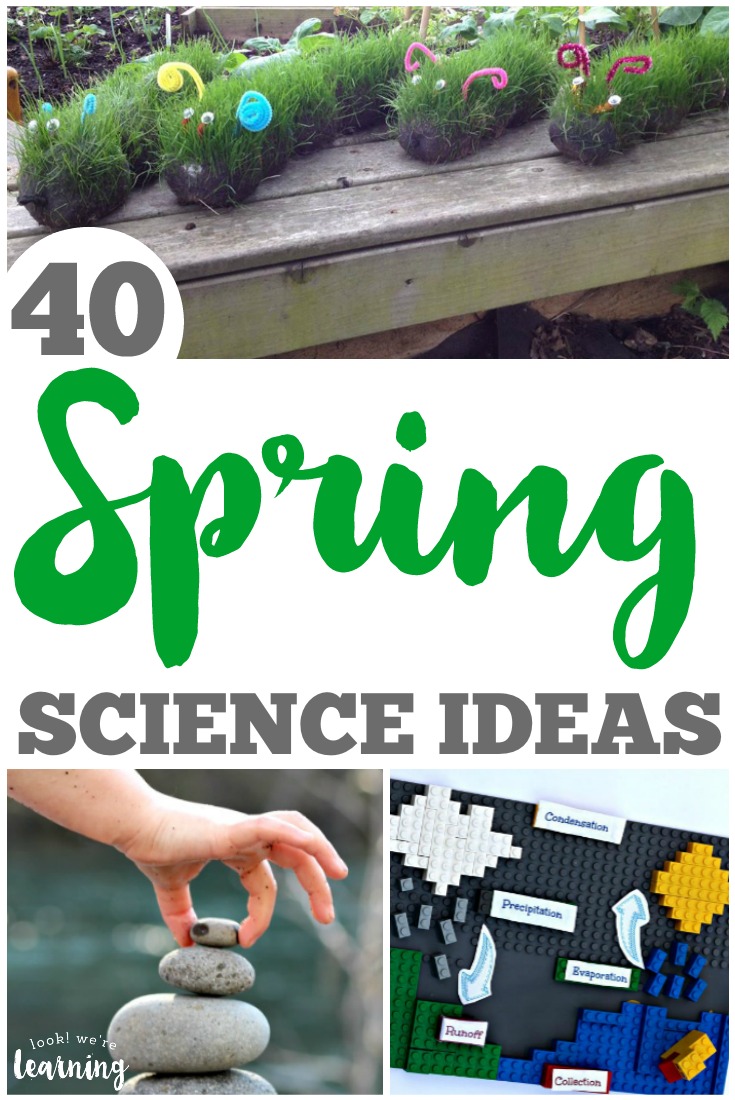
These spring science ideas are wonderful for teaching science to the kids this year!

10 Amazing Geography Books for Home School

10 Amazing Geography Books for Home School

April 5, 2016 by Selena Robinson Leave a Comment

Geography was NOT one of my favorite subjects in school. It was boring and dry and I just wanted to run out of class and never return.

So I’m determined to make it one of the best subjects in our homeschool. And that means choosing great geography books for my kids to explore.

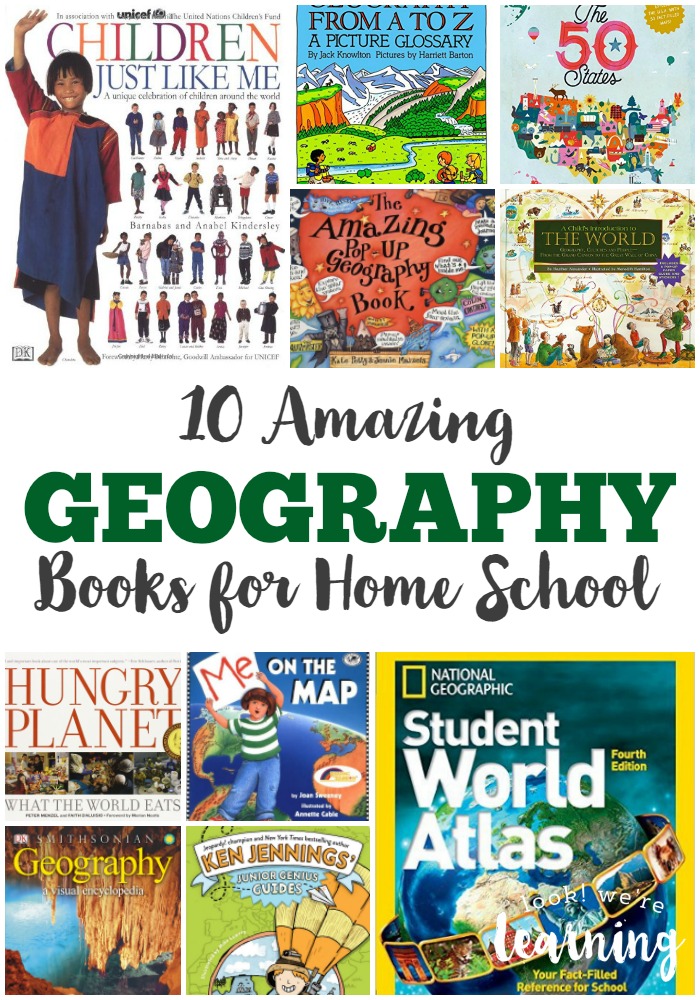
Check out some of these amazing geography books for home school! I love these books and we use several of them regularly with our children!

10 Amazing Geography Books for Home School

10 Amazing Geography Books for Home School

Of this list, my personal favorite is Hungry Planet. It is a truly eye-opening look at the way world regions, economy, and culture play a role in the food we eat. Plus, it’s an introduction to human geography, not just points on a map. Physical geography is important, but it’s how it affects us as humans that really impacts our society.

  1. Children Just Like Me: A Unique Celebration of Children Around the World
  2. National Geographic World Atlas: Student Edition
  3. Geography from A to Z: A Picture Glossary
  4. The 50 States: Explore the U.S.A. with 50 Fact-Filled Maps!
  5. The Amazing Pop-Up Geography Book
  6. Hungry Planet: What the World Eats
  7. Maps and Geography (Ken Jennings’ Junior Guides)
  8. Me on the Map
  9. Geography: A Visual Encyclopedia
  10. A Child’s Introduction to the World: Geography, Cultures, and People – From the Grand Canyon to the Great Wall of China

Amazing Geography Books for Home School

Do you have a favorite book for teaching geography in your home school? Share your picks in the comments!

Get even more ideas to make geography fun for kids!

5 Ways to Make Geography Fun

For more geography fun, stop by and follow my Geography for Homeschoolers board on Pinterest!

This post is part of The Massive Homeschool Geography Guide from iHomeschool Network! Click over to read more geography posts from my fellow bloggers!

The Massive Homeschool Geography Guide


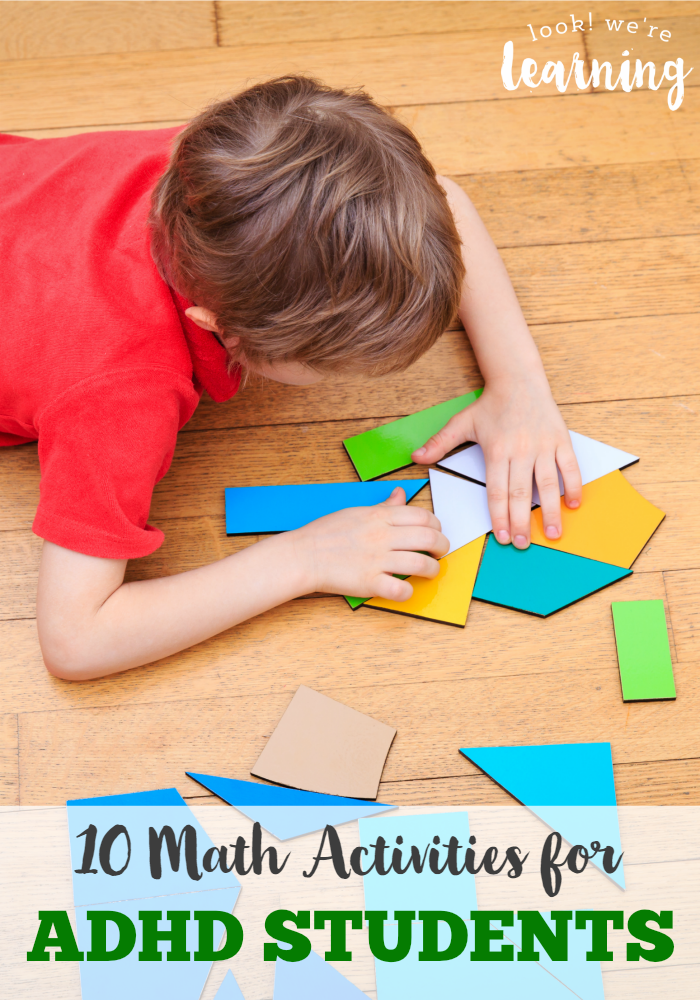
Math Activities for ADHD Students

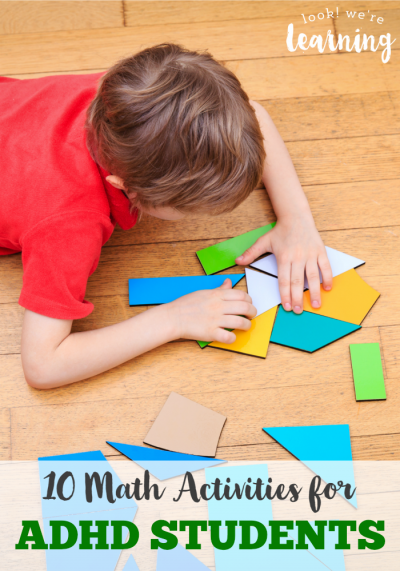
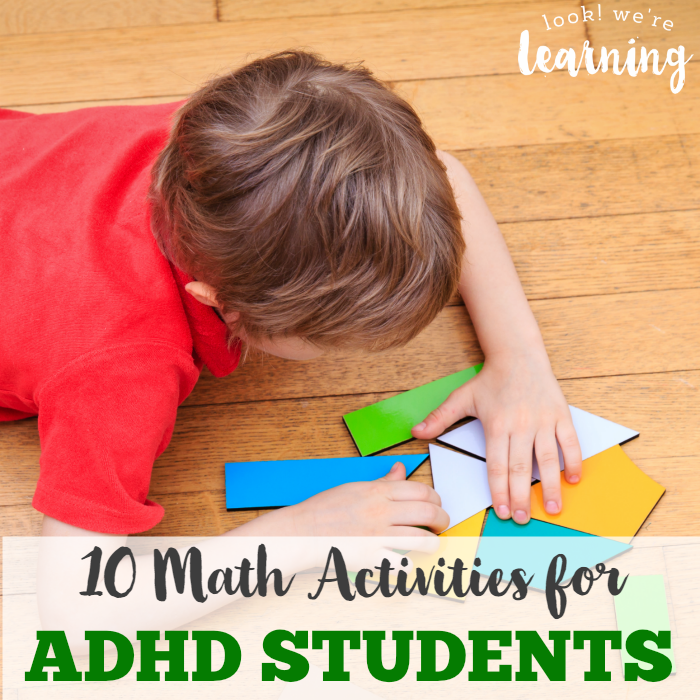
10 Math Activities for ADHD Students

April 4, 2016 by Selena Robinson 1 Comment

If you have a child with ADHD, you might find that sitting down to teach math is…a bit of a challenge.

Well, in my family, the word “challenge” isn’t quite strong enough to describe how difficult math lessons can be. Let’s try “cage match to the death”. I think that’s more accurate. 🙂

My wiggly kids resist anything that requires sustained mental effort, due to issues with executive function, so learning math concepts is their least favorite thing to do. As a result, I’ve had to take math off the page and into their hands to make some ideas really stick.

So – if your child with ADHD struggles with math, you might want to try these 10 math activities for ADHD students. They’ve worked wonderfully in our house!

Math Activities for ADHD Students

Image c/o: Nadezhda1906 / depositphotos

10 Math Activities for ADHD Students

  1. Use LEGO blocks to construct 3D Bar Graphs.
  2. Make Math Factor Snowflakes and hang them in your window.
  3. Show kids how to cut and paste simple repeating math patterns.
  4. Have children work out tens and ones with Unifix cubes.
  5. Practice math facts while doing a simple exercise or having a Brain Break.
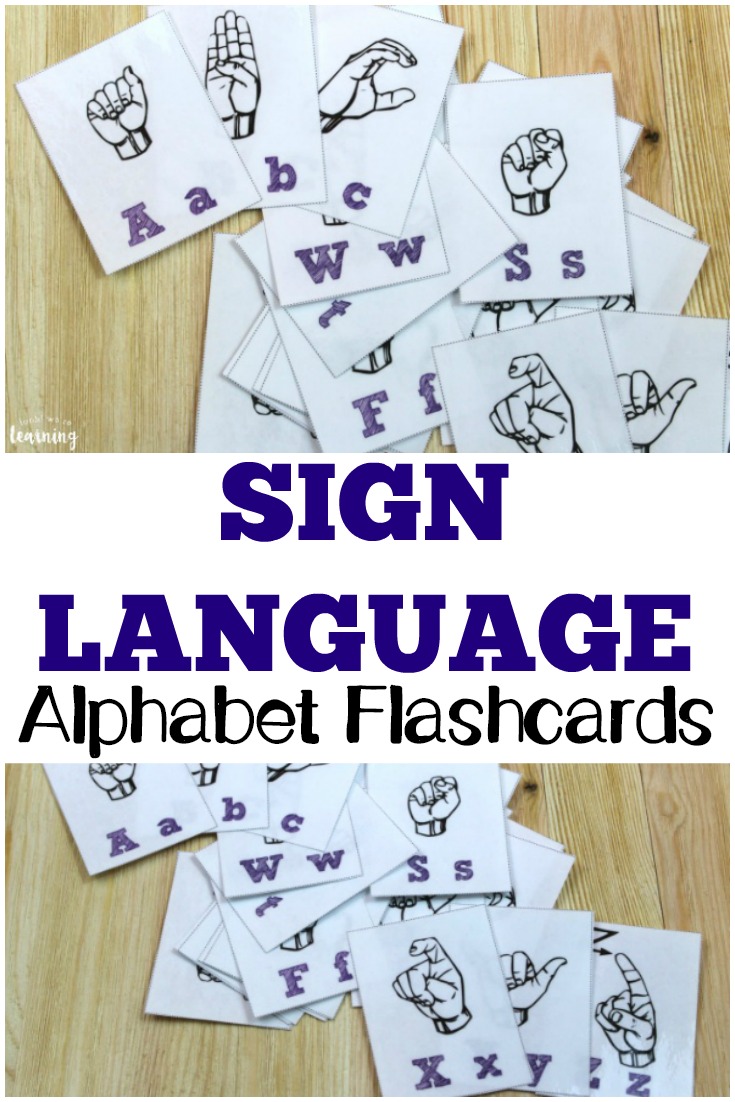
  6. Teach math concepts in a foreign language, such as how to count in Spanish or Sign Language.
  7. Use math lapbooks to help kids visualize math concepts and memorize basic facts.
  8. Combine math with reading by using math storybooks such as Life of Fred.
  9. Drill kids on basic math lessons, including fractions, polygons, and telling time using flashcards.
  10. Create math art, such as coloring grids on graphing paper.

10 Math Activities for ADHD Students

Be sure to check out my ebook “Homeschooling with ADHD” for more help to teach your ADHD child at home!

DHD eBook @ Look! We're Learning!

Want even more fun math ideas? Try these book suggestions!

Fun Math Books for Middle School

And be sure to follow my Math Mania board on Pinterest!


Super Easy Farm Shoebox Diorama Craft

Farm Shoebox Diorama Craft

March 17, 2016 by Selena Robinson 7 Comments

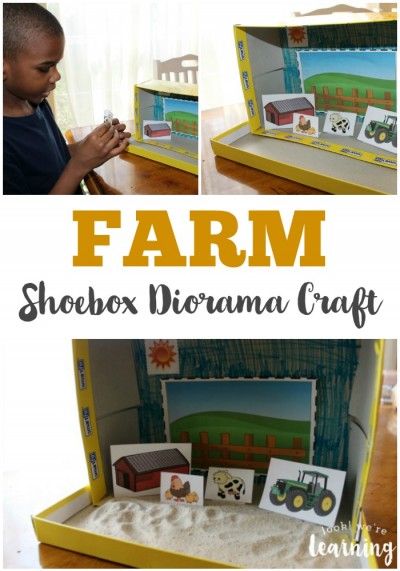
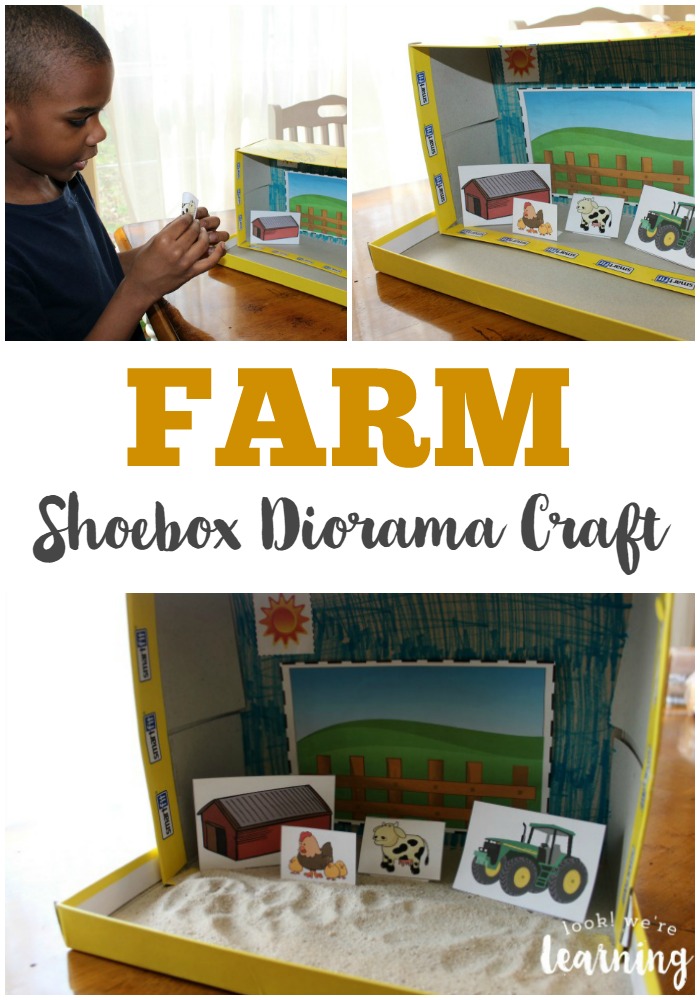
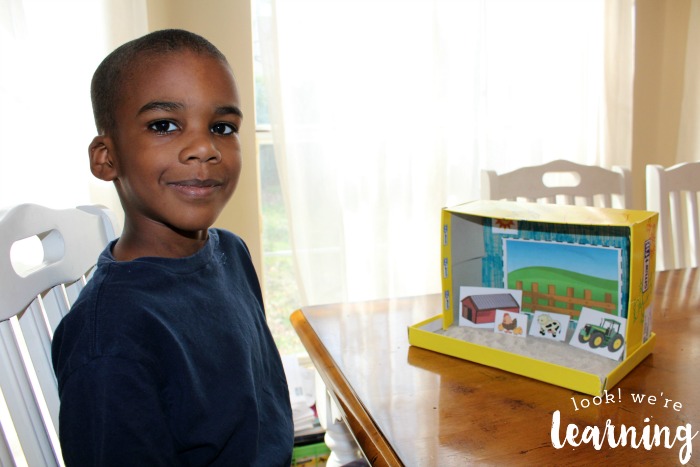
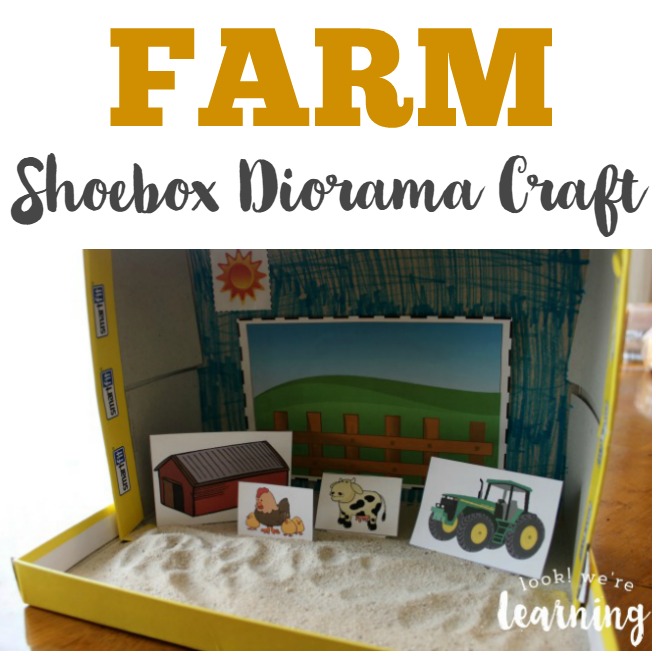
A while back, we made a Beach Shoebox Diorama and the kids had so much with it that I thought we should make another one. So for this linkup with the Early Elementary Blogging Team, we decided to make a simple and fun Farm Shoebox Diorama Craft!

If you’re looking for a low-prep, easy craft that will keep your kids entertained, this is it! Roo, my most active child by a mile, actually sat in one spot and played quietly with the diorama after we finished. Talk about miracles!

Easy Farm Shoebox Diorama Craft for Kids - Look! We're Learning!

Read on to see how to make this craft with your kids!

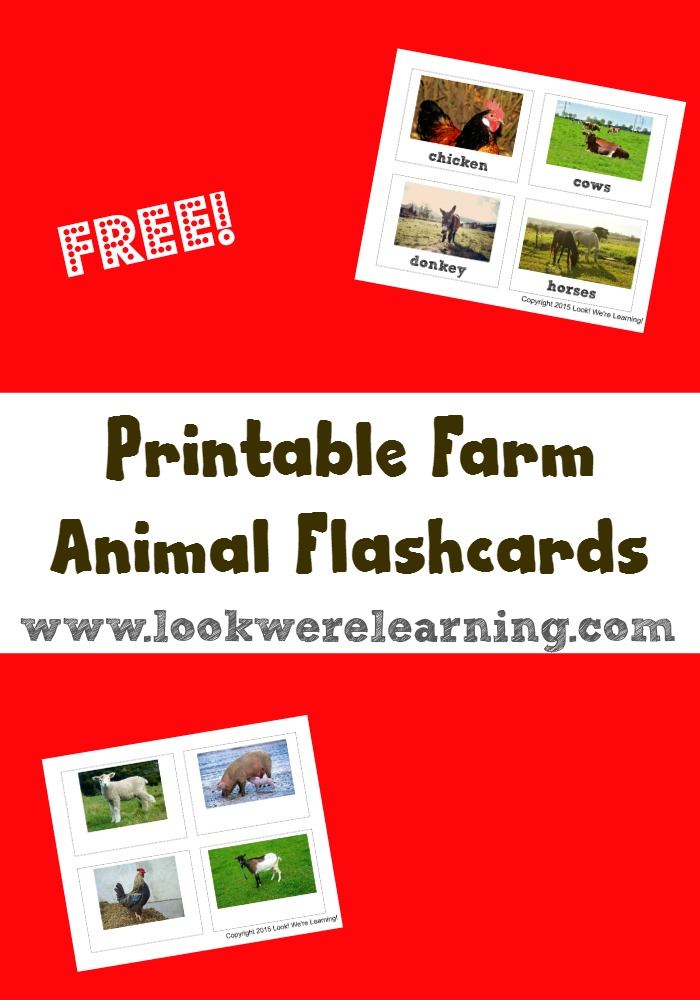
If you love this activity, don’t miss our other farm learning ideas, including our list of Kids’ Books about Farms and our printable Farm Animal Flashcards!

Super Easy Farm Shoebox Diorama Craft

Farm Shoebox Diorama Craft

To make this craft, you’ll need the following:

  • An empty shoebox (a child’s size shoebox is perfect)
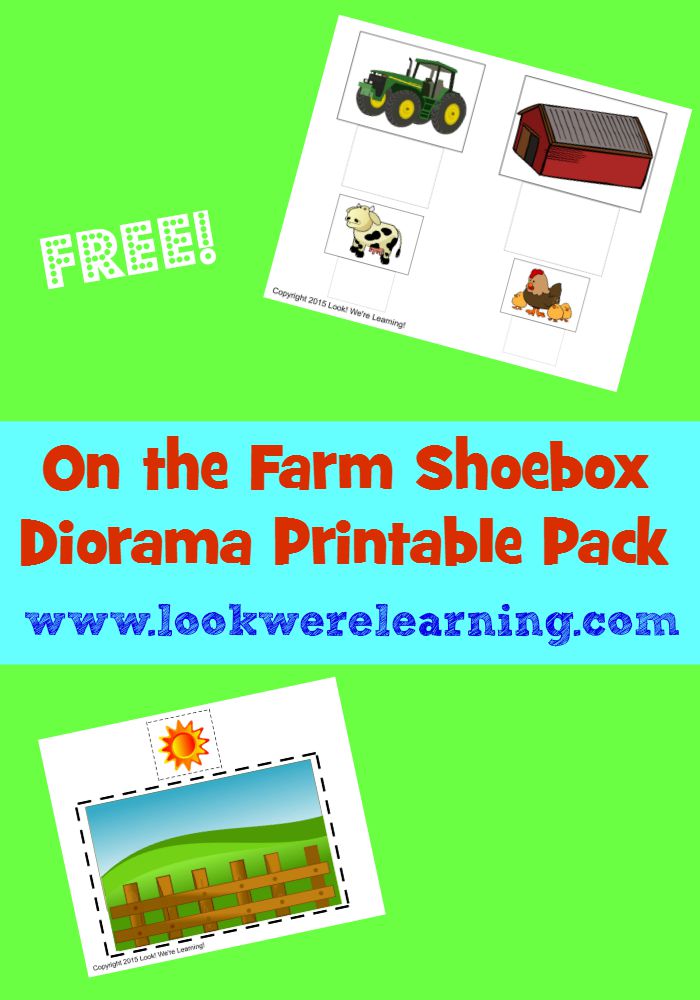
  • A copy of our free Farm Shoebox Diorama Printable Pack
  • Printer (with ink)
  • Printer paper
  • Play sand
  • Scissors
  • Glue
  • Markers

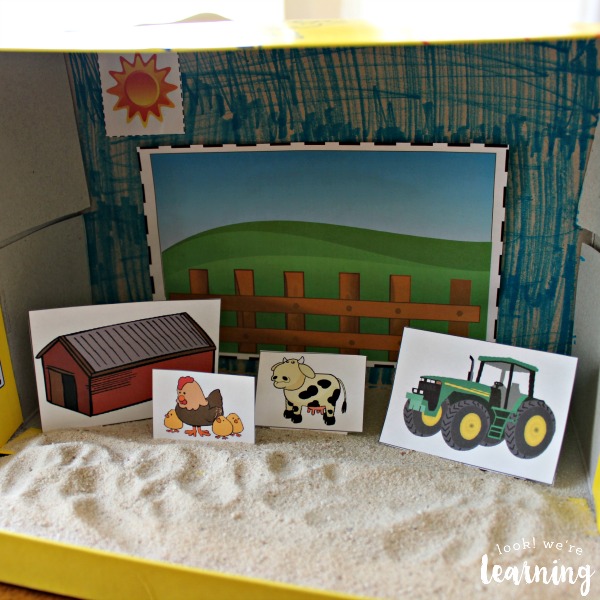
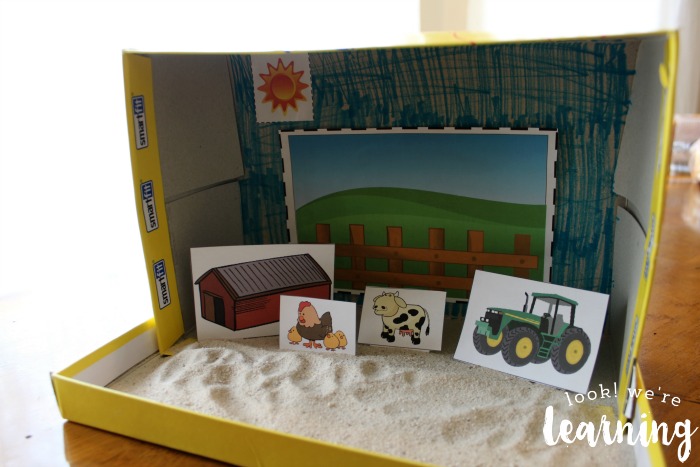
Our Farm Shoebox Diorama Printable Pack has a background and farm props such as a barn, a tractor, and some farm animals. But you can also have your child draw his or her own farm pictures if you want to add a bit more art to the project.
Farm Shoebox Diorama Printable Pack - Look! We're Learning!

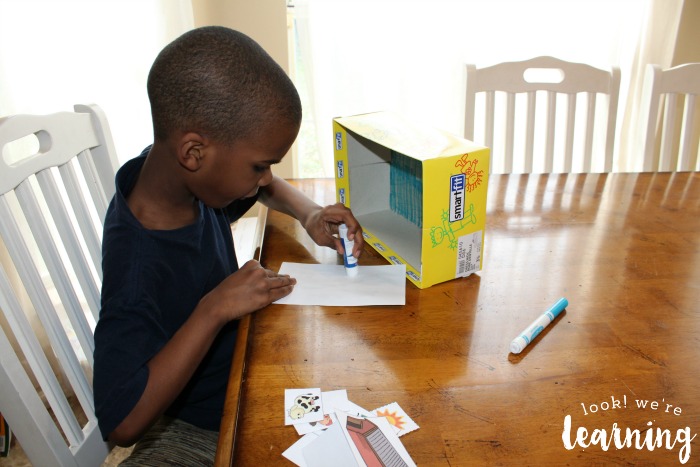
After we cut out all of the pictures, Roo got to work on the background. We just used a blue marker for the sky, then he glued the farm scenery onto the bottom of the shoebox.

Making a Farm Shoebox Diorama

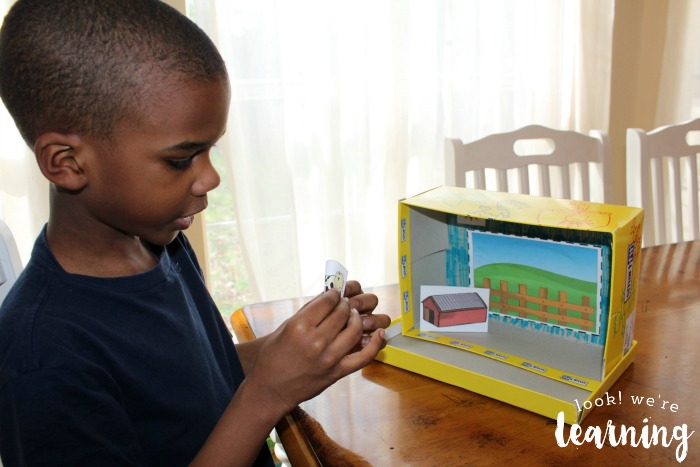
Then it was time to add the props! You simply fold each prop on the dashed line, then unfold it slightly to make them stand up!

Farm Shoebox Diorama Scenery

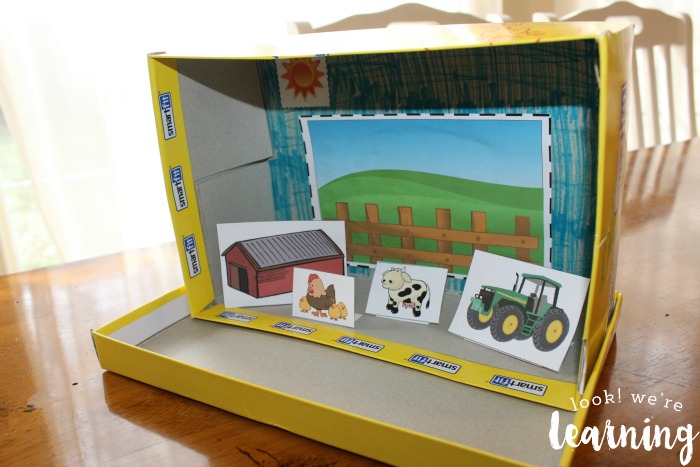
Roo placed everything where he thought it should go.

Assembled Farm Shoebox Diorama

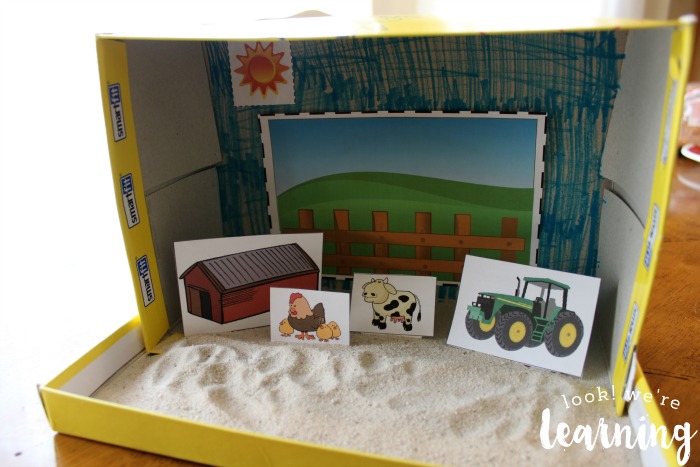
Then we poured in about a cup of play sand. (Note: Resting the shoebox in the lid is a HUGE help when it comes to clean up.)

Making a Farm Shoebox Diorama Craft

And we’re done!

Finished Farm Shoebox Diorama

If you look at Roo’s face, it’s basically saying “Hurry up and take the picture so I can play with it, Mom!” 🙂 And that’s what he did. He sat there for over an hour playing with his farm set.

Finished Farm Shoebox Diorama Craft

And it only took 10 minutes to make!

Farm Shoebox Diorama Craft

Round out your farm theme with these other farm resources!

Printable Farm Animal Flashcards - Look! We're Learning!

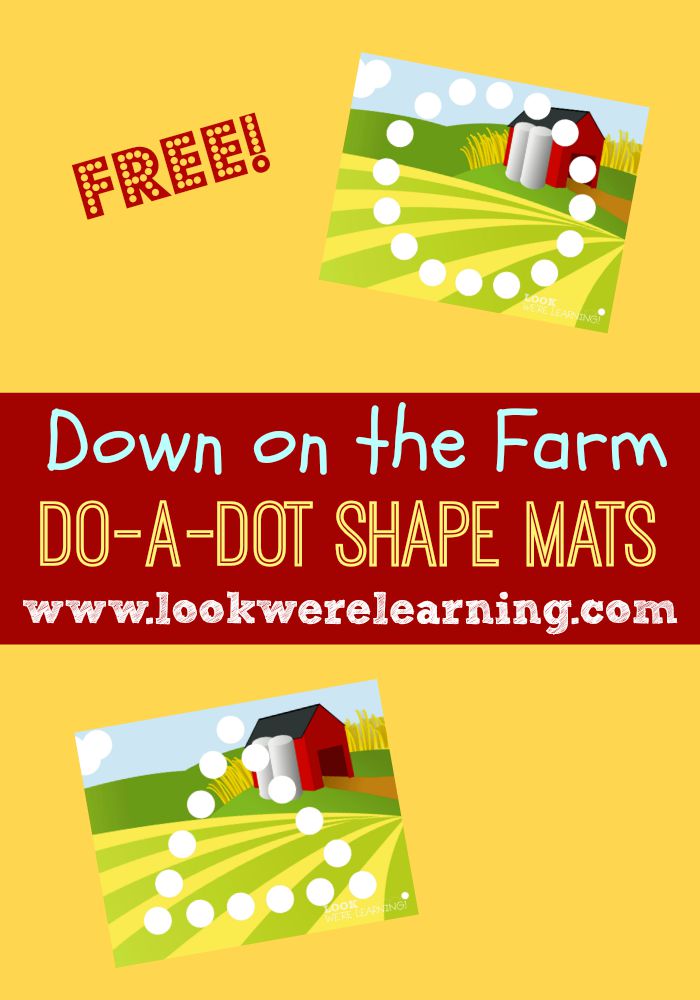
Farm Do A Dot Mats - Look! We're Learning!

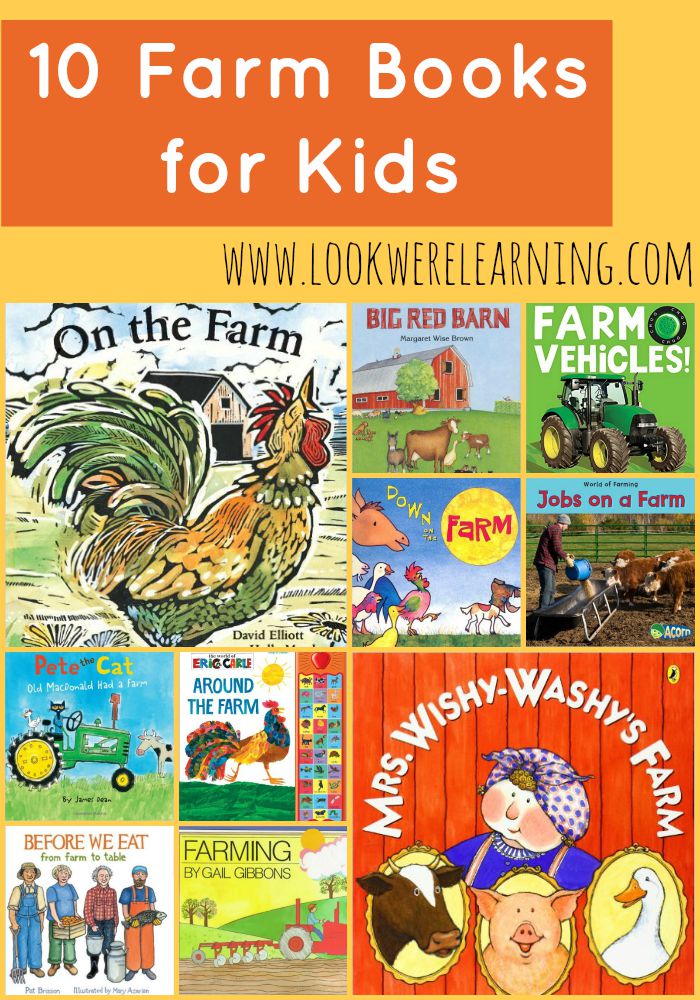
10 Kids Books about Farms

Get even more craft ideas from my Simple Crafts for Kids board on Pinterest!

Check out the other fun farm-themed posts by the Early Elementary Blogging Team!

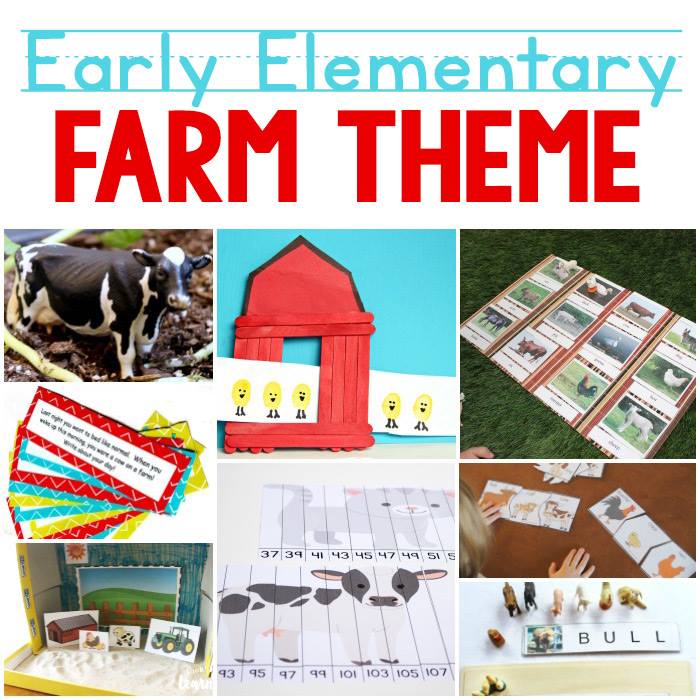
Early Elementary Farm Theme

Farm Odd Numbers Skip Counting Puzzles at Life Over C’s
Montessori Farm Activities (Free Printables) at Natural Beach Living
Are You My Mother? 13 Baby Farm Animal Puzzles at 123 Homeschool 4 Me
Make a Farm Diorama (Printable Sets Included) at The Natural Homeschool
Farm Animals Worksheets for Kids at Mrs. Karle’s Sight and Sound Reading
Fun {FREE} Farm Writing Prompts! at Preschool Powol Packets
Animal Nutrition: Why Cows Eat Grass and We Can’t at Schooling a Monkey
Farm Books for Kids (Farm Study Unit) at The Jenny Evolution
Beginning Sounds on the Farm at Parenting Chaos
Farm Skip Counting Math Worksheets at Living Life and Learning
Kindergarten Math with Farm Fingerprint Art at Sugar Aunts


The Secret to Homeschooling and Working Full Time

The Secret to Homeschooling and Working Full Time

March 14, 2016 by Selena Robinson 1 Comment

I’ve been a homeschooling parent – except for a brief flirtation with public school – for the past several years. For six of those years, I’ve also been a work-at-home mom.

Recently, though, something has changed – I’ve become a homeschooling mom who works full-time.

If you’d told me years ago when I left the workforce that I’d end up returning along WITH my four children, I’d have thought you were insane. But eleven years later, here we are.

I’m not going to sugarcoat it: It’s been challenging to adjust to this new lifestyle. But I really think I’ve found the secret to homeschooling and working full time and I’m sharing it today!

The Secret to Homeschooling and Working Full Time

Image: c/o Tinatin1 / depositphotos

Why Homeschooling and Working Full Time is So Hard

This is a no-brainer, right? It’s hard because there’s only one you and there are kids, lesson plans, work deadlines, clients, assignments, grades, exams, and state reports to deal with – and that’s not all!

In the past when I’ve worked from home, I’ve had to pull full-time shifts for a short amount of time. But in those situations, I had the freedom to move my schedule around and get my work done when the kids were sleeping.

Now, though, I’m working both inside and outside the home. So I have less flexibility than I did before. Plus, my children accompany me to work. (I have a very understanding supervisor.) But that means keeping them still and quiet while I try to do my job. And that’s not easy.

The Secret to Homeschooling and Working Full Time

It’s really taken a few months to get the hang of this and I still can’t say that I’ve totally “got it”. But I have uncovered a huge secret that makes homeschooling and working full time easier. Are you ready to learn what it is?

It’s…outsourcing.

I outsource every single task I can to my children. And that includes choosing school assignments, doing housework, making meals, and completing lessons. As I mentioned a few weeks ago, I only spend about five hours a week actually “teaching”. And that has greatly freed up my time to get my other responsibilities done.

After I started working outside the home, I explained to the kids that I would be contributing to the household in a new way: by earning additional money we could use to take a vacation, go to the aquarium, buy clothes, and so on. And that it was time for them to contribute to the household a bit more as well. 😉

For example, when it comes to housework, there are three chores that have to be done every single day and were taking up way too much of my time: laundry, cooking, and dishes. I rotate these tasks among my three oldest kids each week.

So one week, Tigger will prepare breakfast and lunch during the day, Roo will do the laundry, and Pooh will wash the dishes. Then the next week, they rotate.

Of course, they’re not skilled enough to be left to do all of these things without supervision, so I’m always nearby to keep an eye on them. But their daily chores are part of their school day, which is a win-win for everyone!

For more tips on planning and scheduling your homeschool, check out some of our other posts!

How to Keep Homeschooling Costs Down - Look! We're Learning!

How I Homeschool Four Kids for $250 a Year!

Our Year Round Homeschool Schedule

Our Year-Round Homeschool Schedule

Get even more encouragement for planning your homeschool year from my Homeschool Planning board on Pinterest!

Homeschooling and Working Full Time

Are you homeschooling and working full time? Let us know how you do it!

This linkup is part of the Balancing Your Life & Homeschooling linkup from iHomeschool Network! Click over to read how my fellow bloggers keep everything together!

Balancing Homeschooling and Working Full Time

Homeschooling: what to do when you want to quit

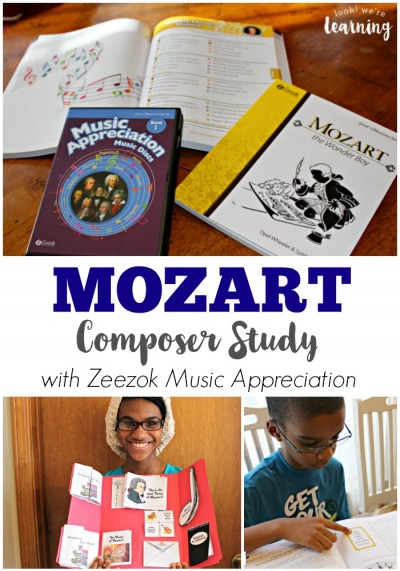
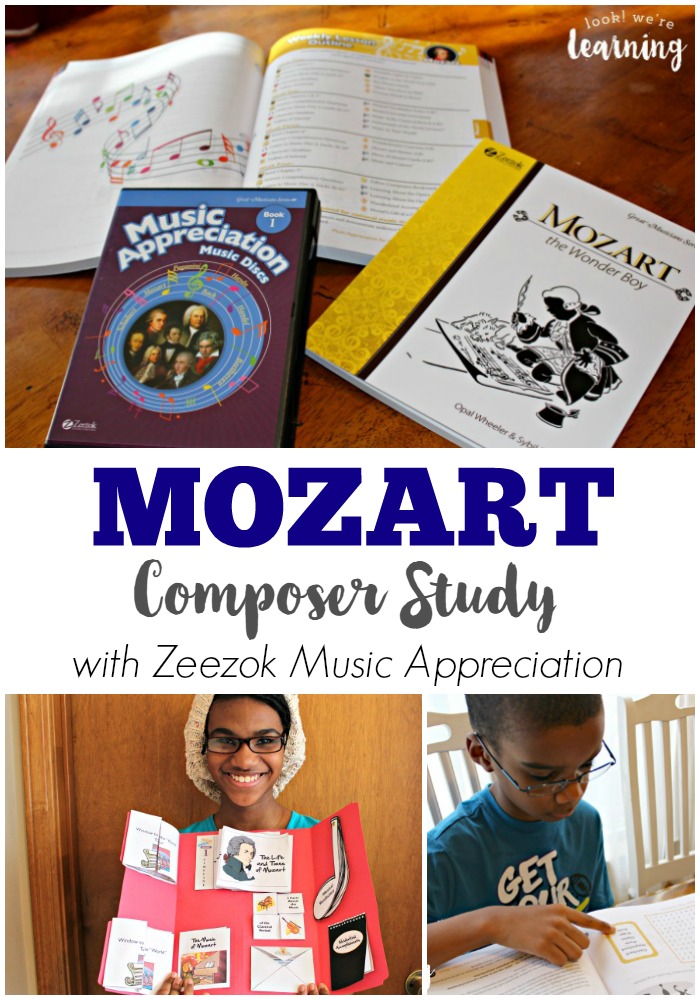
Mozart Composer Study for Kids

Mozart Composer Study for Kids with Zeezok!

March 11, 2016 by Selena Robinson Leave a Comment

I got into listening to classical music in my tween years. My mom went and bought some classical cassette tapes (remember those?) and played them for weeks on end.

While I grew to love classical music, I never really got to know much about the composers themselves. Which is why I was so excited to have the opportunity to review the Music Appreciation for the Elementary Grades program from Zeezok!

Not only do you get to hear classical music, you and your kids get to learn about the lives and experiences of the masters, which greatly influenced their work. Take a look at how the program makes music education a snap and how we used it to complete a Mozart composer study!

Disclosure: I received this product for free and I was compensated for my time. All opinions are my own and I was not required to post a positive review.

Mozart Composer Study for Kids

How Zeezok Makes Composer Study Simple

Teaching classical music can seem rather complicated, especially if you’re new to homeschooling or if your kids don’t really love history. But Zeezok’s Music Appreciation for the Elementary Grades really makes it simple.

Here’s how the program can handle some of the common objections homeschooling parents might make:

  • It’s too hard to plan my own lessons. Lesson planning is a serious time investment for homeschoolers. But Zeezok’s program already has the lessons planned out for you! There are weekly reading assignments, projects, and worksheets ready to go!
  • I don’t know enough about classical composers. As I mentioned above, I didn’t either. But the books and workbooks are so thoroughly written, I ended up learning about these composers right along with the kids!
  • I can’t get my kids to enjoy listening to classical music. When you mention “classical music” to your kids, you might not get the most excited response. Let’s face it: Kids are more likely to listen to Bieber than Bach. But the Zeezok Music Appreciation for the Elementary Grades program gets kids involved in learning about the composers, which makes them more interested in hearing the music they wrote.

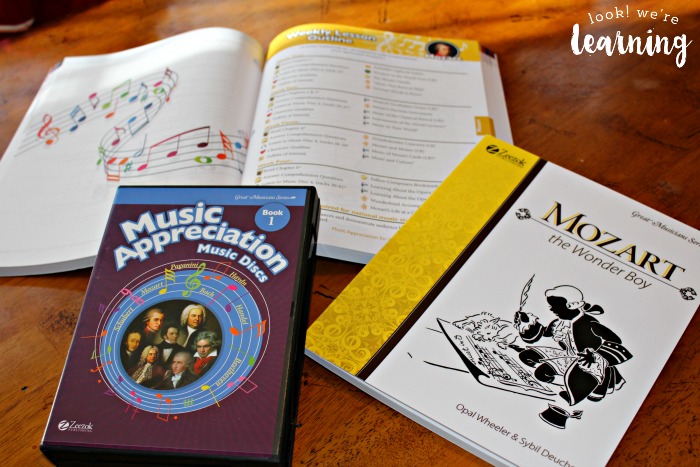
Zeezok Composer Study Homeschool Curriculum

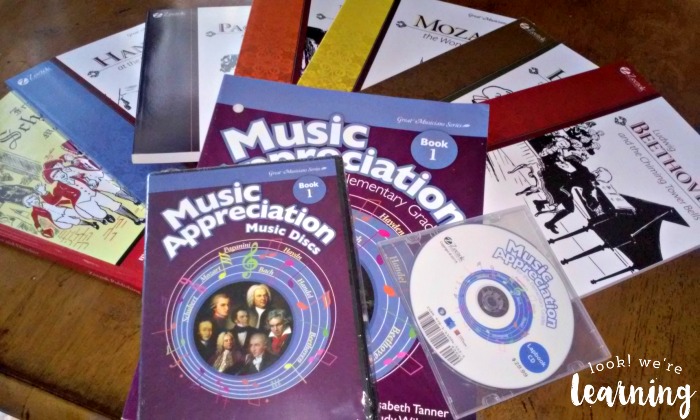
As you can see, the Zeezok Book 1 Collection includes composer studies for seven musicians: Beethoven, Paganini, Schubert, Bach, Mozart, Handel, and Haydn. Each composer has a chapter book with lovely illustrations and a set of weekly lesson plans in the workbook.

There is also a lapbook CD, which has lapbook printables for each composer, and a multi-disc music collection featuring works by all seven composers. It’s an amazingly complete curriculum.

Mozart Composer Study for Kids

For our first composer study, I decided to go with Mozart. Since he started composing at such a young age (five years old!), I thought he would be more relatable, especially for my boys.

Mozart Composer Study Materials

The Mozart book is entitled “Mozart, the Wonder Boy” and it’s a lovely, well-written chapter book about Mozart’s childhood, career, and early death. It’s written in a very kid-friendly tone, but it doesn’t mince words about Mozart’s problems, including his financial issues and his sickness.

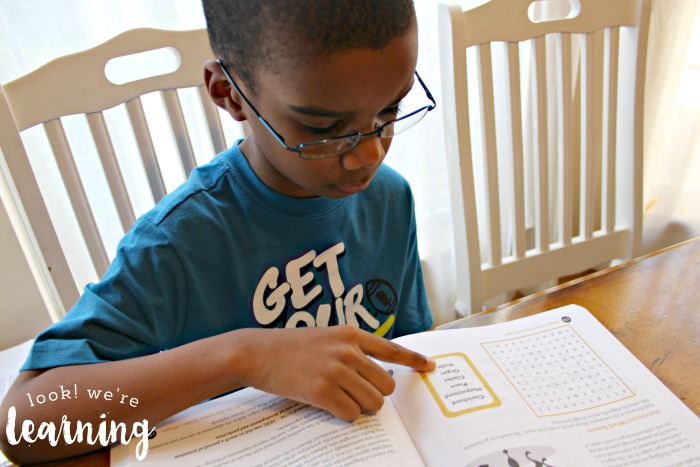
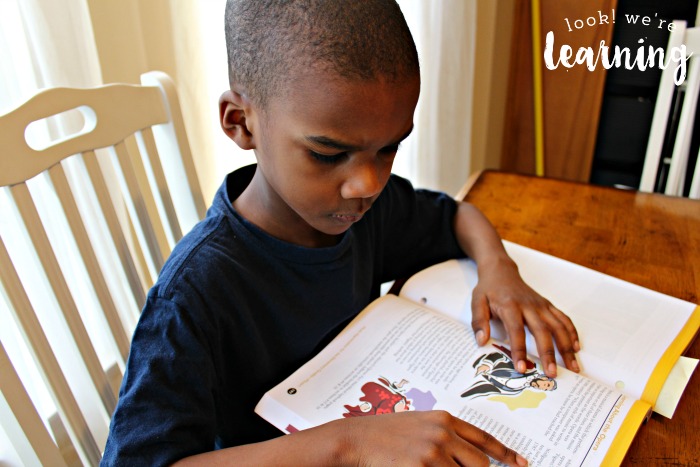
We used it as a read-aloud and the kids really enjoyed it. As we read each chapter, we’d turn to the corresponding section in the Music Appreciation Book 1 workbook and complete the activities.

Mozart Instruments Composer Study

Mozart played several instruments and the Music Appreciation Workbook lists them all. Some of them like the clavier and the clavichord are no longer in common use, but some of the other instruments are.

To hear these instruments, we visited the Dallas Symphony Orchestra Kids website and listened to the sounds of the harpischord, organ, piano, and violin. The organ was the favorite by a long shot. 🙂

Towards the latter part of his career, Mozart branched out into writing operas, including “The Marriage of Figaro”. Since my kids knew almost nothing about operas, we read the section about the story in the Music Appreciation Workbook.

Mozart Composer Study Opera Lesson

Then we watched this Opera in Brief video to try to understand what happened in the plot.

It was neat for the kids to learn that opera is not always serious. It can be funny! Plus, it’s impressive to realize that composers can write what is basically a sitcom, except set to music and sung live in Italian. That takes talent.

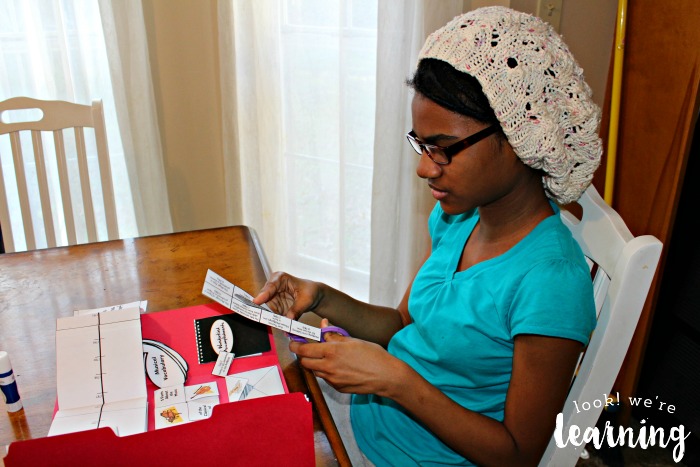
We love using lapbooks and I was really enthralled with the Mozart lapbook, which is included in the Lapbook CD. You just print the pages and follow the directions.

Geography Lesson for Composer Study

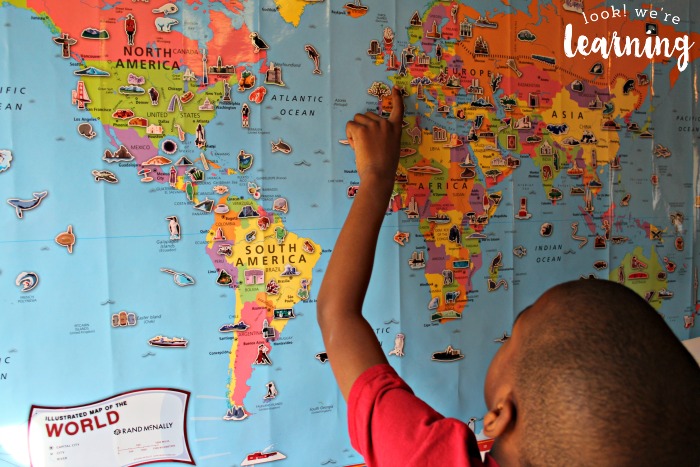
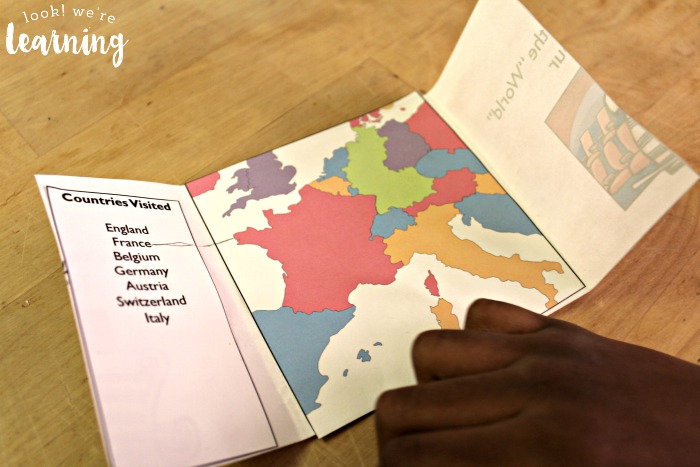
One of the first activities in the lapbook is a geography minibook that lists countries and cities that Mozart visited. The country minibook is good for younger kids, while the city minibook suits older children. Since our boys were making the lapbook along with Tigger, we printed both geography minibooks and let them complete both separately.

As the boys found each country on our giant wall map, they ran back and drew a line from the name to the place on the map. Tigger did the same with the city minibook.

Country Composer Study Activity

Mozart was born in Salzburg, Austria, so we decided to learn more about the town and its history. This Rick Steves clip was super helpful.

Can I just run away and live there now? So, so beautiful. My boys weren’t that enthralled with the scenery, but they really liked the funicular railway. To each his own, right?

Making a Mozart Composer Study Lapbook

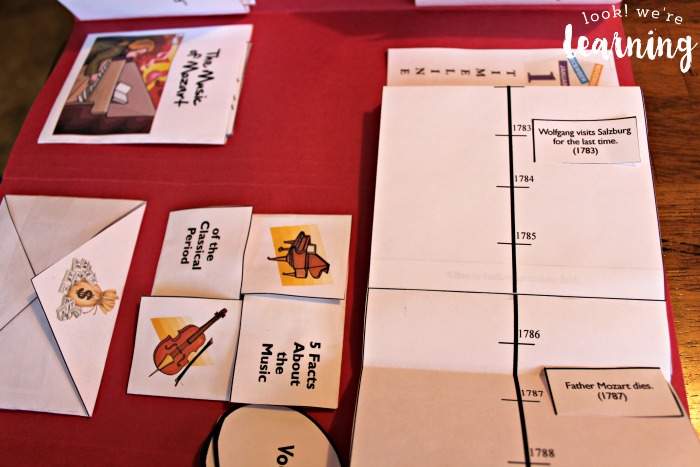
Now that we had a better understanding of Mozart’s early life, we started working on the timeline in the Mozart lapbook. Tigger sorted out the life events and glued them in the correct spot in the minibook.

Mozart Composer Study Lapbook Timeline

It was so tragic to learn that Mozart only lived to be 35. It’s astounding to think of how much music he produced in such a short period of time.

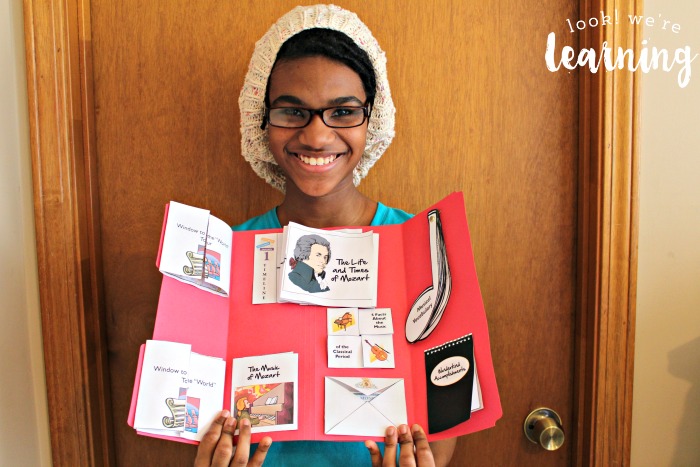
Finished Mozart Composer Study Lapbook

And our lapbook is complete!

If you think this was extensive, let me just add that this only shows a few of the activities for the Mozart unit. Plus, there are units for SIX other composers! Zeezok’s Music Appreciation for the Elementary Grades is truly a comprehensive music curriculum. We’re looking forward to using the rest of the program through the rest of this school year!

Stock your homeschooling library with the Book 1 Collection from the Zeezok online shop!

Mozart Composer Study with Zeezok Music Appreciation

Get a chance to win Zeezok Music Appreciation for the Elementary Grades in the company’s giveaway! To enter, use the widget below!

Entry-Form

Now’s the time to score the Book 1 Collection for 10 percent off! Through March 25, save 10% on the program with the promo code ihomeschool16! Get your set now!

To learn more about Zeezok’s product offerings, follow the publisher on social media!

  • Facebook
  • Pinterest
  • Twitter
  • YouTube

How We Teach by iHomeschool Network

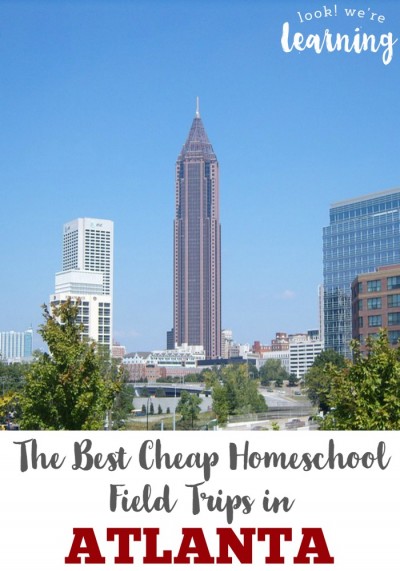
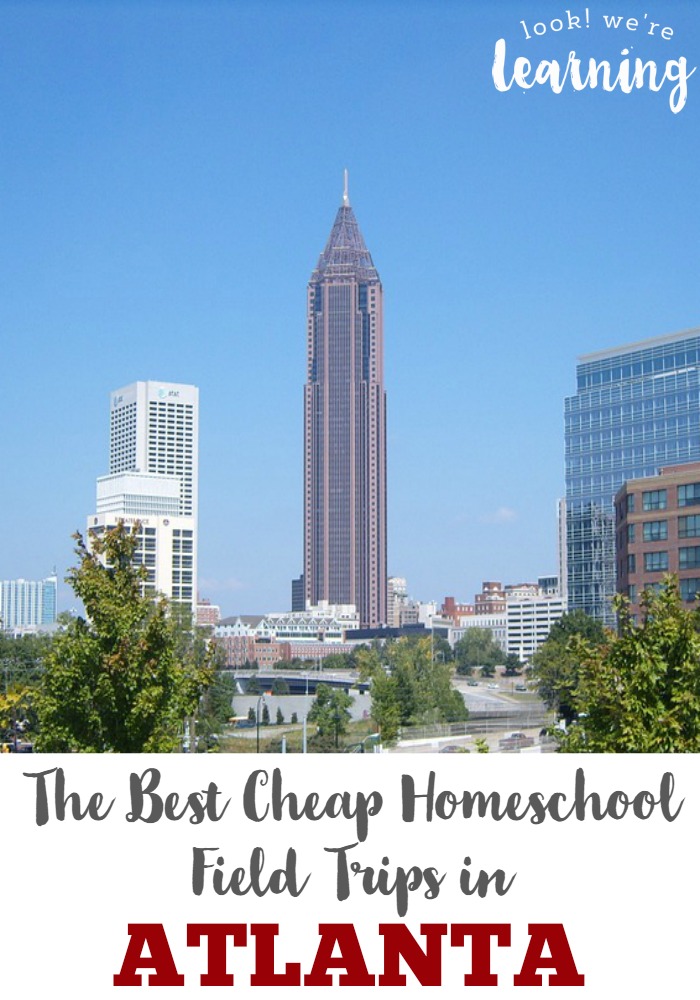
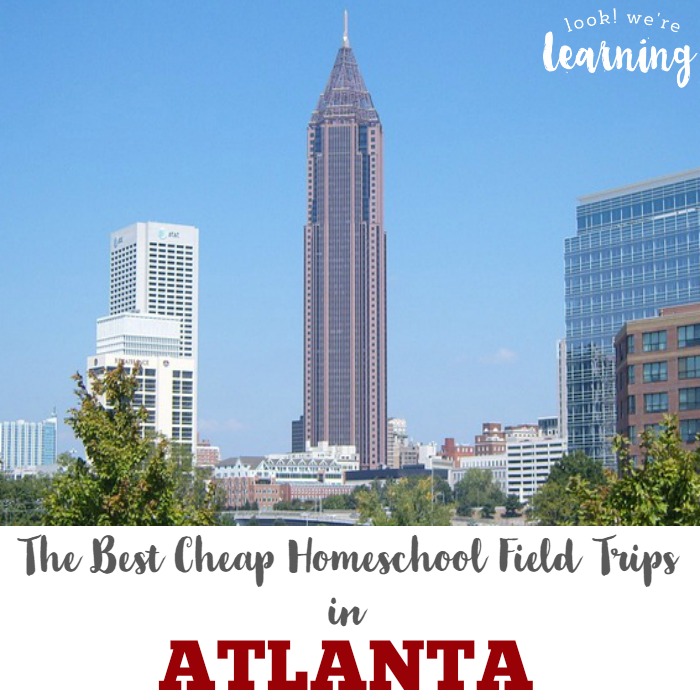
The Best Cheap Atlanta Homeschool Field Trips

The Best Cheap Atlanta Homeschool Field Trips

March 7, 2016 by Selena Robinson 4 Comments

One of the things I love best about living in the Atlanta, Georgia area is that there are a lot of family-friendly, educational places to visit with our kids. The Georgia Aquarium, the High Museum of Art, the World of Coca-Cola, Six Flags, and the Atlanta Botanical Garden are all here – and that’s just to name a few!

Here’s the problem, though: We have four children and we are living on a pretty tight budget. All of the attractions I listed above are at least $18 per ticket and, with six people in our family, that adds up quickly. We’ve been to most of the attractions here, but we usually have to wait until a special occasion before we can afford it.

But – it turns out that there are plenty of great cheap Atlanta homeschool field trips here too! And we’ve collected the best ones to share with you!

The Best Cheap Atlanta Homeschool Field Trips

The Best Cheap Atlanta Homeschool Field Trips

Michael C. Carlos Museum: The Michael C. Carlos Museum at Emory University features a collection of ancient historical artifacts that is awesome for kids. There are works on display from ancient Africa, Greece, Rome, and the Americas. Tickets are only $8 for adults and $6 for kids. Plus, kids under age 6 are free!

Cochran Mill Nature Center

Cochran Mills Nature Center: Cochran Mills Nature Center is a museum and nature trail featuring local wildlife. Kids can get a close look at native Georgia animals, including alligators, lizards, snakes (shudder), owls, and bats. My kids had a blast walking the nature trail, exploring a nearby waterfall, and having a picnic at the park down the road. Tickets are $3 for adults and $2 for kids.

Visiting Cochran Mil Nature Center

Fernbank Science Center: The Fernbank Science Center (not to be confused with the Fernbank Museum of History) is a planetarium with monthly astronomy shows and programs for kids and adults. The thing that’s tricky is that the shows are only available on Thursday and Friday evenings, as well as Saturday afternoons, so you’ll have to deal with crowds. But it’s definitely budget-friendly! Tickets are $7 for adults and $5 for kids.

Hammonds House Museum: Home to modern African-American art, the Hammonds House Museum is a wonderful field trip for art lovers. The museum rotates exhibitions a few times each year, but since it’s a small facility, you can wander around and look at the exhibits as long as you like. It’s almost never crowded, except for during special events. Admission is $5 for adults and $3 for kids.

Cheap Field Trips for Homeschoolers in Atlanta

Zoo Atlanta: This one isn’t as cheap as the others. In fact, a one-day ticket can run you about $20 per person. But, here’s why Zoo Atlanta makes the list: The family memberships are about $100, which means you can buy one and visit the zoo as many times as you want in a year! Plus, the parking is free and *here’s the kicker* – you can bring your own food inside. Yay for not spending $30 on a large pizza!

Cheap Atlanta Homeschool Field Trips

Get more of our homeschooling tips from my Pinterest board Homeschooling with Look! We’re Learning!

This post is part of The Best Homeschool Field Trips linkup from iHomeschool Network! Click over to read our fellow bloggers’ favorite field trip picks!

Cheap Atlanta Homeschool Field Trips

Learn some of the other ways we save money and manage to keep homeschooling in the ebook “How to Afford Homeschooling”!

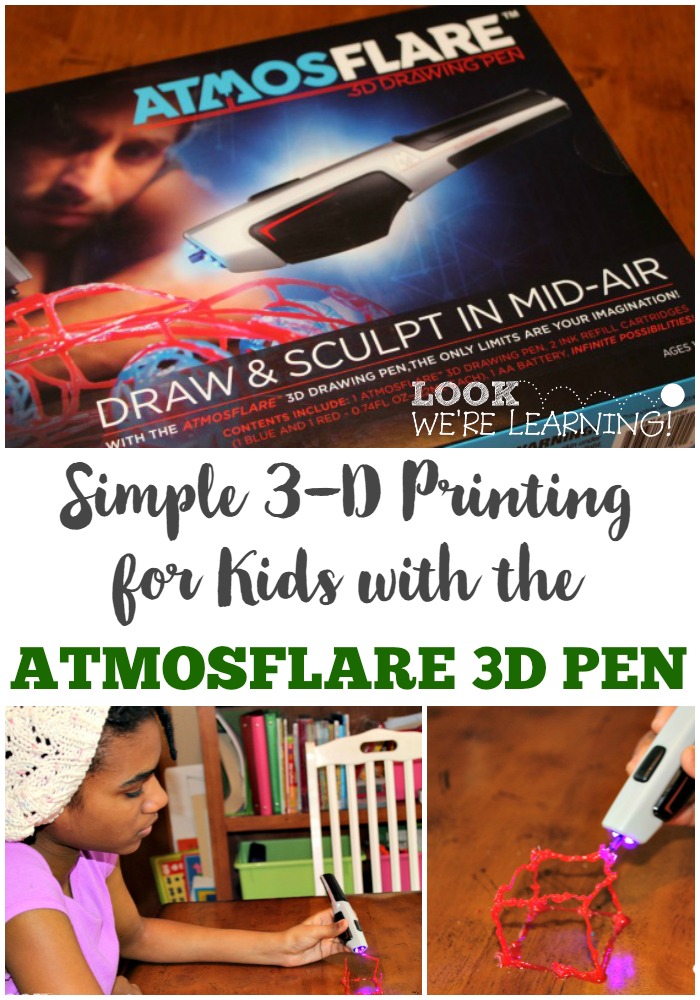
Simple 3D Printing for Kids with the Atmosflare 3D Pen

Simple 3D Printing for Kids with Atmosflare!

March 1, 2016 by Selena Robinson Leave a Comment

I’m kind of an old, so the whole concept of 3D printing is still kind of “weird science” to me. But 3D printing holds a LOT of promise. Scientists are even trying to use the technology to make organs for organ transplants!

So it’s worth it to introduce it to kids. And that’s why I was excited to get a chance to try the Atmosflare 3D Drawing Pen! While it’s an artistic tool, it’s also a cool way to introduce 3D printing for kids! Take a look at how the pen works below!

Disclosure: I received this product in exchange for this post and I was compensated for my time. All opinions are my own and I was not required to post a positive review.

Simple 3D Printing for Kids with the Atmosflare 3D Pen

How the Atmosflare 3D Pen Introduces Kids to 3D Printing

In short, 3D printing works by layering molded plastic into a specific design shape to make a product. And that’s how the Atmosflare 3D Drawing Pen works as well!

For me, understanding how 3D printing works was a bit…difficult. But when I broke it down into steps (design, layer, create), it made more sense. And that’s why using the Atmosflare pen is a simple introduction to how 3D printing works: you can use the exact same steps!

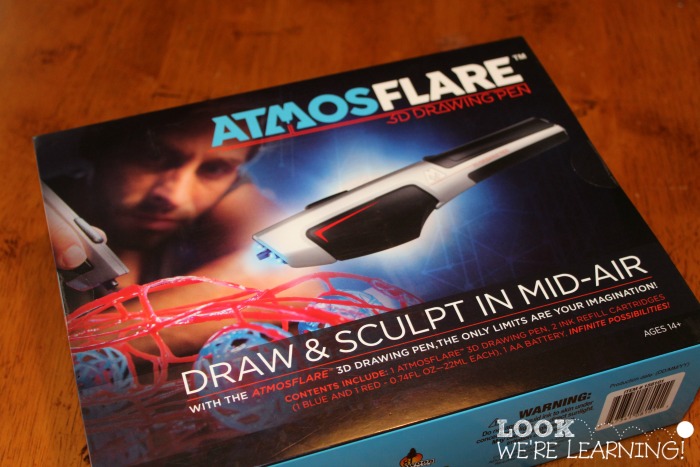
Atmosflare 3D Drawing Pen

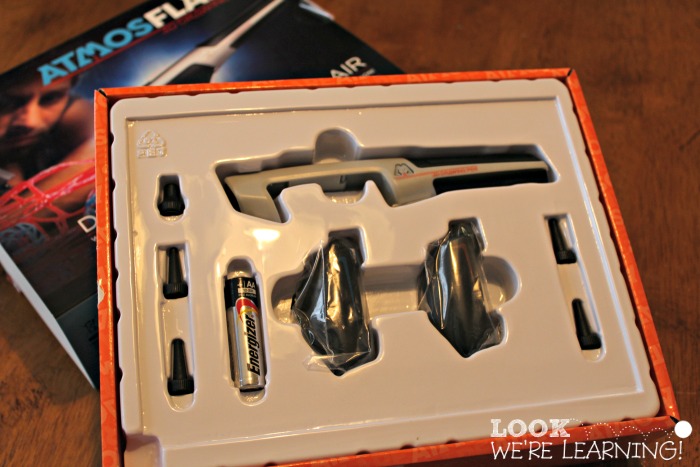
As you can see, the Atmosflare pen comes with the pen, two ink cartridges (blue and red), and a battery.

Atmosflare 3D Drawing Pen Unboxing

In the box, there are all the pen components and a very simple instruction diagram. But if you’re unsure how to assemble the pen, you can find instruction videos directly on the Atmosflare website.

How to Use the Atmosflare 3D Drawing Pen

So, here’s my take on the Atmosflare pen: simple to assemble, not so simple to master.

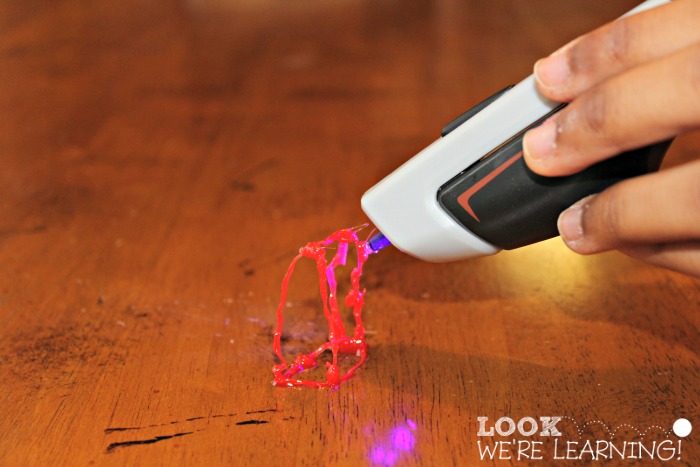
Atmosflare 3D Drawing Pen Use

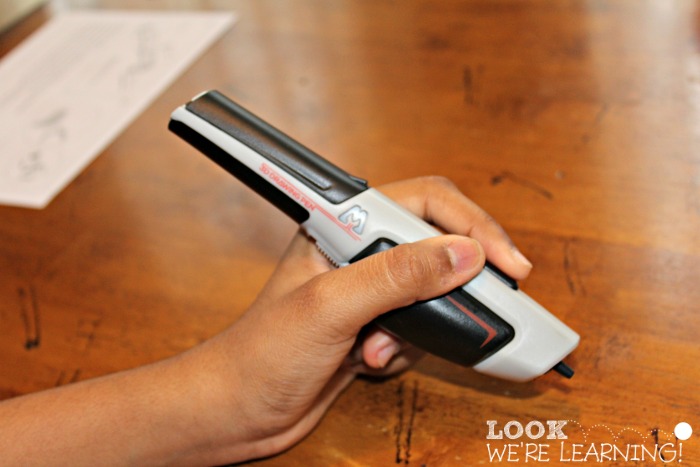
As you can see, it fits nicely in your hand – just like a pen. To use the pen, you just squeeze the ink cartridge between your fingers….

How the Atmosflare 3D Pen Works

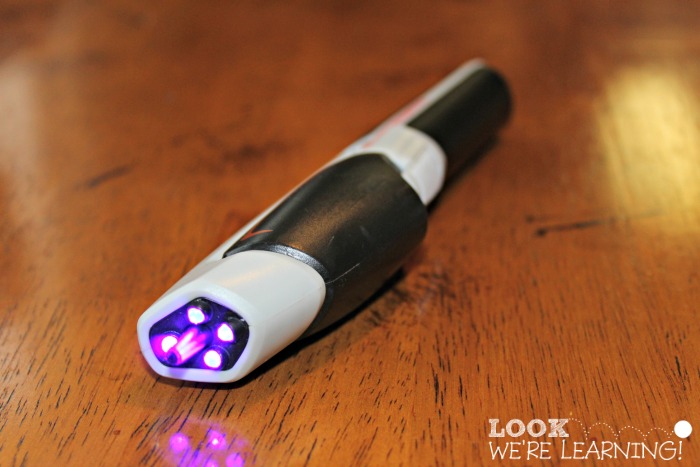
and hold down the light curing button on top to harden the ink as it flows out.

3D Printing Shapes with the Atmosflare Pen

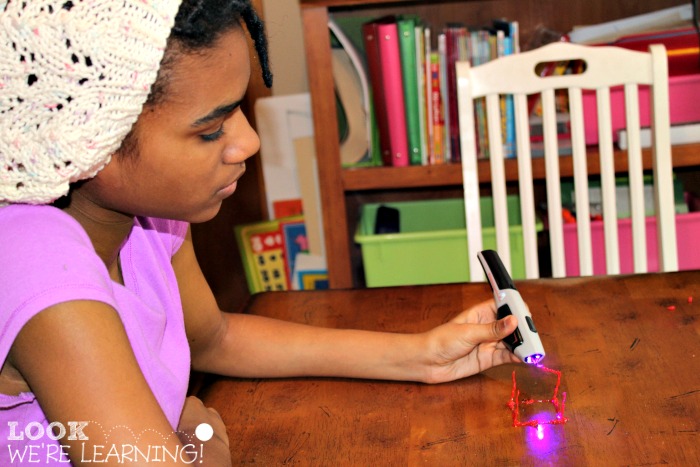
After a few practice shots, we built a simple 3D shape – a cube.

3D Printing Cube with the Atmosflare Pen

We established a base, drew the sides, and then connected the top. We had to add a bit more ink at the corners to hold it together.

Drawing with the Atmosflare 3D Pen

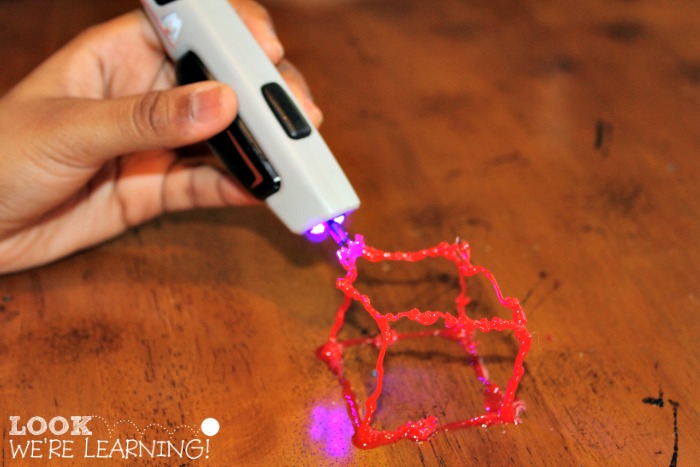
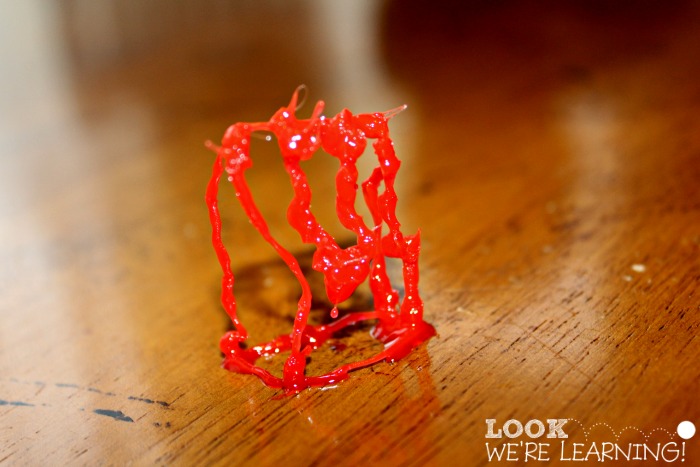
On to our first structure!

3D Printing Art with Atmosflare

It’s a swing set! Kind of…

This pen is a lot of fun to work with, but it takes some practice to learn to use it properly. So if you have a child who’s easily frustrated, prepare him or her in advance for the fact that it will take a while to learn how to actually make something with the pen.

Atmosflare 3D Pen Usage Tips:

There is definitely a learning curve with the Atmosflare 3D Pen, so you can find helpful instruction videos on the company website. But here are a few tips we picked up as we used it:

  • Decide what you’re going to make before you begin. Once you start using the pen, it’s kind of hard to improvise without making a mess. Have an idea in mind before you start.
  • Always start with a base. It’s nice to think that you can just start drawing in the air, but you can’t. You need a base first, then you can start building up from there.
  • Go slowly. When you push the curing button, the ink tends to harden on the tip and clog. So try to work slowly to give the ink a chance to catch up with your movements.
  • Work in stages. I found that if you’re creating a structure, it’s best to work on one part at a time. You can even form a complete shape flat on the table and then attach it to another shape by just joining them at a corner and using the curing function on the pen.

Are you ready to introduce 3D printing for kids to your family? You can get an Atmosflare 3D Pen at ToysRUs, Best Buy, Amazon, and from the Atmosflare website!

But if you want to get one for FREE, you can win one in the huge Atmosflare giveaway! 30 winners will get an Atmosflare 3D Drawing Pen absolutely free! Use the giveaway widget below to enter.

Entry-Form

For more 3D drawing tips, keep up with Atmosflare using the social media links below!

  • Facebook
  • Twitter
  • Instagram
  • Pinterest

Save 30% off your first month!

Ruby Bridges Unit Study

Homeschool Unit Studies: Ruby Bridges Unit Study

February 25, 2016 by Selena Robinson 3 Comments

In our family, we don’t celebrate Black History Month. After all, we’re not just black in February. 🙂 Since black history is important, we talk about it year-round. But I wanted to share one of our recent homeschool unit studies with you all now, while more people are thinking about black history.

The book The Story of Ruby Bridges was on our first grade reading list for this year, so when we read the book we made it into a full Ruby Bridges Unit Study! Read on to see the resources we used and the lessons we learned!

Ruby Bridges Unit Study

Ruby Bridges Unit Study

We began our unit by reading this book: The Story of Ruby Bridges. After reading it, we looked up more about Ruby’s life.

The Story of Ruby Bridges by Robert Coles
It’s amazing to think that this happened only about 50 years ago – long after slavery had ended. It just says something about how deeply ingrained certain ways of thinking can become.

US Marshals with Young Ruby Bridges on School Steps

I was really moved to see pictures of this little six-year-old girl walking through protesters into an empty school. The same people who took their children out of the school dedicated themselves to standing outside of it for weeks on end, shouting racial slurs at a child.

In fact, the president had to call in the federal marshals to keep Ruby safe from the mobs outside because the local and state police refused to help. You can see one of them in the picture above standing inside the building and smiling. Unbelievable.

We examined this excellent resource at Scholastic featuring a slideshow about segregation during the 1950s and 1960s. Since that was a generation ago, it’s one thing for kids to hear about it, but another thing entirely to see it. My kids couldn’t get over the white and “colored” water fountains.

This video is from the PBS series “The African-Americans: Many Rivers to Cross”. Seeing the footage of people screaming at Ruby really affected the kids. Honestly, it affected me too. I knew about Ruby’s story as a child, but seeing it now as a parent had a completely different effect on me.

I have to take my hat off to Ruby’s parents, because there’s no way I could send my child into an environment like that. But, as I told our kids, someone had to be first. And because Ruby went through that then, my kids didn’t have to deal with those kinds of pressures when they went to school.

I asked the kids to contrast Ruby’s first day of school with their first day of public school last year and write down the differences. Here’s what they wrote:

Six-year-old Roo: “When Ruby went to school, people were yelling at her. But when I went to school, nobody was yelling at me.”

Seven-year-old Pooh: “When Ruby was at school, people hated her. When I went to school, everyone was kind. That must have been hard, scary for her but she did it!”

Ruby Bridges and Obama

A while back, Ruby was invited to the White House where she and President Obama looked at the 1964 Norman Rockwell painting she inspired. In 2011, the painting was displayed outside of the Oval Office for a time.

Ruby Bridges got the chance to reunite with one of the federal marshals who escorted her to school back in 2013. You might want to check out this article about it, but *fair warning* you might also want to have some tissues handy.

Ruby Bridges Unit Study for Kids

Links about Ruby Bridges:

We used these links to learn more about Ruby’s life and experience in school.

  • Ruby Bridges Interview with Henry Louis Gates
  • Ruby Bridges Biography for Kids
  • Ruby Bridges Biography

Books about Ruby Bridges:

Along with The Story of Ruby Bridges, there are some other great kids’ books about Ruby’s life.

  • Ruby Bridges Goes to School: My True Story
  • Through My Eyes
  • Ruby Bridges (Rookie Biographies)

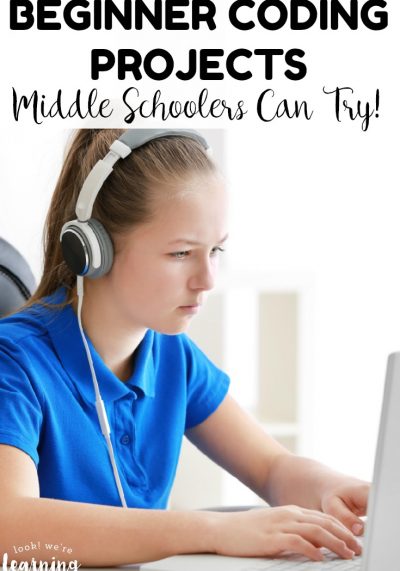
Help your middle schooler learn to code with these middle school coding projects for beginners! These are easy enough for any first-time coder to try!

Fun and Easy Middle School Coding Projects for Beginners

February 21, 2016 by Selena Robinson 4 Comments

It’s hard for me to believe, but I’ll have a middle schooler this fall. (Yikes!) And one of the subject areas I really want to focus on with her is STEM.

But – here’s my conundrum – I wasn’t really that interested in science as a kid. And, to make matters worse, the sciences have vastly expanded since I was in school.

I had no clue about computer programming as a kid and no real desire to learn it after I grew up. Today, though, it’s obvious that our kids need to learn (at least) the basics of coding.

Middle School Coding Projects for Beginners FB

Personally, I want to encourage my daughter to learn anything without feeling that it’s “too hard” or “too complex”. And programming can certainly appear that way, especially at first.

So I’ve found middle school coding projects that are perfect for beginners! Trust me, they’re even easy enough for us parents to teach!

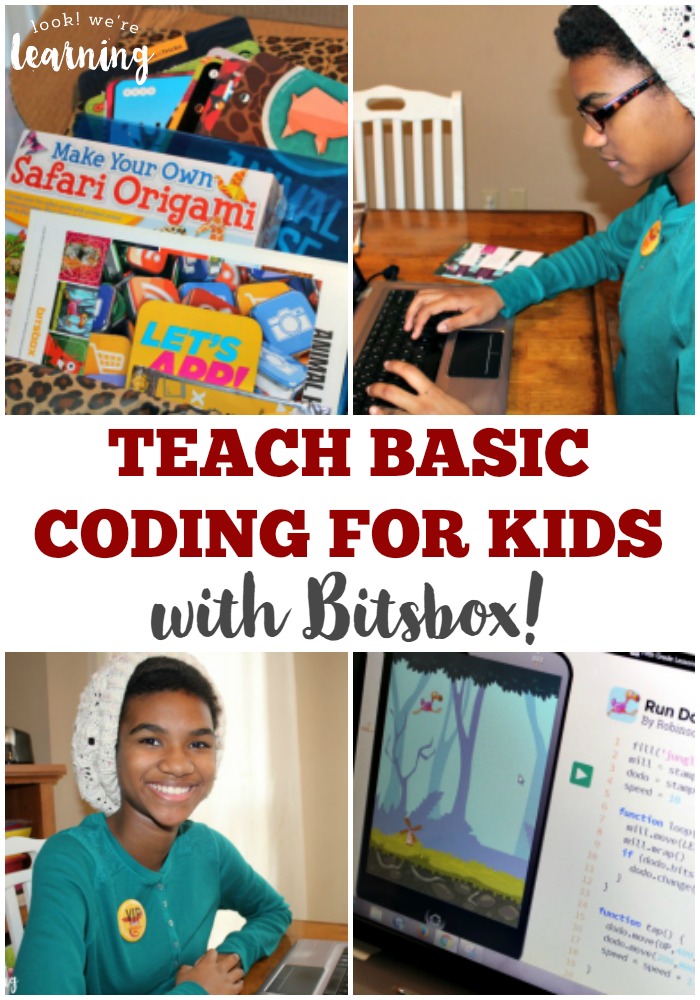
Try some of these easy coding projects with your middle schooler over summer break! By the way, find out how to use Bitsbox to get a new set of coding projects for middle schoolers each month!

Help your middle schooler learn to code with these middle school coding projects for beginners! These are easy enough for any first-time coder to try!

Images c/o: iofoto & belchonock / depositphotos

Easy Middle School Coding Projects for Beginners

Coding itself is a bit abstract for my kids to grasp. But when I tell them “You can learn to do ______”, they get way more interested.

And that’s what I like about these easy middle school coding projects for kids. They all teach kids to make something. Even better, they’re all absolutely free!

1. Learn to make a website. Really. With CodeAcademy, kids (and adults) can learn to create a website from scratch in as little as four hours.

2. Draw a waving snowman. Khan Academy’s Intro to JavaScript course is simple enough for middle school kids to learn.

3. Make a GIF. GIFs are everywhere and, I’ll be honest, I love them. Kids will love using Google’s Made with Code program to design their own!

4. Build a Star Wars galaxy. Code.org features a simple and super fun Star Wars drag and drop exercise that’s perfect for beginning coders!

5. Design digital art. Another Code.org project, this one lets kids use coding and math to create art from angles.

6. Program a virtual robot. Lightbot is a project that teaches kids how to send program commands to a robot that follows their instructions.

7. Make your own beats. This Made with Code project lets kids use Blockly to create their own music.

8. Code a 3D Solar System. In this Scratch project, students can alter and design an existing solar system project and add their own touches.

9. Design an animated story. Google CS First, a resource for introducing computer programming, offers this project to kids of all ages, but it’s ideal for middle grades.

10. Create a video game. With W3Schools, students who have a basic understanding of HTML and JavaScript can build their own games.

Beginner Middle School Coding Projects

More Resources for Middle School Coding Projects:

For more help to get middle schoolers started in programming, try these affiliate resources from Amazon! (For details, see our Disclosure Policy.)

  • Python for Kids: A Playful Introduction to Programming
  • Code Master Programming Logic Game
  • Learn to Program with Scratch: A Visual Introduction to Programming with Games, Art, Science, and Math

10 Middle School Coding Projects for Beginners

See more coding ideas below!

Stumped by how to teach computer coding? Make basic coding for kids easy and fun with Bitsbox!

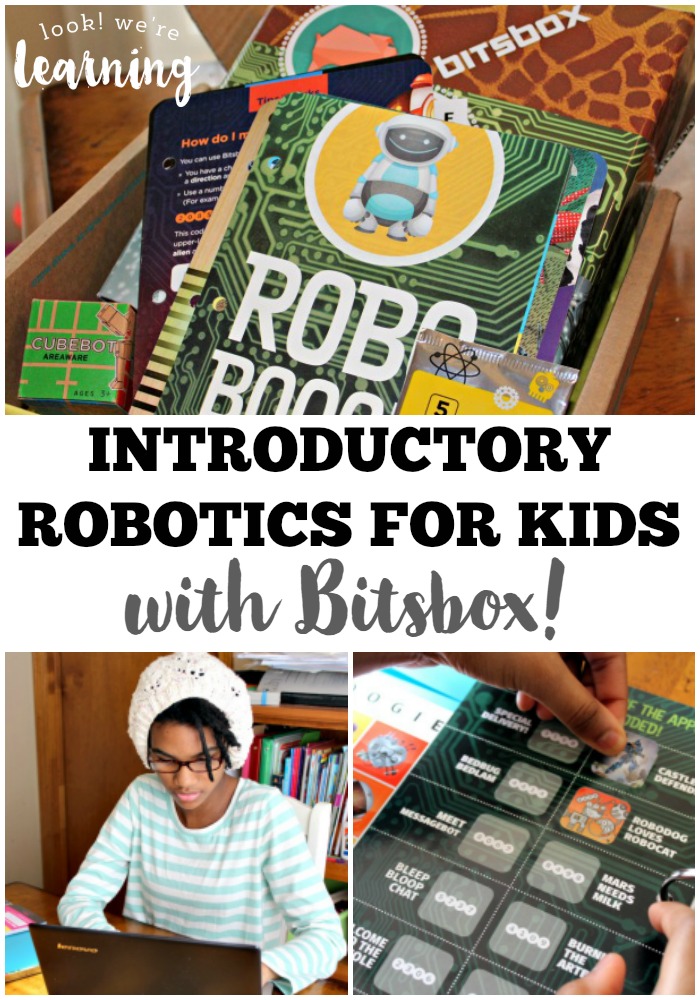
See how we used our Bitsbox subscription box to cover introductory robotics for kids! My middle schooler loved it!

And get even more ideas for STEM education from my STEM for Homeschoolers board on Pinterest!

Don’t miss these other great posts!

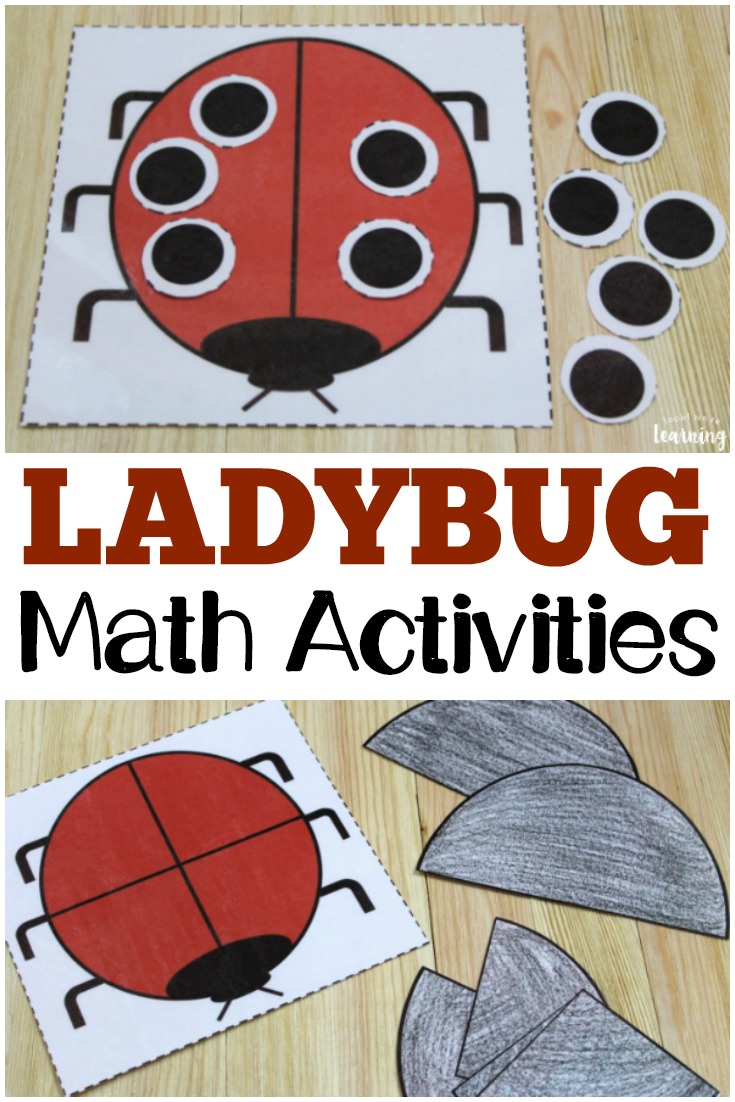
Free The Grouchy Ladybug Printables ADHD Handwriting Help for Kids Sleep Tips for Kids with ADHD Middle School Coding Projects for Beginners

This post is part of the 28 Days of Hands-On STEM Activities for Kids linkup! Stop by to get a look at all of the awesome STEM resources being shared this month!

28 Days of Hands On STEM


How to Homeschool in Five Hours a Week

How to Homeschool in Five Hours a Week

February 15, 2016 by Selena Robinson 4 Comments

Have you ever heard someone say…

“I wish I could homeschool, but I just don’t have the time!”

“You homeschool? How do you get everything done?”

“I’d like to homeschool, but it seems like it takes so long!”

I have. And I’ve tried repeatedly to get people to understand that it’s totally possible to homeschool in five hours a week. But it’s hard to get that message out in a way that makes it easy to understand, at least when I’m talking. So…

I’m writing it all down today! Check out how we get it done!

How to Homeschool in Five Hours a Week

Image c/o: yuriyzhuravov via depositphotos

How to Homeschool in Five Hours a Week

Before I get started, let me clarify: I do not mean that your total homeschooling time per week will be just five hours. Ours isn’t. Altogether, we probably spend 15 to 20 a weeks “doing school”.

But I have managed to get my hands-on teaching time down to five hours a week, which has been a HUGE help to my schedule.

The first hour of our school day (9 – 10 am) looks like this:

  • 30 min – teach a new concept and oversee practice
  • 10 min – assign independent reading and projects for the day
  • 20 min – answer immediate questions

The rest of the school day is spent on independent assignments, reading, an educational video, and generally a craft or a project. And, of course, I’m available for help as they need it throughout the day. But the real “Mom is teaching” time is done in that hour.

Here are three tips to help you do the same!

Plan ahead.

I cannot overstate the importance of planning here. I set aside time over the weekend to choose which objectives I’ll focus on that week and find the resources I have to teach them.

My goal is to introduce a new topic, observe the kids as they practice, and provide limited guidance. So I only teach one new concept per day and that keeps the amount of actual “teaching” time I have to do to a minimum.

Use the Internet.

I love to use the Internet when I teach. Love it. There are so many great YouTube videos and educational websites that can do a lot of teaching for us these days!

My kids use and love Khan Academy. And that’s one of my favorite websites because Sal does so much instructing that I don’t have to do much at all. I usually sit with the kids as they work through the videos and let them work the exercises on their own. Generally, I have my Kindle nearby. 🙂

Teach your kids to work independently.

This is probably the biggest step of all. When your kids start completing work on their own, you will get so much of your time back! And I will admit that this takes effort and LOTS of practice, but it’s worth it.

Start with little tasks: completing half of a worksheet, watching a short video, reading a page of a book and answering a question or two. And as your kids grow, they will start to enjoy the feeling of completing independent work.

As they work on their assignments, I get time to get my own work done, catch up on a household chore, or simply do nothing at all. It’s glorious.

Homeschool in Five Hours a Week

Need even more tips for managing your homeschool? Check out the amazing suggestions in the book The Big Book of Homeschooling Ideas!

The Big Book of Homeschool Ideas by iHomeschool Network

How do you keep a handle on your homeschooling time each week? Share your tips in the comments!

Need more help planning your homeschool? Follow my Homeschool Planning board on Pinterest!

This post is part of the “How Much Time Does Homeschooling Take” linkup from iHomeschool Network! Click on over to read the awesome posts by our fellow bloggers!

iHomeschool Network How Much Time Does Homeschooling Really Take Linkup

Hands-On Learning about Taste Buds

Hands-On Learning about Taste Buds

February 11, 2016 by Selena Robinson 9 Comments

Studying the human body is always a fun unit with kids. And one of the basic concepts is the five senses, right? But it turns out that every time I cover this unit, I learn something new. This time it was about how our taste buds work.

Now I’m probably exposing myself as an ignoramus, but I really never thought much about taste buds. Not what they did, not what specific tastes they detect, and certainly not where they were located. But I know a lot more about them now and so do my kids!

Check out our hands-on learning about taste buds, including a fun paper craft that you can recreate with your little ones!

Hands-On Learning about Taste Buds

Learning about Taste Buds

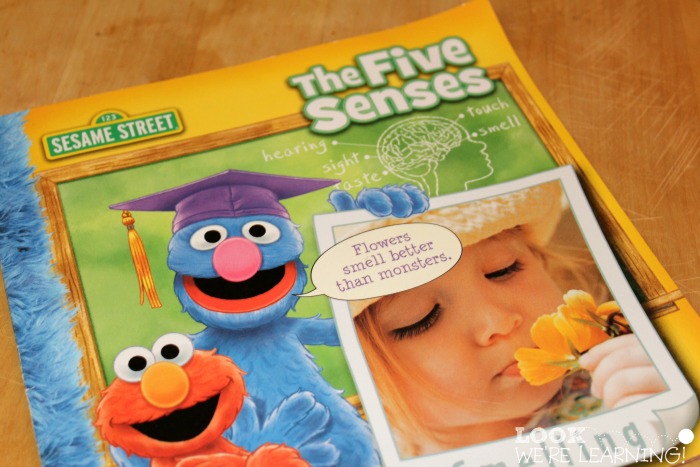
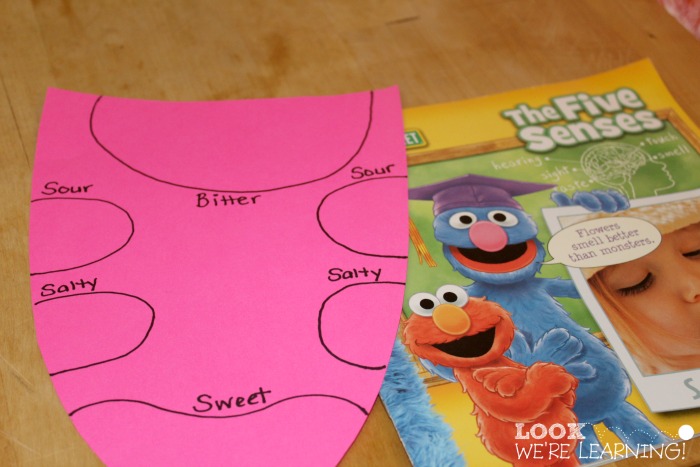
What really got me started on this activity was reading the Sesame Street book My First Book About the Five Senses with the kids.

Learning about Taste Buds Book

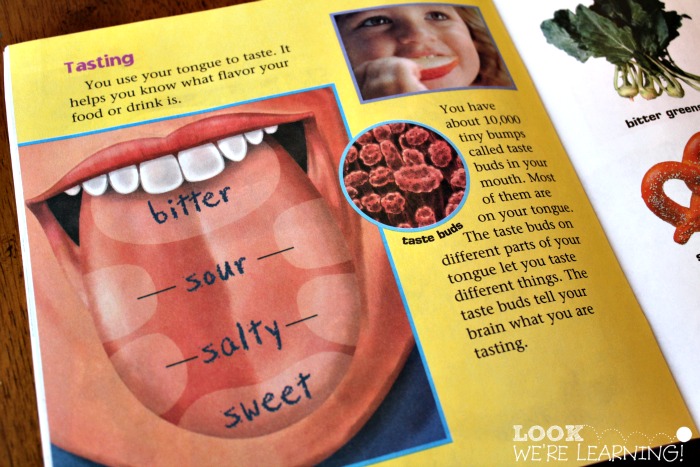
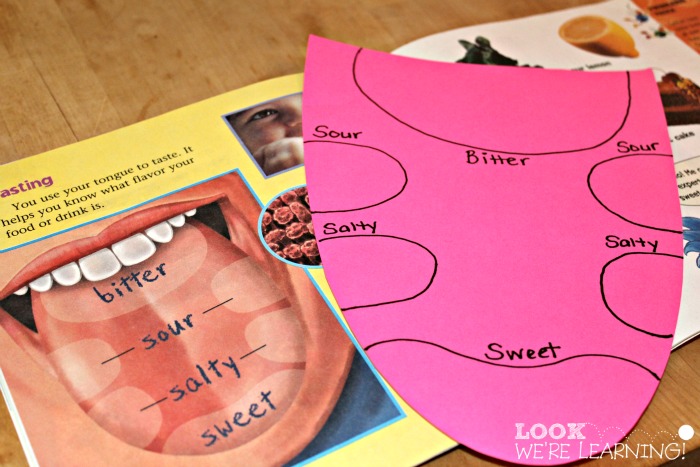
This is going to be really pathetic, but I didn’t know that there are different taste buds on different parts of our tongues!

Learning about Taste Buds for 1st Graders

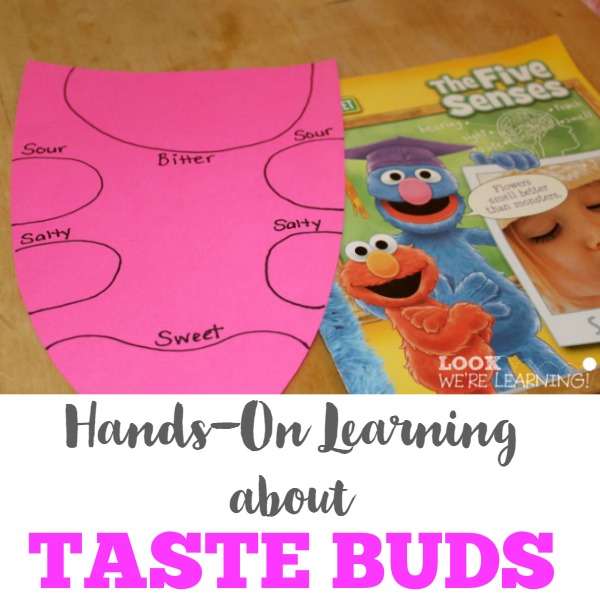
See? The taste buds at the back of the tongue are for bitter tastes, while sour and salty taste buds are located on the left and right sides. The tip of the tongue is where the sweet taste buds are located. Neat!

Learning about Taste Buds on the Tongue

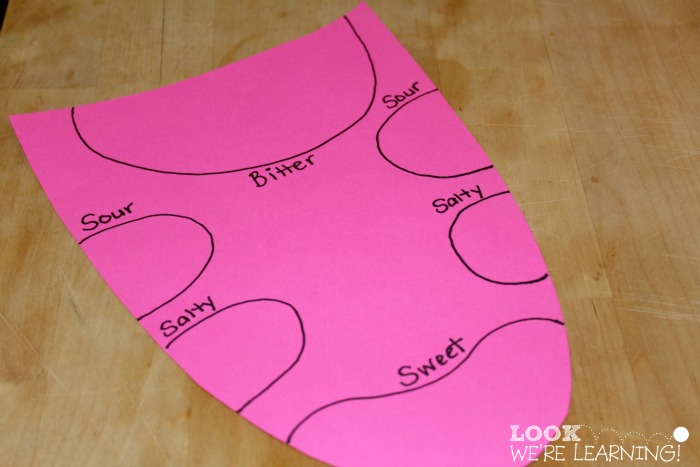
So I created a similar “tongue” on pink construction paper with taste bud “zones”.

Learning about Taste Buds Paper Activity

Pretty close, right?

Learning about Taste Buds Activity

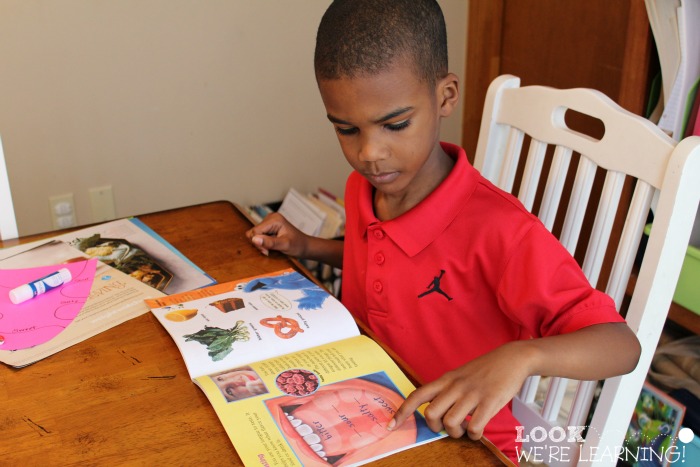
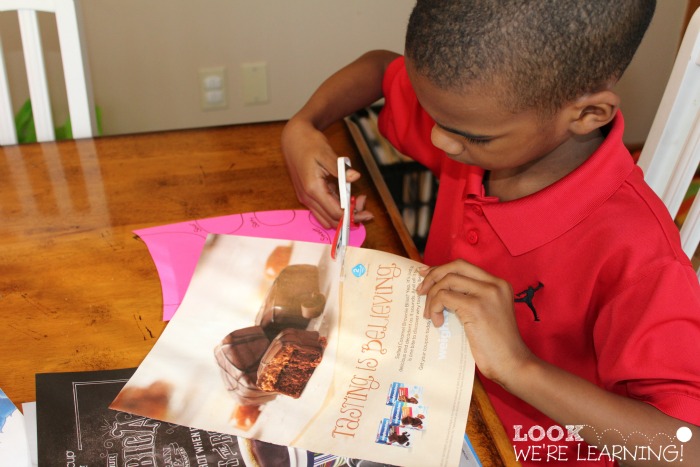
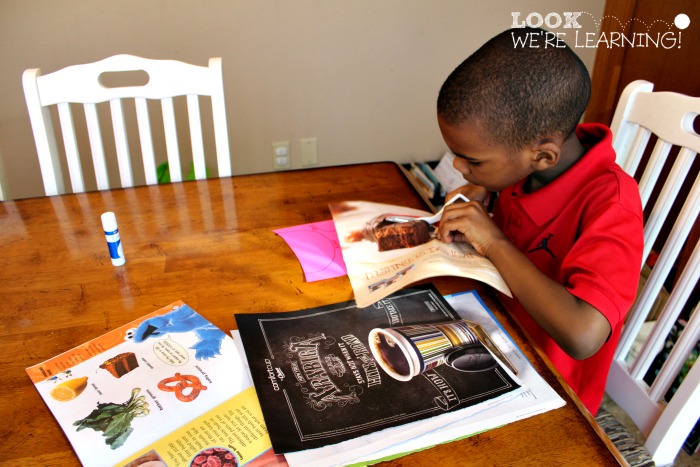
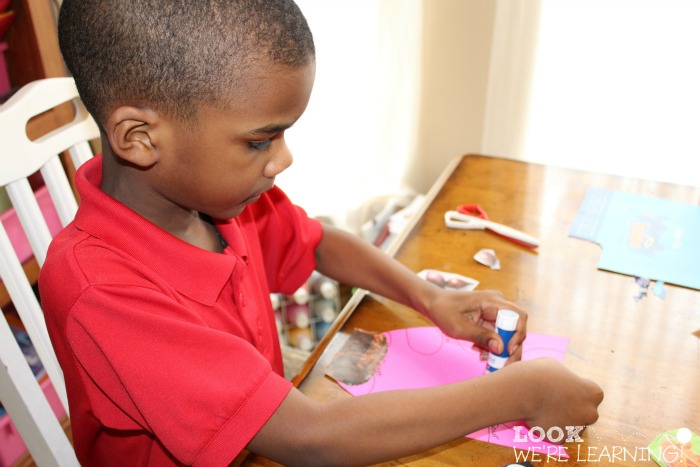
After we read the book, I handed Roo the paper tongue and some torn pages from a magazine so he could find pictures of food and glue them in the correct taste bud “zones”.

Learning about Taste Buds Activity Prep

Any time there’s a chance to use scissors, he’s raring to go.

Learning about Taste Buds Scissor Activity

See that image of coffee on the table? Roo didn’t know where to put that picture on the paper tongue. After all, he’d never tasted coffee.

Learning about Taste Buds Cut and Paste Activity

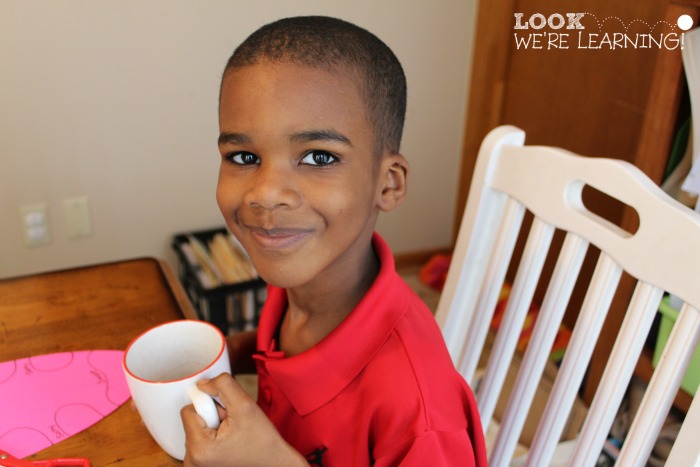
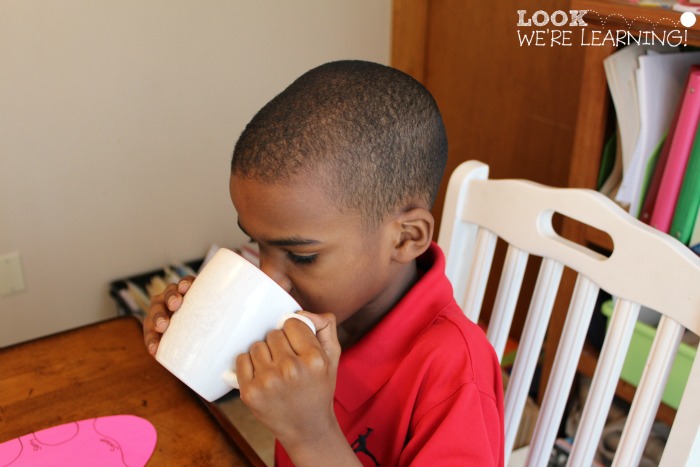
Time to do a taste test and find out!

Learning about Taste Buds Taste Test

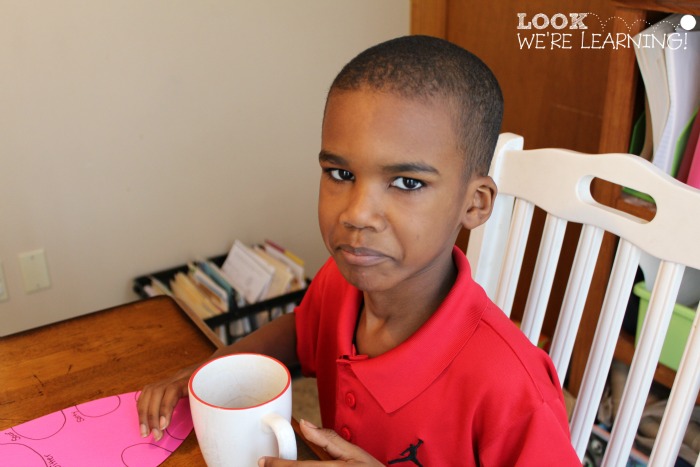
He was super excited to taste a grown-up drink. But afterward, he came to the instant conclusion that…

Learning about Taste Buds Tasting Activity

Black coffee definitely belongs in the “bitter” zone.

Learning about Taste Buds Taste Test Activity

So, he finished finding pictures and gluing them in the right places.

Learning about Taste Buds Cutting Activity

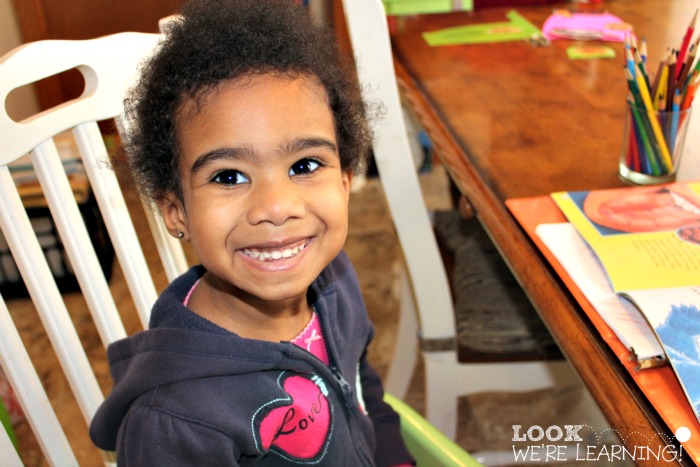
And while he worked, I read about taste buds with Piglet. As you can see, she had a pretty good time.

Learning about Taste Buds with Toddlers

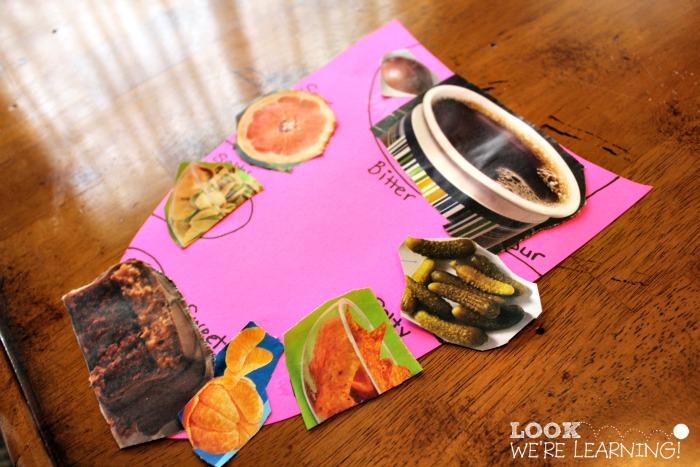
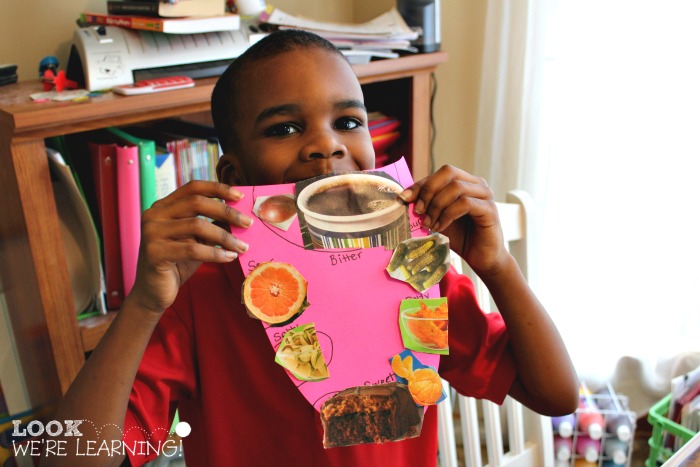
And Roo is all done! Coffee and onion are in the “bitter” section, pickles and grapefruit are in the “sour” section, salted nuts and chips are in the “salty” section, and a brownie and a clementine make up the “sweet” zone.

Hands On Learning about Taste Buds Activity

A tad bigger than the tongues in our mouths, but you get the idea.

Learning about Taste Buds Paper Tongue Craft

We really enjoyed this project and Roo was so proud of his work that he ran out into the living room to show the rest of the family.

Learning about Taste Buds

For more hands-on science fun, follow my It’s Science board on Pinterest!

And don’t miss the other fun human body learning activities this week from the Early Elementary Blogging Team!

STEM Respiratory System Investigation Asthma versus Healthy from Life Over C’s

What’s Inside Your Blood – An Edible Model from Preschool Powol Packets

Human Body Printables for Kids from Living Life and Learning

Telling the Time – Body Clock from Rainy Day Mum

Human Body Games for Kidsfrom The Natural Homeschool

5 Senses Unit from 123 Homeschool 4 Me

Bones from Sugar Aunts

Human Body Math from Planet Smarty Pants

Parts of the Eye Painting from Still Playing School


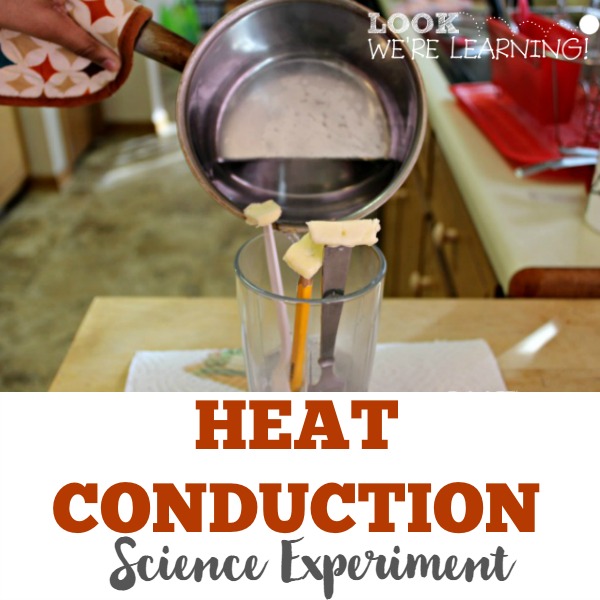
Simple Heat Conduction Experiment

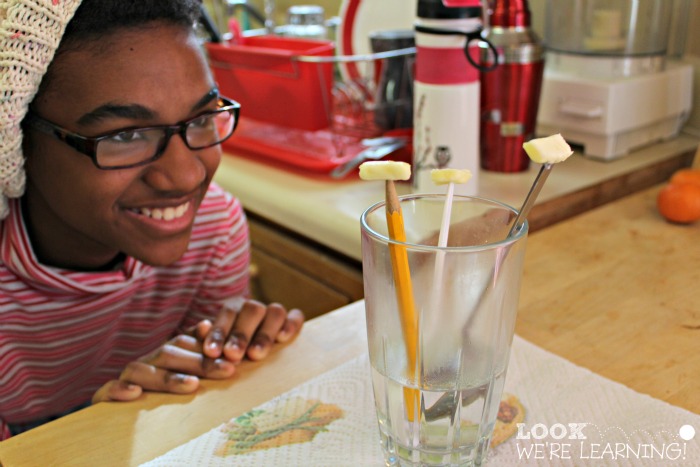
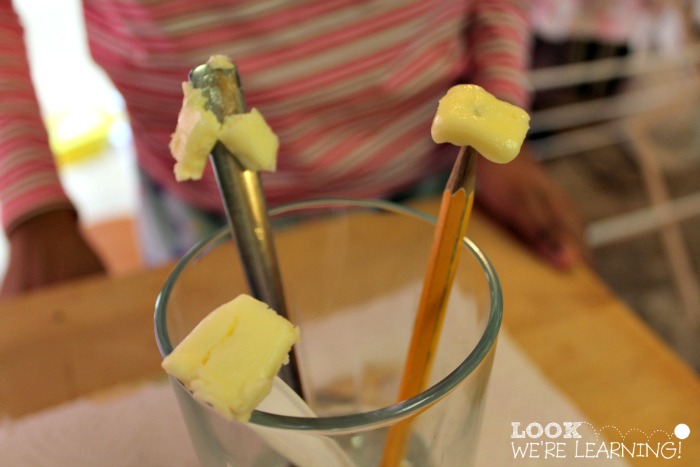
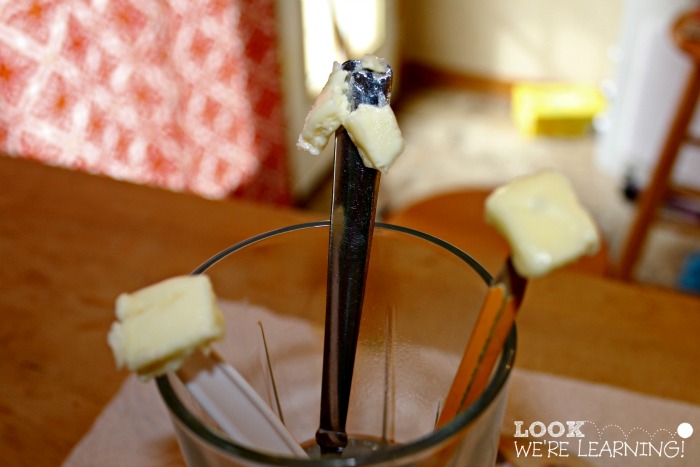
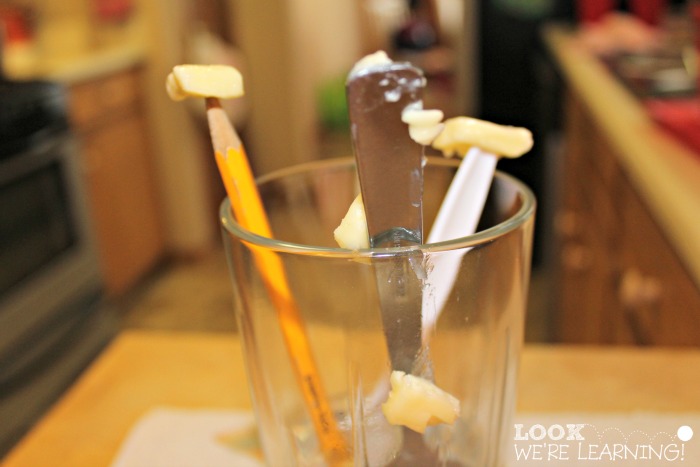
Simple Heat Conduction Experiment with Air is Not Oxygen!

February 11, 2016 by Selena Robinson 1 Comment

How many of you parents are extremely comfortable with teaching science? And I mean extremely comfortable.

If you’re not, you’re not alone! I’m not much of a science buff myself. I got good grades in it as a kid, but I haven’t really ever been interested in it. (Except for astronomy. Astronomy is awesome.)

So when it comes to teaching science, I find it hard to get a good grasp of the concepts so I can teach them to my kids. And that’s why I was thrilled to get a chance to review a great science book and try some of the activities, including a simple heat conduction experiment!

Read on to see why I loved this book and to see one of the included hands-on activities!

Disclosure: I received this product in exchange for this post and I was compensated for my time. All opinions are my own and I was not required to post a positive review.

Simple Heat Conduction Experiment

Science Concepts for the Non-Scientific Parent

As I mentioned earlier, I’m not super comfortable with science. And what’s worse – I’ve forgotten most of what I did learn in school. Fortunately, I’ve recently gotten a copy of the book Air Is Not Oxygen: Essential Science You Should Have Learned … But Probably Didn’t! and I have to say: It. Is. Incredible.
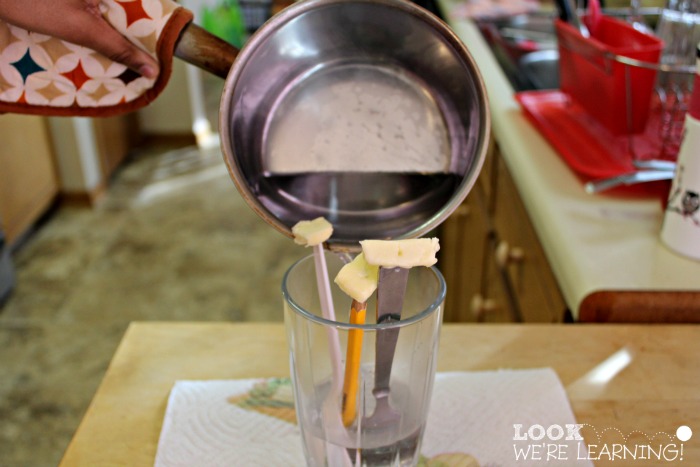
It’s a thorough overview of several scientific concepts, including light, heat, animal behaviors, and more. So it’s a good introduction or re-introduction to the same things you and I learned in school.

I had so many “Ohhhhh!” moments reading this book. For example, when Dr. Morelan talks about heat, he explains that you can generate heat through physical or chemical reactions. And for a physical reaction example, he tells you to rub your hands together (warming them) and then wave them in the air (cooling them).

Now did you ever think of that as friction or an example of how heat is generated? I didn’t!

And the book is written in a witty, conversational manner that just makes sense. I actually found my husband reading it later. That’s how good it is.

Simple Heat Conduction Experiment

After I read the section about how heat is generated with the kids, we tried one of the experiments in the book to observe heat conduction in action.

What is heat conduction? It’s how heat travels from one object to another. For example, when you touch something made of metal, it feels cold, right? Know why?

Because the metal is sucking the heat out of your body! For real! Just another thing I learned from Air is Not Oxygen. (Seriously, buy it now. You’ll be glad you did.)

It turns out that metal is an excellent heat conductor. And to test that statement, the book recommends experimenting by comparing to two other materials to see which one conducts heat the best. We took butter and spread it onto a plastic spoon, a metal spoon, and a pencil.

Heat Conduction Experiment Supplies

Then we stood all three up in a glass and added hot water.

Conducting Heat Conduction Experiment

Like so.

Heat Conduction Experiment Setup

And slowly but surely, the butter on the metal spoon began to soften.

Heat Conduction Experiment Stage 1

We watched with bated breath…

Observing Heat Conduction Experiment

Until it finally melted!

Heat Conduction Experiment Comparison

The butter on the pencil softened, but the butter on the plastic stayed fairly firm.

Heat Conduction Experiment Stage 2

Yep. There’s no doubt that metal is the best conductor of the three. Science works!

Heat Conduction Experiment Stage 3

This whole experiment took about half an hour. And most of that was spent in the observation phase. It was a really simple science experiment and a great way to “see” science in action.

And I finally understand what heat conduction is!

Heat Conduction Science Experiment

To brush up on science concepts and give your kids a chance to try a fun and simple heat conduction experiment, get your copy of Air is Not Oxygen from Amazon!

For more science fun, check out my It’s Science board on Pinterest!

And you can get even more ideas for teaching all kinds of homeschooling subjects, including science, in the book “The Big Book of Homeschool Ideas” from iHomeschool Network!

The Big Book of Homeschool Ideas by iHomeschool Network

The Best Picture Books for Three-Year-Olds

The Best Picture Books for Three Year Olds

February 1, 2016 by Selena Robinson 3 Comments

Piglet turned three last winter. And, while she’s always been part of our family storytime, she’s really started to take an interest in storybooks lately. She constantly asks “Can you read this to me?” It melts my heart every time.

Naturally, she loves picture books. So I started looking for the best picture books for three year olds that I could share with her. So far, these are her absolute favorites! And, since many of these were classics when I was a kid, they were my favorites back in the day too.

By the way, these are all books that I’ve actually read. Trust me, they’re pretty great.

The Best Picture Books for Three-Year-Olds

Image c/o: vadimphoto1@gmail.com via depositphotos

The Best Picture Books for Three-Year-Olds:

  1. The Very Hungry Caterpillar by Eric Carle
  2. The Giving Tree by Shel Silverstein
  3. The Cat in the Hat by Dr. Seuss
  4. If You Give a Mouse a Cookie by Laura Joffe Numeroff
  5. Chicka Chicka Boom Boom by Bill Martin, Jr and John Archambault
  6. The Snowy Day by Ezra Jack Keats
  7. Richard Scarry’s Busy, Busy Town
  8. Knuffle Bunny: A Cautionary Tale by Mo Willems
  9. Pete the Cat: I Love My White Shoes by Eric Litwin and James Dean
  10. Goodnight Moon by Margaret Wise Brown
  11. Lola at the Library by Anna McQuinn
  12. The Little Red Caboose (Little Golden Book)
  13. Are You My Mother? by P.D. Eastman
  14. Llama Llama Mad at Mama by Anna Dewdney
  15. Mr. Happy by Roger Hargreaves

15 of the Best Picture Books for Three-Year-Olds

Did I miss any of your favorite picture books for three-year-olds? Share your family’s favorites in the comments!

For more tips to make your kids into readers, check out my Reading for Kids board on Pinterest!

And catch some of our other book lists for kids below!

10 Kids Books about Monster Trucks

10 Kids’ Books about Monster Trucks

10 Children's Books about Butterflies

10 Children’s Books about Butterflies

10 Picture Books about Bugs

10 Awesome Picture Books about Bugs


This post is part of The Massive Guide to Homeschool Reading Lists by iHomeschool Network! Click over to read tons of awesome booklists shared by my fellow homeschooling bloggers!

ReadingLists


  • « Previous Page
  • 1
  • …
  • 22
  • 23
  • 24
  • 25
  • 26
  • …
  • 38
  • Next Page »
Hi! I'm Selena, a veteran teacher and homeschool mom to four. I'm so glad you're here!
About Me Contact Terms of Use Privacy Policy Places I Share
Facebook Pinterest Instagram
Homeschool Printables Unit Studies Shop the Store
Copyright ©2026, Look! We're Learning!. All Rights Reserved. Design by Pixel Me Designs